Inspiration
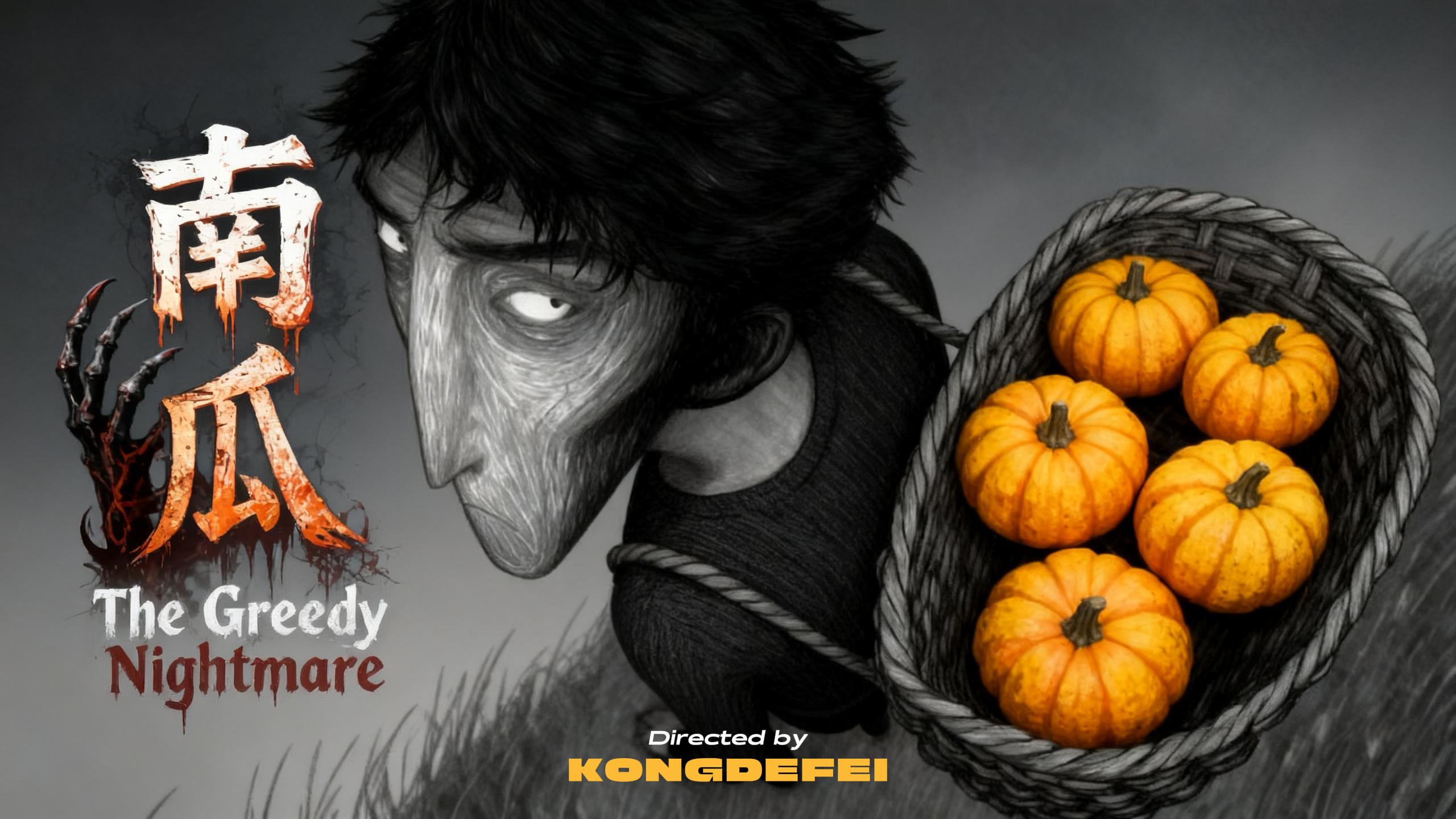
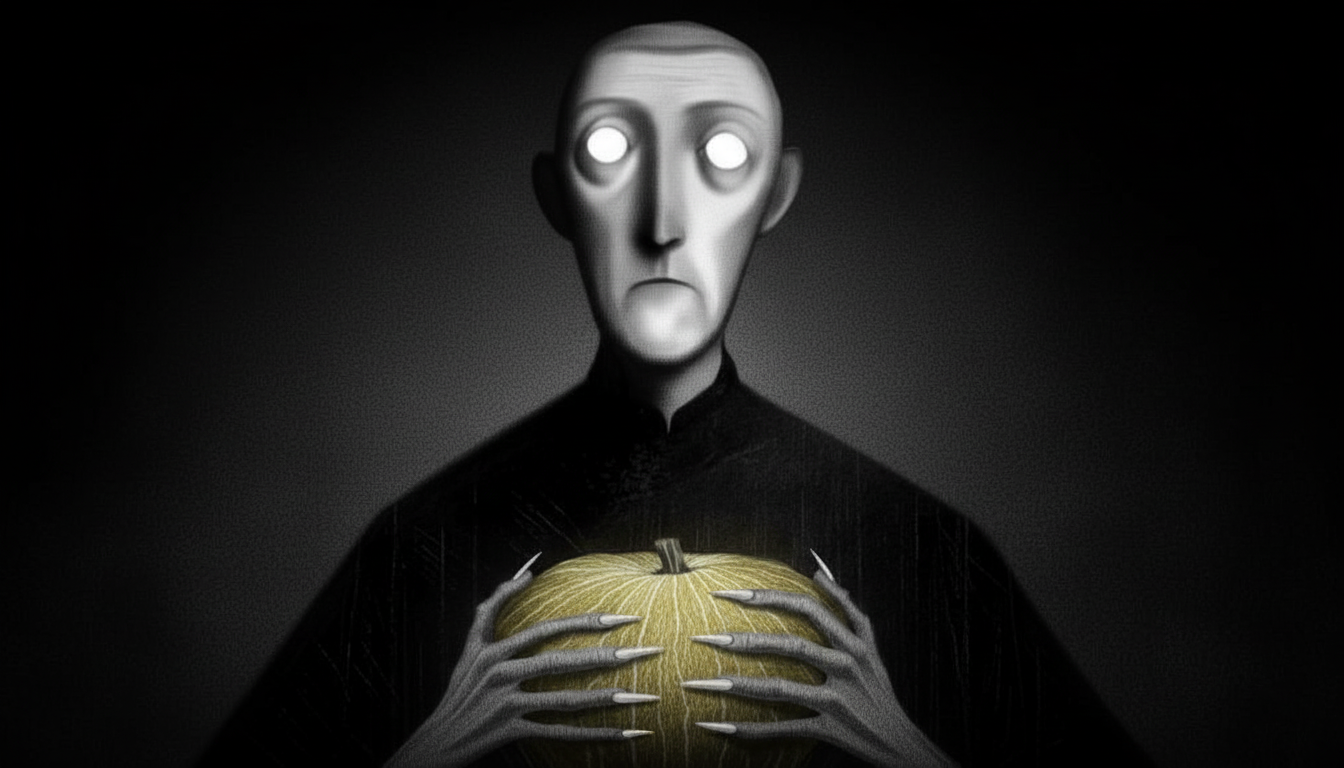
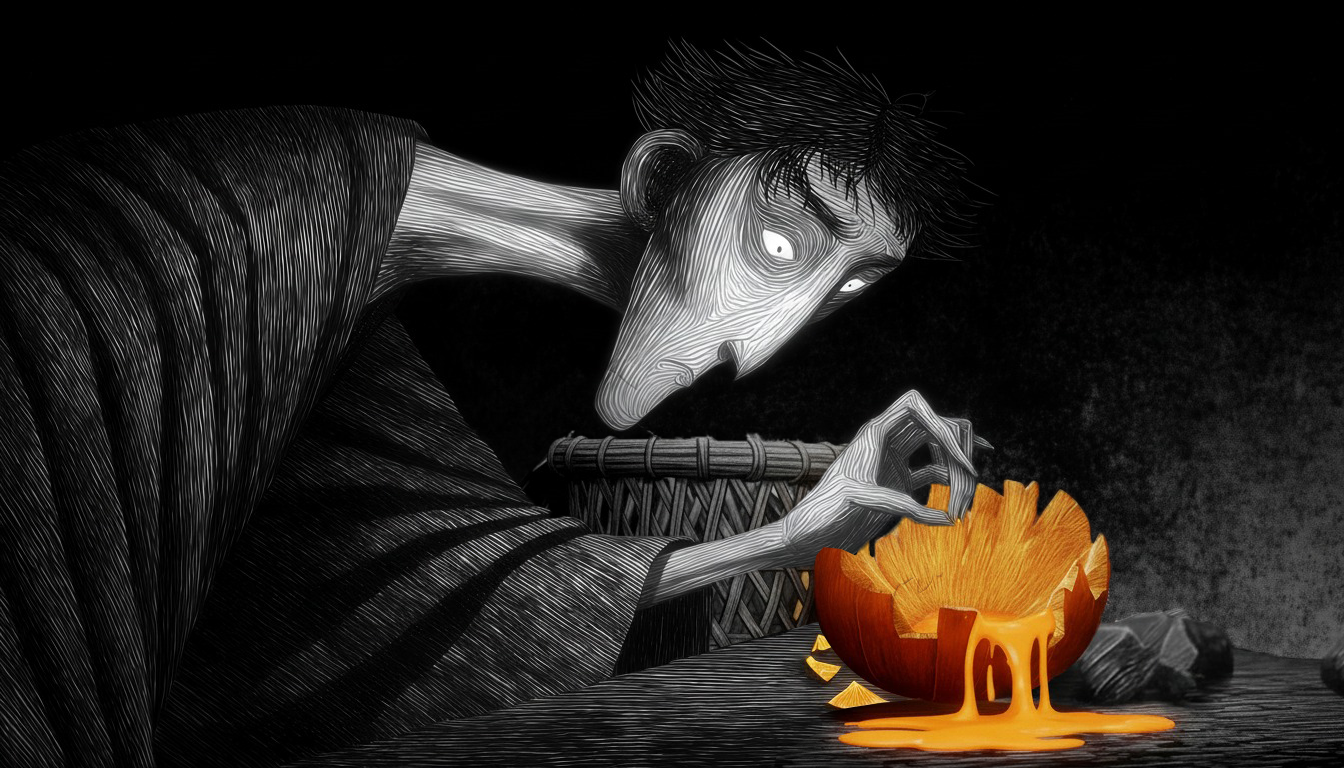
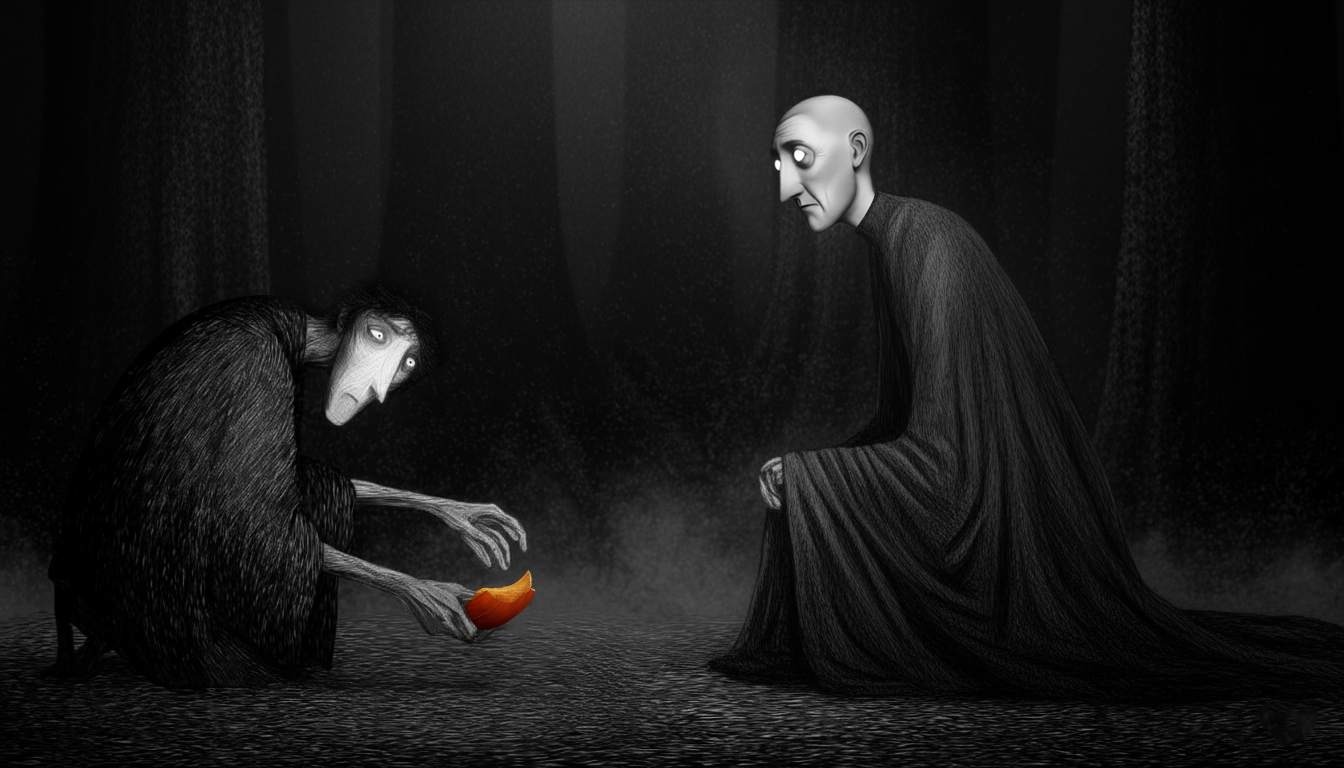
The entire creative genesis of The Greedy Nightmare stems from a deeply unsettling and vivid nightmare experienced by the director. The dream was about a porter tasked with delivering magical pumpkins to a pale, blind man. The core narrative of the film—the accidental breaking of a pumpkin, the irresistible temptation of its golden, honey-like contents, the porter's decision to secretly keep a portion for himself, and the subsequent, terrifyingly persistent haunting by the blind man—is a direct translation of this subconscious vision. The dream's potent themes of greed, guilt, and inescapable consequence, along with its distinct, eerie imagery, served as the foundational blueprint for the entire project.
What it does
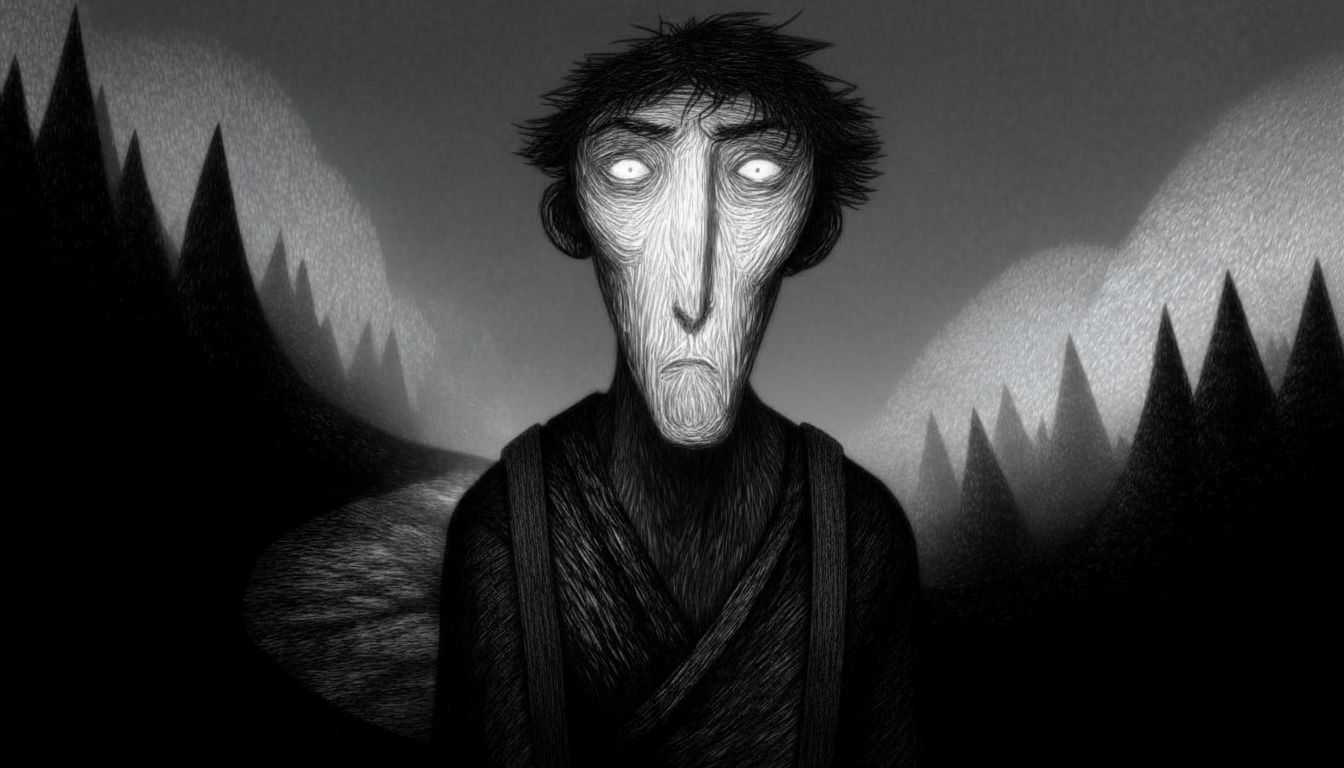
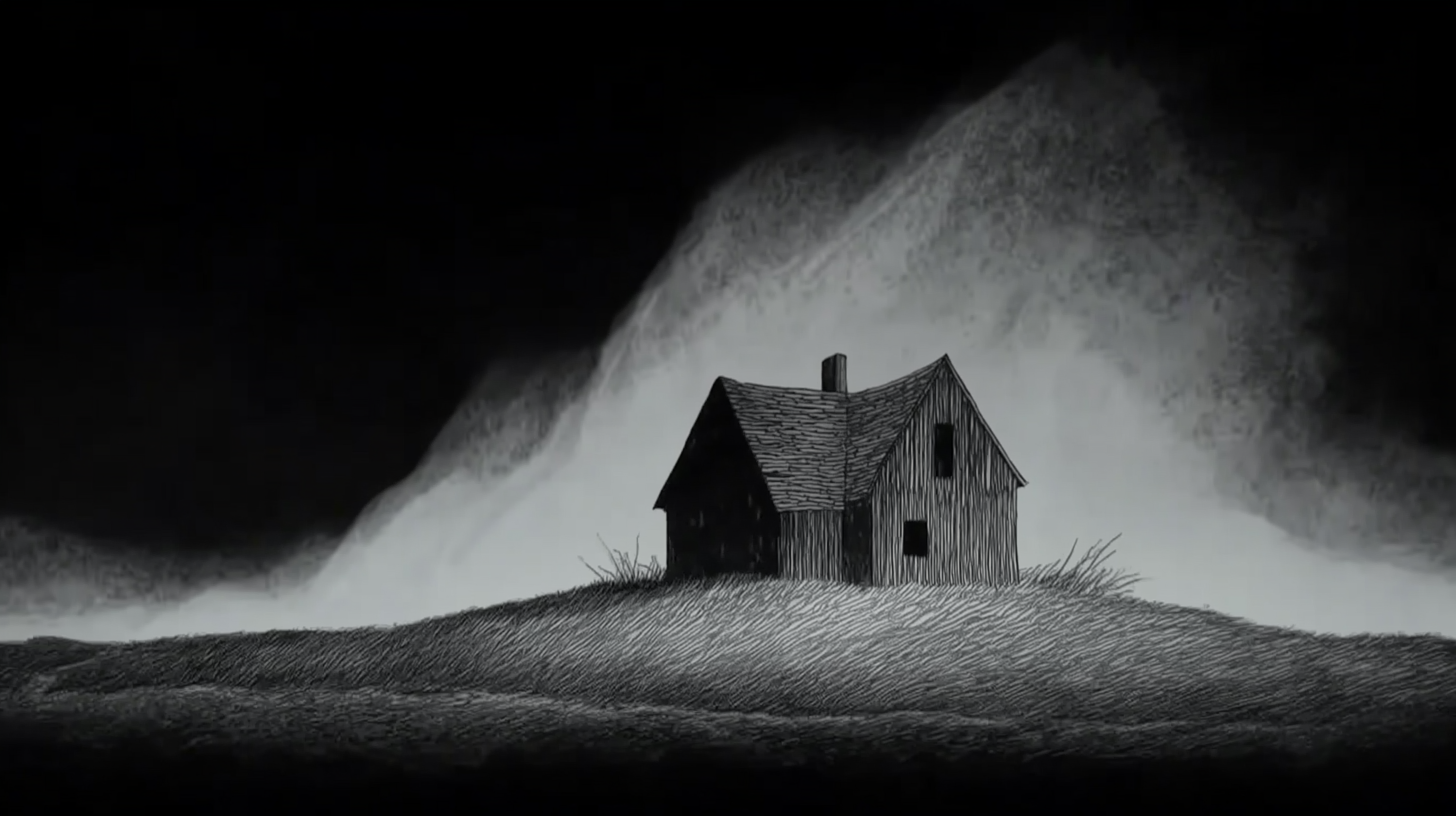
The Greedy Nightmare is a short, animated psychological horror film that chronicles the terrifying ordeal of a man undone by a single moment of temptation. The film uses a stark, monochromatic art style with selective splashes of color to immerse the audience in a surreal and oppressive world. It follows a porter who, after tasting the supernatural contents of the pumpkins he's delivering, attempts to deceive the recipient—a mysterious blind man. The narrative explores his spiraling paranoia and terror as he discovers that his transgression has bound him to a relentless supernatural entity from which there is no escape. The film is designed not for jump scares, but to cultivate a slow-burning, atmospheric dread that lingers long after the credits roll, forcing the viewer to confront the terrifying nature of a guilty conscience.
How we built it
This film stands as a testament to a modern, AI-integrated filmmaking workflow. The entire production was executed by leveraging a suite of powerful AI tools, guided by a singular artistic vision.
Visual Concept & Keyframes: We used Midjourney to generate all the foundational artwork. By crafting detailed text prompts, we established the film's unique aesthetic—a blend of dark fantasy and expressionistic horror—and created the pivotal scenes and character designs that form the visual backbone of the story.
Animation & Motion: The static keyframes from Midjourney were brought to life using the image-to-video AI platforms Dreamina AI and Kling AI. These tools animated the scenes, creating everything from subtle environmental motion and nuanced character expressions to dynamic action sequences.
Sound Design & Score: The film's haunting soundscape was produced using the AI sound generation tools within CapCut. This allowed us to create custom atmospheric effects, foley, and a chilling musical score that perfectly complements the on-screen tension and dread.
Editing & Final Assembly: All AI-generated video and audio assets were compiled and edited in CapCut. This final human-guided step was crucial for weaving the individual clips into a cohesive narrative, controlling the pacing, and ensuring the story's emotional and psychological impact was fully realized.
Challenges we ran into
While pioneering this AI workflow was creatively liberating, it presented unique challenges. A primary hurdle was maintaining visual consistency of the characters and environments across hundreds of generated shots; AI can often introduce subtle (and sometimes not-so-subtle) variations that threaten narrative continuity. Directing the AI to produce specific, nuanced character movements and emotional expressions—like the porter's mix of fear and craving, or the blind man's unnerving stillness—required extensive experimentation and prompt engineering. Furthermore, stitching together numerous short, AI-generated clips into a seamless narrative with effective pacing was a significant editorial challenge that demanded careful curation and a strong directorial hand.
Accomplishments that we're proud of
We are immensely proud of successfully translating the abstract, fleeting terror of a nightmare into a complete, polished, and compelling short film. This project demonstrates that a lone artist can execute a high-quality animated production by harnessing the power of AI as a creative partner. We succeeded in cultivating a distinct and cohesive artistic style that is both beautiful and deeply disturbing. Most importantly, we've crafted a narrative that, despite its unconventional production method, connects with the audience on a primal, emotional level, proving that AI-driven filmmaking can be a powerful medium for personal and auteur-driven storytelling.
What we learned
This project taught us that filmmaking with AI is a collaborative dance between human intention and machine interpretation. The AI is more than a tool; it's a creative catalyst that can suggest visual ideas one might never have conceived of. However, we learned that the artist's role as director, curator, and editor is more critical than ever. The key to success lies not in simply generating content, but in carefully selecting, guiding, and refining the AI's output to serve a specific narrative and emotional purpose. We also learned the incredible power of an iterative process—generating vast quantities of material to find the perfect few seconds of footage that truly capture the intended vision.
What's next for The Greedy Nightmare
We believe the world and lore of The Greedy Nightmare have immense potential for expansion. Our immediate goal is to share this short with a global audience by submitting it to animation, horror, and experimental film festivals. Looking further ahead, we are exploring the possibility of developing a series of short films set in the same universe, delving deeper into the origins of the mysterious blind man and the nature of the magical pumpkins. We also plan to continue refining our AI-filmmaking process, incorporating new tools and techniques to push the boundaries of this exciting new frontier in digital art and storytelling.
Built With
- capcut
- chinese
- dreamina
- english
- kling
- midjourney

Log in or sign up for Devpost to join the conversation.