The problem
Covid kills around 1% of the infected and hospitalizes 5-10% and we do not know exactly why some people have bad reactions and not others. Research has shown correlations between Covid and some pre-conditions like hypertension, smoking, diabetes, age and gender but outside of that, no one has successfully collected data as to figure out what else may cause better or worse outcomes. ( For example, it is unclear whether or if certain other conditions (like IBS) puts someone more or less at risk of an adverse reaction or which over-the-counter medications, supplements or lifestyle/diet choices may have an adverse or beneficial effect).
At the same time, there are a lot of unexplained results. Why are doctors and first responders end up with approximately 5x the adverse reactions than regular patients holding all other factors constant? Are people who are exposed multiple times to Covid more likely to have an adverse reaction than those who have a one-time encounter? Or is it more likely that a lack of sleep or extra stress increases the chance of adverse reactions?
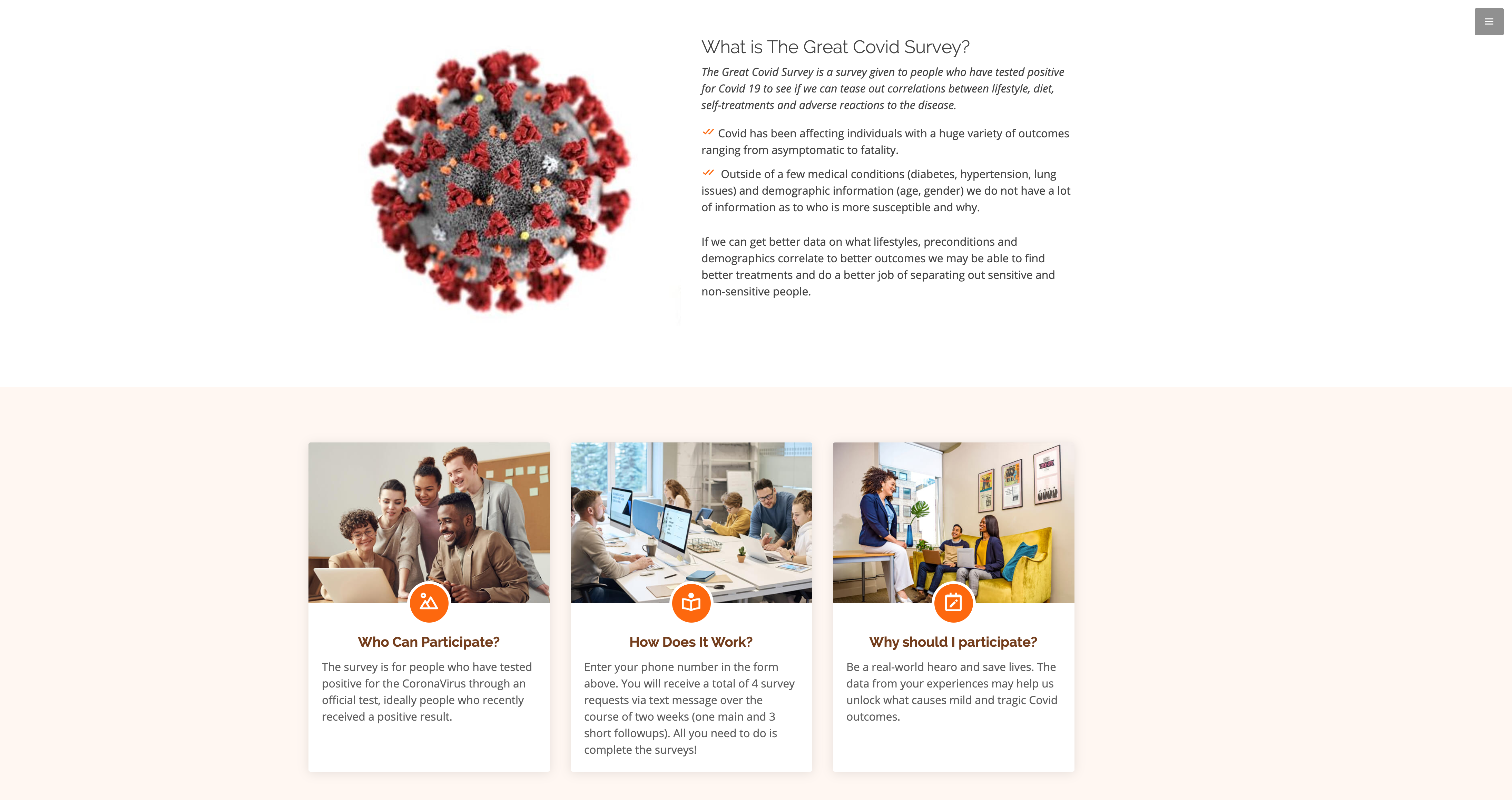
The goal is to crowdsource data across a large spectrum of people who have tested positive for Covid, track their outcomes and run data analysis to tease out initial results which could be used for additional tests.
What it does
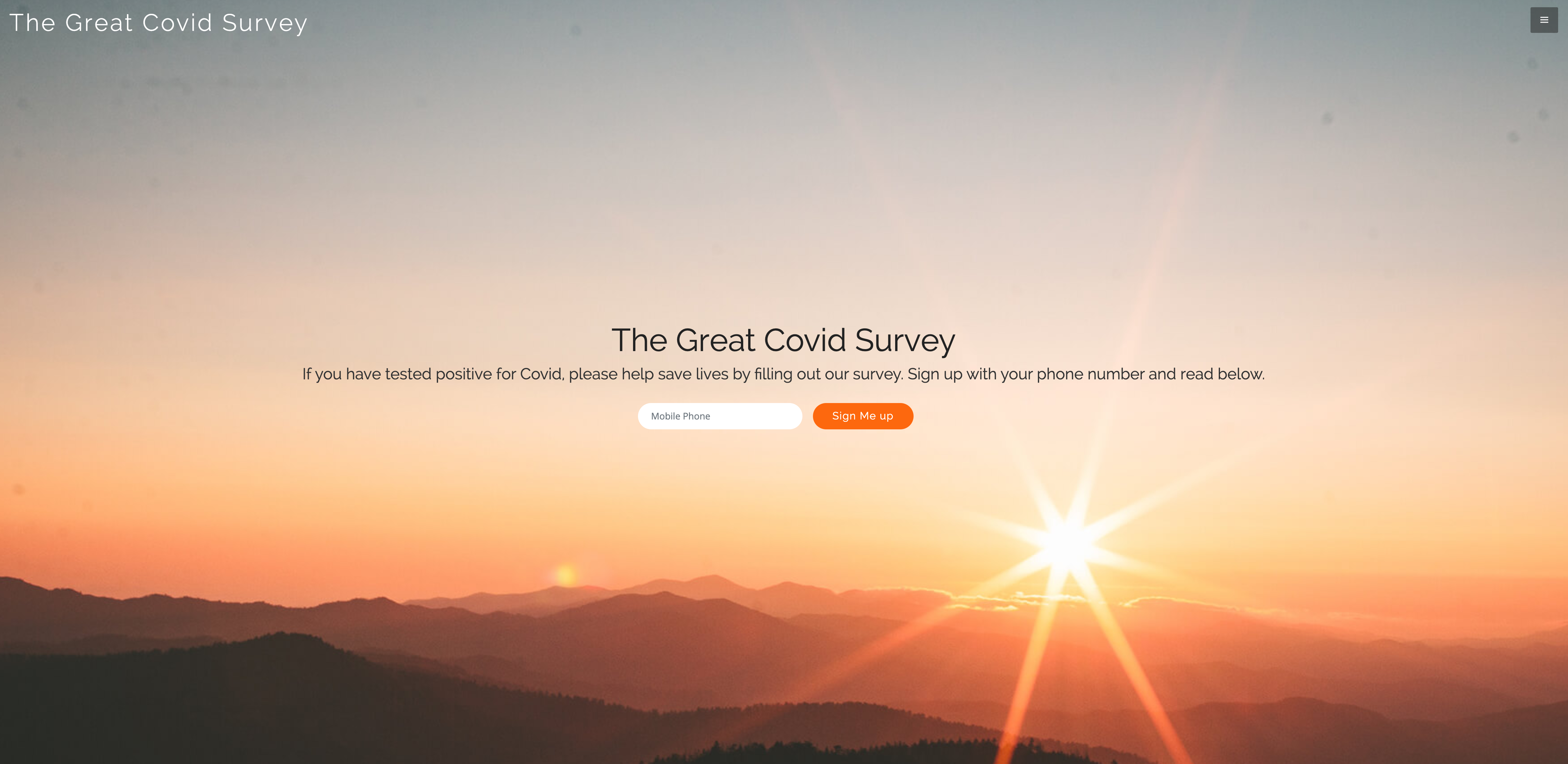
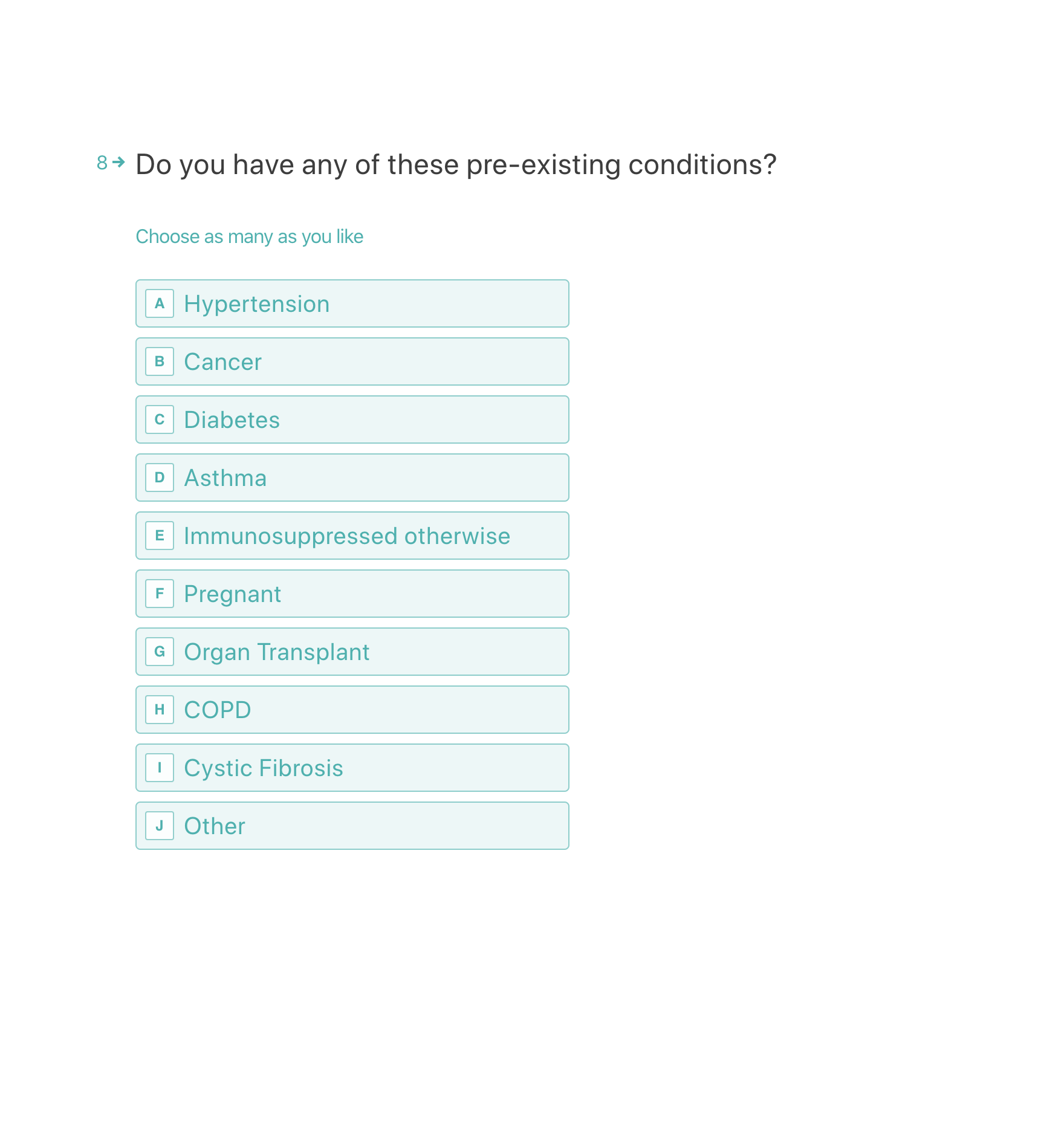
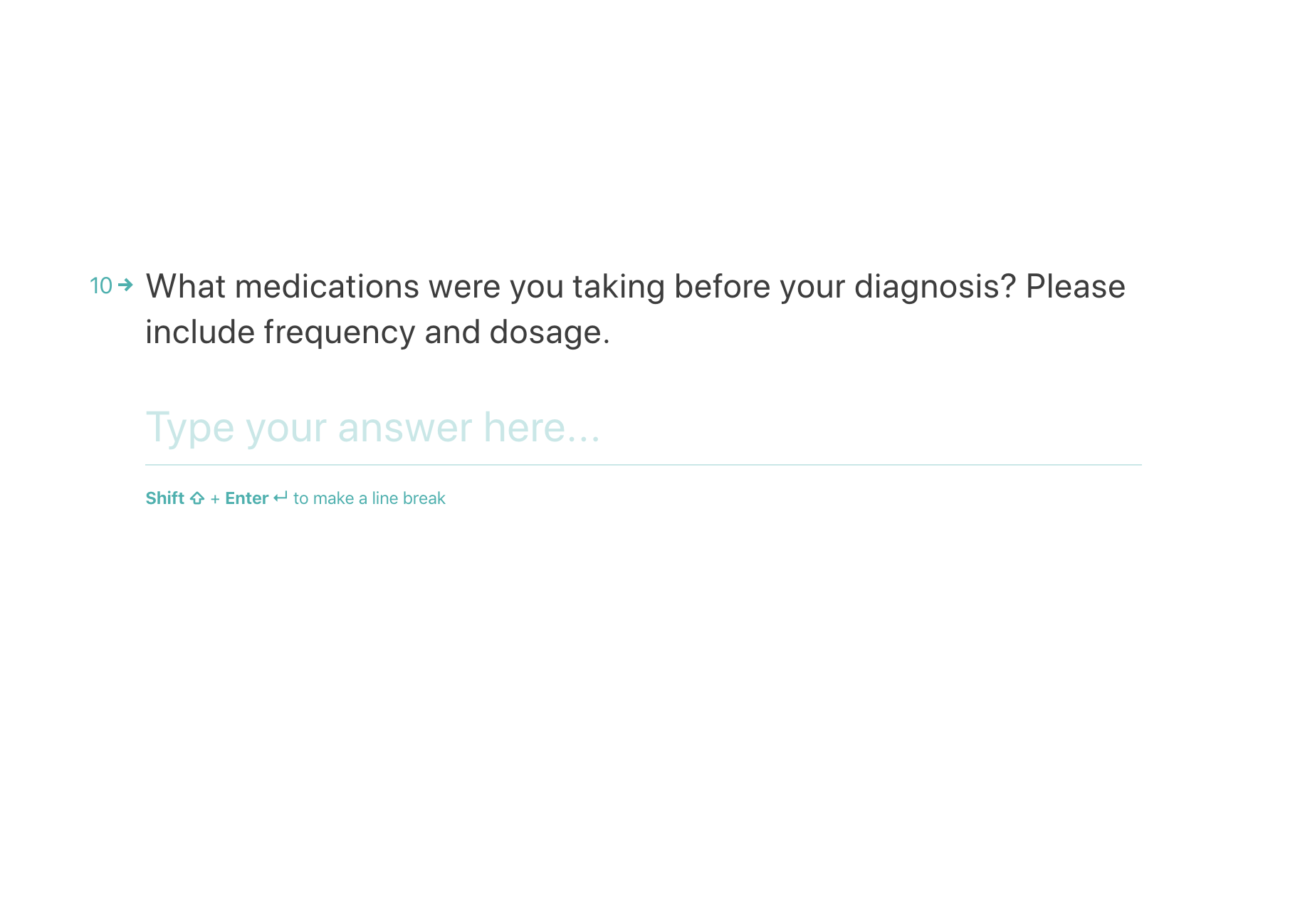
This is a large web survey that lets people who have tested positive for Covid enter in a wide variety of data including, pre-conditions, their diet before covid including supplements, stress levels, treatments taken and basic demographic data. Participants enter in their mobile phone number and immediately receive a link to a survey via SMS. They also will receive 3 shorter follow-up surveys over the next 14 days asking more about progress, additional treatments and outcomes.
How I built it
It was easiest to just combine existing technologies so this was written using Typeform, Bootstrap and Netlify for the website and Simpletexting (for now) for the SMS.
Most of the work was non-technical such as figuring out the delivery mechanism, which questions to ask, and in which order. Also there was some work in the control/flow of Typeform (so if you answer certain questions you get follow ups) and making sure the design and flow was intuitive and easy to use.
Challenges I ran into
- SMS Texting linking - I have had some challenges this weekend getting Simpletexting to receive a telephone number and a random ID via a web-based API (which we need to separate it from the survey data). For now, we had to take that off the site until it is resolved (hence this is a "prototype" right now and not a full product).
- How to build a survey without having it become overwhelming.
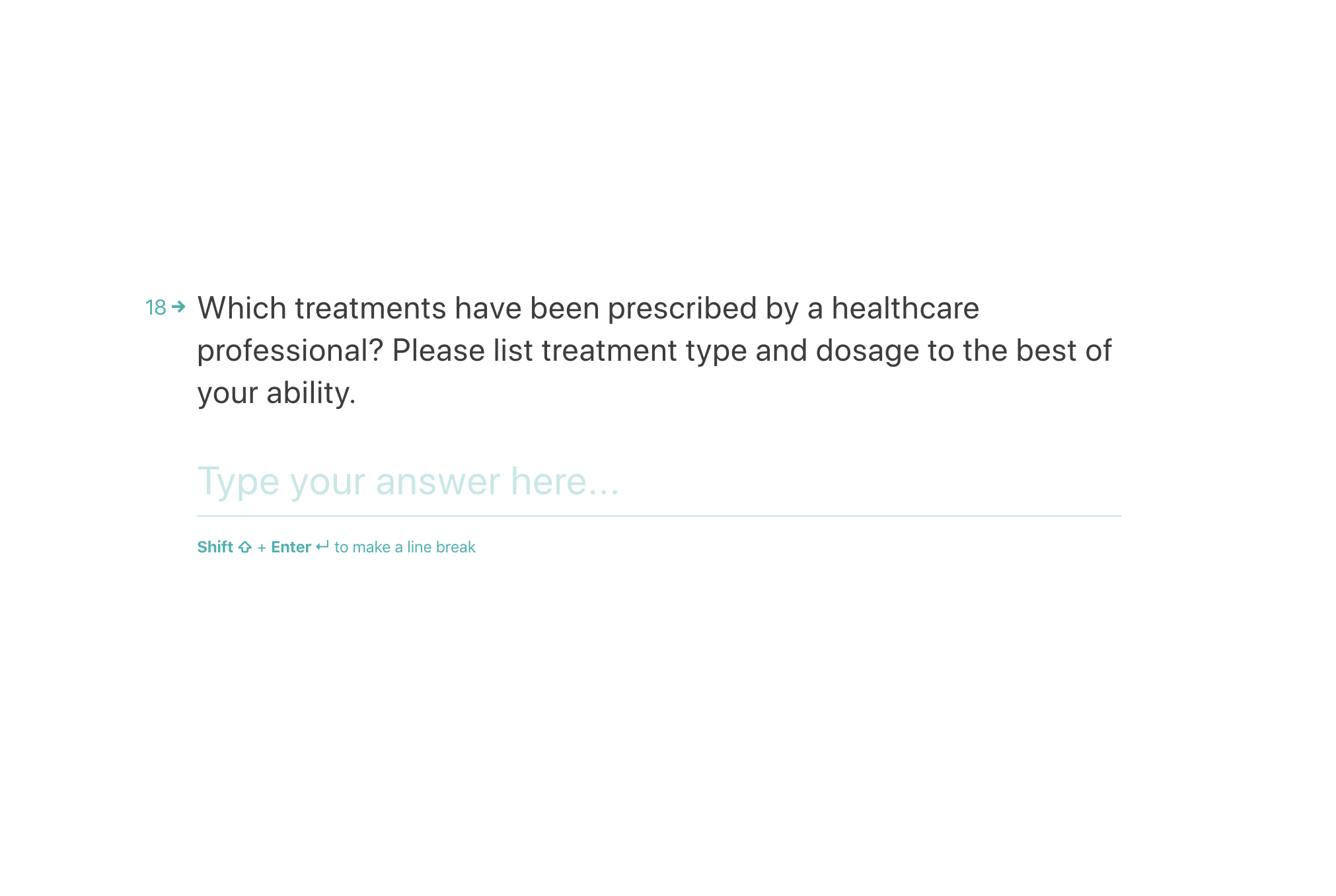
- How to gather data with lots of variables (medications and dosages) in a way that provides structured data and also flexibility in the answer. (Right now we are going to let some sections be be freeform and convert it in ETL).
Accomplishments that I'm proud of
Putting together the entire system from ideation to production within the course of a weekend - especially since I am not a front-end engineer/UI person!
What I learned
1) It's not too hard to get a prototype off the ground if you focus on it and are time-constrained. 2) The biggest challenges are survey design - how to ask questions in the right order and way to not fatigue people as they are filling it out - and distribution. 3) I have not seen anyone doing this right now which is crazy!
What's next for The Great Covid Survey
- Gather feedback on the surveys from other researchers, update questions and ideally shorten the survey further.
- Decide whether or not to launch it.
If we decide to launch:
- Re-link the SMS contact system.
- Eventually launch it via social media/word of mouth/press
- Add more ways to encourage spreading it by word of mouth.
Built With
- bootstrap
- github
- google-sheets
- lightgbm
- netlify
- simpletexting
- sms
- typeform


Log in or sign up for Devpost to join the conversation.