-
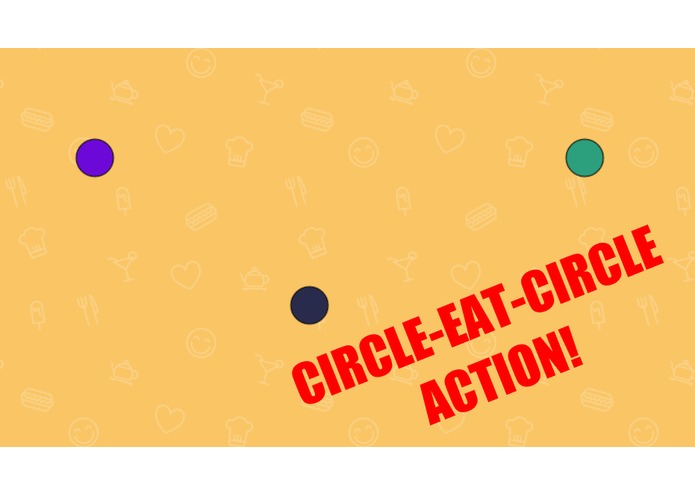
Yay, cannibalism is fun!
-
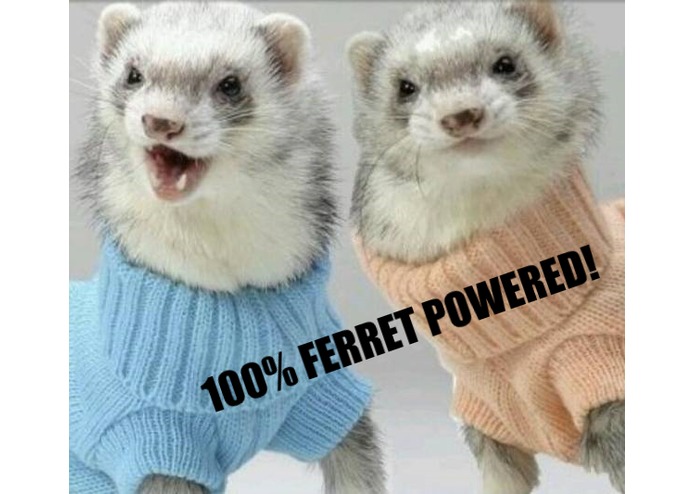
Ferrets are cool!
-
Mmmmm, tasty vegetables....
-
We're launching this as a global esport next week, and we suspect it will over take giants like LoL and DotA very quickly in the scene.

What it does
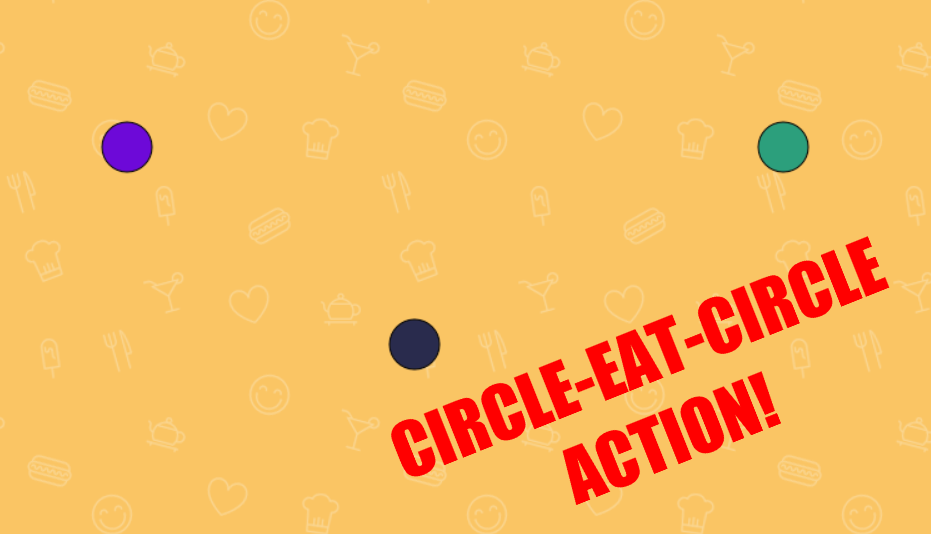
It's an agar.io clone written by three sleep deprived students who learned as they worked. If you're not familiar with agar.io, it's a bunch of colourful circles brutally murdering and eating each other in an endless quest for dominance (or until they get bored and go play golf or something).
How we built it
We coded it in assembly on a computer we made from popsicle sticks and duct tape. Kidding of course, for this kind of thing you need a computer built from high quality maple skewers, not cheap popsicle sticks! We actually wrote the client and server pieces in javascript, making use of jQuery, Node.js, express.js, and socket.io to make our lives easier and to facilitate communication between the two. The server is hosted on Amazon Web Services and based on its performance is being powerd by two agitated ferrets with graphing calculators.
Challenges we ran into
Well most of use had little to no experience developing web applications, never mind real time server-client communicaiton, so it has been a bit of a learning experience to say the least. Learning was definitely the biggest challenge, but we still learned many things. Let's be honest, it's a miracle this thing works at all.
Accomplishments that we're proud of
We're super happy we manage to train two ferrets to use graphing calculators to run the server. Oh, and we're also pretty proud that we got it working, that too.
What we learned
If nothing else this project certainly fits the theme of learning since we had to learn almost everything about this project. We came in knowing almost nothing, and in the end we now have experience writing server-client applications using javascript and html, as well as ferret training.
What's next for Hangry Time
Being rewritten by people with more experience would be good, but failing that some shinier graphics would be nice. Maybe replacing all the circles with pictures of Donald Trump and Hilary Clinton's faces would liven things up.


Log in or sign up for Devpost to join the conversation.