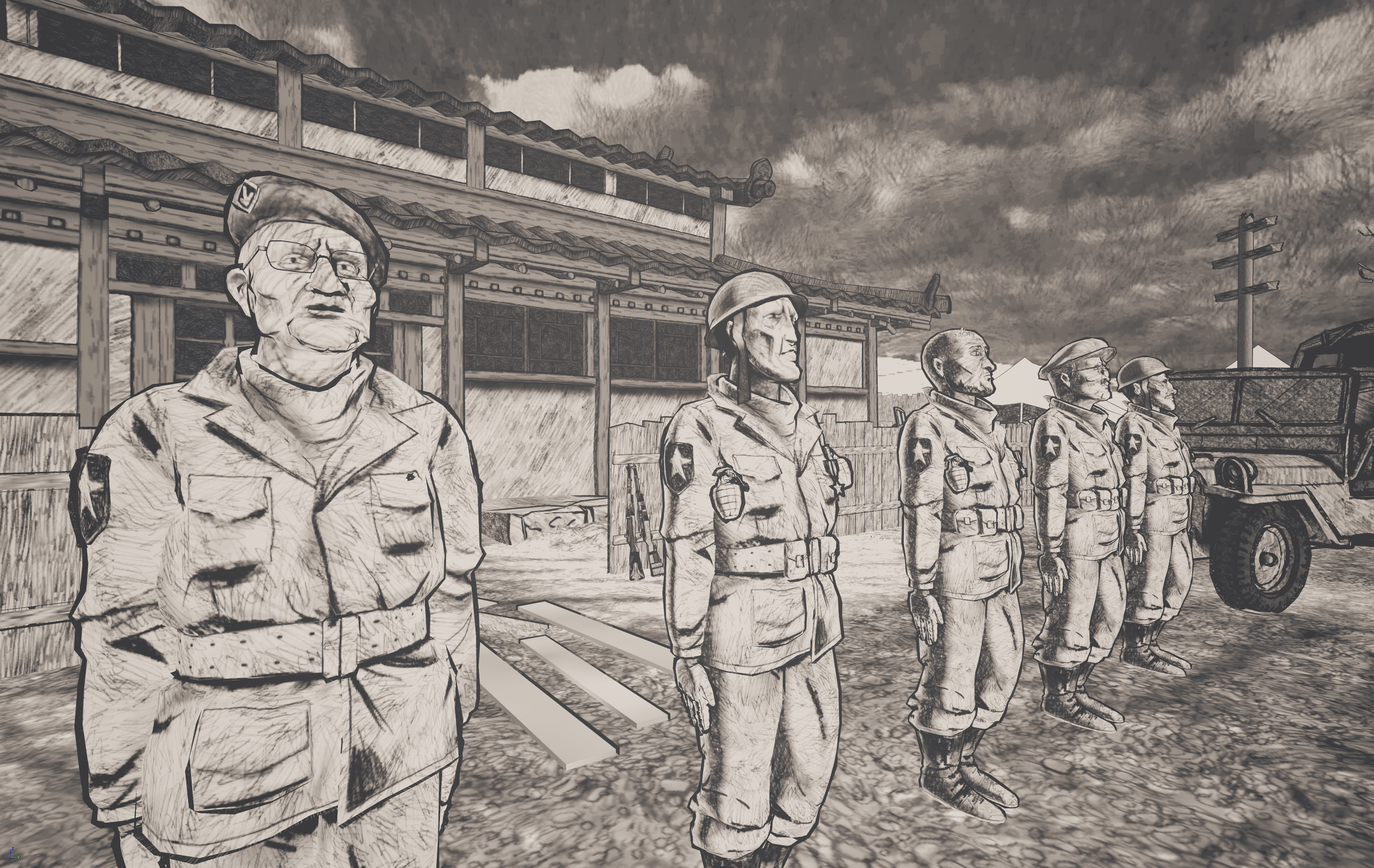
In June 1950, the UN decided to send military forces under American command to support the South Korean army, which was attacked by North Korea and China. The French contribution took the form of an entirely volunteer unit, the French Battalion of the UN (BF/ONU). A total of 1,034 volunteers landed in Busan in November 1950. However, in 1953, the soldiers returned to France in anonymity. Europe was recovering from the Second World War and wished to forget its wounds. This war was distant, fought in an unfamiliar country. And in the end, it had neither winner nor loser, only a ceasefire between the two Koreas that still holds to this day.
Unlike the veterans of the Second World War, the soldiers of the French Battalion in Korea were forgotten by history, a striking contrast with the United States, where the memory of the American troops who fought this campaign remains vivid. Yet the French soldiers who served in Korea made a significant contribution to this major event, whose impact on South Asia and international relations is still felt today.
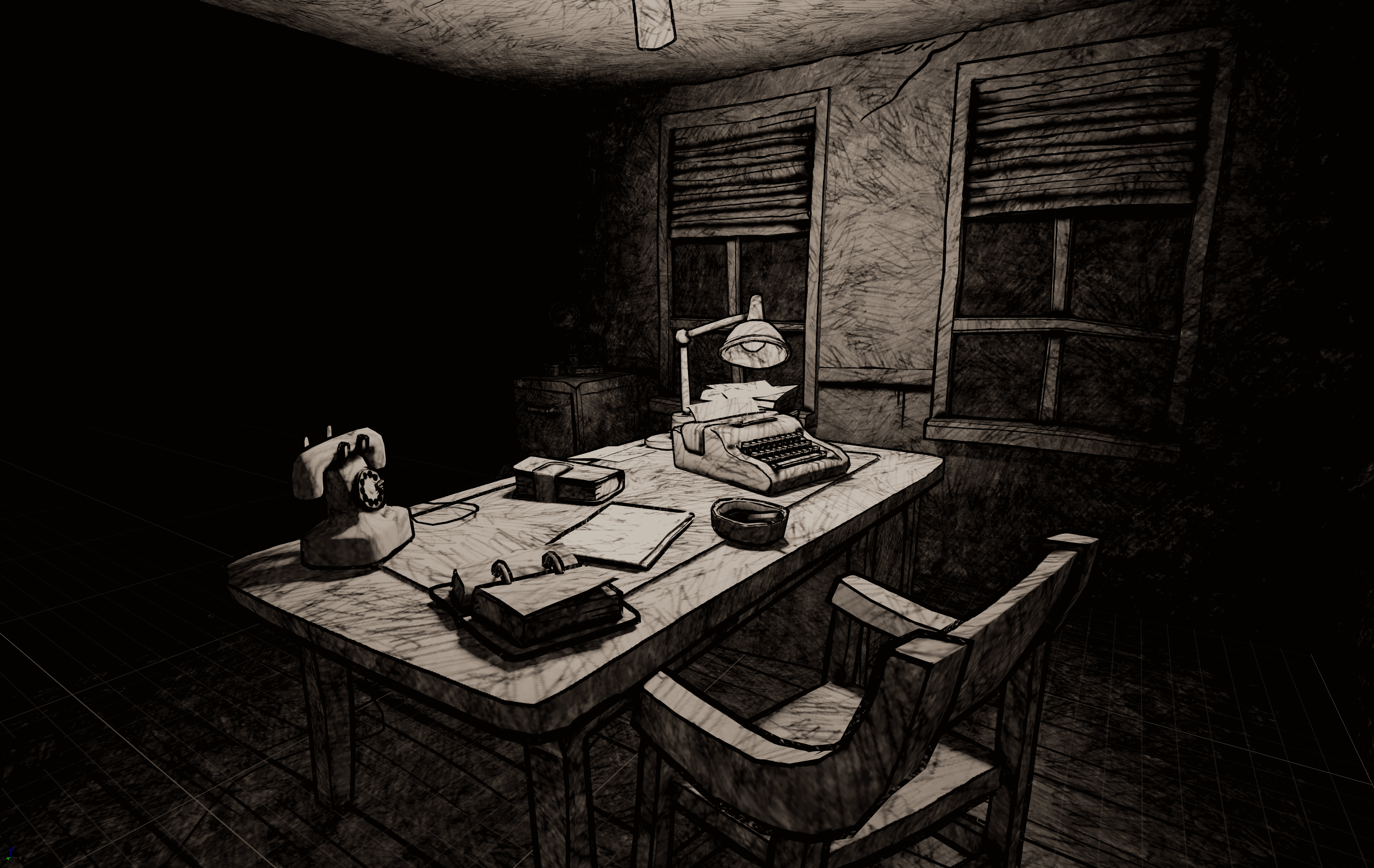
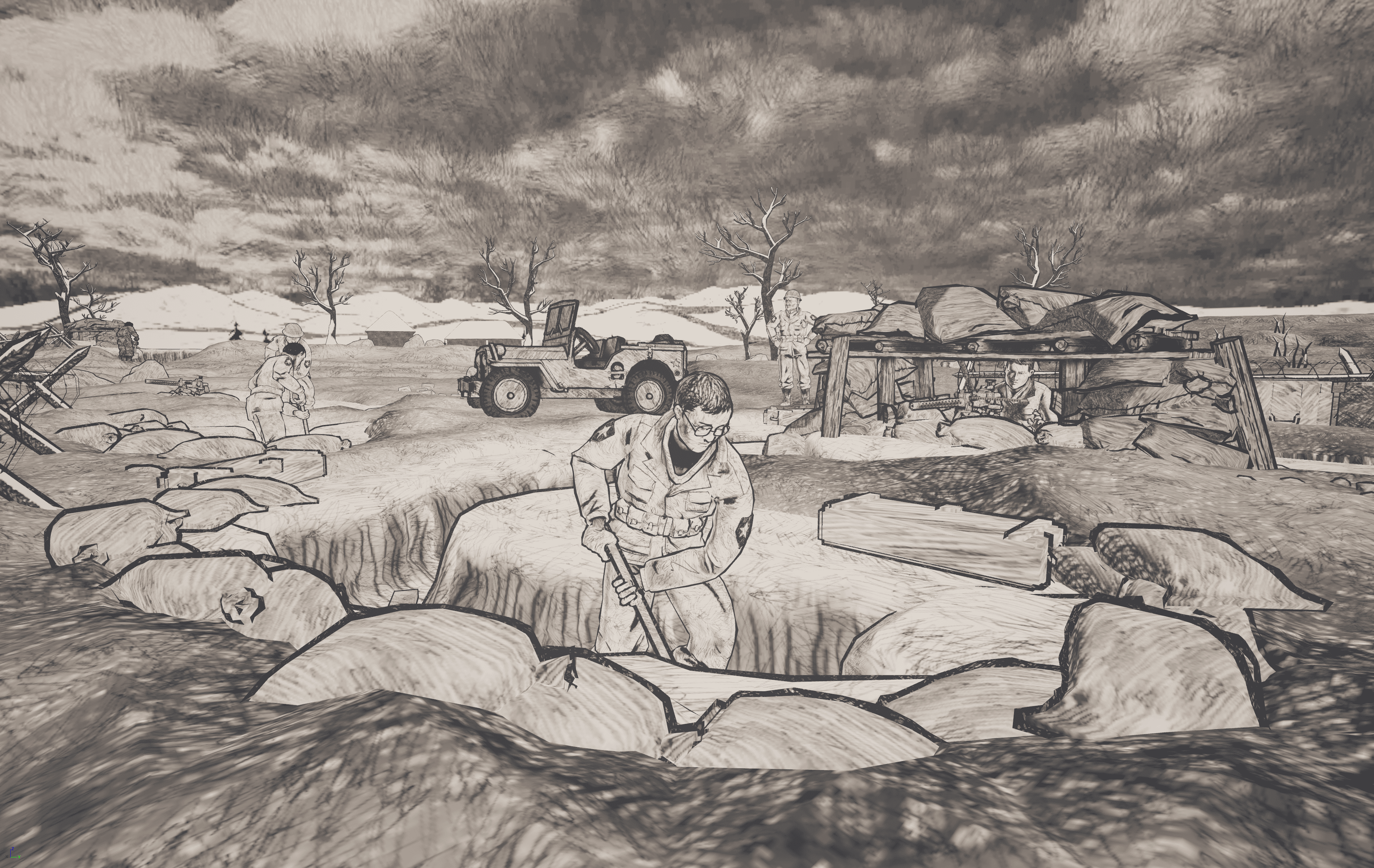
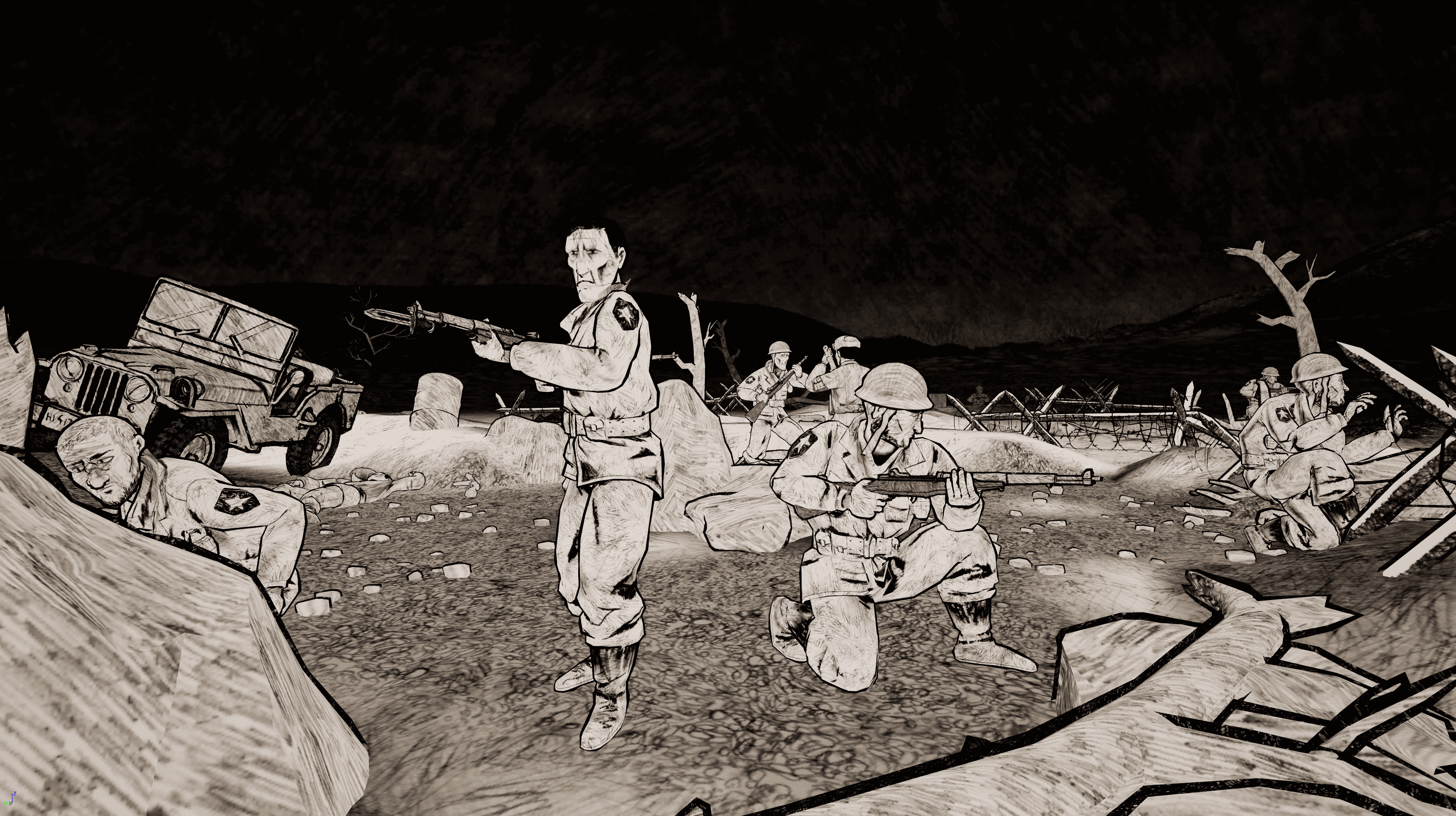
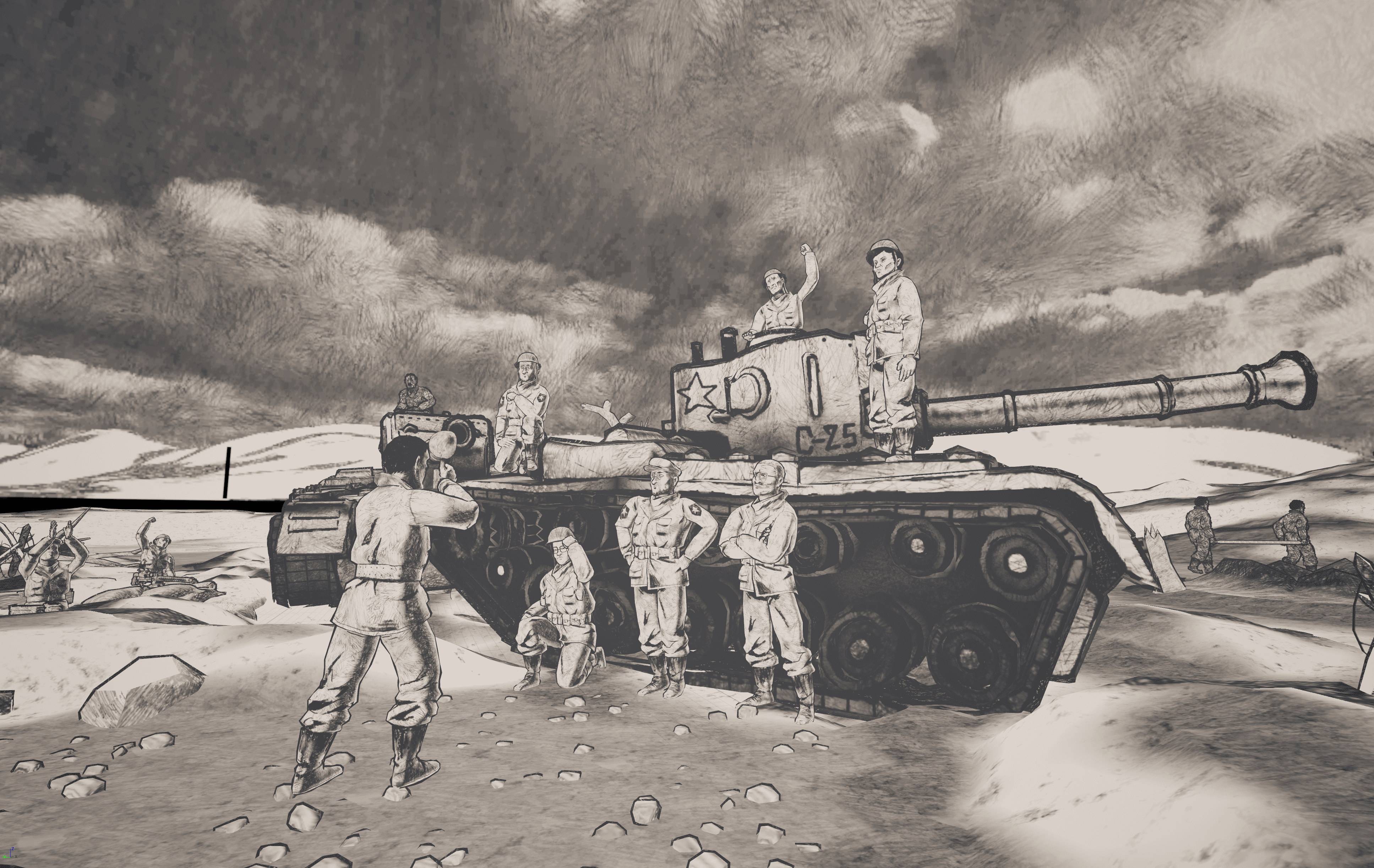
The narration draws on multiple documentary sources collected in Korea and France, including an interview with one of the last surviving Korean veterans, recorded by the director just months before his death. The project also relies on private correspondence, photographs, and amateur films from the soldiers. The visual treatment is inspired by sketches made by Canadian soldiers who served among UN troops.
The main interaction invites the viewer to enter each scene by reproducing the gestures of the different protagonists. We adopt their point of view by stepping into their avatar, synchronizing our hand movements (via hand tracking) with theirs to bring forth the environment in which we then move, guided by the narration of the character we embody. Hand tracking makes the interaction highly intuitive while reinforcing a strong sense of embodiment in each character.
Director Hayoun Kwon approaches her artistic work as an ethnological investigation, searching for traces of the past at a human scale, driven by the desire to tell these little-known individual stories that make up the larger sweep of history. The Forgotten War seeks to reveal the poetry and fraternity hidden beneath the horror of conflict. Moments of everyday life and the dreams of those who lived through this history plays a central role in the narrative. Through the testimonies of various protagonists, and by structuring the narrative around the key moment of the Battle of Jipyeong-ri, the director seeks to give a human face to the suffering common to all wars. She reveals different facets of daily life shaped by combat, but also the solidarity and friendships formed between Western troops and Korean soldiers, as well as the bonds with refugee populations displaced from the North.
Built With
- 3ds-max
- blender
- c++
- meta-handtracking
- unreal-engine


Log in or sign up for Devpost to join the conversation.