-
-
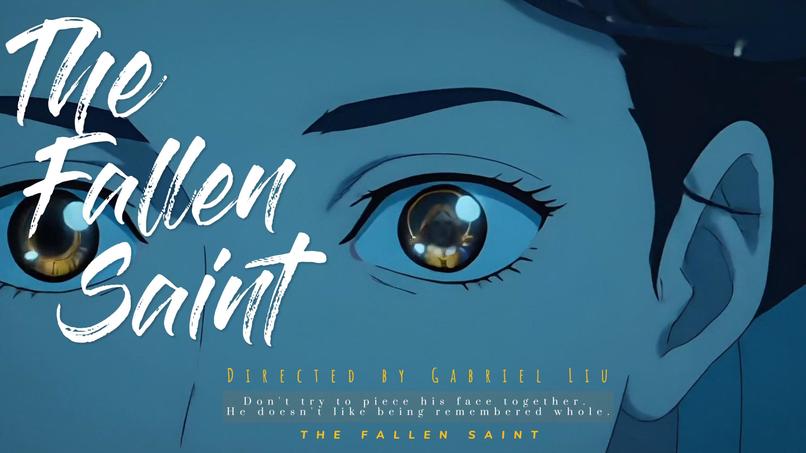
Cover_The Fallen Saint
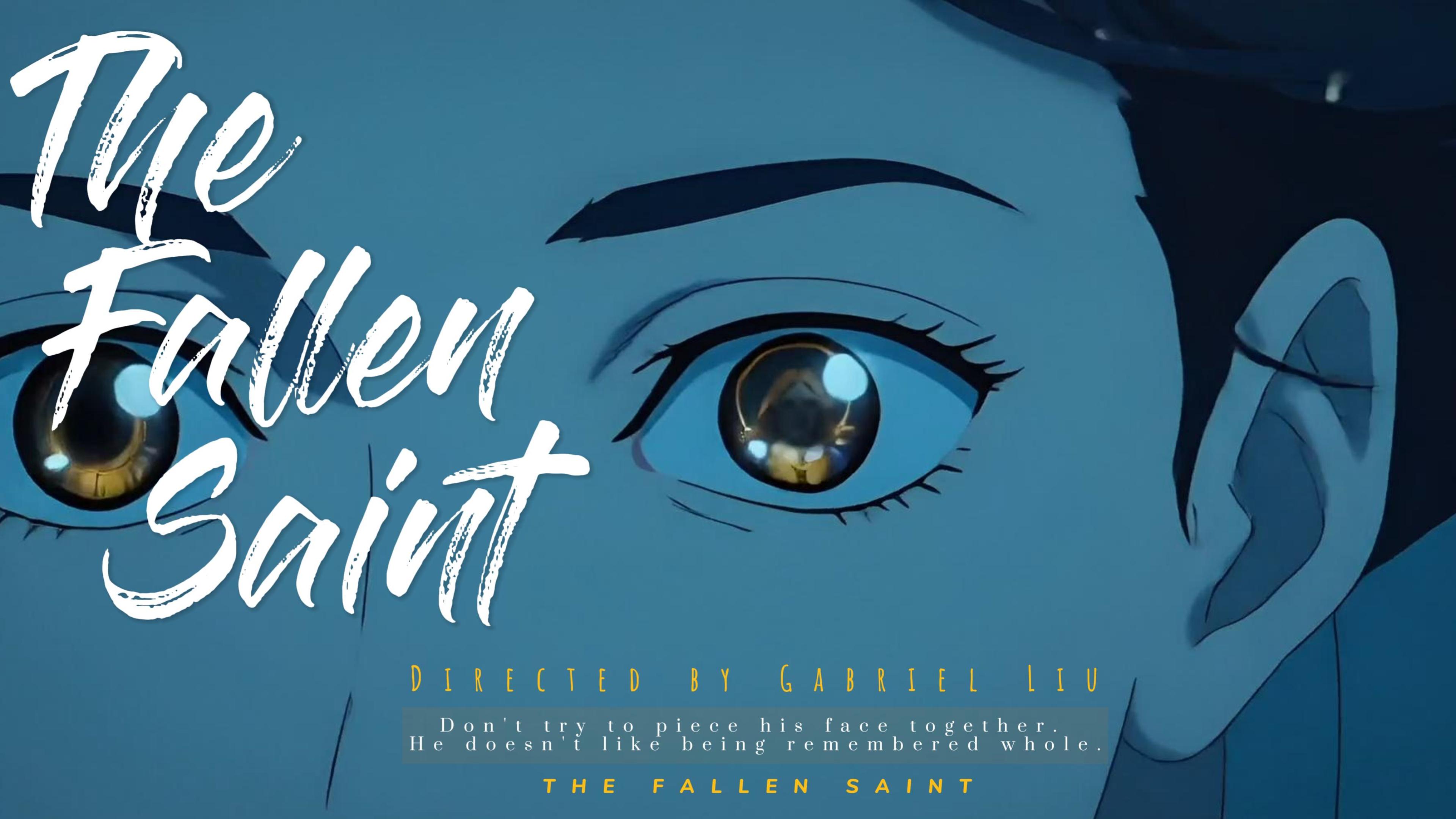
Inspiration
I believe AI tools represent a democratizing opportunity — a new form of creative equality. They allow ordinary people like me, who have artistic ideas but no formal training, to bring our visions to life. The Fallen Saint was born from this belief: that technology can lower the barriers of creation and let more voices tell their stories.
To me, AI and art are both mediums — the essence of creation still lies in telling a powerful story. I wanted to explore how literature, symbolism, and psychological horror could merge into a cinematic experience that plays with the audience’s perception and even breaks the fourth wall.
What I Learned
In building this project, I used CapCut and Vidu (AI-assisted tools) for scene composition, editing, and visual synthesis. Through this process, I learned a great deal about cinematic continuity — how rhythm, light, and pacing can evoke emotion and tension. This journey was deeply inspiring. It made me realize that filmmaking is no longer reserved for professionals; with the right tools and creativity, anyone can craft a story that resonates.
Challenges
The biggest challenge was the limitations of current AI video tools. Many generated frames contained distorted or unreadable text, which forced me to remove scenes with on-screen writing and instead rely on voice narration to convey meaning. Maintaining visual consistency between AI-generated shots was also difficult, especially when trying to preserve the same cold color tone throughout the film. I learned to overcome this by color grading and blending sequences manually to unify the atmosphere.
Reflection
This project made me realize that AI does not replace human creativity — it amplifies it. It gives new storytellers a voice, and makes filmmaking more inclusive, experimental, and alive than ever before.
Built With
- capcut
- vidu
