-
-
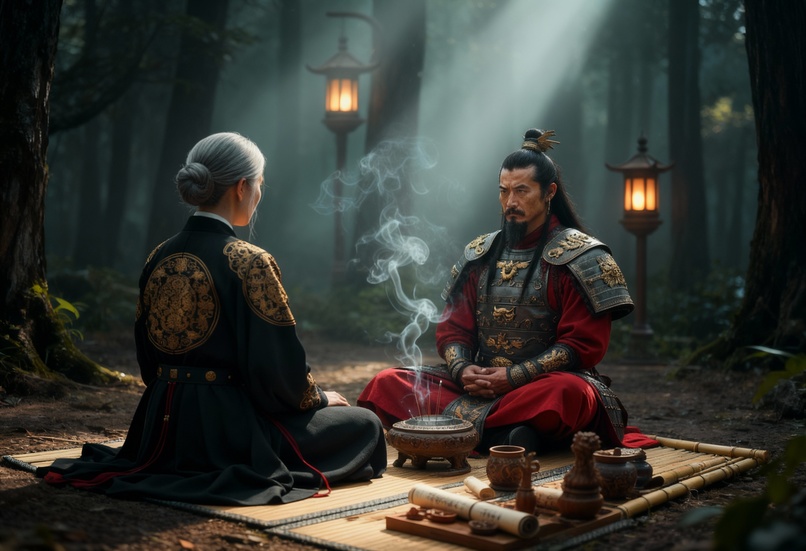
The Eagle’s Prophecy The Seer
-
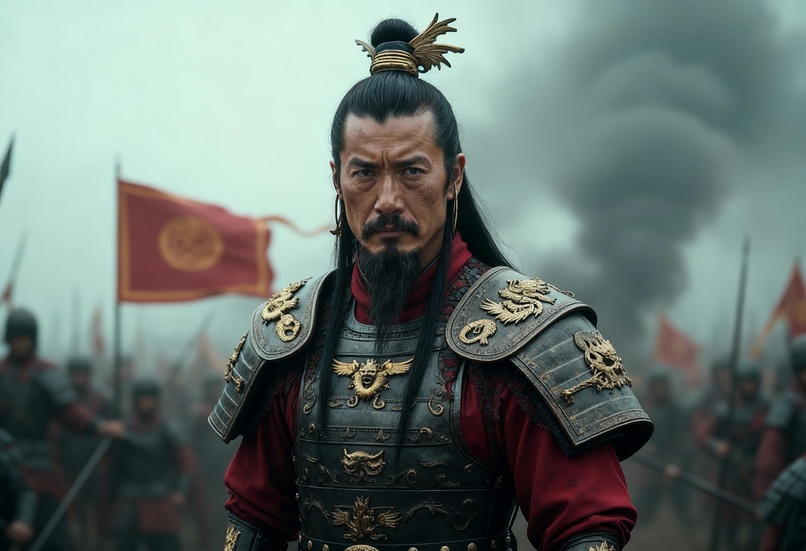
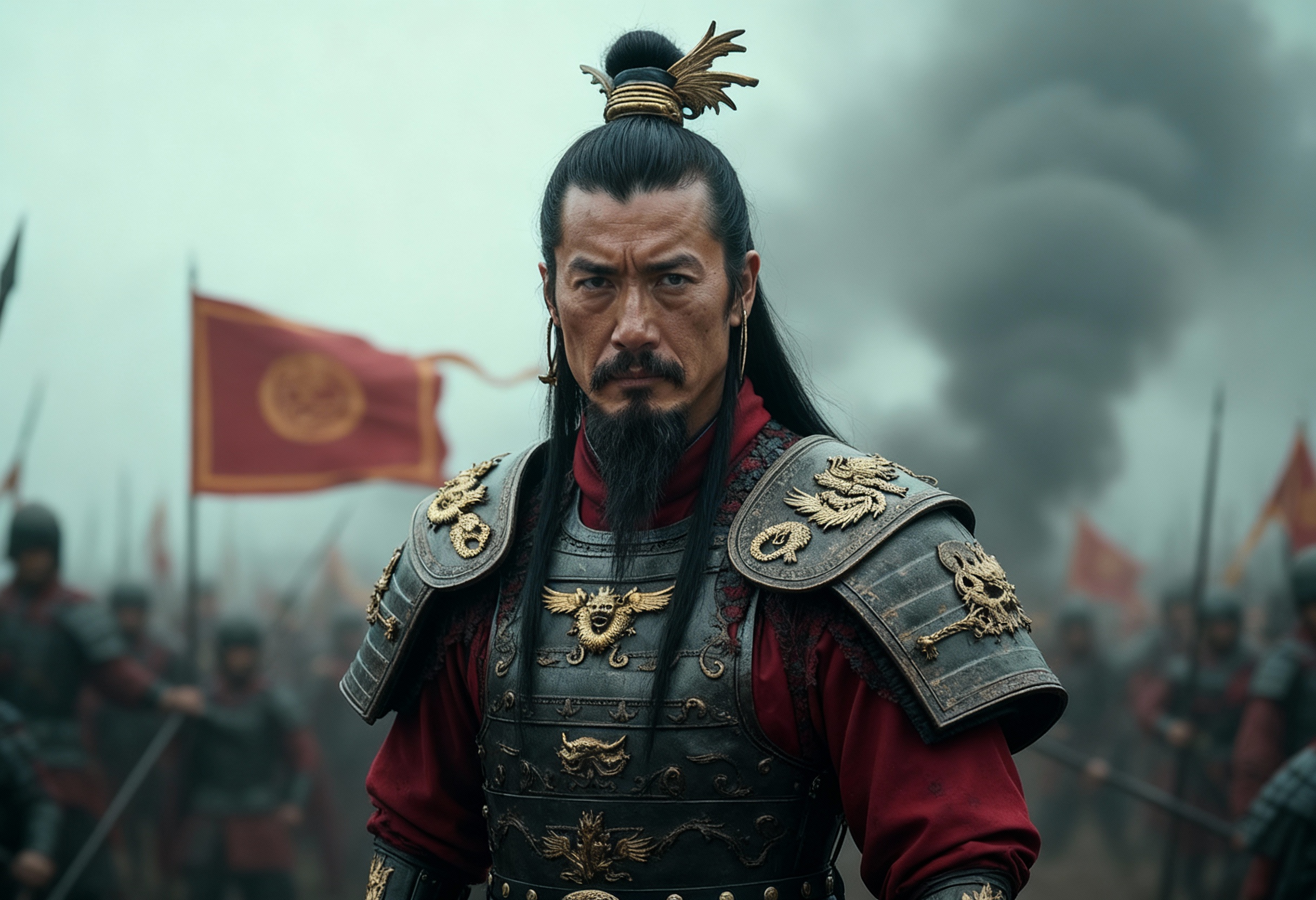
The Eagle’s Prophecy The Warrior
-
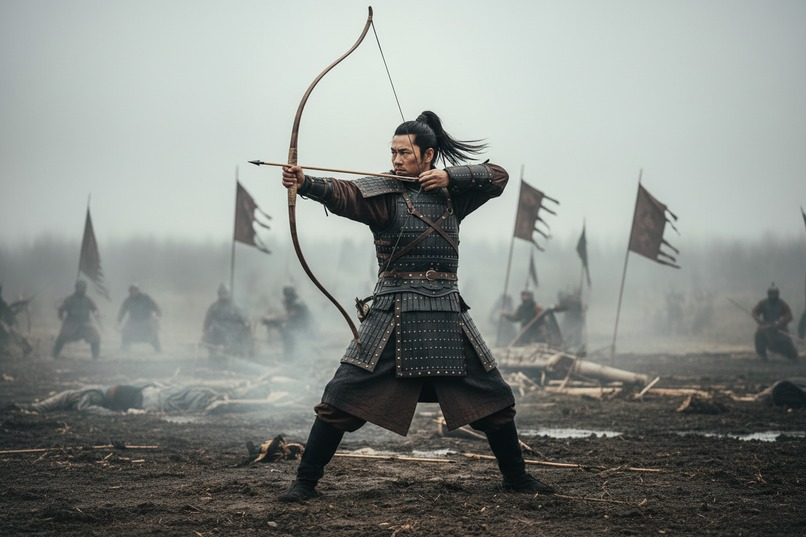
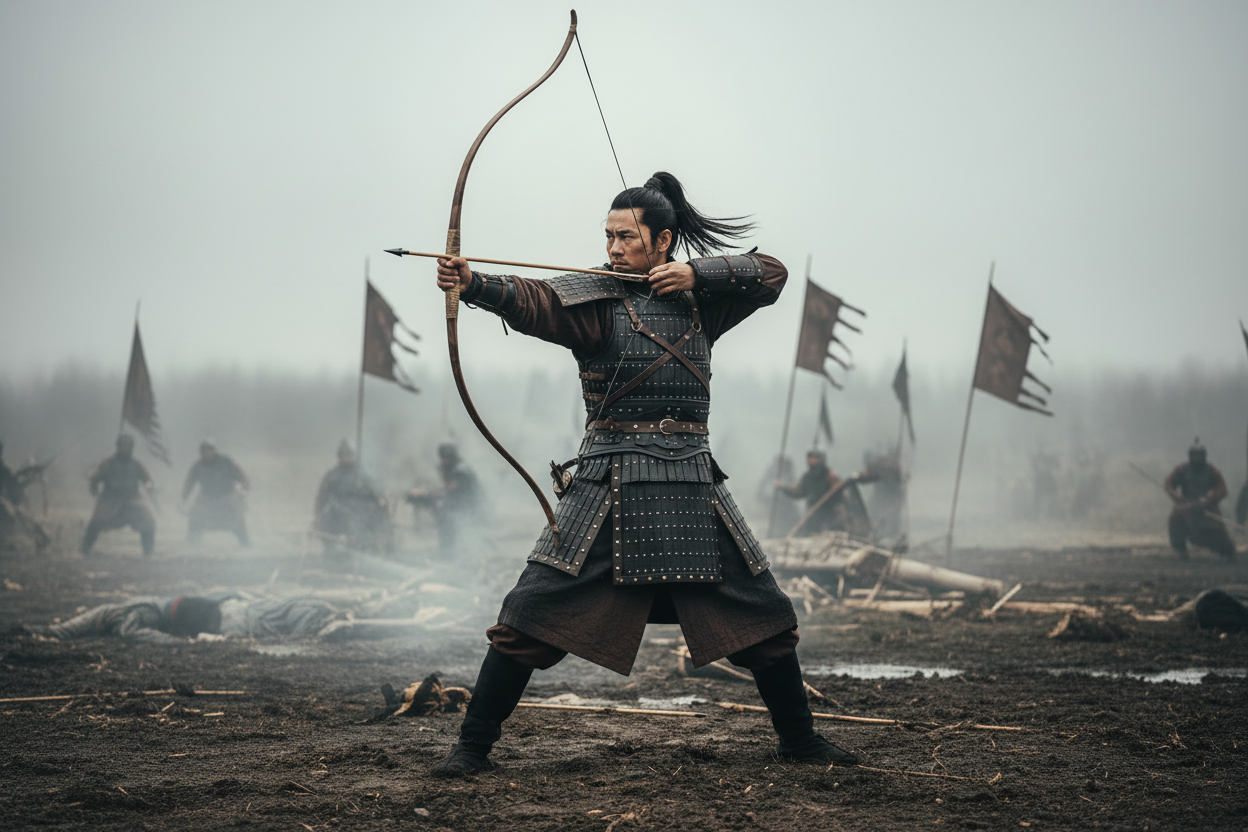
The Eagle’s Prophecy The Enemy
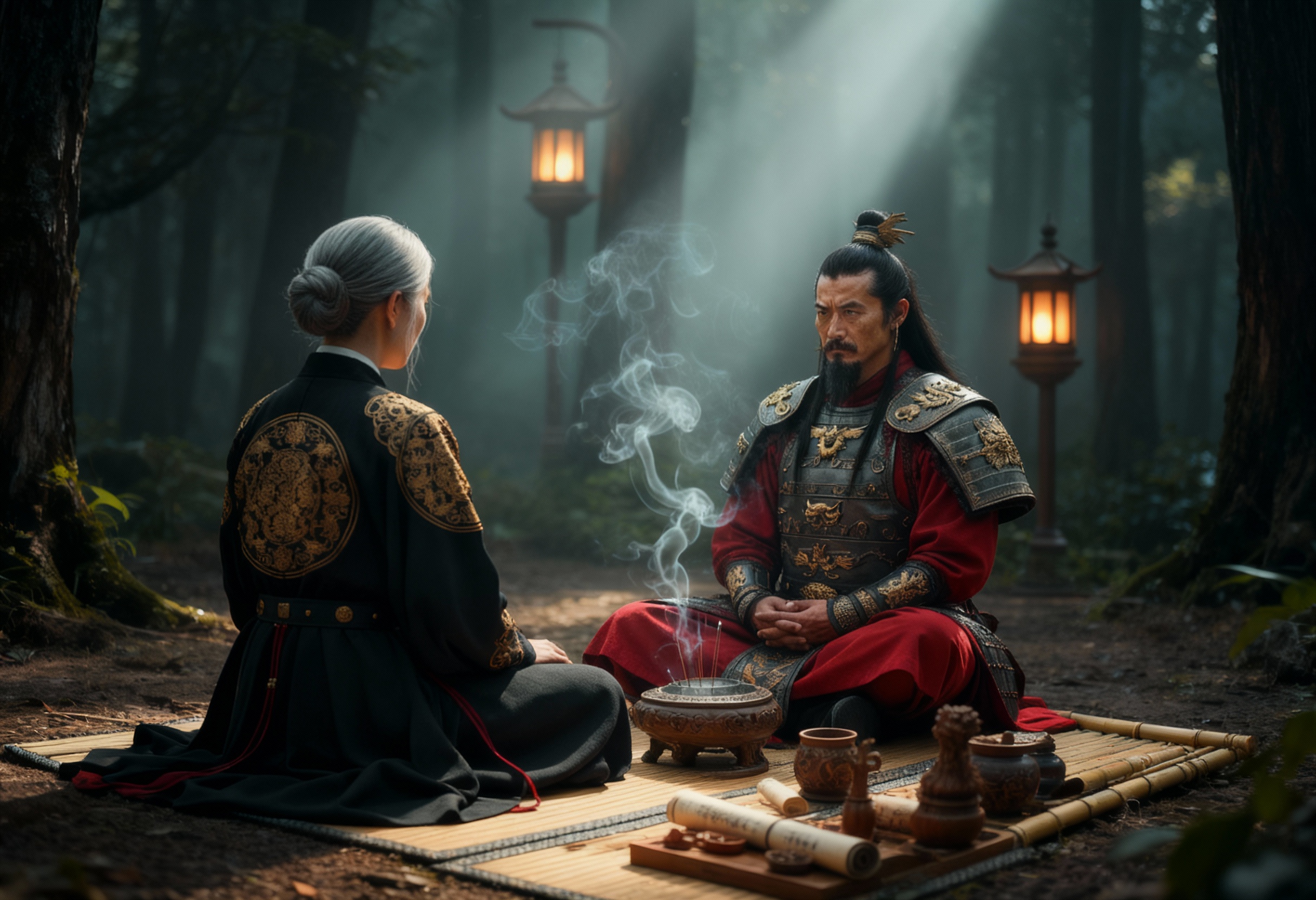
Inspiration
I have always been deeply inspired by Asian culture, especially classical Chinese stories filled with martial arts, myth, and ancient warfare. The values of courage, honor, destiny, and sacrifice found in historical epics resonate strongly with me. These themes still matter today. I wanted to create a project that reflects the power of bravery and duty, told through a modern cinematic format while honoring the spirit of ancient legends.
What it does
The Eagle’s Prophecy tells the story of a disciplined Tang Dynasty warrior who seeks guidance before a decisive battle. Troubled by uncertainty, he travels into the mountains to consult a reclusive seer known for reading signs in wind, fire, and the flight of the golden eagle. During an ancient ritual, she reveals a prophecy that foretells both his victory and his death. The warrior receives a vision of an eagle soaring above the battlefield, followed by a glimpse of his own fall. Despite knowing the cost, he returns to lead his army with honor. The film combines action, myth, symbolism, and emotional storytelling to portray how destiny, sacrifice, and courage can shape the fate of an entire people.
How we built it
This project was created using a combination of AI-generation tools, cinematic planning, and careful post-production work. Each scene was built in layers — action, atmosphere, lighting, movement, and symbolism — to create a unified visual style despite using multiple engines.
AI Tools & Workflow
- Runway Gen-3 for core cinematic shots, character motion, and environmental sequences.
- Kling AI for stylized action variations and dynamic fight poses.
- Minimax Hailuo to refine character movement and generate additional battle elements.
- Google NanoBanana for supplementary shots and visual enhancements.
- Freepik resources, including Seadream and Mystic collections, for visual support and design elements.
- ChatGPT (OpenAI) for narrative refinement, text generation, and polishing the story structure.
- CapCut for the full editing pipeline: compositing, timing, color correction, transitions, and 9:16 cinematic framing.
Process
- Developed the story and prophecy structure.
- Generated multiple character passes across different AI models.
- Produced fight choreography through repeated prompt testing and iteration.
- Layered environmental fog, lighting, movement arcs, and symbolic elements (like the golden eagle).
- Unified all outputs through color matching, reframing, and stabilization.
- Ad
Challenges we ran into
This was a technically demanding project from beginning to end. The biggest challenge was generating consistent and believable action sequences using AI tools. Fight scenes are often difficult for models to accept, and many prompts were rejected or distorted even when the intention was purely artistic. Achieving clean choreography, stable poses, and natural motion required extensive trial and error. We also faced numerous failed generations. Dozens of scenes had to be rebuilt from scratch, and many attempts resulted in outputs that were unusable or inconsistent with the established style of the film. Maintaining character continuity across multiple tools was equally challenging.
On the editing side, the complexity increased. The 9:16 vertical cinematic format required precise framing to keep the fast battle moments readable. Blending outputs from different engines — Runway, Kling, Minimax, Google NanoBanana — into a single cohesive style demanded meticulous color correction, stabilization, compositing, and re-timing. Overall, this was a highly technical and labor-intensive project, requiring patience, persistence, and constant problem-solving to bring the vision to life.
Accomplishments that we're proud of
One of the biggest accomplishments is successfully creating a fully cinematic action sequence in a 9:16 format using multiple AI tools. Despite the technical challenges, we managed to build a coherent and emotionally powerful story that maintains visual consistency across different engines and generations. I am also proud of the choreography and battle scenes. Achieving stable, readable, and dynamic action moments with AI required significant experimentation, but the final result captures both the intensity of the fight and the emotional weight of the prophecy. Another achievement is the integration of symbolic and atmospheric elements — fog, lighting arcs, motion cues, and the golden eagle — which help reinforce the mythic tone of the film. These details make the world feel alive and elevate the narrative beyond simple action.
What we learned
This project taught me how powerful AI tools can be when combined with strong storytelling and careful artistic direction. I learned how to maintain visual consistency across different engines, how to fix motion issues, and how to merge multiple AI outputs into a single cinematic look.
I also learned new workflows for building action scenes, especially in a vertical 9:16 format, where framing and readability become more challenging. The process helped me understand how to manage continuity, adjust timing, and refine the emotional pacing of each moment.
Another important lesson was the value of persistence. Many generations failed, prompts were rejected, and scenes needed to be rebuilt. Each obstacle pushed me to improve the process and explore new techniques.
What's next for The Eagle’s Prophecy
I plan to continue expanding this project beyond the initial story. One of the next steps is to refine several sequences by exploring new AI tools and updated models that allow for even smoother motion, more stable choreography, and richer environmental detail.
Finally, I aim to continue learning from the AI filmmaking community, improving the workflows, and using every opportunity — including the Chroma Awards — to grow creatively and technically.


Log in or sign up for Devpost to join the conversation.