-
-
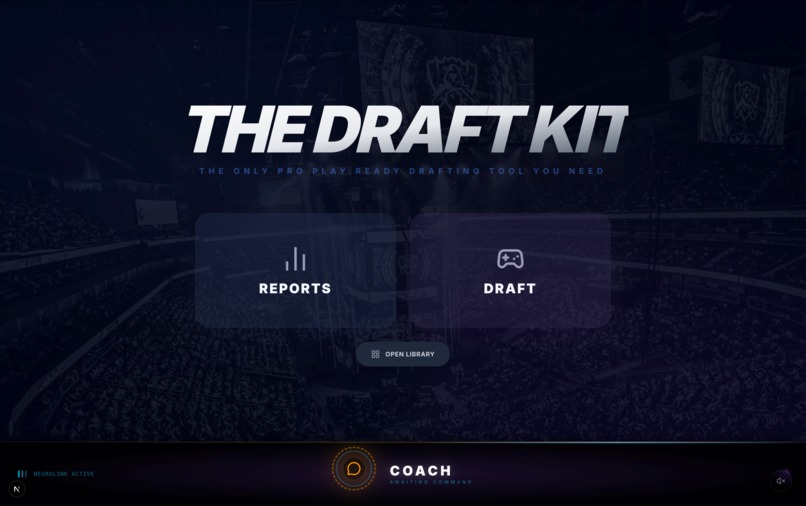
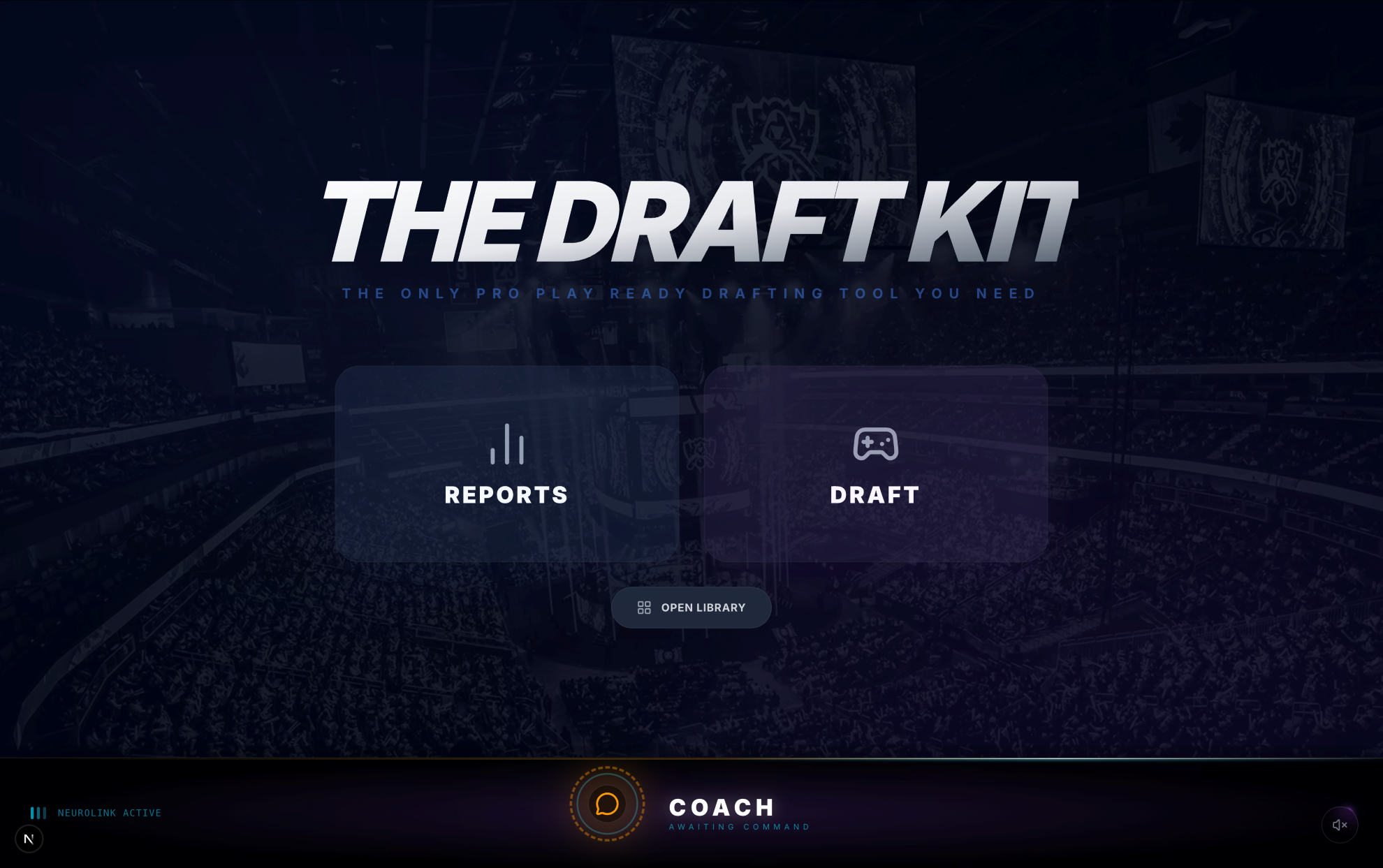
Homepage
-
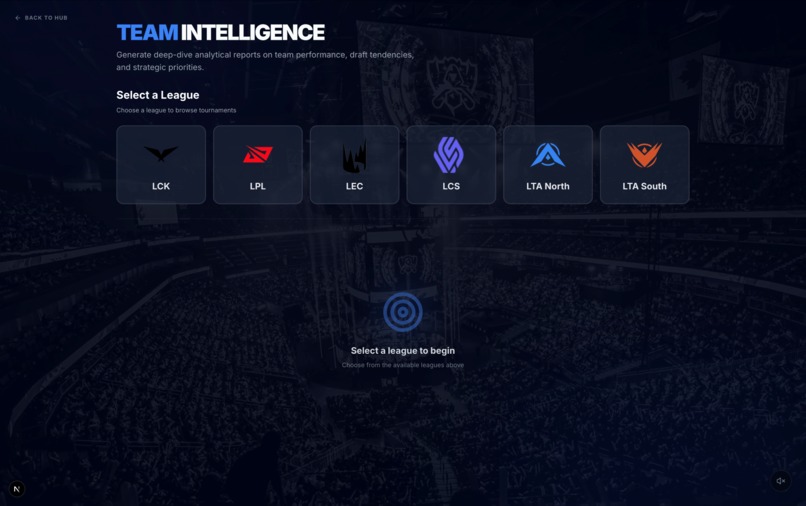
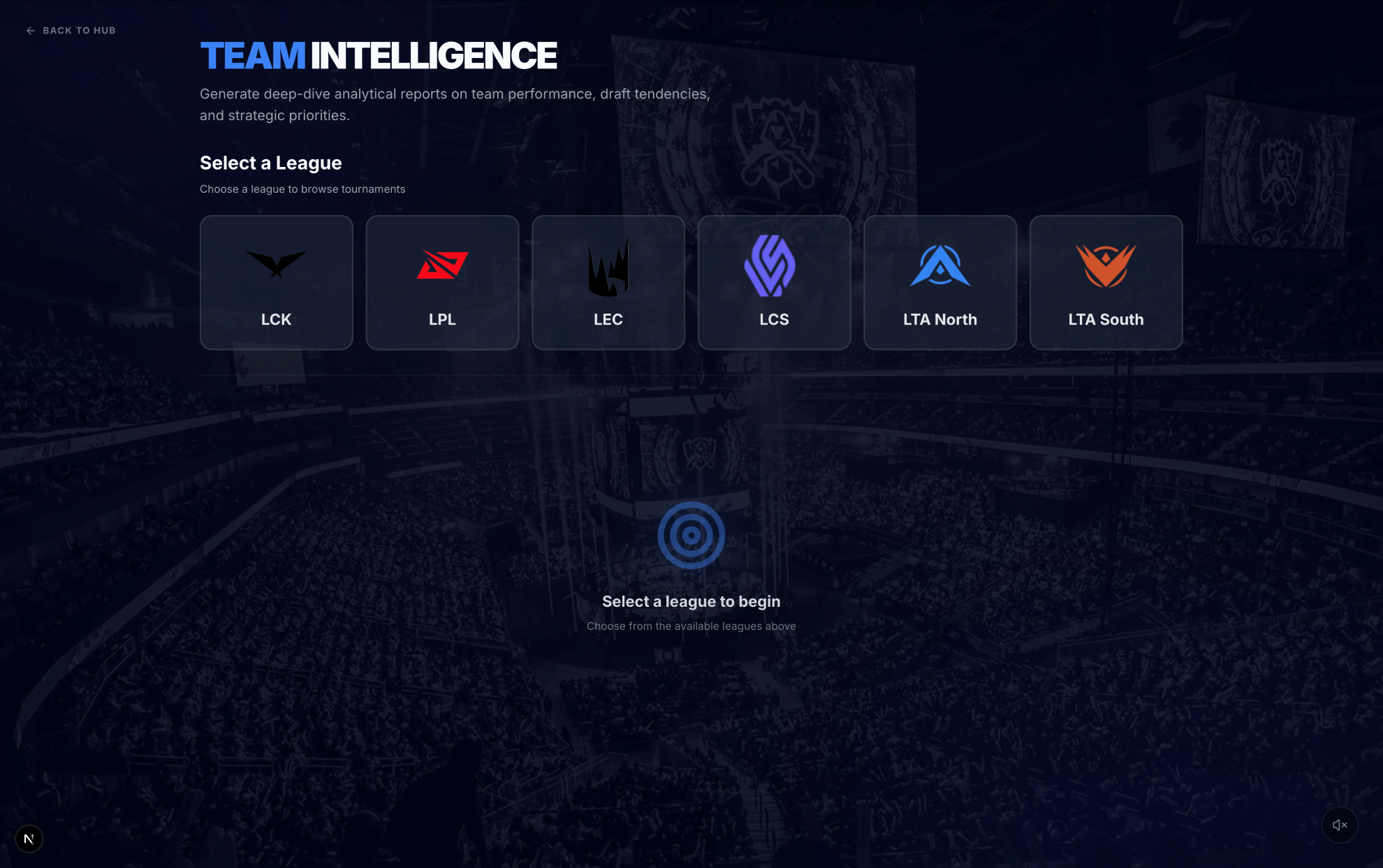
Report region selection
-
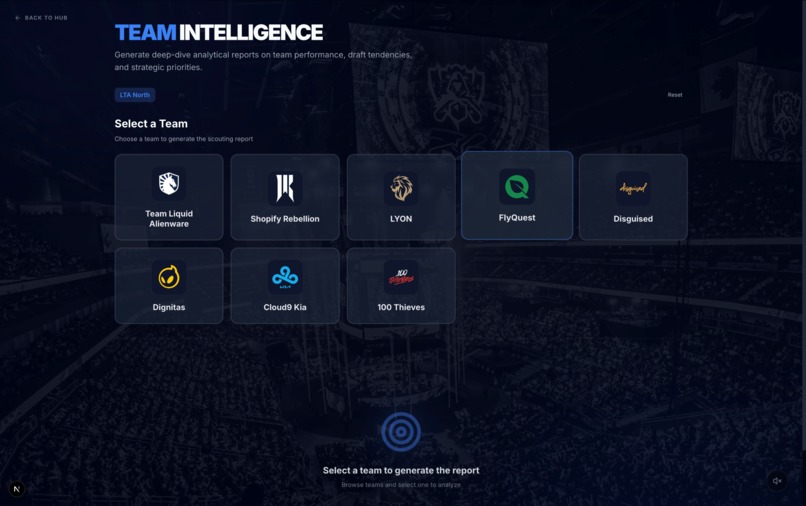
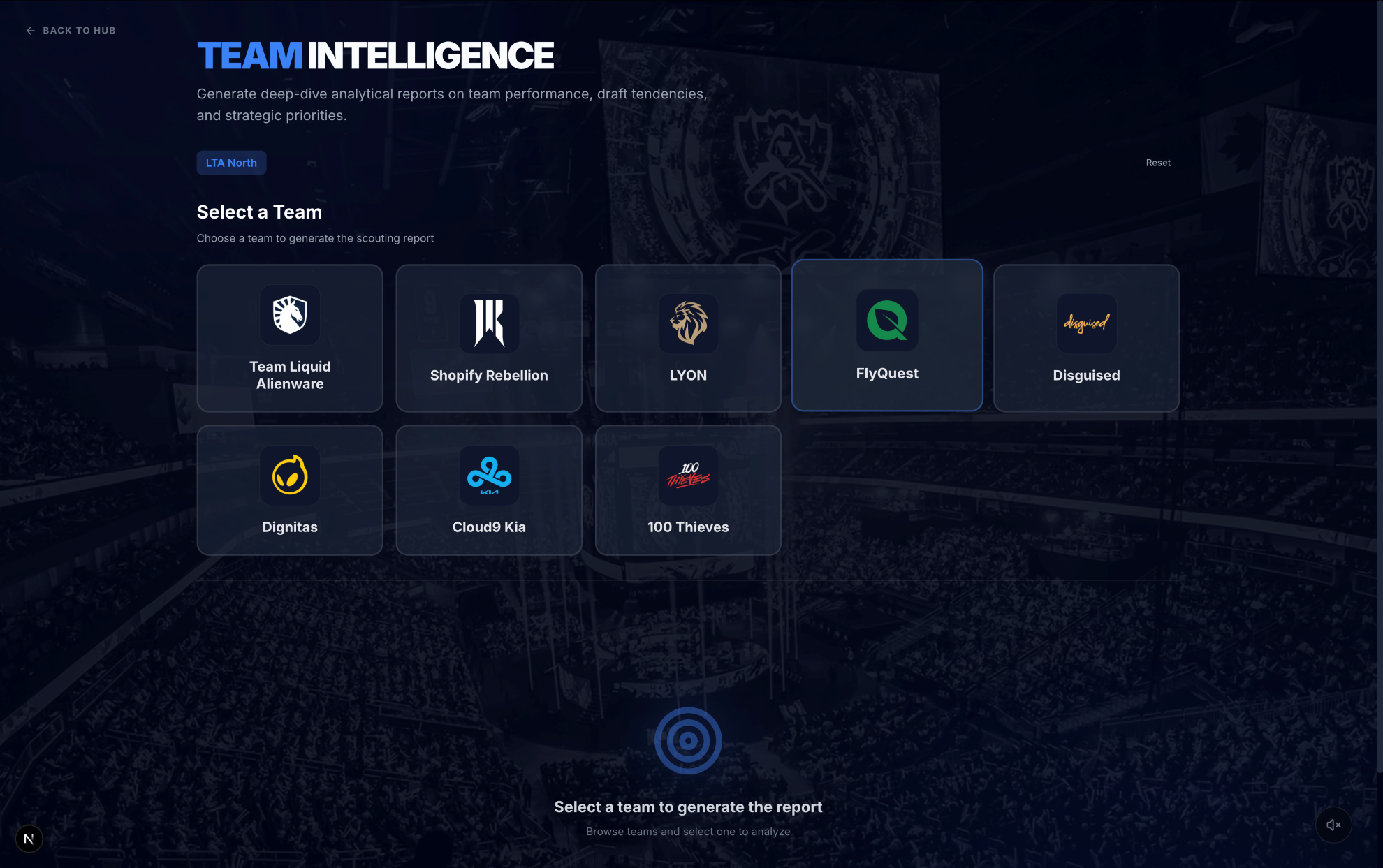
Report team selection
-
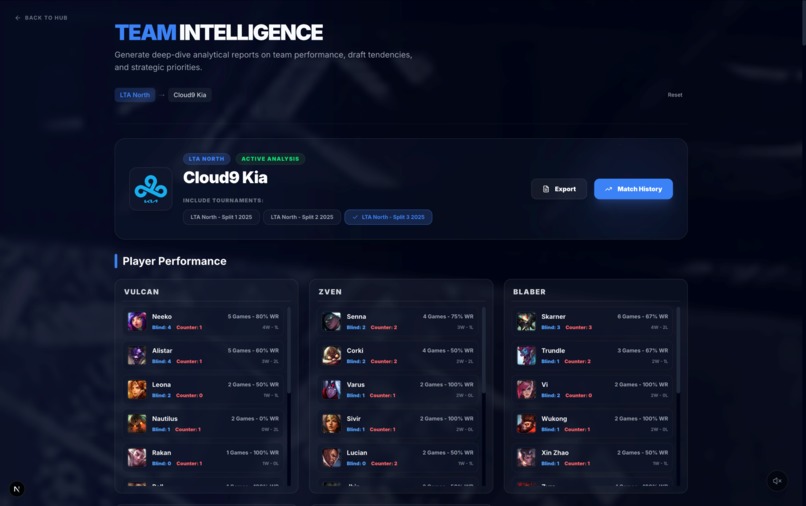
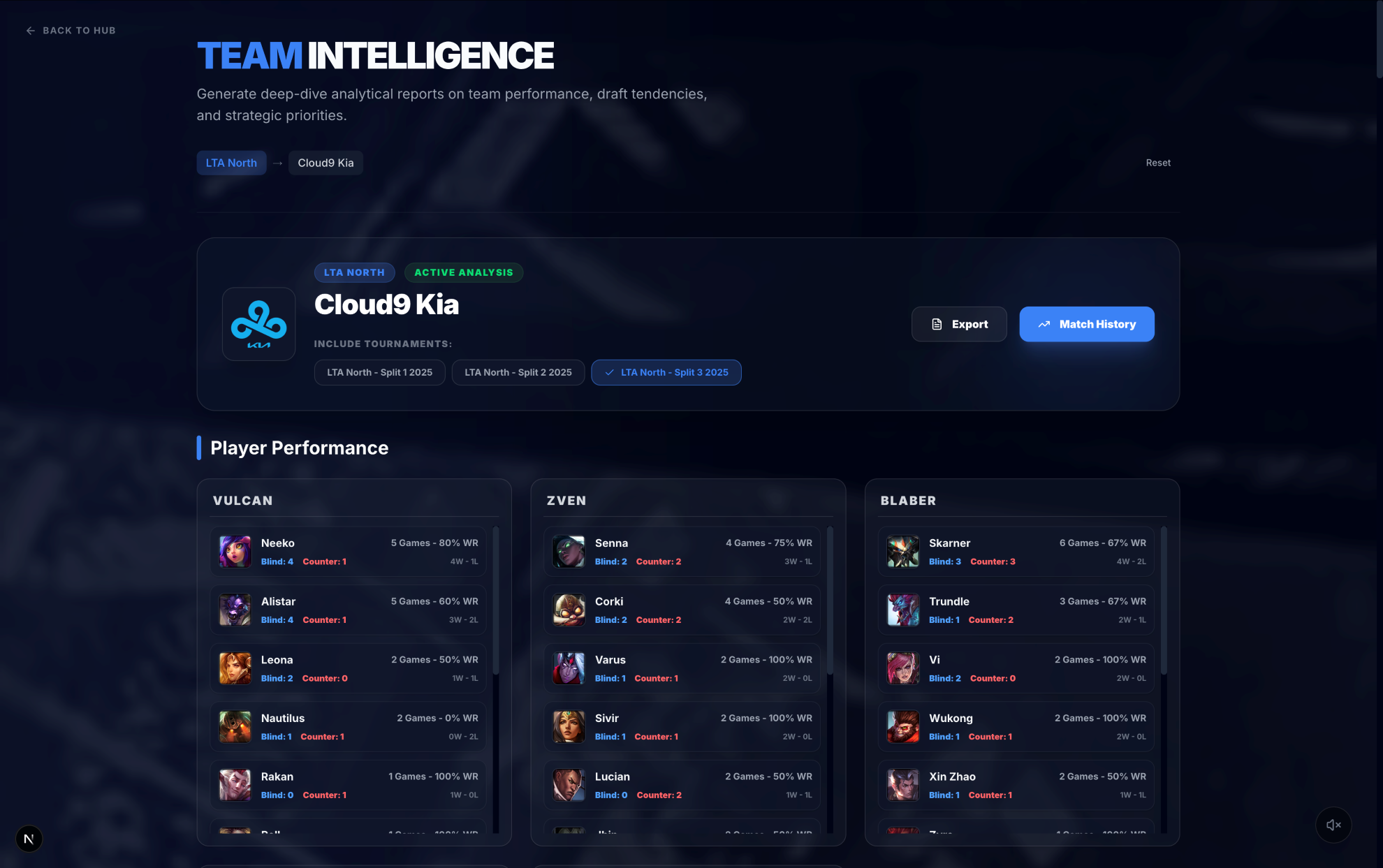
Team report
-
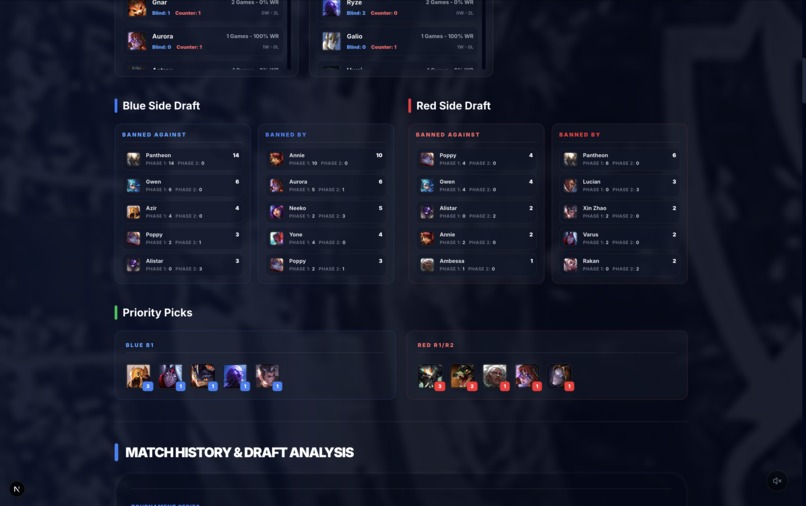
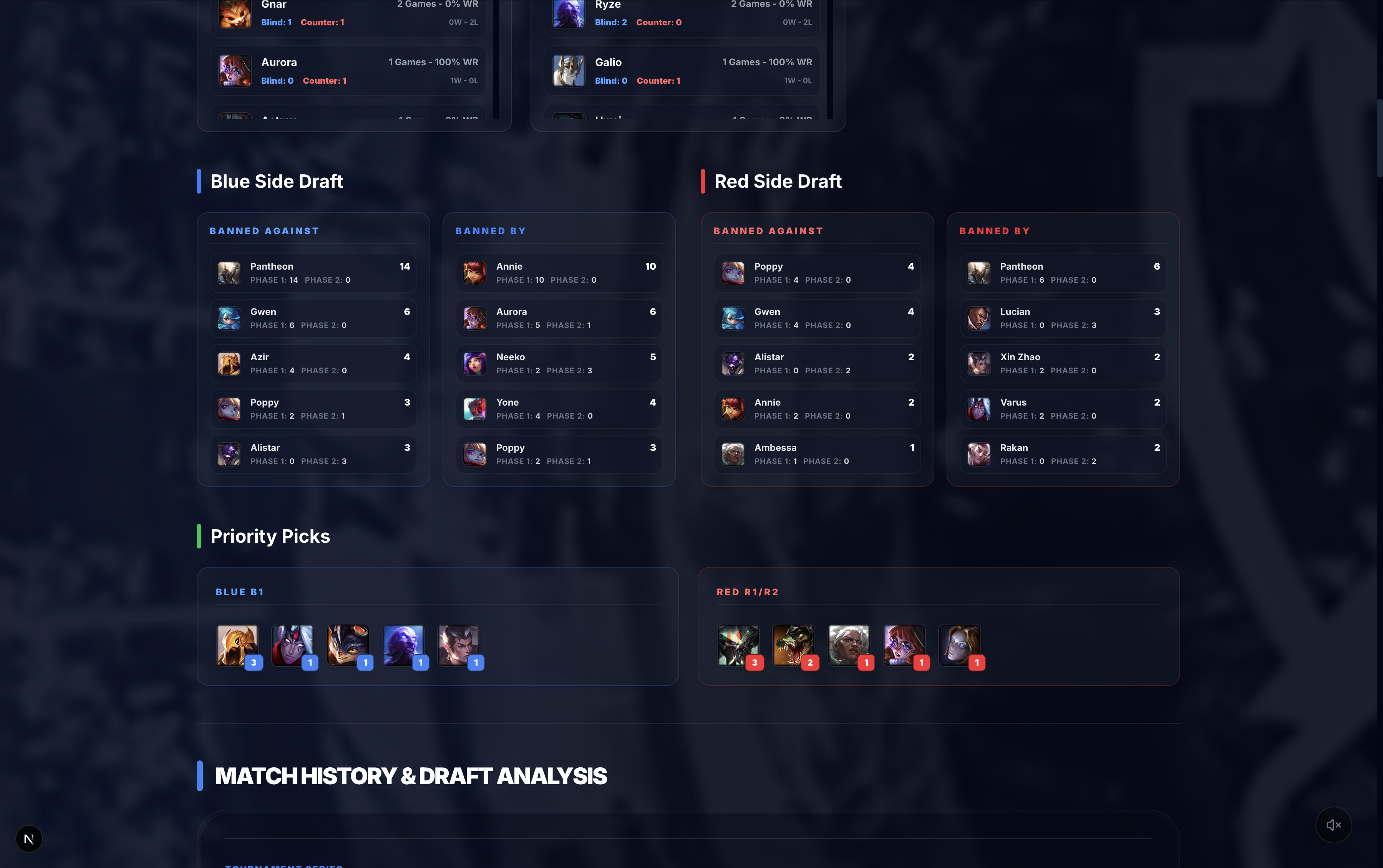
Team report
-
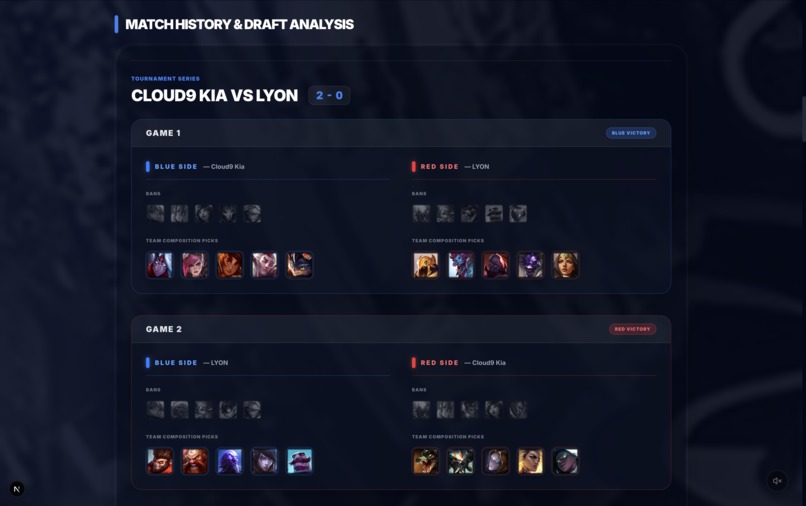
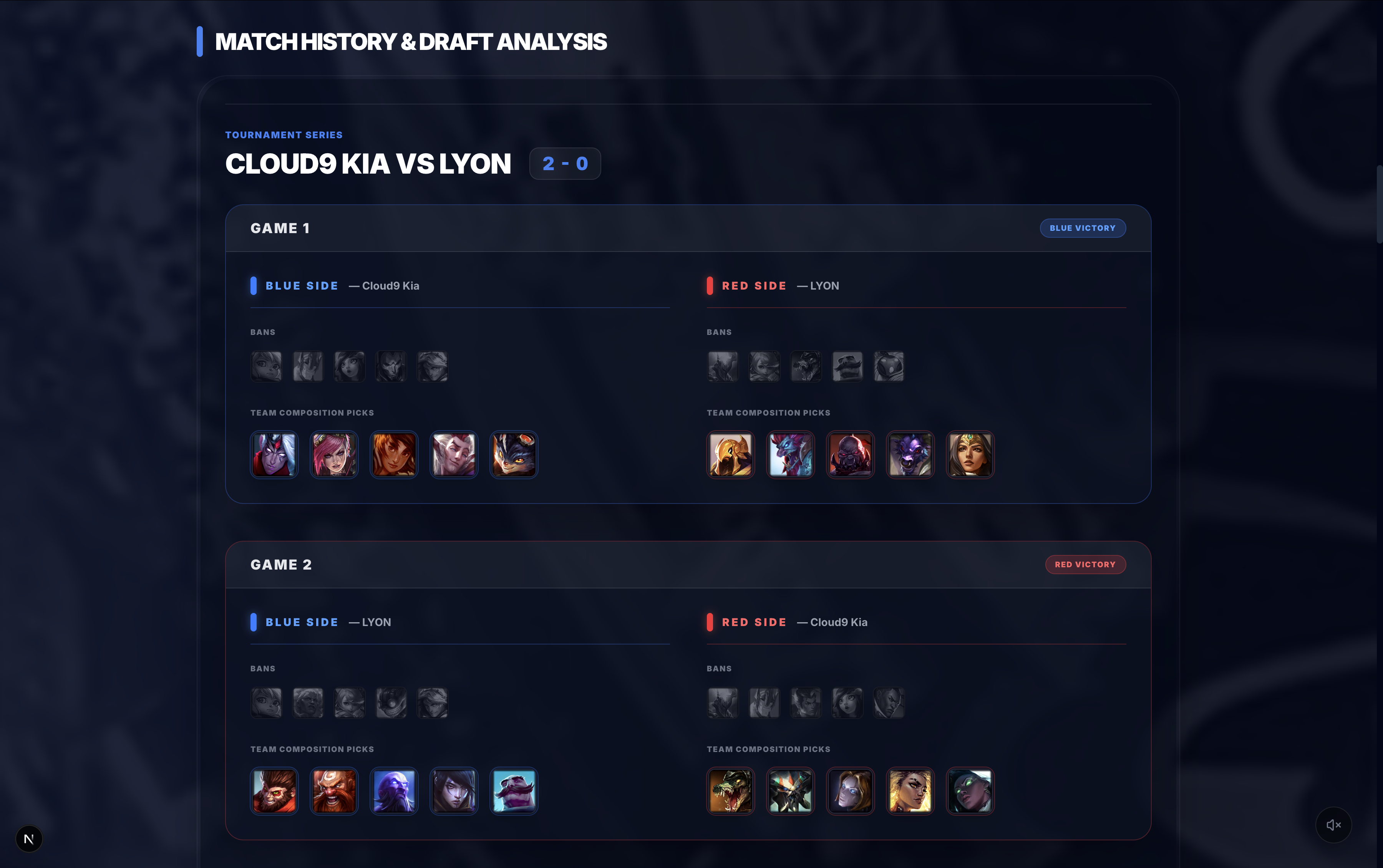
Draft history
-
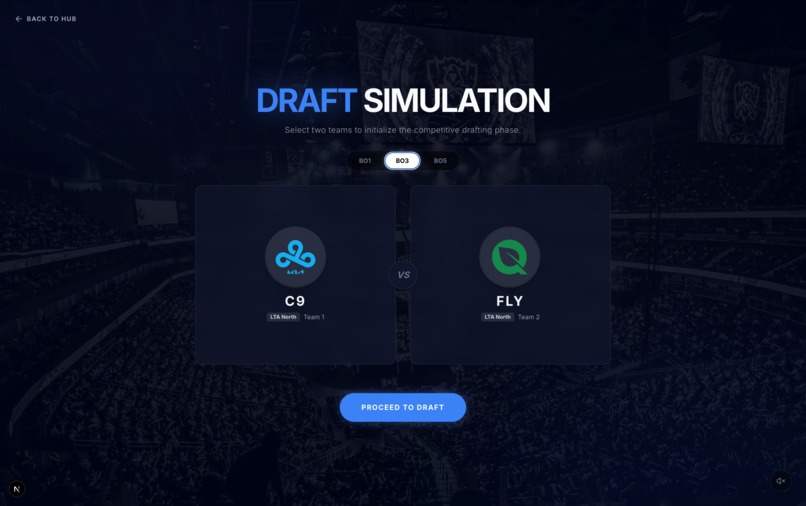
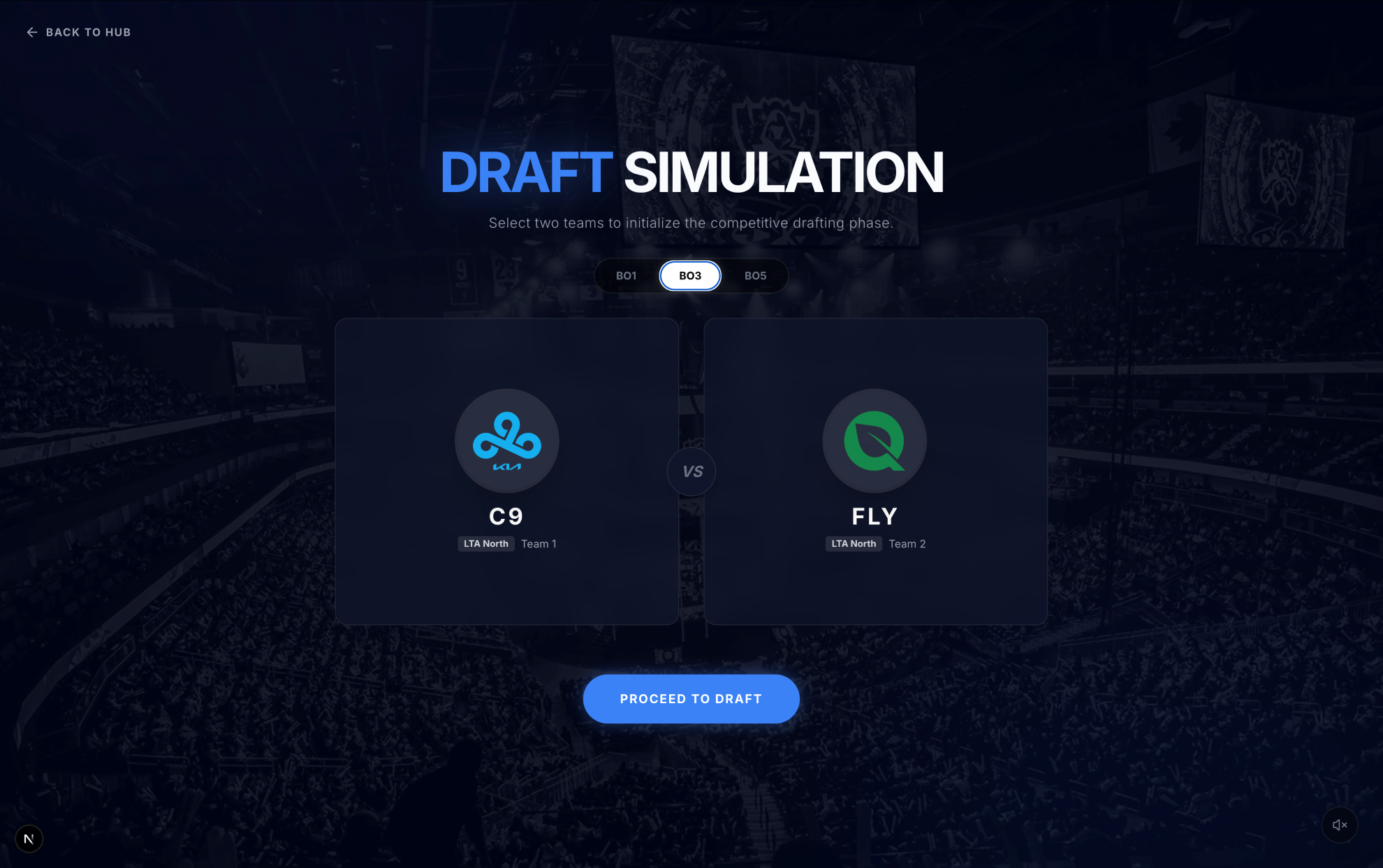
Draft teams selection
-
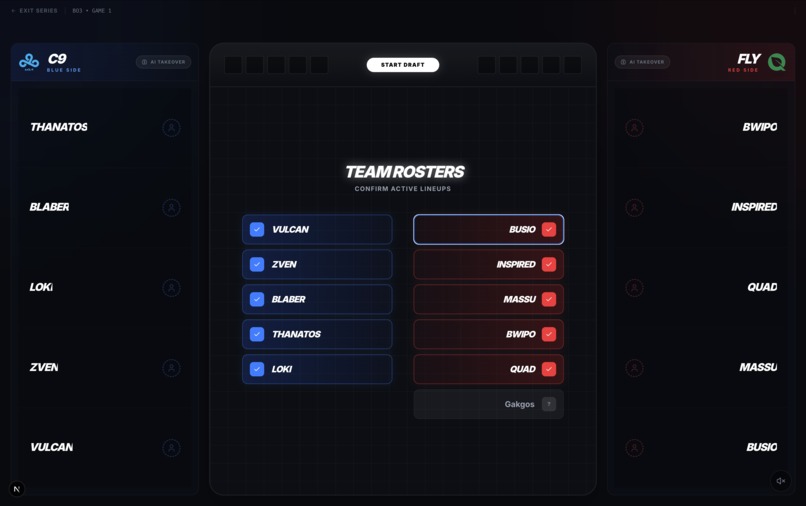
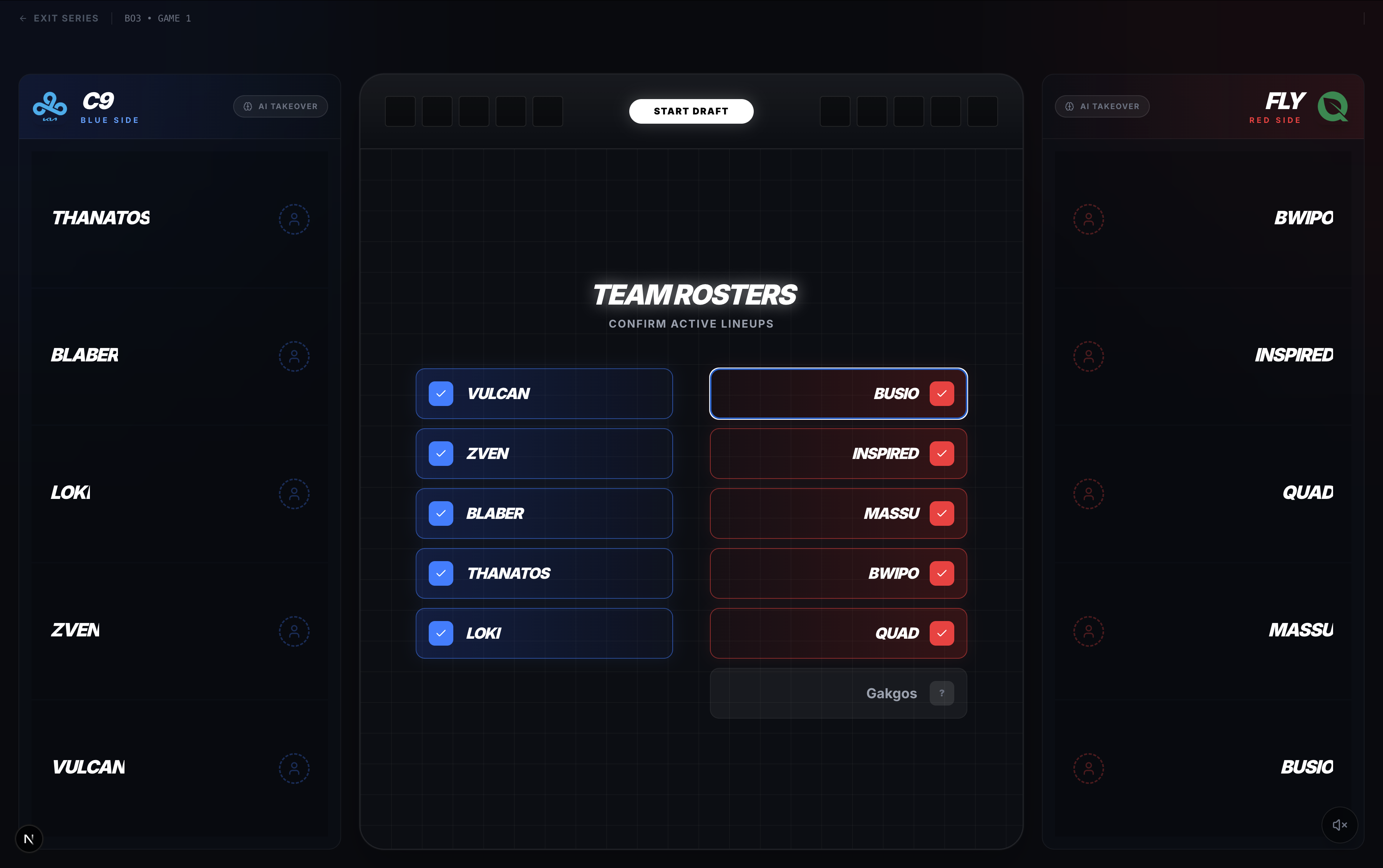
Roster selection
-
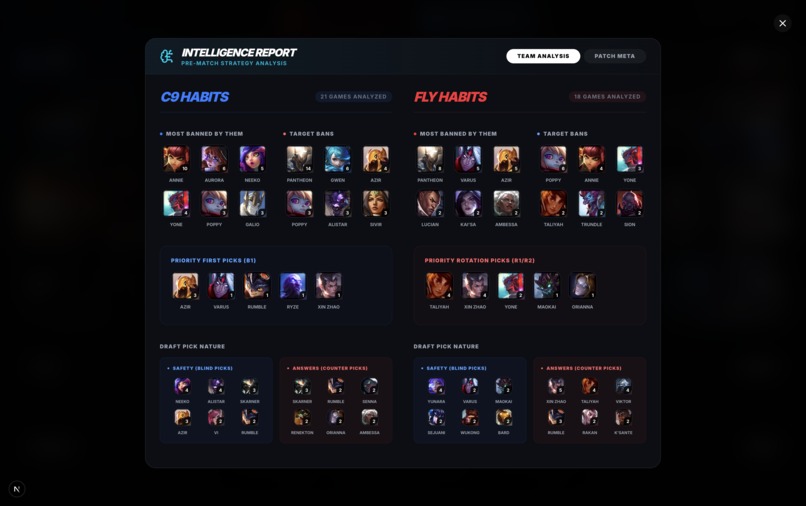
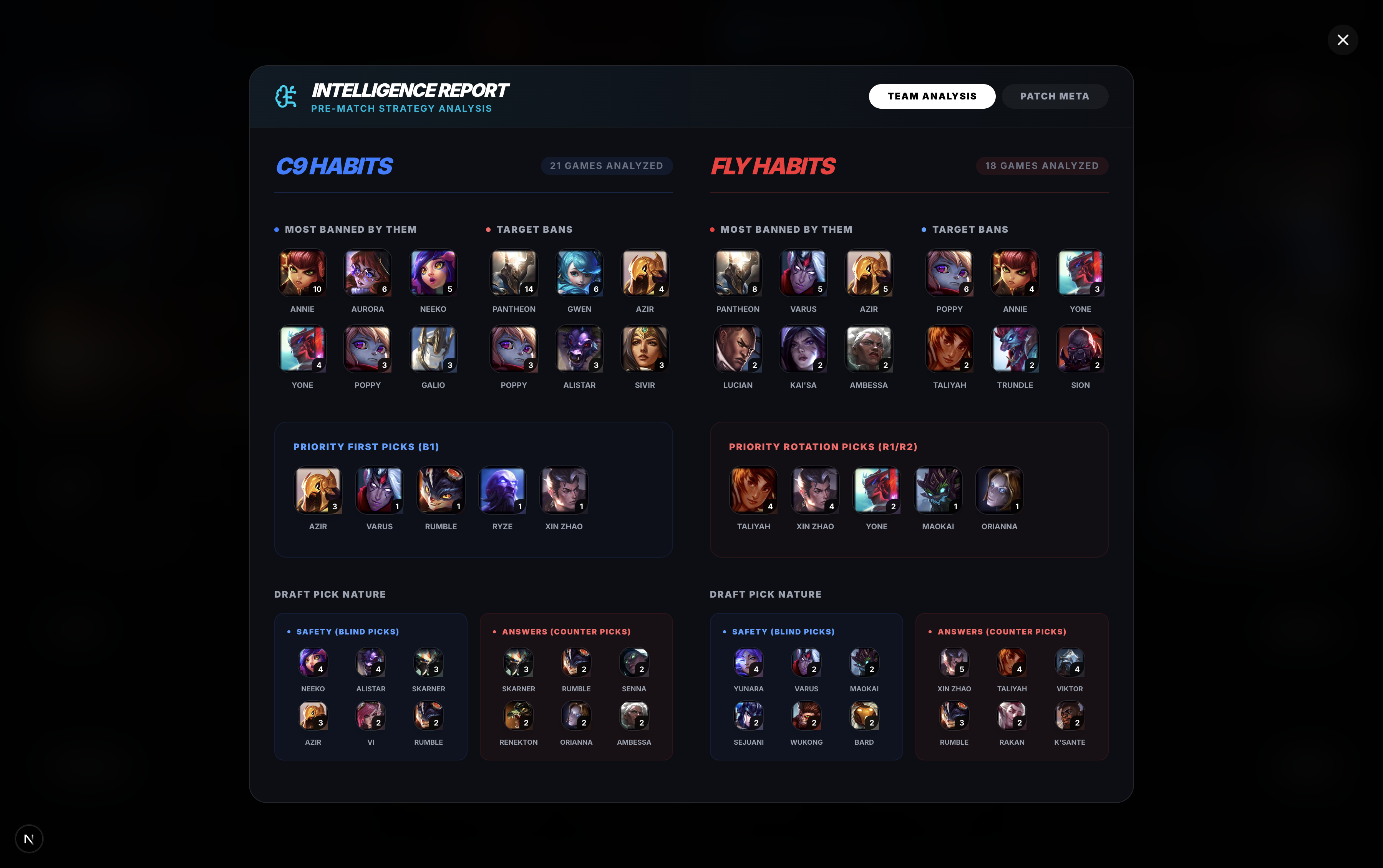
Teams intelligence inside draft page
-
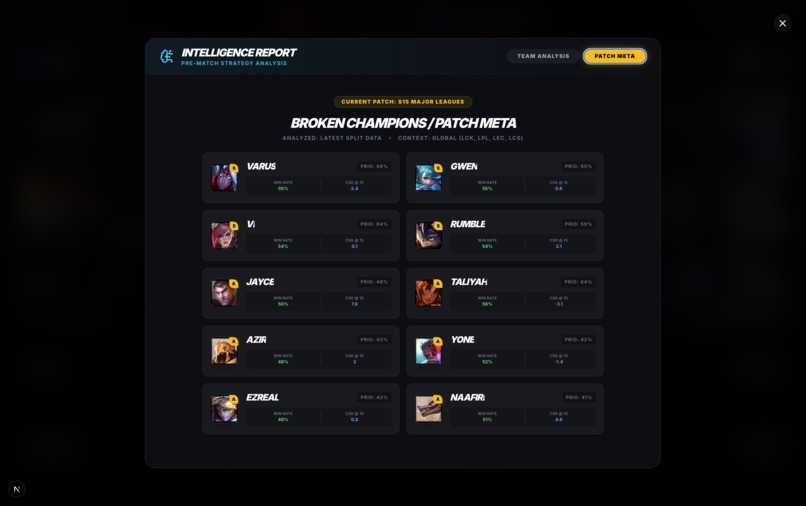
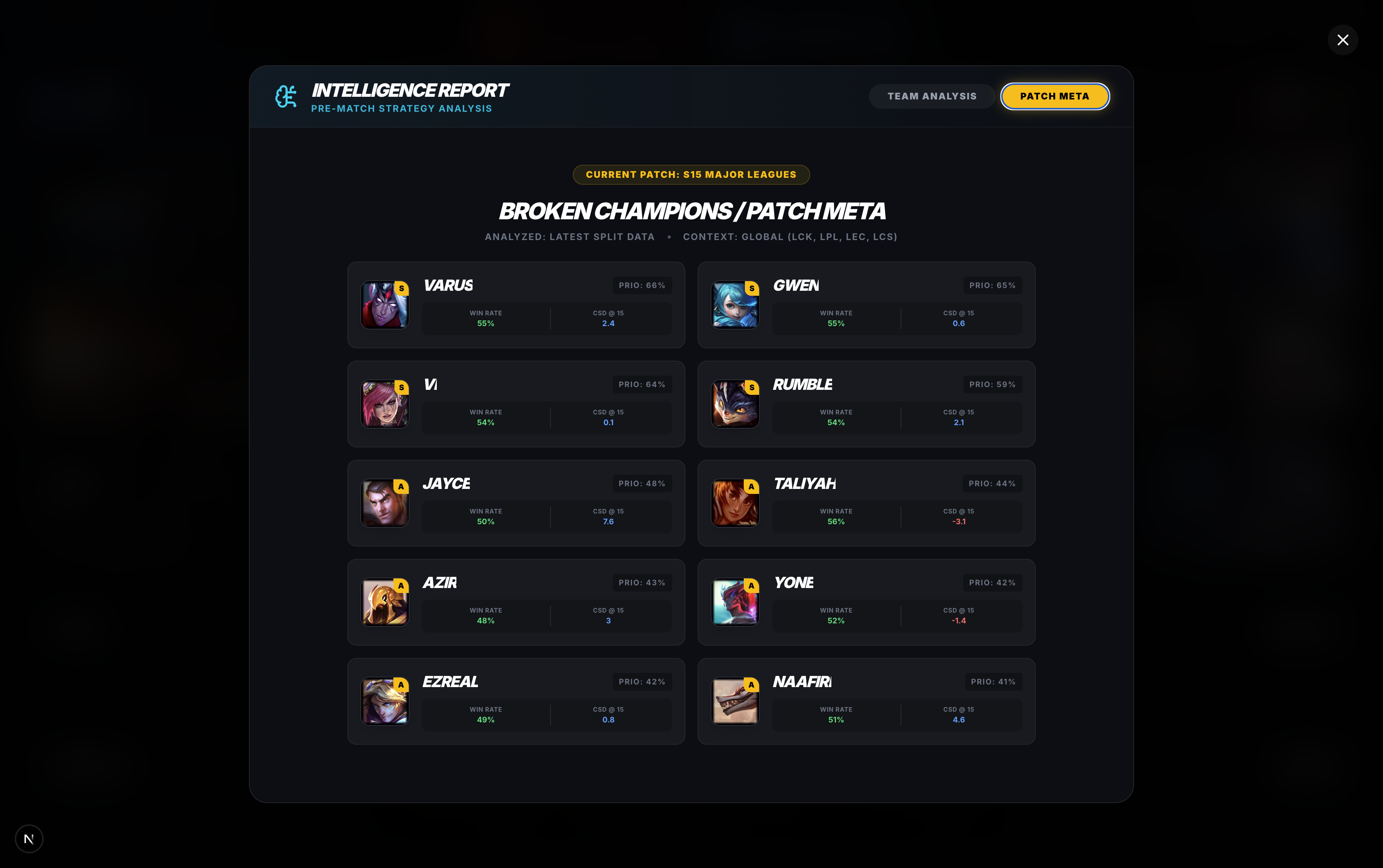
Current split meta champions
-
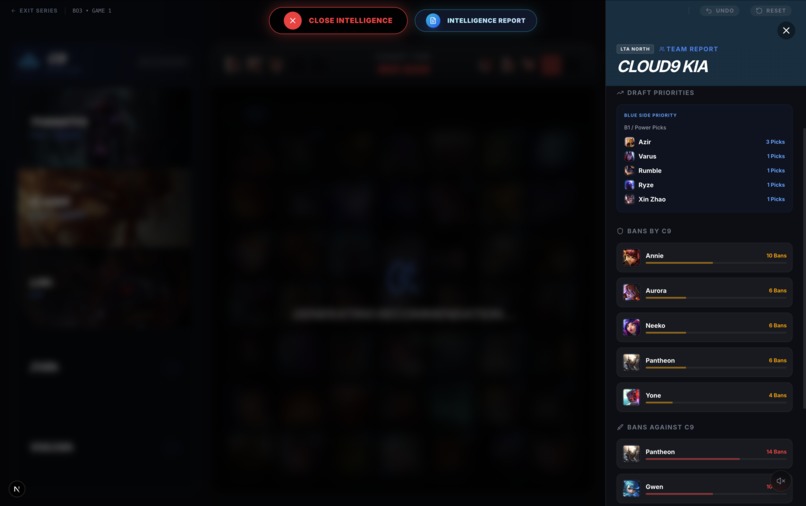
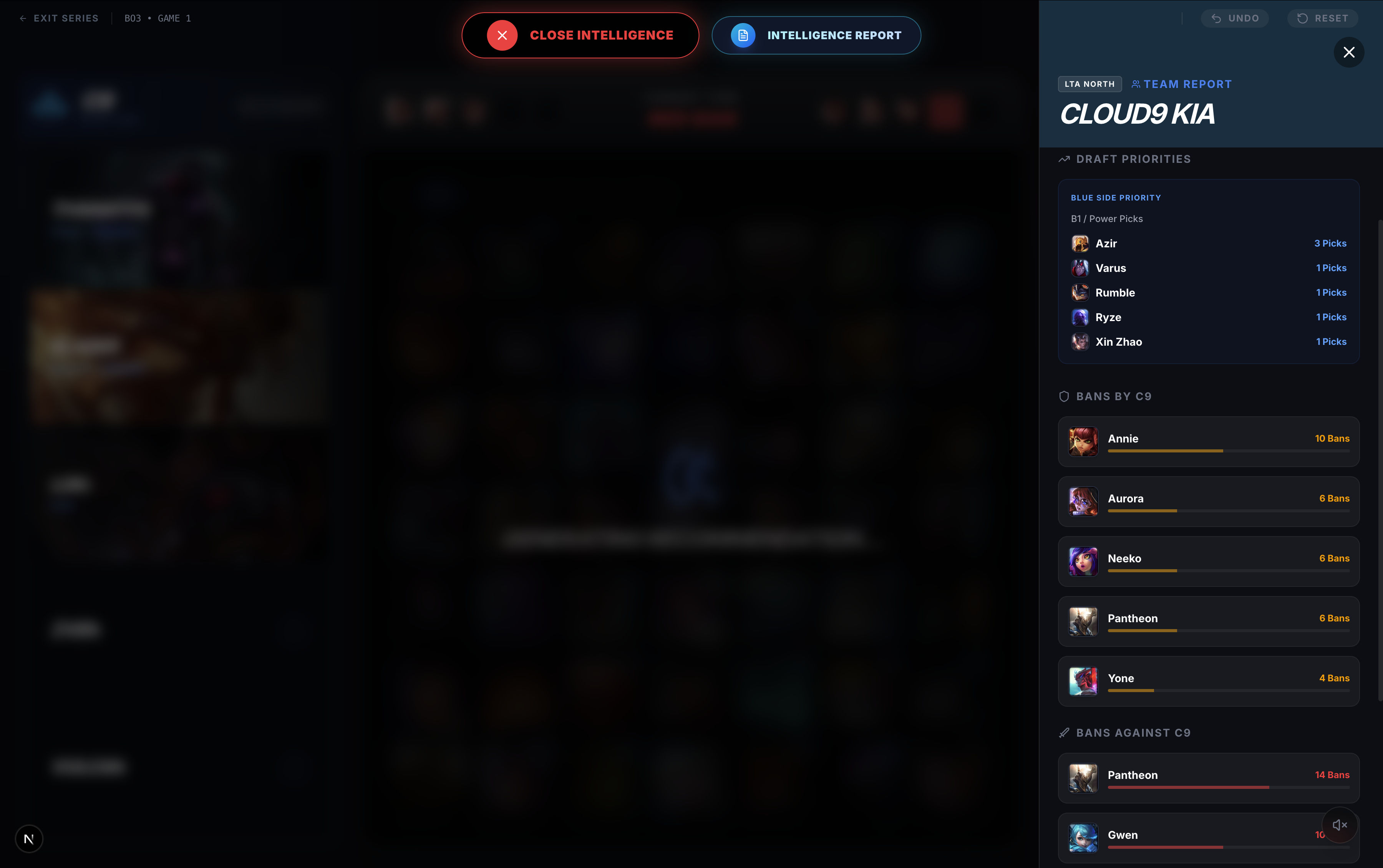
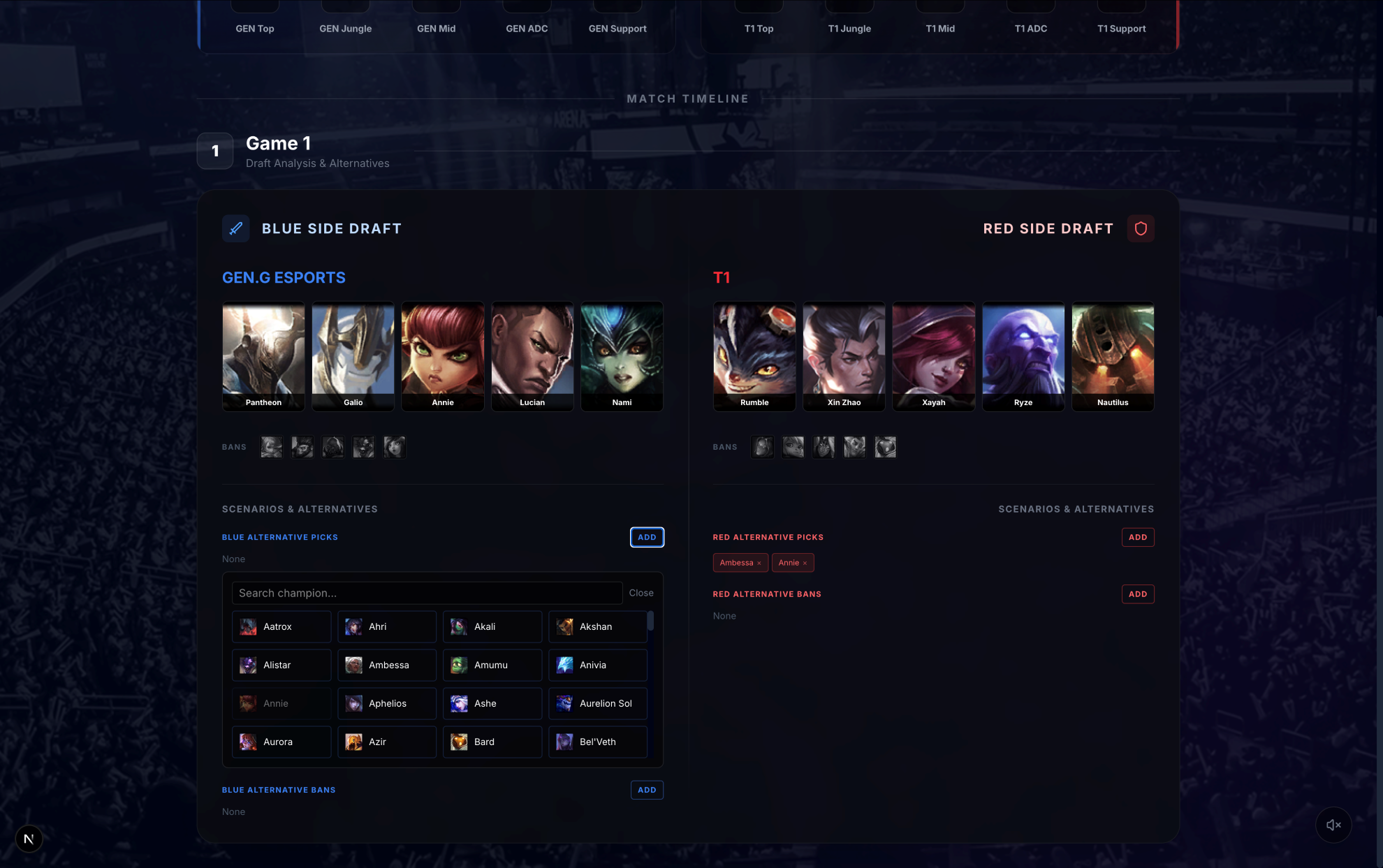
Side based team draft preference
-
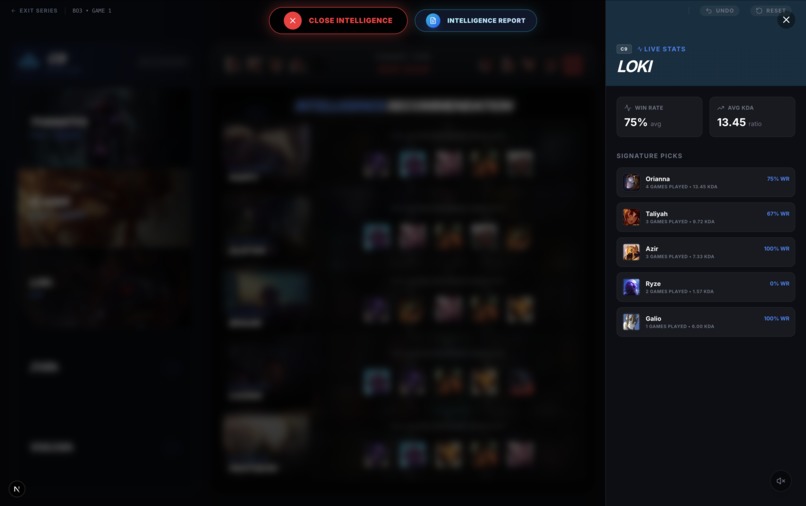
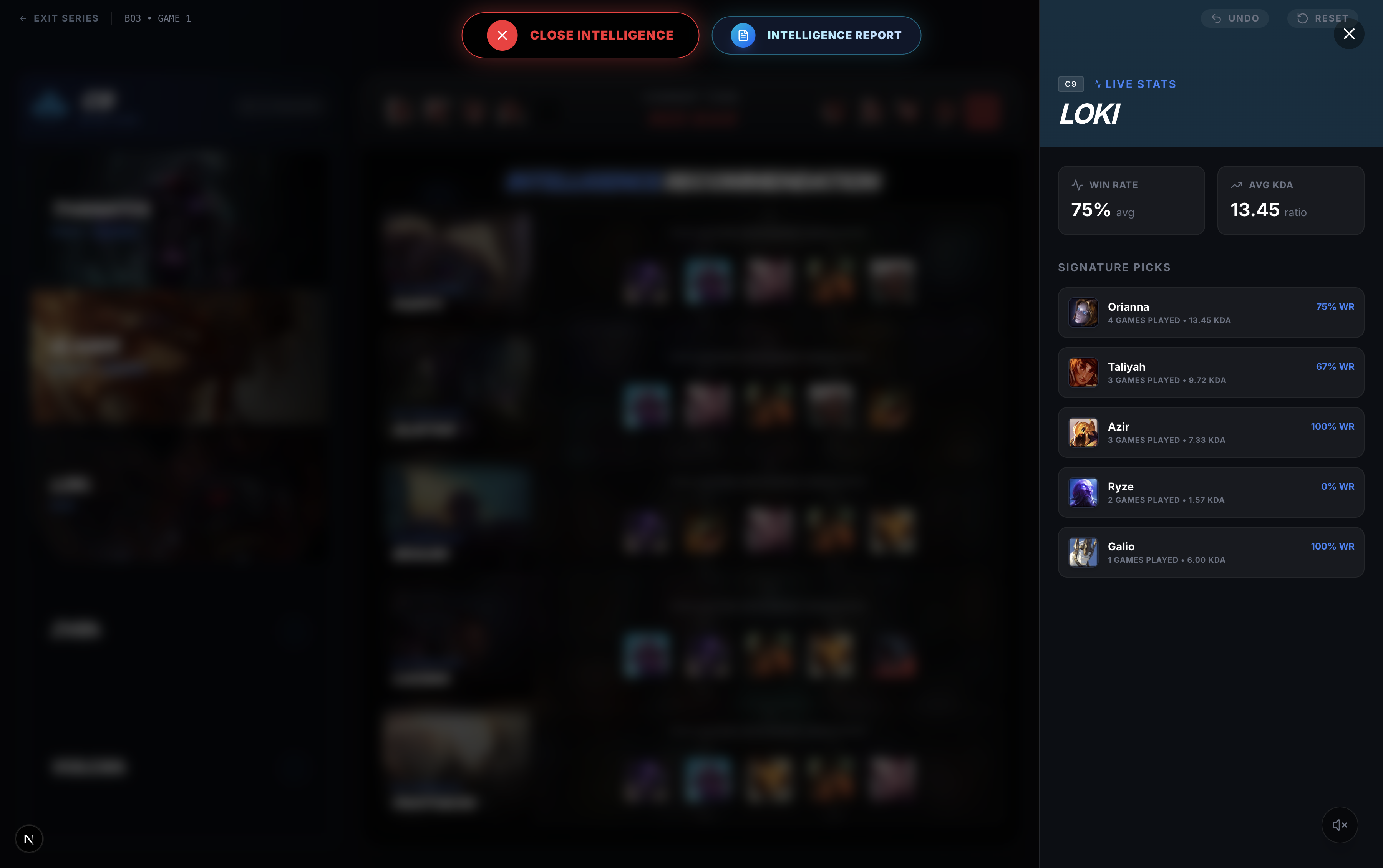
Current split player insights
-
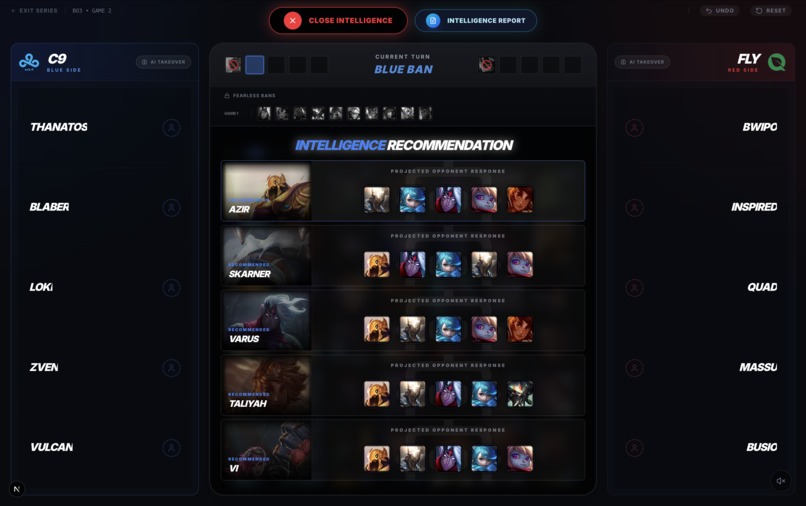
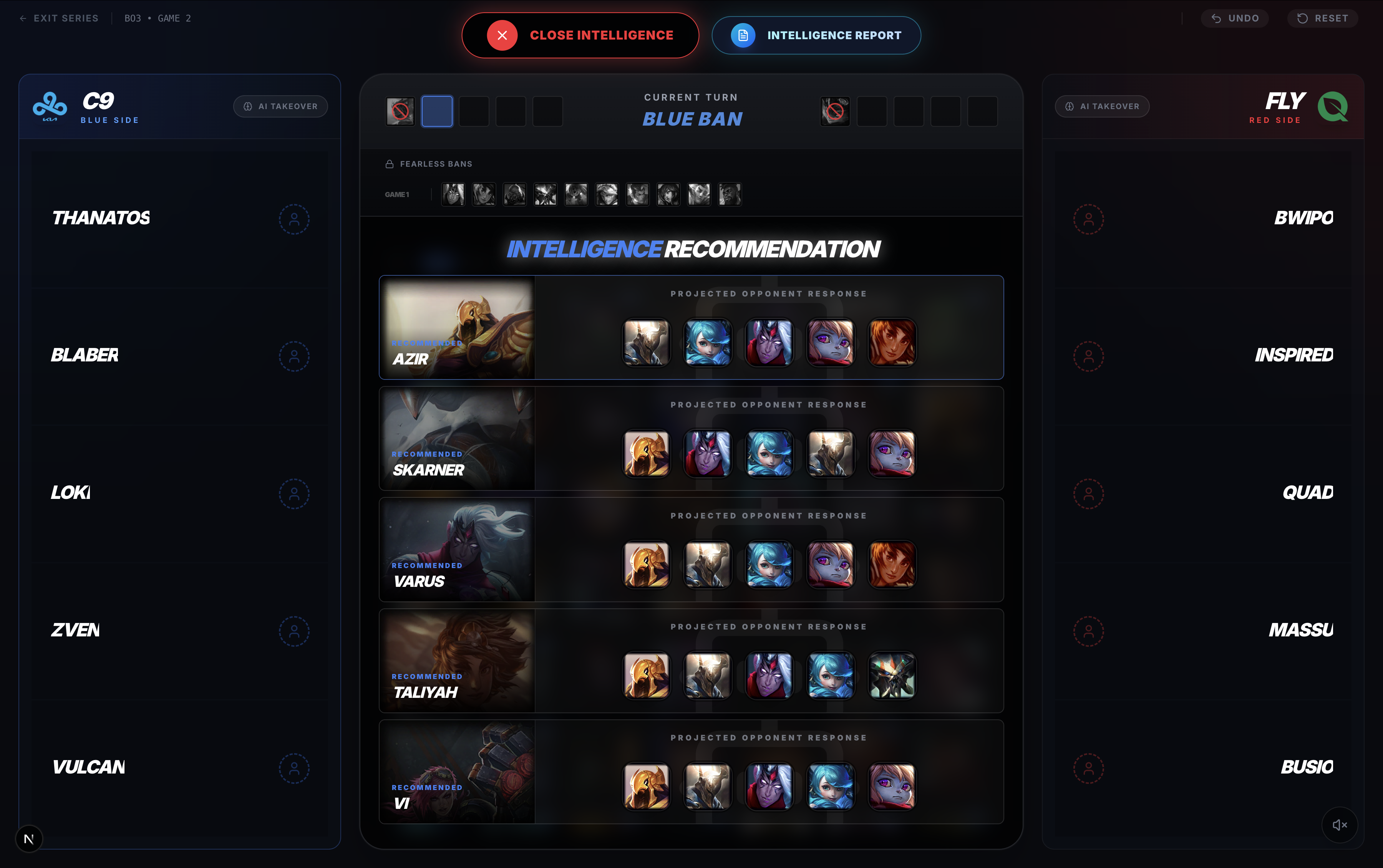
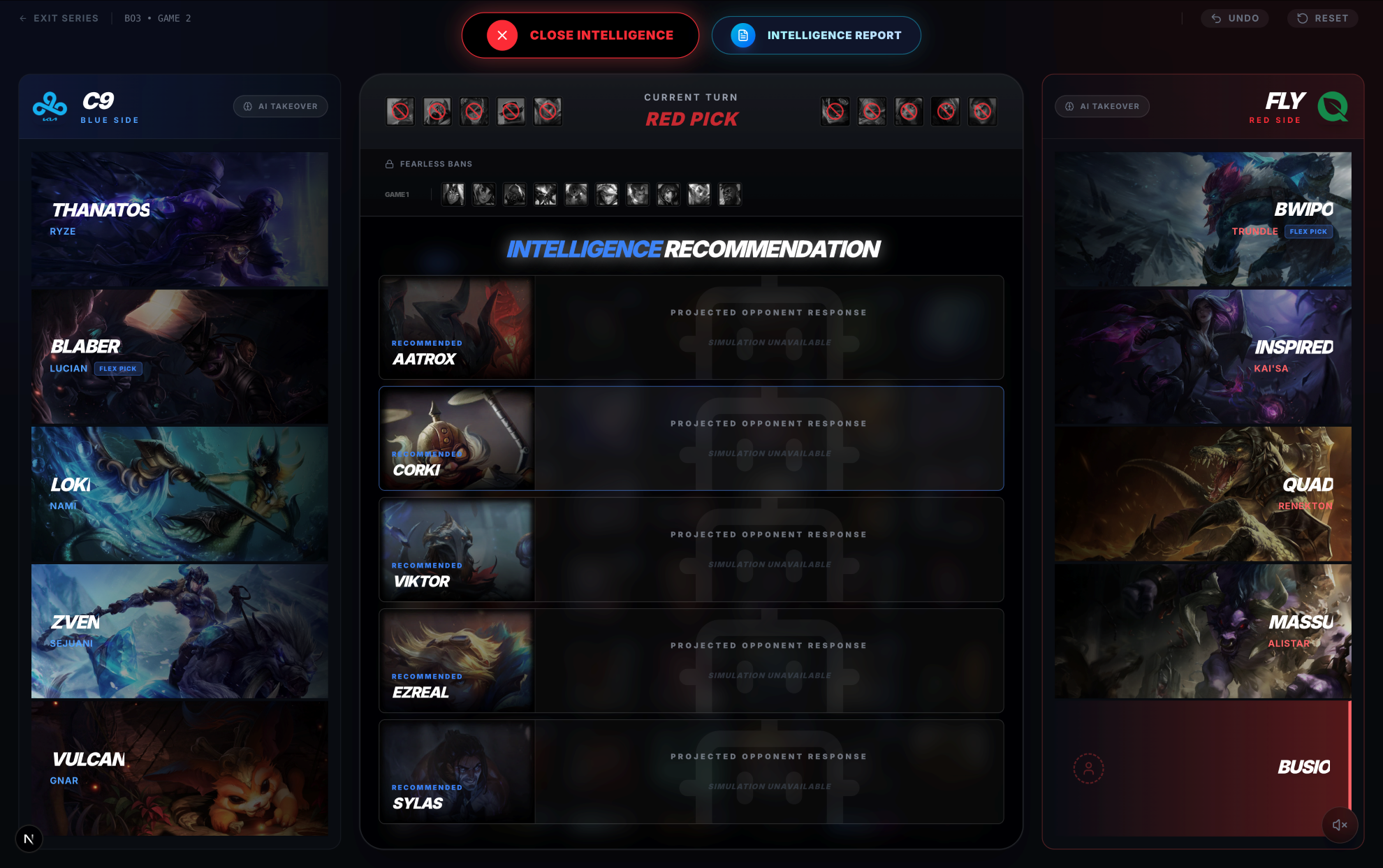
AI pick/ban recommendation
-
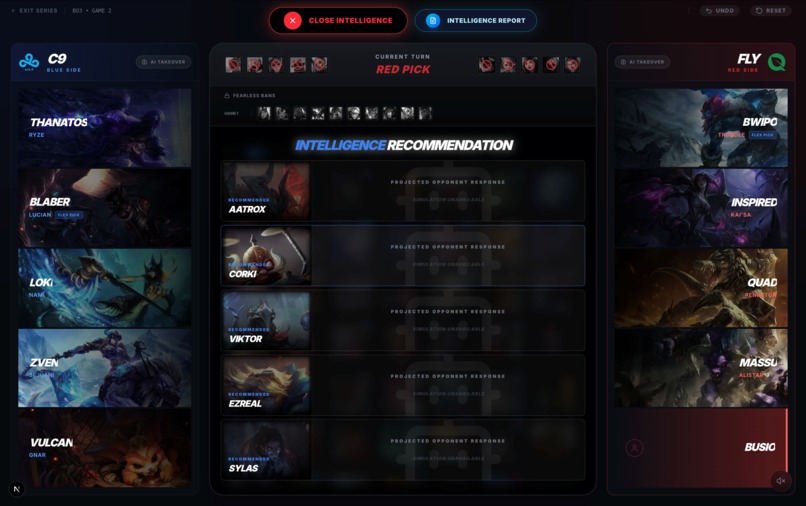
AI pick/ban recommendation
-
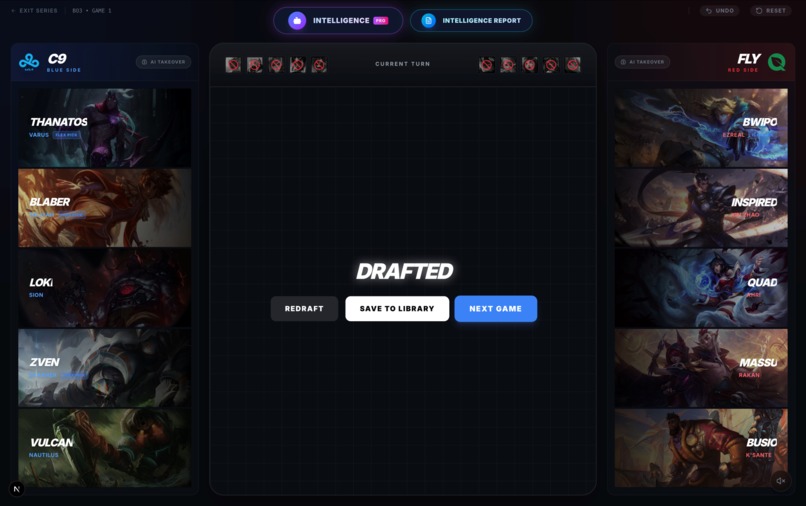
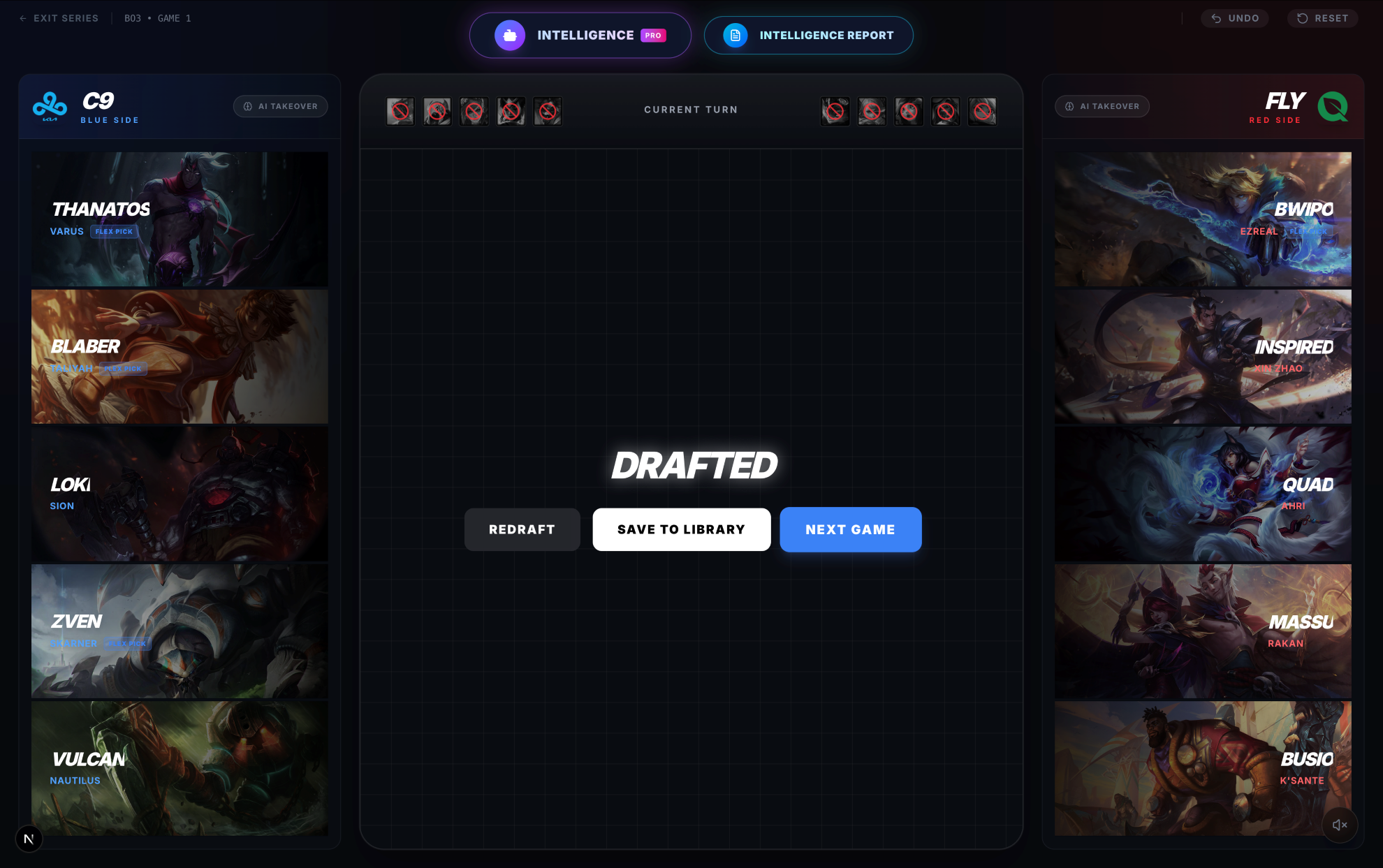
Draft completion menu
-
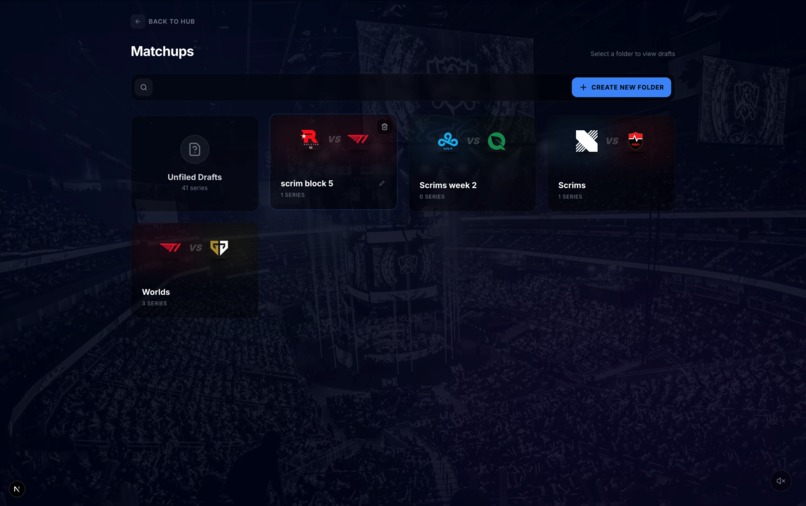
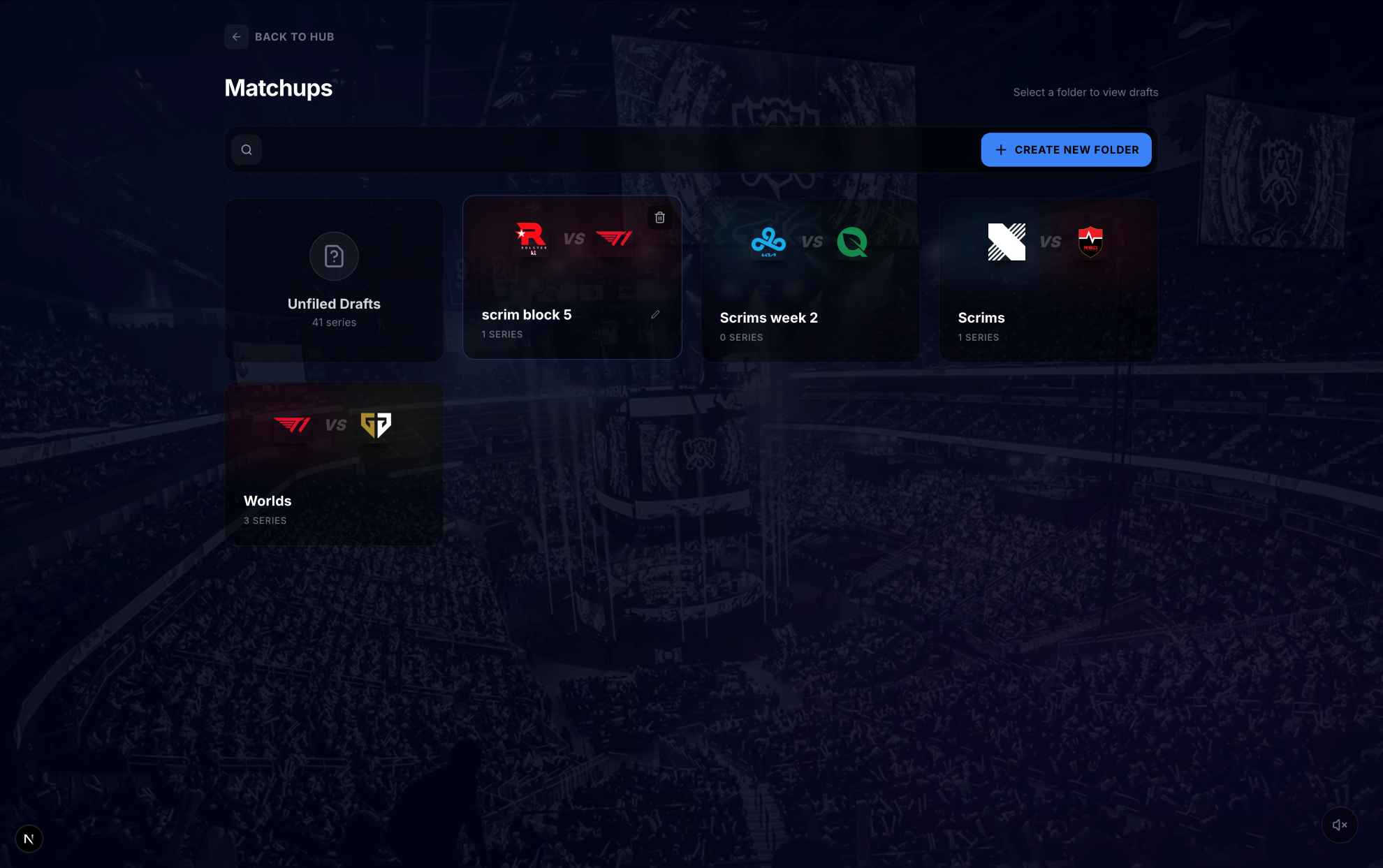
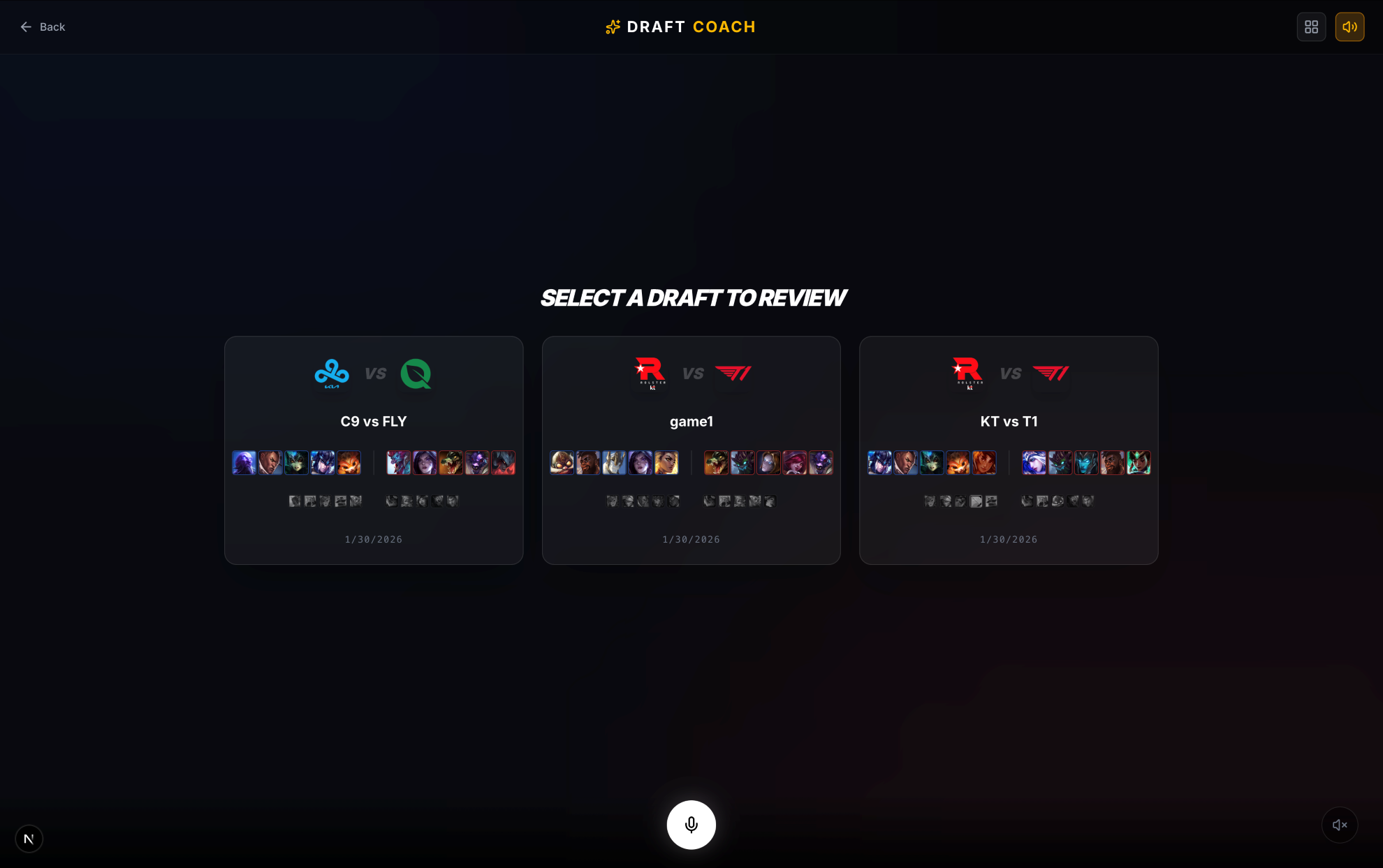
Library view
-
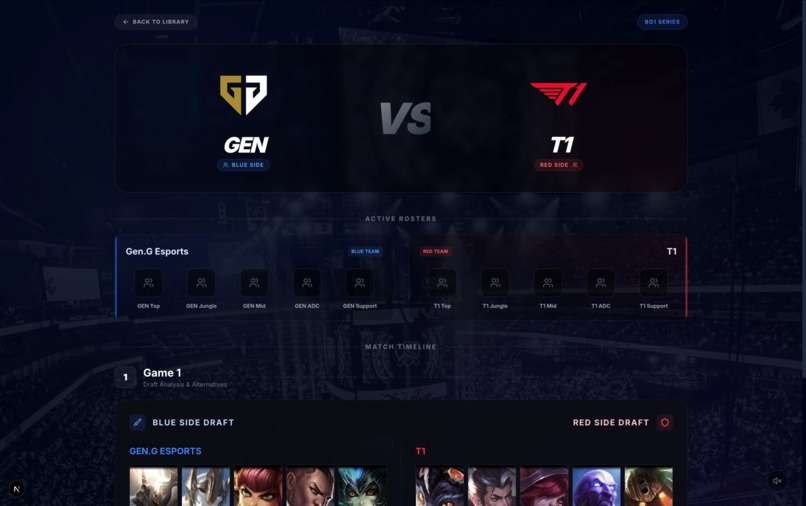
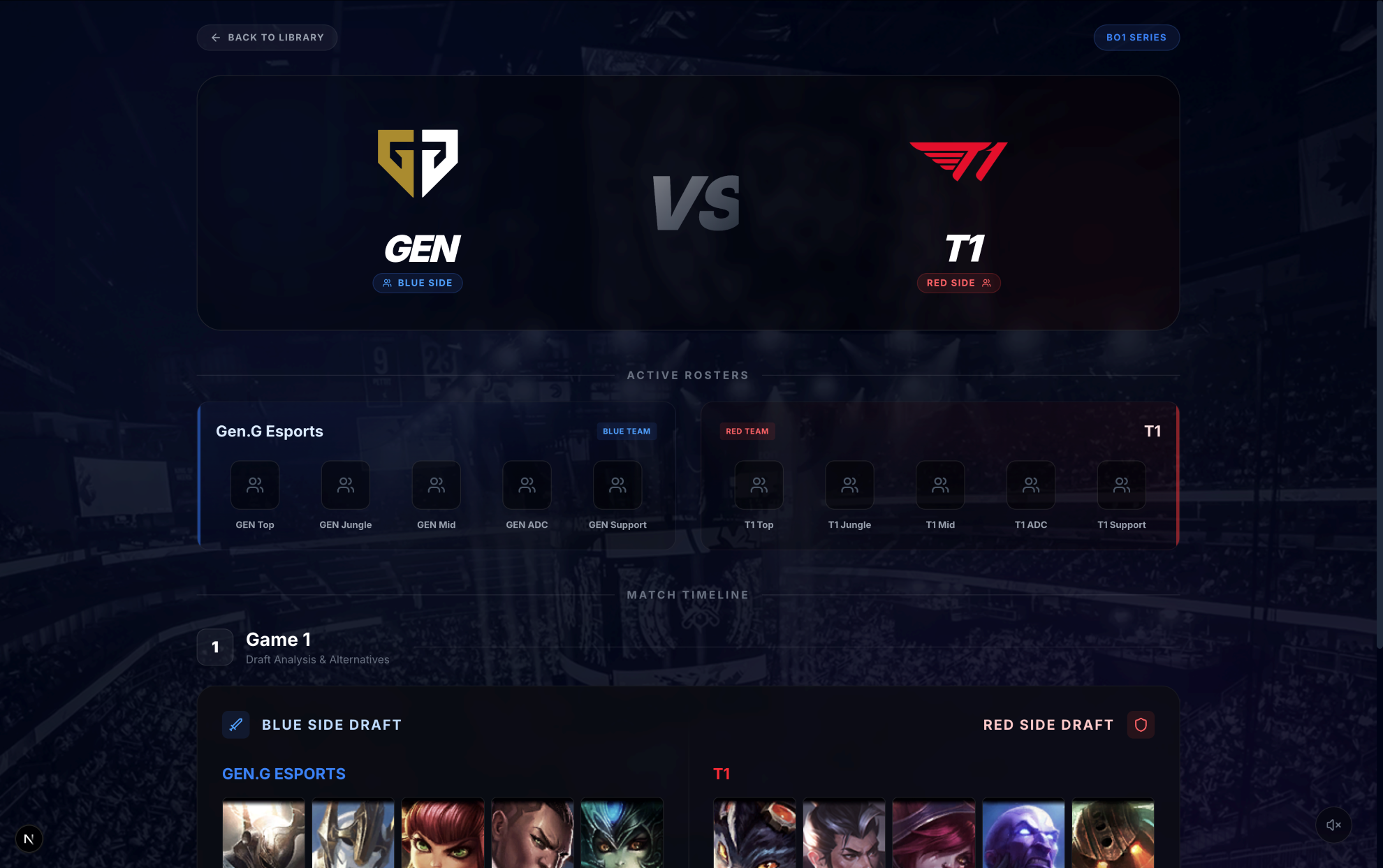
Library game review
-
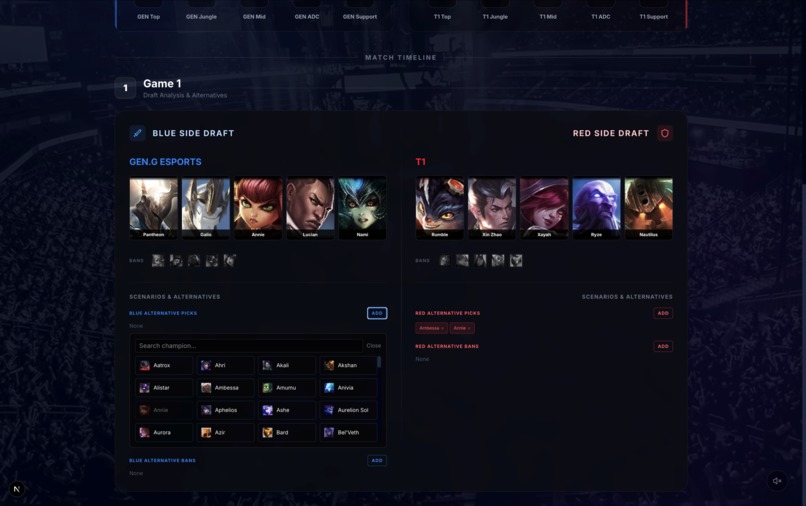
Library game review
-
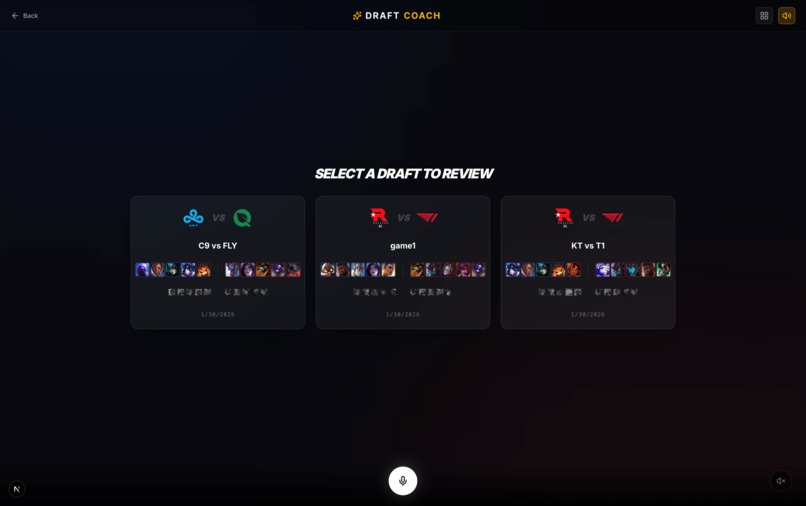
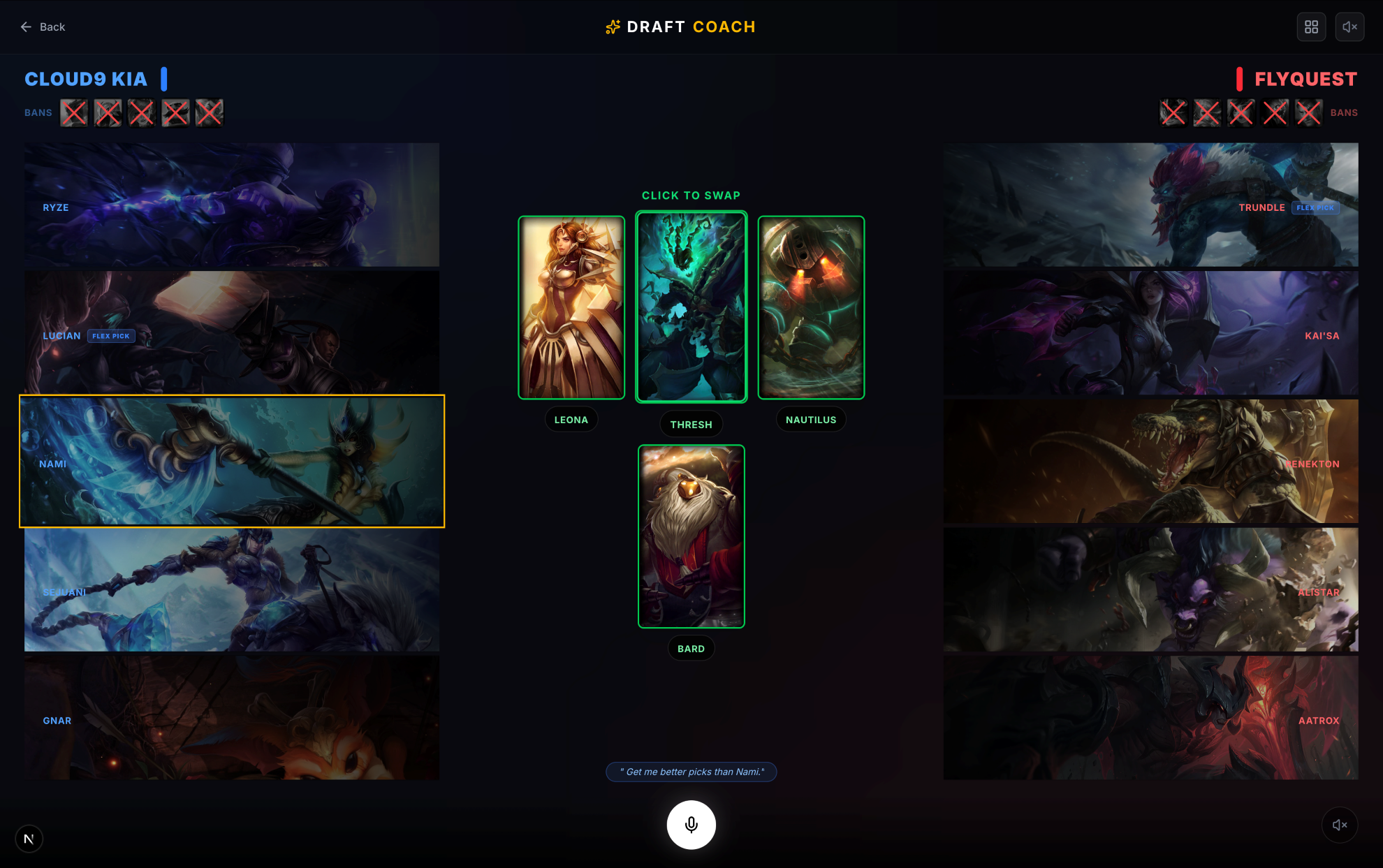
Draft Coach assistant
-
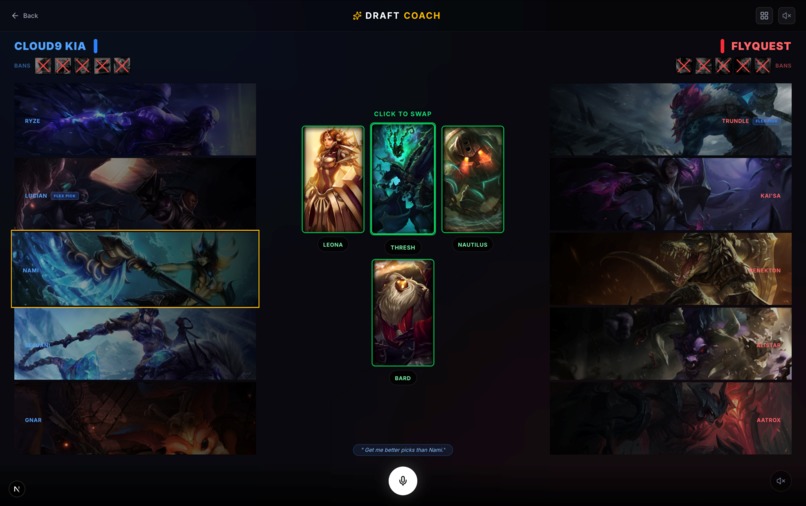
Draft Coach assistant recommendation
-
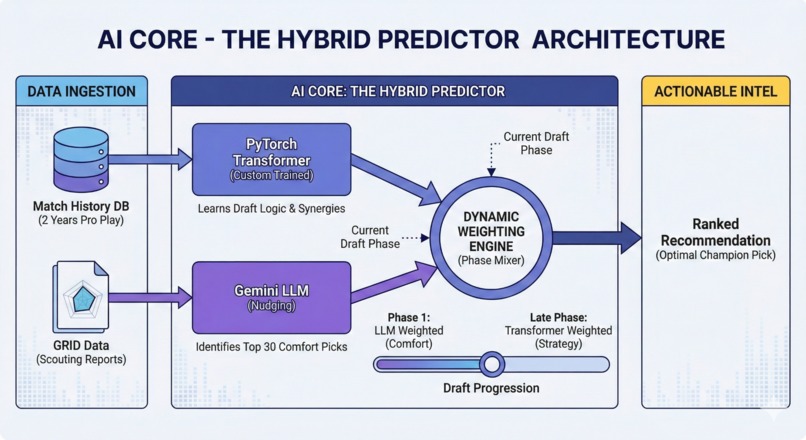
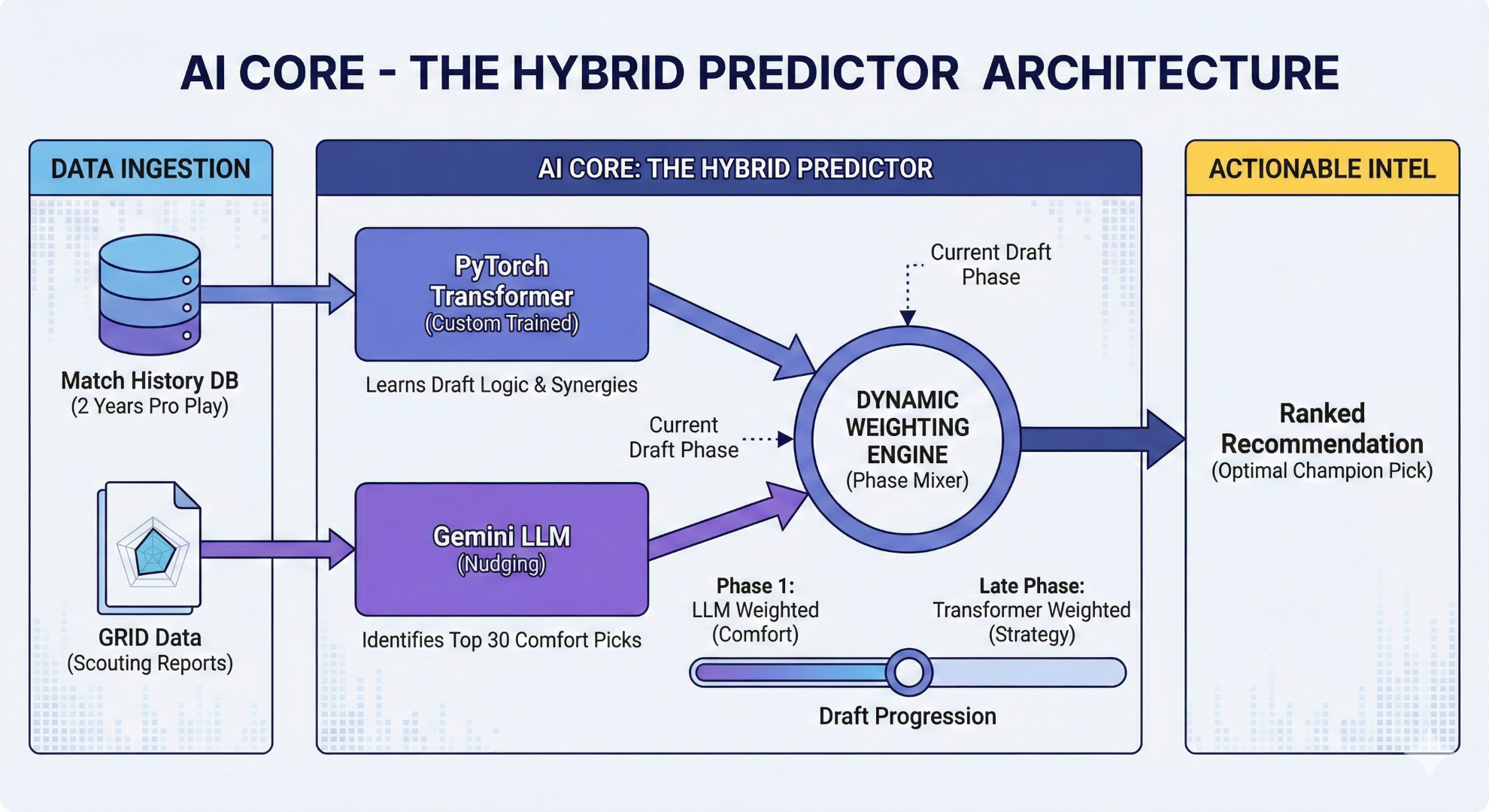
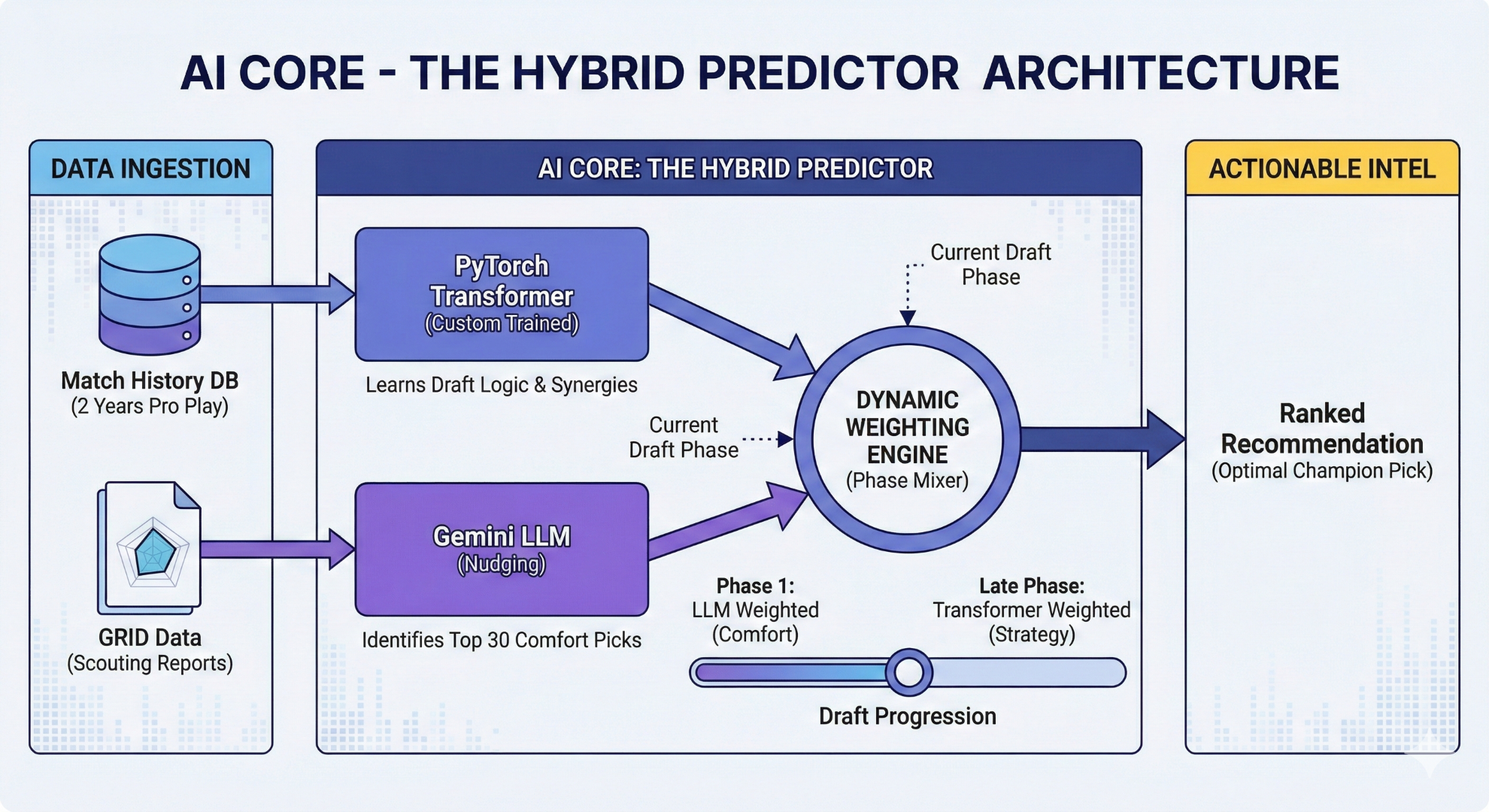
AI architecture
-
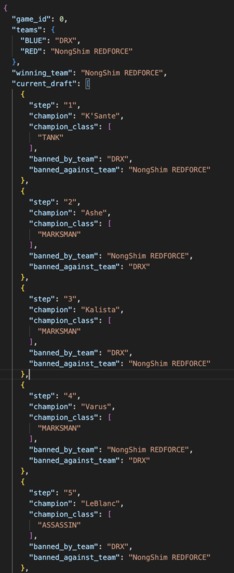
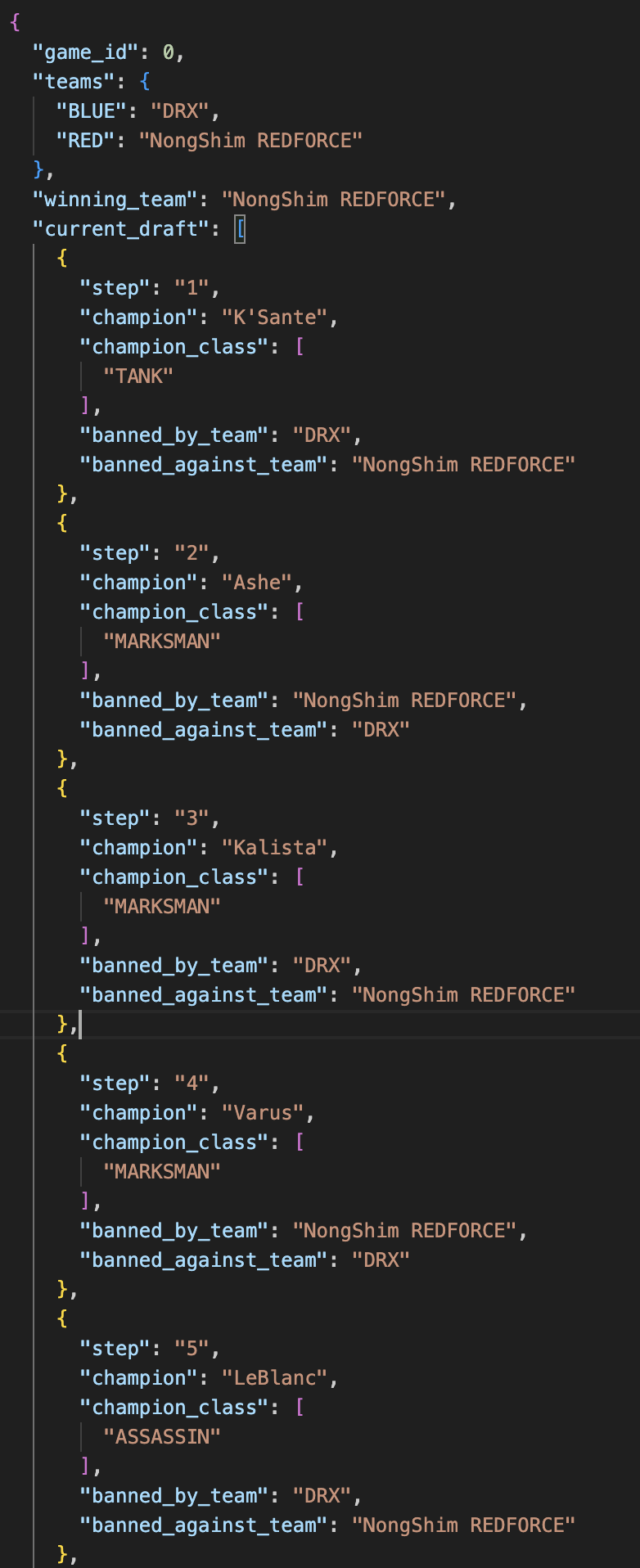
Example of 1 training data sample
-
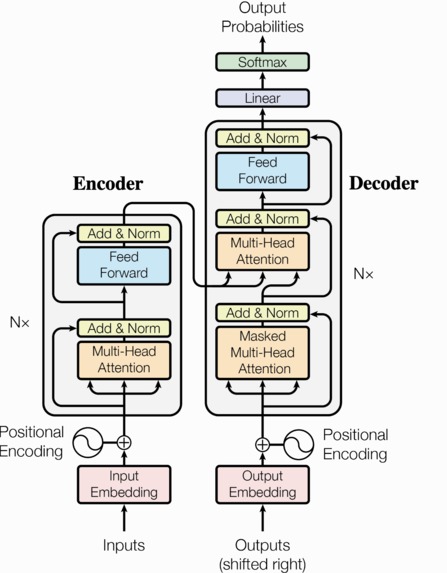
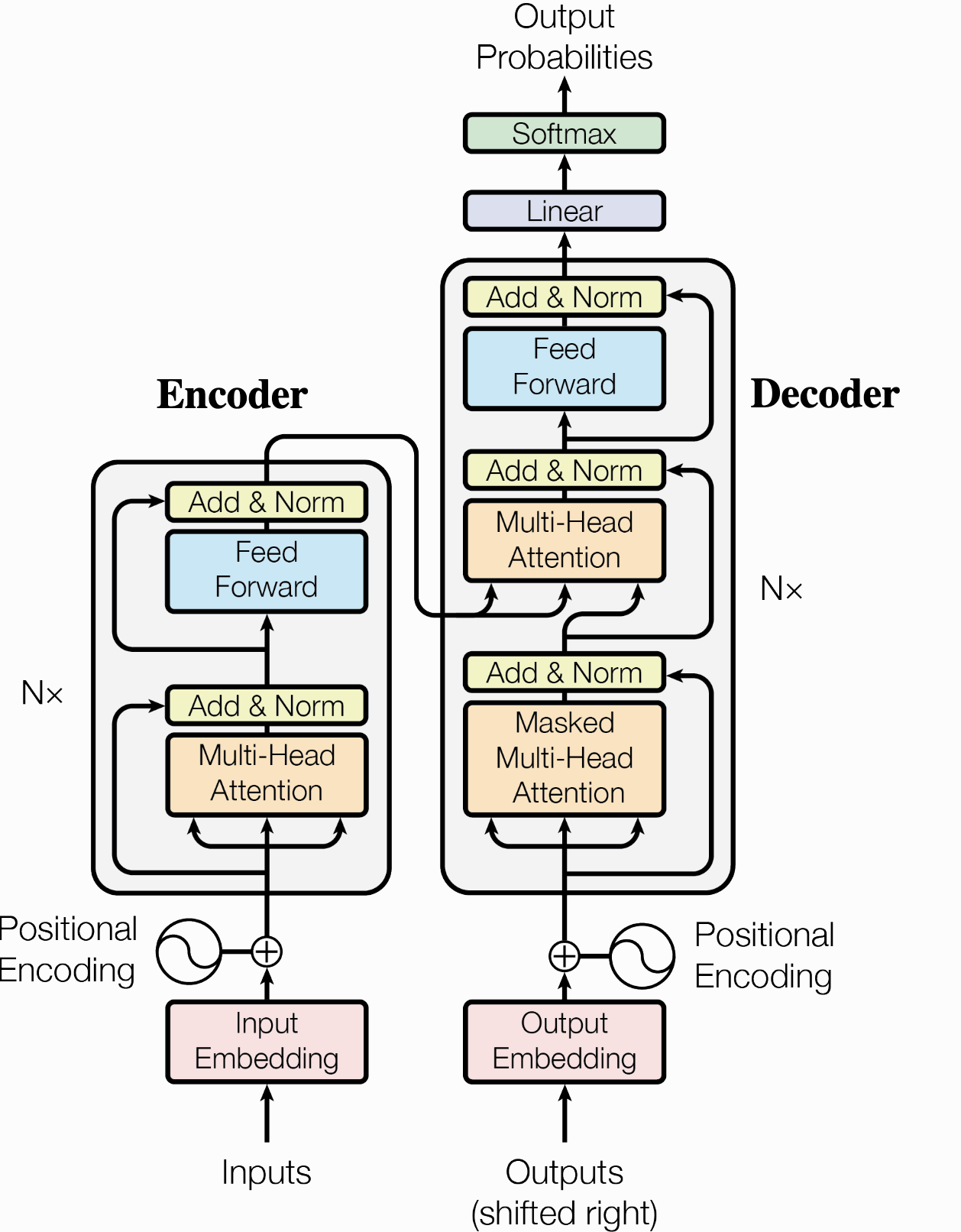
Transfomer Architecture : Sequence IN - Classification Out (Softmax)
Inspiration
The Draft Kit was born from the realization that professional League of Legends drafting still relies on inefficient, manual processes. Top coaches still spend hours creating scouting reports in spreadsheets and documents—a process that is not only time-consuming but often misses critical patterns and trends. We built The Draft Kit to bring AI into the game, automating GRID data analysis to reveal deep strategic insights and provide a real-time edge that human observation alone cannot match.
What it does
The Draft Kit is an advanced AI-powered drafting tool that streamlines the competitive drafting process. It features:
- Real-time AI Drafting Predictor: Analyzes the current draft state and provides optimal champion recommendations by combining a deep-learning Transformer model with scouting data.
- Dynamic Scouting Reports: Automatically generates team and player reports from GRID data, detailing historical ban tendencies, side-specific priority picks (B1, R1/R2), and current tournament champion pools.
- Hybrid Recommendation Engine: A unique architecture where an LLM nudges a custom-trained Transformer to account for roster changes and "comfort picks" that pure statistical models often miss.
- Draft Library: A centralized hub that organizes all draft simulations in one place, allowing coaches to review past series along with their respective team and player scouting reports.
- Voice-Activated Strategic Coach: A conversational interface using Groq's Llama models and Whisper STT, allowing coaches to ask for advice or "Lock In" picks hands-free.
- Fearless Bans & Series Tracking: Built-in support for modern competitive formats, tracking restricted champions across BO3/BO5 series.
How we built it
 The Draft Kit Technical AI Explanation video link
- AI Core - The Hybrid Predictor:
- Transformer Model: We trained from scratch a custom PyTorch Transformer trained on professional matches from the last 2 years to understand high-level drafting logic and synergies.
- LLM Nudging (Gemini): We use Google's Gemini models to process real-time "Scouting Reports." The LLM identifies the top 30 priority champions for the current roster based on GRID data.
- Dynamic Weighting: In the early stages (Phase 1 bans/picks), the LLM has higher weight to prioritize player comfort and team-specific strategies. As the draft progresses, the Transformer's weight increases to ensure the final composition is strategically sound and balanced.
- Data Pipeline: We process GRID data to create structured Team Reports (side-specific bans/picks) and Player Reports (tournament history, blind vs. counter-pick rates).
- Frontend: Built with Next.js 16, TypeScript, and Tailwind CSS, featuring a tournament-grade UI with Framer Motion animations.
- Backend: A Flask-based microservices architecture handles the real-time inference for both the Transformer and the LLM-powered Coach.
Challenges we ran into
- The "Roster Shift" Problem: Professional drafts aren't just about the "best" champions; they are about what these specific players can play. Static models fail when teams change rosters or when a player's comfort overrides the meta.
- Solving the Human Element: We solved this by developing our hybrid "Nudging" system. By feeding player-specific scouting reports into the LLM, we can shift the Transformer's predictions towards the current roster's strengths without losing the Transformer's deep understanding of professional drafting patterns.
- Real-time Synchronization: Ensuring the AI could process complex GRID-derived reports and provide recommendations in milliseconds during a live draft required significant optimization of our inference pipeline.
Accomplishments that we're proud of
- The Hybrid AI Architecture: Successfully balancing a statistical Transformer with a context-aware LLM to create a "best of both worlds" drafting assistant.
- Voice-to-Draft Integration: Building a seamless experience where a coach can interact with the AI naturally, making the technology feel like a secondary assistant coach rather than just a dashboard.
- GRID Data Utilization: Turning raw match history into actionable "Scouting Reports" that directly influence AI decision-making.
What we learned
- The Value of Data Quality: We learned that even the most advanced Transformer architecture is only as good as the data it's fed. The time spent on data cleaning—removing outliers and ensuring consistency across different league formats—was just as important as the model tuning itself.
- Context is Everything: In competitive gaming, data without context (like player comfort) is incomplete. The "nudge" mechanism taught us how to combine different AI architectures to handle both macro-trends and micro-nuances.
What's next for The Draft Kit
- Scrim-to-Stage Integration: A private portal for professional teams to upload their internal scrim data, allowing the AI to "nudge" predictions based on confidential practice meta that isn't yet visible in public GRID data.
- Multi-Game Series Adaptability: Enhancing the AI to predict how an opponent will adapt their strategy in Game 2 or 3 of a series based on the outcome and champion bans of Game 1.
- Expanded Game Support: Adapting the Draft Kit framework to support drafting in other competitive games like Dota 2 and Valorant.
- Continuous Learning: Implementing online learning capabilities so the model can adapt to new champions releases and game changes
Built With
- built-with-**frontend:**-next.js-16-(app-router)
- flask-cors
- framer-motion
- google-gemini-(llm-nudging)
- groq-(llama-3-&-llama-4-models)
- localstorage-(persistence).-**other-tools:**-dotenv
- lucide-react.-**backend:**-python-(flask)
- react-19
- rest-apis.-**ai/ml:**-pytorch-(custom-transformer)
- tailwind-css-(v4)
- typescript
- whisper-large-v3-(stt).-**data-&-storage:**-grid-data-(via-custom-json-reports)

Log in or sign up for Devpost to join the conversation.