-
-
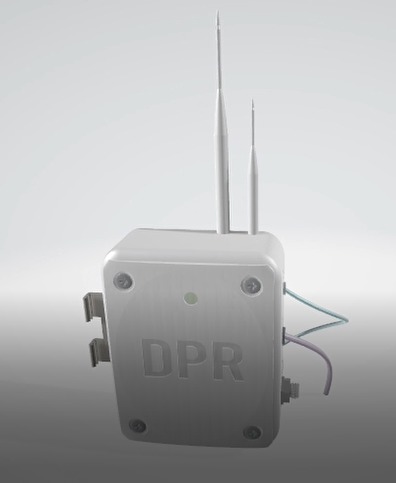
Interior
-
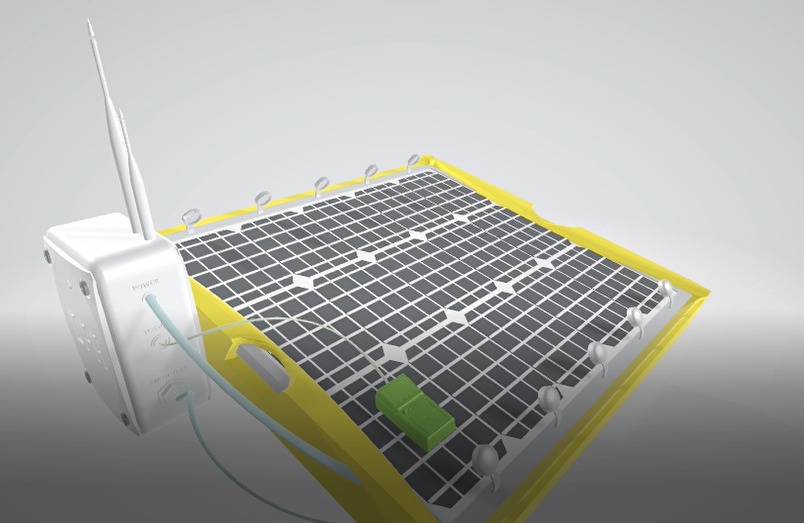
Integration
-
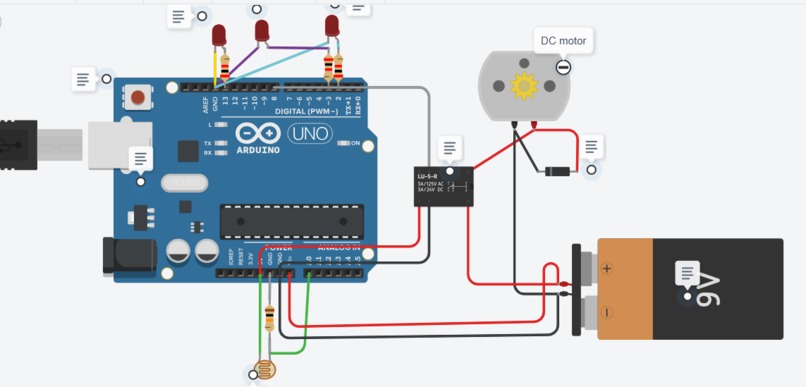
Exterior Design


Solar power is crucial for our clean energy transition, but its real-world performance is plagued by hidden instabilities such as grid vulnerability. Intermittent solar power can destabilize traditional energy grids, and managing thousands of these decentralized systems with old-fashioned, top-down control is incredibly complex. The accumulation of dust and pollen, known as "soiling," poses a major problem. Data from Sarver, T. (2013) and later work by Fernández, E. F. and their teams (2021) shows that in most regions, this can cause solar panels to lose 10-15% of their efficiency in just 3 to 5 weeks, with losses reaching 15-25% in arid regions. This effectively robs the industry of over $10 billion annually in lost energy, eroding financial returns for owners. Our survey (n=170) revealed the top concerns that stop people from adopting solar. Beyond the high upfront cost, people are worried about ongoing maintenance (67%) and unpredictable energy output (42%), not knowing how much power their system will generate. This shows that reliability and hassle-free operation are just as critical as affordability.
Solar infrastructure should be proactive, not passive. The DPR System is a self-operating device that keeps solar panels clean and efficient without human intervention, moving beyond simple power generation to create a self-optimizing network.
Three Core Functions: Distributed: Devices form a local network that works even if central communication fails. Predictive: It forecasts issues like dust storms using weather data to act in advance. Reflex: It runs "if-then" commands for instant, automated responses.
Using sensors and smart algorithms, the system detects dust and activates air-based cleaning automatically. This transforms solar arrays from basic power sources into responsive assets that maintain peak efficiency while supporting grid stability.


Log in or sign up for Devpost to join the conversation.