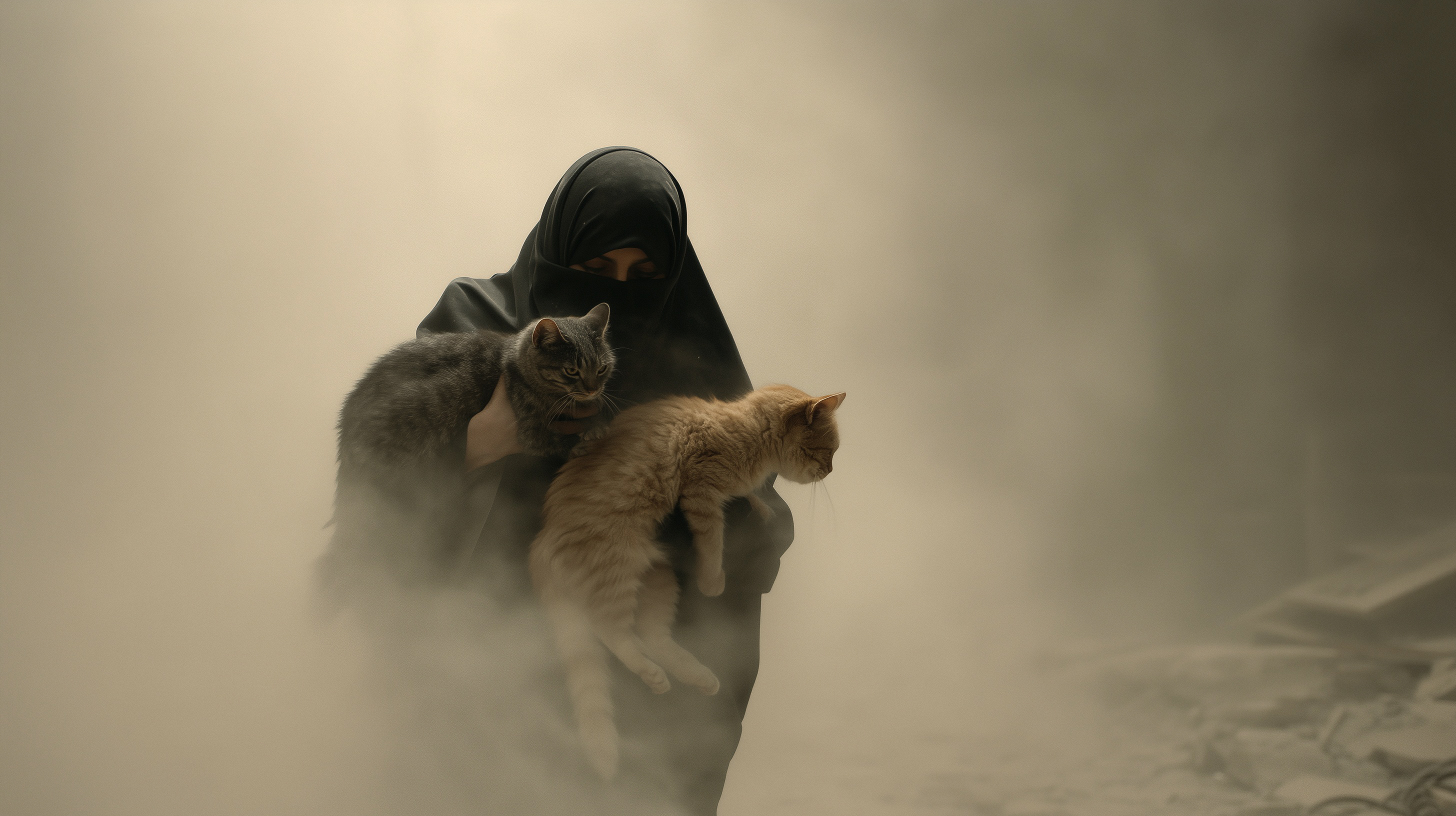
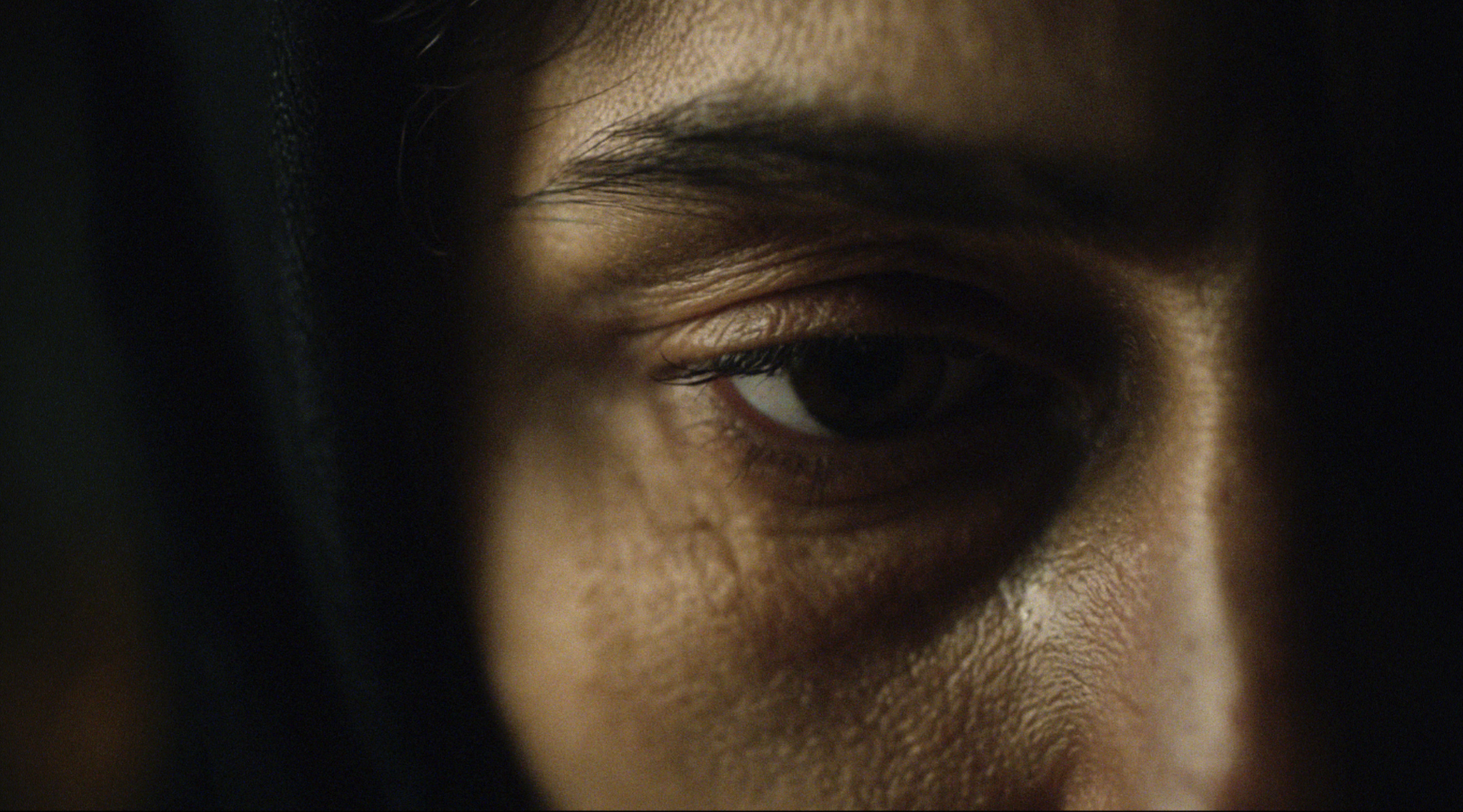
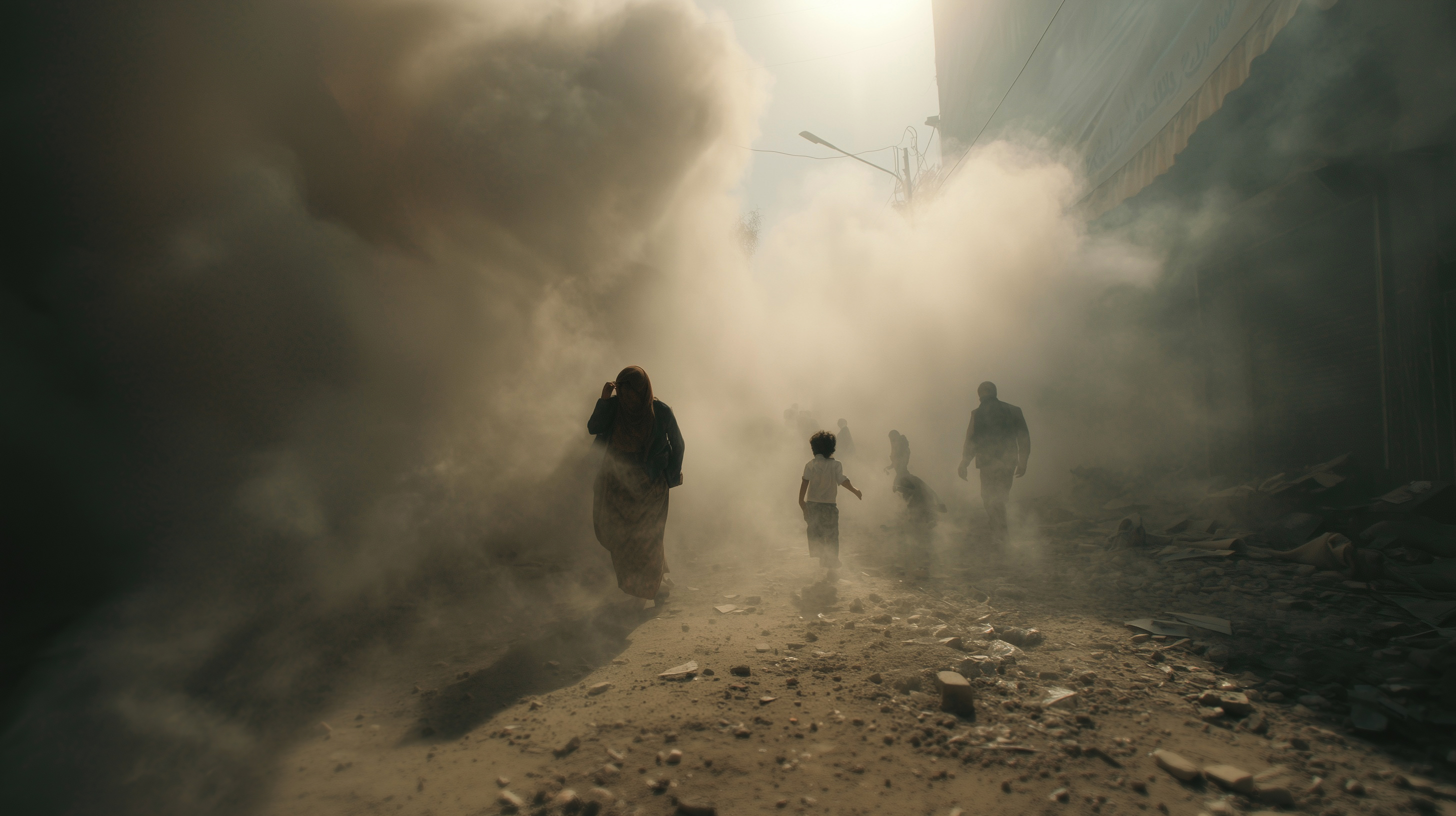
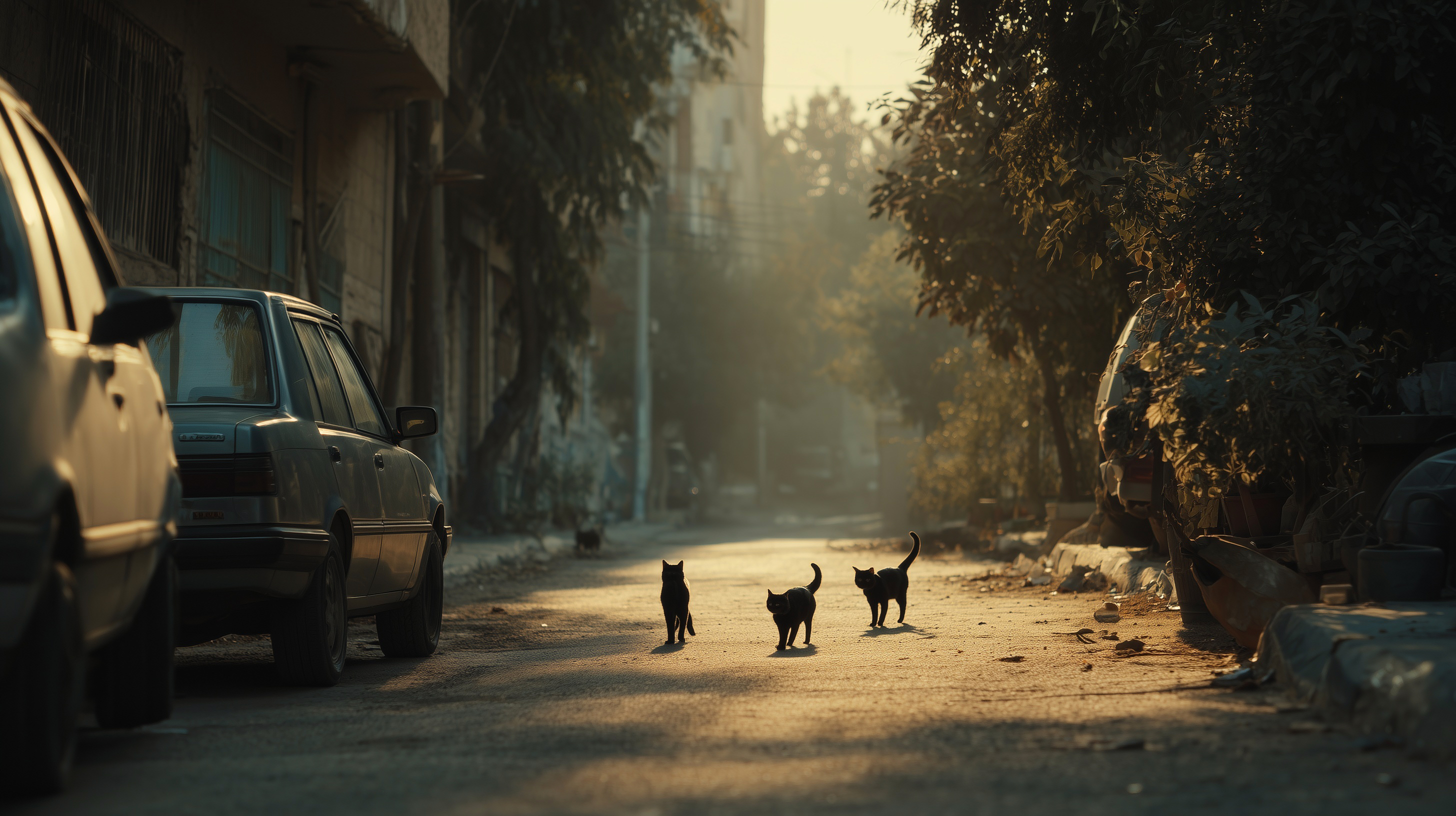
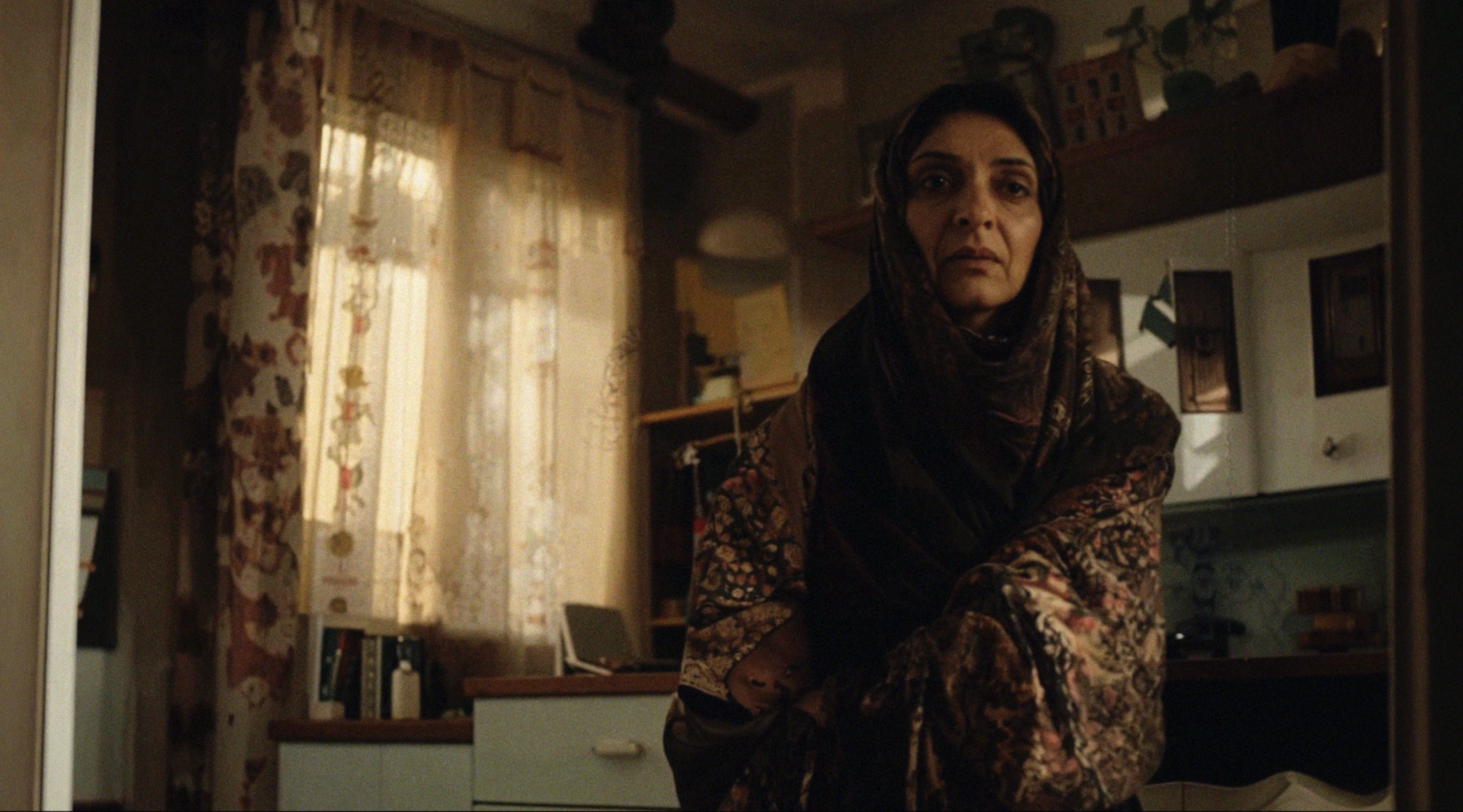
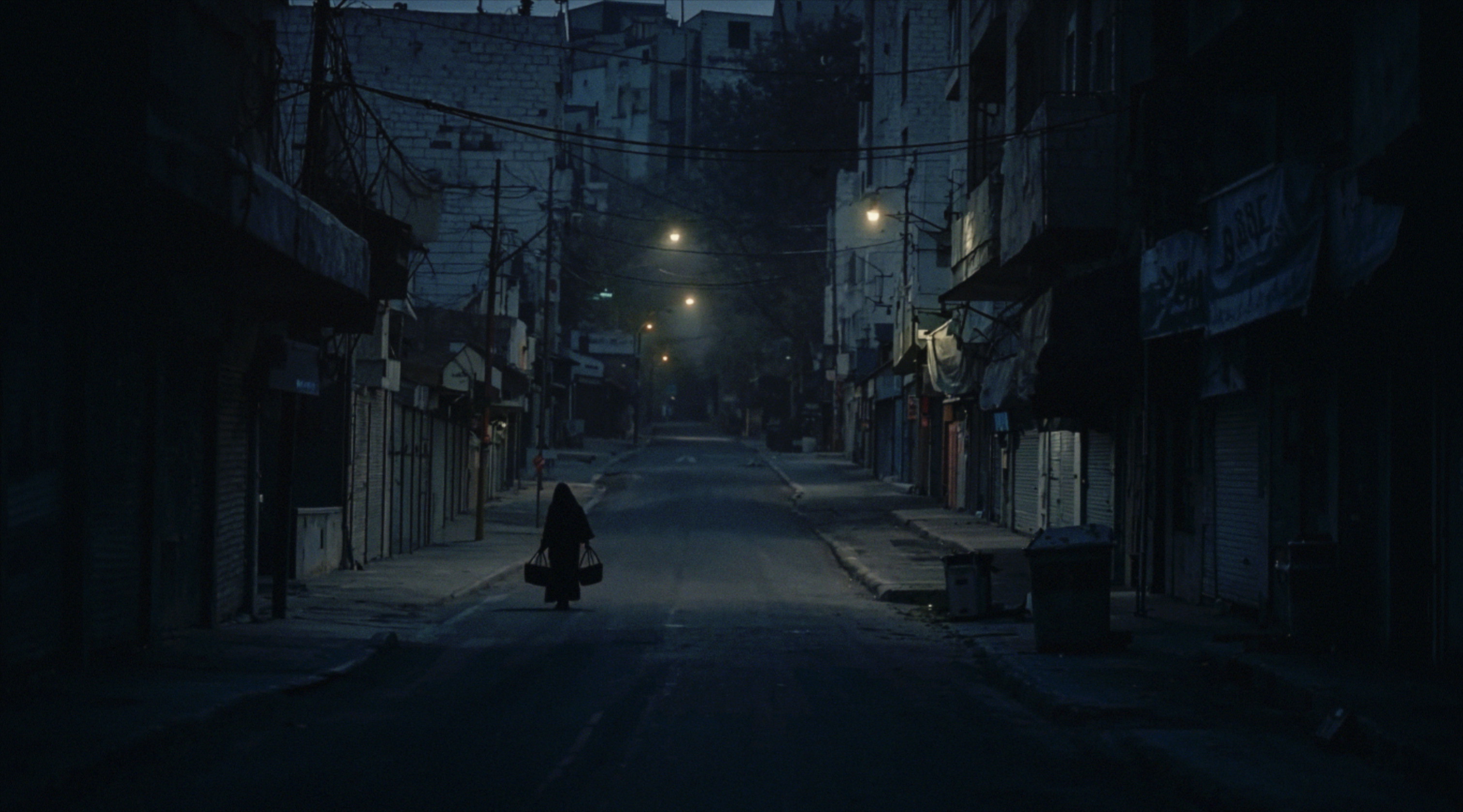
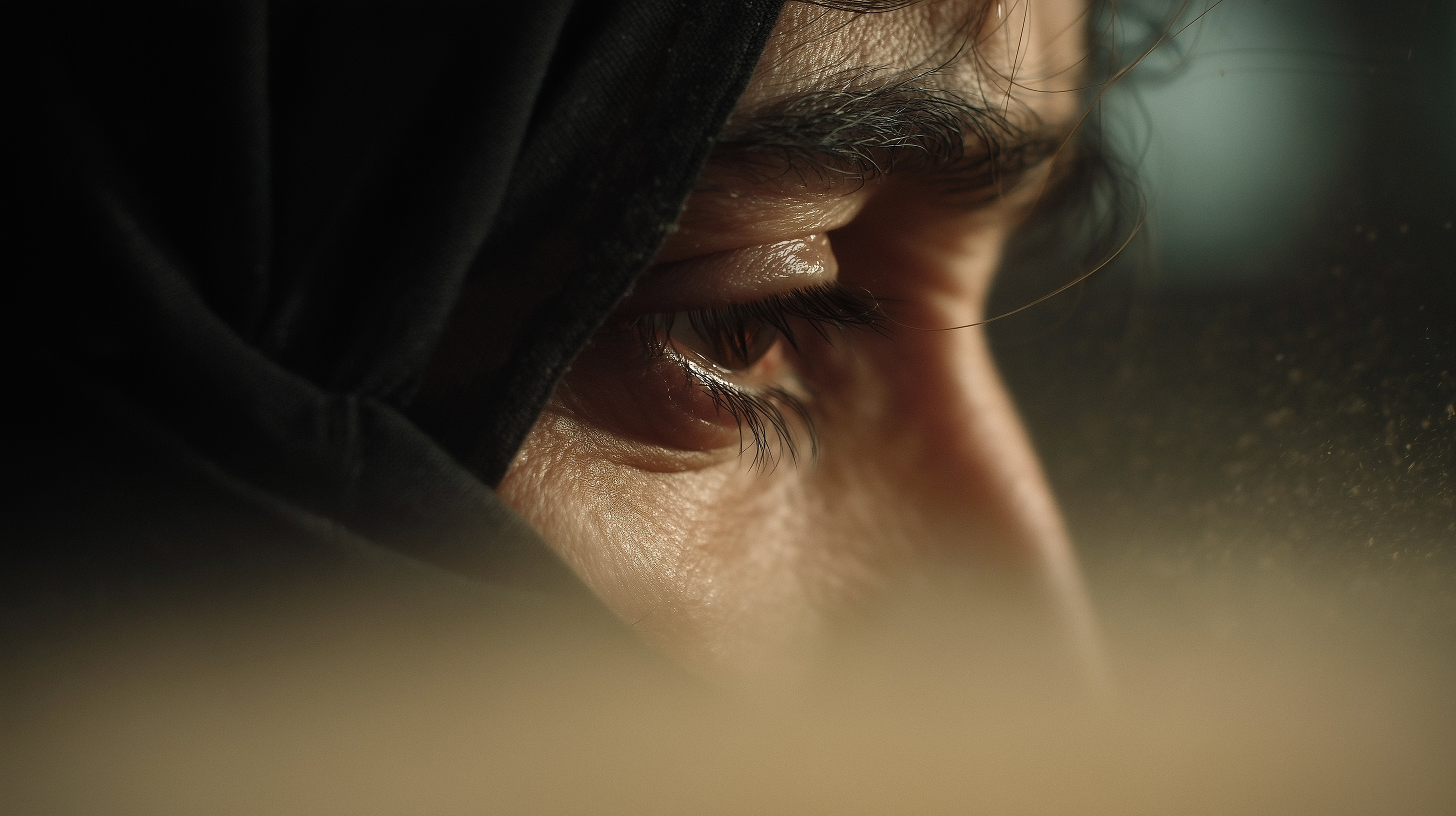
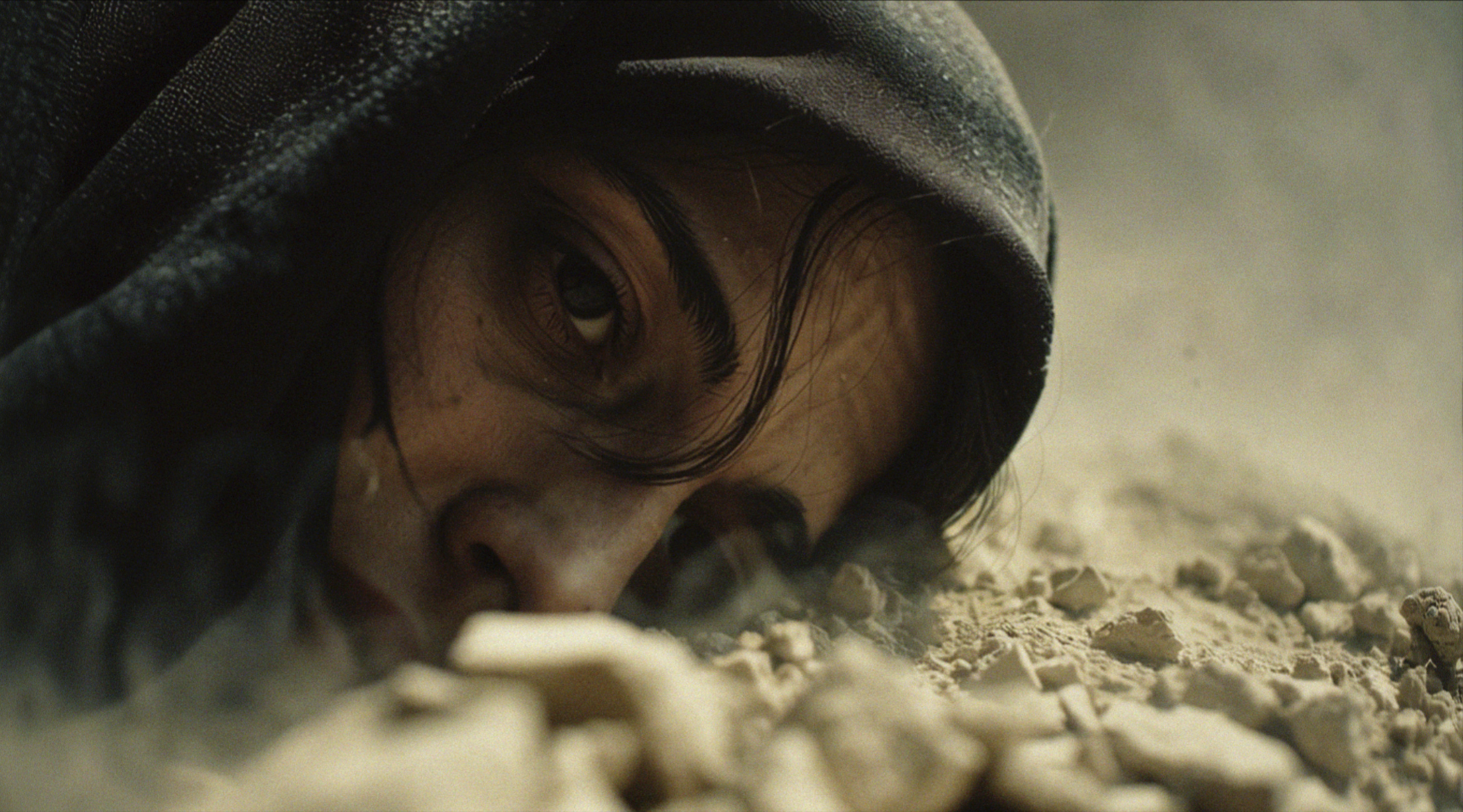
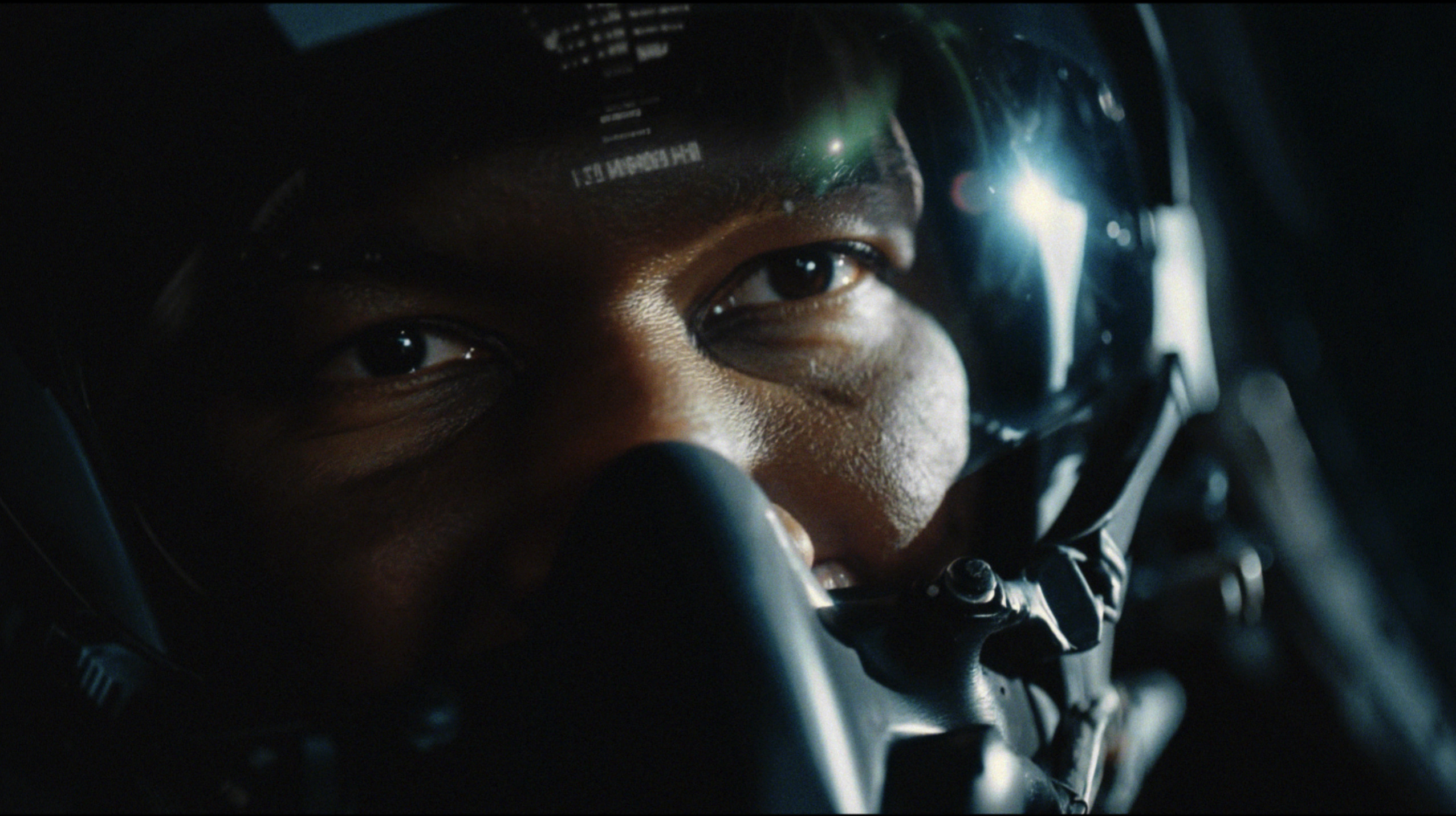
Midnight Drop is a film that explores the intimate, persistent routines that give a person shape and purpose amid chaos. Though set in a city under siege, it isn’t a traditional war film. At its centre is an old woman who holds fast to the structure of her days. Her rituals are imperfect but essential. Her way of asserting that life, real and meaningful life, continues even as disorder encroaches on her surroundings. Her intimacy and rootedness stand in sharp contrast to the distant precision of two B-2 fighter pilots whose mission looms far above the paths she follows each day. Their worlds converge at a moment where personal routine meets the machinery of destruction.
The film’s inspiration came in two waves. The first was a single line in a newspaper article about a recent conflict. A civilian, asked about the war, said only that she was going out to feed stray cats who no longer had anyone else to look after them. That simple sentence held grief, resilience, tenderness and a refusal to let chaos dictate the fabric of one’s humanity. It revealed how an ordinary act can become a form of quiet resistance.
The second, deeper inspiration is my mother. The emotional core of Midnight Drop comes from the small, daily moments I grew up witnessing and still witness. Moments that seemed unremarkable then but now reveal themselves as profoundly meaningful. My mother could be described as a caretaker of many cats, but that description barely scratches the surface. She embodies a kind of resilience that doesn’t announce itself. Calm, persistent, sometimes stubborn, always rooted in care. She moves through adversity with humour, certainty and an unwavering sense of purpose. She speaks her mind, stands her ground and refuses to be diminished by circumstance. She simply acts. And in those acts, compassion becomes strength.
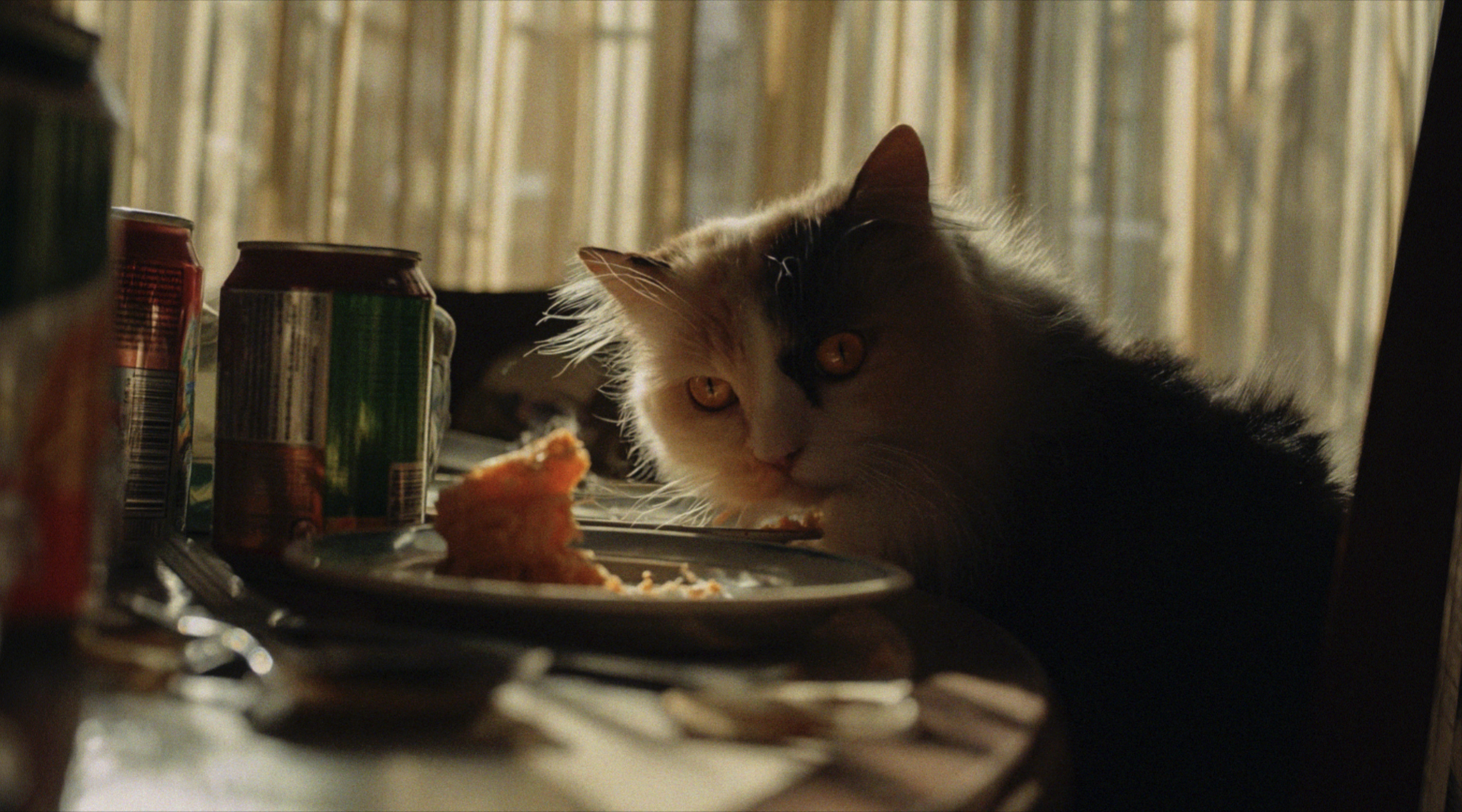
Many of the film’s details come from watching her morning and night, feeding her own cats at home and venturing out to tend the dozens of stray cats that had become part of her life across the neighbourhood. These are not invented behaviours. They are inherited memories, lived-in rhythms that shaped the emotional spine of the story. They reflect a deeper truth, that care can be an anchor, that ritual creates meaning when everything else feels unsteady and that someone who appears ordinary can possess extraordinary will.
Midnight Drop is not a biography, but it is deeply personal. It honours a quiet heroism. The strength it takes to keep caring and to keep being oneself in the face of overwhelming forces. Ultimately, it’s about holding onto a stubborn sense of purpose. Seeing care as an act of defiance and habit as a kind of armour. Finding the small order we can still control when everything else is falling apart. As the world breaks, something inside persists.
Built With
- flow
- veo


Log in or sign up for Devpost to join the conversation.