-
-
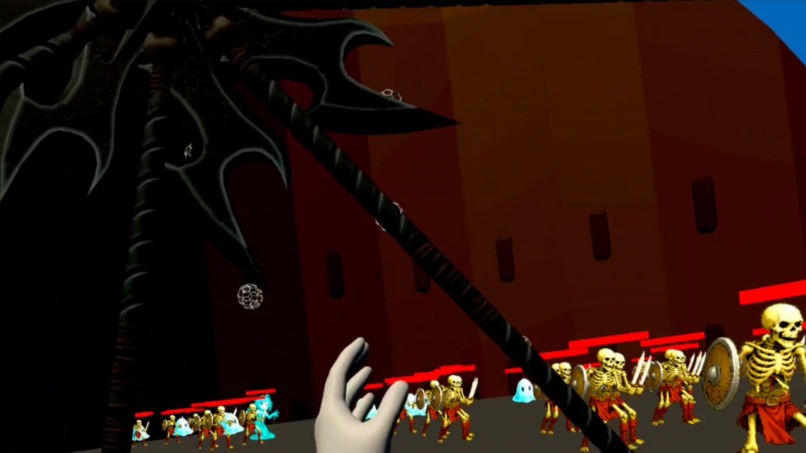
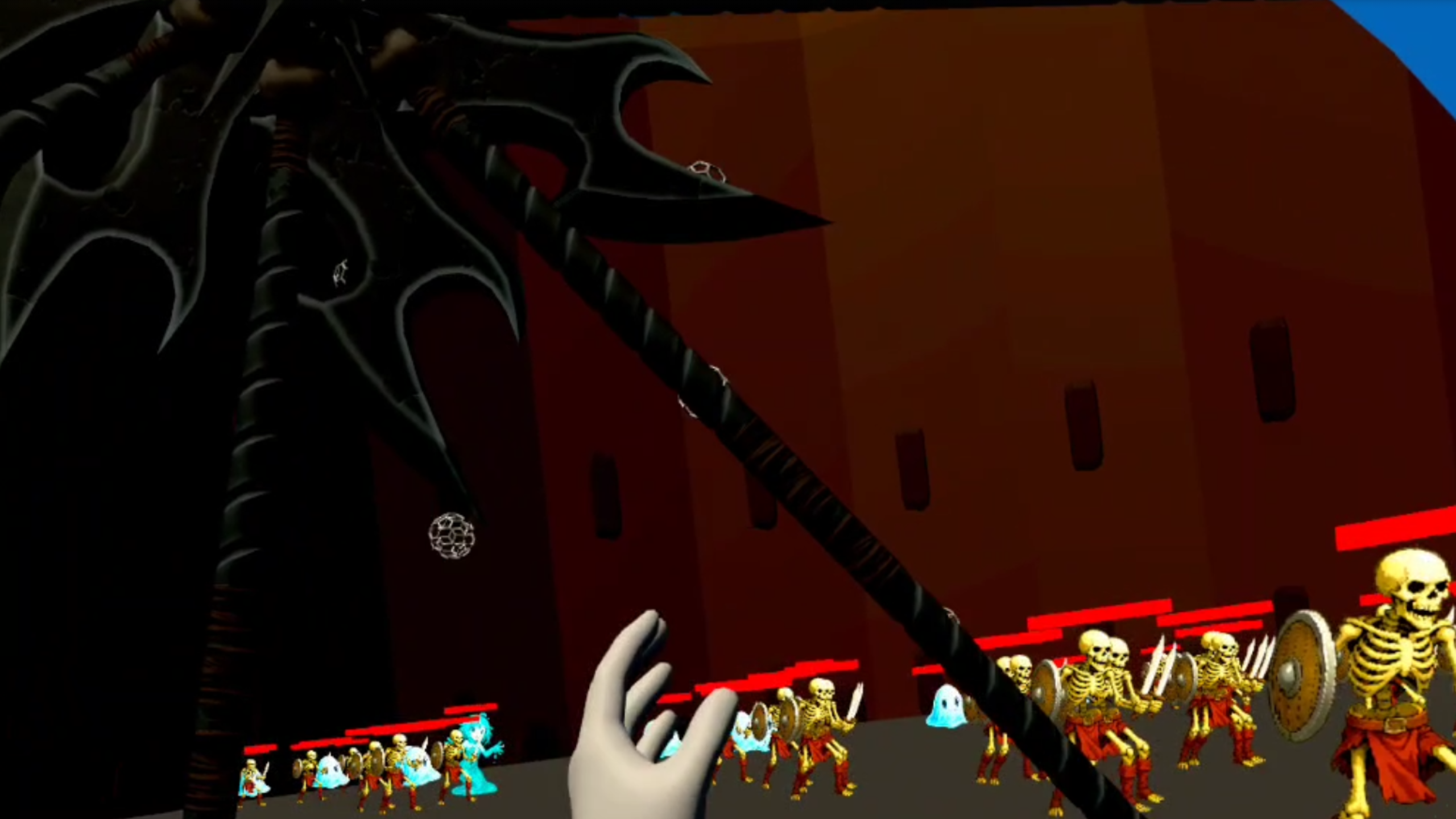
weapon controlled by left hand
-
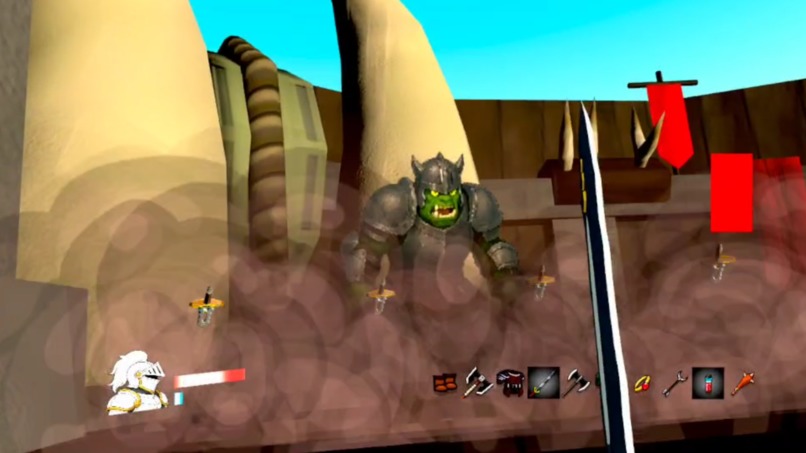
BOSS battle
-
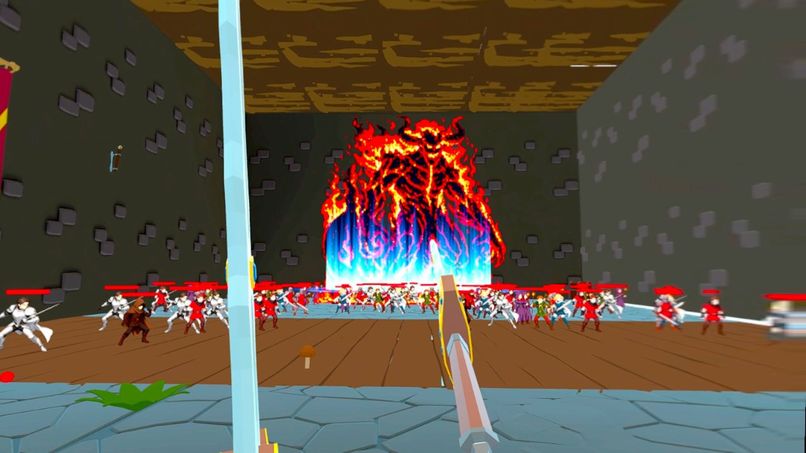
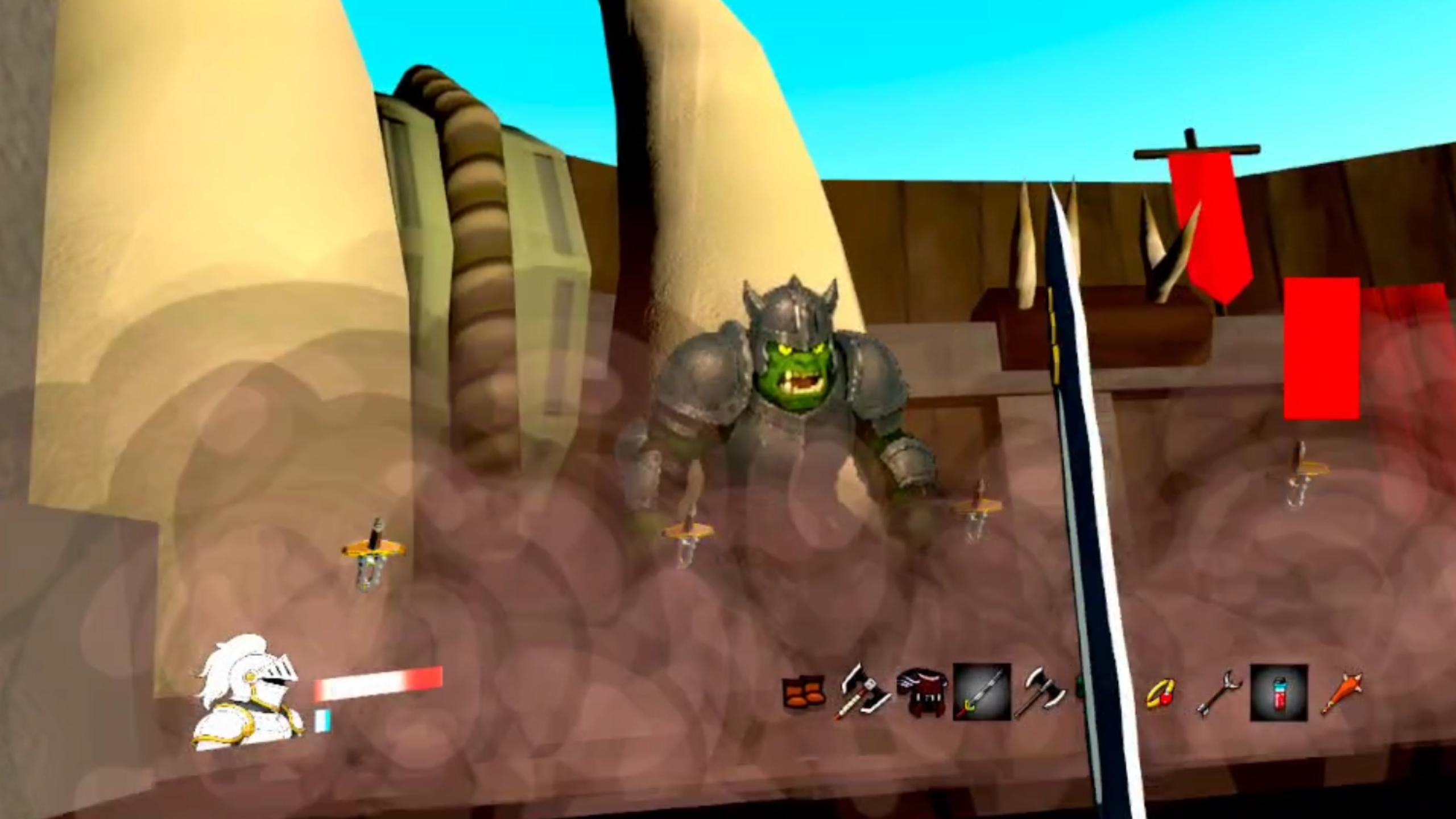
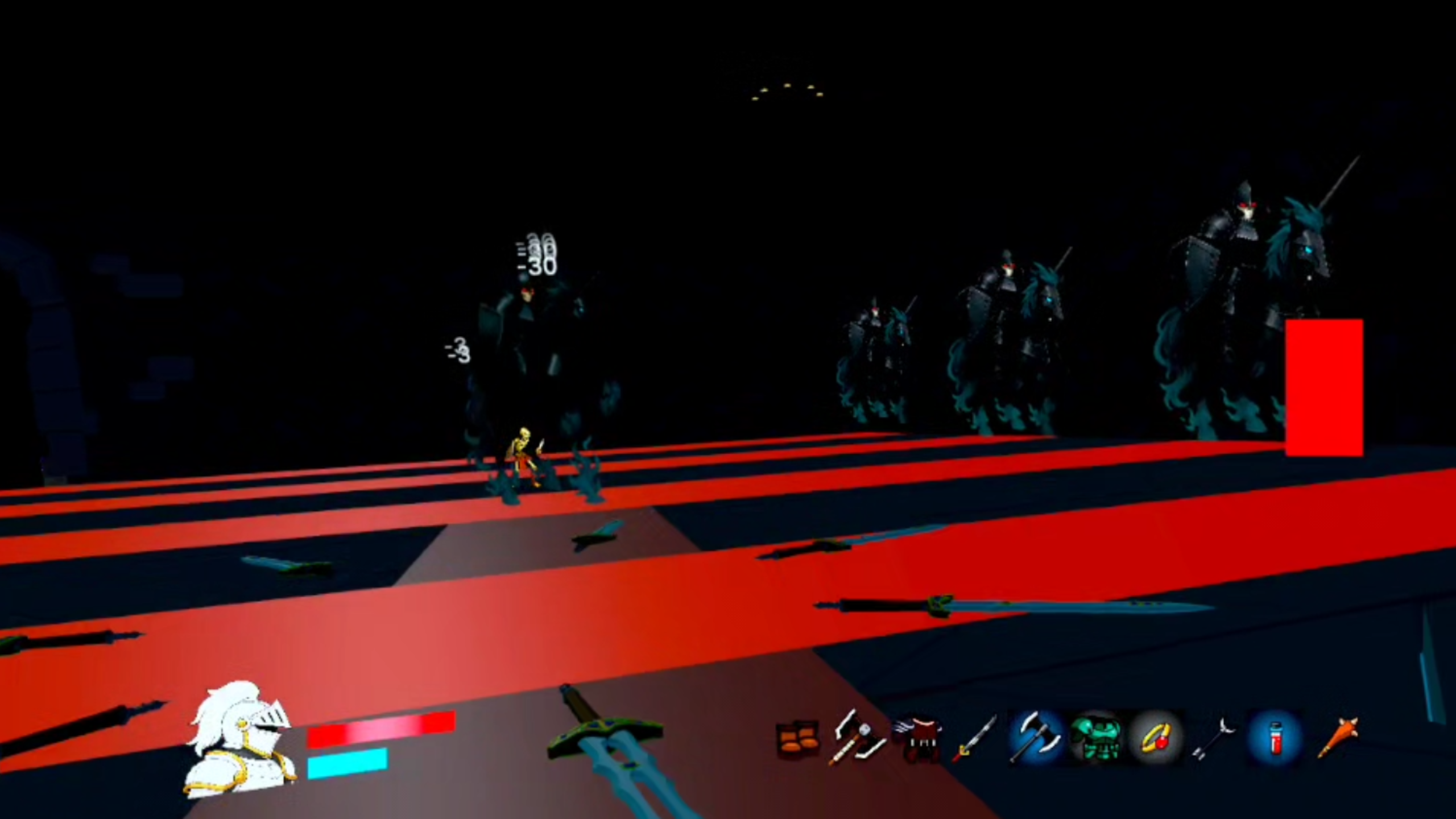
V1.0,in auto-battler mode, the player personally enters the battlefield.
-
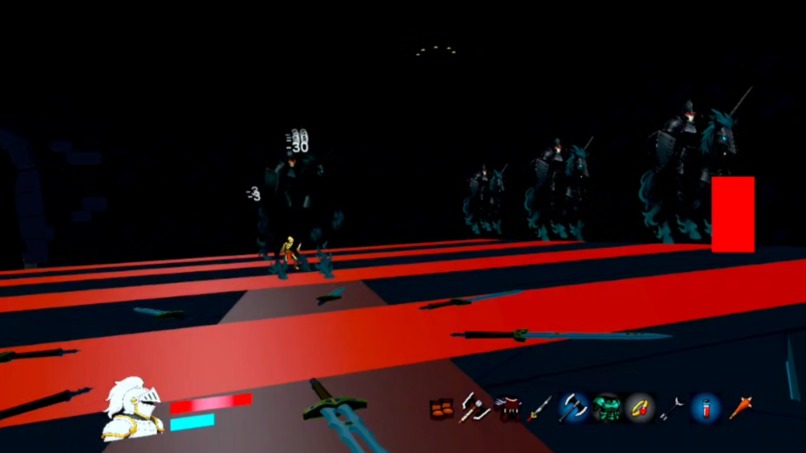
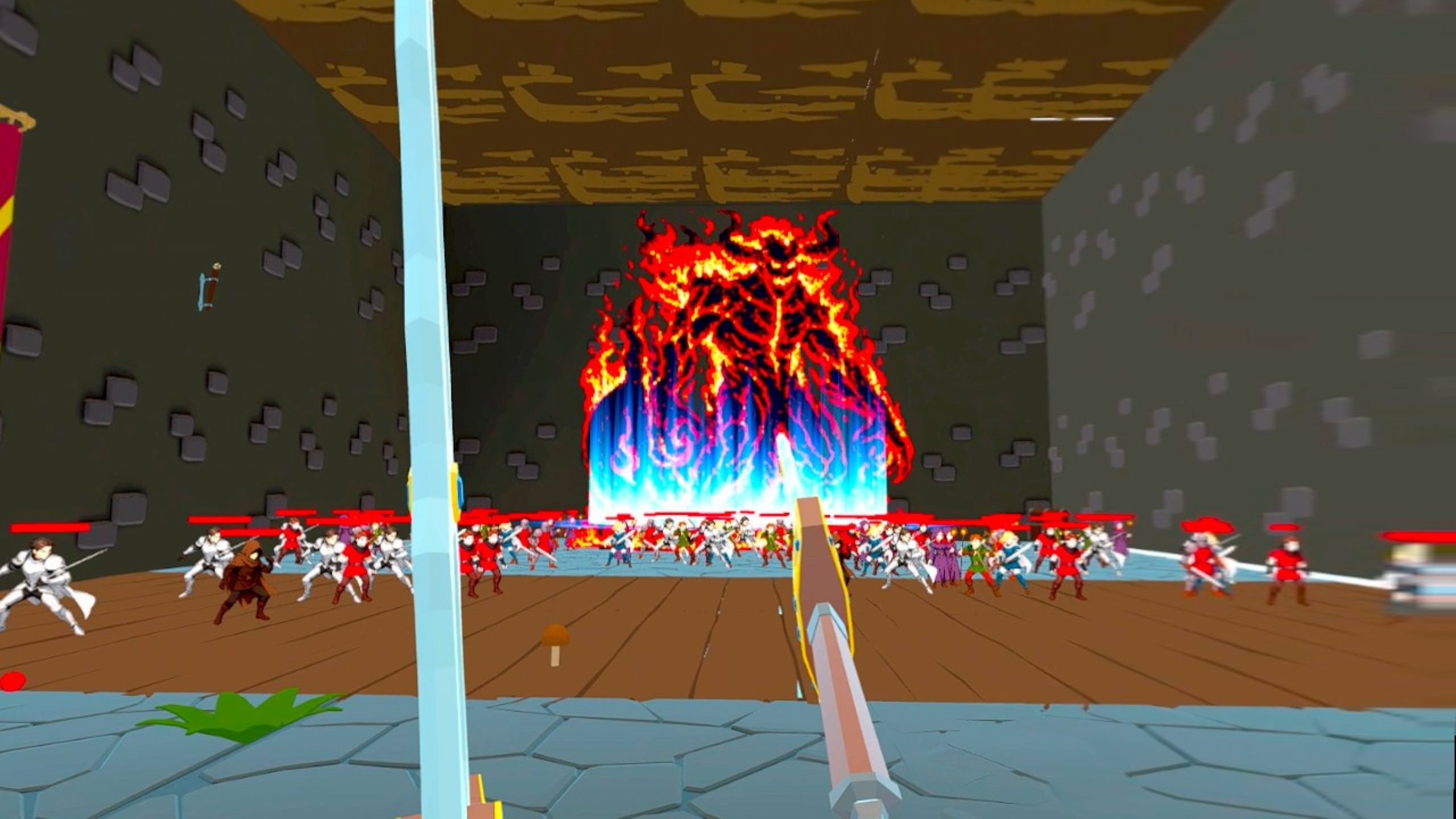
BOSS battle 2
Inspiration
The idea for The Daily Adventurer was born from my fascination with the "Gate of Babylon" concept in the Fate series — a hero commanding countless floating weapons that fight on their own will. I wanted to bring that same sense of surreal power and elegant chaos into VR — where the player’s gestures control an intelligent weapon array that fights in harmony.
For me, VR should not only replicate reality — it should transcend it. In the real world, you can play golf, box, or shoot arrows; VR can simulate those things, but its true value lies in offering experiences that reality cannot. That sense of the surreal — of doing the impossible — is what makes VR precious, and it’s the foundation upon which version 2.0 was created.
The gaming industry has evolved for decades, but hardware limits remain: mobile devices will never match desktop GPUs in raw power anytime soon. So, the challenge — and the art — lies in using every frame and every ounce of performance to make the player feel the developer’s imagination. I believe that’s the barrier every VR creator must cross: to turn limited resources into boundless imagination.
What it does
The Daily Adventurer is a VR action roguelike where players control floating weapons with natural gestures.
Weapons automatically attack based on the formation the player creates.
Each run blends strategic upgrades (auto-battler style) with real-time combat (action mode).
Boss battles test formation control, positioning, and risk management.
The world expands through multiple versions, each with its own gameplay genre and chapter of the same story.
It’s designed to deliver the feeling of commanding a living arsenal — something only possible in VR.
How we built it
The project was built in Unity (URP) using the XR Interaction Toolkit and OpenXR for compatibility across Quest 2 and Quest 3.
Custom scripts manage weapon formations, gesture recognition, and AI-driven targeting.
A dynamic Rune System adds elemental interactions like fire, ice, shadow, and aurora, each with its own area logic and timing.
The EquipShopZone system allows players to choose equipment between stages, supporting roguelike replayability.
We optimized for Quest devices using object pooling, dynamic spawn caps, and simplified lighting, reducing GPU load by over 20%.
Localization is handled via Unity Localization Tables, currently supporting seven languages.
The development focus has always been immersion, performance, and control precision.
Challenges we ran into
Maintaining FPS performance on mobile headset while keeping the weapon array visually impressive.
Ensuring consistent gesture tracking under different lighting conditions and device versions.
Balancing gameplay across roguelike randomness and deliberate player control.
Building a unified system that could evolve from 1.0 (auto-battler) to 2.0 (action roguelike) without rewriting core logic.
Each challenge pushed us to better understand VR’s hardware limits — and how to creatively work within them.
Accomplishments that we're proud of
Achieved smooth, delay-free control of multiple independent weapons.
Created a unified lore spanning multiple gameplay genres.
Optimized performance from 99% GPU load down to 75–80%.
Released a demo on SideQuest and a full version on Meta Store, gathering strong community feedback.
Built an early Discord community for player testing and feedback cycles.
What we learned
We learned that VR development is not just about coding or design — it’s about philosophy. Performance, creativity, and emotion must coexist. Every shader, every gesture, every spark of light should serve the experience. The key insight: VR is not about simulating reality — it’s about expanding it.
What's next for The Daily Adventurer: 200 Years Memory
The next major update (2.0) will introduce:
A fully action-oriented mode featuring a new sword-array combat system.
Expanded narrative integration, connecting directly to the 3.0 origin story.
A long-term goal to connect all versions into a single evolving world, where players experience different eras of the same legend.
Ultimately, The Daily Adventurer aims to become a living VR saga, where each version adds a new layer of story and gameplay — a memory that lasts 200 years.


Log in or sign up for Devpost to join the conversation.