-
-
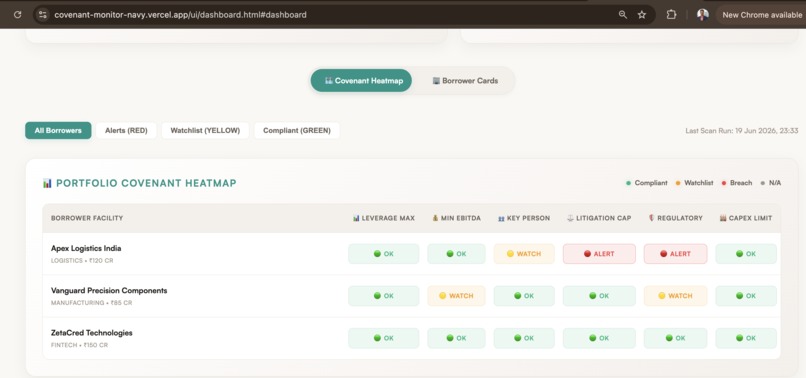
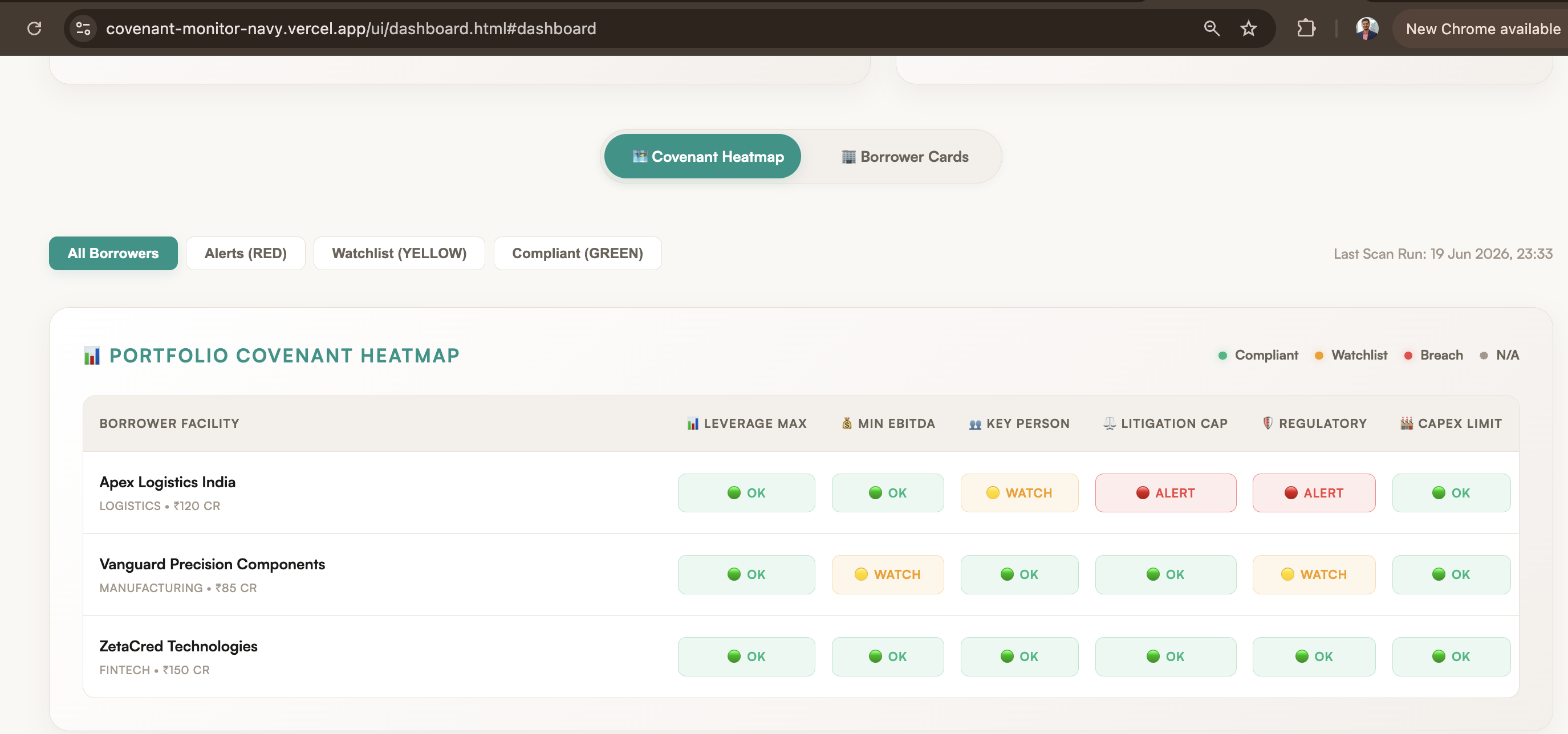
Portfolio View
-
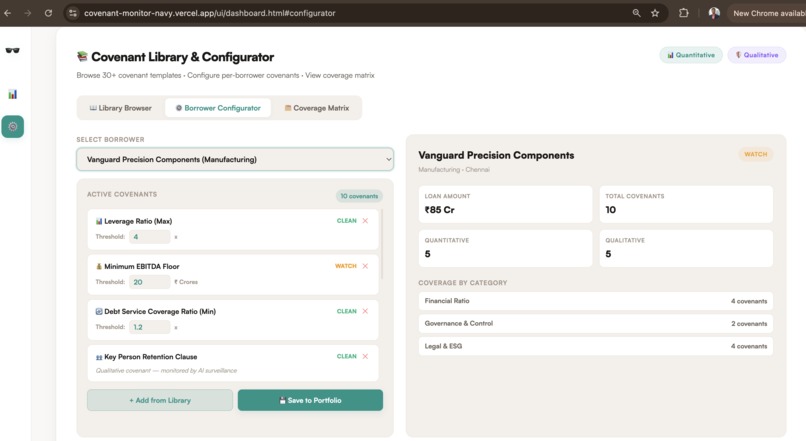
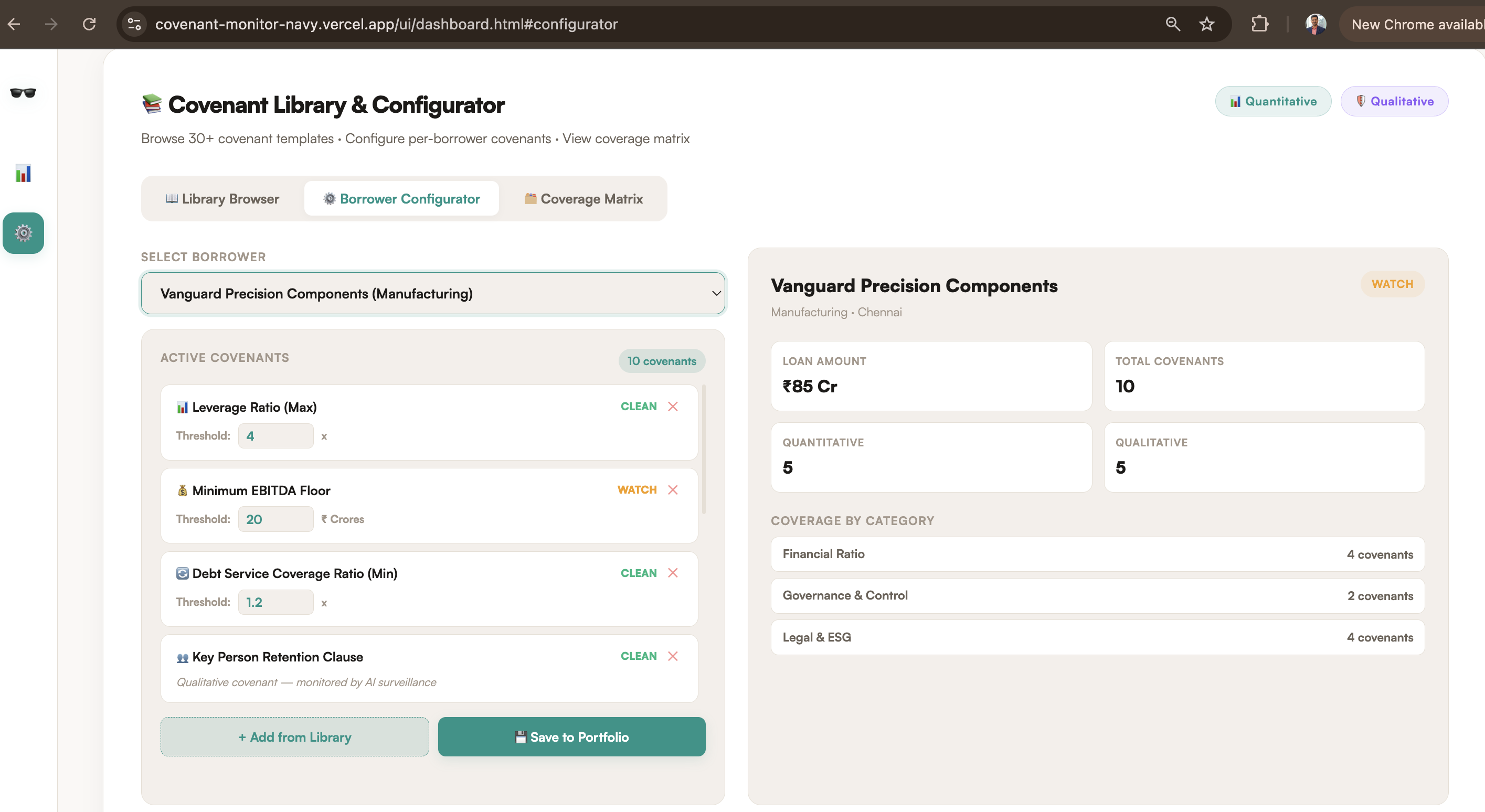
Adding Borrower
-
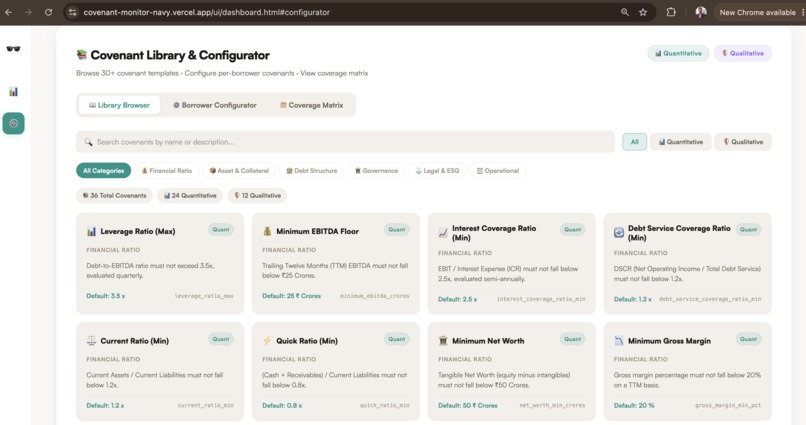
Setting
-
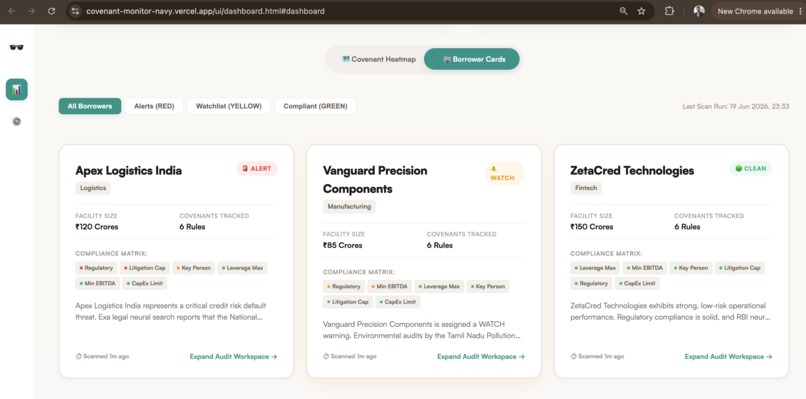
Cards
-
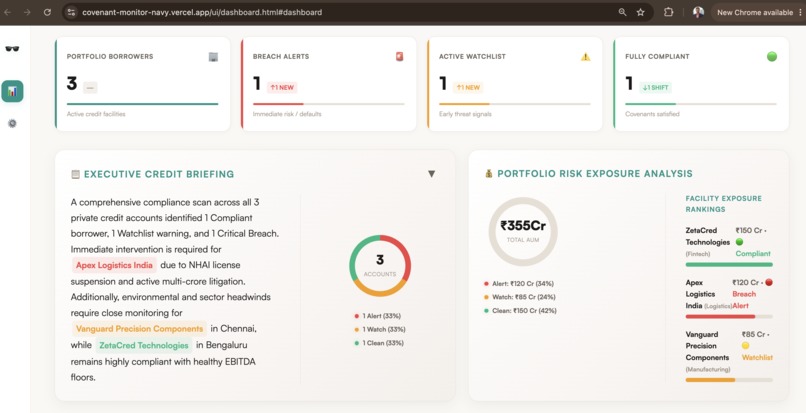
Dashboard
-
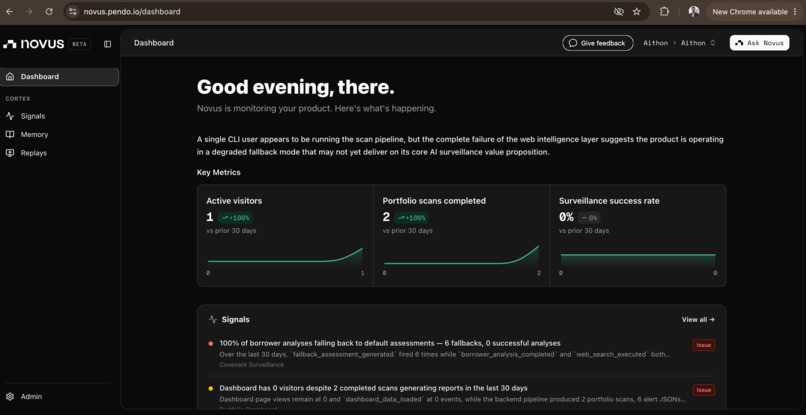
Novus Dashboard
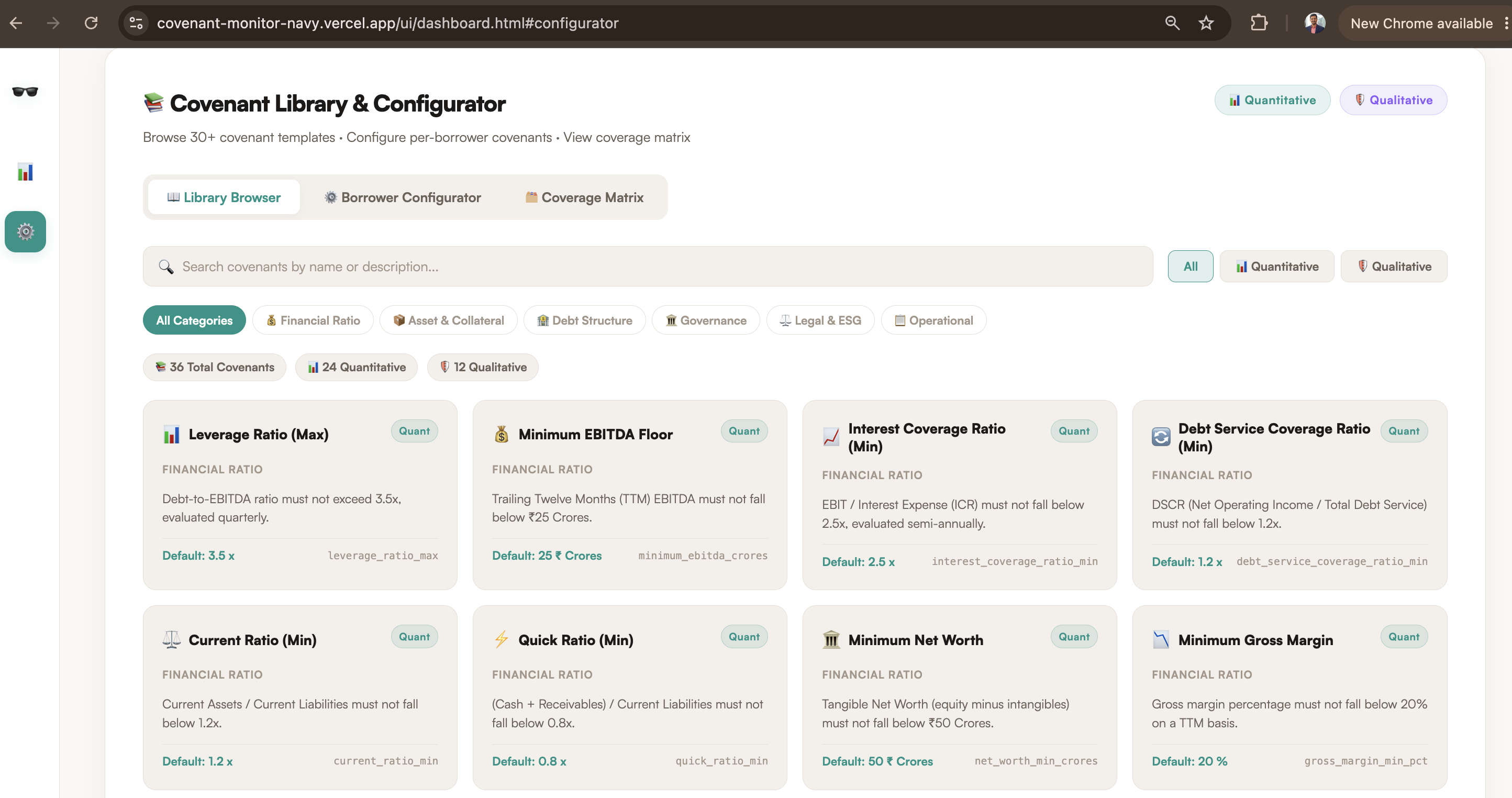
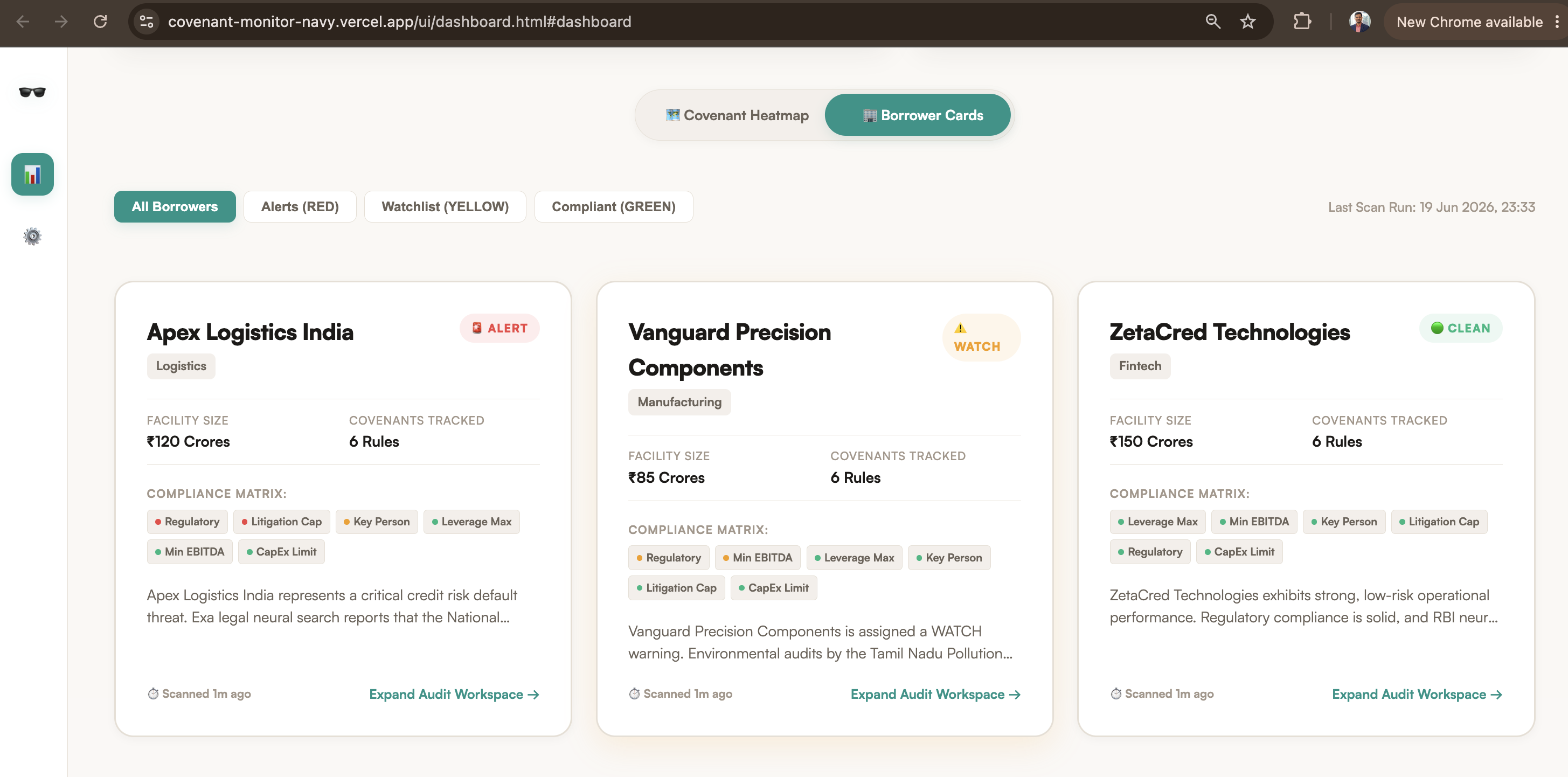
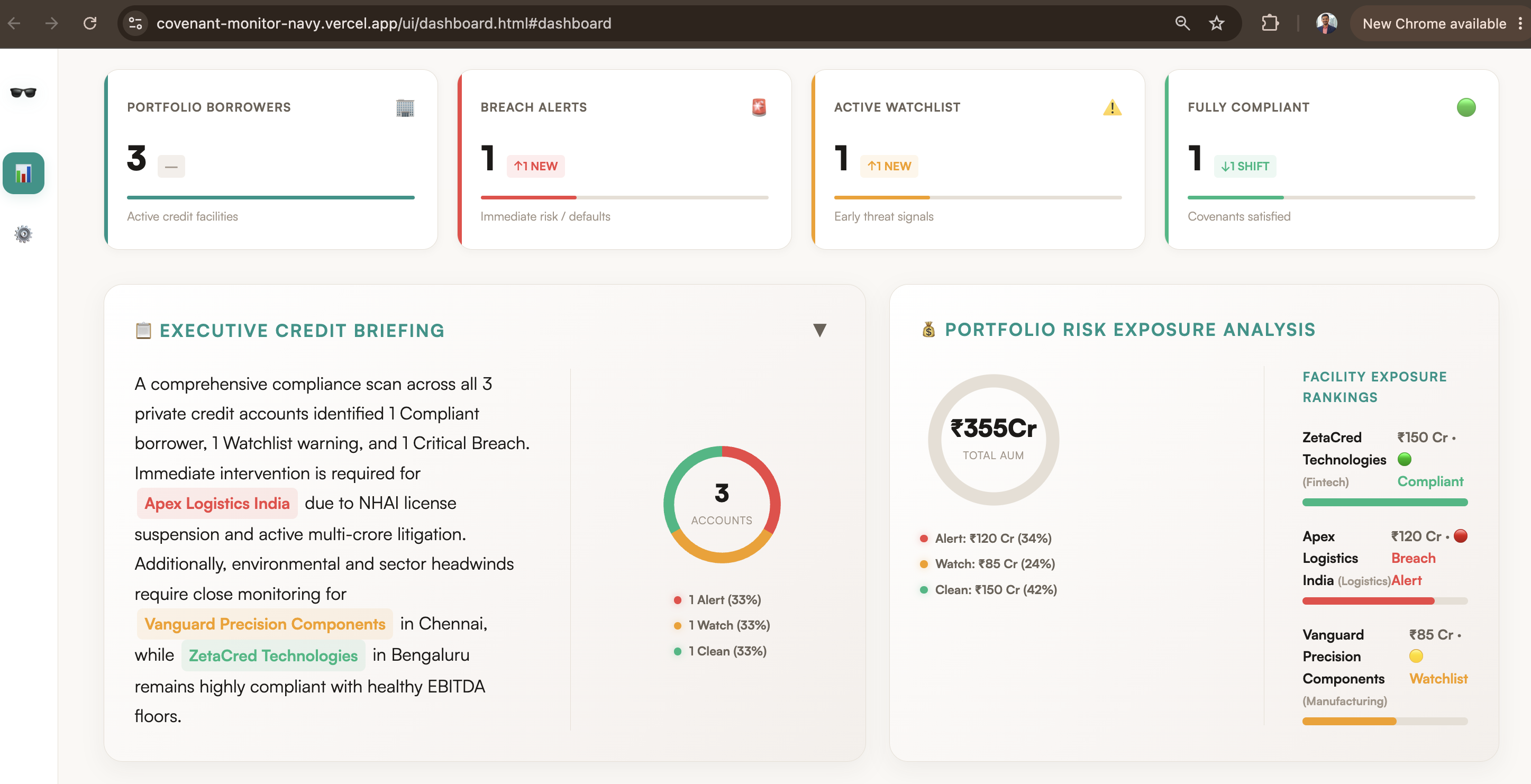
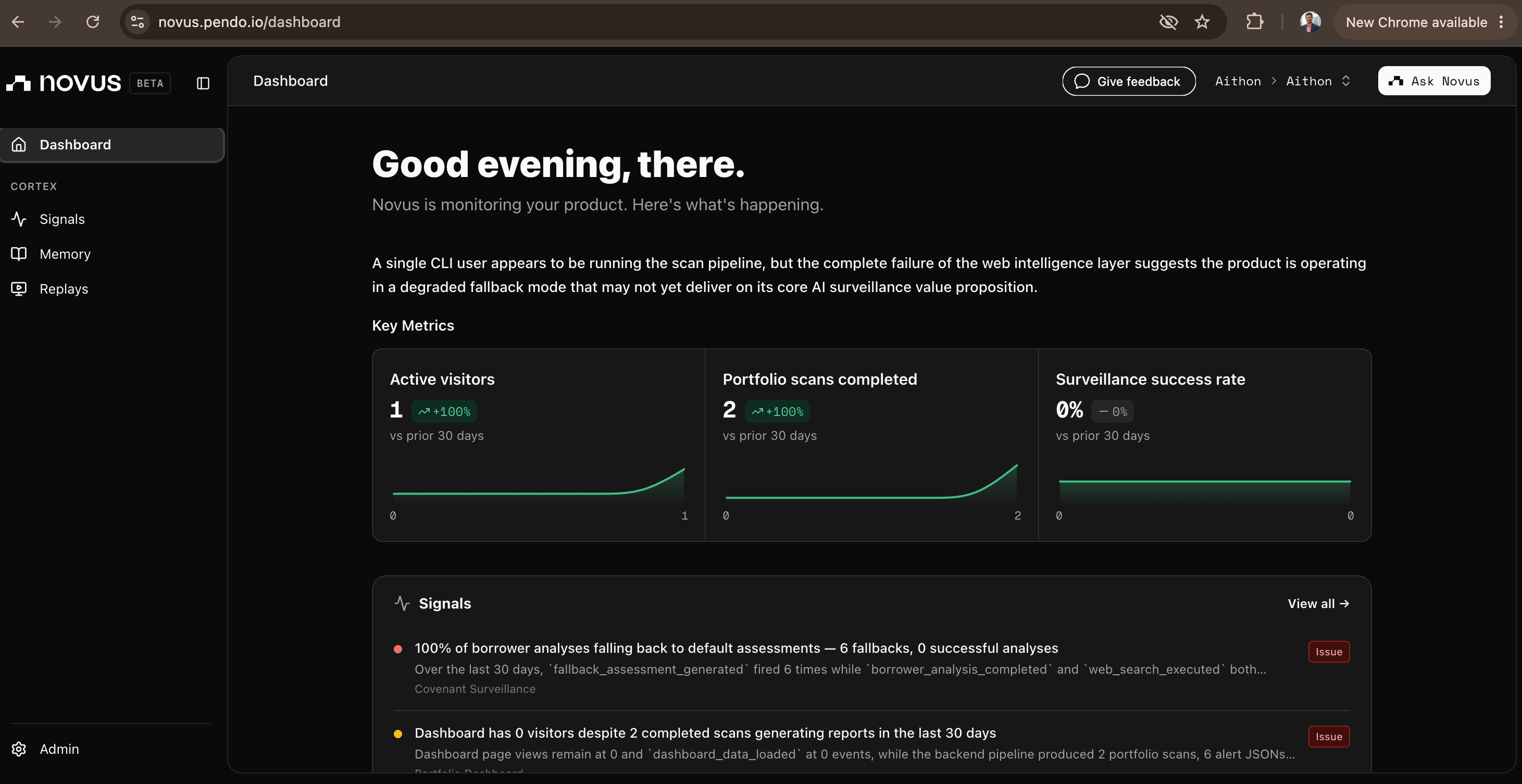
What inspired - In the private credit and institutional debt markets, waiting for quarterly, self-reported financial statements is a high-risk compliance strategy. I realized that by the time a traditional financial covenant flags a breach, the borrower has likely been facing operational or macroeconomic headwinds for months. I was inspired to shift from reactive reporting to proactive surveillance. I wanted to build an adversarial, autonomous watchdog: one that constantly scans the horizon for early warning indicators like regulatory fines, leadership friction, or industry headwinds, and maps them directly to strict debt covenants before they impact the portfolio.
I designed the platform with a strict separation of concerns: an autonomous, agentic Python backend and a sleek, institutional-grade visual cockpit I call the "Nexus Design System." At its core, the engine orchestrates a tight feedback loop between Google Gemini 2.5 Flash and the Exa Search API. Instead of letting the AI roam freely, I built a custom orchestrator that disables automatic function calling. This allows the system to meticulously plan neural web queries, scrape targeted context, and force the LLM to synthesize the findings into a rigid JSON structure. Finally, I pass that qualitative data into a deterministic compliance engine that calculates objective risk scores. The frontend then asynchronously pulls this data to render a live, dynamic dashboard.
The biggest hurdle was the inherent unpredictability of Large Language Models. In institutional finance, hallucinations or unstructured risk assessments are unacceptable. I had to figure out how to harness the fluid semantic reasoning of AI without sacrificing deterministic reliability. I overcame this by enforcing strict architectural boundaries: I use Pydantic schemas to strictly validate the AI's output, and I built a deterministic risk hierarchy (CLEAN, WATCH, ALERT) that evaluates the AI's evidence using hard-coded logic. Converting qualitative rumors into quantitative risk scores required intense calibration.
The most profound lesson was that the best enterprise AI products don't let the model make the final decision. I learned the immense value of pairing generative semantic AI with rigid, deterministic rules engines. By treating the AI as an evidence-gathering analyst and leaving the final escalation to a deterministic ruleset, I built a system that financial institutions can actually trust.

Log in or sign up for Devpost to join the conversation.