-
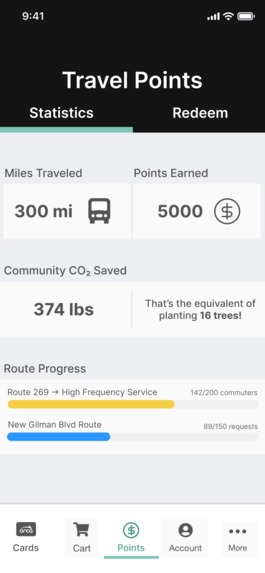
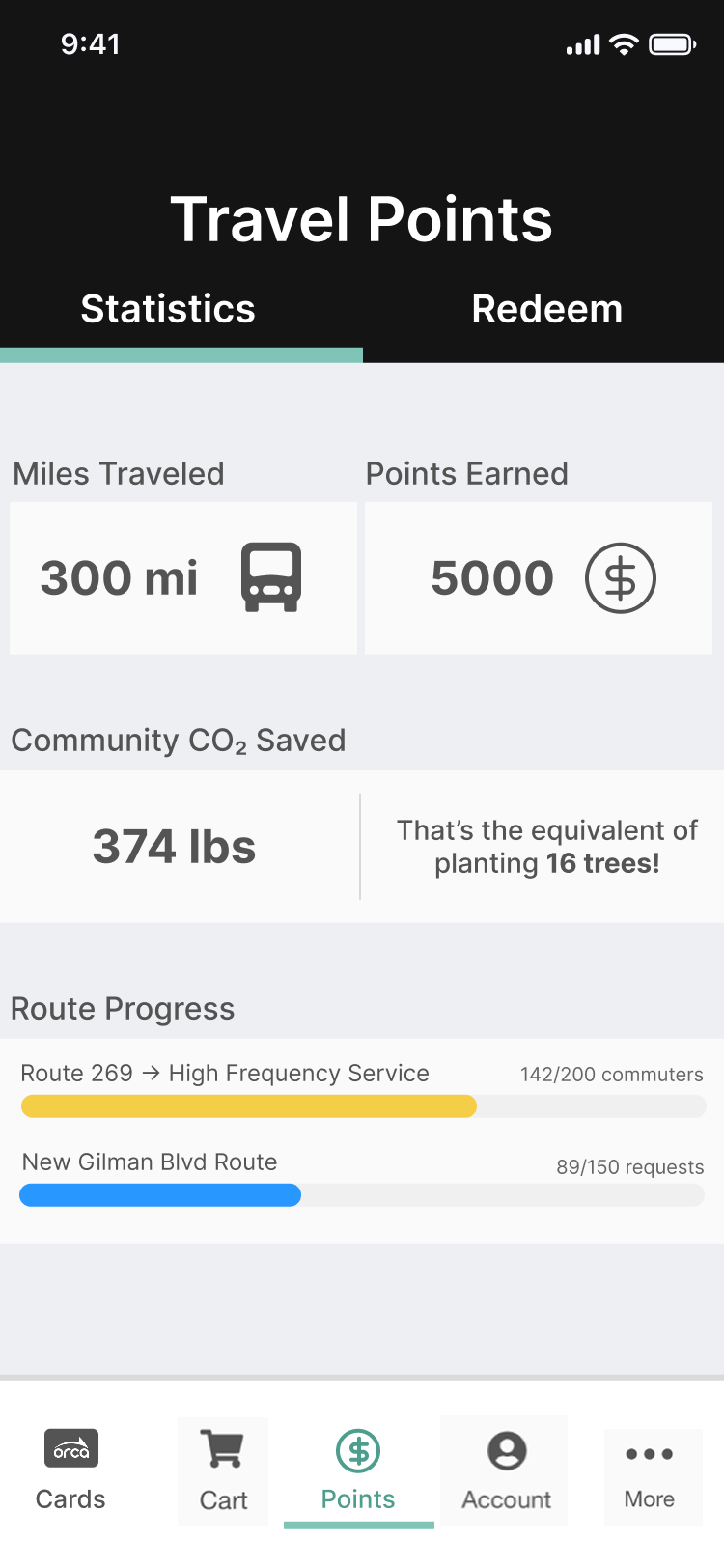
One possible implementation of our API into the existing ORCA transit app
-
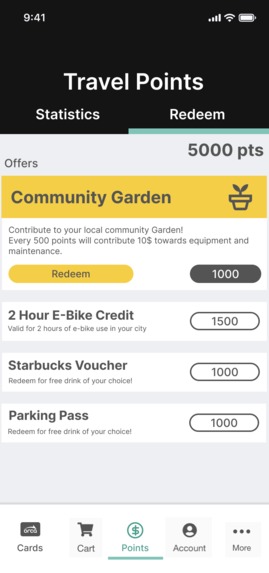
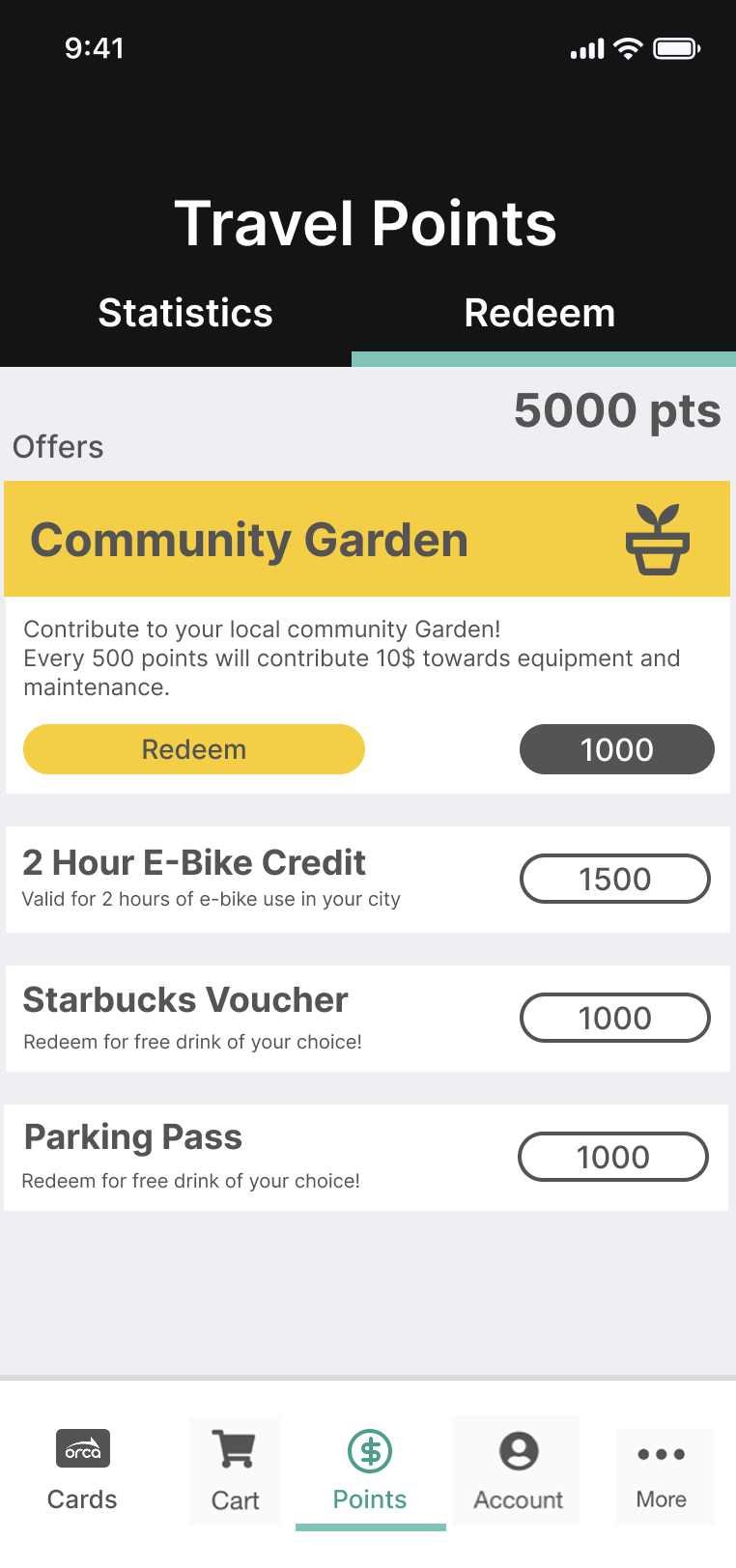
Another mockup usage of API endpoints BusBoys API provides
Inspiration
The challenge we address is the lack of reliable and appealing public transportation options in Washington State, which significantly limits mobility for residents. Most Americans are given few reliable transportation options. In Washington State, the Department of Transportation reported in 2024–2025 that approximately 69–72% of workers commute by driving alone, while only 3.1% rely on public transit. This heavy dependence on individual vehicle use significantly impacts commuters’ daily lives, contributing to traffic congestion, environmental harm, and inequitable access to mobility. Despite this urgency, many residents, particularly in the Seattle area, struggle to utilize public transportation due to unreliable bus schedules, inconvenient stop locations, and long-standing negative perceptions of bus transit. As fewer people choose to ride buses, the incentive to maintain service quality declines, creating a self-perpetuating cycle that continues to turn people away from bus use.
What it does
Bus Boys is an API service that incentivizes commuters to use the bus often, thereby providing cities ROI data to justify the implementation of more bus routes in suburban or rural areas. Our solution integrates directly into existing transit apps like ORCA, ensuring not to raise additional barriers to entry. Once the API is implemented, credits begin to automatically be collected every time an app holder enters a bus. More time on the bus corresponds to more points earned, as more CO2 emissions are being saved.
Rewards system APIs let users redeem credits for city services like priority parking, carbon credits to trade or donate, and linked ride credits such as Lime in the greater Seattle area. Impact metrics APIs calculate and demonstrate environmental impact to users, calculating CO2 savings and equivalents like trees planted or money saved versus driving. Analytics for transit agencies provide ridership patterns, demand forecasting, and intervention effectiveness data to justify service improvements while our system converts car drivers into transit riders.
How we built it
Using FastAPI as our web framework, we will be able to scale our product horizontally to keep response times quick. Local transportation apps will integrate our API, allowing users to earn rewards automatically when they take buses. In addition to the API, we provide design components in multiple mobile app frameworks such as swift and react native to make implementing our solution easier and more accessible to a wide variety of apps. Blockchain technology enhances our product by improving security, transparency, and trust in how reward points are issued and redeemed. Data analysis further enhances the system by supporting smarter reward suggestions and informing more efficient bus routing.
Challenges we ran into
Many residents struggle to utilize public transportation due to unreliable bus schedules, inconvenient stop locations, and long-standing negative perceptions of bus transit. Continued governmental underinvestment in bus infrastructure reinforces these challenges, further deteriorating public confidence in the system. We need an already existing bus transportation app willing to work with us. Scaling the technologies requires funds for network infrastructure.
Accomplishments that we're proud of
Our solution is singular as we focus on the demand side of bus transport, rather than the supply side. Instead of asking transit agencies to invest millions in new buses or infrastructure that is scarcely used, we provide a solid customer base through incentives. The blockchain-based route unlock system ensures transparency so riders understand exactly how close their community is to improving ride frequency. Our design is disability friendly as it incorporates multi-language support, high-contrast modes for the visually impaired, and voice guidance.
What we learned
Public transportation in the U.S. saves an estimated 37 million metric tons of carbon dioxide emissions annually. In Korea, the Integrated Fare System and transfer incentives led to a 10.3% increase in public transit use. Research on Seoul’s urban land use reveals that for every 10% increase in land-use mix and density, bus ridership grows by approximately 4%. This data-backed success supports the idea that reward structures can meaningfully influence transfer behavior.
What's next for BusBoys API
As interest in public transport grows due to our solution, hardware or external innovations can be considered with increased government funding. Anonymized ridership data may be collected through IoT sensors to enable local governments to make evidence-based decisions. Traffic signals may also be adjusted to prioritize buses. The positive impact success would create would build as it is implemented in more smart cities, turning the vicious transit death cycle into a virtuous one.
Built With
- blockchain
- fastapi
- figma
- flutter
- react-native


Log in or sign up for Devpost to join the conversation.