-
-
-
-
-
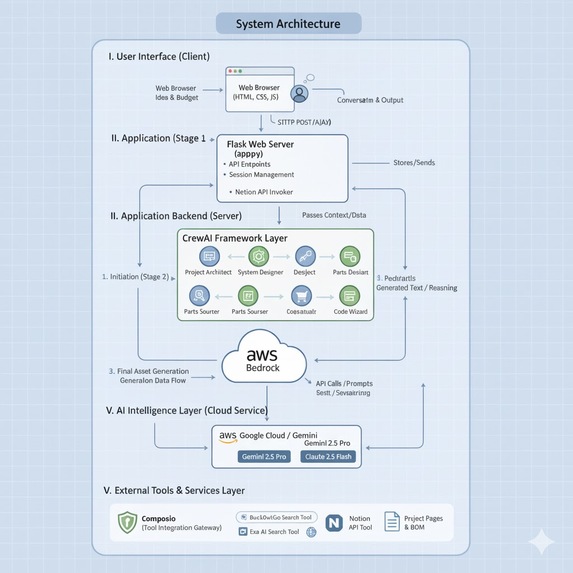
Architecture
Inspiration
The world of electronics and hardware hacking is exciting, but for beginners and even seasoned developers, the initial friction of starting a new project can be a major hurdle. This "Maker's Block" involves daunting questions: Which microcontroller is best? Which sensors are compatible? Where can I buy them within my budget? How do they all connect? We were inspired to eliminate this barrier to entry, creating an AI partner that automates the tedious planning and sourcing phase, allowing creators to focus on what they love most: building.
What it does
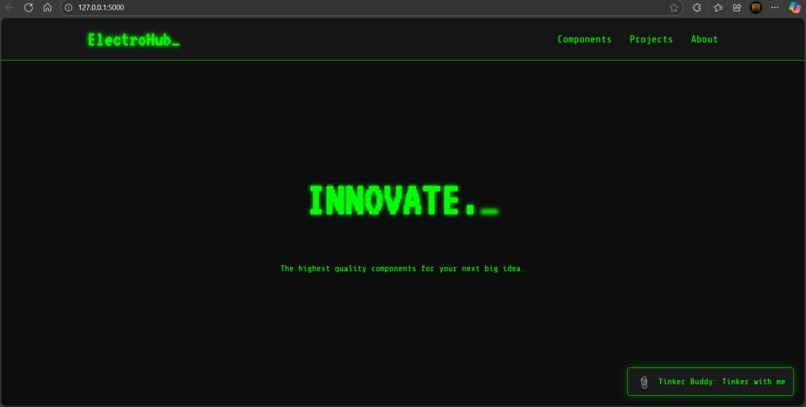
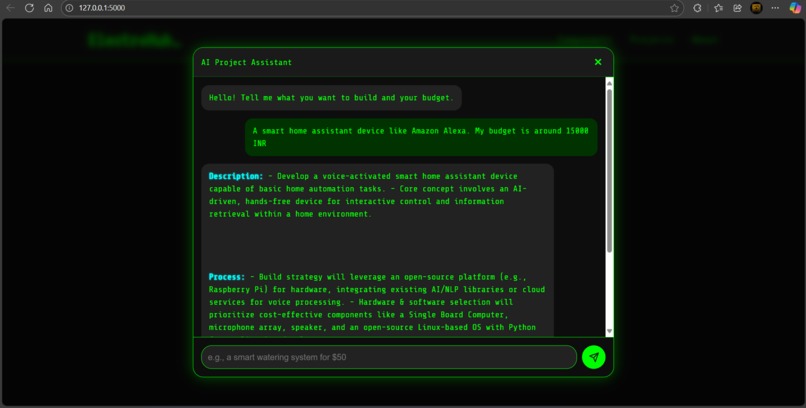
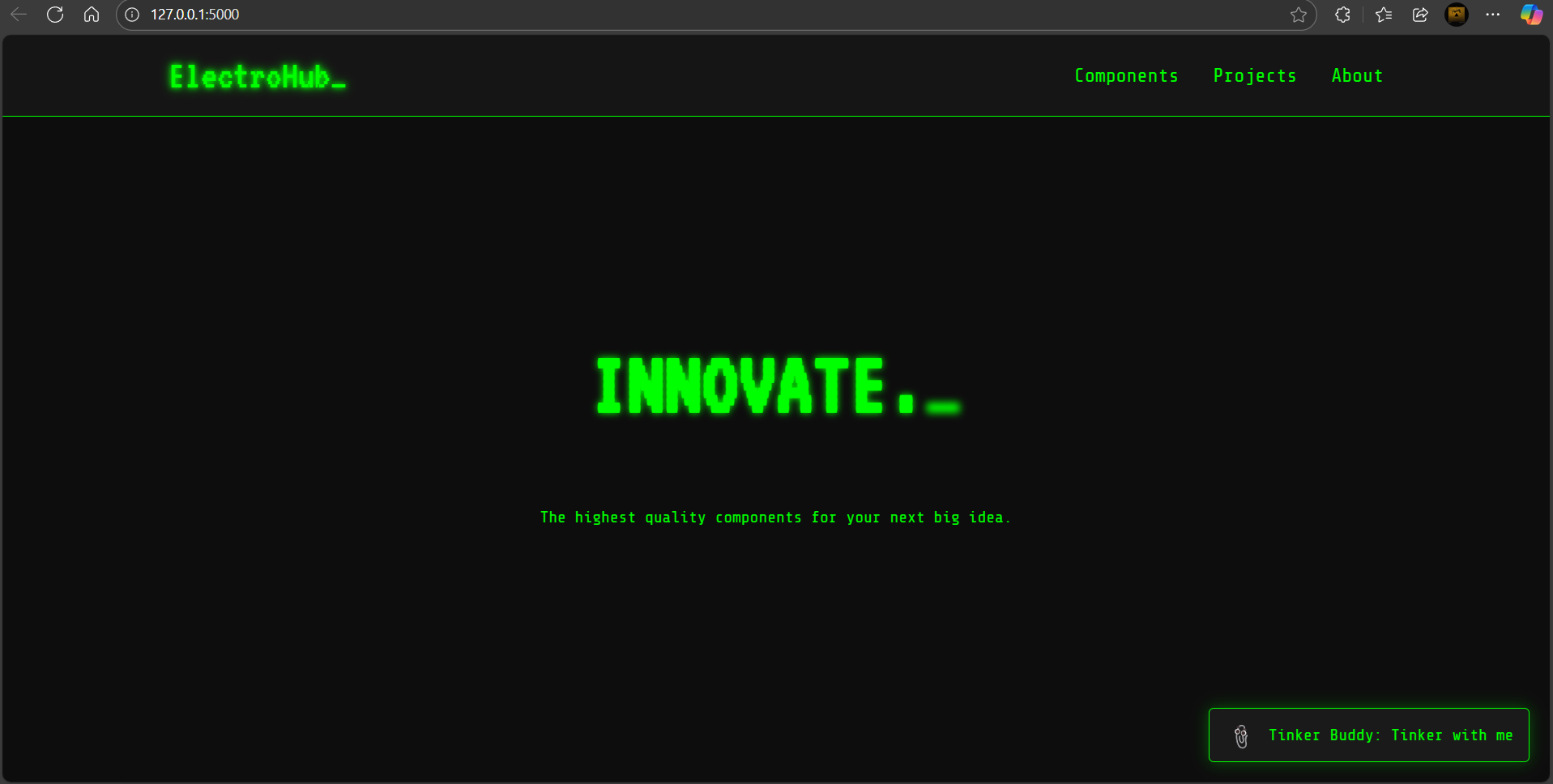
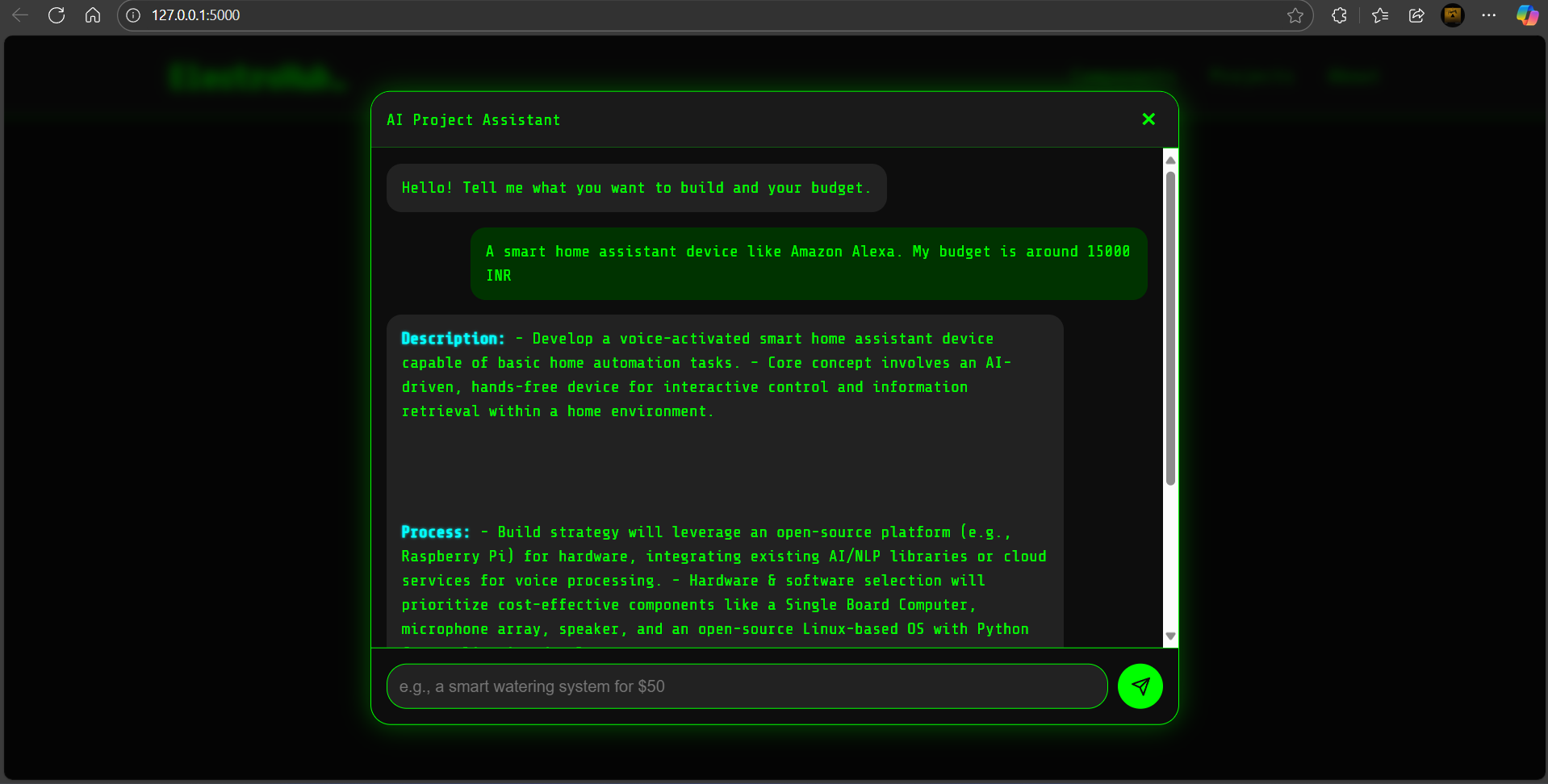
"The Build With Me Buddy" is a multi-agent AI system that transforms a simple, one-line project idea into a comprehensive, build-ready plan. Through a simple web interface, a user provides a concept (e.g., "an automatic pet feeder for under $50"), and our AI crew gets to work in three stages:
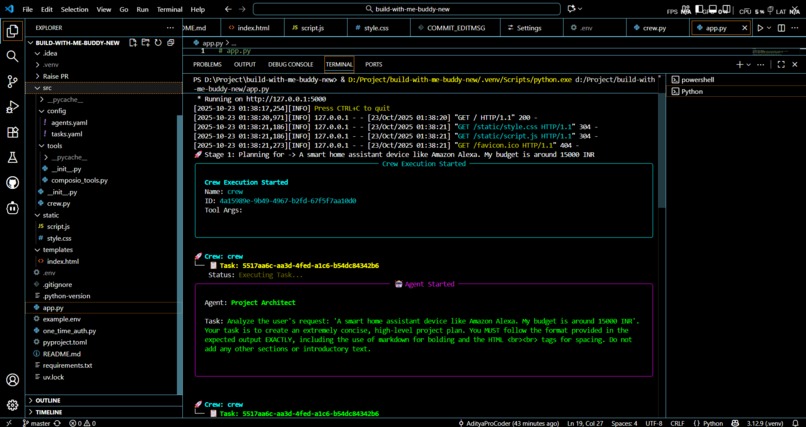
- Planning: The system analyzes the request and generates a concise, high-level project plan, including a description, process, and budget.
- Bill of Materials (BOM) Generation: The agents create a conceptual component list, then use search tools to find real-world parts from online stores, compiling a detailed BOM with names, quantities, purposes, prices, and purchase links.
- Final Asset Generation: The system produces a full project guide, complete with workflow and system architecture diagrams (in Mermaid format) and a complete, beginner-friendly Arduino sketch to get the project running.
The final output is a neatly organized Notion folder, created automatically, containing all these assets in one place.
How we built it
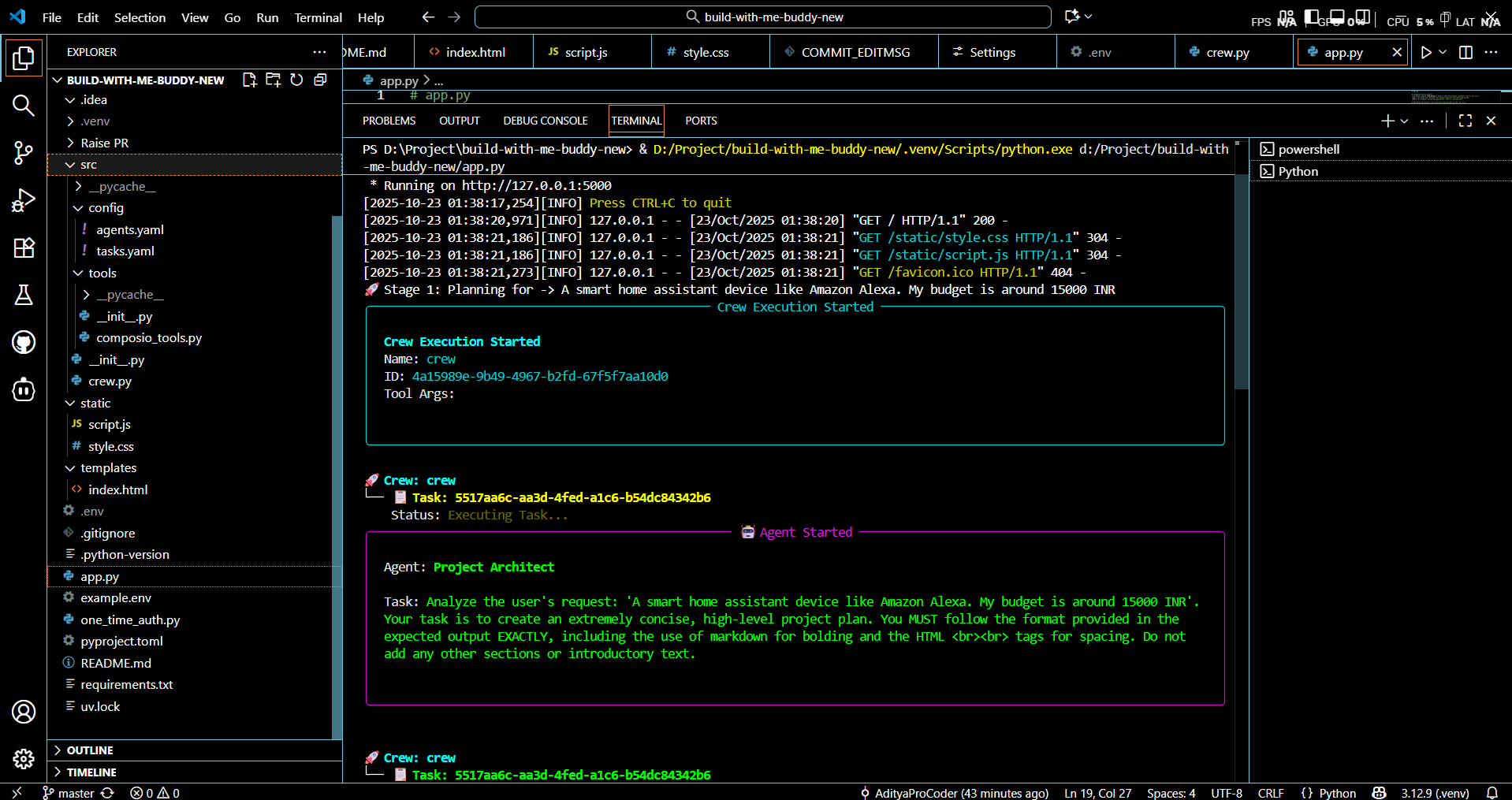
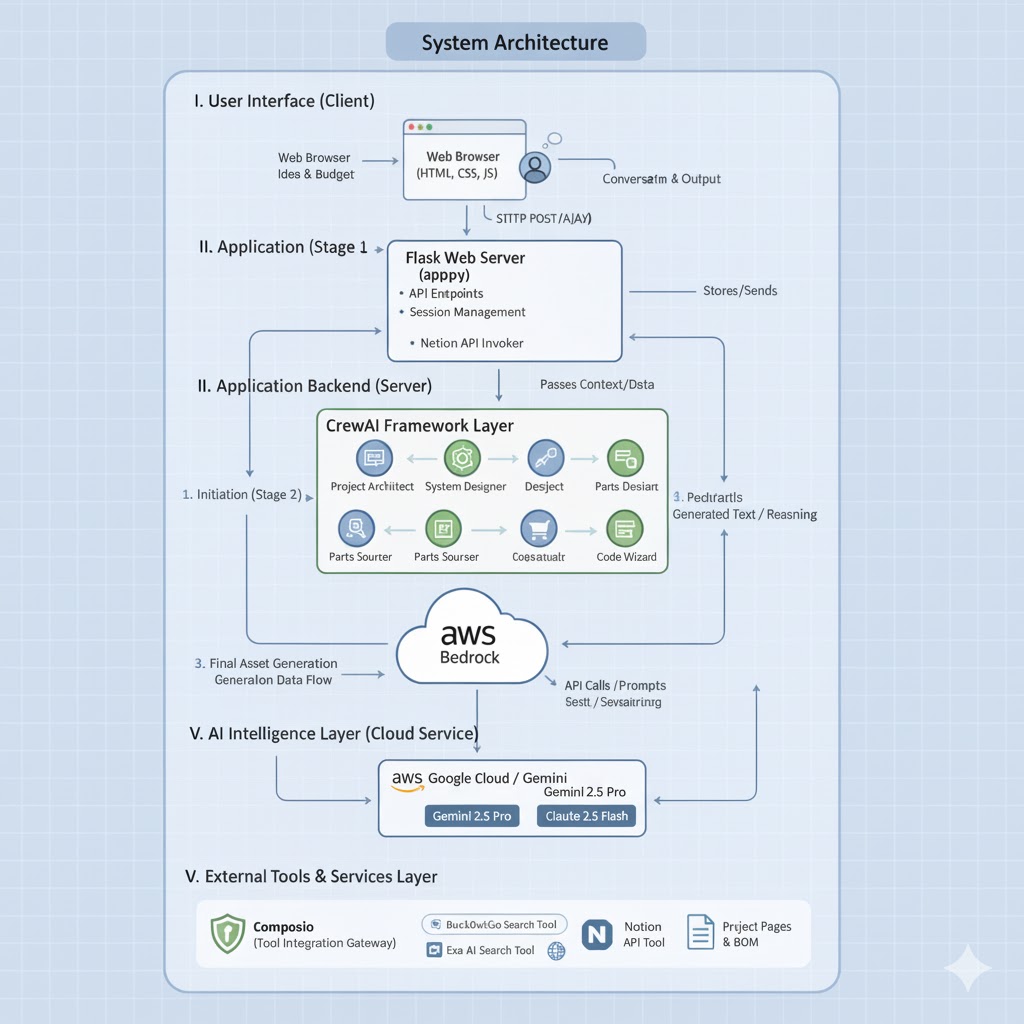
Our solution is an orchestration of specialized AI agents, with AWS Bedrock serving as the core intelligence engine.
Core Intelligence (AWS Bedrock): We chose AWS Bedrock for its scalability, security, and diverse model selection. This allowed us to implement a cost-effective, model-to-task mapping strategy. For complex reasoning and planning, our Project Architect and System Designer agents use Anthropic's Claude 3 Sonnet. For high-speed, efficient tasks like sourcing parts and naming the project, we use the faster Anthropic's Claude 3 Haiku.
Agent Orchestration (CrewAI): We used the CrewAI framework to define our team of agents (Project Architect, System Designer, Parts Sourcer, etc.), assign them specific roles and goals, and manage the sequential workflow that passes context from one agent to the next.
Real-World Tools (Composio): To give our agents real-world capabilities, we integrated Composio. It provides the secure, pre-built DuckDuckGo Search Tool for our
Parts Sourcerand the Notion Toolkit, which the application uses to programmatically create and populate the final project pages with the generated content.Backend & Frontend (Flask): A lightweight Flask application serves the user interface and orchestrates the entire process, kicking off the CrewAI agent workflows and managing the user session.
Challenges we ran into
Ensuring Reliable Output: Getting LLMs to consistently return structured data (like JSON for diagrams or Markdown tables for the BOM) was a significant challenge. We overcame this by engineering highly specific, rule-based prompts and implementing robust parsing functions in our Python backend to handle and validate the agent outputs.
Preventing Agent Stalling: The
Parts Sourceragent could get stuck searching for an obscure component. We designed a "fallback" mechanism in its prompt, instructing it to make a maximum of two focused attempts per component before marking it as 'N/A' and moving on, ensuring the process is resilient and never stalls.Handling API Rate Limits: The search-intensive nature of the sourcing agent occasionally led to API rate limits. We built graceful error handling into the application to detect these limits, pause the process, and allow the user to resume after a short wait, ensuring no progress is lost.
Accomplishments that we're proud of
End-to-End Automation: We are incredibly proud of creating a seamless pipeline that takes a high-level concept and, with zero manual intervention, produces a detailed, actionable project plan.
Efficient use of AWS Bedrock: Our strategy of using different Bedrock models for different tasks (Claude 3 Sonnet for complexity, Haiku for speed) proved highly effective, optimizing both the quality of the output and the overall cost and performance of the system.
Automated, High-Quality Documentation: The integration with the Composio Notion Toolkit is a key accomplishment. Instead of just outputting text, our system delivers a polished, persistent, and well-organized project guide that provides immense value to the end-user.
What we learned
The Power of Specialized Agents: We learned that breaking down a complex problem into smaller tasks for specialized agents is far more effective than using a single, monolithic prompt. This agent-based architecture, powered by AWS Bedrock, is incredibly powerful.
Model Selection Matters: The ability to choose the right model for the right job on a platform like AWS Bedrock is a game-changer. It allowed us to balance performance, intelligence, and cost perfectly across our agent crew.
Tools are a Force Multiplier: AI agents are at their best when they can interact with the real world. Integrating external tools via Composio for search and documentation was critical to moving our project from a theoretical exercise to a practical, useful application.
What's next for The Build With Me Buddy
Deeper AWS Integration: We plan to enhance the architecture by using Amazon S3 for storing generated assets, deploying the agents as AWS Lambda functions for a true serverless design, and integrating Amazon Kendra to create a RAG system that allows agents to search technical datasheets for even more accurate component selection.
Enhanced Agent Collaboration: We aim to move from a purely sequential workflow to a more dynamic, hierarchical process where a "Manager" agent can delegate tasks, review results, and request revisions from other agents to improve the final output.
Broader Platform Support: We will extend the
Code Wizard's capabilities to generate starter code for other popular hardware platforms like the Raspberry Pi, ESP32, and more, making the tool useful for a wider range of projects.
Built With
- amazon-web-services
- bedrock
- composio
- crewai
- css3
- duckduckgo
- exa
- flask
- gemini
- html5
- javascript
- notion
- python
- search

Log in or sign up for Devpost to join the conversation.