-
-
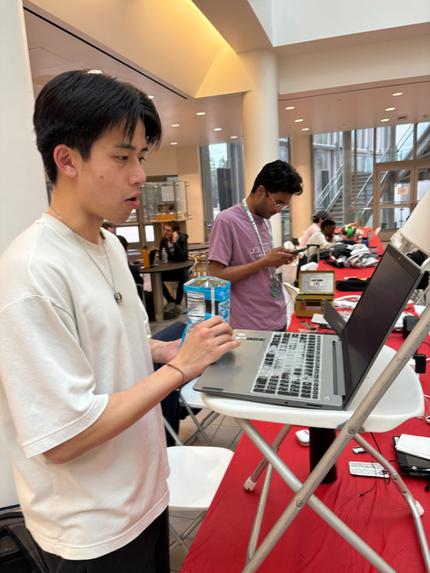
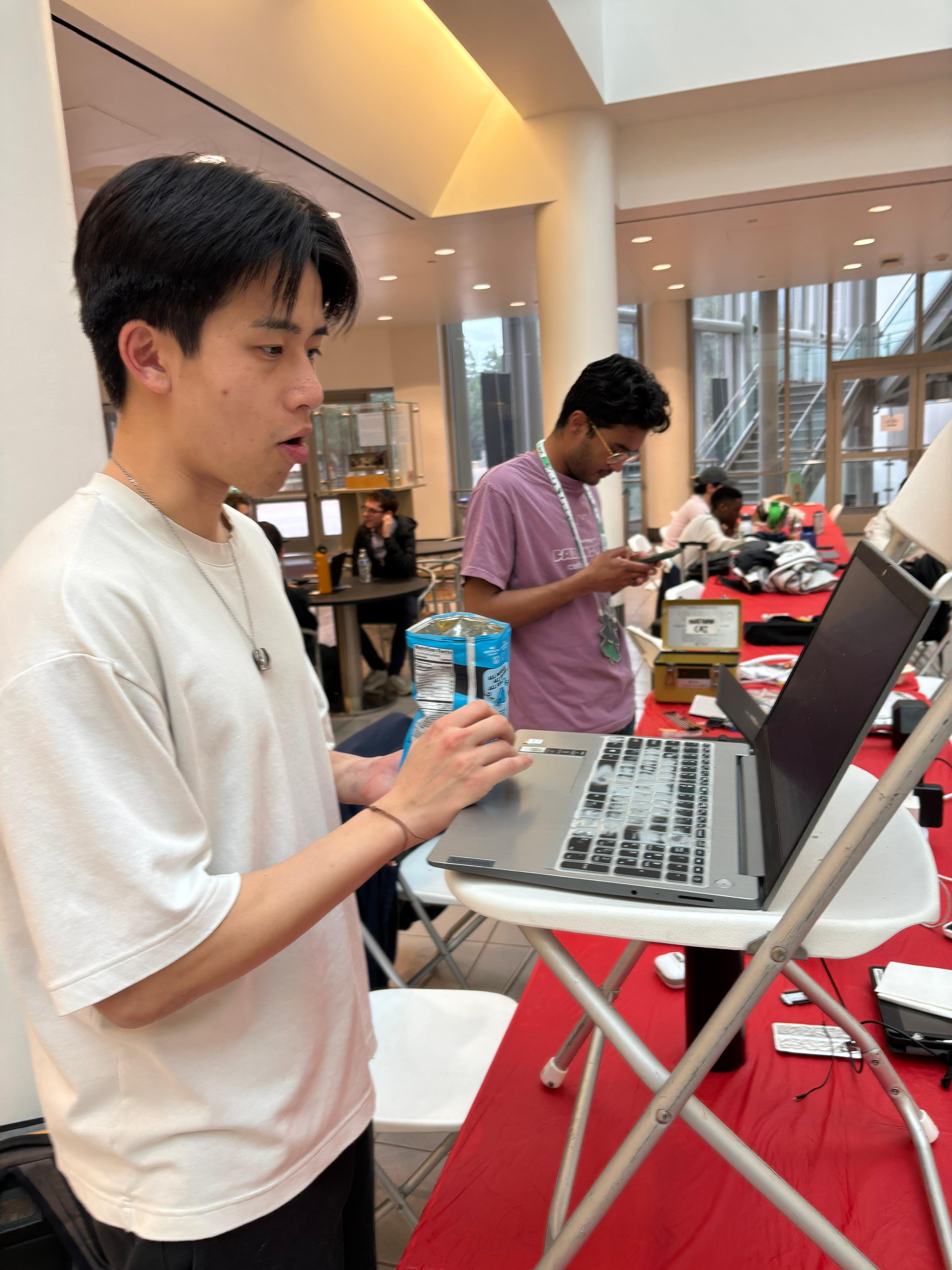
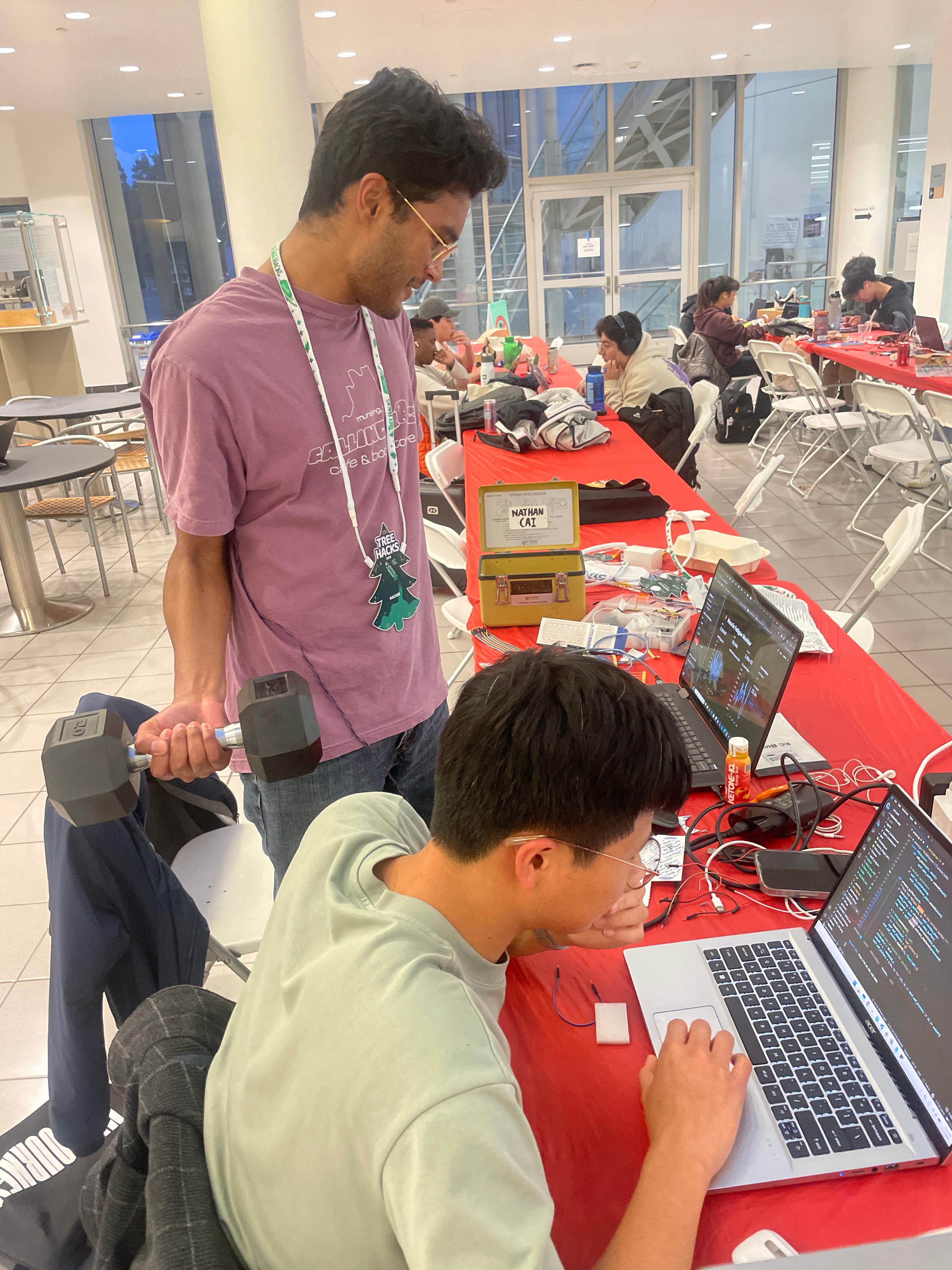
Working hard on the program!
-
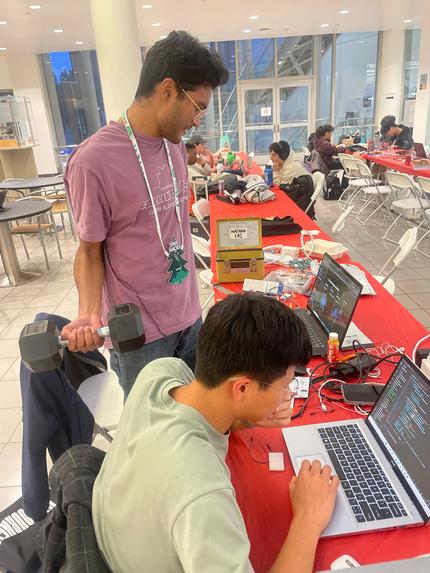
Debugging!
-
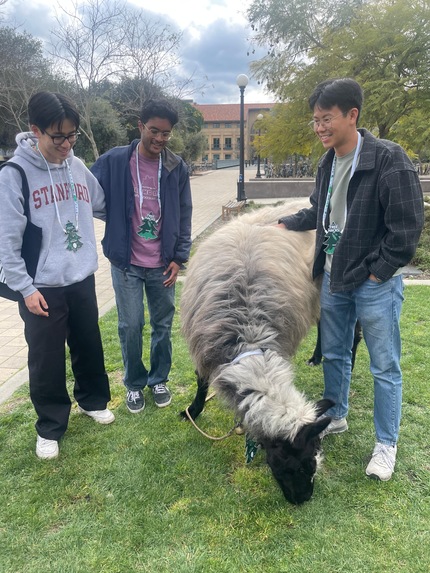
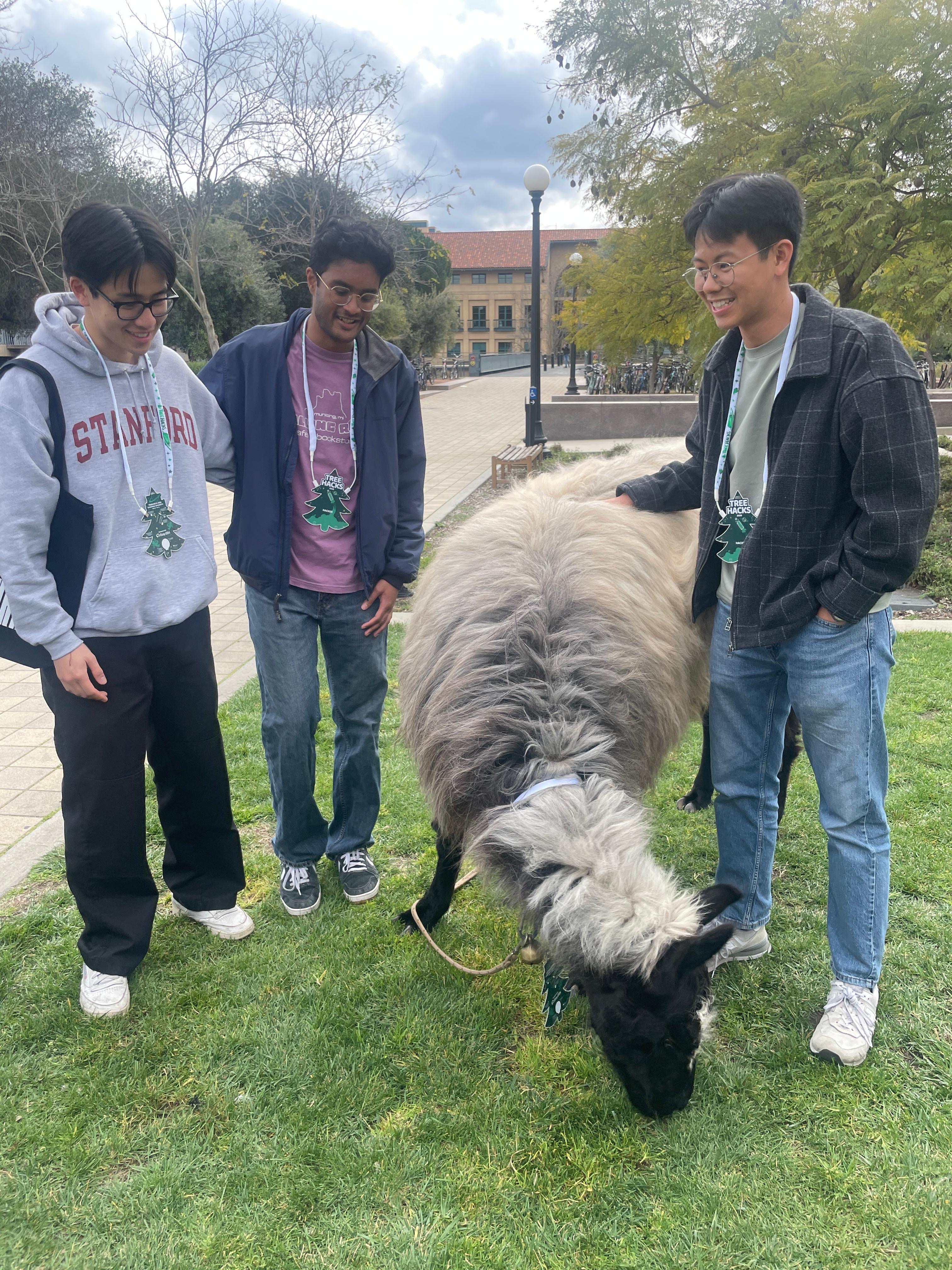
Llama!
What it does
Our system predicts muscle failure up to 40 seconds before it happens. We use an electromyography (EMG) sensor to measure muscle activation, and process this data using Python. We calculate the Root Mean Square (RMS) of the voltage and Median Domain Frequency (MDF), and using these values we can estimate the time duration before a muscle fails. These values and the estimated time are provided in a web dashboard.
Inspiration
Since we each have medical backgrounds, we explored medical devices to address unsolved problems. We found an opportunity in muscle fatigue detectors: there are expensive options available for athletes, but none targeted towards other professions. We decided to focus on high precision occupations where the likelihood of muscle fatigue is high and may lead to dangerous outcomes. With our tool, we hope that injuries or mistakes can be prevented before they occur!
How we built it
The hardware includes an ESP32, Myoware 2.0, ECG pads, and code written in Python. At a high level, a calibration step records the strength of an individual, and then python records the EMG signal in distinct batches. From there we obtain Root Mean Square values (the number of motor units firing), and the Median Domain Frequency (the frequency at which motor units fire). These are used to create a global trend which is then updated further using Bayesian statistics. The global trend allows us to infer the Time to Failure.
Challenges we ran into
The biggest challenges included dealing with a weak signal, tuning parameters, how to measure TTF appropriately, and defining what failure is. Experimentation and iteration allowed us to identify solutions to each of these issues, but there is still space for improvement. We are excited to expand our prediction model to non-isometric movements in the future.
Accomplishments that we're proud of
Since none of us have software backgrounds, we were nervous to take on a project that would push us far outside our comfort zones. However, we were able to work together effectively and use the provided tools to make a product that works better than we imagined. Additionally, it was the first hackathon experience for all of our team members! We had lots of fun and made great memories!
What we learned
- We have powerful tools around us
- A lot can be accomplished within a weekend
- Go outside of your comfort zone
- Splitting up work and trying different strategies at the same time can help for quick iteration
- Fitting for data without a trained model is difficult
- Variation between subjects can be hard to account for
What's next
We are all graduating from Stanford following this quarter! Nathan will be working at SpaceX where he will help send the next generation of rockets to space as a Components Engineer. Eric will be pursuing medical school at the University of Alberta where he will bridge the gap between cutting edge research and clinical practice. Lastly, Dhruv will be entering into the medical devices industry, hoping to help push the boundaries of bio-innovation through cutting edge medical devices.

Log in or sign up for Devpost to join the conversation.