Inspiration Our inspiration for "The Blink" came from the desire to empower paralyzed individuals to communicate effectively and independently. We were motivated by the challenges faced by patients with limited mobility and wanted to create a solution that enhances their quality of life.
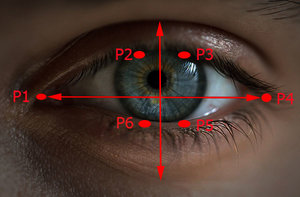
What it does "The Blink" utilizes sophisticated eye detection technology to enable paralyzed patients to make gestures with their eyes. These gestures are translated into specific commands that allow users to communicate their needs to caregivers. For example, patients can request water, food, or other essentials by simply blinking or moving their eyes in predefined patterns.
How we built it We built "The Blink" using a combination of computer vision algorithms and machine learning models. The system detects and tracks eye movements with high accuracy, recognizing specific patterns that correspond to different commands. We developed a user-friendly interface that allows patients to calibrate their eye gestures and caregivers to receive and respond to these signals effectively.
Challenges we ran into During the development of "The Blink," we encountered several challenges. One significant obstacle was optimizing the eye detection algorithm to work reliably in various lighting conditions and with different users. We also faced challenges in integrating the software seamlessly with existing caregiver communication systems.
Accomplishments that we're proud of We are proud to have created a functional and practical solution that directly addresses the communication needs of paralyzed individuals. "The Blink" represents a significant advancement in assistive technology, offering a reliable and intuitive way for patients to interact with their caregivers and surroundings.
What we learned Through developing "The Blink," we gained valuable insights into the complexities of assistive technology and the importance of user-centered design. We learned how to leverage advanced computer vision techniques to solve real-world challenges and improve the lives of those with disabilities.
What's next for The Blink Looking ahead, we envision several enhancements for "The Blink." Our future plans include refining the gesture recognition capabilities, expanding the range of supported commands, and integrating additional features such as voice synthesis for enhanced communication. We also aim to collaborate with healthcare professionals to further optimize the system and make it accessible to a wider audience.

Log in or sign up for Devpost to join the conversation.