Inspiration
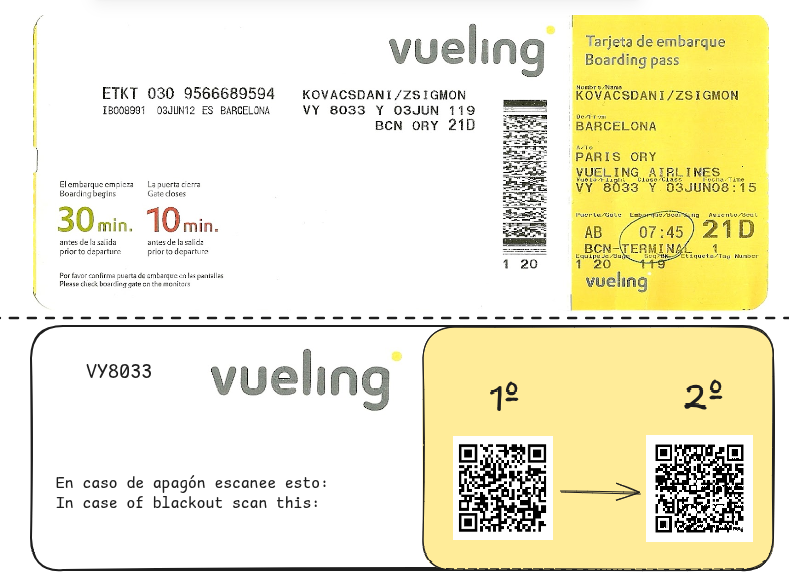
Our inspiration for The Blackout Peers came from recognizing the critical importance of reliable communication during airport blackouts, when typical methods such as mobile applications, Wi-Fi, or Bluetooth are unusable due to power constraints. Observing real-world scenarios where information breakdowns caused confusion and anxiety among travelers, we realized a low-energy solution was essential to maintain order and provide peace of mind.
What it does
The Blackout Peers is an ultra-low-power C-based system that provides continuous delivery of essential flight information directly to passengers during power outages. It operates independently from conventional networks or apps, ensuring passengers stay informed about their flights, gate changes, delays, and safety instructions even when all standard communication methods are offline.
How we built it
We built the system using a combination of embedded C programming and optimized hardware components like microcontrollers designed for ultra-low energy consumption. Special attention was paid to data efficiency, minimal memory usage, and optimizing battery performance, enabling prolonged use during extended blackout scenarios.
Challenges we ran into
A significant challenge was reducing energy consumption while ensuring the system remained reliable and responsive. Additionally, designing an intuitive user interface for limited-display hardware required creative engineering solutions. Ensuring data accuracy and reliability without typical wireless communication technologies also presented unique obstacles.
Accomplishments that we're proud of
We successfully developed a robust prototype capable of maintaining uninterrupted information dissemination under extreme power constraints. Our system achieves exceptional energy efficiency, surpassing initial targets. We are particularly proud that this solution stands as the only feasible method of communication during complete power outages, providing vital assistance when passengers have no other source of flight information.
What we learned
Through developing The Blackout Peers, we learned innovative strategies for power management and embedded systems optimization. We gained valuable insights into emergency-response communication protocols, as well as techniques for user-friendly interface design within extreme technical constraints.
What's next for The Blackout Peers
Looking ahead, we aim to enhance The Blackout Peers' scalability and integrate additional multilingual capabilities to accommodate diverse international travelers. Furthermore, we plan to explore renewable energy integration, such as small solar panels, to further extend system endurance and reliability during prolonged blackouts.

Log in or sign up for Devpost to join the conversation.