-
-
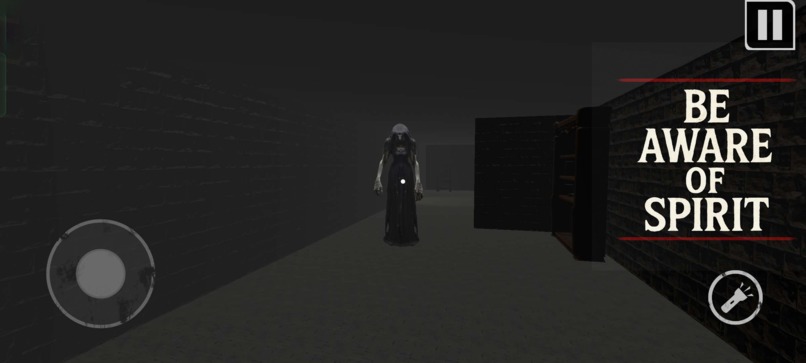
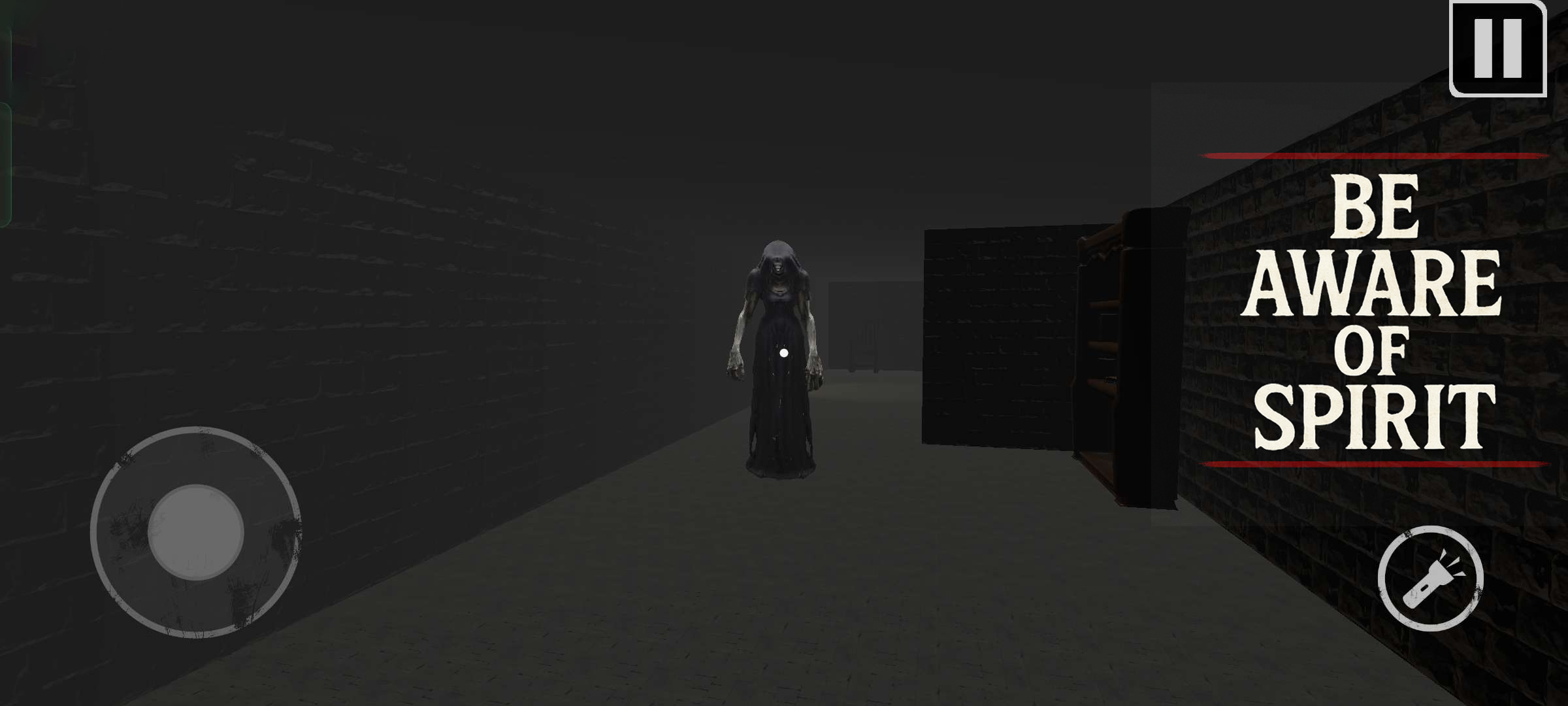
Encounter with the Veiled Spirit, an enemy that reacts to movement, sound, and fading light.
-
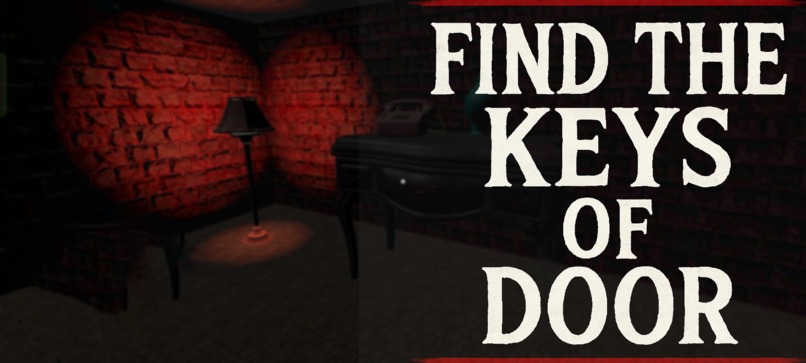
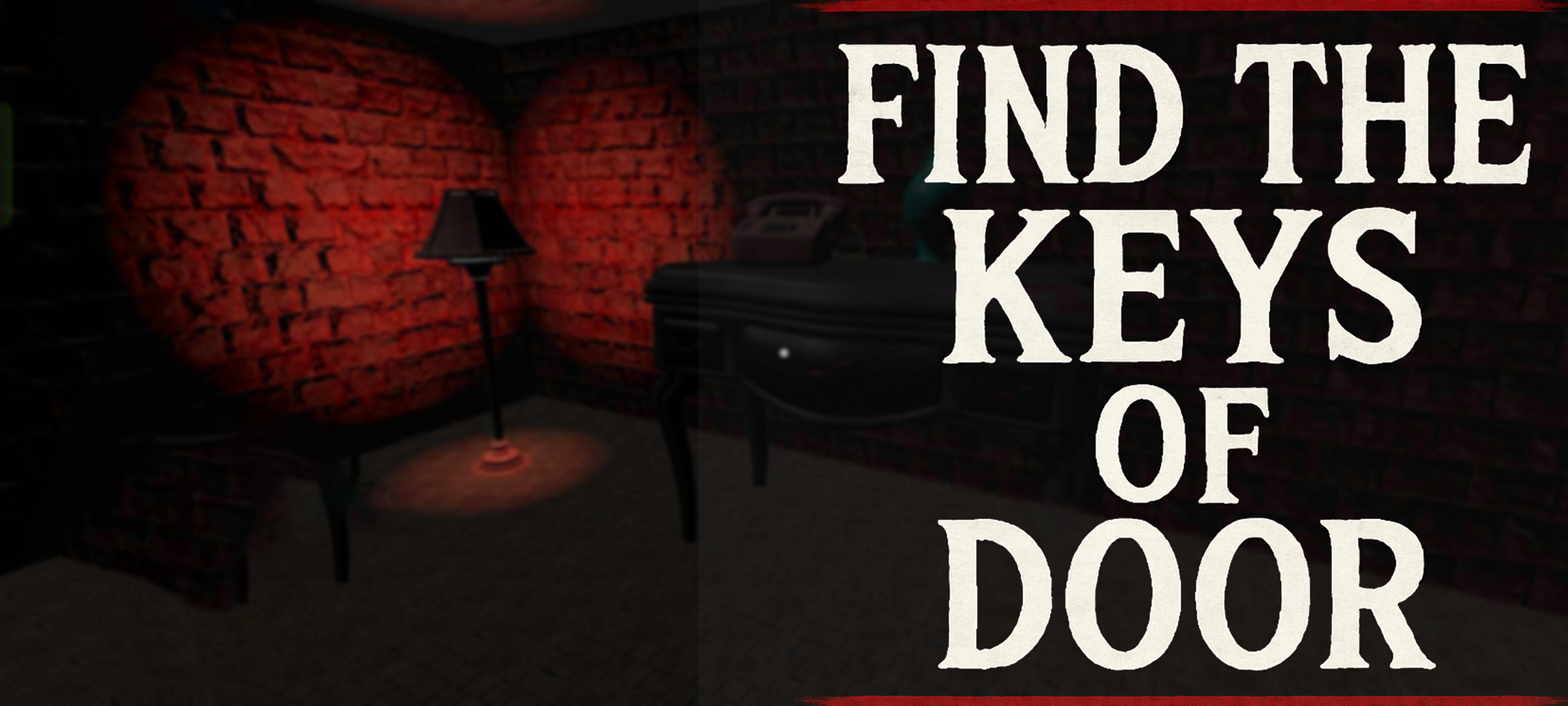
Searching for hidden keys in the dimly lit room, where every shadow may conceal a clue or a threat.
-
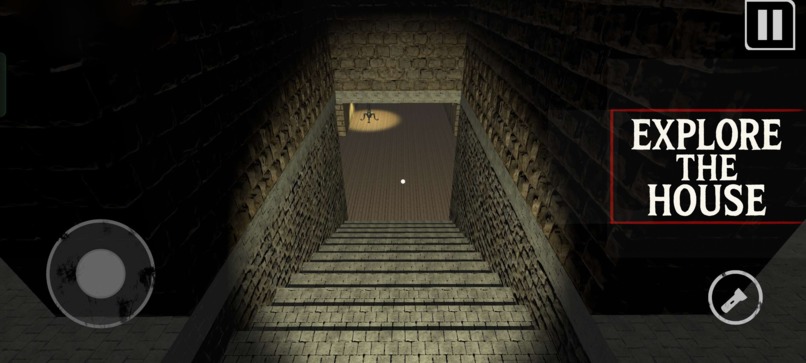
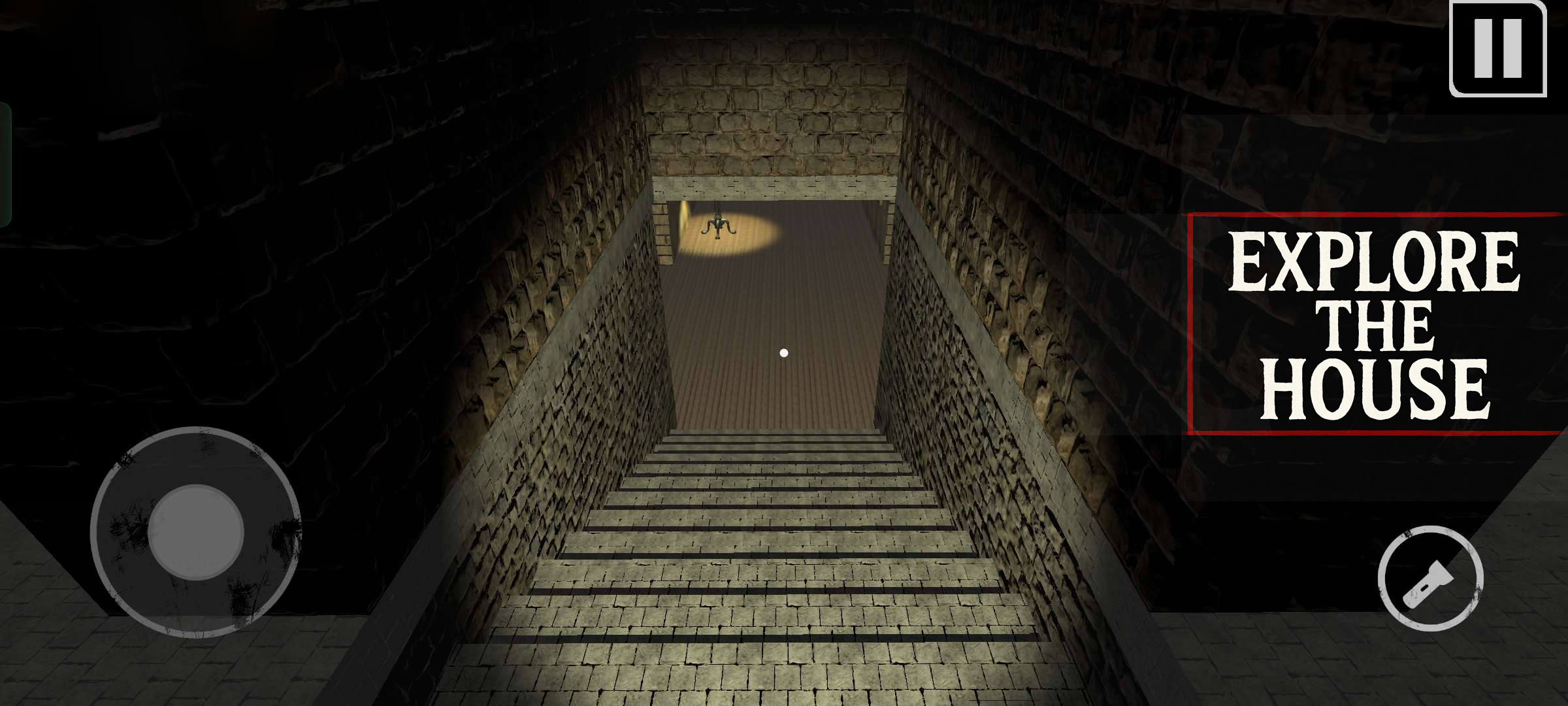
Exploring the abandoned house, uncovering dark passages and unraveling the mystery behind the Veil.
-
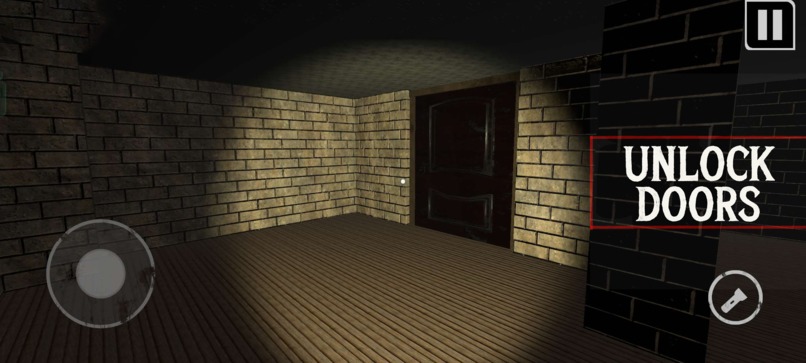
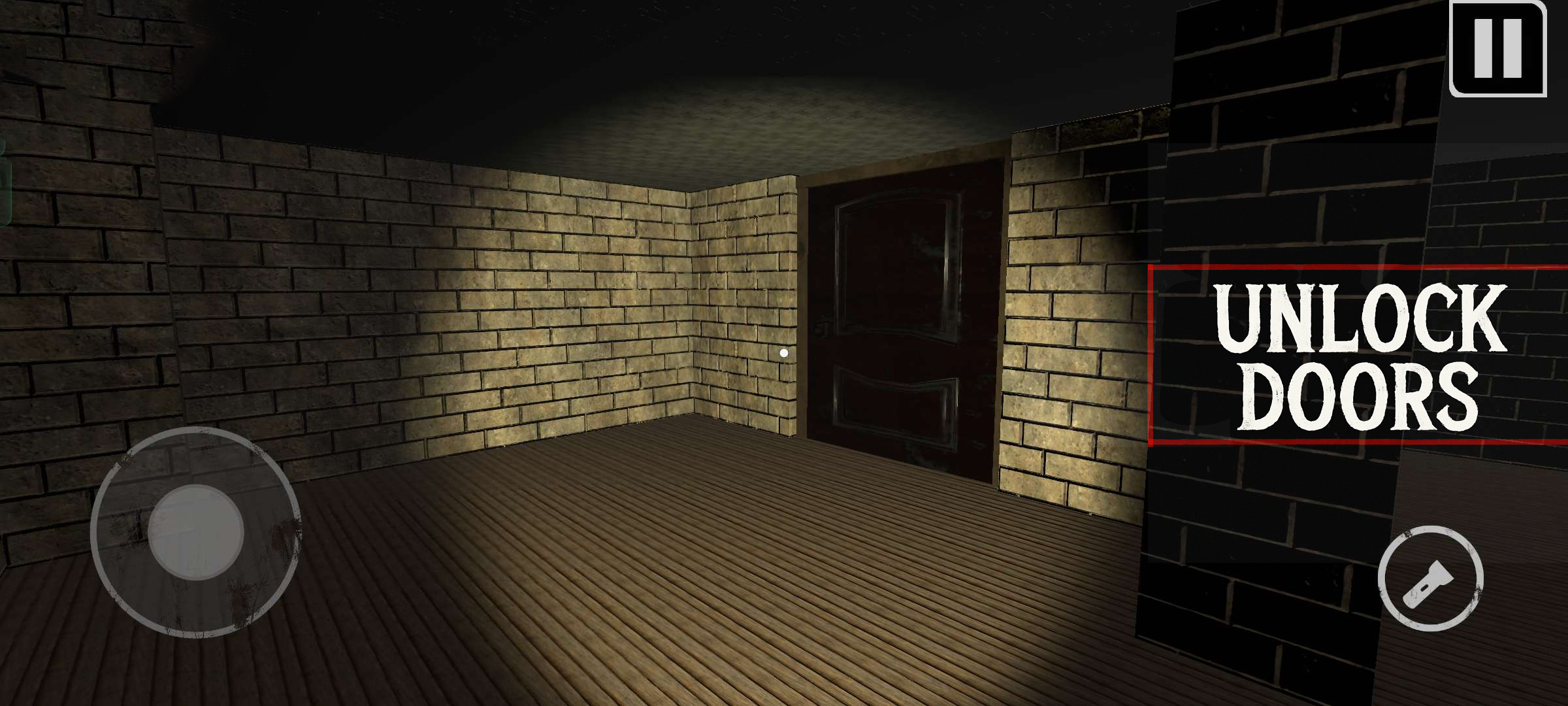
Finding keys and unlocking doors to progress deeper into the house while avoiding the lurking entity.
About the Project Inspiration
The Black Veil is a psychological horror mobile game inspired by a simple but powerful question: What truly scares us?
The answer was clear: darkness, silence, and the unsettling feeling of being watched.
I wanted to create a mobile horror experience that did not rely solely on jump scares, but instead built tension through sound, lighting, atmosphere, and narrative. The idea behind this project centered on one core concept:
Light is your only life. Darkness slowly consumes you.
What It Does
The Black Veil is a first-person mobile horror survival game where the player is trapped inside environments corrupted by a mysterious supernatural force known as the "Black Veil."
Key features include:
Explore abandoned locations overtaken by the Veil
Light acts as the primary survival tool
A shadow entity tracks the player's movement and noise
Symbol-based environmental puzzles enhance tension
A custom Voice-Fear System uses real-world audio; the louder the player is in real life, the more aggressive the enemy becomes
Progressive levels increase darkness, reduce visibility, and amplify tension
The objective is simple: Find clues, stay in the light, uncover the truth behind the Veil, and escape before you are consumed by it.
How I Built It
Unity game engine
Mobile-optimized lighting and performance settings
Custom minimalist horror UI design
Trigger-based puzzle and event system
Layered ambient SFX and directional audio
Enemy AI with stealth and proximity detection
Light battery and depletion mechanic
Microphone-based input script for the Voice-Fear System
URP post-processing (fog, grain, chromatic distortion, darkness bloom)
What I Learned
Designing atmospheric horror specifically for mobile hardware
Optimizing shadows, lighting, and fog to maintain performance
Creating functional and thematic dark-style UI
Balancing audio design with gameplay pacing
Implementing real-time microphone input for interactive mechanics
Structuring puzzle flow and horror timing for maximum impact
Challenges I Faced
Maintaining mobile performance while using fog, shadows, and post-processing
Balancing enemy AI to feel threatening but fair
Creating a compelling horror atmosphere without heavy graphics
Adjusting sensitivity for real-time microphone input
Ensuring visibility in dark environments without losing the horror tone
Syncing sound cues with gameplay events to enhance immersion


Log in or sign up for Devpost to join the conversation.