-
-
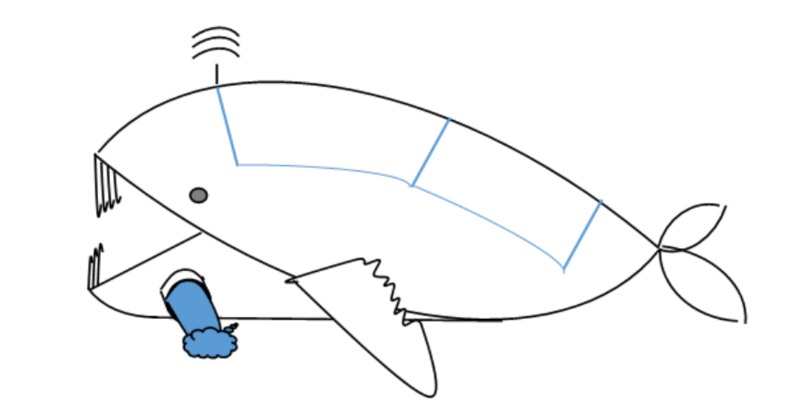
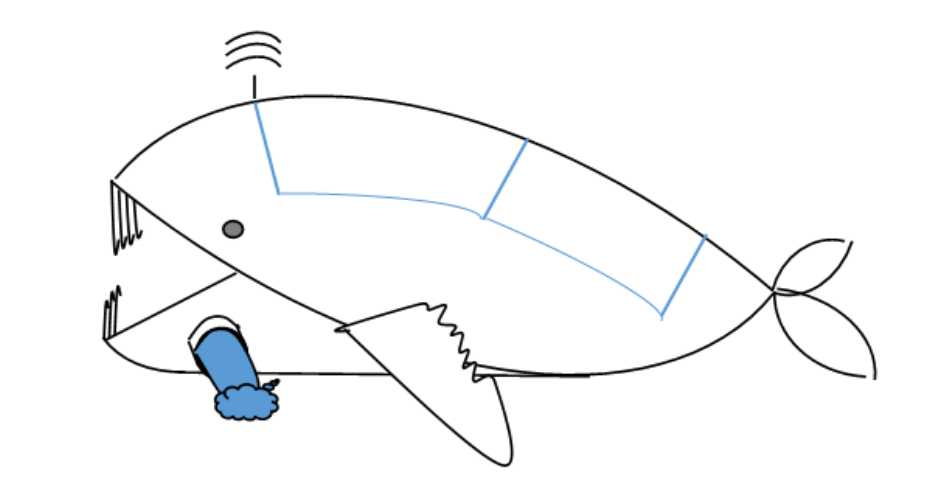
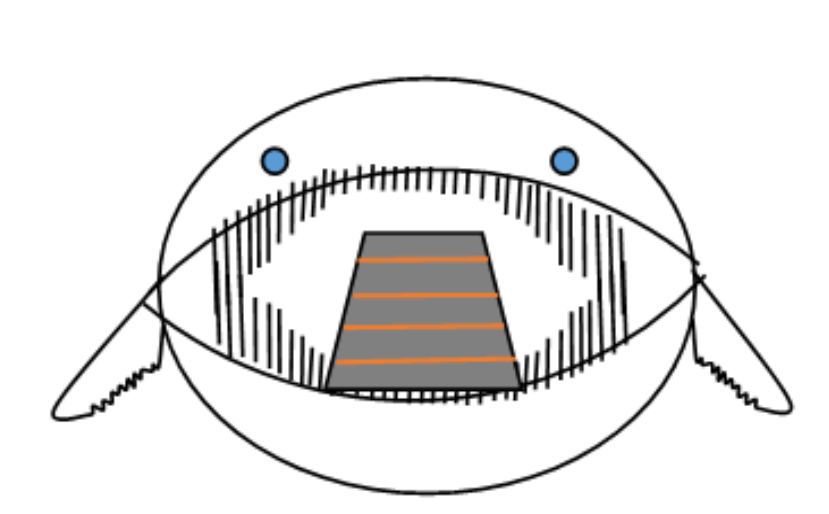
Baleen Bot Outside View
-
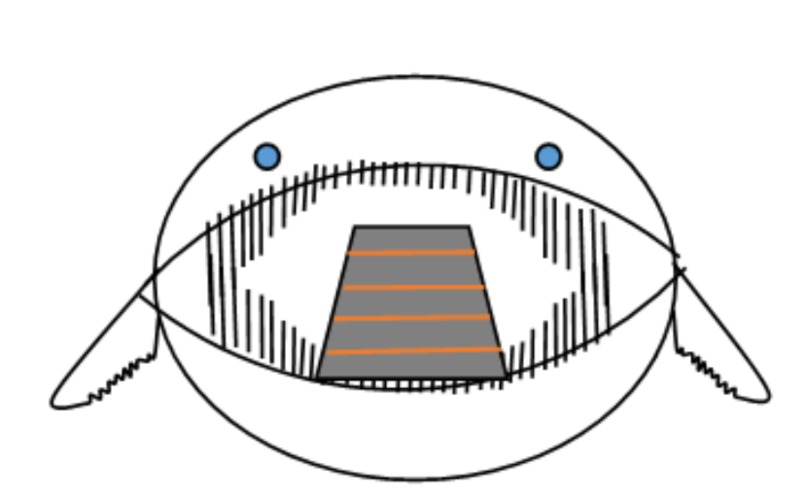
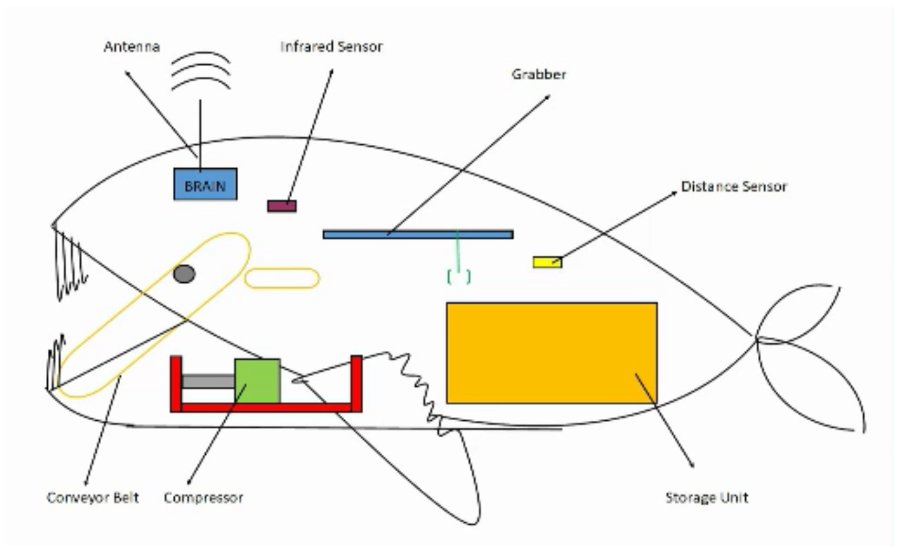
Baleen Bot Inside
-
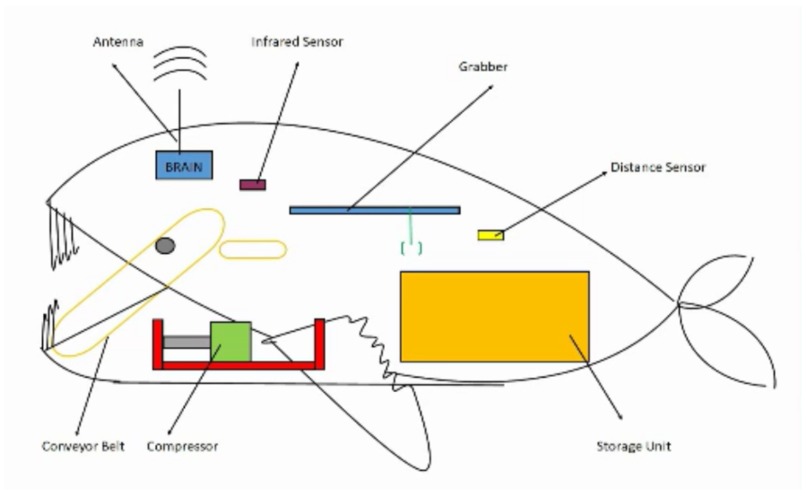
Baleen Bot Components
-
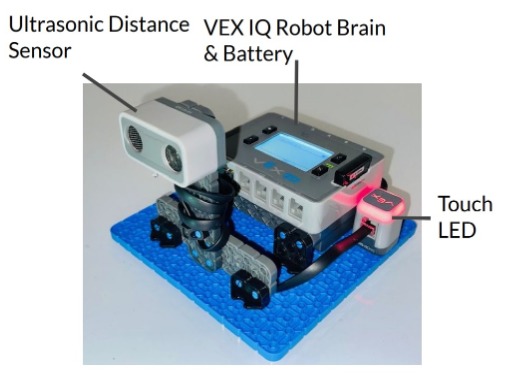
Collision Detection Device
-
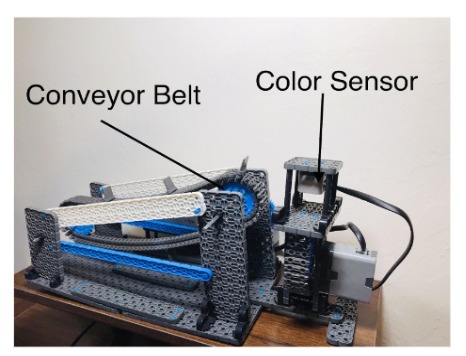
Sorting Device
Inspiration
In the modern world we live in, I find it extremely alarming to know that by 2050, the amount of plastic in our oceans will exceed the number of fish. Did you know that? Just hearing about this sparked this idea of mine: The Baleen Bot. I understand that plastic pollution in the world's oceans is a massive problem that many have tried to contribute to solving. For example, I researched about a group called THE OCEAN CLEANUP and they have created multiple models of machines that can filter microplastics I decided to take into mind their idea, along with biomimicry from the whale, to come up with my design. The whale's features, such as the hairs in their mouths that help it trap krill, will similarly be used to prevent plastic from escaping, and organisms living on the plastic will be detached.
What it does
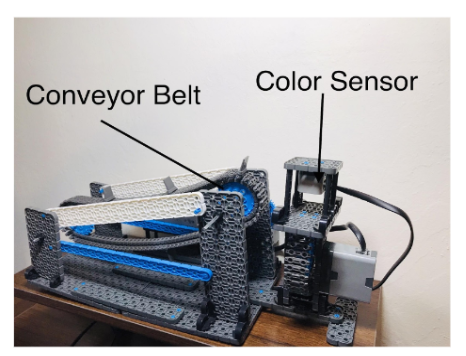
The Baleen Bot solar-powered robot uses a conveyor belt to collect plastic, sorts the living organisms from the plastic, and then compresses the plastic to be stored in a tank. This tank of plastic will then be sent to recycling plants to be reused later on. First, the plastic goes up the conveyor belt and the hairs on the mouth, that imitate the baleen, will prevent the plastic from escaping. Then the plastic enters the sorting area where a sensor determines whether the object is a marine organism or plastic. If it is a marine organism, it will be sent back into the ocean, through a tube. However, if it is plastic, it will be sent to a compressor and storage unit. If the storage unit is full, the plastic will hit a bumper sensor and let the operators know that it is full, and the plastic will be emptied.
How we built it
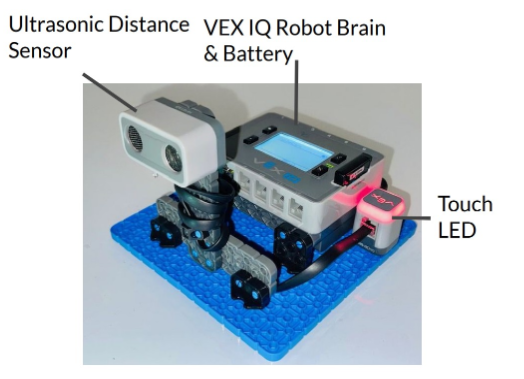
Using VEX IQ Robotics components I made two prototypes to show the concept of collision detection and sorting. Again, applying biomimicry to the design, I used dolphins’ echolocation skills for my collision device and snakes’ use of thermal vision to detect their prey in the sorting device. However, since I don’t have a heat sensor, I used a color sensor. After constructing my prototypes, I coded their functions on Python, a platform that I was barely familiar with, to create a simple, yet effective, program to help detect the distances objects could be detected at and whether the device could recognize certain objects.
Challenges we ran into
Being a very new coder with little experience in Python or any coding platform in general, I learned a few basic principles from scratch and discovered it was very time-consuming! However, since I was creating a Minimal Viable Product kind of code, I tried to make it as simple as I could. There were many more challenges I faced along the way, such as how I was to make my design, what sensors would be included, etc.
Accomplishments that we're proud of
Overall, I am extremely proud of my overall design and how far I ventured in this project with such little time, however, I am the most proud of myself for being able to accomplish so much and add a tiny bit of coding skill to my skill set. Specifically, I am also very proud of the prototypes themselves because the test results validated that this design could be implemented in the real world.
What we learned
I learned a lot about the basics of coding and how to brainstorm and prototype ideas that I am fully confident with while using the Engineering Design Process. In addition, I learned how to manage my time and allocate it to complete certain tasks in a project that I could possibly use later on in my future career.
What's next for The Baleen Bot
Because of the budget, I was only able to use the items and "test subjects" I had at home, which consisted of Lego Bricks and VEX Parts, but I would like to further validate my design by using a heat sensor and some proper test materials to build a calibrated working model. Overall, I believe that this idea can go far and maybe I will pick it up someday to put it into action.


Log in or sign up for Devpost to join the conversation.