-
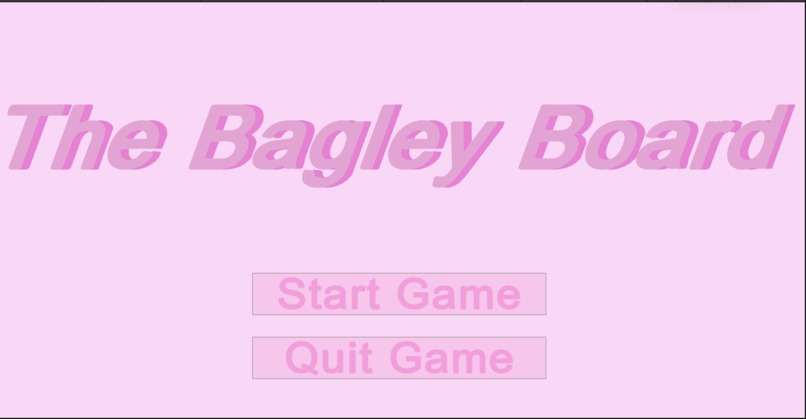
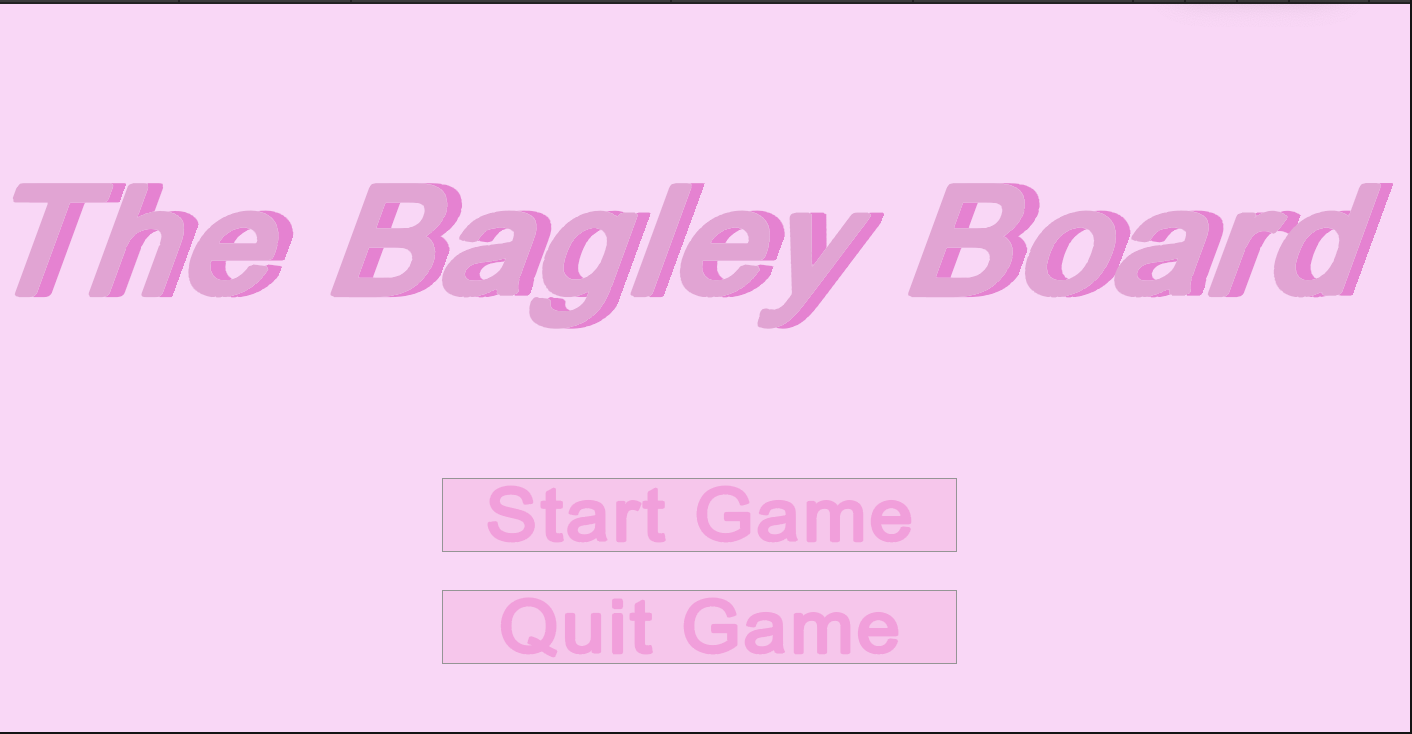
The Main Menu of the game with the ability to start or quit the game.
-
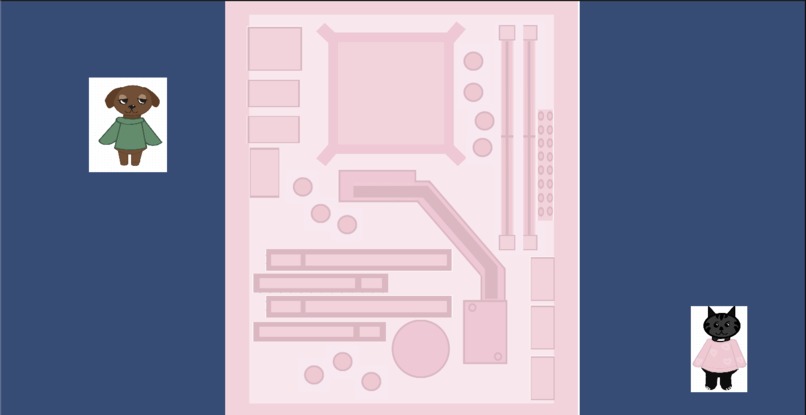
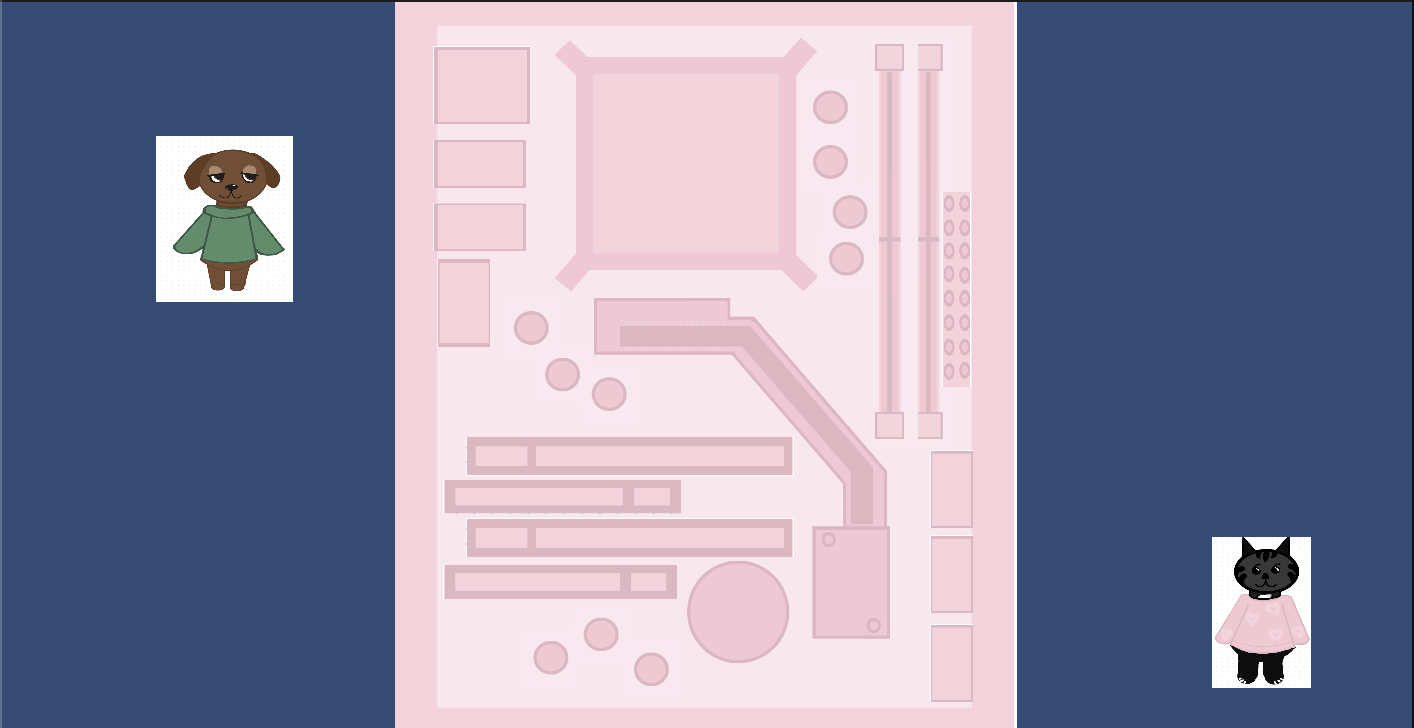
The actual game board, featuring the main characters.
-
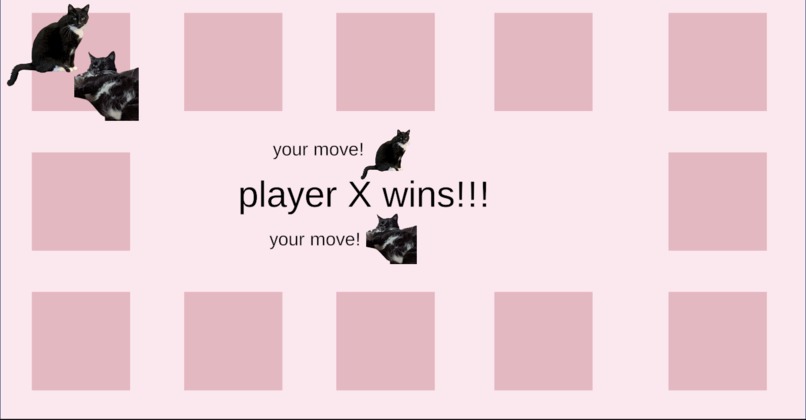
The Game Board Prototype to understand how to implement a game board.
-
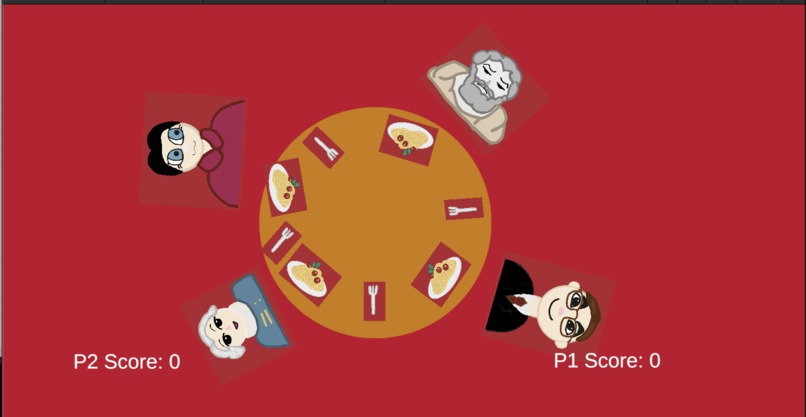
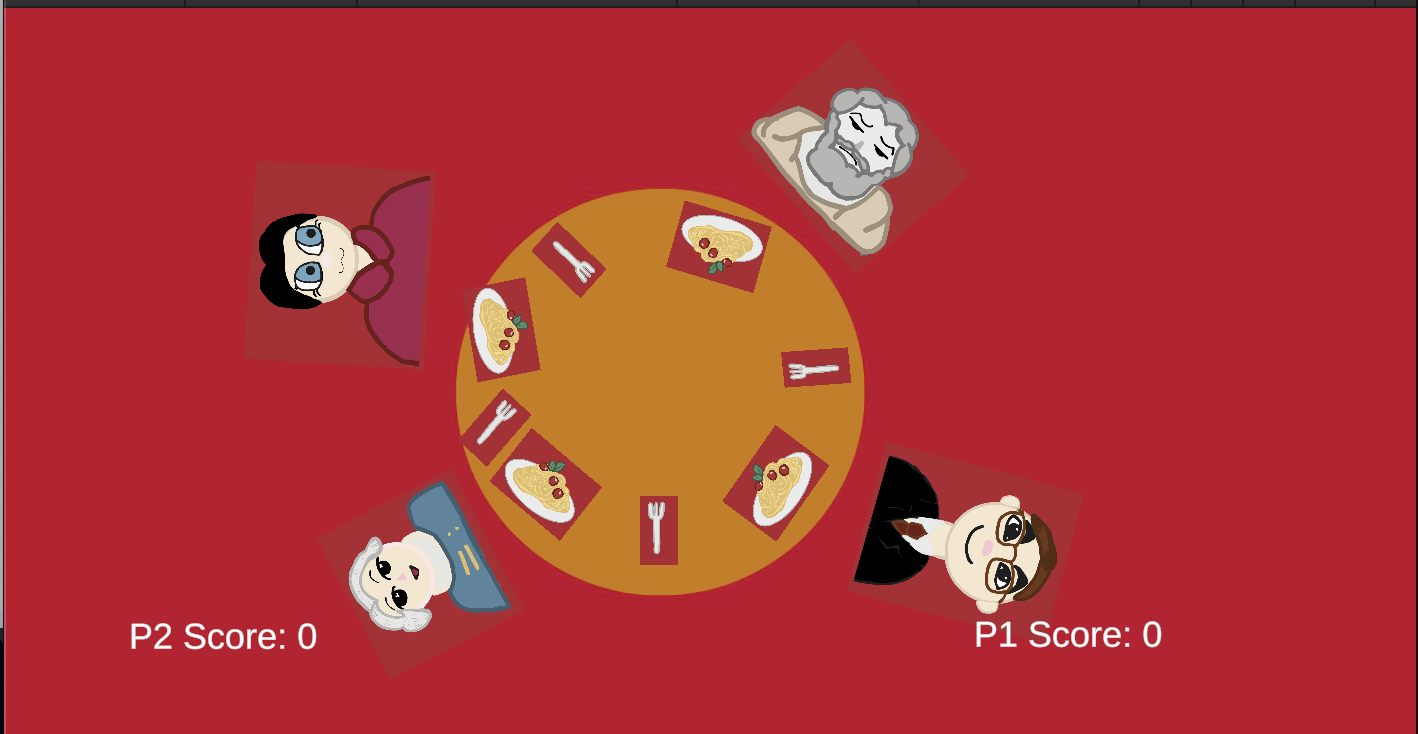
A mini game - the Dining Philosopher's problem.
-
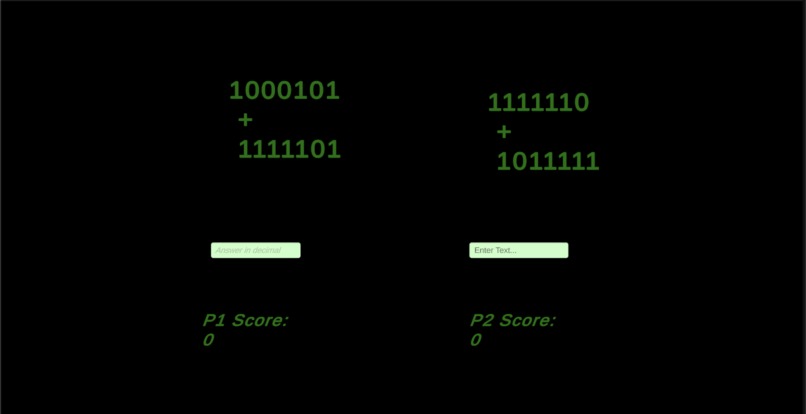
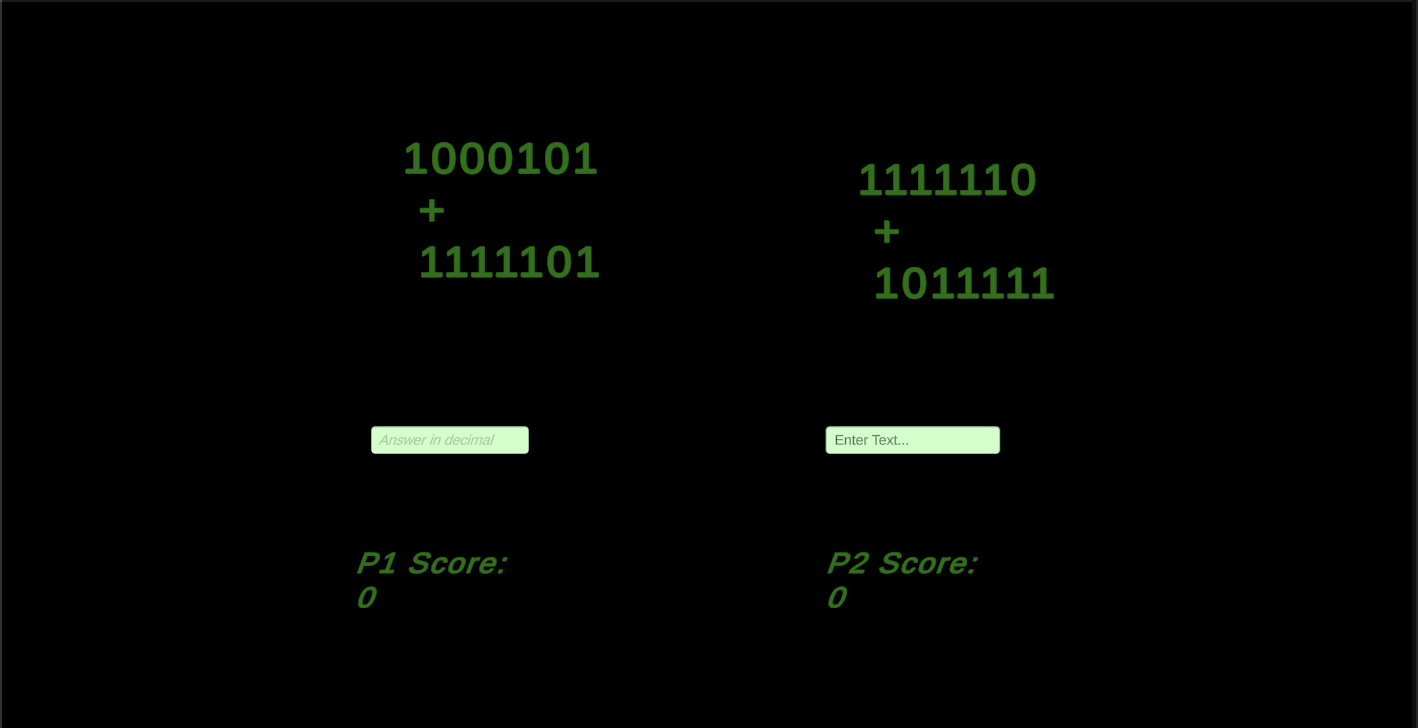
A mini game - binary addition
-
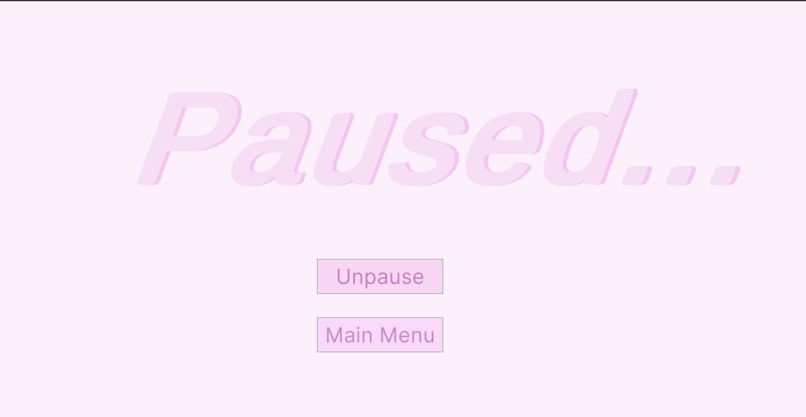
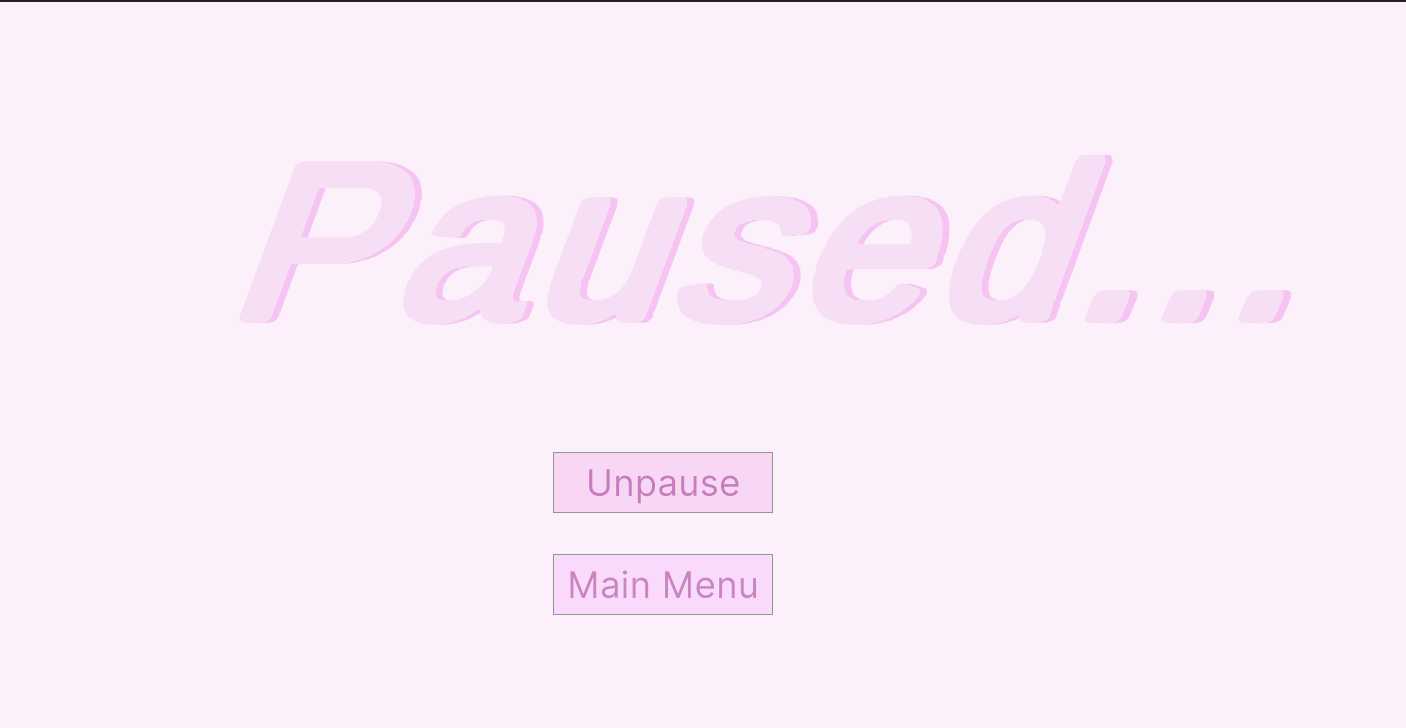
The Pause Screen with the ability to unpause or go back to the main menu.
-
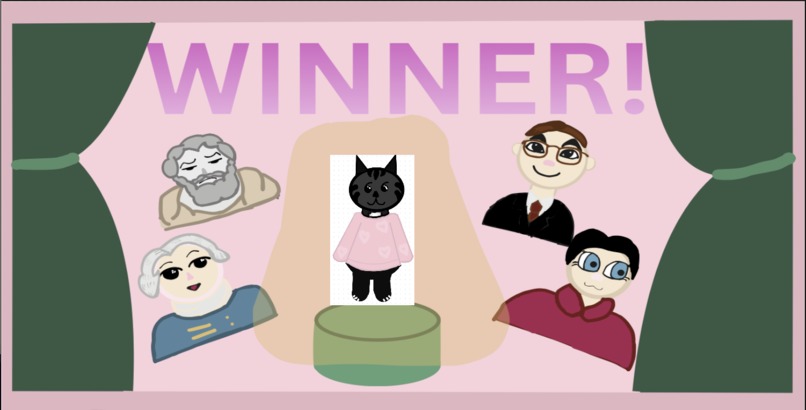
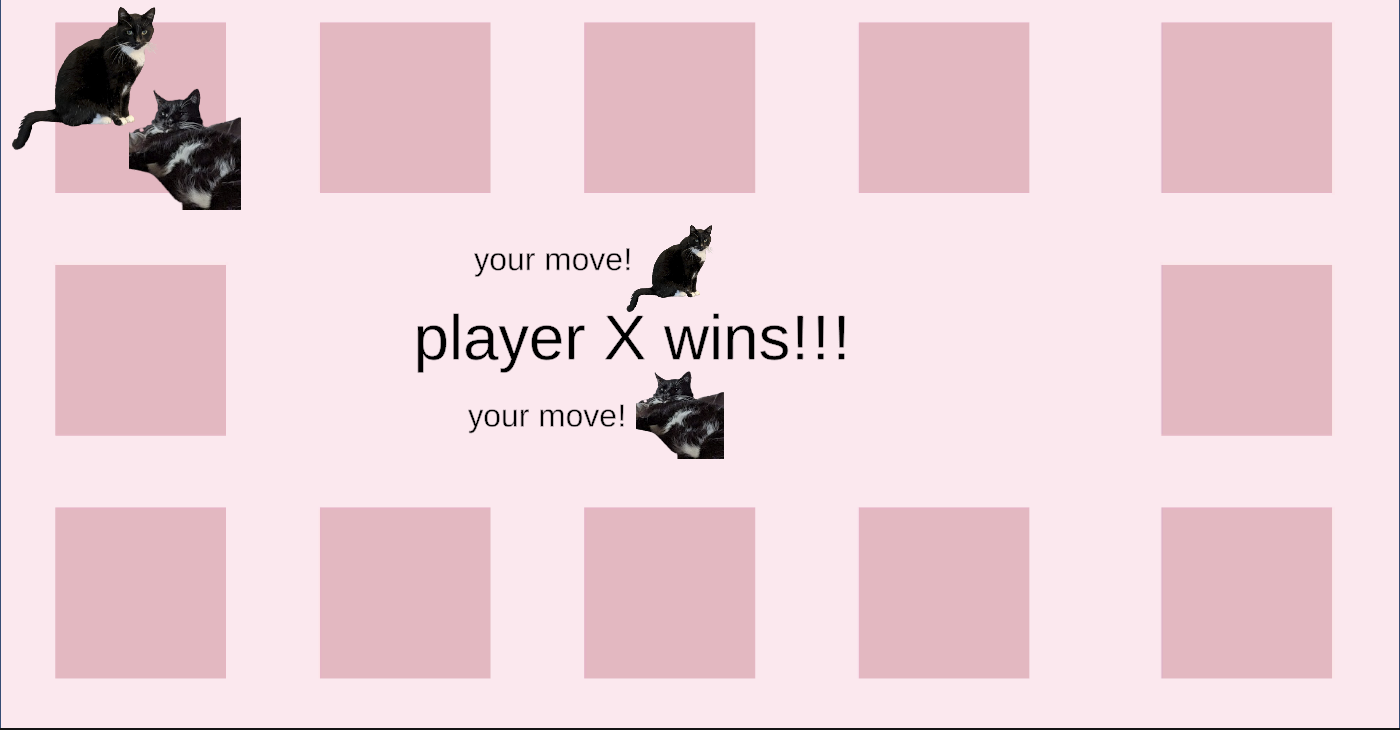
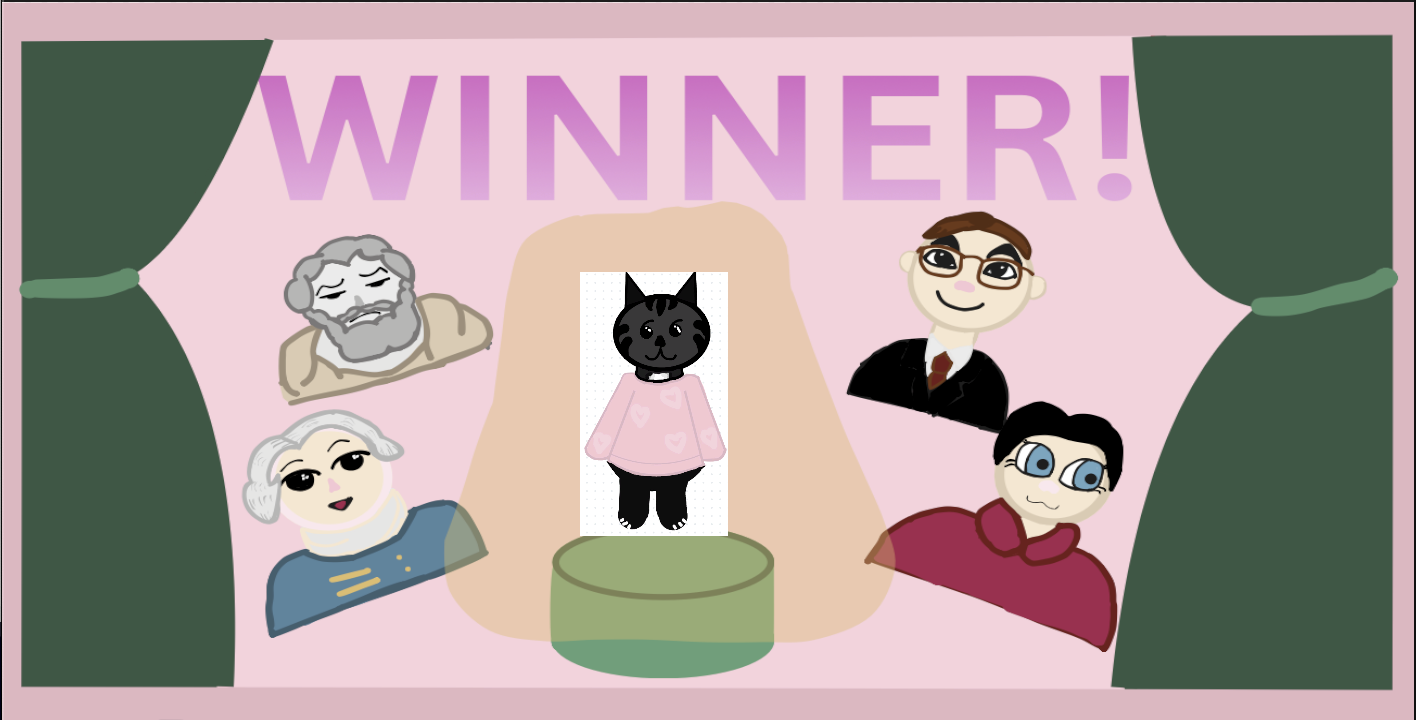
The final Winner Screen which shows the winning main character.
Inspiration
We were inspired by our first year computer science lecturer - Steven Bagley- and his computer architecture module. As gamers ourselves, a game sparked inspiration where we could join a motherboard with a game board - Mario Party. We wanted the game to be educational to the player, so we wanted to incorporate mini games where the player can learn computer science topics.
What it does
We decided to draw a motherboard, but each component is a game square where a player moves to. Then, after a few seconds, the players can complete a randominised educational mini game. These are:
- The Dining Philosopher's Problem: Explains concurrency and deadlocks to the player. Each player needs to fight for the fork, and the more forks a player gets, the higher the score. The forks drop after three seconds to allow fairness, however, it causes deadlocks when a player can only get a certain amount of forks! Each philosopher on the table are: Aristotle, Jean-Paul Sartre, Simone de Beauvoir and Immanuel Kant.
- Binary Addition: This allows the players to fight to complete binary addition calculations as quickly as possible. The more answers that are correct, the higher the player score. However, there is a trick! The player, not only needs to add two binary numbers, but also to convert into decimal. Once the game completes, there is a winner screen where the winner player avatar is presented with the philosophers.
How we built it
We built the game using Unity and C#. The UI was drawn using a mix of Canva and Unity. On paper, we drew a flowchart and brain-stormed our ideas, to make sure everyone was aware of the functional requirements of our project. Everyone was made aware on what role they needed to play: Game Logic (written in c#), UI drawings and Game Board Logic. Although, everyone had a set role, we still allowed pair programming between each other allowing collaboration and thorough understanding of the project.
We started with learning our tools - C# and Unity. One of our teammates already knew Unity and C# which was vital for when blocks occured. However, it was a learning curve for the other teammates, who managed to learn lots! The UI designer, began with designing a pink motherboard for the main game board. Our Game Board logic was started with a quick course in how to create a rolling dice in Unity and the player to move that many places. The Game Logic designer then started looking into the code of the mini games. Our research and designs then came together once we all completed tasks, to make sure everything was completed to a standard.
Challenges we ran into
- One of the biggest challenges was using version control on different operating systems. Two of our teammates were using Windows and the other, MacOS. This became an issue whilst using Unity as it kept getting confused when pushing and pulling the C# code.
- This was a first hackathon for two teammates which was a big jump to coursework! Especially as one of them didn't know Unity or C#, meaning they had to learn a lot of concepts in this 24 hours. However, they are very grateful that they could have this opportunity and will use it in future developments. We hope to go to more hackathons as this was a really fun experience! It seemed challenging at first coming up with one idea and not over complicating it, but we did it!
Accomplishments that we're proud of
We are really proud of completing our first hackathon with a project we not only really enjoyed working on but also learnt a lot of new concepts. We really wanted the game to be educational to help with beginner computer scientists with adding binary or understanding the Dining Philosopher's Problem. Understanding and learning Unity and C# was one of the biggest accomplishments! As we are taking later modules, that require these ideas, it was an honour to now know these concepts. I am really proud of how much our team put effort in to learn and collaborate. You guys are amazing! <3
What we learned
Unity and C#! We also learnt how to work in a team with equal work splits and communicating in an effective way.
What's next for The Bagley Board
We hope to further add mini games to explain more computer science topics in a fun and creative way! It will always be remembered as our first hackathon project <3! Another idea we had was to further enhance Mario Party and include cards for some tiles, as extra points!


Log in or sign up for Devpost to join the conversation.