-
-
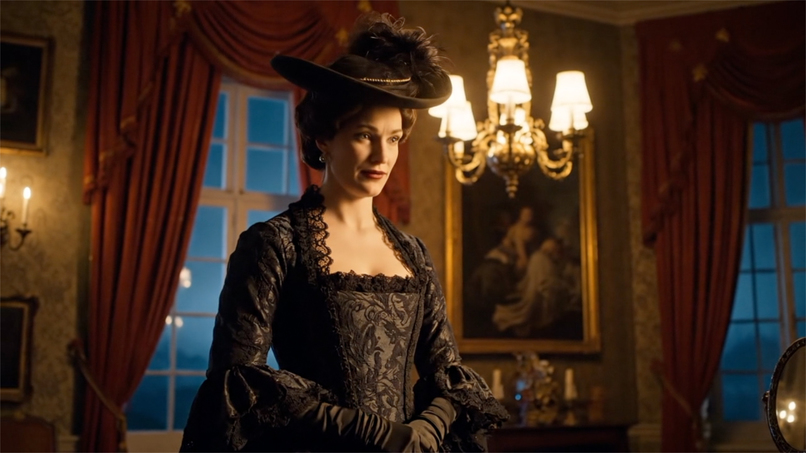
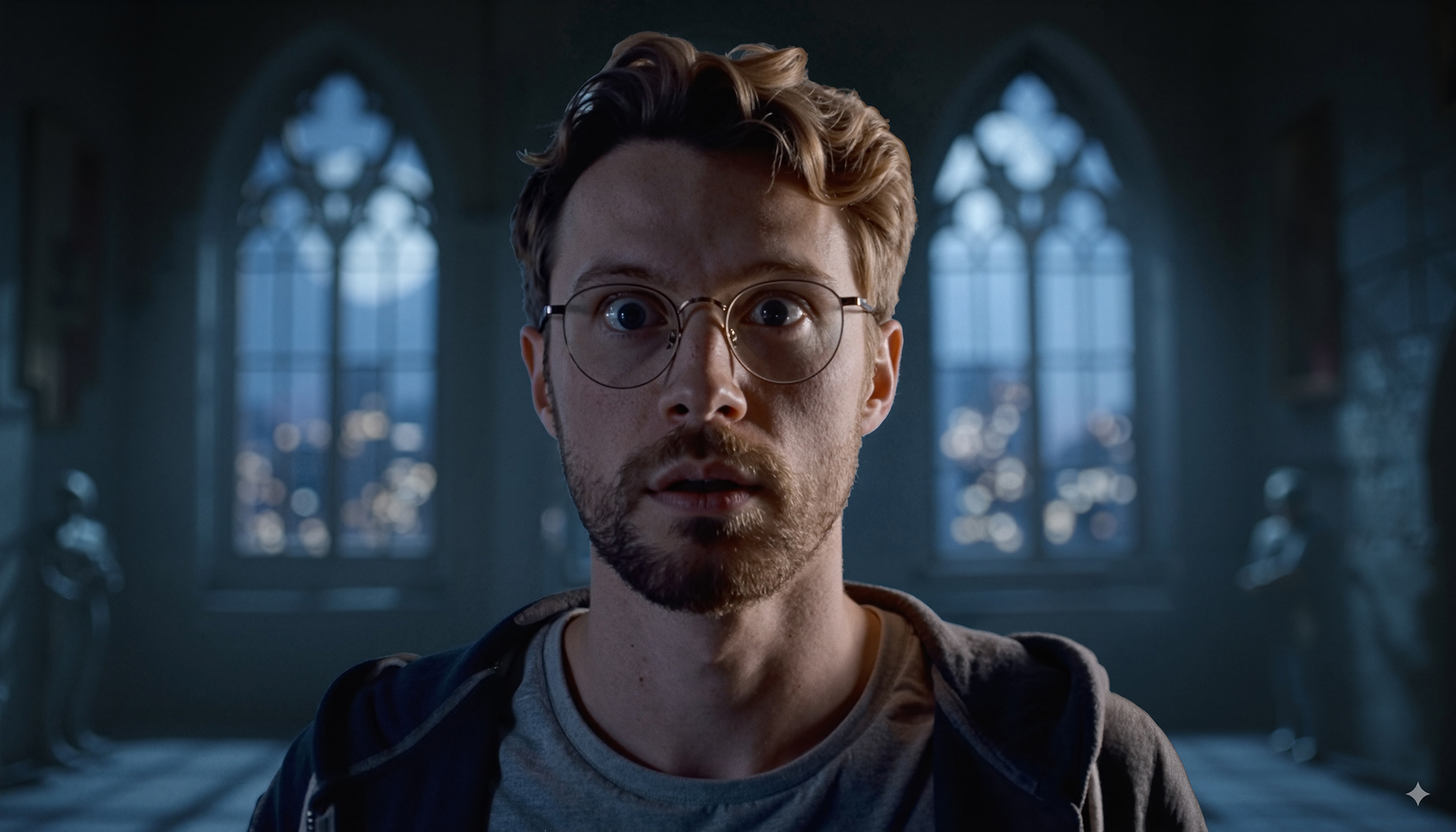
Still fame
-
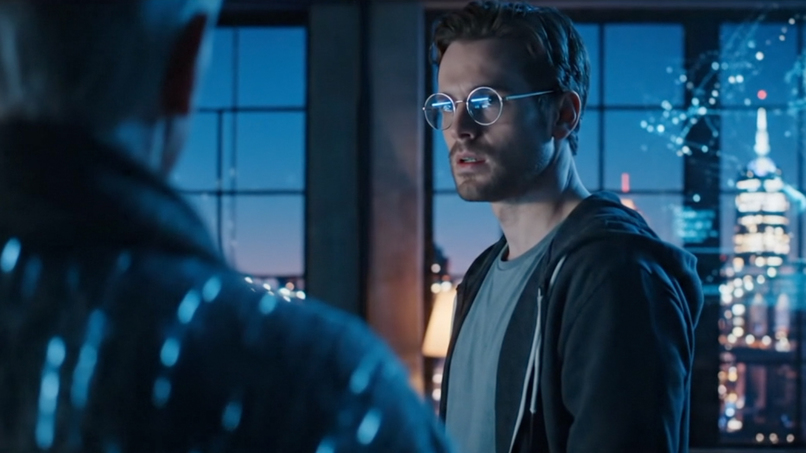
Still frame
-
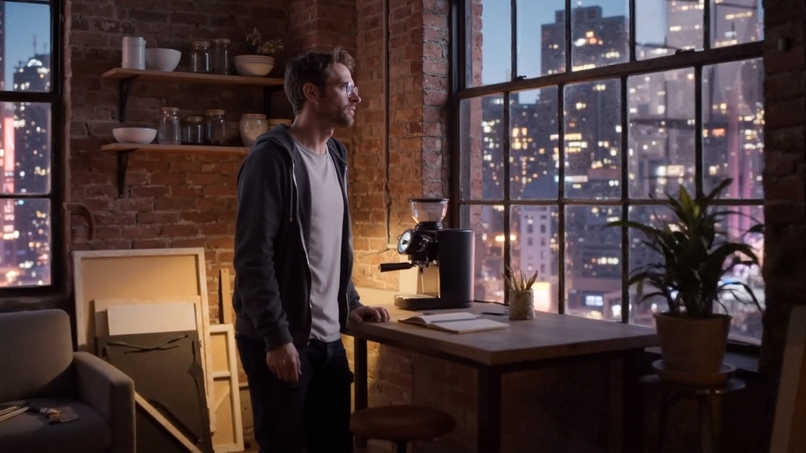
Still frame
-
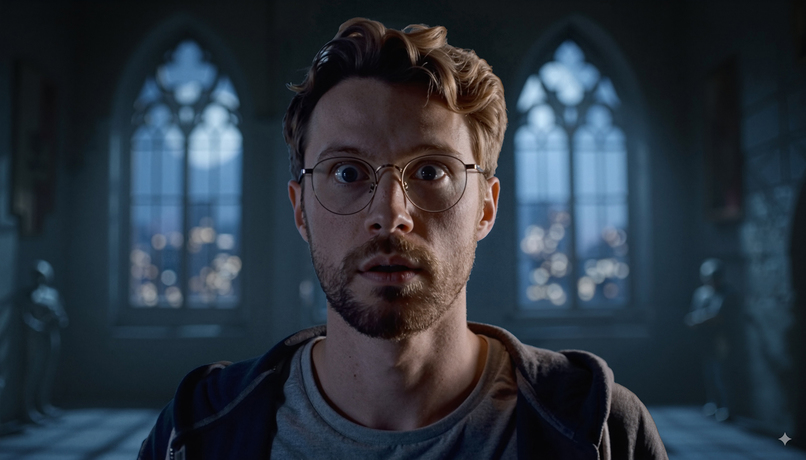
Still frame
-
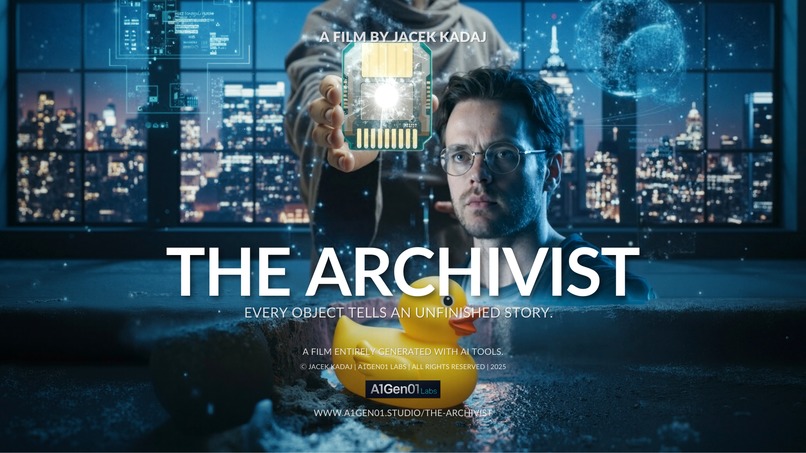
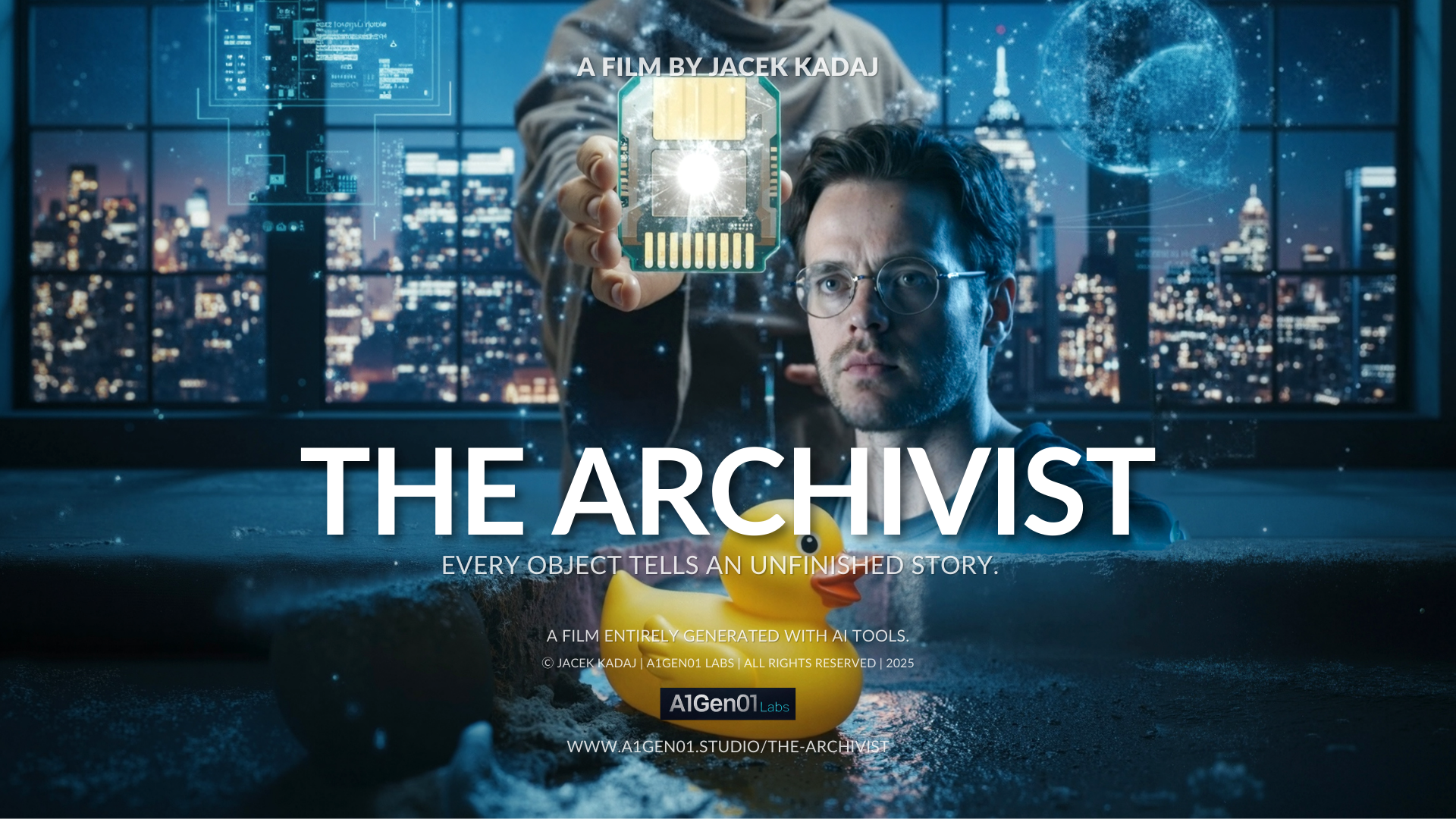
Movie poster
Inspiration
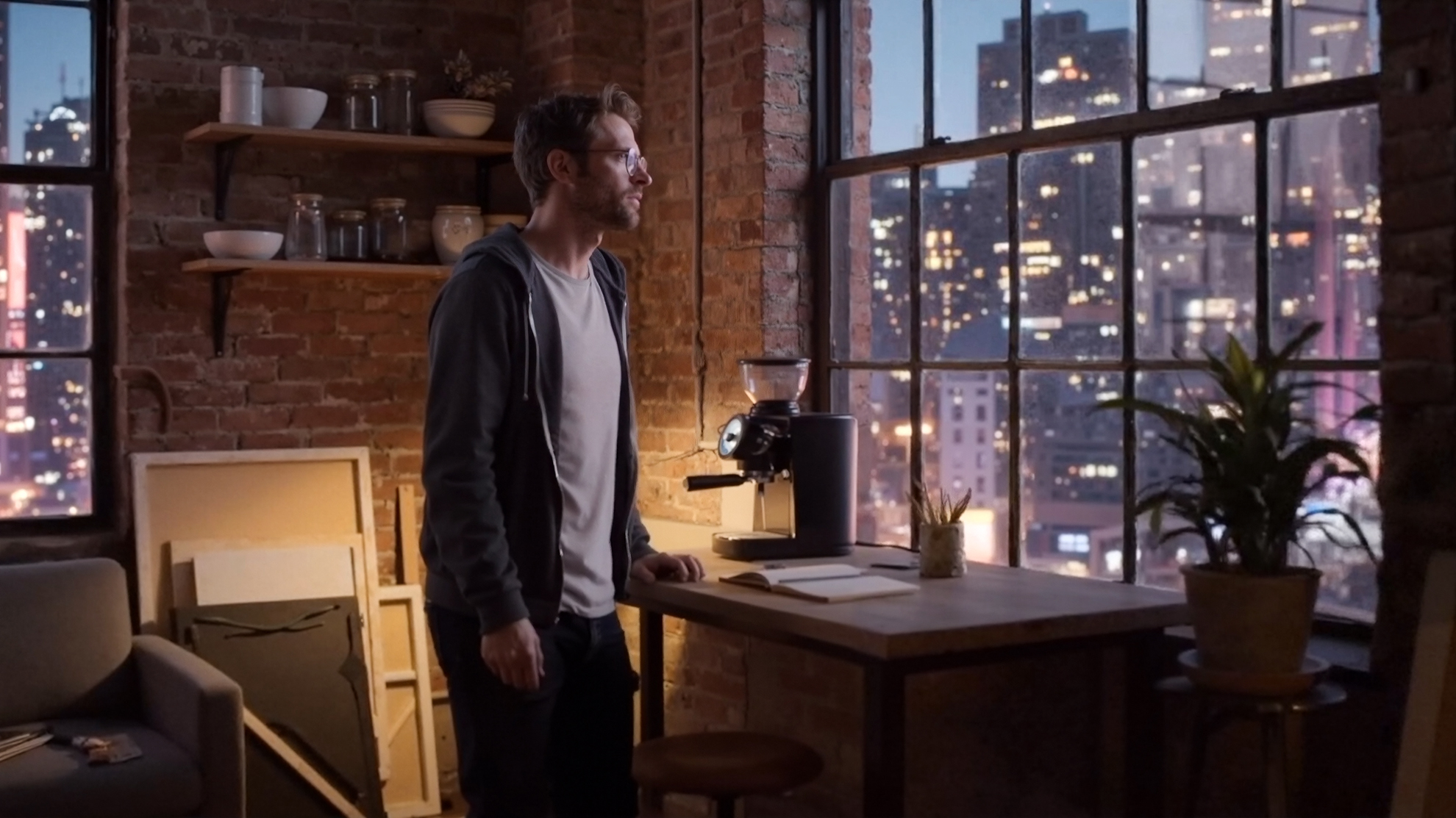
The Archivist began with a simple, absurd spark: the idea that a cheap plastic toy — something so ridiculous and forgettable — could accidentally trigger a collapse of memory, identity, and time. I’ve always been fascinated by the tension between everyday objects and the weight of stories we attach to them. The film grew from a question: What if the smallest, most meaningless object was the doorway to everything we try to forget or preserve? This project allowed me to merge my love for cinema, art history, and generative AI, creating a world where eras collide inside a single New York loft.
What it does
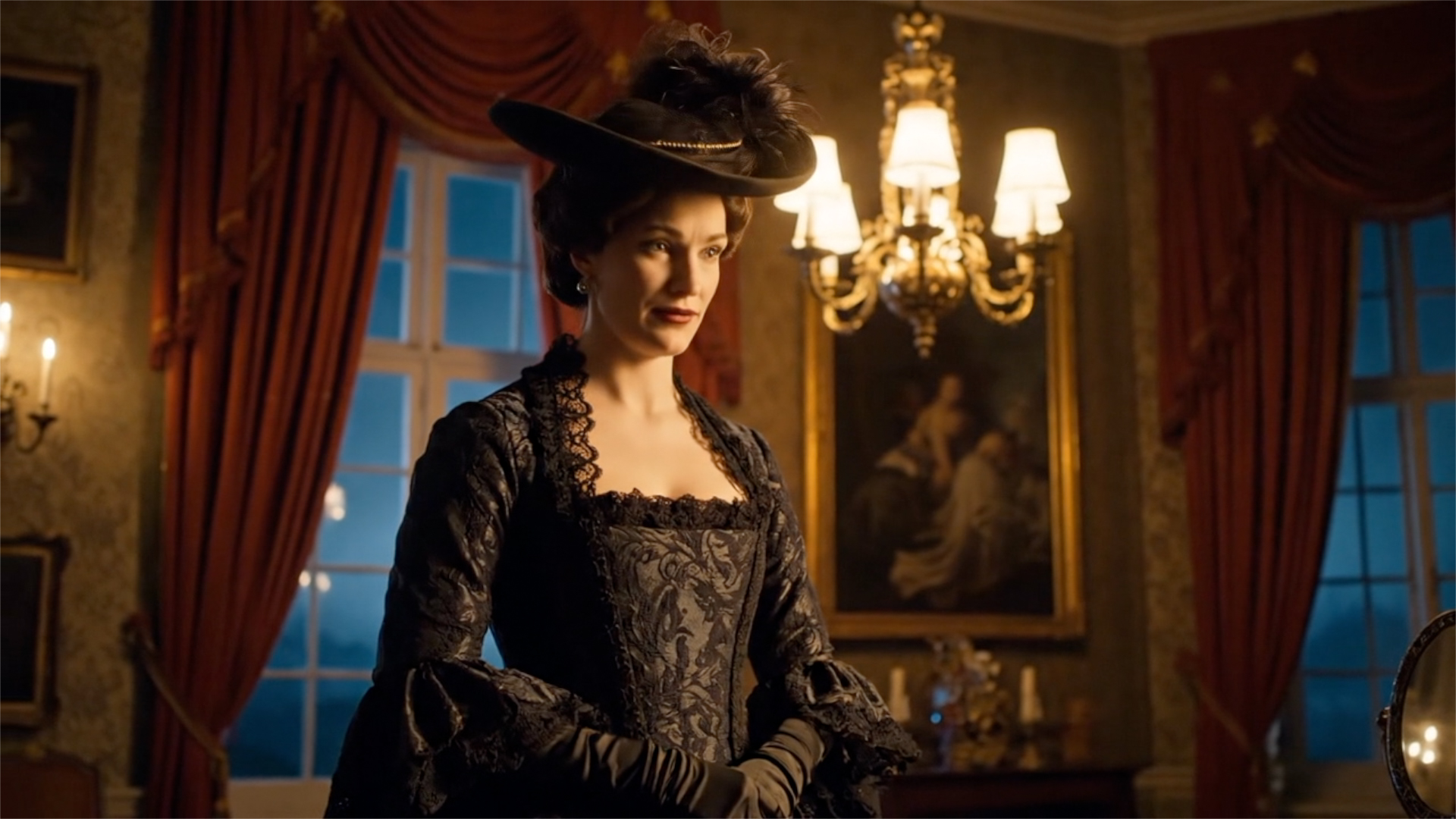
The film transforms an ordinary space into a living archive of memory. As Ted travels through shifting epochs — medieval, Renaissance, Victorian, Art Deco, 1960s, and even speculative futures — each visitor leaves behind an object that reshapes the space. The narrative blends theatrical delivery with surreal transitions, showing how memory is built not from what survives, but from what we let go.
How we built it
The project was created using a combination of Veo 3.1, Kling 2.1 “first & last frame”, and supporting AI tools for continuity, motion, and cinematic coherence. Each scene was meticulously prompted to mimic real cinematography — lenses, lighting, camera movements, and period-accurate design. The editing and sound were crafted to preserve the rhythm of a short, theatrical experience while maintaining a cohesive visual identity across wildly different eras.
Challenges we ran into
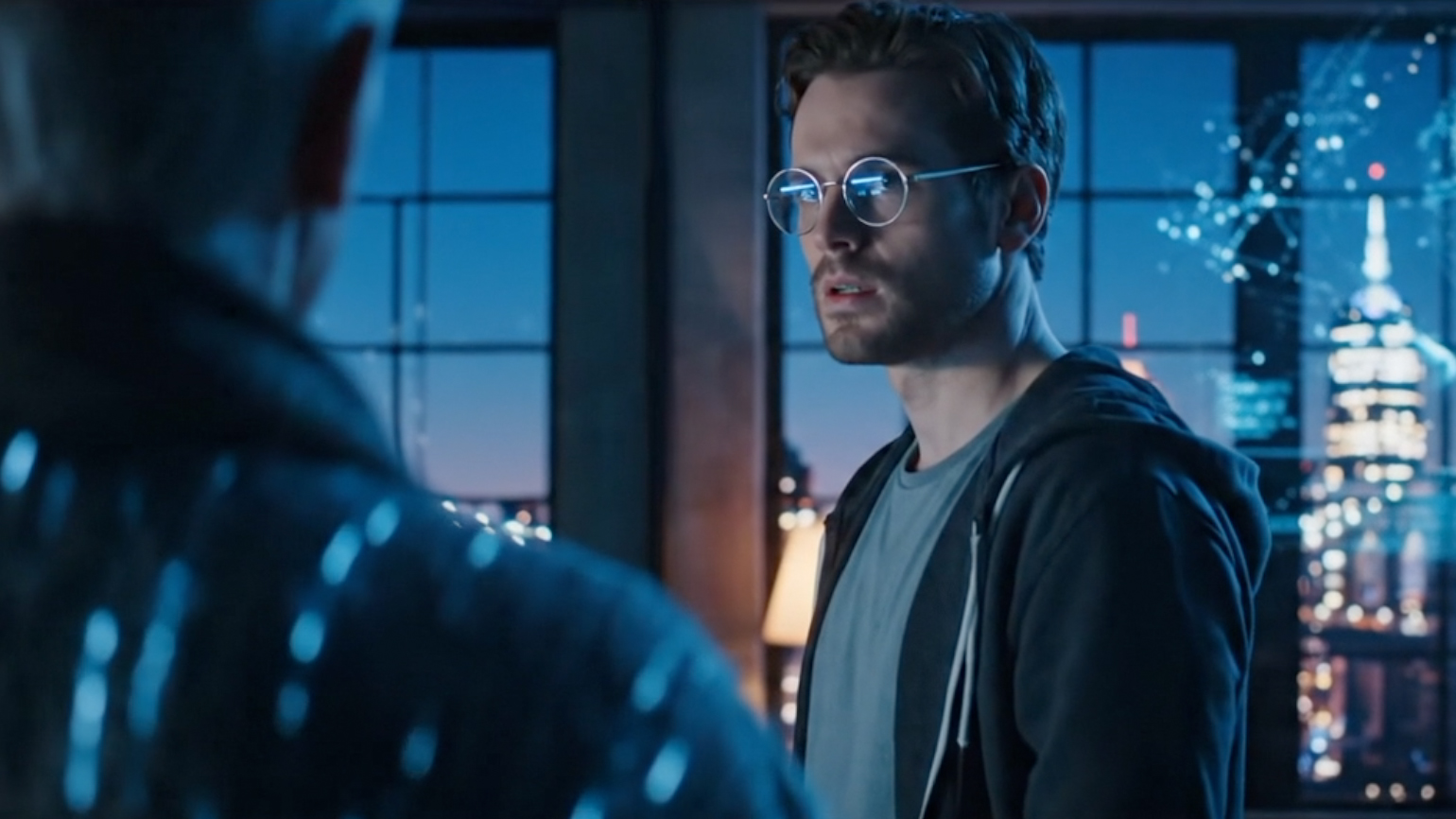
Creating temporal transitions without breaking the visual continuity was the biggest challenge. Each historical setting required a unique aesthetic but had to feel like part of the same physical loft. Generating consistent actors — especially Ted and recurring characters — required multiple iterations and fine-tuned prompting to avoid uncanny jumps. Balancing theatrical dialogue with cinematic pacing was another delicate line to walk.
Accomplishments that we’re proud of
We achieved a seamless hybrid between traditional film language and generative AI aesthetics. The “object archive” motif became unexpectedly powerful, turning disconnected scenes into a coherent emotional journey. I’m especially proud of how the toy duck — originally a joke — became the anchor for both humor and existential weight. Several scenes, including the Art Deco gentleman and the final confrontation with the Archivist, crystalized exactly the tone I envisioned: surreal, poetic, slightly ironic.
What we learned
We learned how far generative tools can be pushed toward real cinematic storytelling — not just spectacle, but tone, character, rhythm, and emotional continuity. We discovered that AI can amplify theatricality rather than erase it, and that embracing imperfections often leads to the most memorable moments. Above all, we learned that storytelling still comes first, no matter how advanced the tools become.
What’s next for The Archivist
I plan to expand this universe into a longer experimental piece exploring the idea of “memory as architecture.” There is room for deeper world-building, new eras, and a broader role for the Archivist as a mysterious custodian of forgotten narratives. I’m also exploring an installation version — an immersive gallery experience where visitors walk through evolving rooms shaped by their own interactions.
Built With
- elevenlabs
- kling
- lumaray3
- midjourney
- seedance
- seedream
- suno
- veo3.1


Log in or sign up for Devpost to join the conversation.