-
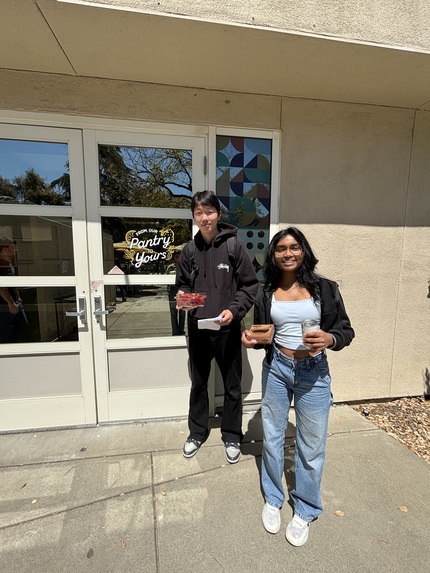
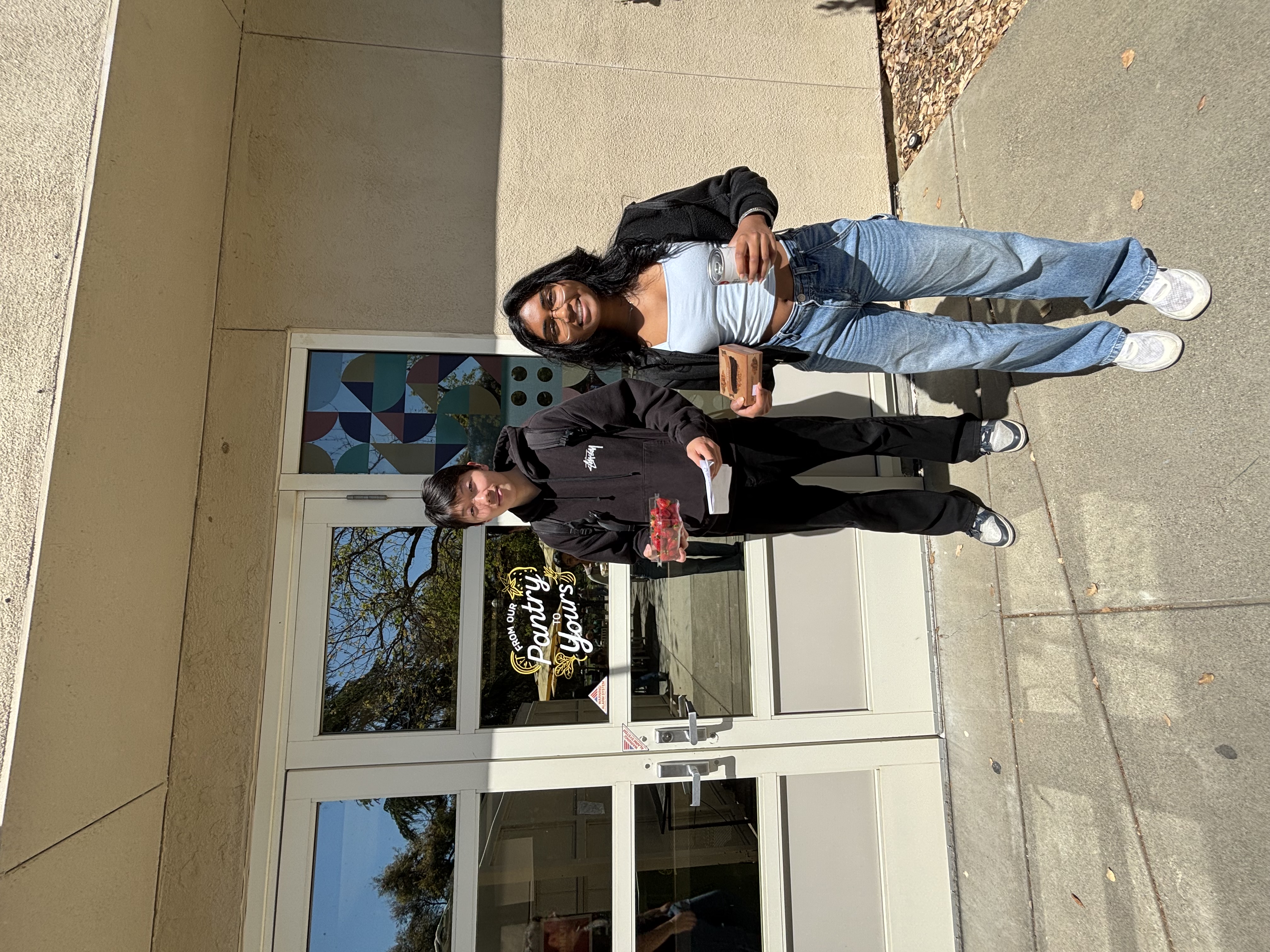
Successful Shopping!
-
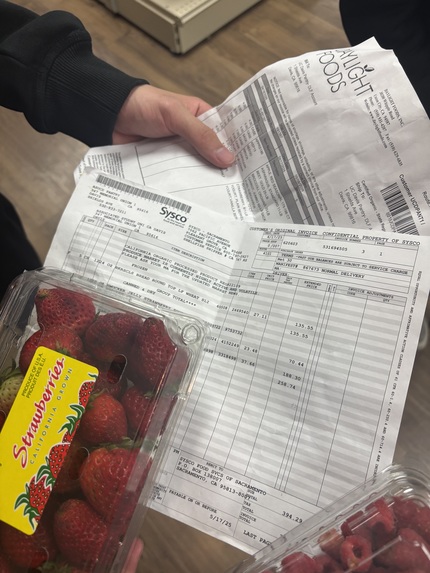
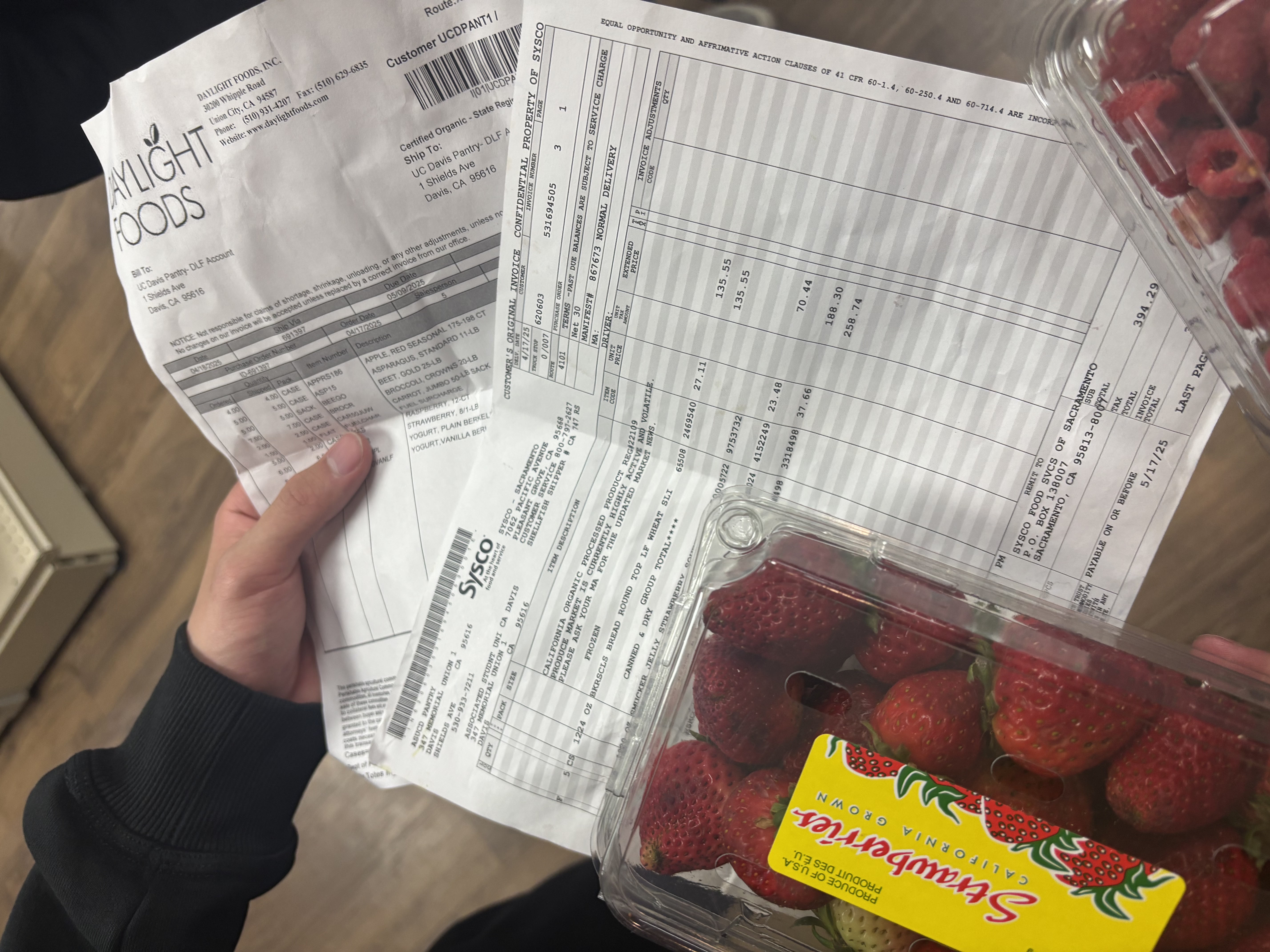
Inventory Invoices + Fruits!
-
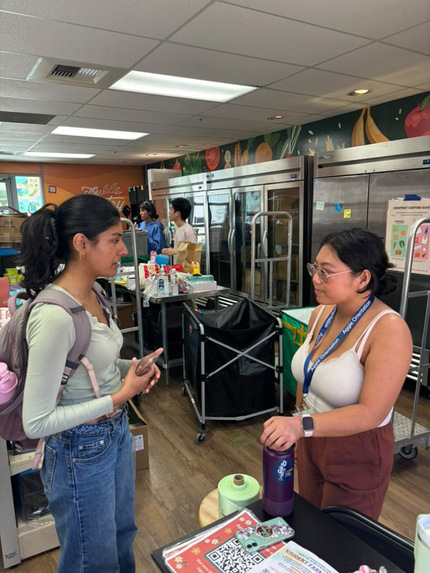
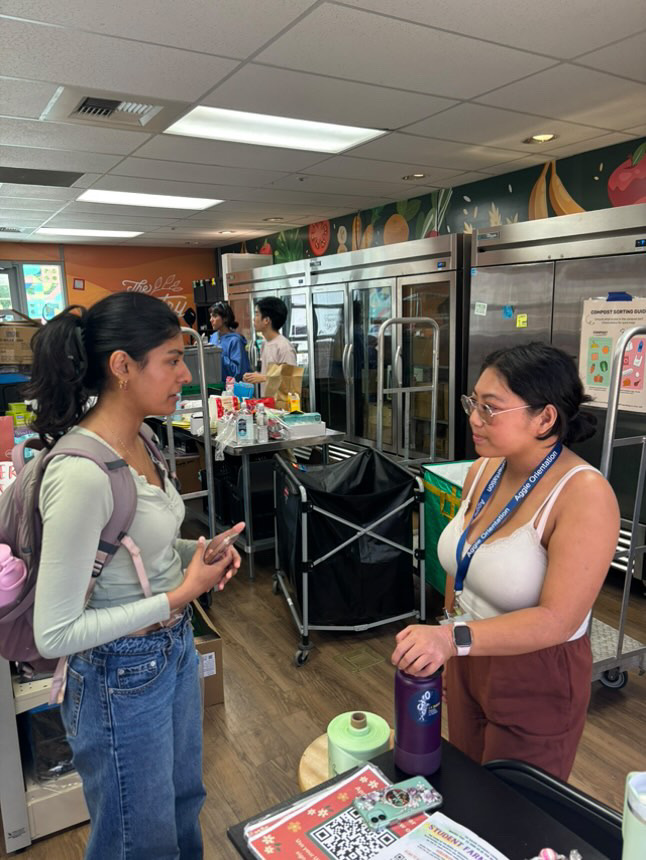
User Interviews!
-
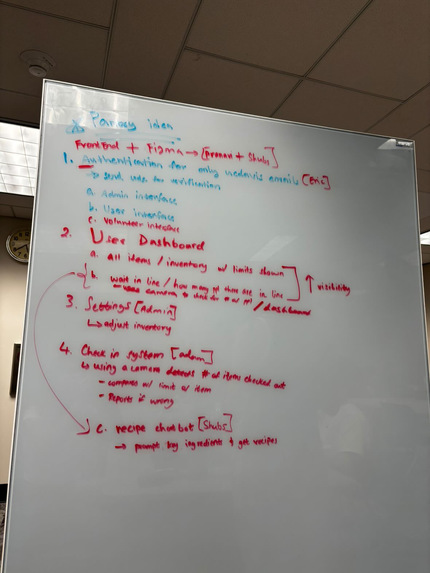
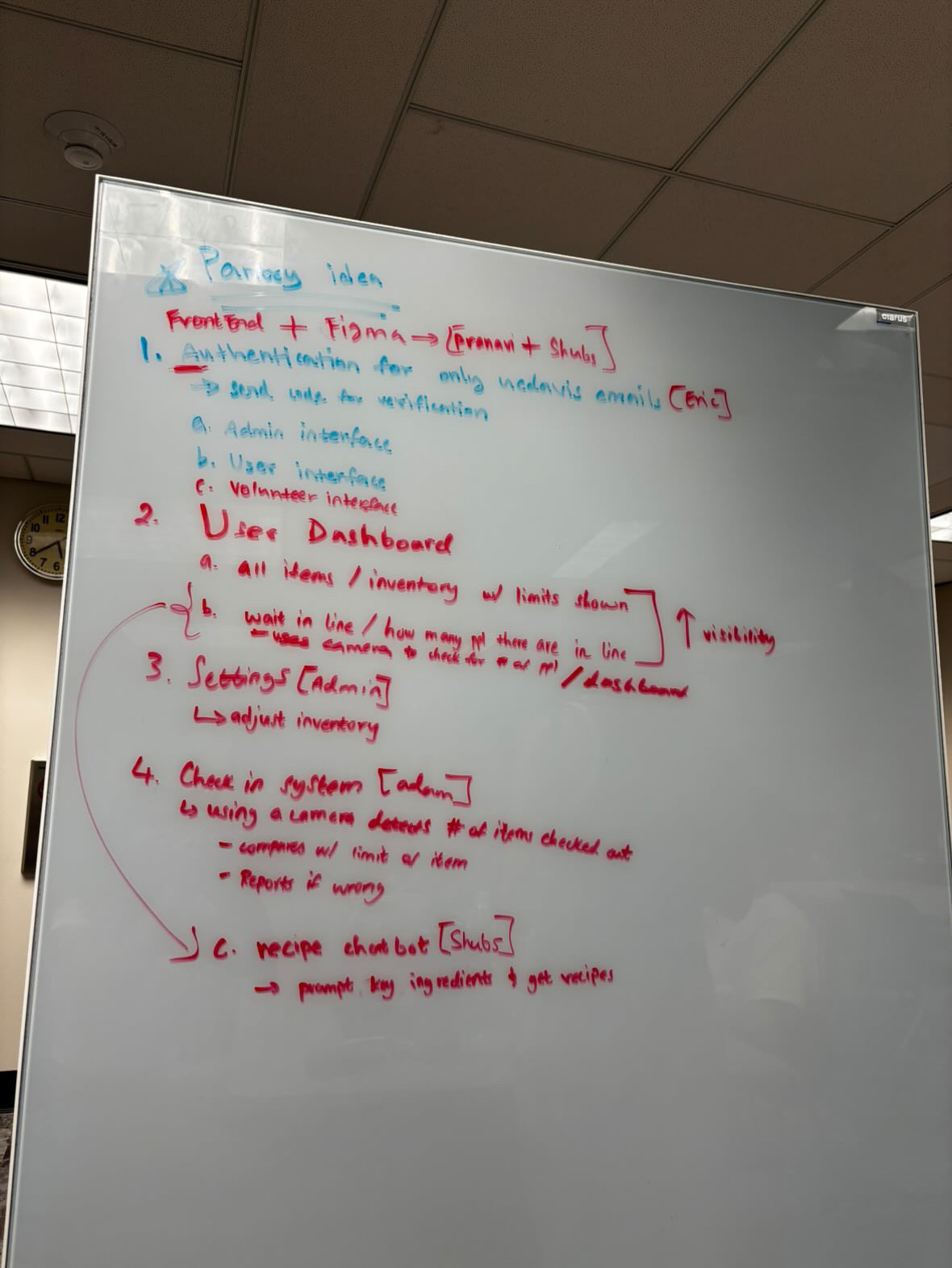
Whiteboard Brainstorm!
Inspiration
Our inspiration came from firsthand experience—one of our team members regularly visits the UC Davis Pantry to pick up fresh vegetables for the week. But some days, they walk out empty-handed because there’s no way to know what’s available beforehand. That frustration isn’t unique—many students face the same challenge, juggling school, work, and basic needs, all while navigating food insecurity in silence.
At the same time, being in the Pantry, we noticed the gaps behind the scenes: volunteers relying on messy Google Sheets, shift leads often working alone, and no clear system for tracking what’s coming in, going out, or how much food is left at the end of the day. It was clear that both students and staff needed something better.
We set out to build a tool that makes food access more visible, equitable, and dignified—while giving Pantry staff and volunteers the structure and support they need to serve hundreds of students every day.
What it does
The Aggie Pantry is a web platform that makes food access at UC Davis more equitable, transparent, and efficient for both students and pantry staff.
For students, especially those from low-income backgrounds, the platform offers a real-time shopping experience where they can browse Pantry and Freedge items with filters for dietary needs (like gluten-free or nut-free), item types (like organic or local), and availability. Each item includes a real photo, so students know exactly what’s available before making the trip, helping reduce stress, guesswork, and the risk of leaving empty-handed.
For pantry managers and volunteers, the platform replaces outdated spreadsheets with a streamlined dashboard that tracks product availability, low-stock alerts, and live inventory data. Staff can manage supplier deliveries (from Sysco, Daylight Foods, and local food banks), log distributions, and visualize trends through interactive charts. Volunteer coordination is also built in, with features for sign-ups, attendance tracking, and absence logging—making shift planning and accountability easier than ever.
We’ve also integrated a recipe chatbot that suggests easy, student-friendly meals using the ingredients currently in stock. To ensure fairness and reduce burden on volunteers, our QR code-powered checkout system uses computer vision to track what each student takes and flag any limit violations, even during peak hours.
The result is a smarter, more supportive system that improves food visibility, reduces operational friction, and helps ensure every student has consistent access to the food they need.
How we built it
Backend: Built with Django REST Framework to provide a robust RESTful API. Deployed using Gunicorn and Nginx via Docker Compose. The service is hosted on a local machine and made publicly accessible using Ngrok.
Frontend: Developed using React, Vite, and TypeScript, with additional UI support from Bolt for rapid interface development.
Computer Vision: We used TensorFlow.js in the frontend to run computer vision directly in the browser, so that it takes computation from the client side and renders much faster. We also implemented a QR code generator and scanner. So that we could track the user's item history from the Manager side.
Authentication: Auth0 handles user authentication. The frontend authenticates users and passes access tokens to the backend. For staff, we enforce multi-factor authentication through a post-login action using CISCO Duo to ensure secure admin access.
Challenges we ran into
We struggled with Auth0 for both frontend and backend. For frontend, we got Auth0 working but that messed up the css before logging in due to the use of cookies by Auth0, so we had to start over multiple times and debug. For the backend, we took some time to understand the mechanism of Auth0 and implementing an authentication class.
We struggled to integrate the recipe chatbot into the actual website as it threw an AggregateError but worked randomly.
We initially built our app and frontend in Next.js due to its efficiency but utilizing resources allowed us to build a Vite application faster so we had to reconfigure our computer vision model and Auth0 to this.
Accomplishments that we're proud of
- We successfully integrated Auth0 with configuration requiring MFA for staff only.
- We implemented a checkout system with some cool computer vision stuff!
- Two of us stayed up for the whole Hackthon!
What we learned
Through this project, we enhanced our leadership, communication, and teamwork skills while diving deep into new technologies. We also gained hands-on experience in debugging, managing complex data flows, and integrating systems to ensure both users and administrators have the tools they need to contribute to a solution that has a real-world impact. We also adventured with technologies we hadn’t worked with before, and some of us were scared to try them, but we learnt to face our fears.
What's next for The Aggie Pantry
We’re just getting started. After validating the platform with students, pantry staff, and volunteers, we’re moving forward with a phased go to market strategy designed to scale impact across UC Davis and beyond: Phase 1: Pilot Launch at UC Davis Pantry We’ll begin with a closed beta at the Pantry, onboarding admins, volunteers, and shift leads. In-app training, signage, and QR codes will guide students to browse items, use the chatbot, and scan items at checkout. Feedback from this phase will help refine usability and core features. Phase 2: Campus-Wide Awareness We’ll promote the platform across campus using flyers, tabling, student newsletters, and partnerships with orgs like the Basic Needs Center. This phase focuses on driving adoption, collecting usage data, and building community trust. Phase 3: Expansion & Open Source Once stable at UC Davis, we aim to open-source The Aggie Pantry and collaborate with other universities, food banks, and mutual aid groups. Our goal is to create a reusable framework for digital pantry infrastructure that improves access and dignity across campuses nationwide. The Aggie Pantry isn’t just a platform—it’s a movement toward smarter, more human-centered food assistance.
Built With
- auth0
- azure
- cisco-duo
- coco-ssd
- django
- django-rest-framework
- qr-code
- react
- typescript


Log in or sign up for Devpost to join the conversation.