-
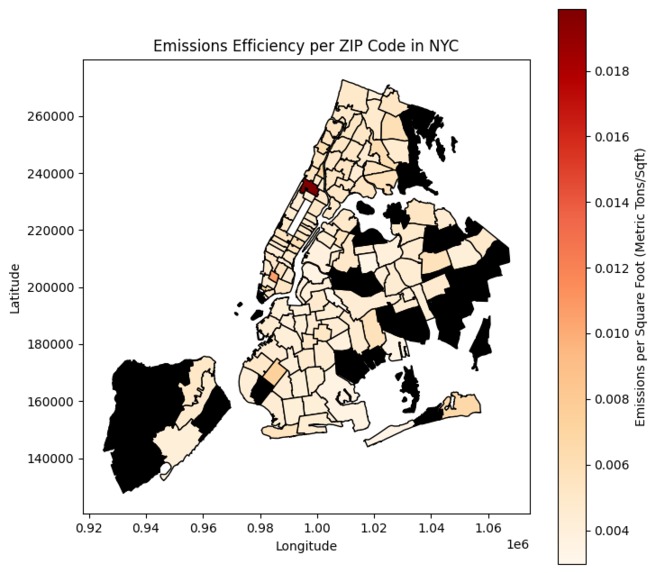
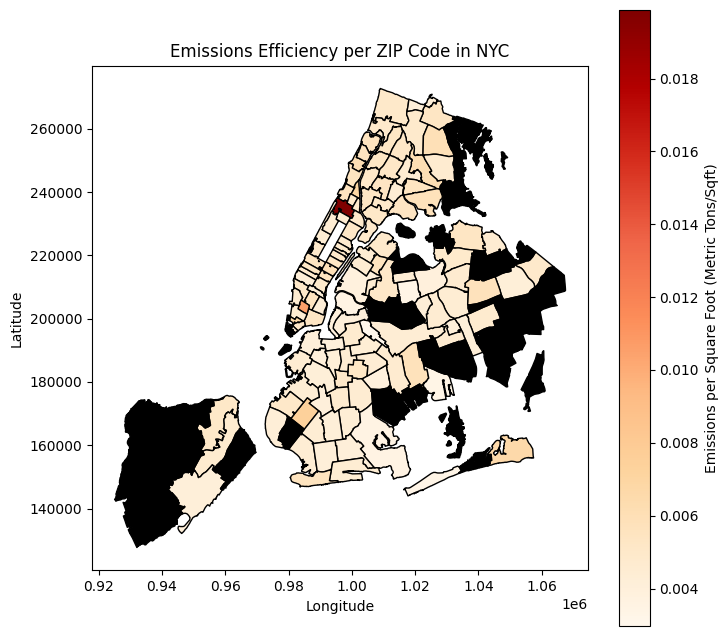
Emissions Efficiency per ZIP Code in NYC
-
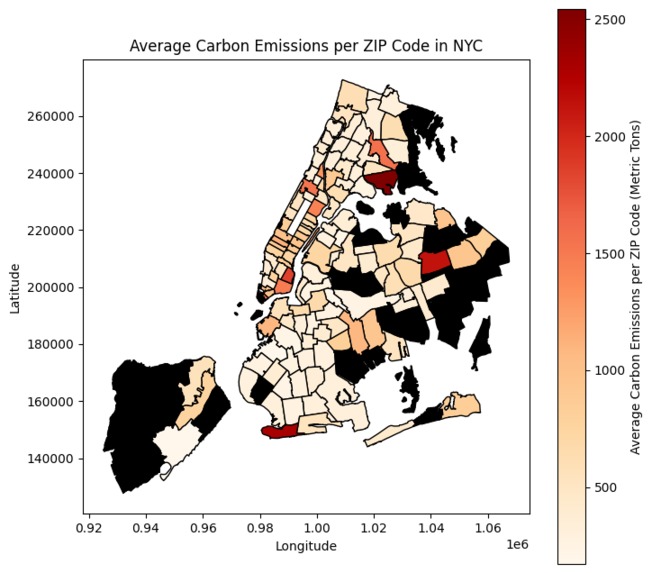
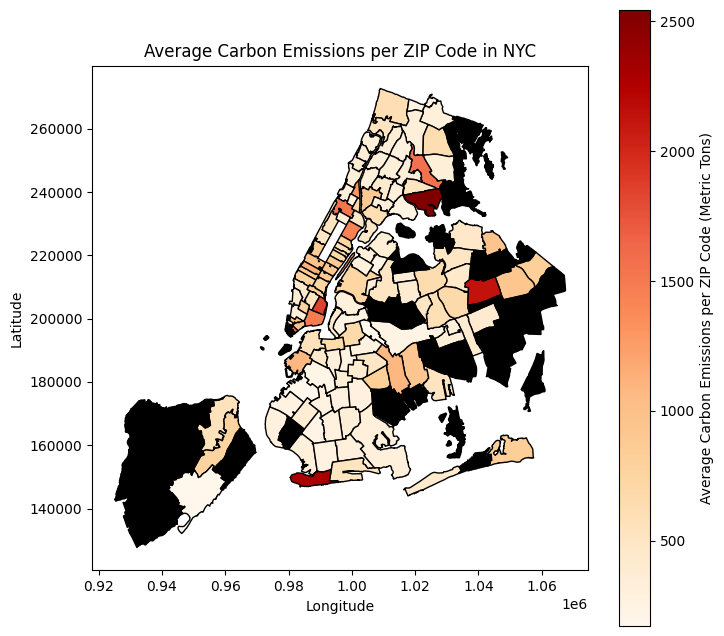
Average Carbon Emissions per ZIP Code in NYC
-
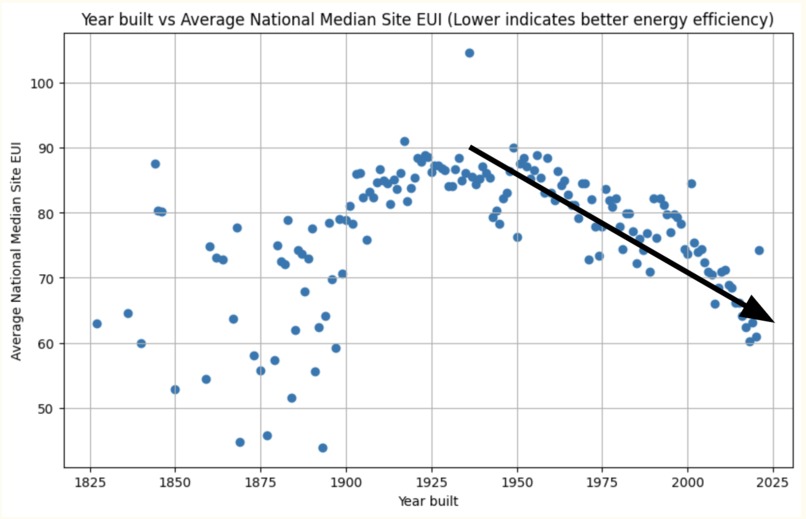
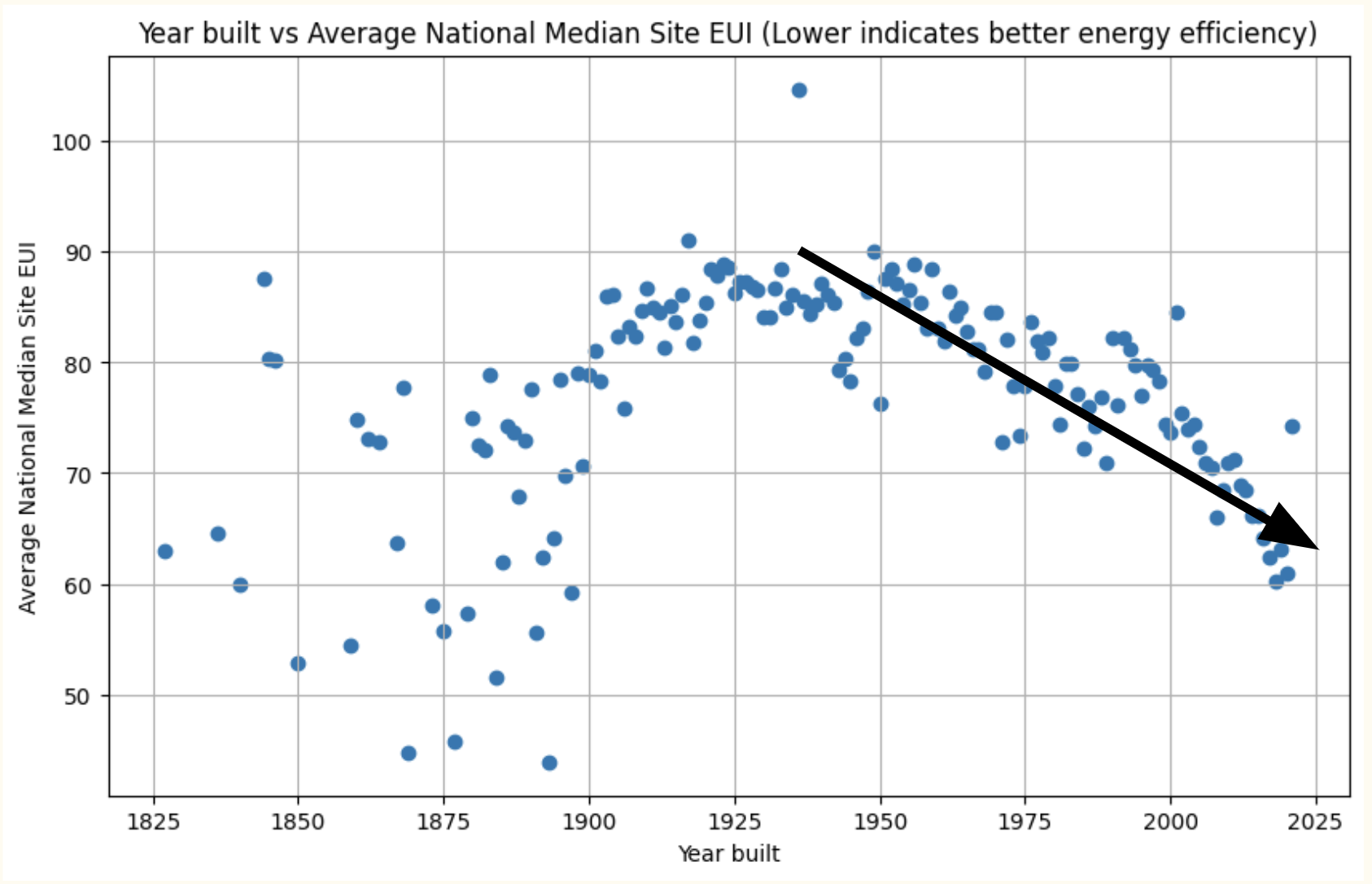
Year built vs Average National Median Site EUI (Lower indicates better energy efficiency)
-
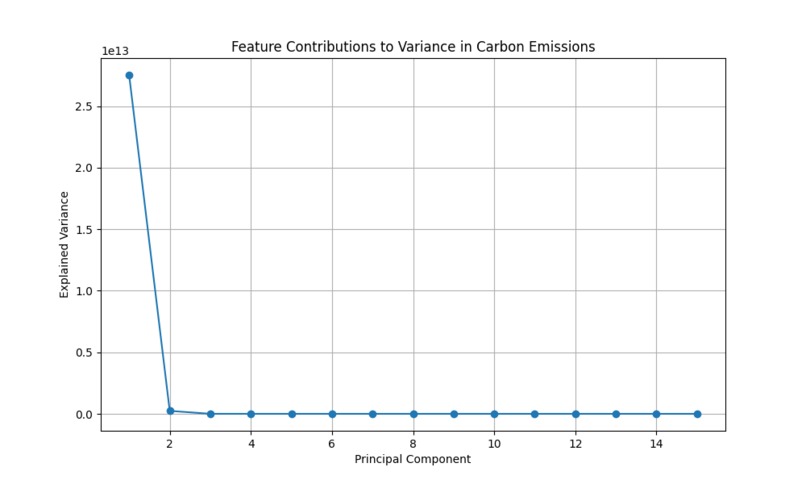
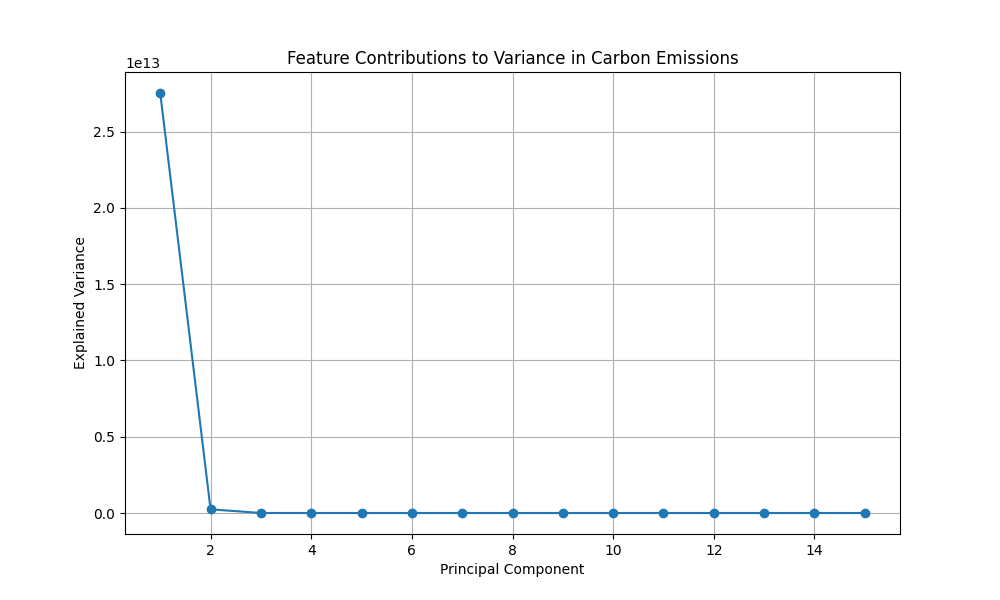
eigenvalues_explained
-
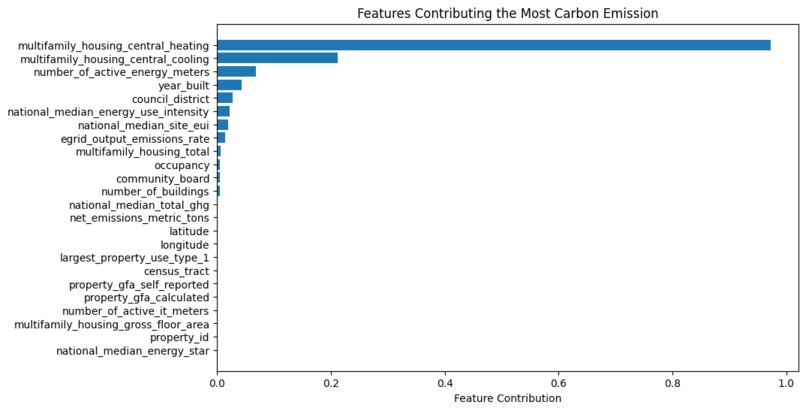
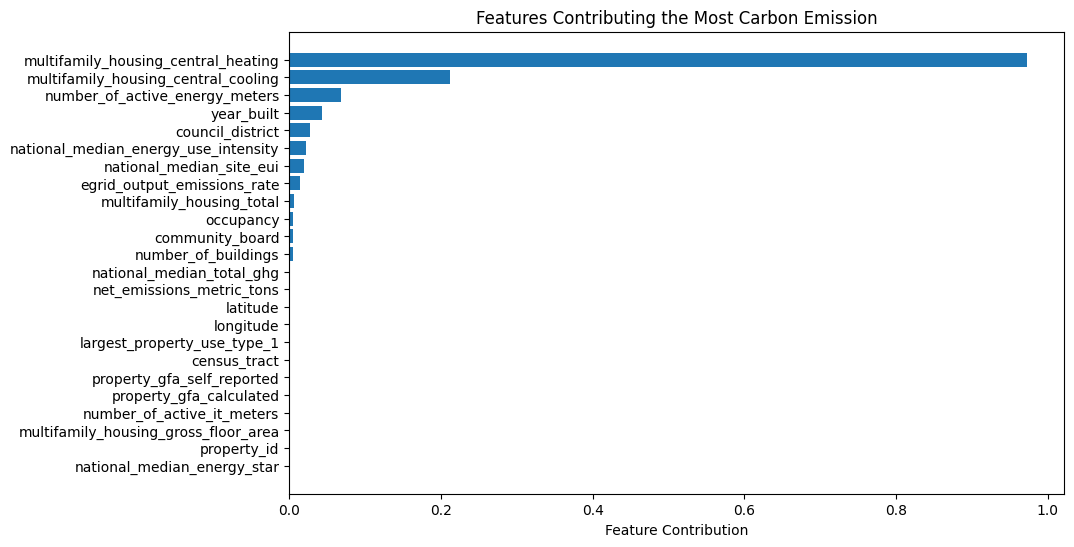
feature_PCA_explained
-
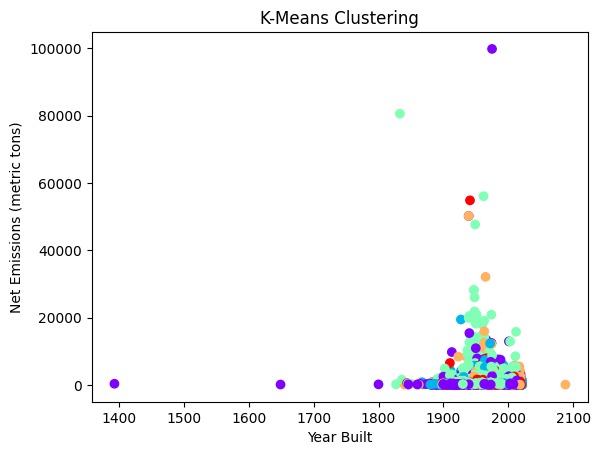
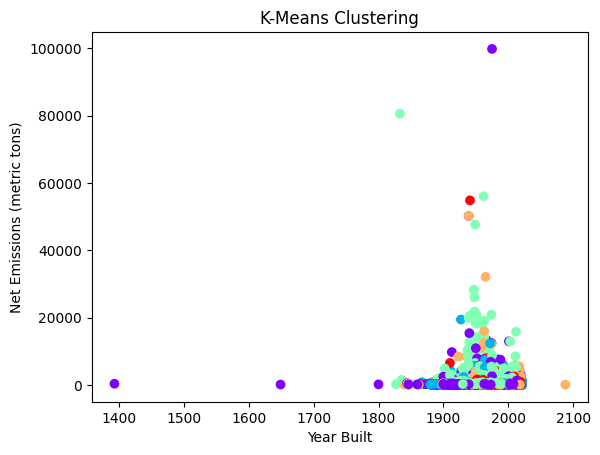
k-mean-cluster
-
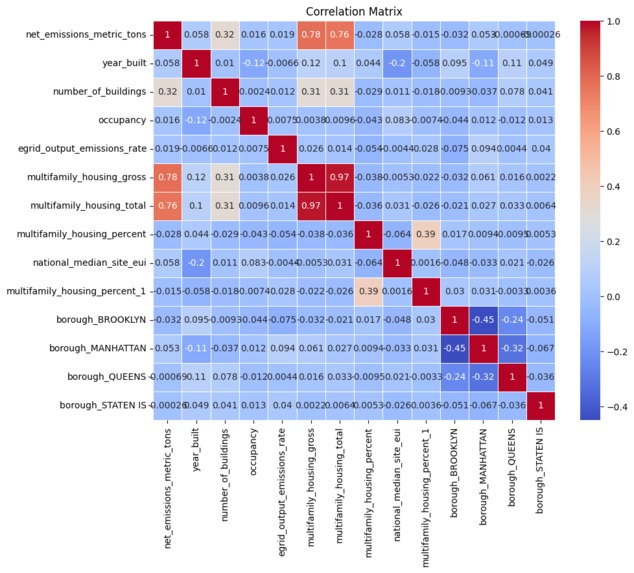
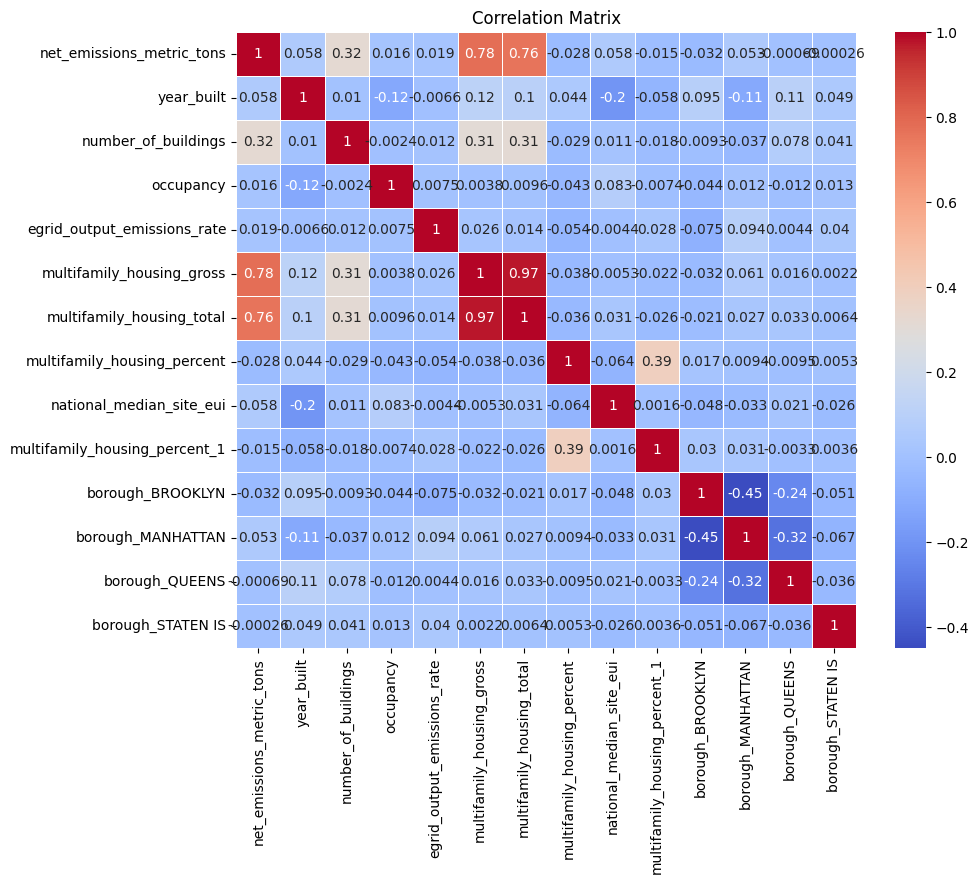
Correlation Matrix of Our Features
Inspiration
New York City's unwavering commitment to environmental sustainability served as our inspiration. With buildings responsible for over 70% of the city's emissions, the 2010 mandate to disclose energy and water consumption data created an opportunity. We were driven to harness data for a greener future.
What It Does
Our project leverages NYC's building data to pinpoint structures with disproportionately high carbon footprints compared to their size. We developed a metric to evaluate building carbon footprints, considering energy, water consumption, and other factors. Our analysis identifies high-impact buildings and provides data-driven sustainability recommendations.
How We Built It
- Data Preprocessing: Clean, transform, and prepare data, addressing missing values, standardizing units, and ensuring data quality.
- Exploratory Data Analysis (EDA): Discover patterns, trends, and anomalies in the data, exploring energy and water consumption variations across different building types and locations.
- Carbon Footprint Assessment: Develop a metric for evaluating building carbon footprints, accounting for energy and water consumption, size, and other factors.
- Identify High-Impact Buildings: Use data analysis to spot buildings with unexpectedly high carbon footprints relative to their characteristics.
- Regression Analysis: Perform regression analysis to build predictive models for net emissions.
- Recommendations for Sustainability: Offer data-driven suggestions for reducing carbon footprints, including energy efficiency enhancements and water conservation.
- Visualizations and Reporting: Create clear visualizations and reports for building owners, city officials, and stakeholders to facilitate decision-making.
Challenges We Ran Into
- The Data preprocessing was time-consuming, and the complexity of the dataset presented its own hurdles. The hardest part was definitely feature selection given the highly correlated features in the data retrieved from their API.
- Developing a robust carbon footprint assessment metric required careful consideration. We needed to ensure that our recommendations were actionable and not overly technical.
Accomplishments That We're Proud Of
Our project led to significant accomplishments, including the identification of high-impact buildings and data-backed recommendations for enhanced energy and water efficiency. We contributed to improved environmental sustainability, reduced greenhouse gas emissions, and increased public awareness.
What We Learned
Our project yielded valuable insights. Notably, Specific zip codes, like 10027 and 10279, had alarmingly poor building efficiencies, underscoring the need for immediate attention. We learned that, for reducing NYC's carbon footprint, creating new eco-friendly buildings was often more effective than renovating older structures. Central heating or cooling was a key factor influencing building emissions, surpassing the significance of the construction year.
What's Next for Enhancing NYC Building Sustainability
Our project represents a critical step toward a greener NYC. The next phase involves working closely with building owners and stakeholders to implement our recommendations. We aim to measure the real-world impact of our data-driven strategies and continue to contribute to NYC's sustainability goals.


Log in or sign up for Devpost to join the conversation.