-
-
-
Ride history
-
Logs
-
Student
-
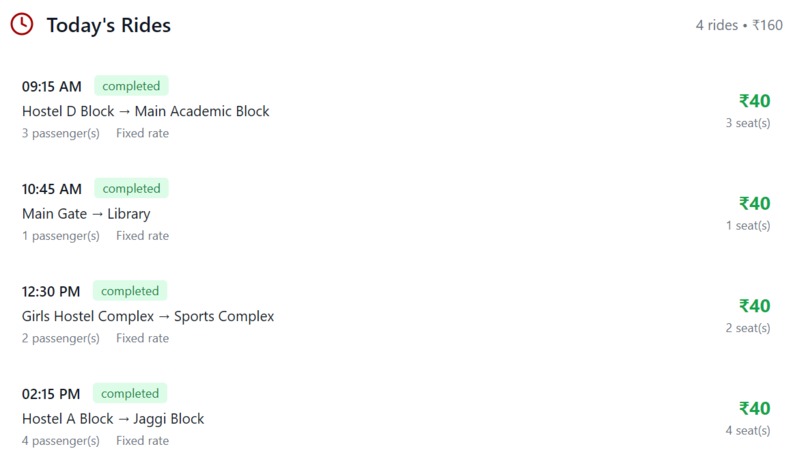
Rides
-
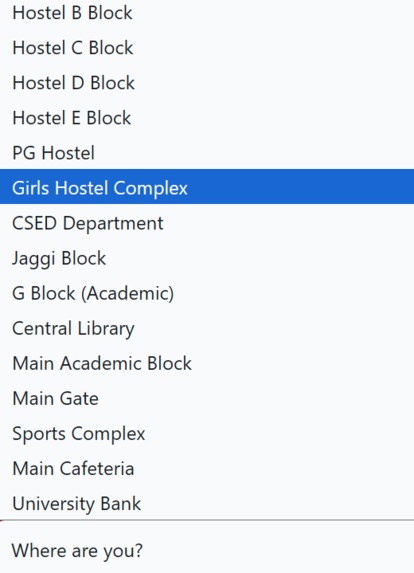
Locations
-
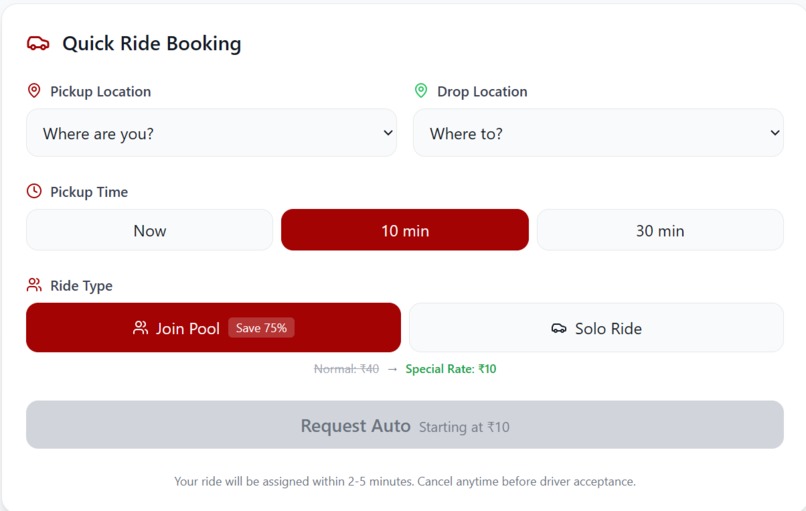
Ride Booking
-
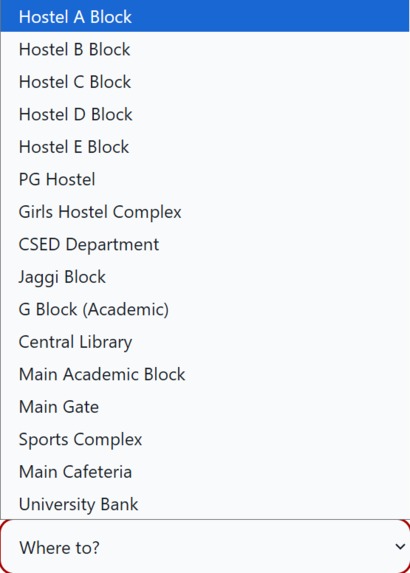
Destinations
-
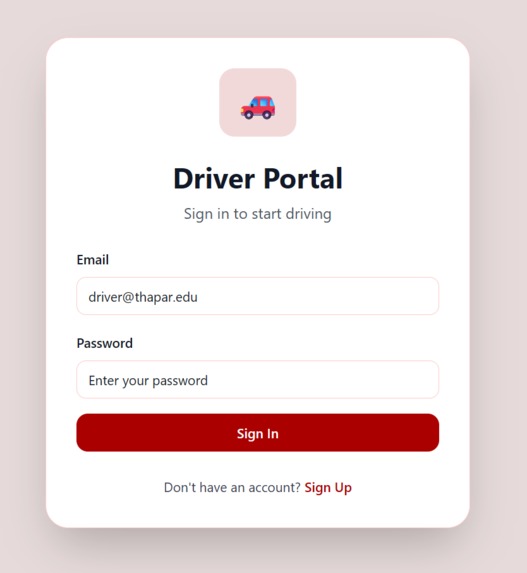
Driver
-
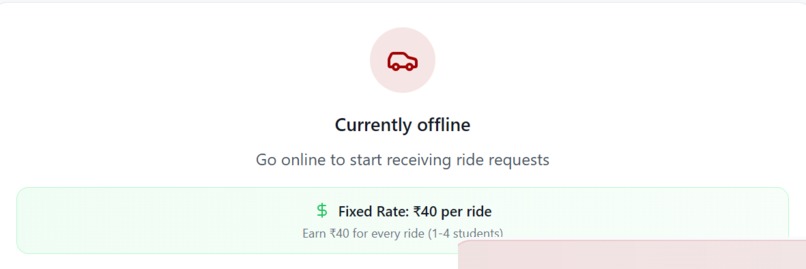
Driver off duty
-

Driver details
-
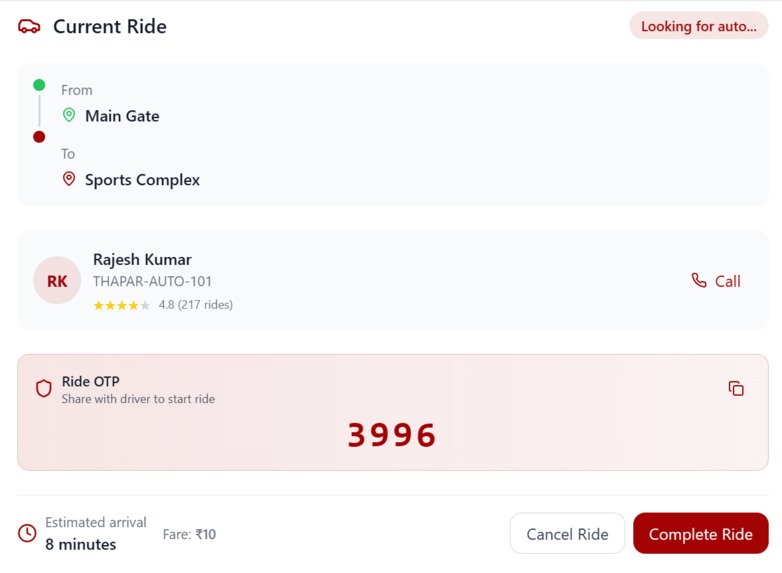
Ride Status
-
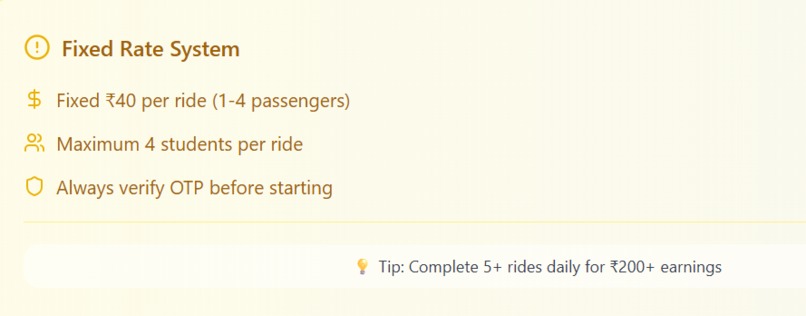
Rule
-
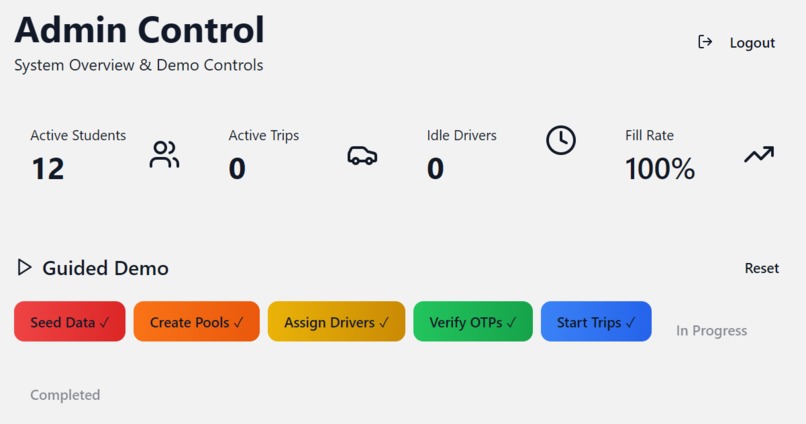
Admin
-
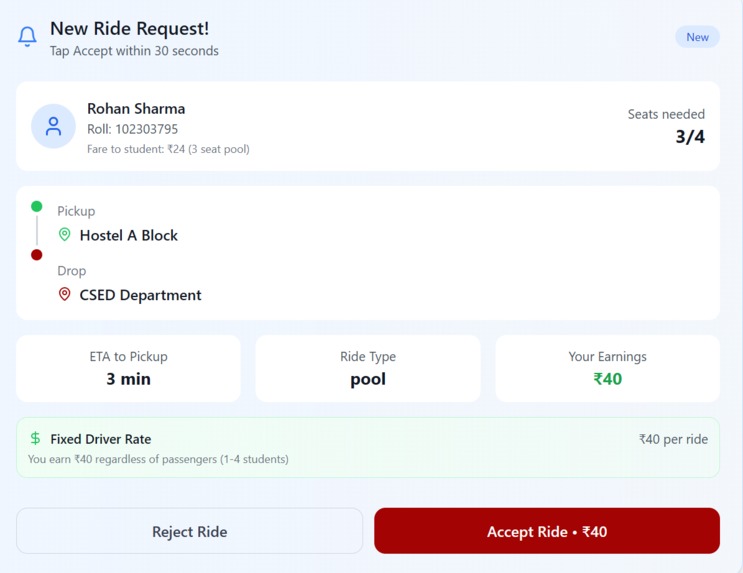
Incoming Ride
-
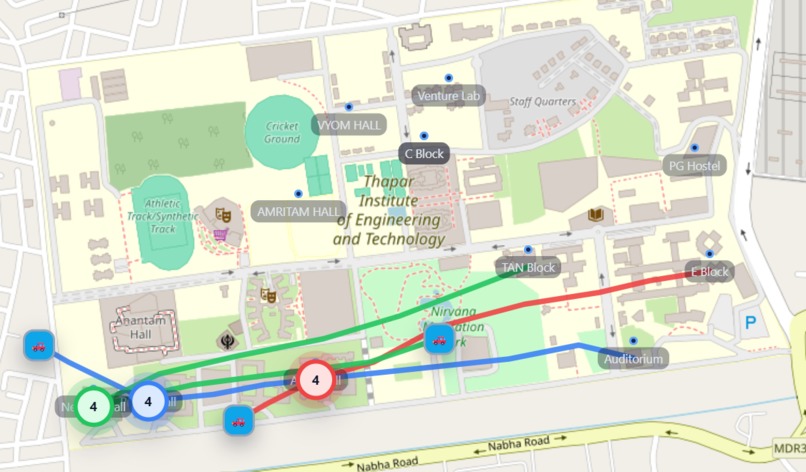
Live tracking
-
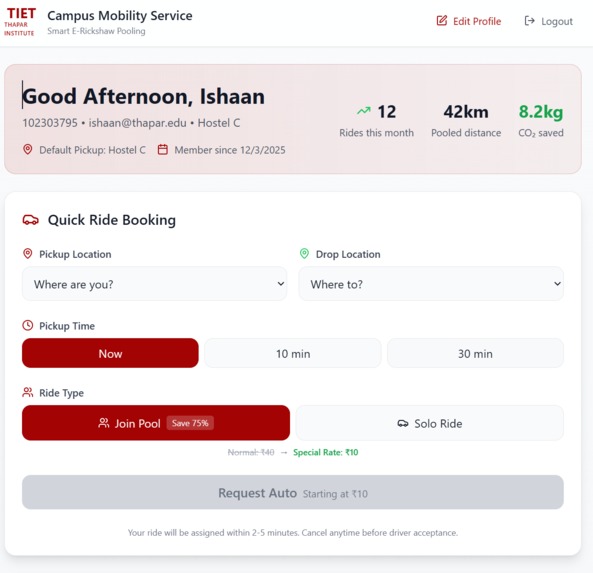
Student portal
-
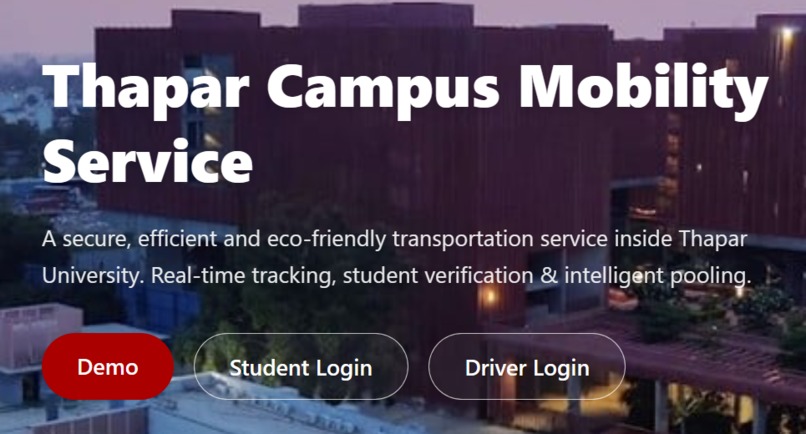
Dashboard
-
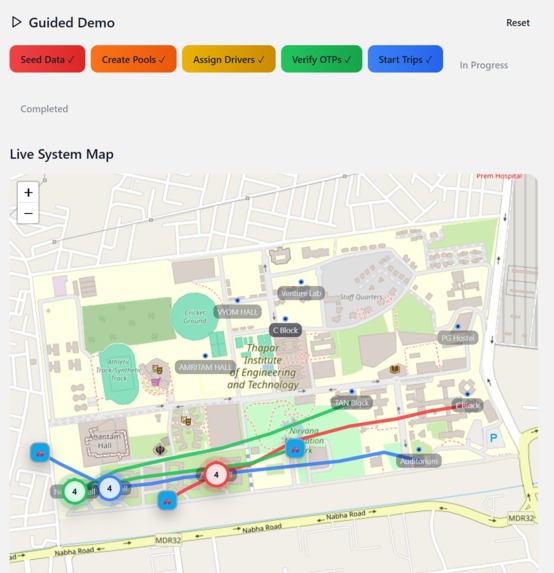
Demo

Campus Ride – Smart E-Rickshaw Pooling System
A modern mobility platform designed for university campuses
University campuses often experience mobility challenges such as long walking distances between academic blocks, uncertainty in e-rickshaw availability, safety concerns, and the absence of a structured pooling system. Campus Ride was conceptualized to address these issues by providing a unified, technology-driven mobility solution that feels as seamless as modern ride-hailing platforms, but tailored specifically for students, drivers, and administrators.
How We Built It
Campus Ride was developed following a structured Software Engineering lifecycle (SRS → DFD → UML → Development → Testing → Deployment).
Frontend Technologies
- React (Vite + TypeScript)
- Tailwind CSS and ShadCN UI
- Zustand for global state management
- Framer Motion for refined UI transitions
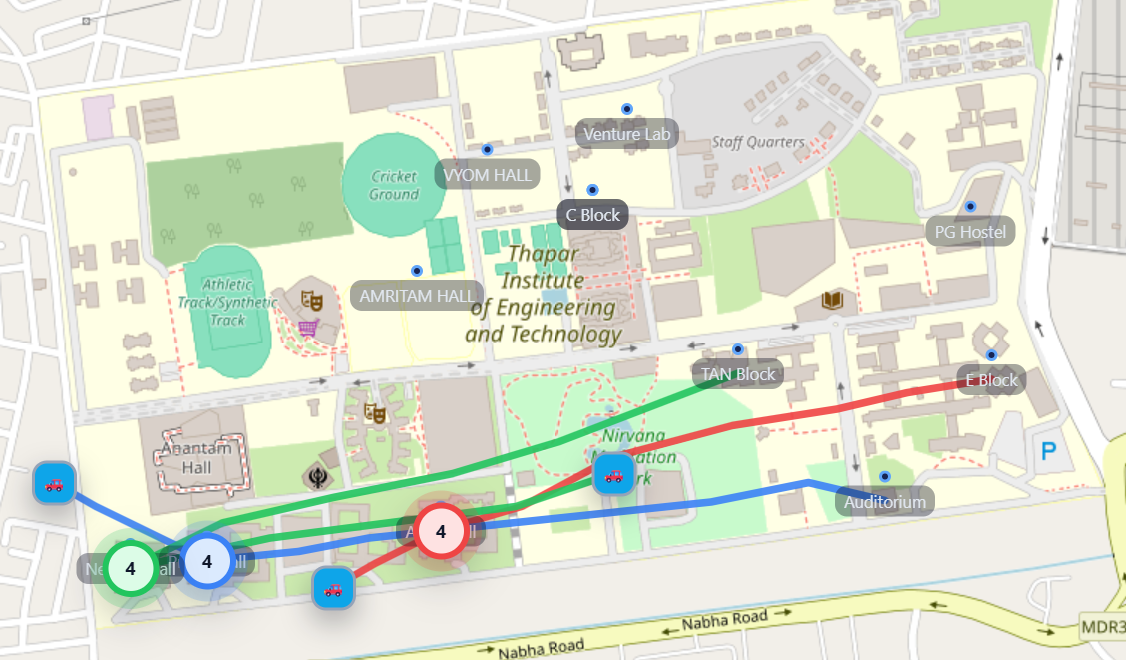
- Leaflet JS for map rendering and routing
Backend & Authentication
- Firebase Authentication
- Firebase Firestore for user metadata, ride records, driver details, and locations
Deployment
- Vercel for production hosting
The project uses a modular and scalable folder structure:
src/ ├── components/ (MapPanel, UI components) ├── pages/ │ ├── auth/ (Student, Driver, Admin authentication) │ ├── StudentDashboard.tsx │ ├── DriverDashboard.tsx │ └── AdminDashboard.tsx ├── store/ (Zustand global state, AuthContext) ├── lib/ (firebase.ts configuration) ├── App.tsx └── main.tsx
What the System Does
Student Module
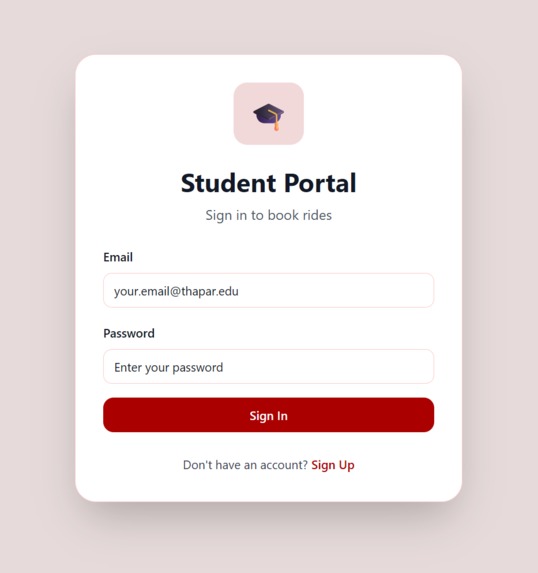
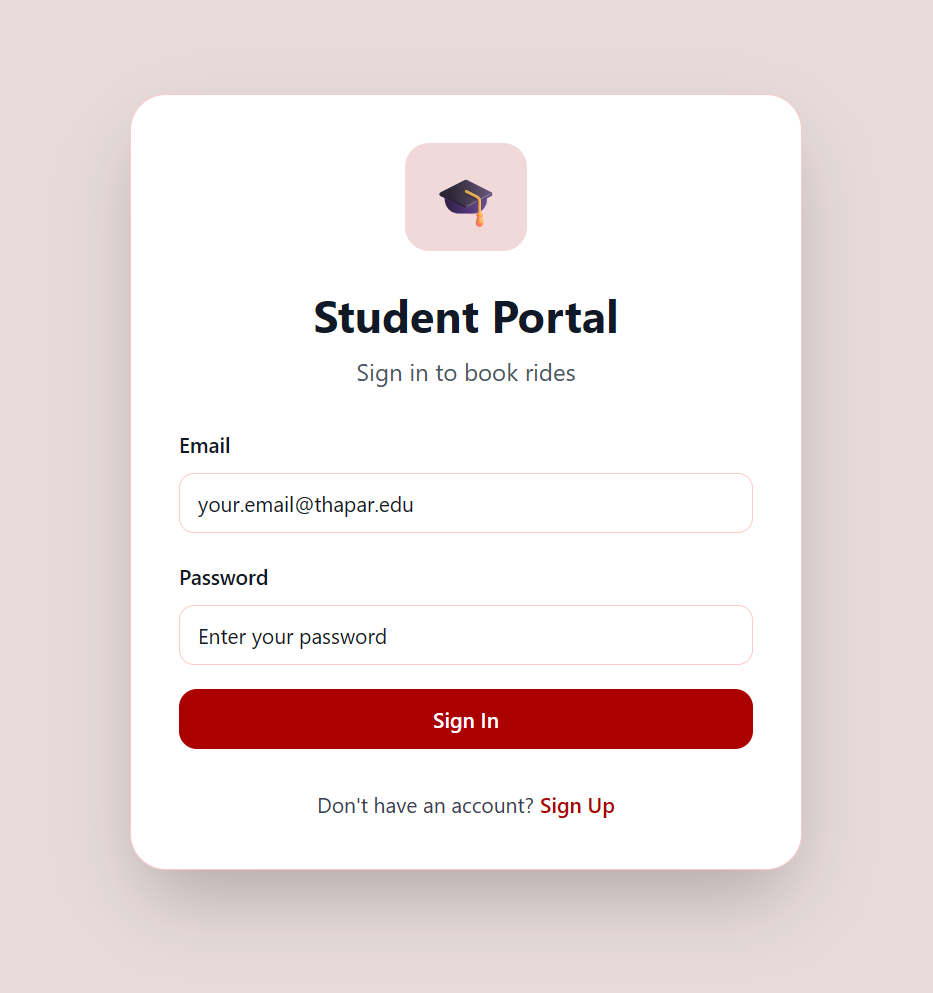
- Secure sign-up / sign-in using Firebase
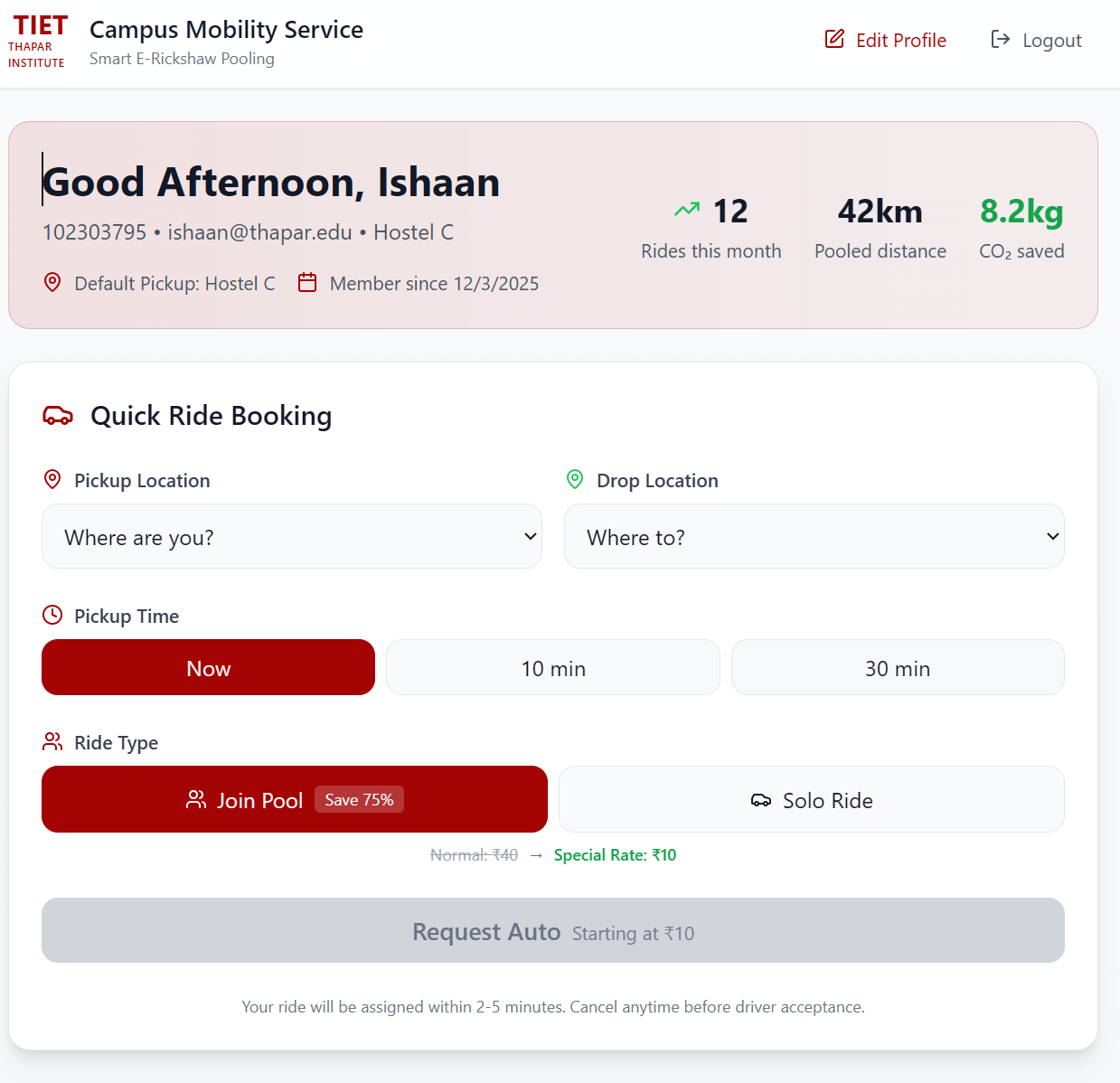
- Personalized dashboard displaying name, roll number, and email
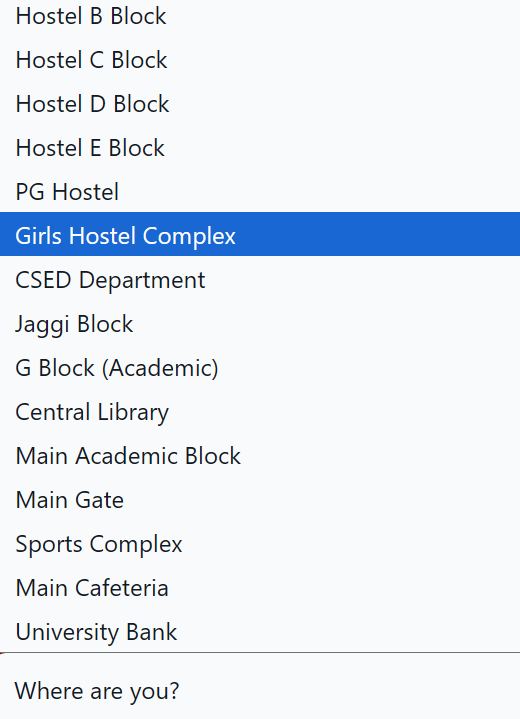
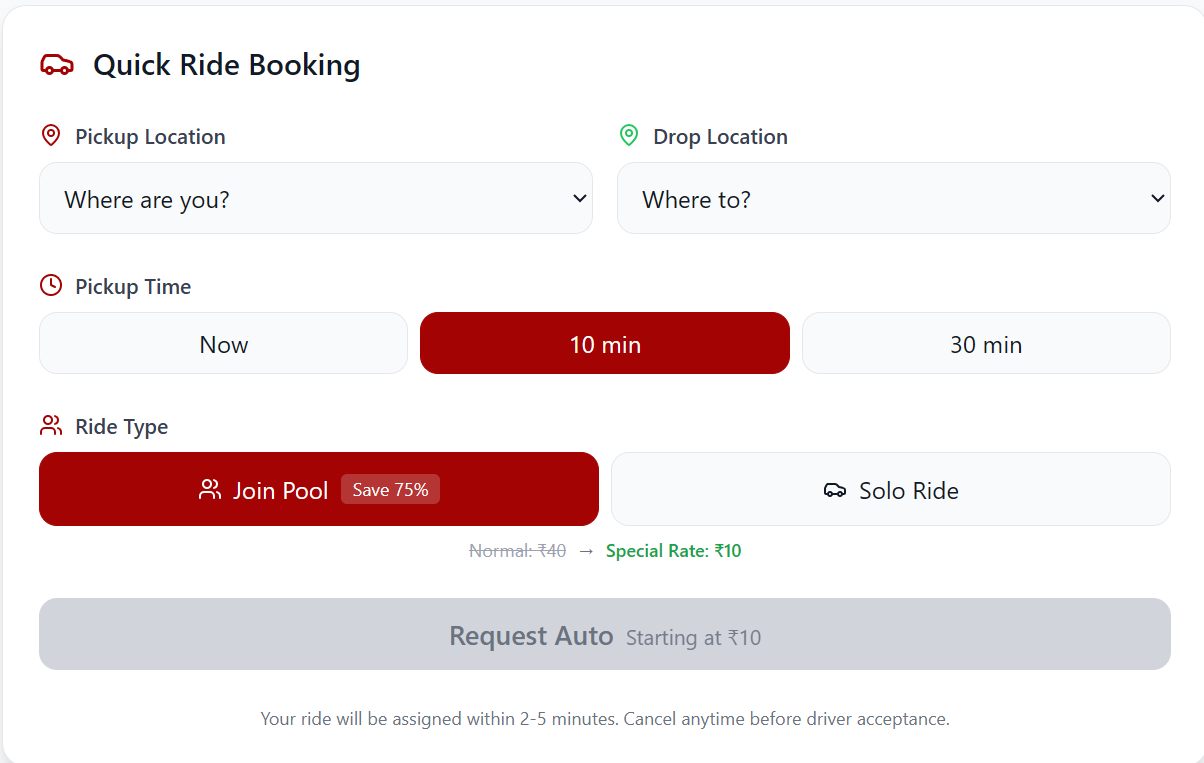
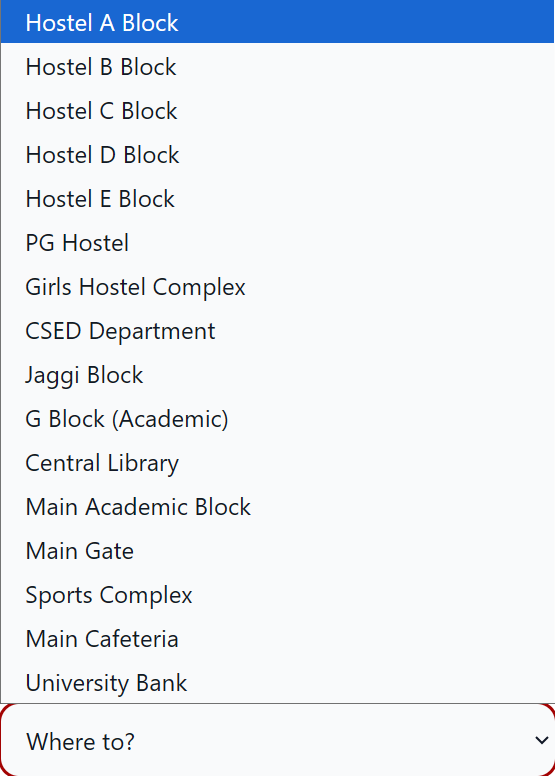
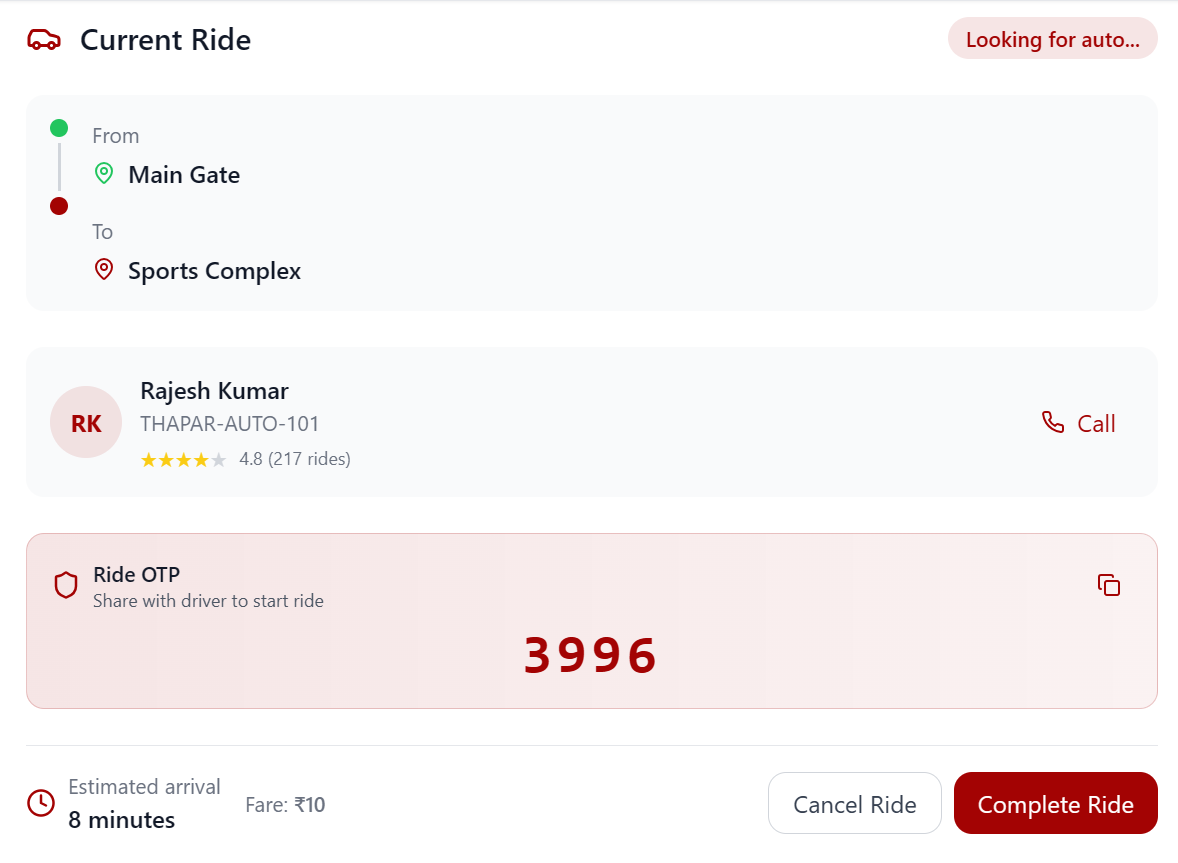
- Ride booking with pickup, drop, time preference, and ride type (pool or solo)
- Real-time ride status and assignment
- Live map view showing driver's route
- OTP-based boarding verification
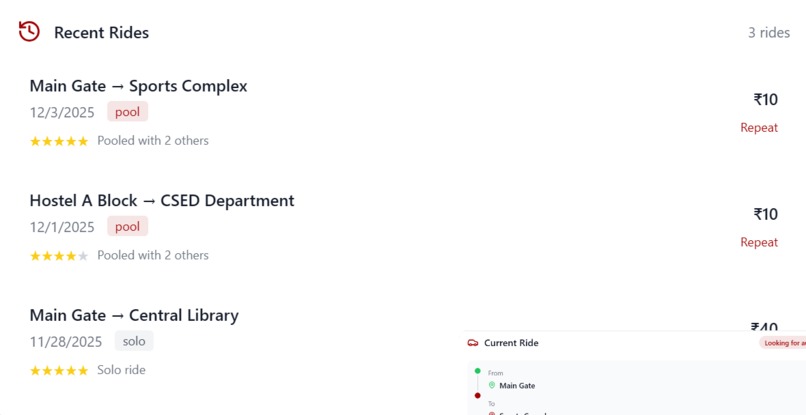
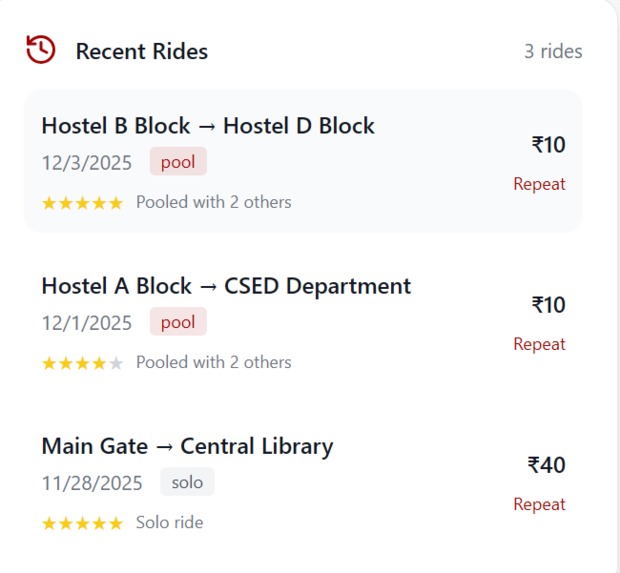
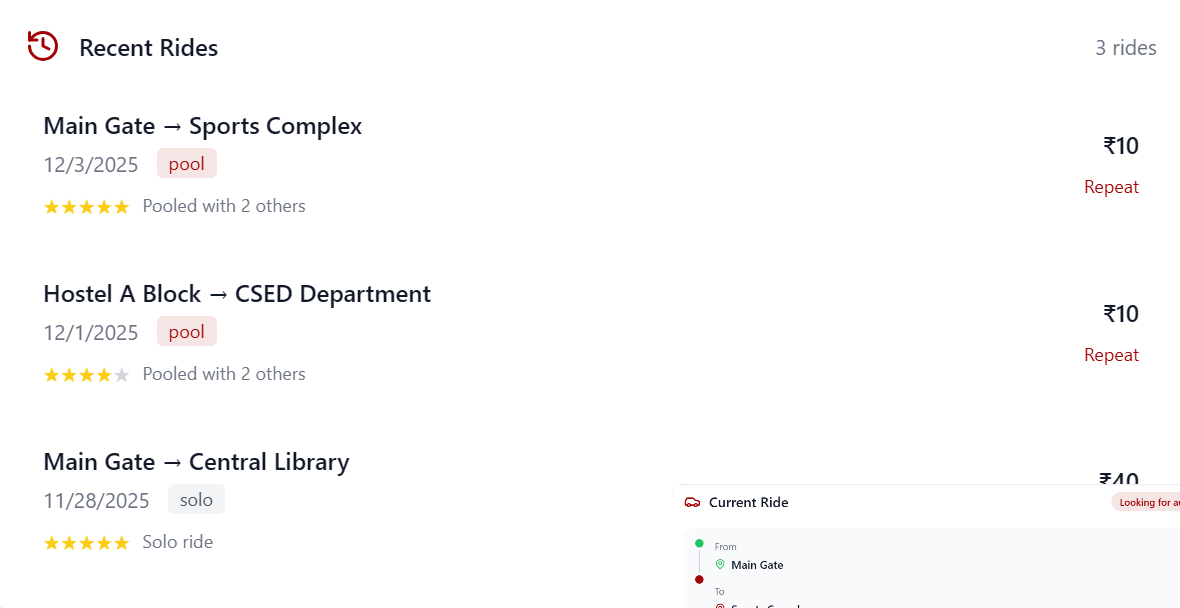
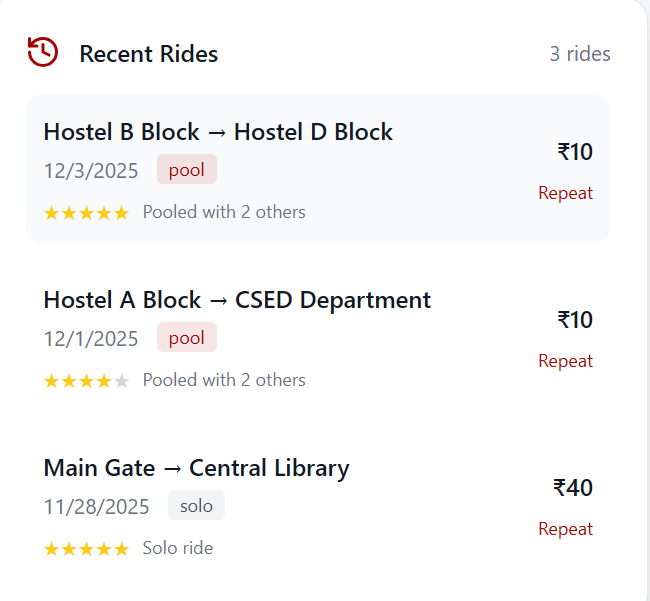
- Ride history with repeat-booking option
- Monthly mobility statistics (rides, wait time, savings, pooling efficiency)
Driver Module
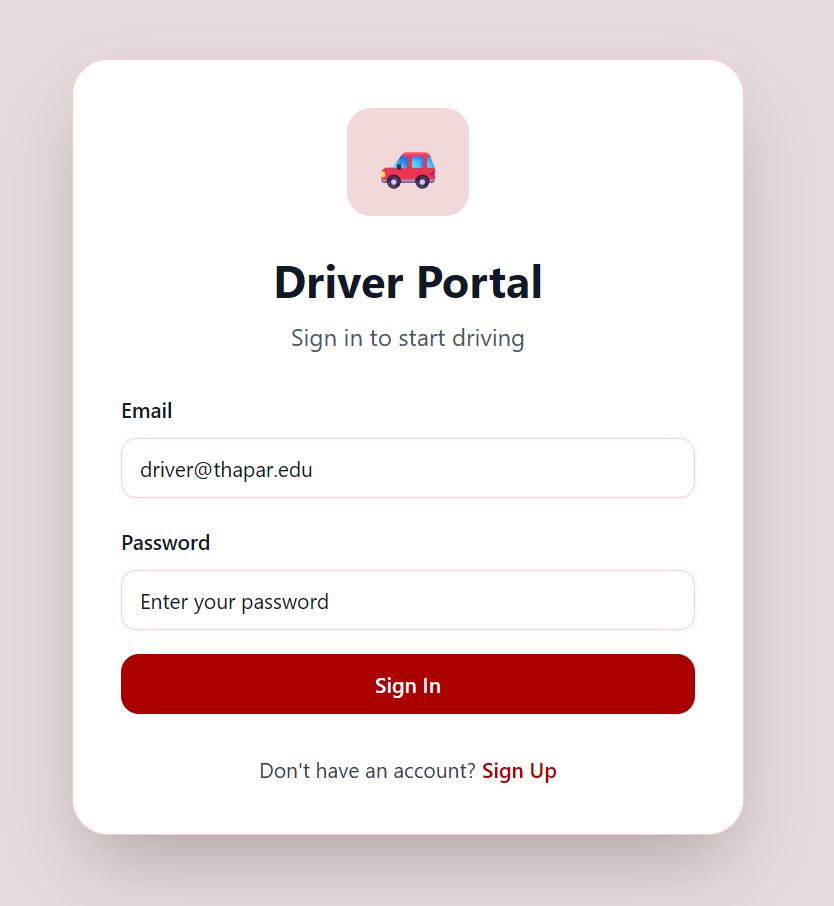
- Secure authentication
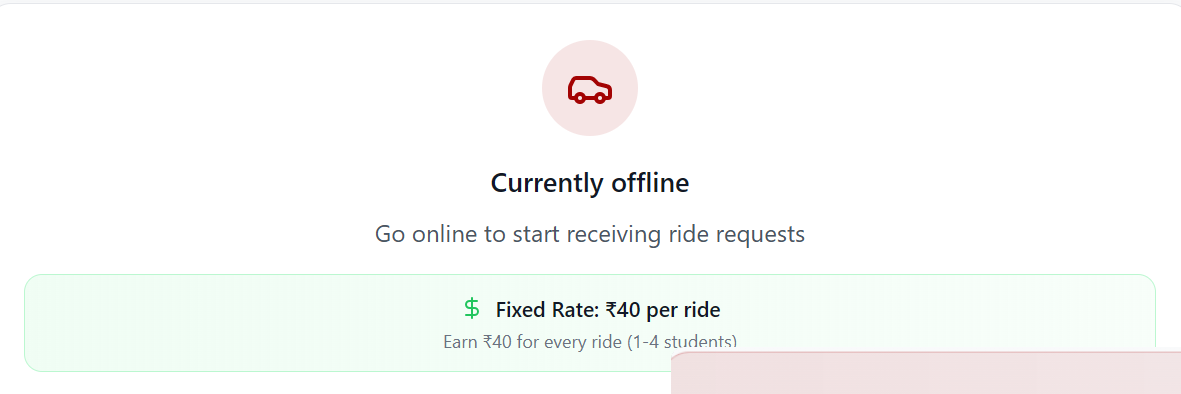
- Manage availability
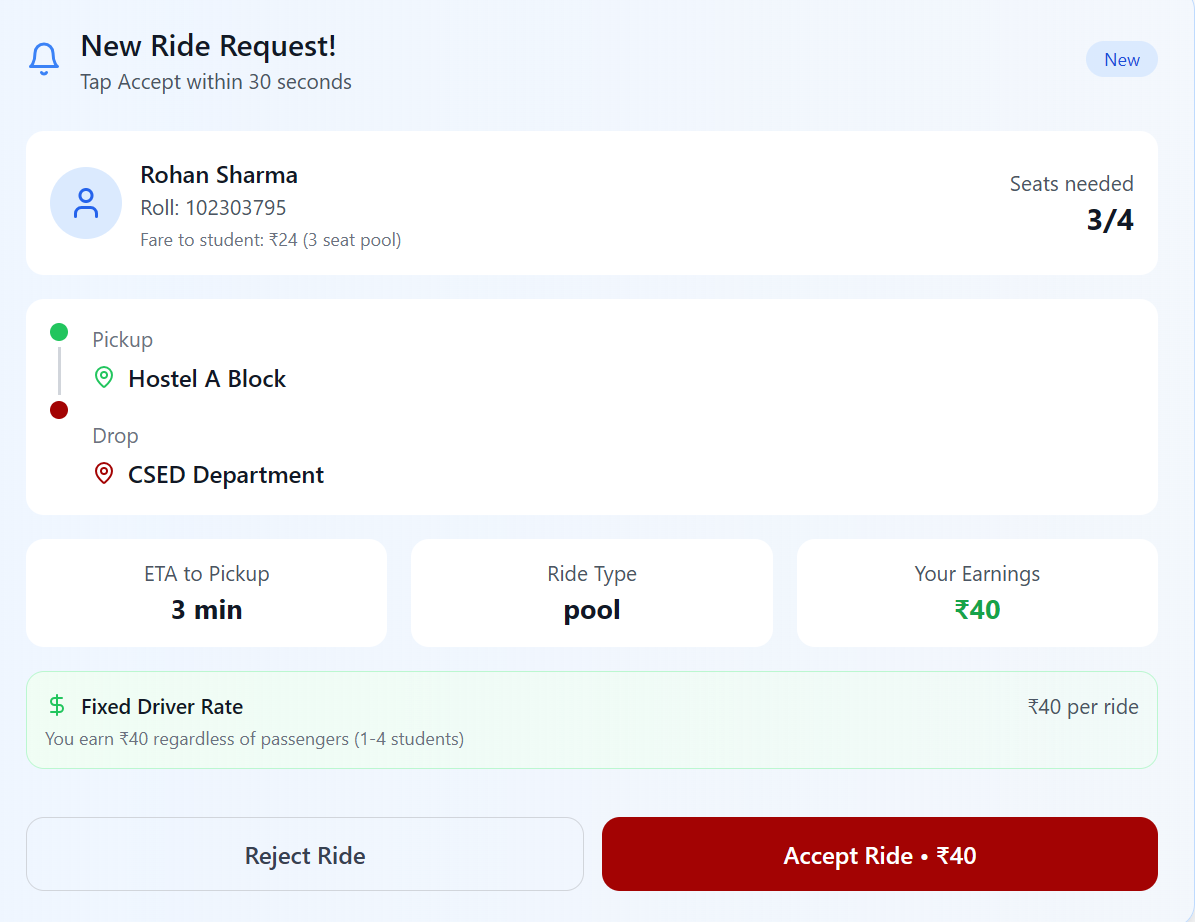
- View incoming ride requests
- Access student pickup details
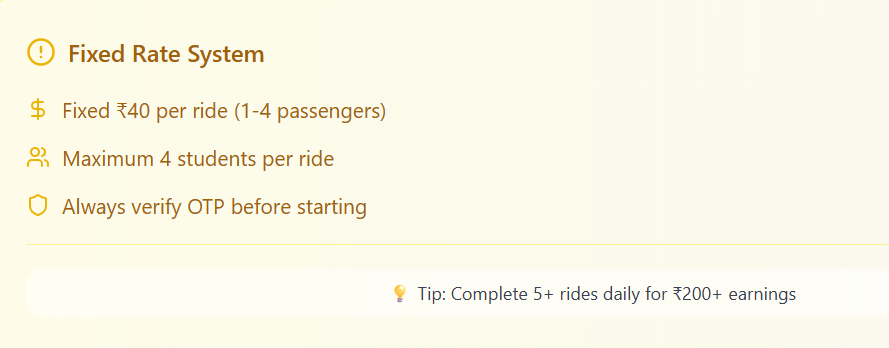
- OTP validation before ride start
- Route overview and trip updates
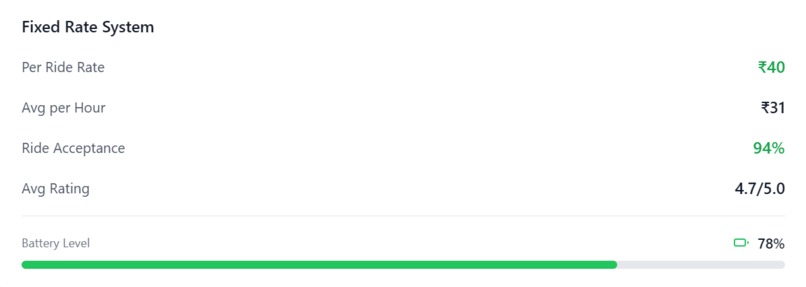
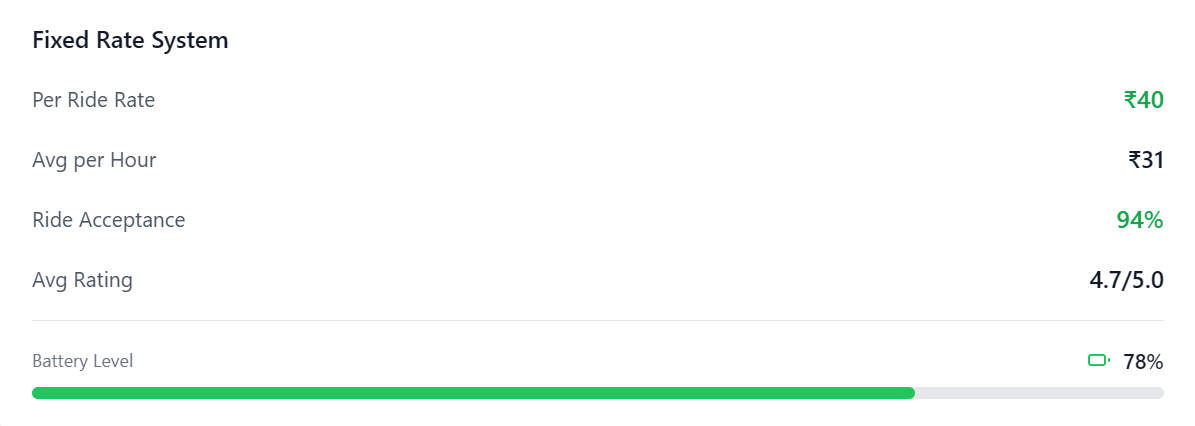
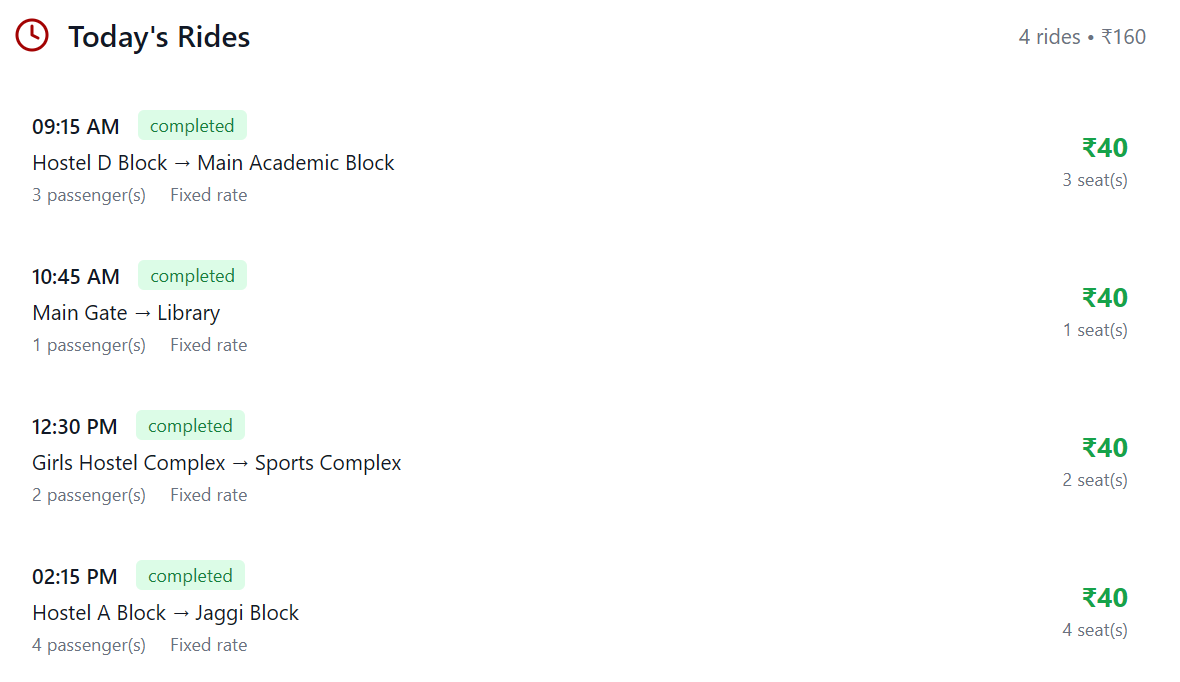
- Daily summary and performance metrics
Admin Module
- Authentication for administrators
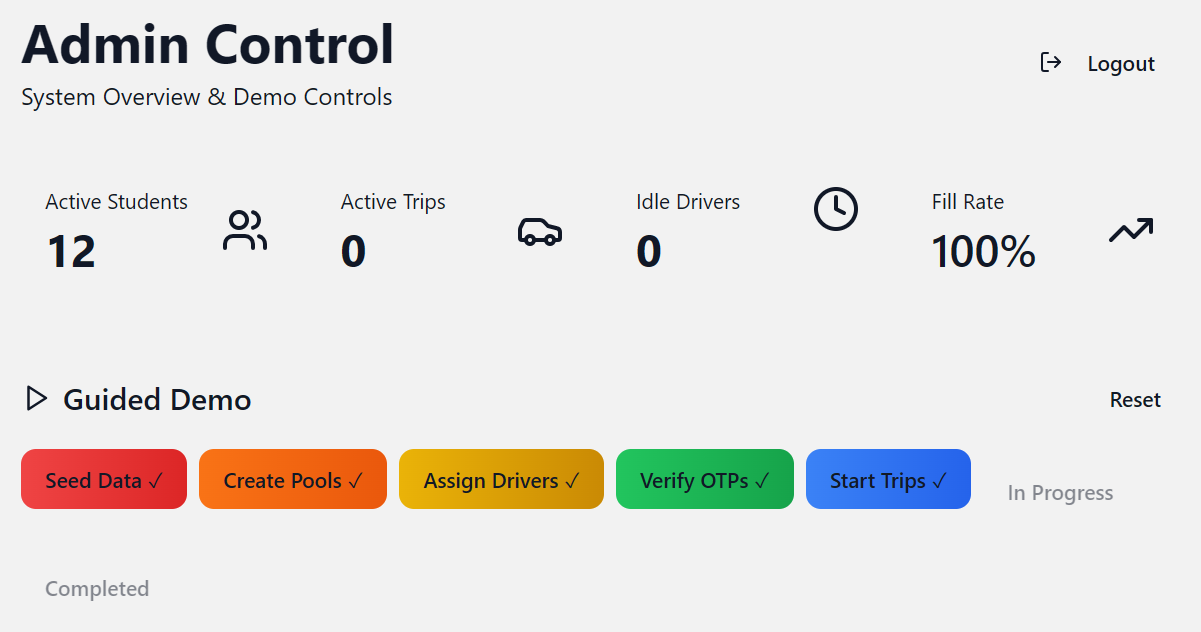
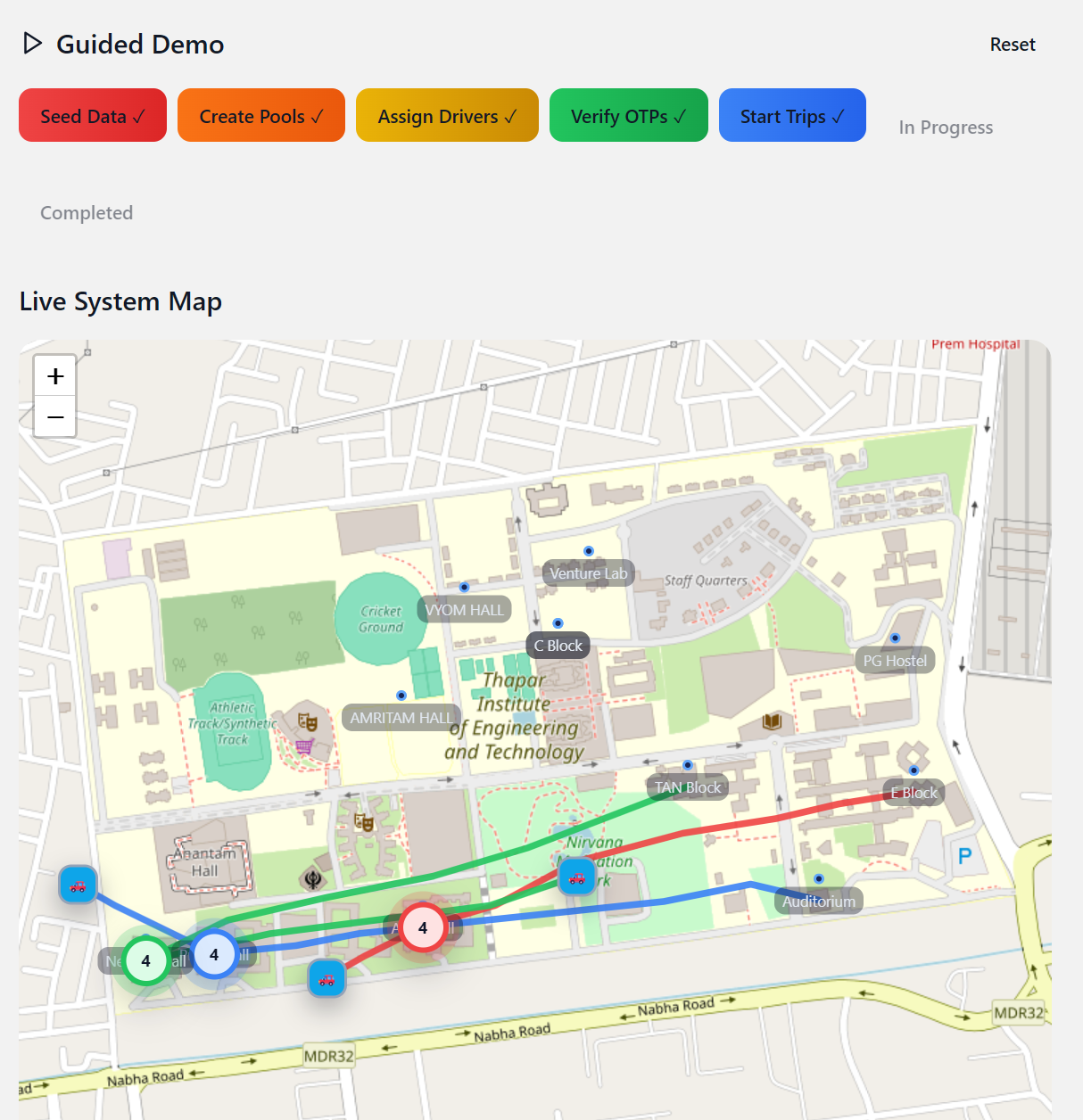
- Seed demo data (drivers, hotspots, rides)
- View student and driver lists
- Reset or reinitialize the simulation environment
- Administrative controls for presentation mode
What We Learned
- Implementing robust Firebase role-based authentication
- Designing scalable React architectures with centralized state management
- Developing user-centric mobility flows inspired by real-world ride-sharing systems
- Building dynamic map interfaces and route visualizations
- Preparing comprehensive SE documentation (SRS, UML, DFDs, test cases)
- Ensuring smooth CI/CD with Vercel deployment
Challenges
- Designing a realistic but simulation-safe ride workflow
- Synchronizing map markers, driver movement, and ride state
- Creating an OTP mechanism that integrates seamlessly into the UI
- Balancing real-time behavior with Firebase’s data model
- Keeping demo mode isolated from actual student experience
- Maintaining UI consistency across three distinct role-based dashboards
Accomplishments
- A complete, role-based campus mobility platform ready for demonstrations
- A refined UI offering a near-production ride booking experience
- OTP verification and pooling workflows implemented accurately
- Interactive mapping with location markers and simulated driver movement
- Complete Software Engineering documentation supporting the application
- Reliable deployment with a clean development pipeline
Future Improvements
- Real GPS tracking for drivers
- ML-based intelligent pooling suggestions
- Digital wallet and fare payment system
- Emergency safety features (panic button, alerts)
- QR code boarding verification
- Push notifications via Firebase Cloud Messaging
Built With
- firebase
- javascript
- leaflet.js
- python
- react
- tailwind
- typescript
- vite
- zustand

Log in or sign up for Devpost to join the conversation.