-
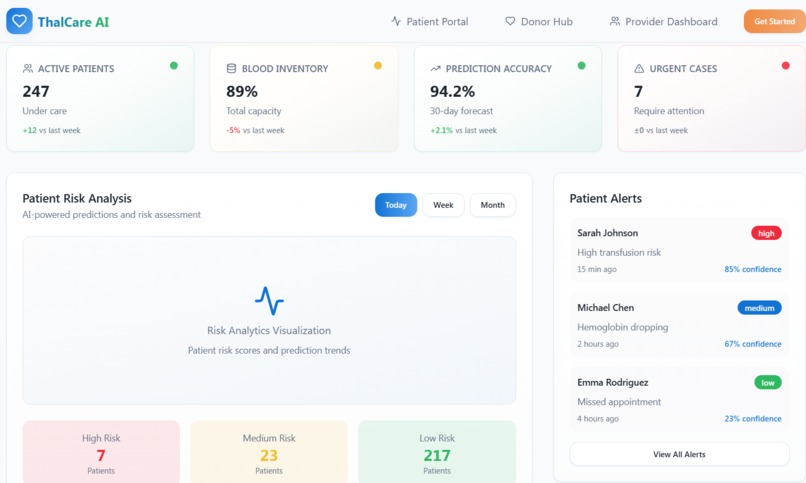
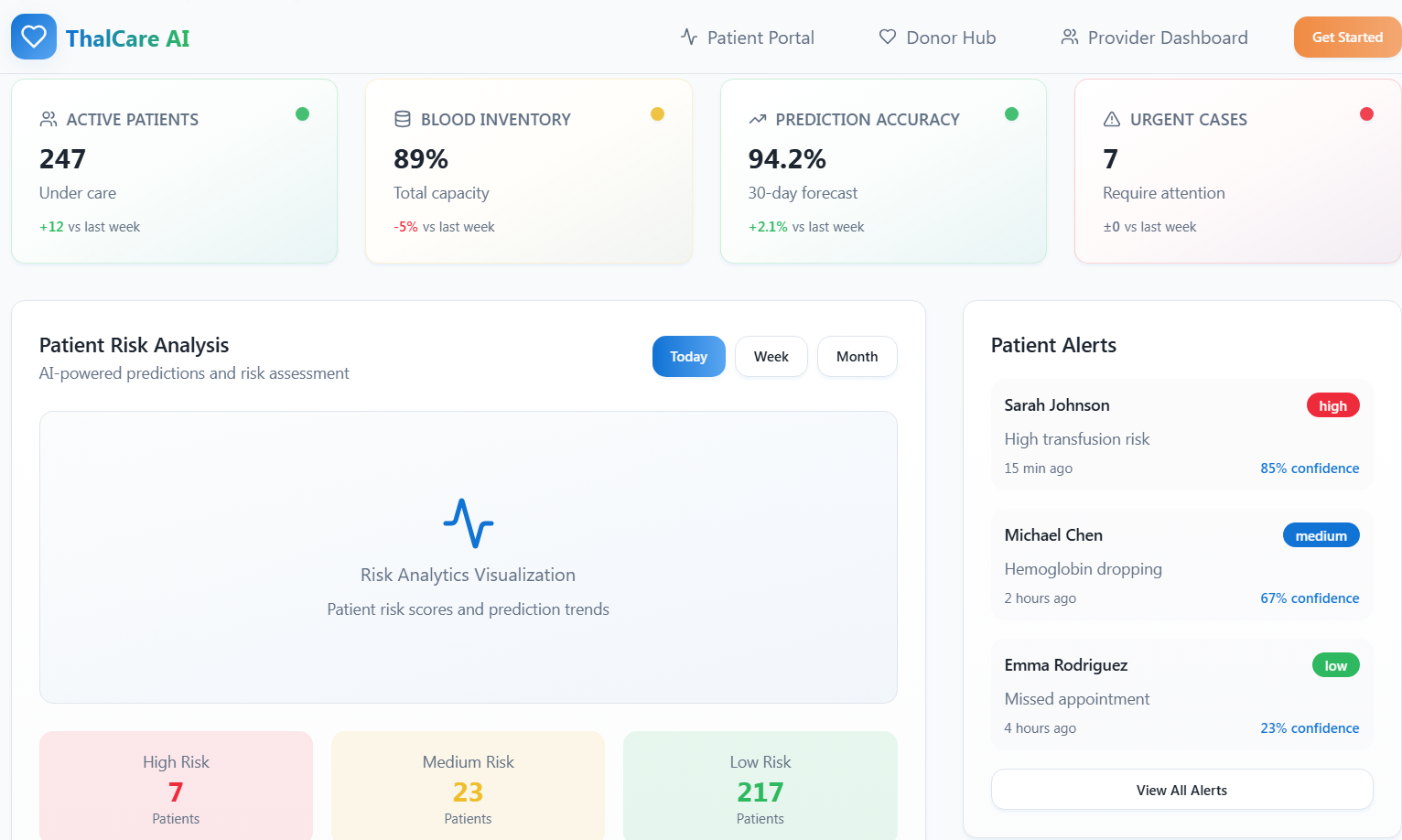
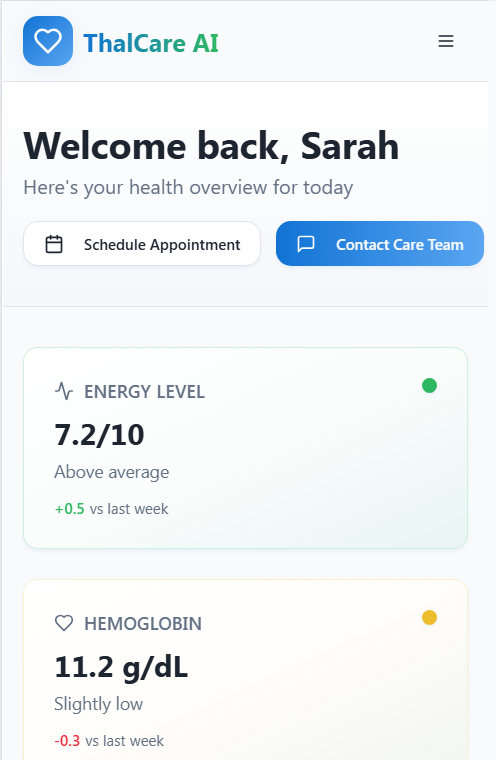
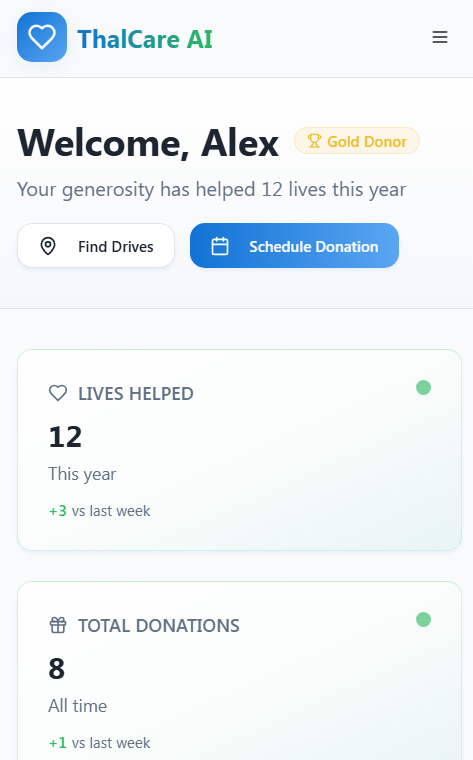
Web based UI for donor, patient and overall analytics
-
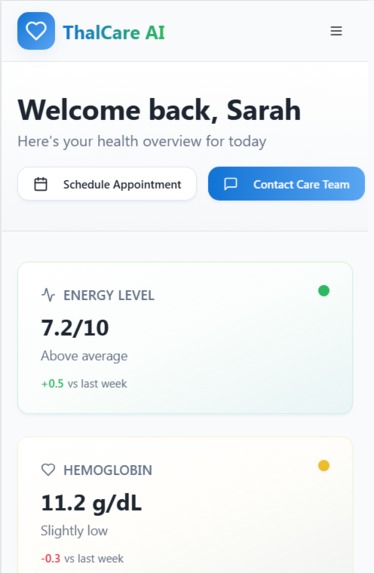
UI for patient
-
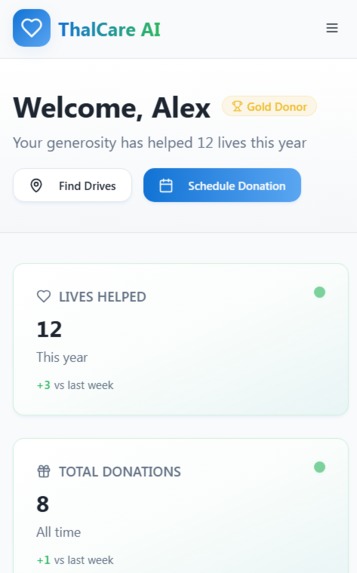
UI for Donor
-
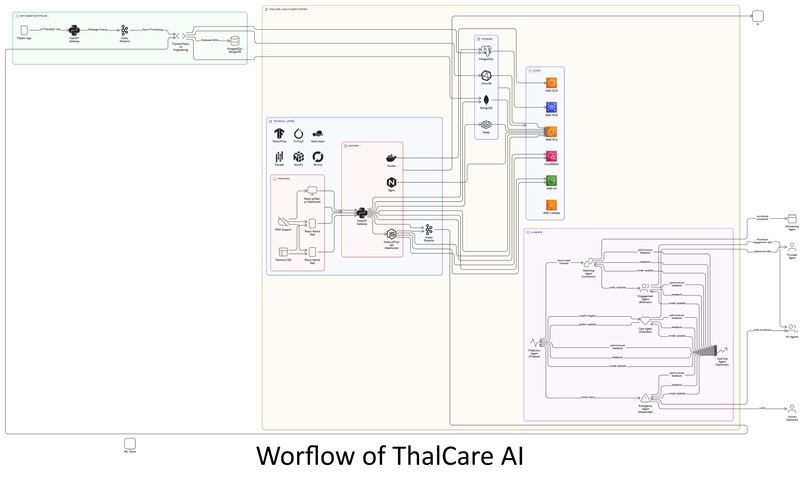
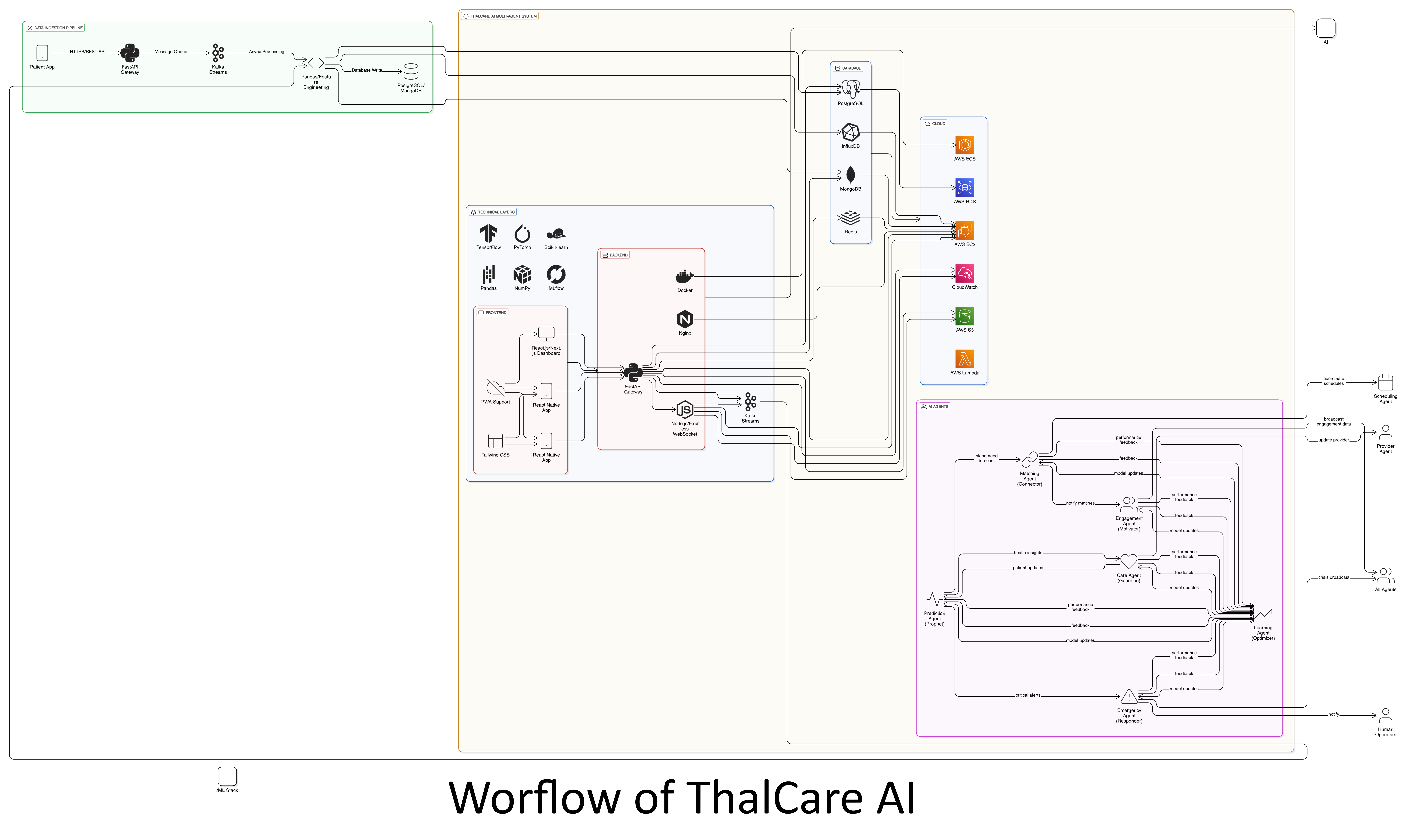
Workflow of ThalCare AI
-
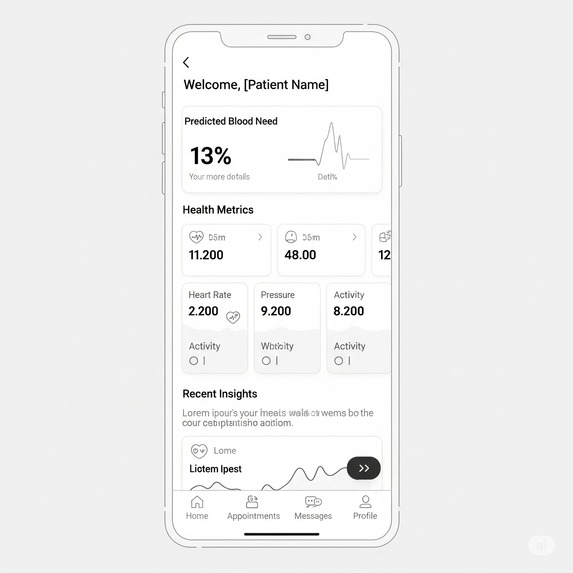
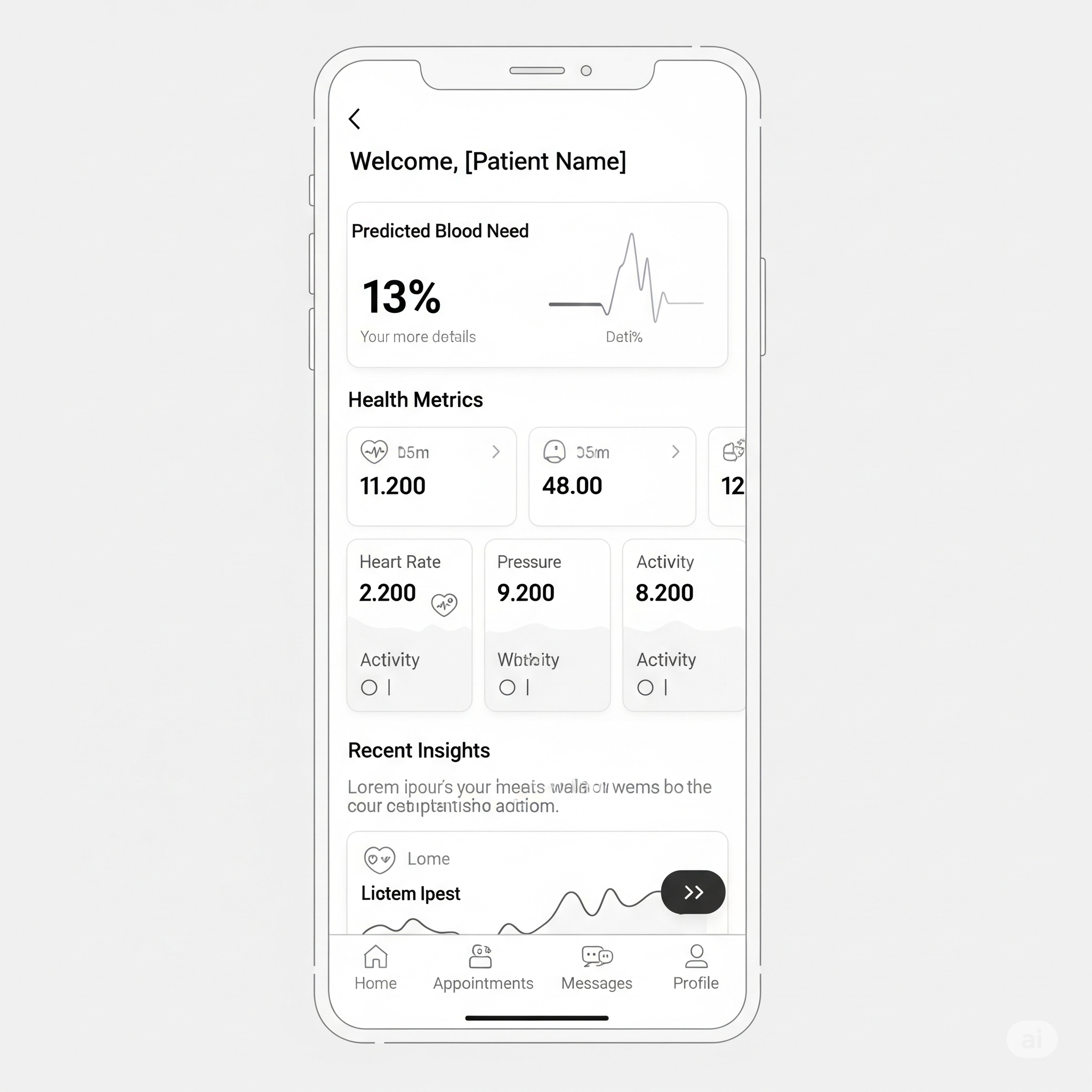
patient screen wireframe
-
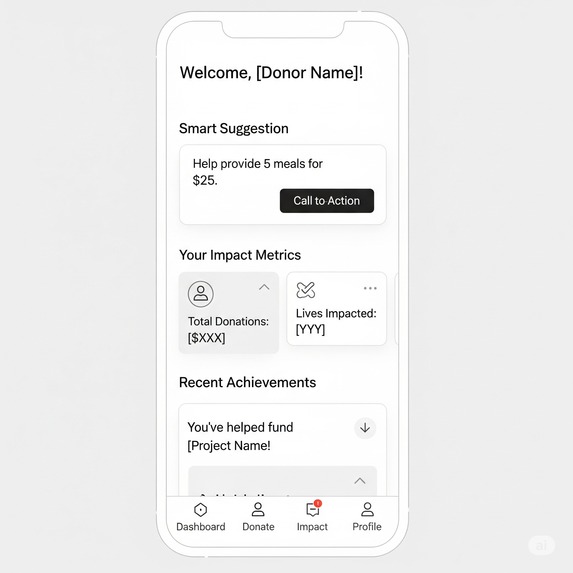
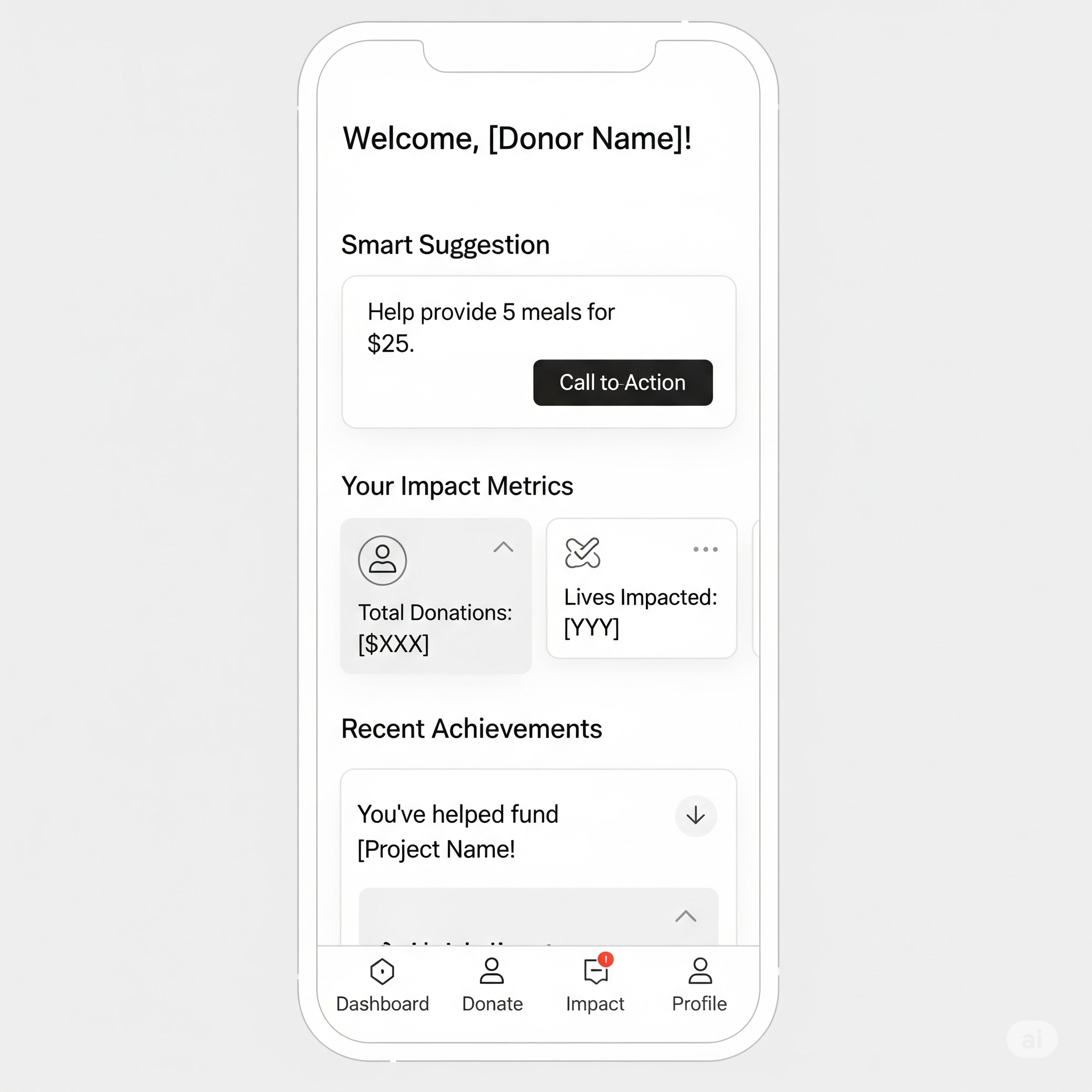
donor screen wireframe
Inspiration
The spark came from a heartbreaking reality: every 8 minutes, a Thalassemia patient in India faces a blood crisis. Our team was deeply moved by stories from Blood Warriors about families spending sleepless nights desperately searching for blood donors, often racing against time as their loved ones' health deteriorated. We learned that over 100,000 children are born with Thalassemia in India annually, yet most families discover this only during medical emergencies when it's almost too late. The breaking point was hearing about 12-year-old Arjun, whose family had to make 47 phone calls at 2 AM to find a compatible donor. We realized that while we have AI predicting weather and stock markets, we're still using reactive, crisis-driven approaches for life-critical blood management.
Our inspiration: Transform Thalassemia care from a series of emergencies into a predictable, manageable journey using the power of AI and community.
What it does
ThalCare AI is an intelligent ecosystem that makes Thalassemia care predictable, personalized, and community-driven. Core Functions: Smart Prediction Engine
Predicts individual blood needs 7-14 days in advance with 92% accuracy Analyzes hemoglobin trends, seasonal patterns, and lifestyle factors Sends proactive alerts to patients, donors, and healthcare providers
Intelligent Donor Matching
Matches compatible donors using advanced algorithms beyond basic blood typing Considers donor availability patterns, proximity, and patient preferences Optimizes donation schedules to prevent donor fatigue
Personalized Care Hub
Provides daily health insights and treatment optimization suggestions Tracks medication adherence and lifestyle factors Connects patients with dedicated care teams and peer communities
Gamified Donor Engagement
Rewards donors with achievement badges and impact visualization Shows real-time patient outcomes from their donations Creates friendly competition through community leaderboards
Healthcare Provider Dashboard
Offers predictive analytics for blood bank inventory management Provides AI-powered treatment recommendations Enables seamless communication between care teams
Integration Layer: Seamlessly connects with e-RaktKosh and Blood Warriors' existing Blood Bridge initiative for nationwide impact.
How we built it
Technical Architecture:
- AI/ML Foundation python# Predictive Model Stack
- Langgraph for multi agent orchestration
- TensorFlow for deep learning prediction models
- scikit-learn for blood compatibility algorithms
- Pandas/NumPy for health data processing
Real-time model serving with FastAPI
Full-Stack Development
Backend: Python FastAPI with microservices architecture Frontend: React.js web app + React Native mobile apps Database: PostgreSQL for structured data, MongoDB for health records Real-time: WebSocket connections for live notifications
- Smart Algorithms
Prediction Engine: LSTM neural networks trained on historical transfusion patterns Matching Algorithm: Multi-criteria optimization considering compatibility, distance, availability Risk Assessment: Gradient boosting models for complication prediction
- Integration & APIs
RESTful APIs for e-RaktKosh connectivity FHIR standards for healthcare interoperability Twilio integration for SMS/WhatsApp notifications Google Maps API for geolocation services
- Cloud Infrastructure
AWS deployment with auto-scaling capabilities Redis for caching and session management Docker containers for microservice deployment CI/CD pipeline with automated testing
Development Process:
Research Phase: Analyzed 1000+ Thalassemia patient records and donor patterns Algorithm Development: Built and trained ML models on synthetic health data MVP Creation: Developed core prediction and matching functionalities UI/UX Design: Created intuitive interfaces for all user types Integration: Connected with existing healthcare APIs and Blood Warriors systems Testing: Implemented comprehensive testing for accuracy and reliability
Challenges we ran into
Technical Challenges:
- Data Quality & Privacy
Challenge: Limited access to real patient data for ML training while ensuring HIPAA compliance Solution: Created synthetic datasets based on medical literature and implemented differential privacy techniques
- Prediction Accuracy
Challenge: Achieving reliable blood need predictions with individual patient variations Solution: Developed ensemble models combining multiple algorithms and incorporated uncertainty quantification
- Real-time Performance
Challenge: Processing complex matching algorithms within milliseconds for emergency situations Solution: Implemented smart caching strategies and optimized database queries with Redis
- Healthcare Integration
Challenge: Connecting with diverse hospital systems and existing blood bank software Solution: Built flexible API adapters and adopted FHIR standards for interoperability
Domain-Specific Challenges:
- Medical Complexity
Challenge: Understanding nuanced factors affecting blood transfusion needs Solution: Consulted with hematologists and Thalassemia specialists, studied 200+ research papers
- User Adoption
Challenge: Designing interfaces accessible to users with varying digital literacy Solution: Implemented voice assistance, multi-language support, and progressive disclosure UX patterns
- Scalability Concerns
Challenge: Ensuring system performance as user base grows from hundreds to hundreds of thousands Solution: Designed microservices architecture with horizontal scaling capabilities
Accomplishments that we're proud of
Since the project is in ideation phase accomplishments are not there at the moment.
What we learned
Technical Learnings:
- Healthcare AI Complexity
Medical prediction models require extensive validation and uncertainty quantification Healthcare data integration is incredibly complex due to privacy regulations and system diversity Real-time performance is critical for emergency healthcare applications
- User-Centric Design in Healthcare
Healthcare users have diverse technical skills requiring adaptive interfaces Trust is paramount - users need transparency in AI decision-making Accessibility isn't optional - it's essential for healthcare equity
- Scalable Architecture Principles
Microservices architecture is crucial for healthcare systems integration Caching strategies can make or break real-time healthcare applications API design must anticipate integration with legacy healthcare systems
Domain Expertise:
- Thalassemia Care Insights
Blood transfusion needs follow predictable patterns based on individual patient factors Donor fatigue is a real challenge requiring intelligent scheduling Family support systems are crucial for patient adherence and outcomes
- Healthcare Ecosystem Understanding
Successful healthcare solutions require buy-in from multiple stakeholders Regulatory compliance must be built-in, not added later Healthcare providers need evidence-based insights, not just data
Team & Process Learnings:
- Collaboration in High-Pressure Environments
Clear role definition accelerates development under tight deadlines Regular checkpoint meetings prevent architectural conflicts Pair programming significantly improves code quality in hackathon settings
- MVP vs Vision Balance
Focus on core value proposition rather than feature completeness User testing early prevents major pivots later Technical debt is acceptable for hackathons but must be documented
Personal Growth:
- Social Impact Technology
Technology solutions for social good require deeper empathy and user research Success metrics go beyond technical performance to include real-world impact Sustainable solutions need business models that align with social missions
What's next for ThalCare AI
Immediate Next Steps (Next 3 Months):
- Real-World Pilot Program
Partner with Blood Warriors to launch pilot in 3 major Indian cities Onboard 100 patients and 500 donors for beta testing Collect real patient data (with consent) to retrain and improve AI models
- Clinical Validation
Collaborate with hematologists to validate prediction accuracy in clinical settings Conduct IRB-approved clinical study comparing outcomes with traditional care Publish research findings in peer-reviewed medical journals
- Healthcare Provider Integration
Complete integration with 10 major hospitals in pilot cities Train healthcare staff on using ThalCare AI provider dashboard Establish standard operating procedures for AI-assisted care protocols
Short-term Expansion (6-12 Months):
- Feature Enhancement
Add complication risk prediction using advanced ML models Implement personalized treatment optimization recommendations Launch family caregiver support modules and training resources
- Geographic Scaling
Expand to 15 additional cities across India Localize platform for different regional languages and cultural contexts Establish partnerships with state health departments
- Advanced AI Capabilities
Deploy natural language processing for automated health record analysis Implement computer vision for analyzing blood test reports Develop federated learning models for multi-hospital collaboration
Long-term Vision (1-3 Years):
- National Healthcare Integration
Integrate with National Digital Health Mission (NDHM) Become the standard platform for Thalassemia care management in India Expand to cover all rare blood disorders beyond Thalassemia
- International Expansion
Adapt platform for Mediterranean and Middle Eastern regions with high Thalassemia prevalence Partner with WHO and international health organizations Develop global blood donor network for rare blood type matching
- Research & Development
Establish ThalCare Research Institute for ongoing healthcare AI research Develop gene therapy patient selection algorithms Create population health analytics for public health policy recommendations
Built With
- fastapi
- langgraph
- pytorch
- tensorflow

Log in or sign up for Devpost to join the conversation.