-
-
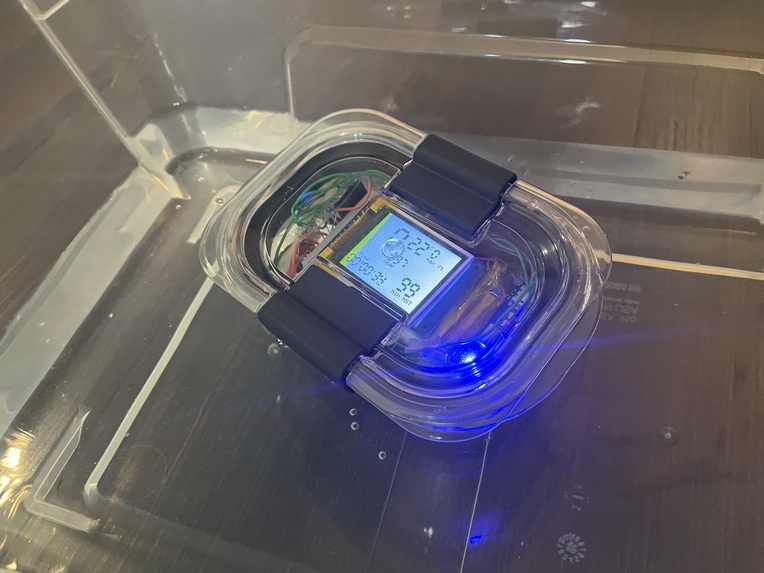
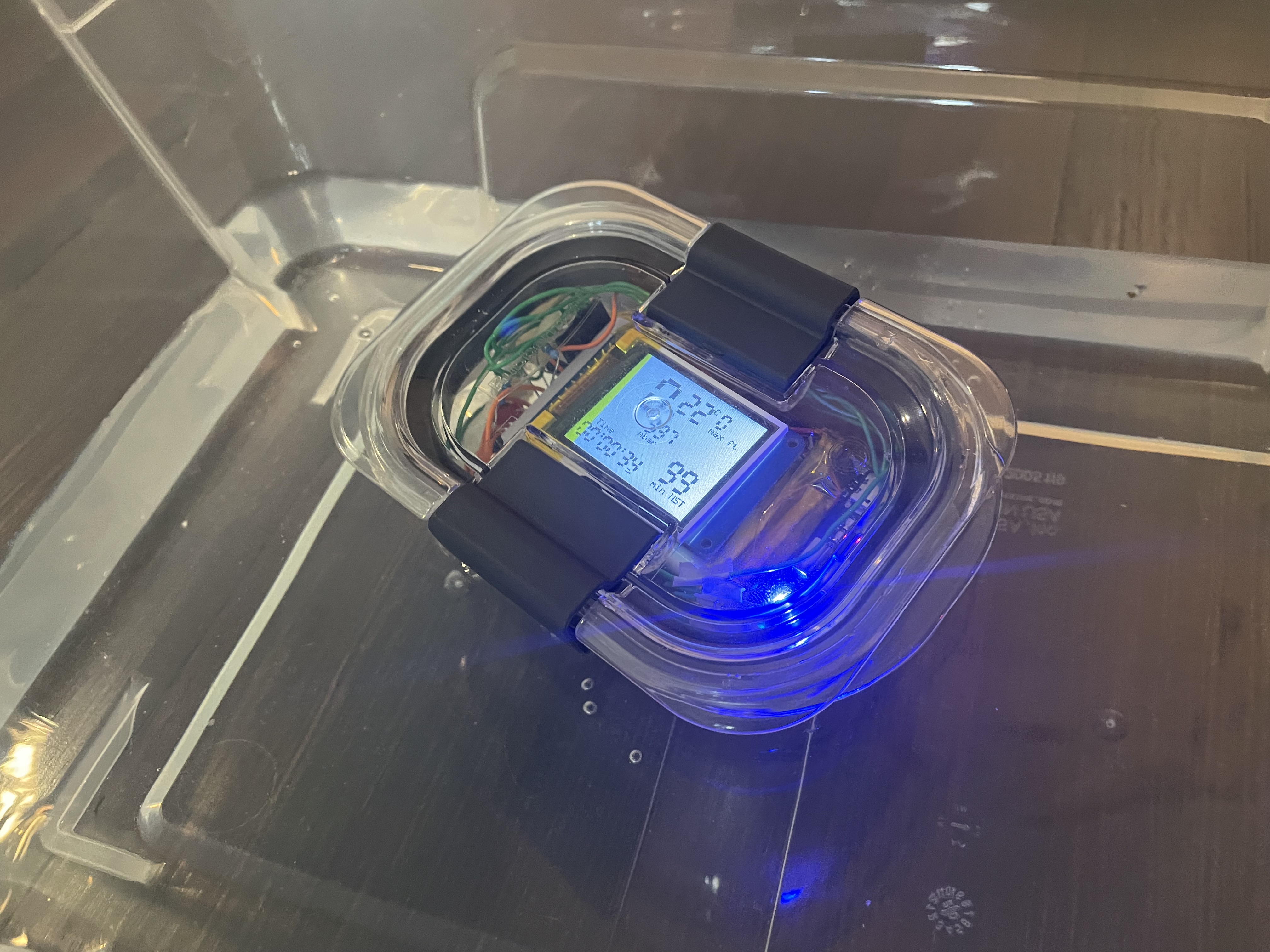
Tethys operating in water
-
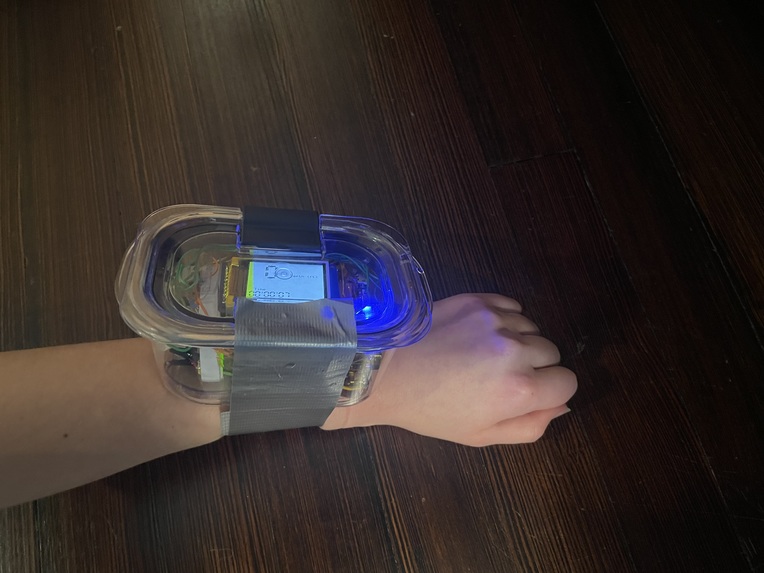
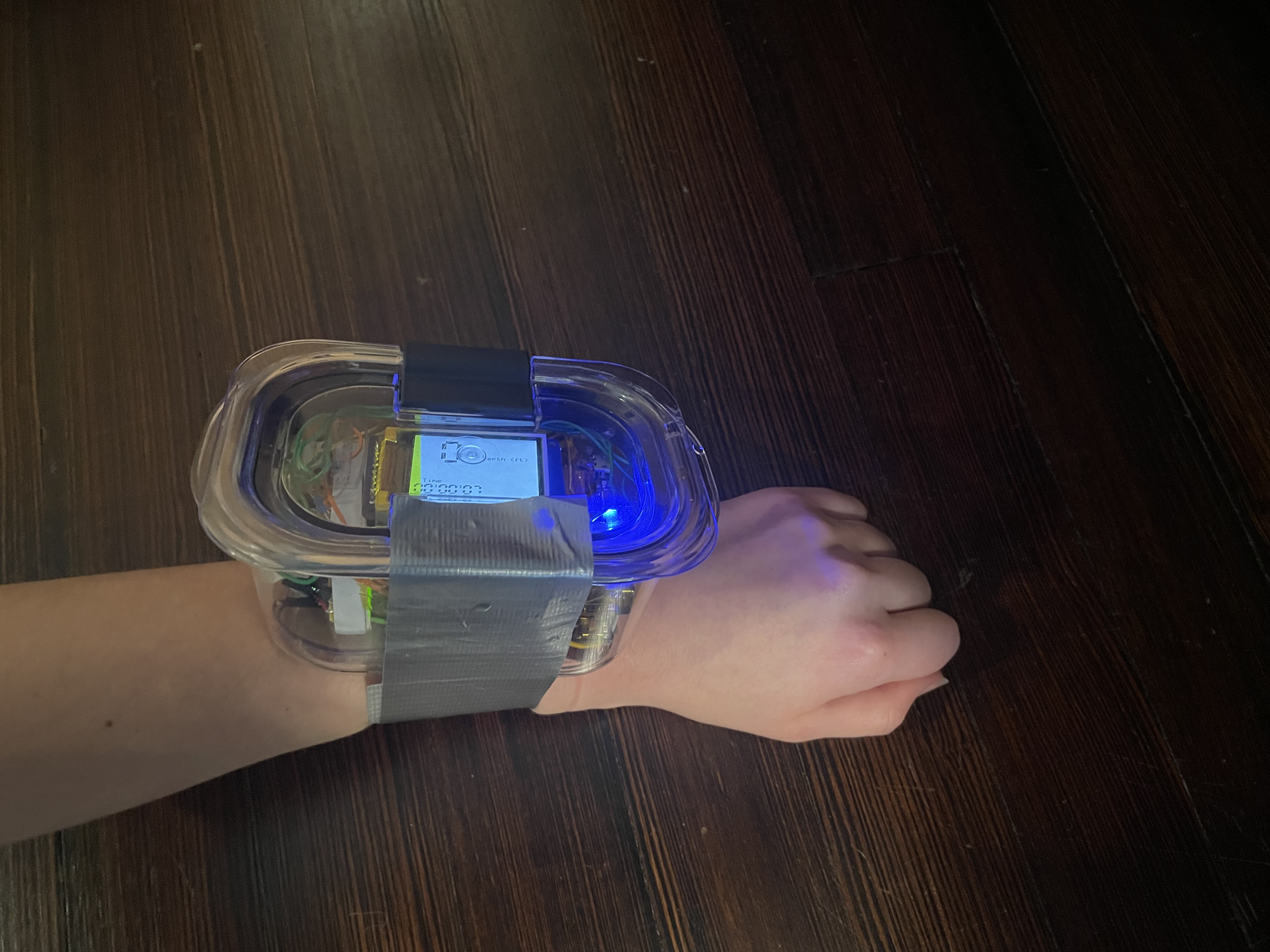
Tethys as a wearable device
Inspiration
A dive computer tracks the depth of a SCUBA diver to monitor the concentration of nitrogen dissolved in their blood, because if it comes out too quickly as bubbles, the diver will suffer from the very-painful "bends" and be left with long-term damage. Our goal is to make an open-source and low-cost dive computer with wireless data downloading for our own education and to hopefully accelerate engineering velocity in this field.
What it does
The Tethys tracks and displays a SCUBA diver's depth, pressure, temperature, no-stop time, and dive time to ensure they are within safe limits via the Buhlmann decompression model. It is an untethered device, and the latest dive profile can be downloaded via the SD card and displayed with out visualization software.
How we built it
This project is written in embedded C for the Atmega328p microcontroller. It uses shields for SD card communication and battery interface. The pressure and temperature data come from the MS5803-14ba sensor, which supports beyond the full range of expected dive pressures at a resolution of 0.2mbar via I2C serial communication. The data is logged on the SD card with petitfs. Water submersion to detect the start and end of dives is performed with a BJT amplifier circuit.
Challenges we ran into
We ran into delays in part orders that disrupted our projected timeline, mechanical challenges regarding waterproofing at pressure, issues with continuously writing to files over time, and serial communication timing problems.
Accomplishments that we're proud of
Tethys is a fully functional dive computer that can be used to monitor the safety of a dive. Despite imperfections in the design, it can operate successfully underwater at pressure. It required a variety of embedded systems skills to build, including the use of timers, interrupts, ADC, serial communication, and power management.
What we learned
We learned about the intricacies of serial communication, the challenges of timing different components together, the pains of sending electronics underwater, and quite a bit about theoretical decompression theory.
What's next for Tethys
The next goals for this project focus on making it more self-contained. We hope to support wireless data downloading and inductive charging so that the waterproof seal never needs to be broken.

Log in or sign up for Devpost to join the conversation.