-
-
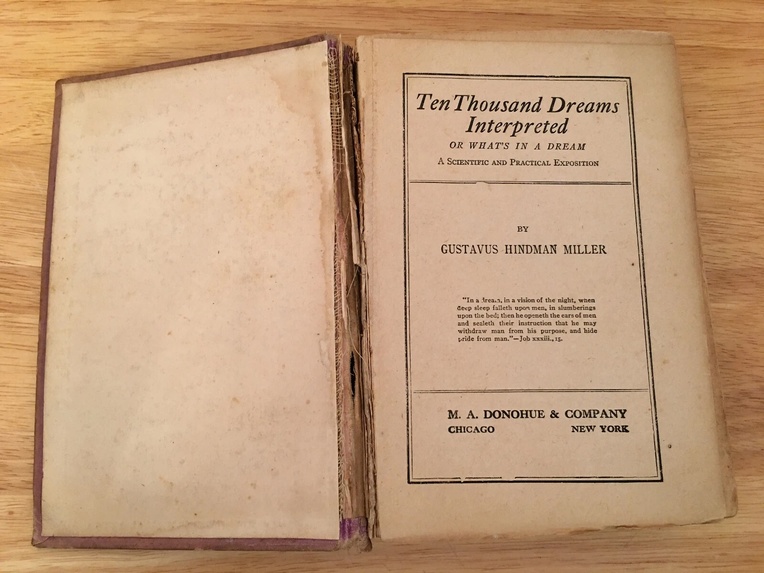
That's how the book looked like
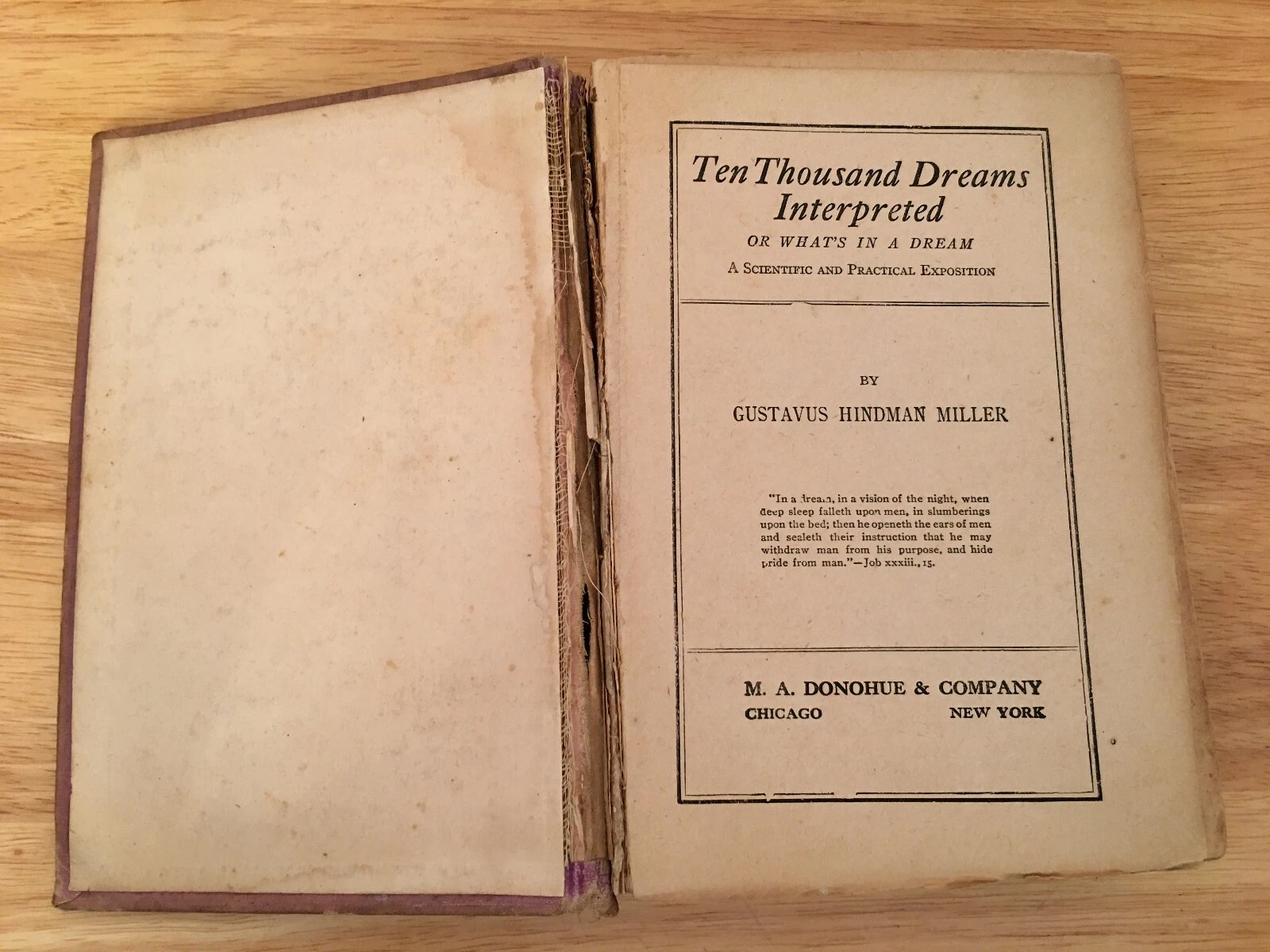
Inspiration
This project began not with a line of code, but with a memory of a book. Years ago, while traveling through Spain, I found a heavy, worn-out edition of Gustavus Hindman Miller's 10,000 Dreams Interpreted. It was a profound guide, a 'dreamopedia' from another era that traveled with me everywhere, helping me make sense of the nightly theater of the mind.
What it does
10,000 Dreams is a beautiful, private AI-powered journal that helps you understand the secret language of your dreams. At its core, it allows you to capture your dreams the moment you wake up, either by speaking them aloud using real-time voice transcription or by typing. With a single tap, our AI provides a deep, meaningful interpretation of your dream. What makes it unique is that our AI's wisdom isn't generic; it is grounded by the entire 600-page classical book, "10,000 Dreams Interpreted" by Gustavus Hindman Miller. This ensures every interpretation is rich with historical and psychological depth.
The app is designed with a privacy-first, local-first architecture, so your dreams are always stored securely on your device and are accessible offline. Optional cloud sync is available for backup and multi-device access. Over time, the app helps you identify personal trends and recurring symbols, and it even has a feature to anonymously detect "communal dreams"—shared themes happening across the user base that may hold prophetic significance.
How we built it
This project was built from scratch during the Bolt Hackathon 2024, using a modern, efficient tech stack designed for rapid, high-quality development. Frontend: We used React 18 with TypeScript for a robust, type-safe foundation. Vite served as our lightning-fast build tool, and Tailwind CSS allowed us to rapidly build the custom, elegant user interface. AI Core: The soul of the app is the Google Gemini 2.0 Flash API. We built a sophisticated system to upload and use the 600-page PDF of Miller's book as a direct knowledge source, making our AI a true specialist. Data & Backend: We implemented a local-first architecture using IndexedDB for speed and privacy. For optional cloud sync and user authentication (supporting Google, Apple, etc.), we integrated Supabase, which provided a secure PostgreSQL database and real-time capabilities. User Experience: The voice recording feature is powered by the browser-native Web Speech API. The signature book-like aesthetic, featuring drop-caps and serif fonts, was created with custom CSS. Deployment: The entire application is deployed as a Progressive Web App (PWA) on Netlify, enabling offline capabilities, app installation, and global delivery via CDN.
Challenges we ran into
Building a feature-rich, production-ready application in just a few days presented several significant challenges: AI API Reliability: The Gemini API was changed not long time ago and making bolt to understand was hard to me personally. Performance with a Large Reference: Making the 600-page PDF searchable without crippling the app's performance was a major hurdle. We overcame this by creating an efficient search index and using techniques like lazy loading and virtual scrolling. The Hackathon Time Crunch: The intense deadline forced us to be incredibly disciplined, prioritize features ruthlessly, and rely on powerful tools like Bolt's AI-assisted scaffolding to accelerate the initial setup and component creation.
Accomplishments that we're proud of
It works :)
What we learned
A lot. I am new to vibe.
What's next for 10000 dreams
I do not know. Maybe I can really vibecode comunal dream insights and sell it to cryptocurrency crowd. .XD


Log in or sign up for Devpost to join the conversation.