-
-
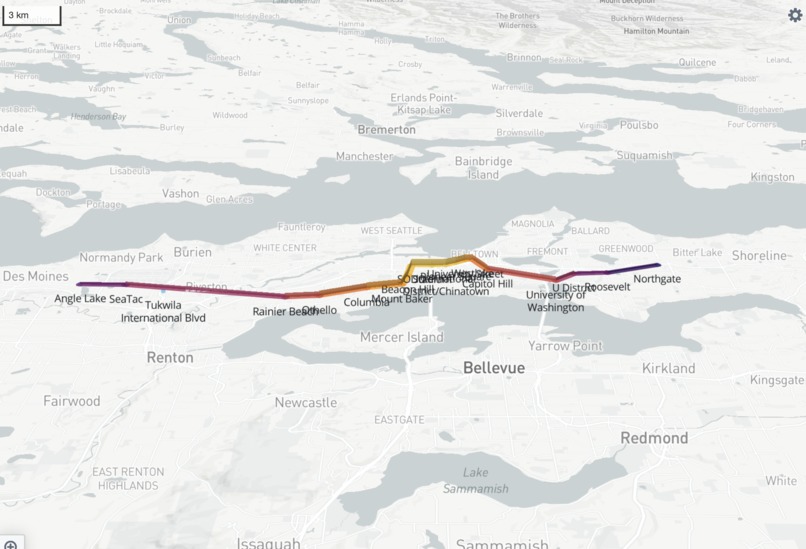
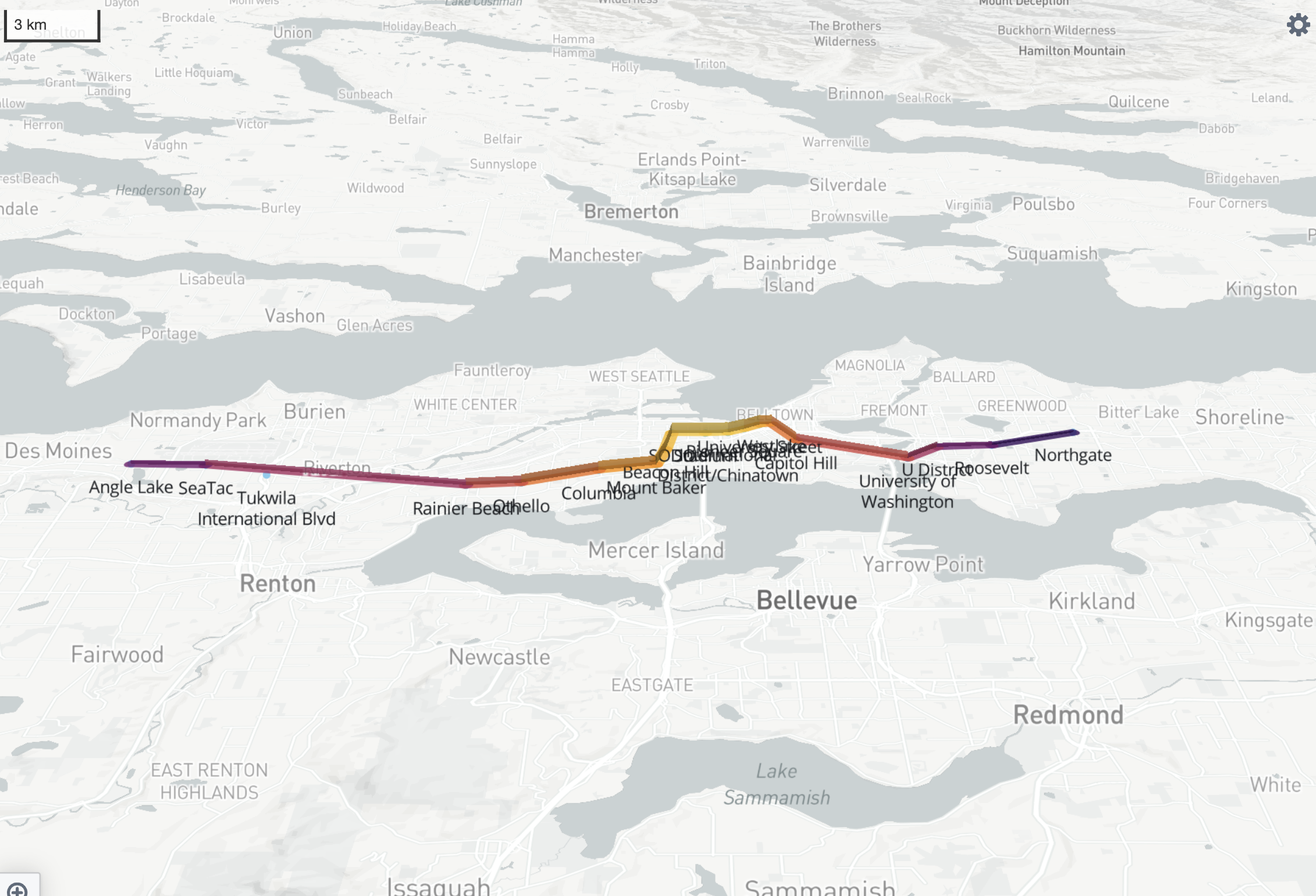
Map visualizing traffic data along a subway
-
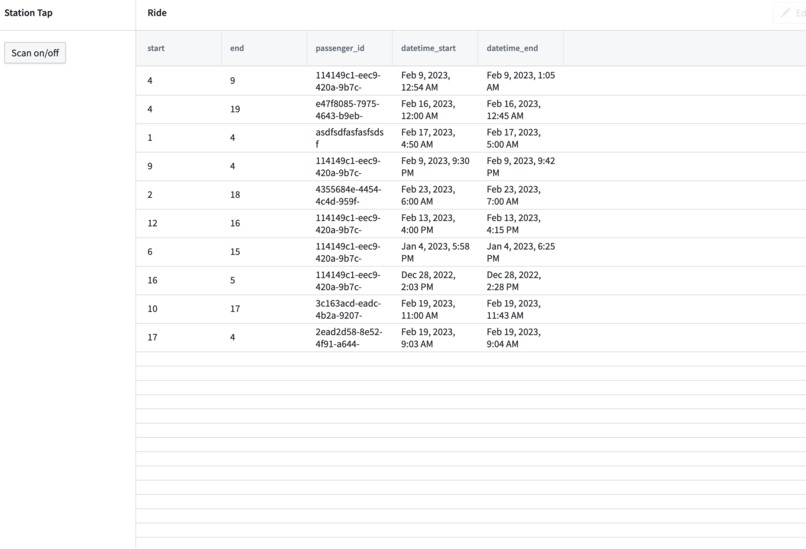
Interface for operators to track rides
-
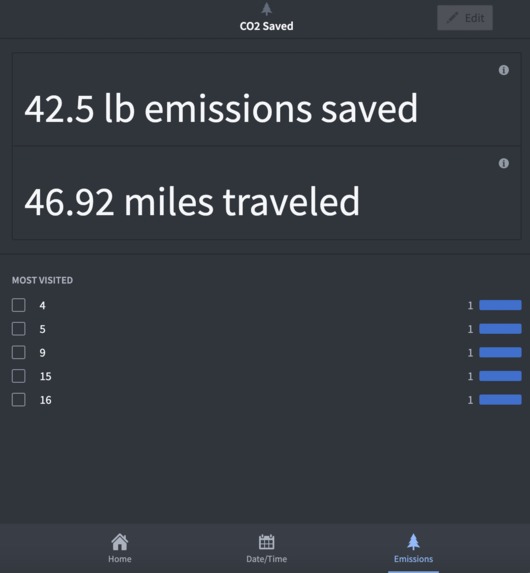
Companion app for riders showing interesting information
-
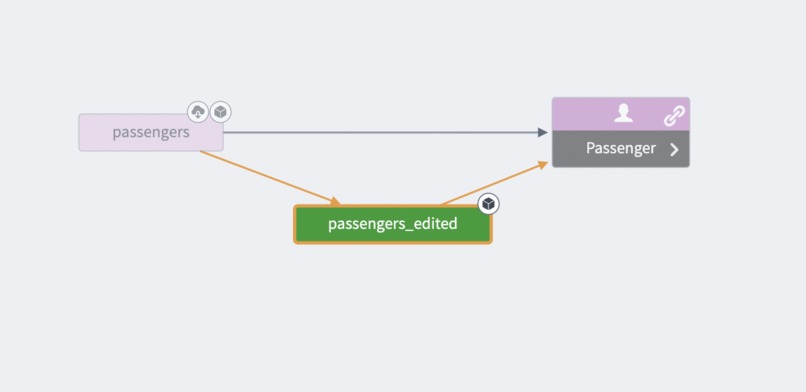
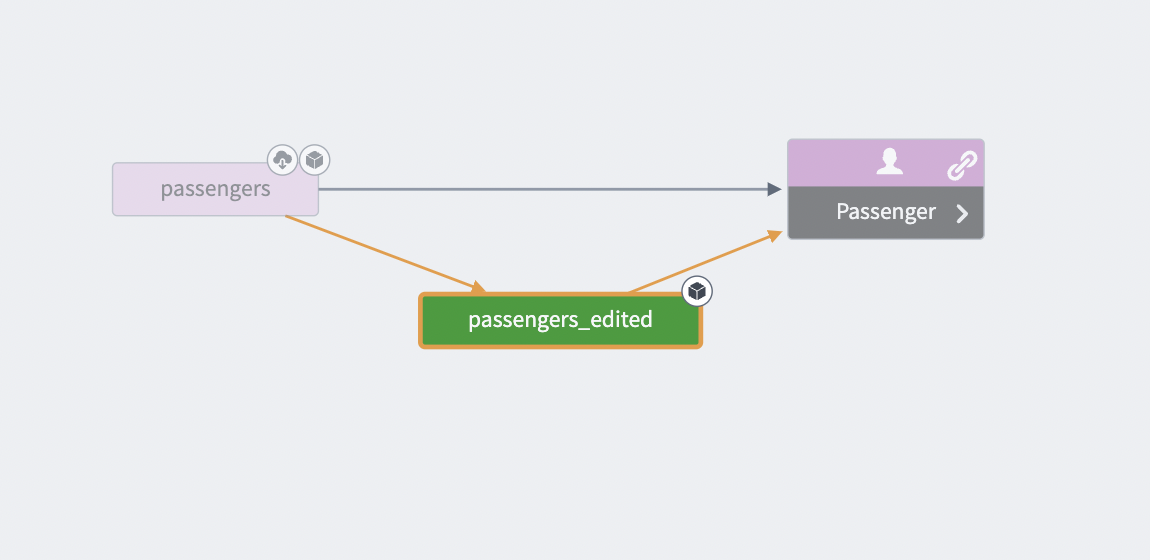
Ontology Data Lineage for a Passenger


Inspiration
We wanted to find a way to make transit data more accessible to the public as well as provide fun insights into their transit activity. As we've seen in Spotify Wrapped, people love seeing data about themselves. In addition, we wanted to develop a tool to help city organizers make data-driven decisions on how they operate their networks.
What it does
Transit Tracker is simultaneously a tool for operators to analyze their network as well as an app for users to learn about their own activities and how it lessens their impact on the environment. For network operators, Transit Tracker allows them to manage data for a system of riders and individual trips. We developed a visual map that shows the activity of specific sections between train stations. For individuals, we created an app that shows data from their own transit activities. This includes gallons of gas saved, time spent riding, and their most visited stops.
How we built it
We primarily used Palantir Foundry to provide a platform for our back-end data management. Used objects within Foundry to facilitate dataset transformation using SQL and python. Utilized Foundry Workshop to create user interface to display information.
Challenges we ran into
Working with the geoJSON file format proved to be particularly challenging, because it is semi-structured data and not easily compatible with the datasets we were working with. Another large challenge we ran into was learning how to use Foundry. This was our first time using the software, we had to first learn the basics before we could even begin tackling our problem.
Accomplishments that we're proud of
With Treehacks being all of our first hackathons, we're proud of making it to the finish line and building something that is both functional and practical. Additionally, we're proud of the skills we've gained from learning to deal with large data as well as our ability to learn and use foundry in the short time frame we had.
What we learned
We learned just how much we take everyday data analysis for granted. The amount of information being processed everyday in regards to data is unreal. We only tackled a small level of data analysis and even we had a multitude of difficult issues that had to be dealt with. The understanding we’ve learned from dealing with data is so valuable and the skills we’ve gained in using a completely foreign application to build something in such a short amount of time has been truly insightful.
What's next for Transit Tracker
The next step for Transit Tracker would be to be able to translate our data (that is being generated through objects) onto a visual map where the routes would constantly be changing in regards to the data being collected. Being able to visually represent the change onto a graph would be such a valuable step to achieve as it would mean we are working our way towards a functional application.
Built With
- foundry
- javascript
- palantir
- python
- sql


Log in or sign up for Devpost to join the conversation.