-
-
Icon
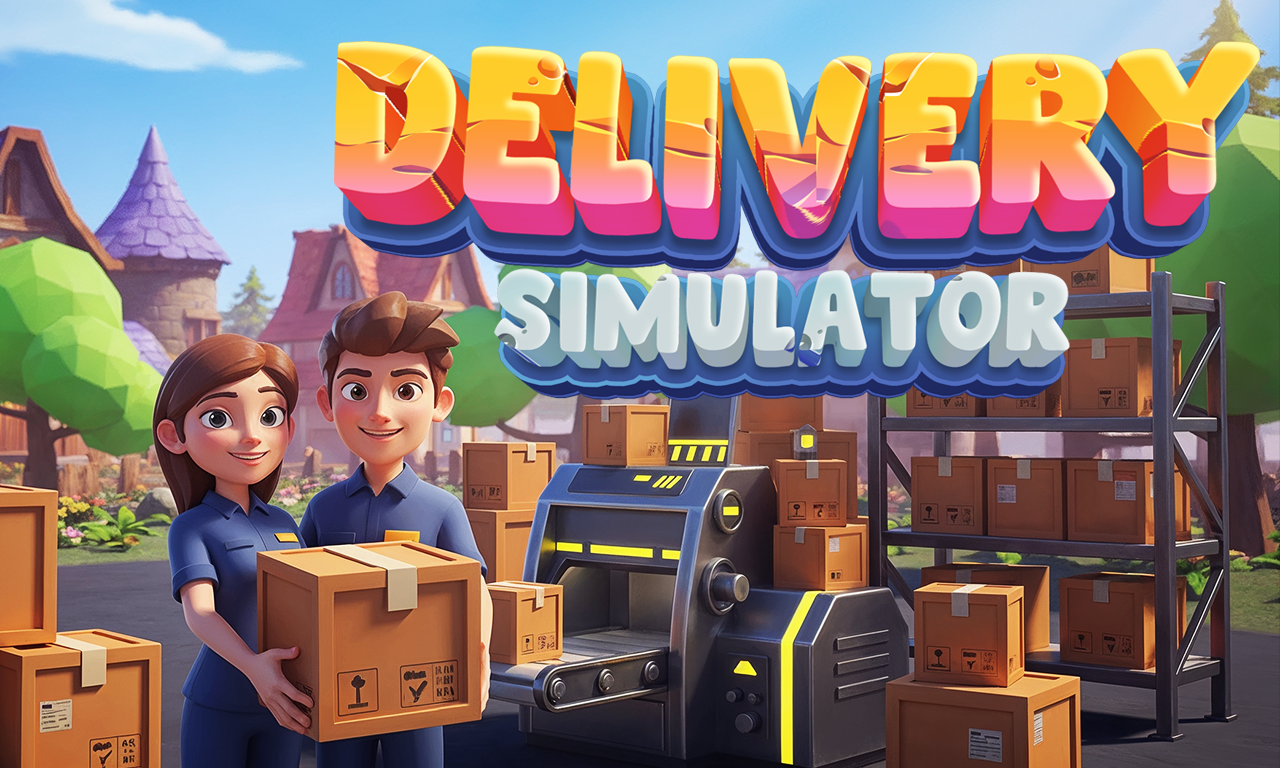
Delivery Simulator is a fullty modular and easily scalable remixable world which provides users with solid and readable structure, assets and scripts for creating business simulator-like worlds. The world includes full cycle of running the delivery business: order generation, storing boxesand items, getting the items and boxes, packing items into box, unpacking box if wrondly packed, delivering the items to the clients, checking 'Delivered vs. Ordered' and updating rating.
The world is provided with detailed instructions of each entity and script, naming conventions, script operations as well as all of the scripts are thouroughly commented so the creators can easily see what each function or variable does.
Inspiration
Delivery Simulator is inspired by such fun games as Supermarket Simulator, Gas Station Simulator and Internet Cafe Simulator 2, where users need to run small local business and grow into a big one. We wanted to bring the template helping to build and similar games for Horizon, with keeping in mind the mobile Horizon playerbase too.
What it does
The template provides creators with fully operating 'from start to end' game cycle and clear core loop and gameplay. Clients generate orders based on the items existing in the world and specified min/max order, players must get the items mentioned in these orders from the item storage, pack them into appropriate delivery boxes and deliver the boxes to the clients’ locations until the order time expires. Depending on the successful/unsuccessful delivery the rating of the business changes. Once the rating drops to zero the game ends.
Each part of the scripted elements is modular and can be duplicated right away, as well as the script parameters can be adjusted right from the editor. The scripts are developed to be maximally flexible to provide creators with the ease of usage, modification and scaling and as the same time to be bugs-free and provide high performance, what makes developing new worlds quick and easy.
The template has clear and understandable scene hierarchy what also helps to easily remix the world and easily find the needed elements/areas/scripts and logic.
How we built it
First all of the gameplay elements' logic was scripted, communicated with each other and tested to be bug-free. After the game logic and scripts were developed in full the world environment was added and tied to the game elements.
Challenges we ran into
Games like business simulators are quite complex in terms of the scripting, game logic and scripts communicating with each other. Therefore the most challenging part was to provide users with as much possibilities and features as possible while maintaining the clear structure, readability and 'easy-to-understand-and-modify" scripts and parameters.
Accomplishments we are proud of
We are proud that in such short time we managed to build from scratch fully modular and understandable remixable world that provides full gameplay cycle with several core features.
What's next for Delivery Simulator
- Adding purchase-payment system: so each order delivered will be paid by the clients depending on the amount of order delivered correclty. The money earned can be spend on restocking the storage, upgrading the shop, unlocking new items and shop decorations.
- Adding upgrading system and shop level: the higher the shop level (based on the amount of successfully delivered orders) the more new items/features/zones can be unlocked.
- Adding shop decorations: so players could purchase various decorations for their shop.
- Adding NPC-workers that will help players on one of the roles.
Built With
- horizon
- typescript


Log in or sign up for Devpost to join the conversation.