I'll write a comprehensive project description based on the codebase.
Medical Assistant Chatbot
Inspiration
Our team recognized the growing need for accessible, specialized medical guidance. Many people have questions about their health but face barriers like long wait times or uncertainty about which specialist to consult. We wanted to create a system that could provide immediate, preliminary medical guidance while ensuring users are directed to appropriate healthcare professionals when needed.
What it does
The Medical Assistant Chatbot is an intelligent healthcare communication system that:
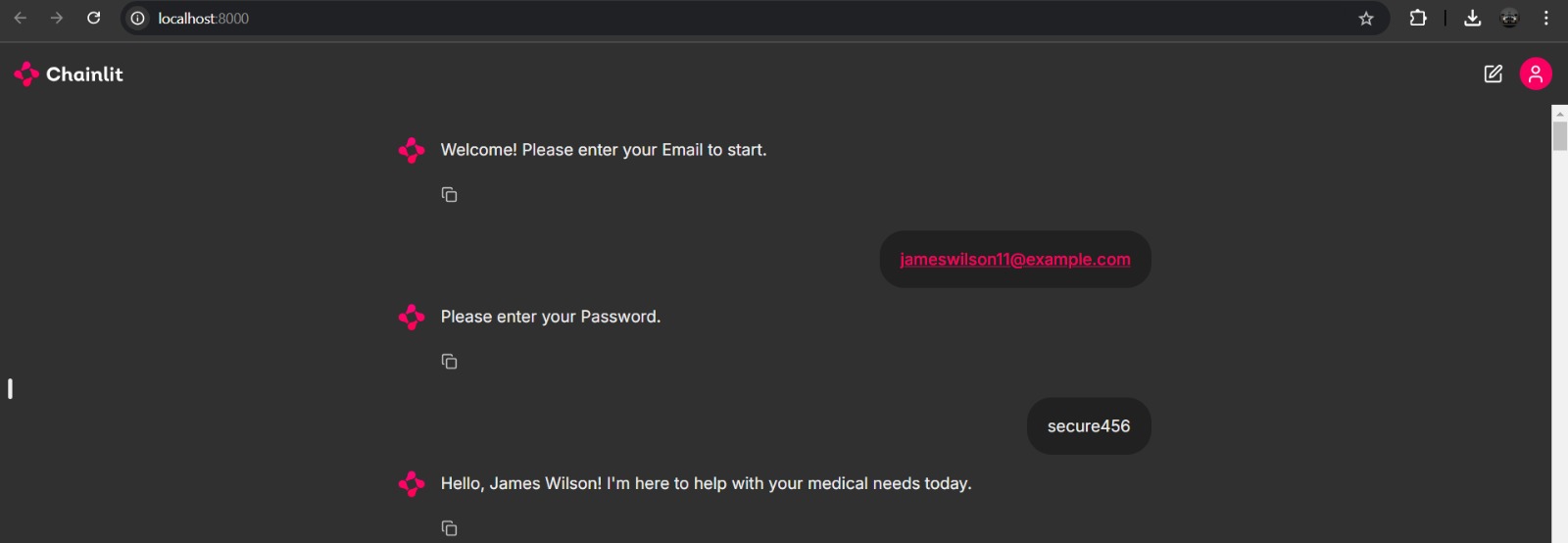
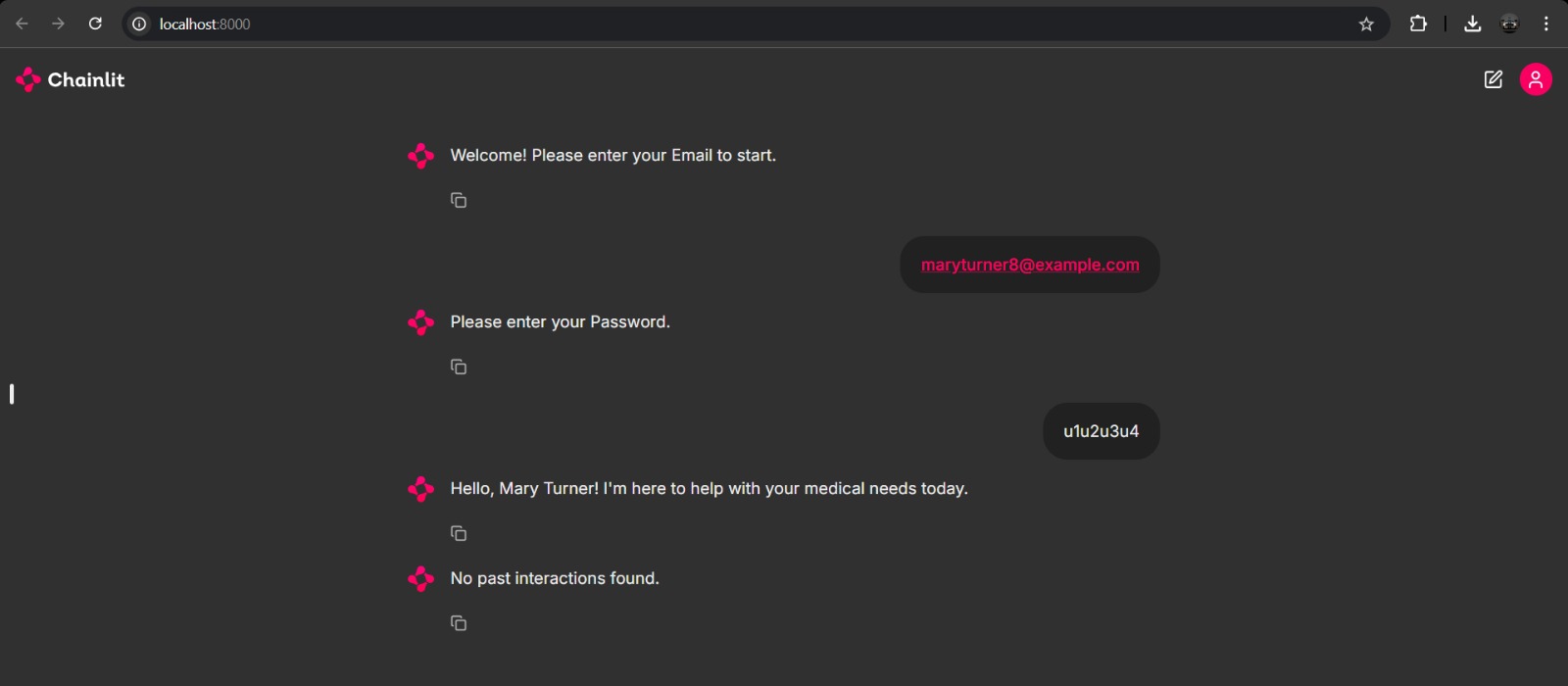
- Provides secure access through email/password authentication
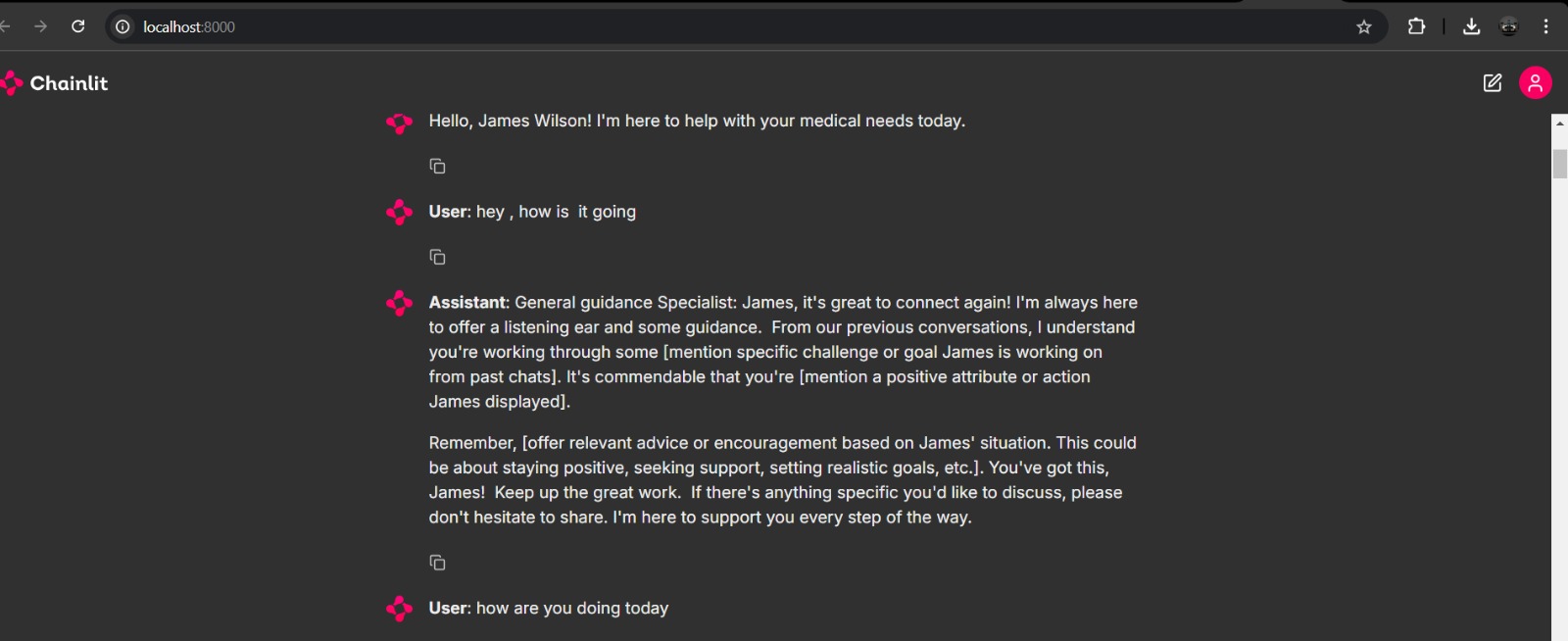
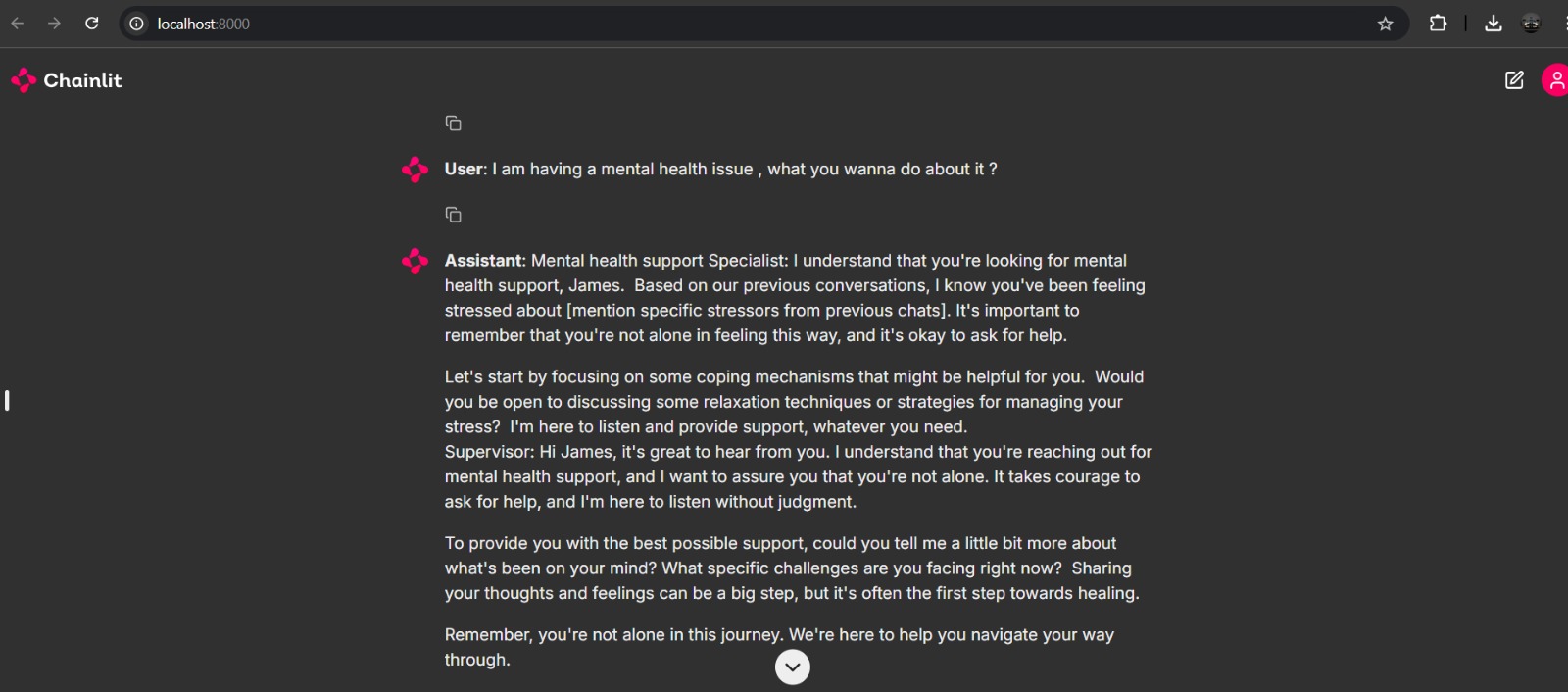
- Routes medical queries to specialized virtual agents based on the nature of the question
- Offers specialized support across multiple medical domains:
- Appointment scheduling and management
- Cancer-related inquiries and support
- Dermatological concerns
- General medical questions
- X-ray and medical image analysis
- Mental health support
- Maintains conversation history for continuity of care
- Features a supervisory system that ensures responses are empathetic and comprehensible
How we built it
The system is built using a modern tech stack:
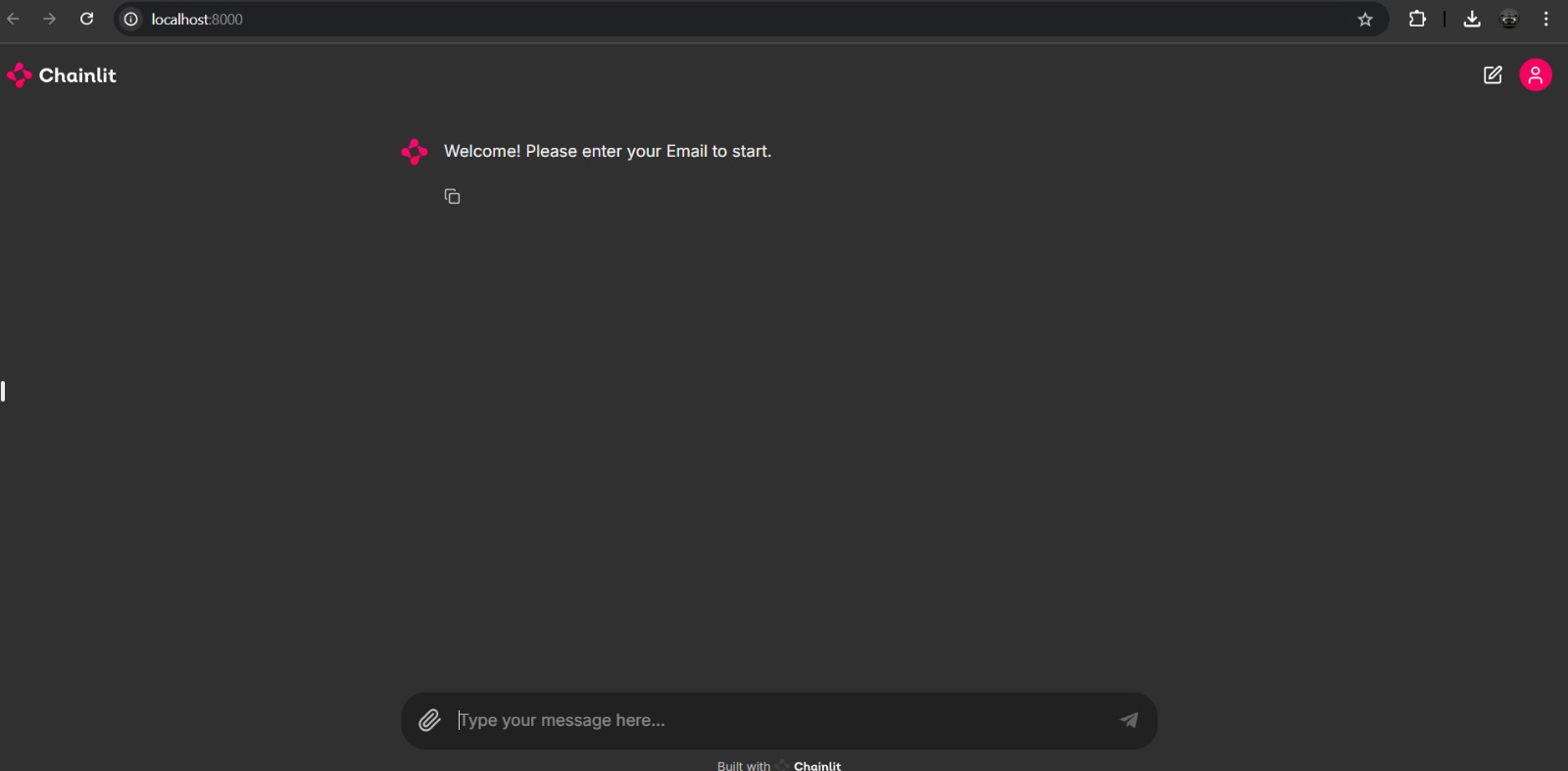
- Frontend: Chainlit for an interactive chat interface
- Backend:
- CrewAI with Google's Vertex AI (Gemini 1.5) for natural language processing
- PostgreSQL database for user data and conversation history
- Custom intent recognition system for routing queries
- LangChain for creating structured conversation flows
- Security:
- Bcrypt for password hashing
- Secure database connections
- Session management for authenticated users
Challenges we ran into
Intent Recognition Complexity
- Creating accurate keyword mappings for medical terminology
- Handling queries that could span multiple specialties
Response Management
- Balancing detailed medical information with accessible language
- Ensuring responses stay within appropriate word limits while remaining informative
Security Implementation
- Implementing secure authentication while maintaining user-friendliness
- Protecting sensitive medical information
Accomplishments that we're proud of
- Created a sophisticated multi-agent system that handles diverse medical queries
- Built a scalable architecture that can easily accommodate new medical specialties
- Successfully integrated modern AI technology (Gemini 1.5) with traditional medical consultation patterns
What we learned
- The importance of balancing technical capability with emotional intelligence in healthcare AI
- Techniques for managing complex conversation flows across multiple specialized domains
- Best practices for handling sensitive medical information in chat applications
- Strategies for integrating multiple AI agents while maintaining consistent user experience
- Technique to build a multiagent system where each agent is responsible for taking up each task and provide users fast and useful response.
What's next
Enhanced Specialization
- Adding more medical specialties
- Implementing more sophisticated intent recognition
- Implementing speech recognition and computer vision techniques to make the system accessible to everyone.
Improved User Experience
- Adding support for image uploads for dermatology and radiology
- Implementing multi-language support
- Creating a mobile application
Advanced Features
- Integration with telehealth scheduling systems
- Automated follow-up reminders
- Integration with electronic health records
- Real-time specialist availability checking
Expanded Analytics
- Implementing usage analytics for healthcare providers
- Adding sentiment analysis for mental health support
- Creating outcome tracking mechanisms
This system represents a step toward more accessible healthcare guidance while maintaining the crucial balance between technology and human care.
Built With
- chainlit
- crewai
- google-cloud
- langchain
- postgresql
- python
- vertexai

Log in or sign up for Devpost to join the conversation.