-
-
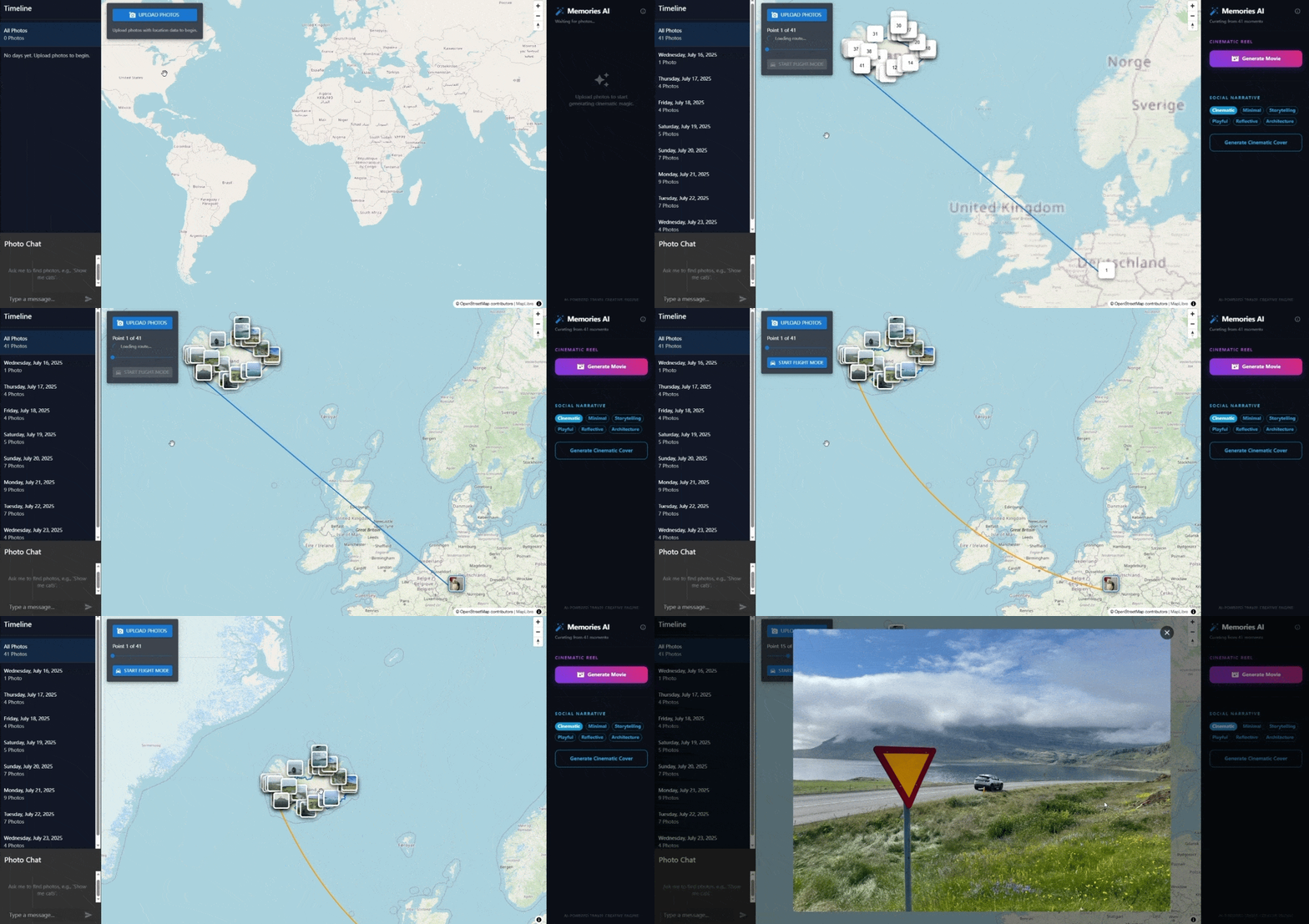
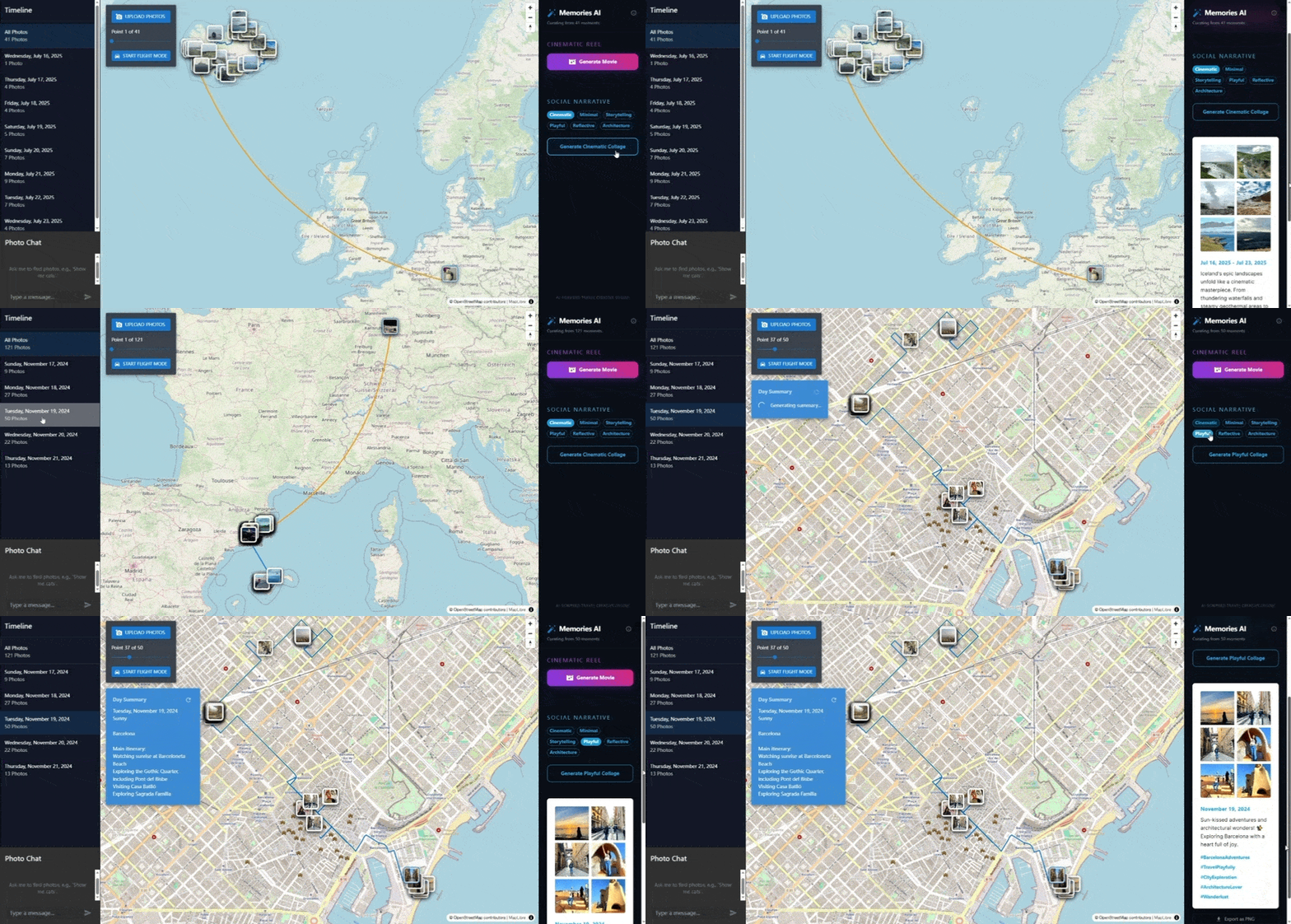
 GIF
GIF
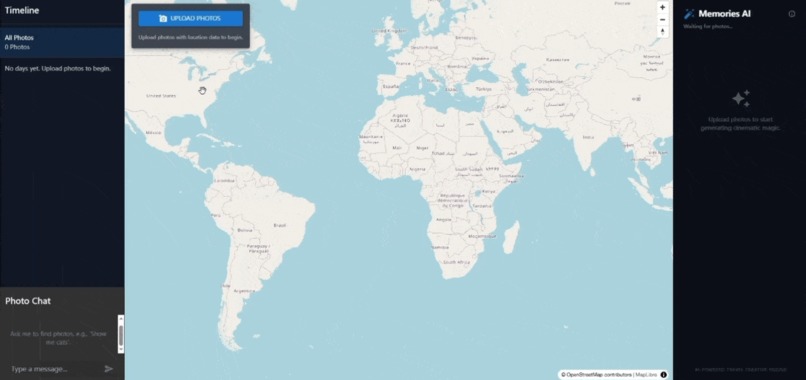
Upload Photos and Instantly Build a GPS-Based Travel Timeline
-
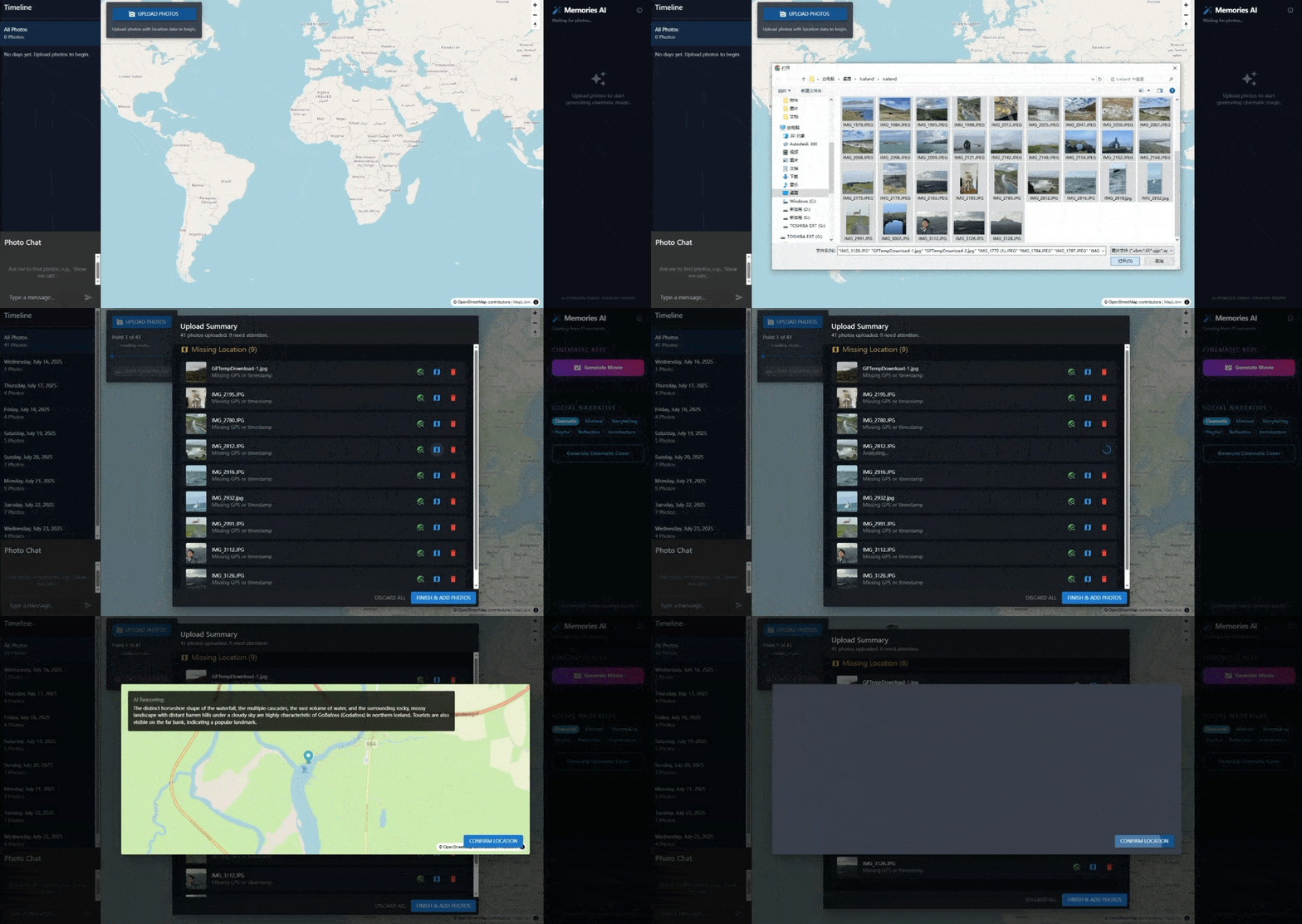
 GIF
GIF
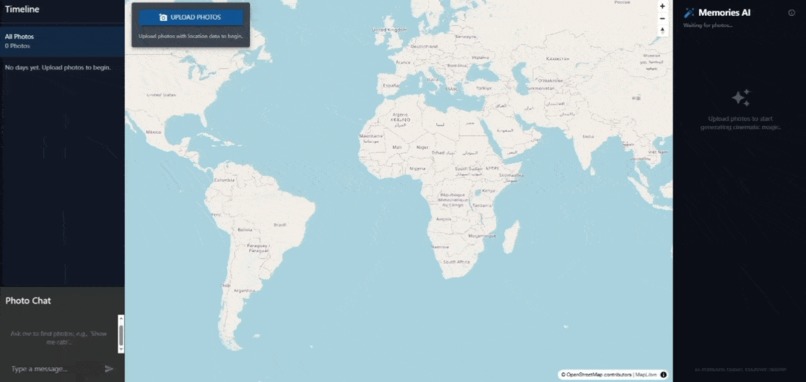
Missing GPS? AI Detects Locations from the Photo Itself
-
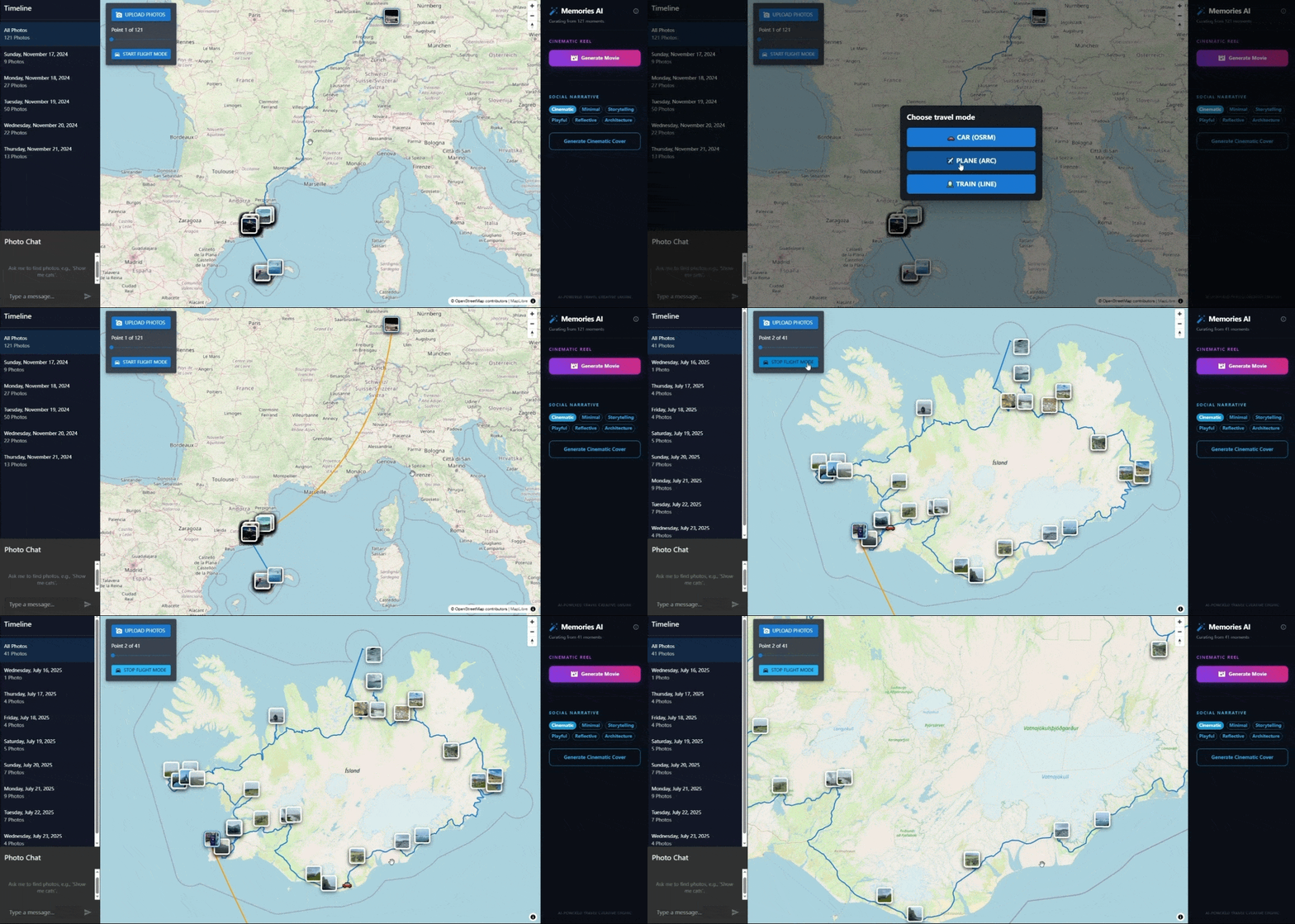
 GIF
GIF
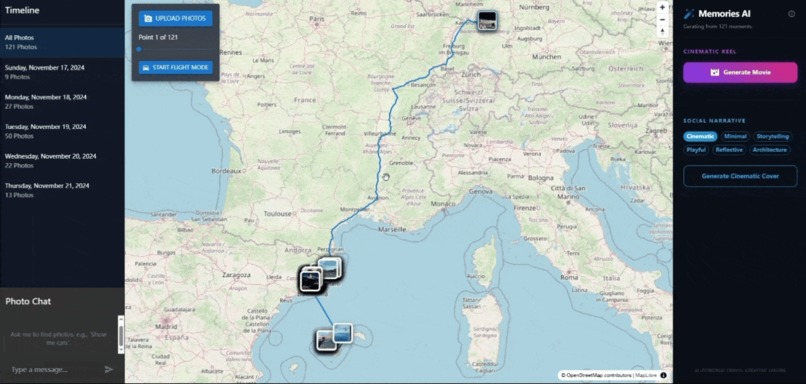
Watch Your Journey Replay on the Map with AI-Predicted Transport
-
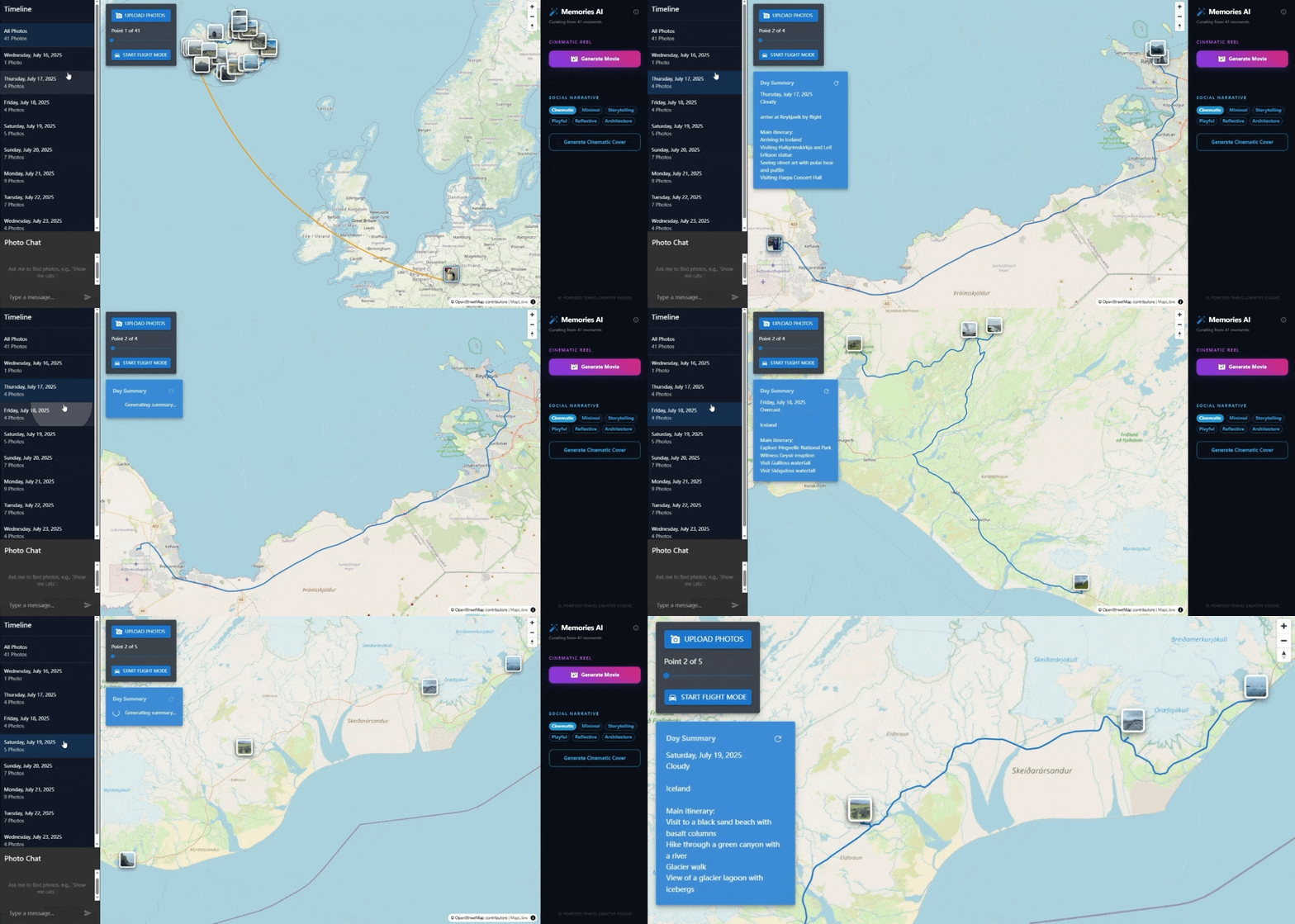
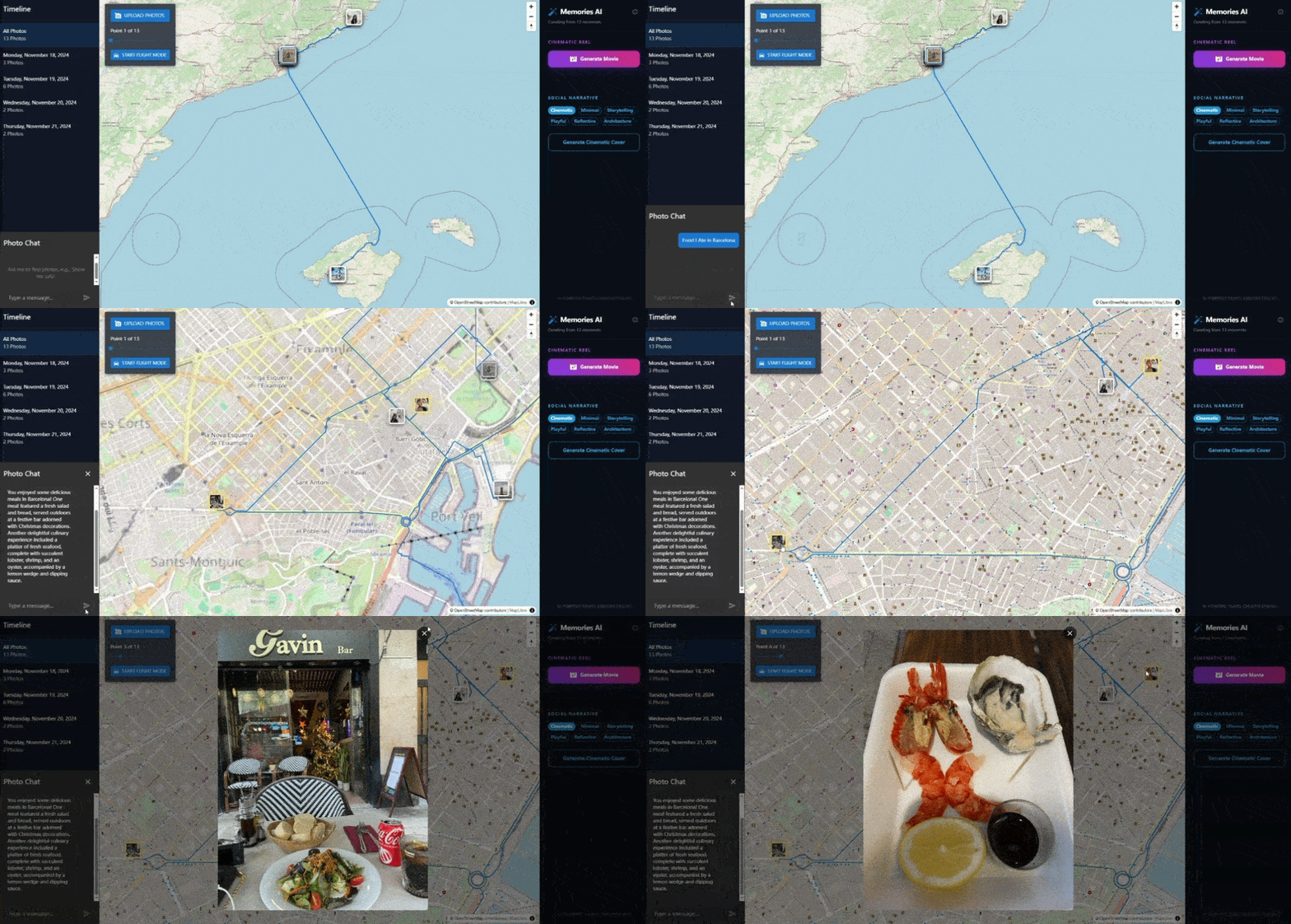
 GIF
GIF
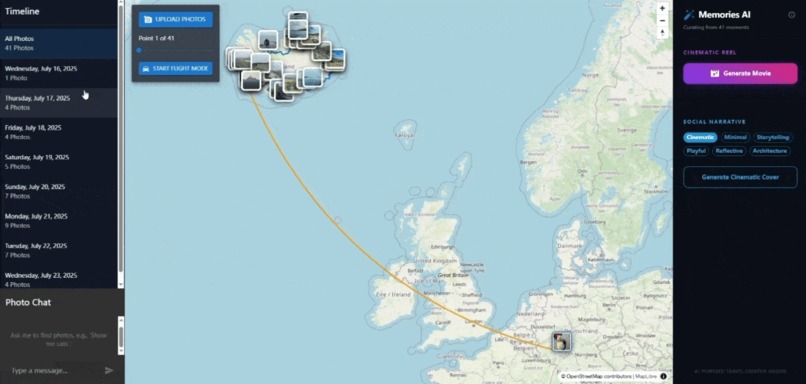
Turn Your Photos into a Complete Daily Travel Journal Automatically
-
 GIF
GIF
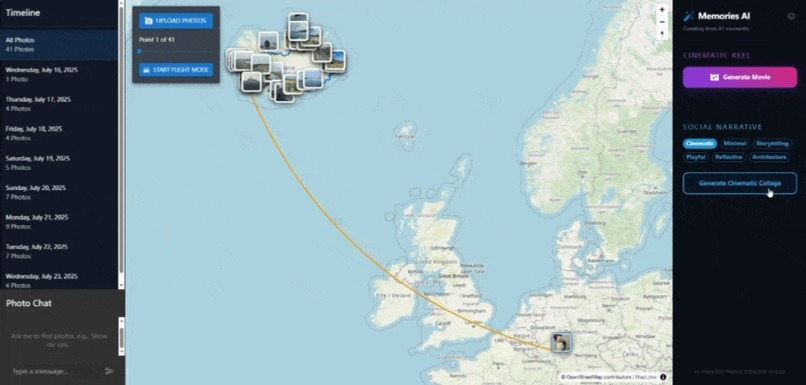
Turn Your Travel Photos into Shareable Collages with AI-Written Stories
-
 GIF
GIF
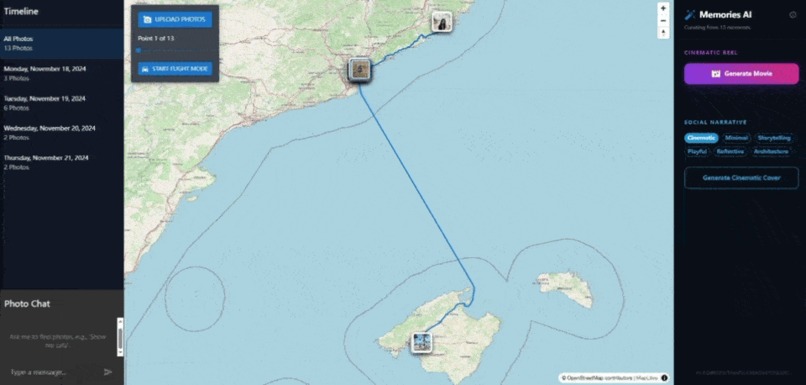
Chat with Your Memories and See Every Moment on the Map
-
 GIF
GIF
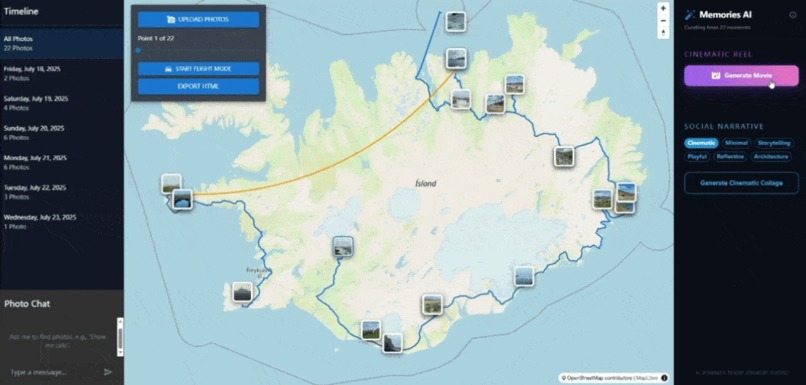
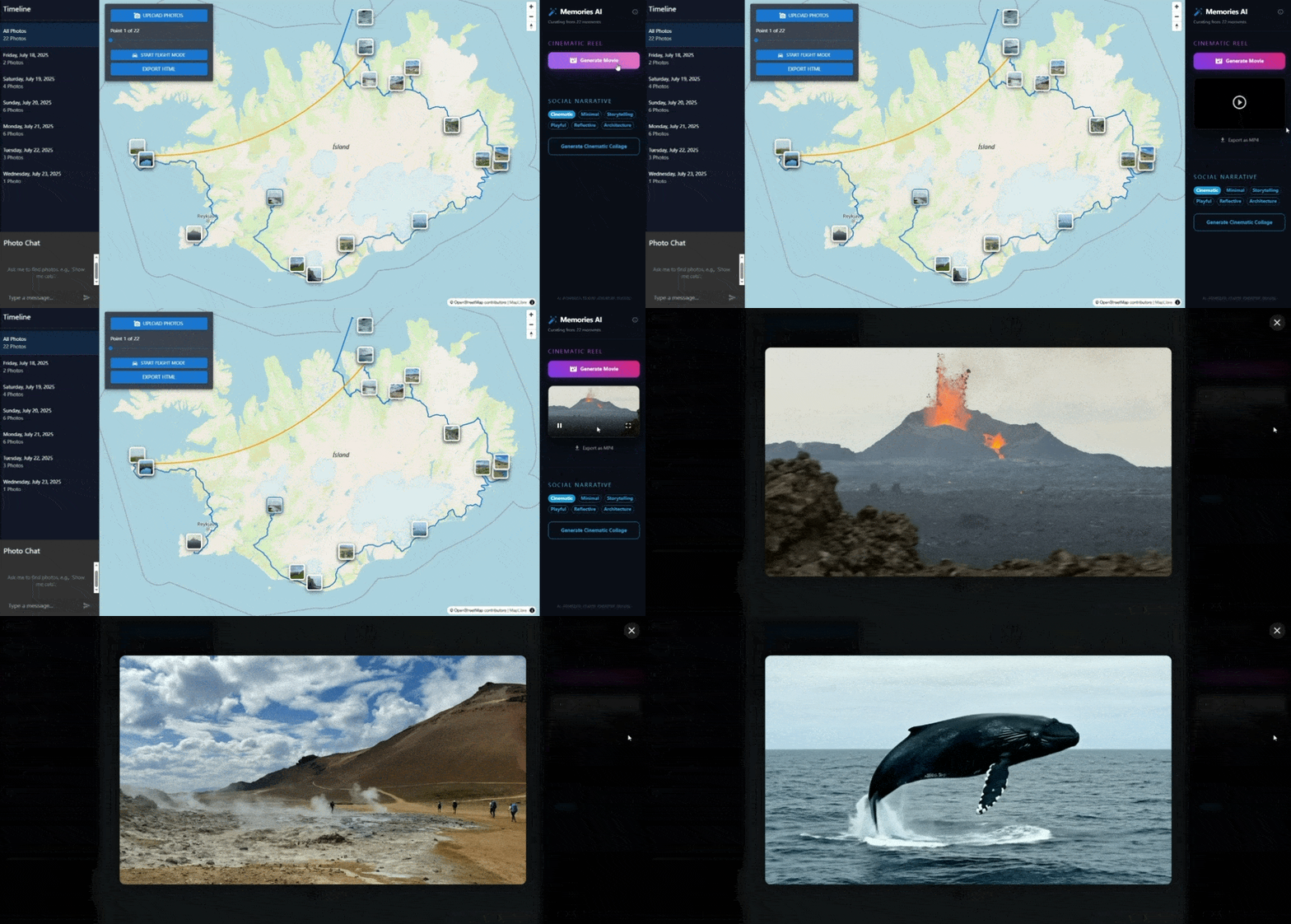
Convert Your Travel Photos into Cinematic Videos with AI
-
 GIF
GIF
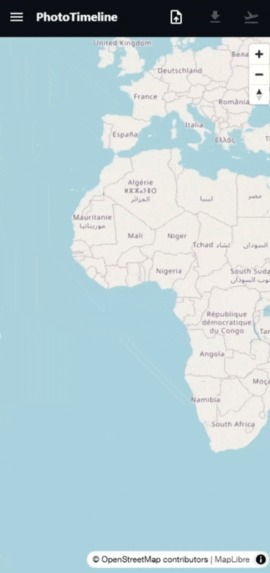
Seamless JourneyLens Experience on Mobile Devices
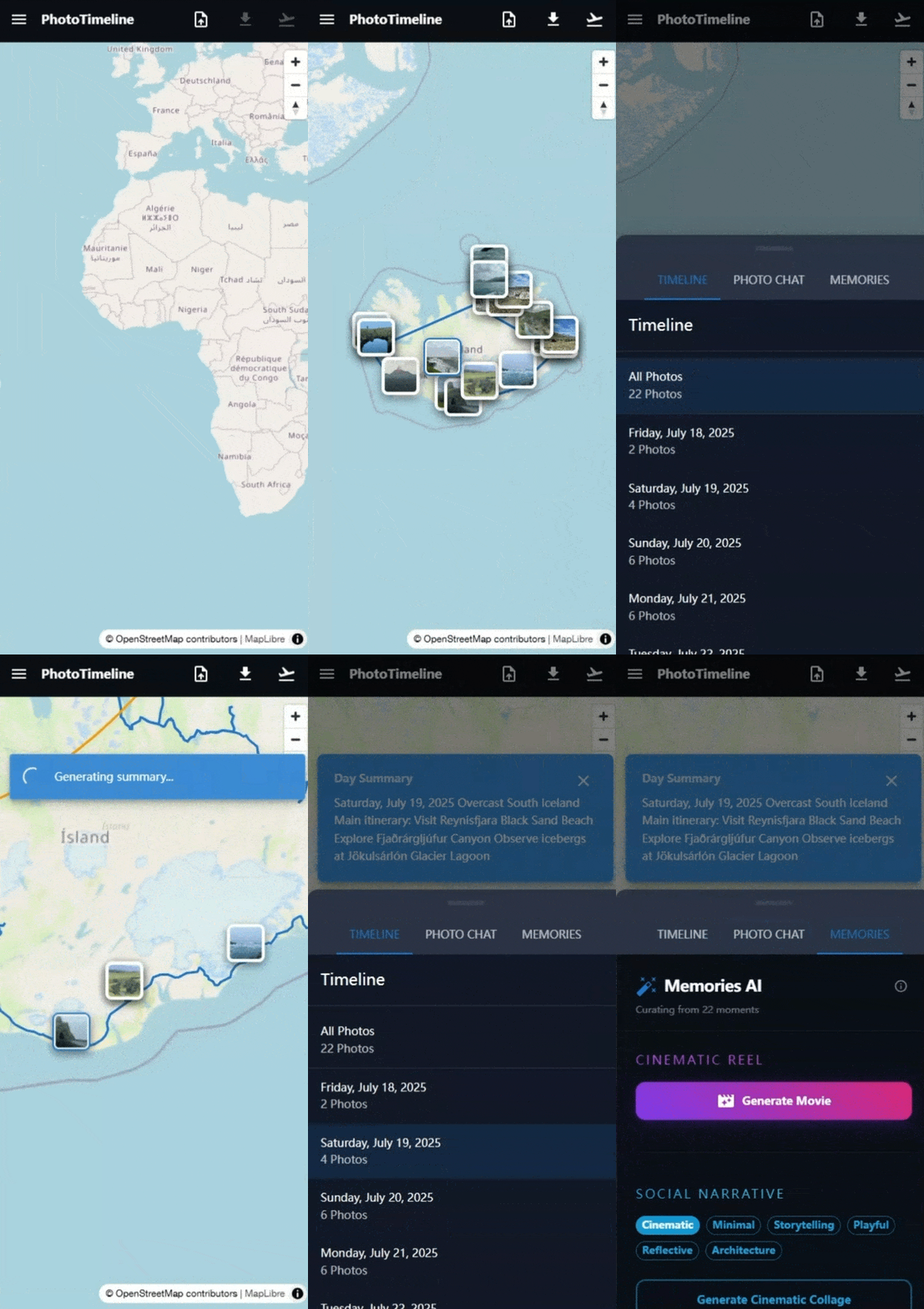
💡 Inspiration
In the age of smartphones and social media, we document our lives constantly. Every trip, every meal, every fleeting moment is captured — not because it is important at the time, but because we’re afraid of forgetting it later.
Yet when we actually try to remember, something feels off. Scrolling through photos rarely brings back the experience itself. We might recognize a place or a face, but the context is gone — the order of events, the atmosphere of the day, the small decisions that shaped the journey. What we lose is not the data, but the structure of memory. Human memory works as stories, not as folders. We remember journeys as sequences, locations, moods, and moments — not as isolated images.
JourneyLens was born from the idea that AI should not just store or sort photos, but understand a journey the way humans remember it. By interpreting photos as parts of a larger experience, JourneyLens helps transform fragmented media into structured, meaningful memories that can be revisited, explored, and reflected upon.
🚀 What it does
JourneyLens is an AI-powered travel memory platform that understands a trip as a continuous experience, not a set of disconnected images. Instead of asking users to browse, tag, or organize their photos, JourneyLens builds a structured memory model of the journey itself — capturing where things happened, in what order, and how moments relate to each other.
Users don’t interact with photos anymore. They interact with their journey.
With JourneyLens core function, users can:
Spatiotemporal Exploration: Experience your journey as it unfolds across maps and timelines, watching memories flow along the path you traveled.
Narrative Reconstruction: Automatically rebuild each day into a coherent storyline, grounded in visual scenes and contextual metadata.
Natural Conversation: Ask questions about your experience and receive answers rooted in the full context of your journey.
Immersive Re-living: See memories transformed into cinematic moments, as AI turns fragments of the past into living scenes.
🛠️ How we built it
1. AI That Understands a Journey as Experience
JourneyLens uses Google’s multimodal AI to reason over a trip as a continuous lived experience, rather than isolated images.
Instead of processing photos one by one, our system reasons over them as a continuous journey, allowing AI to understand sequence, context, and relationships between moments. This enables long-term memory, cross-image reasoning, and experience-level understanding — the foundation of everything JourneyLens does.
2. Stateful Memory Through Conversation
JourneyLens maintains a stateful memory of the trip, allowing users to interact with their journey as if it were a living entity.
Conversations are grounded in accumulated context, not isolated queries. Each question builds on the last, enabling users to recall forgotten details, compare moments, and reflect on their experience naturally — without re-uploading or re-explaining anything.
This turns AI from a one-off assistant into a memory companion.
3.Memory Transformed Into Story
Once the journey is understood, JourneyLens transforms memory into storytelling.
AI captures the emotional “vibe” of the trip and converts it into cinematic narratives, generating dynamic visual sequences that go beyond slideshows. Static photos are elevated into expressive, story-driven videos that feel authored — not auto-generated.
This is where memory becomes something you don’t just remember, but re-experience.
4.A Fully Interactive Web Experience
JourneyLens is implemented as a pure frontend web application, designed for immediacy and accessibility.
The interface combines interactive maps, timelines, and conversational UI into a single experience, allowing users to explore memories spatially, temporally, and narratively — all directly in the browser, with no installation or setup required.
5.Built and Deployed on the Google Ecosystem
JourneyLens is built natively on the Google AI and Cloud ecosystem and deployed on Google Cloud Platform as a fully accessible web product.
By combining Gemini’s long-context multimodal reasoning, Veo’s generative video capabilities, and Google Cloud’s scalable infrastructure, JourneyLens operates as a fully deployed, end-to-end product — not a prototype.
This tight ecosystem integration allows JourneyLens to scale from personal trips to collaborative journeys, and from individual memories to shared experiences.
⚡Challenges we ran into
Teaching AI to understand a journey, not just multimodal inputs: Reasoning across images, time, and location as a single lived experience — rather than isolated signals — required rethinking how context and memory are represented.
Recovering missing or unreliable geolocation from visual context: Many travel photos lacked usable GPS data. We had to combine partial metadata, scene understanding, and user-guided correction to place memories meaningfully on the map.
Embedding emotional meaning into multimodal understanding: Translating visual scenes and metadata into narratives that feel human and reflective — instead of purely analytical summaries — was a core challenge.
Constraining generative video to remain faithful to real experiences: While generating cinematic outputs, we had to carefully limit creative freedom so videos enhance memories without inventing events or distorting what actually happened.
🏆 Accomplishments that we're proud of
Enabled journey-level understanding instead of photo-level interaction: The system treats an entire trip as a coherent experience, allowing memories to be explored by context, sequence, and meaning — not by manual browsing.
Made travel memories explorable through space, time, and conversation: Users can navigate their journey on maps and timelines, and ask natural questions grounded in the full experience.
Recovered meaningful structure even when data is incomplete: Journeys remain coherent on the map and timeline despite missing or imperfect metadata, preserving narrative continuity.
Turned static memories into expressive, cinematic moments: AI-generated videos enhance emotional recall while remaining faithful to real experiences.
Delivered a fully accessible, end-to-end web experience: JourneyLens runs as a deployed web application, ready to explore, demo, and share — not just a concept.
📚 What we learned
Multimodal AI is especially powerful for memory and storytelling, as reasoning across vision, time, and context enables experience-level understanding rather than isolated interpretation.
Story structure matters as much as model capability — how context is organized often determines whether an experience feels meaningful or forgettable.
AI can act as a creative partner, not just an automation tool, when guided generation enhances human expression instead of replacing it.
Long-context reasoning unlocks entirely new interaction patterns, allowing Gemini to treat a journey as a single, evolving memory.
Google’s AI and Cloud ecosystem enables rapid productization, with Gemini, Veo, and GCP allowing us to move from idea to a fully deployed web product within hackathon constraints.
🔮 What's next for JourneyLens
JourneyLens is just the beginning of how AI can help people remember experiences. Next, we envision memories becoming more expressive, more social, and more immersive. Journeys won’t just be reviewed — they will be replayed, shared, and re-experienced.
Travel stories will evolve from static recaps into short, authored narratives that capture voice, emotion, and atmosphere.
Memories will no longer live in isolation, but become shared spaces, where friends and families contribute to a single collective experience.
And eventually, recalling a trip won’t mean looking back at a screen, but stepping into it, exploring memories as spatial experiences rather than media files.
Our goal is to move beyond preserving what happened — and toward re-living what it felt like.


Log in or sign up for Devpost to join the conversation.