-
random image
FakeCheck
Our inspiration
We live in an era that has made it possible to spread information at such a high rate that is almost instantaneous. This drastic improvement in technology in the recent decades, has given almost everyone access to a vast amount of information. Although this is beneficial in many ways, such as people being able to voice their issue and problems and learning about the world around us, the information available is affected by false claims and fake news. The dangers of widespread misinformation among social media and networks can be easily seen during the current pandemic. For example, Ofcom has found that almost half of UK online adults came across fake news about coronavirus at the beginning of April. Misinformation among our current situation can put peoples’ lives at risk.
Aside from the risks caused by misinformation about COVID-19, many political issues have also been negatively affected by fake news. News and media polarize any situation to increase disparity between various groups with every major event, revolution, or social-impact movement. We hope to give a platform for the truth to spread and a way to fight fake news with this project.
Problems with current solutions
Current fake news detectors or rating agencies make use of academic scholars with special expertise in their respective areas of study. The high volume of misinformation cannot be processed by these to give a rating. Although, you may get a deep analysis of a article or post on social media, you won't have this review done quickly, it won't appeal to the average person, and this method is limited by the physical hours fact-checkers can work.
The fact is most fact-checking sites are English-language based only. That means primarily U.S., Canada, and the U.K. based, with support only for those English-speaking communities. People who suffer from the wrath of misinformation, whether it be false health advice, targeted propaganda, or plain frauds often do so in countries where English is not spoken. Therefore, they do not have the privilege of being able to check the validity of their own media in real-time.
Our solution
We have built FakeCheck to serve the world with a non-profit, responsive, honest fact-checking platform that is intuitive and easy for everyone to understand regardless of their background.
Process flow
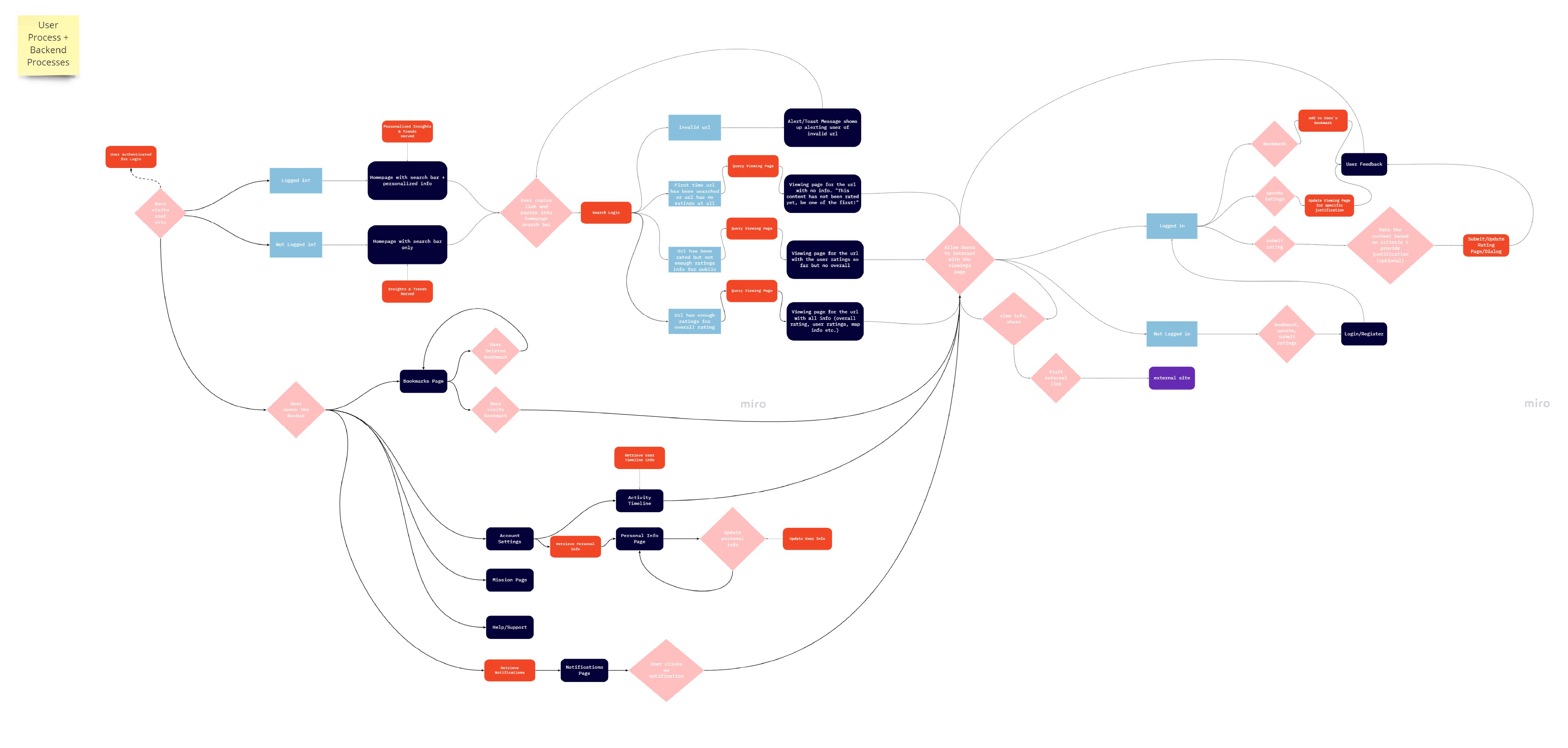
Process flow 1
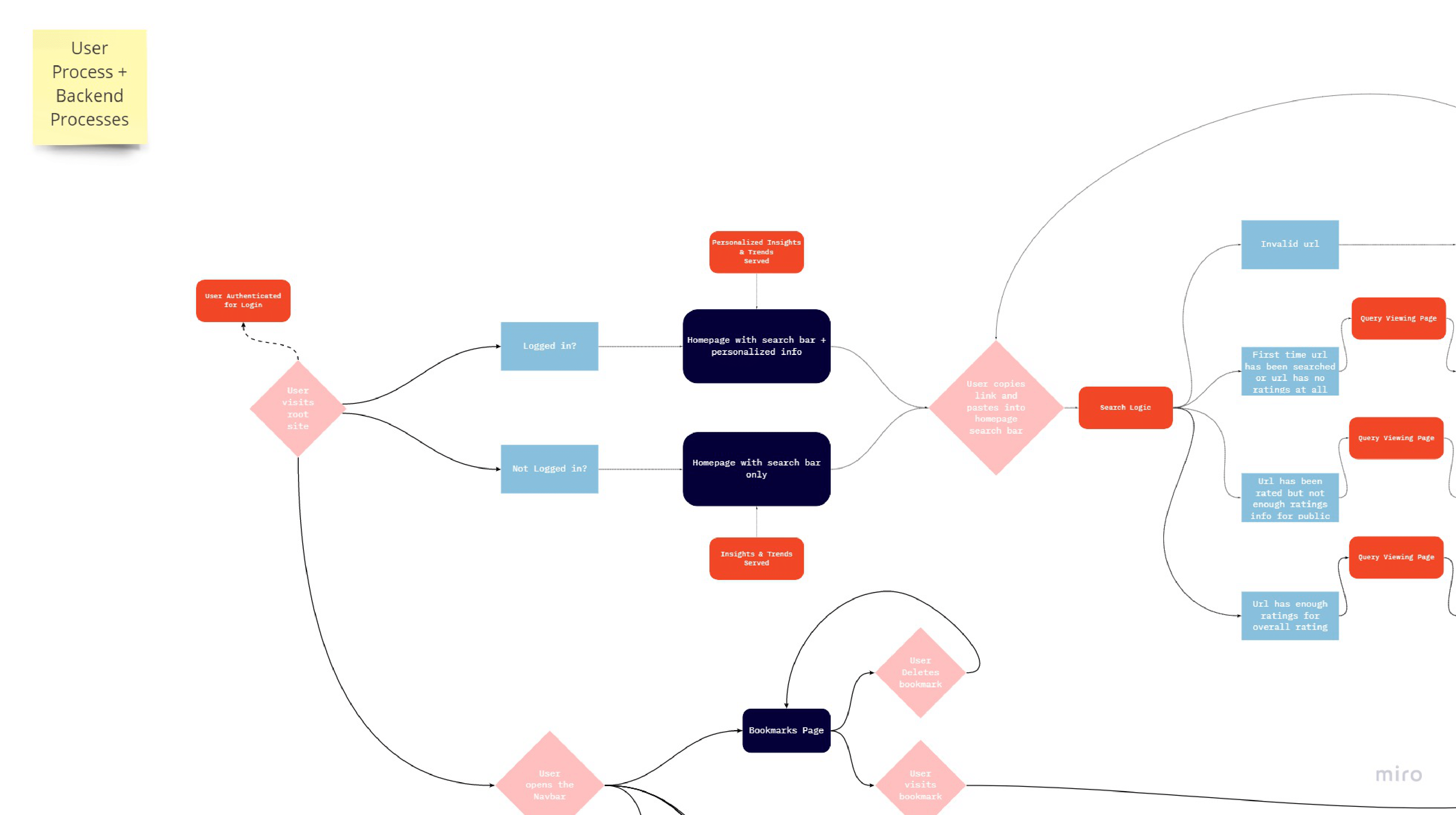
Process flow 2
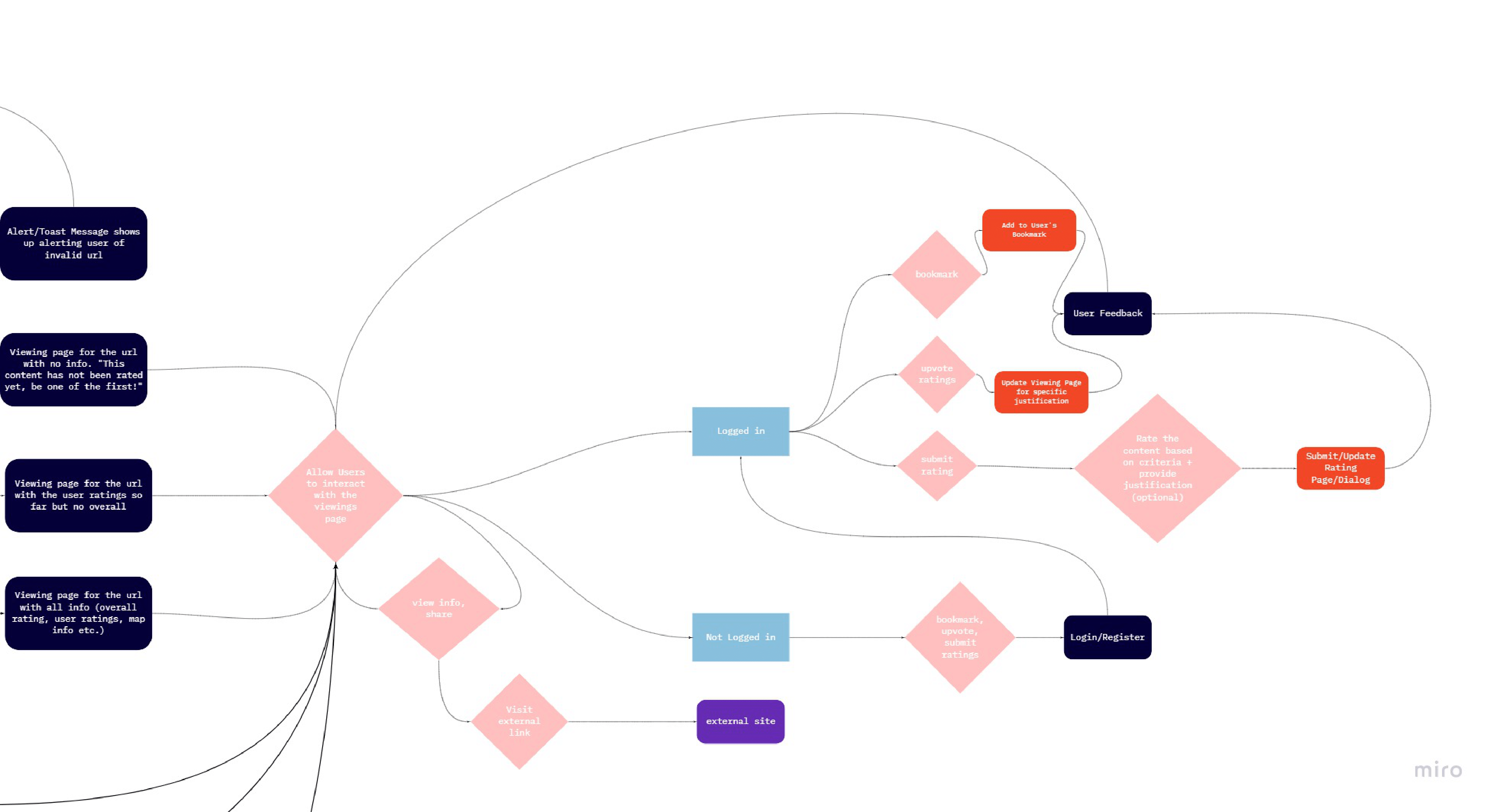
Process flow 3
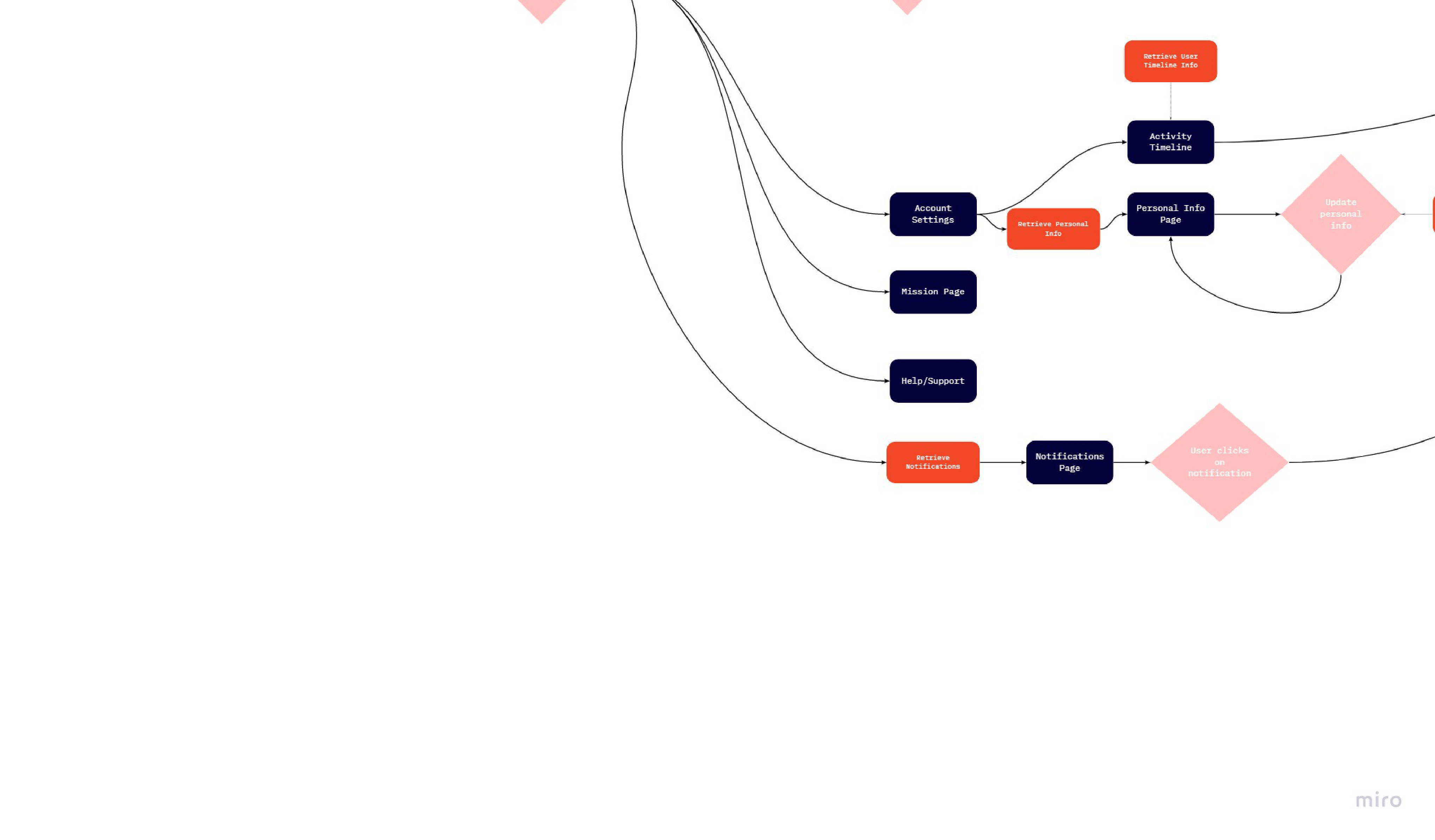
Process flow 4

Process Flow 4
The process starts with the users need to find the truth.
Users have a piece of media they want to check a rating for its reliability or contribute themselves with a rating.
They go to our site and intuitively paste their link into our engine, which is the most prominent feature on our homepage.
If prior crowd-sourced ratings exist, the user immediately sees our curated and published ratings for that media, based on our users' input and proof as shown below.
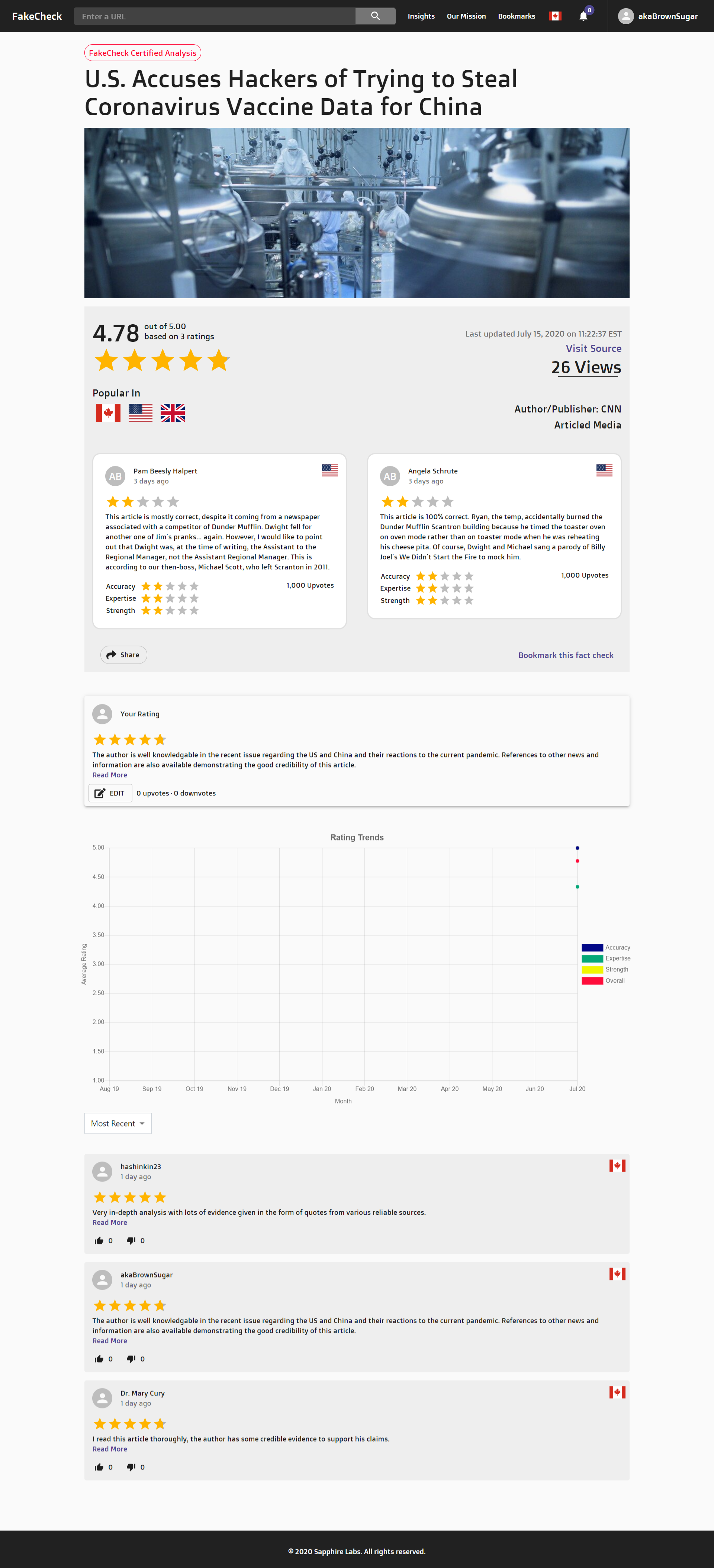
In the ratings viewing the page, we offer the following pertinent information.
- Our published average user ratings
- Information regarding the source such as publisher, type of source, title, and a link to the source itself.
- The top three countries where majority of the ratings have been collected from.
- Ability to share and save this source.
- Your rating if have given any, ratings from other users showing the two most voted ratings at the along side our published rating.
- A ratings trend timeline to let the user know how the rating for this specific source has changed over time.
- We prompt the user, if they have the aptitude, to rate the media as well, as long as they have insight that may work in support of the media, or equally, against its truth-fullness, we respect their voice and let them share it. We process their queries and build and internal score we wish to publish.
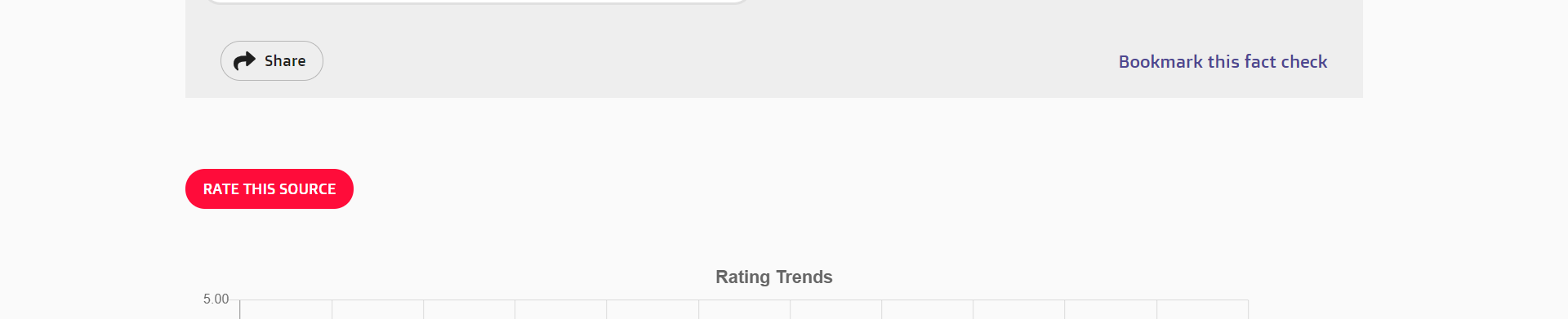
The user will be able to click the "RATE THIS SOURCE" button to contribute the knowledge they have.
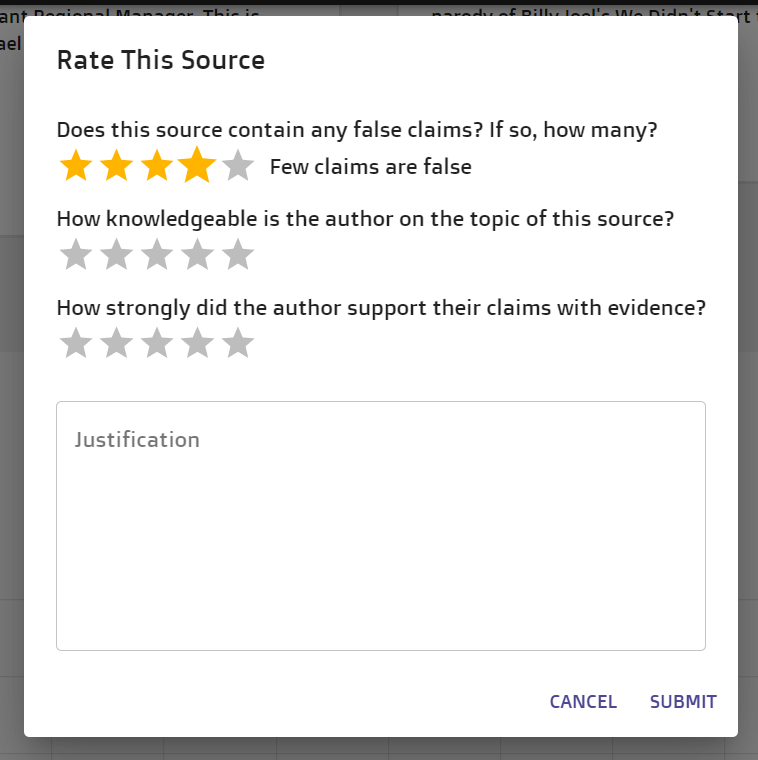
The rating diaglogue asks the user the following key questions to determine the truthfulness of this source.
- Does this source contain any false claims? If so, how many?
- How knowledgeable is the author on the topic of this source?
- How strongly did the author support their claims with evidence?
The users are able to answer these questions with the star rating, each star describing a different level to the answer. The can also justify their ratings in the text box below to help other users understand the rating and increase credibility.
Once our confidence metrics are met, we update a newly published rating for the media We will constantly adapt to make use of the effort and insight of the user-base to republish.
We alert any watchers, or users who gave ratings of newly published updates by us, so they are constantly in the know, and can rely on being kept in the light instead of the dark, on the news, regardless of where they may come from.
We notify users on trending topics, changes to the sources they have rated or updated them on any upvotes or downvotes to their rating.
- We provide organizations with insight, based on alerts happening around the world related to fake news detection or negative sentiments and classified to their names to show their brand is recognized by users across the world, helping them improve and adapt.
Include something about using AWS
Built With
- nothing

Log in or sign up for Devpost to join the conversation.