-
Logo
-
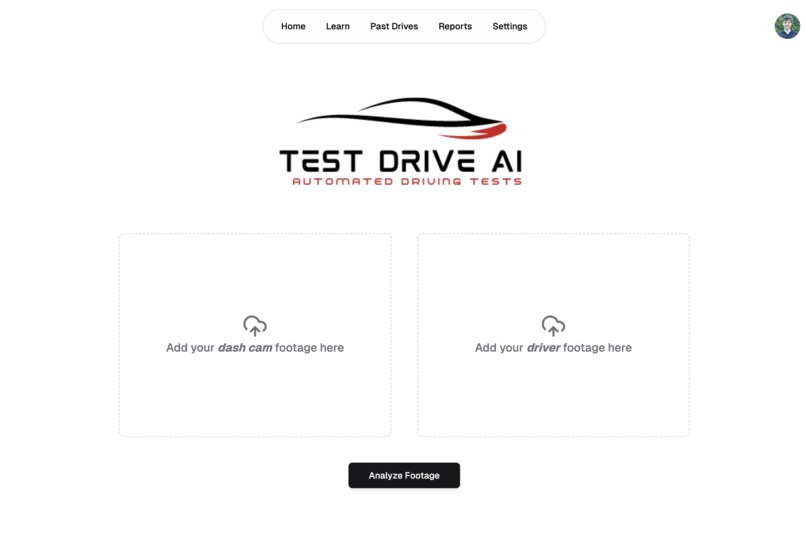
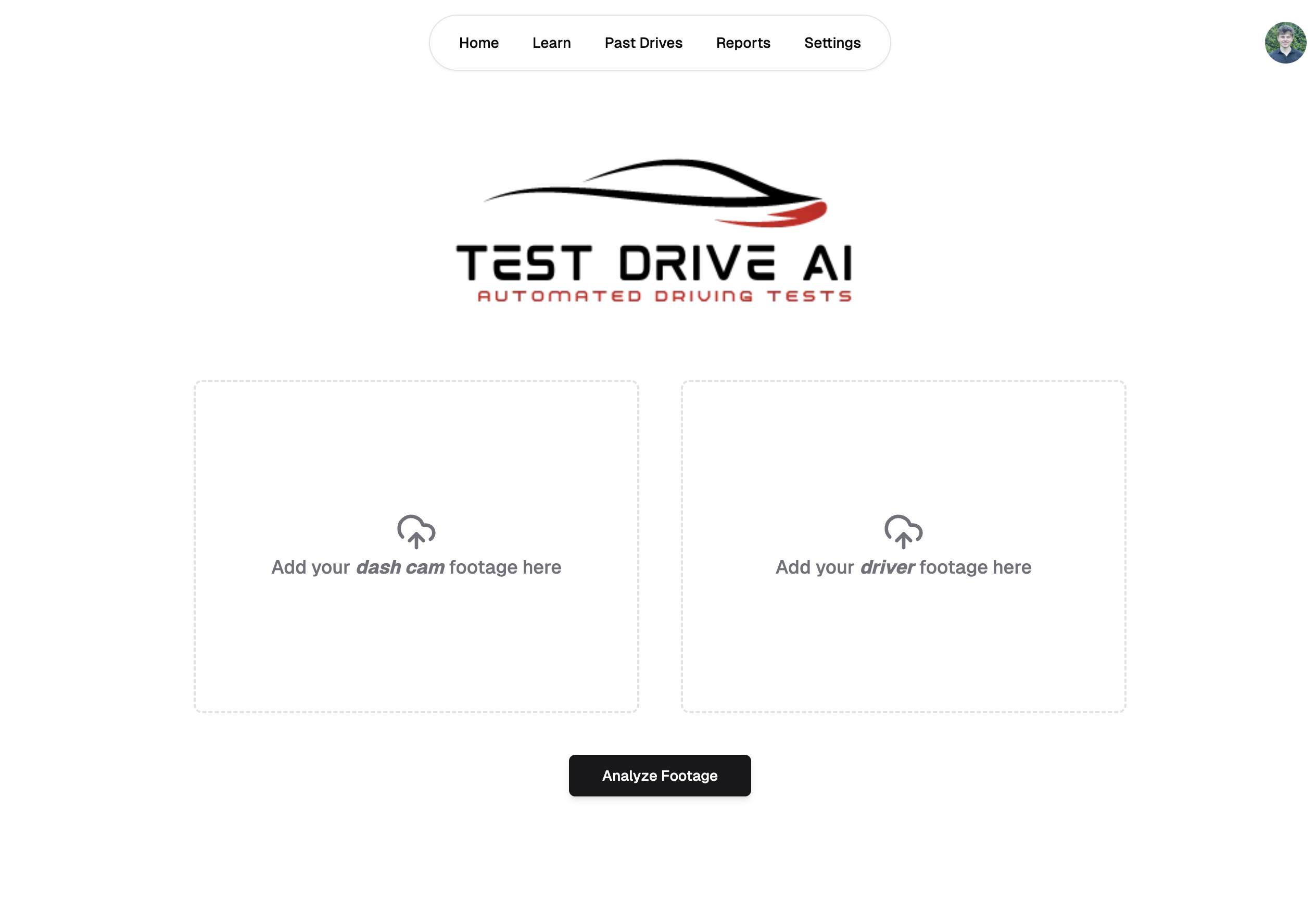
Home Page
-
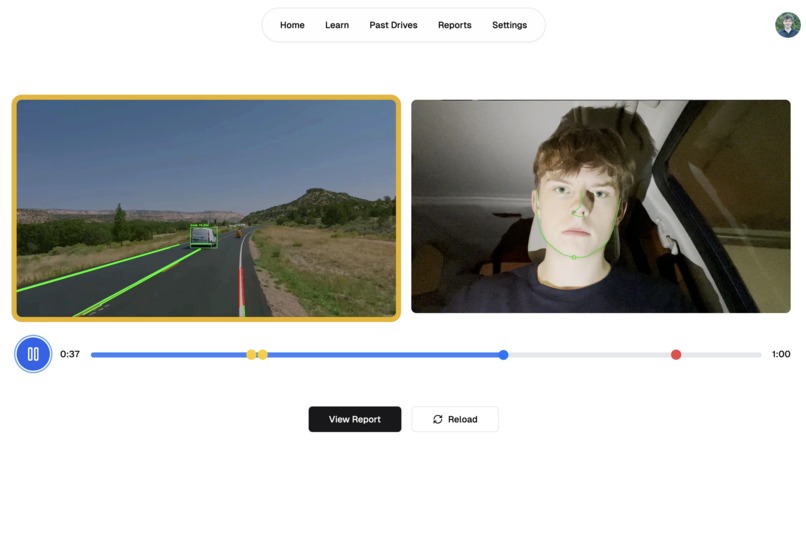
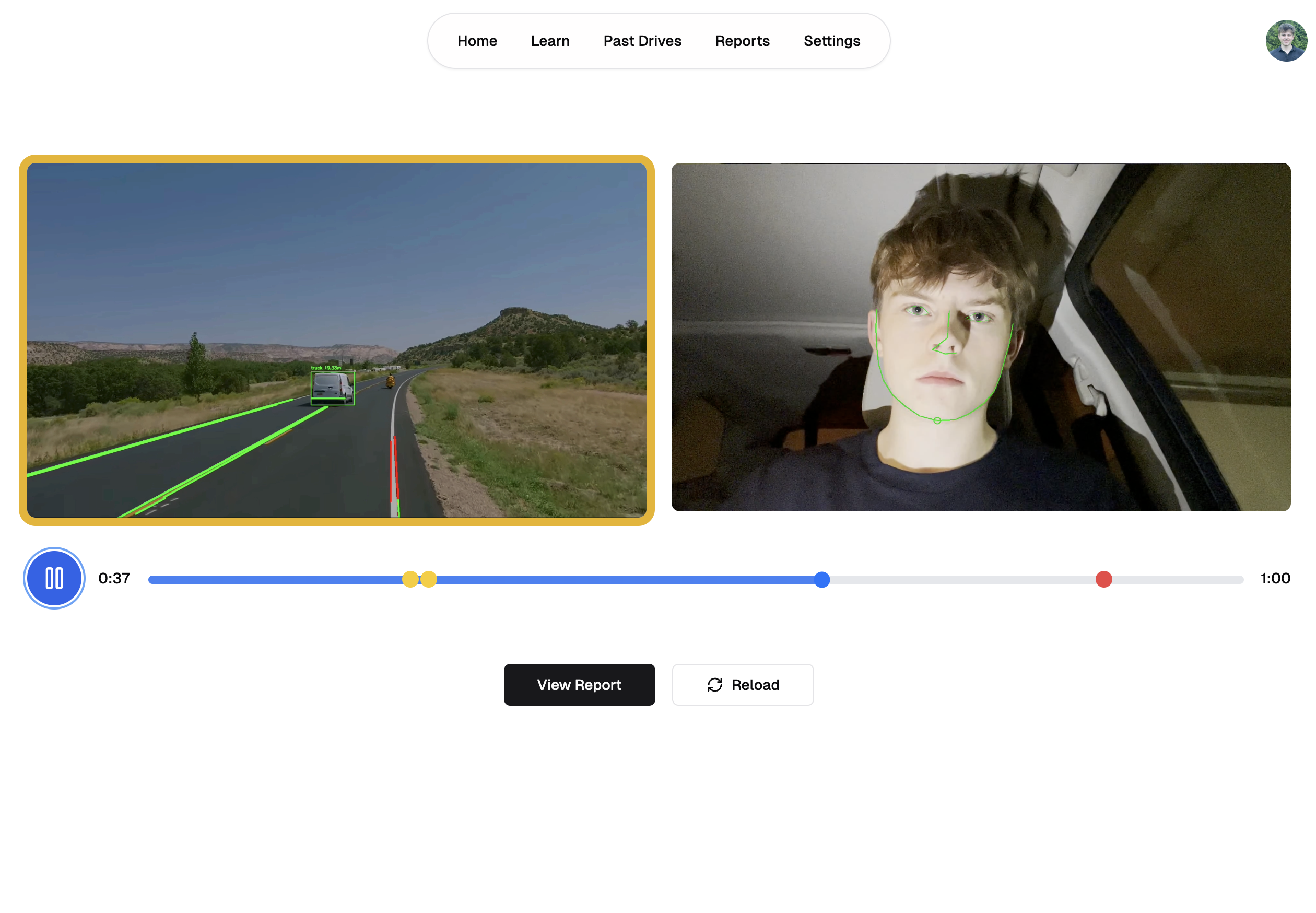
Driving Analysis and Playback
-
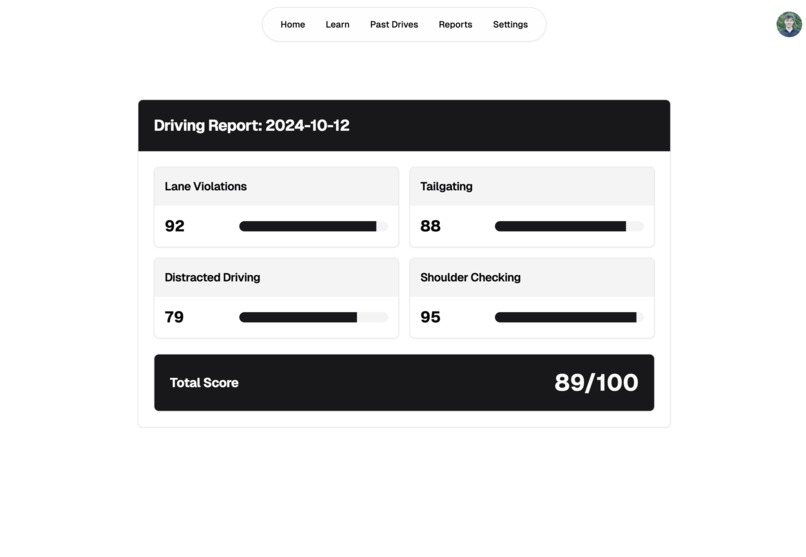
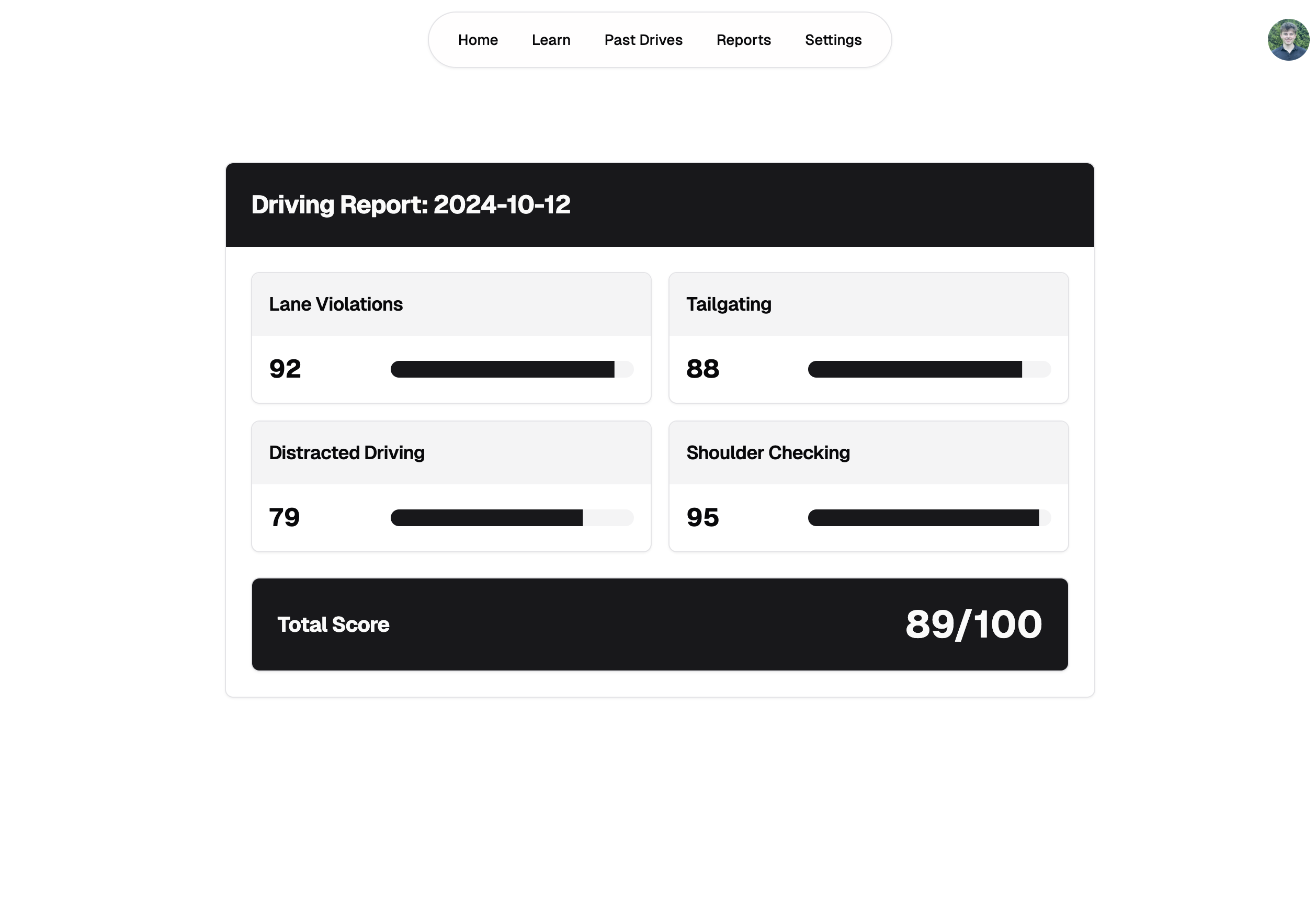
Driving Report
Inspiration
The growing need for safer roads and consistent, unbiased driver assessments inspired us to create Test Drive AI. Human error and bias in driving tests can lead to inconsistent evaluations, and with the rise of distracted driving, a tool that provides automated, standardized, AI-driven insights is essential for improving road safety.
What it does
Test Drive AI analyzes dashcam and driver-facing footage to assess driver performance. It detects lane violations, tailgating, and smartphone usage, providing a driving test report and a decision on whether the driver passed or failed.
How we built it
We built Test Drive AI using advanced AI and machine learning models, including YOLO for object detection, to detect road violations and driver behavior in real-time. The system processes video footage, flagging lane violations, tailgating, and smartphone usage, delivering standardized results. The front-end is a web-based platform that allows users to easily upload dashcam and driver-facing footage. We used Next.js with Tailwind and ShadCN for styling. On the back-end, we leveraged Intel’s Gaudi AI accelerators and oneAPI tools to optimize performance and reduce latency, enabling faster video processing and more accurate real-time assessments, especially for larger video datasets. The Intel Developer Cloud provided the hardware scalability needed for rapid iterations and testing.
Challenges we ran into
Handling real-time video processing efficiently, ensuring accurate detection across different lighting conditions and angles, and minimizing false positives were some of the key challenges we faced. Integrating hardware acceleration and optimizing the models for fast processing was another significant hurdle.
Accomplishments that we're proud of
We successfully implemented a solution that detects multiple types of violations, including lane drifting and phone usage, in real-time. We're proud of creating an automated assessment system that could make driving tests more consistent and reduce human bias.
What we learned
We learned a lot about optimizing AI models for video processing and the importance of edge cases in road footage. The project also deepened our understanding of hardware acceleration for AI workloads and how to fine-tune detection models to be both efficient and accurate.
What's next for Test Drive AI
We plan to refine the detection algorithms to cover more safety violations, such as speeding and hard braking. Additionally, we aim to expand our platform to be used by driving schools, offering a comprehensive solution for road safety assessment and driver education.


Log in or sign up for Devpost to join the conversation.