-
-
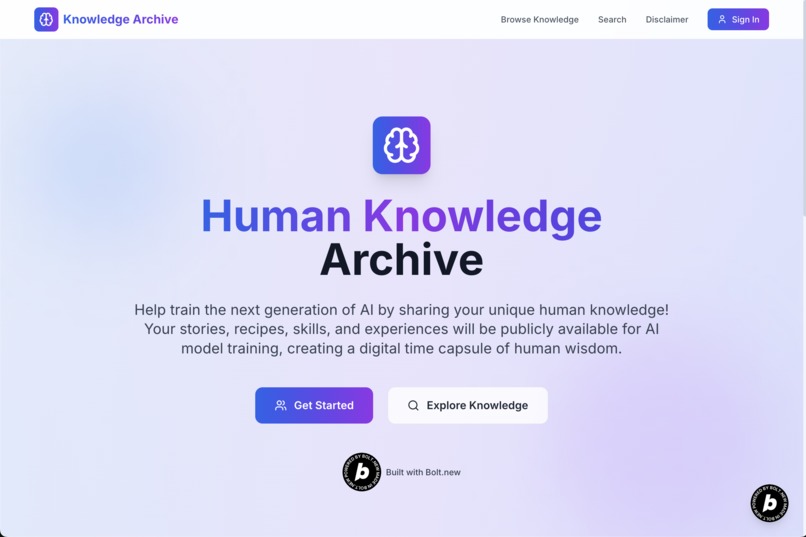
Main Landing Page Top
-
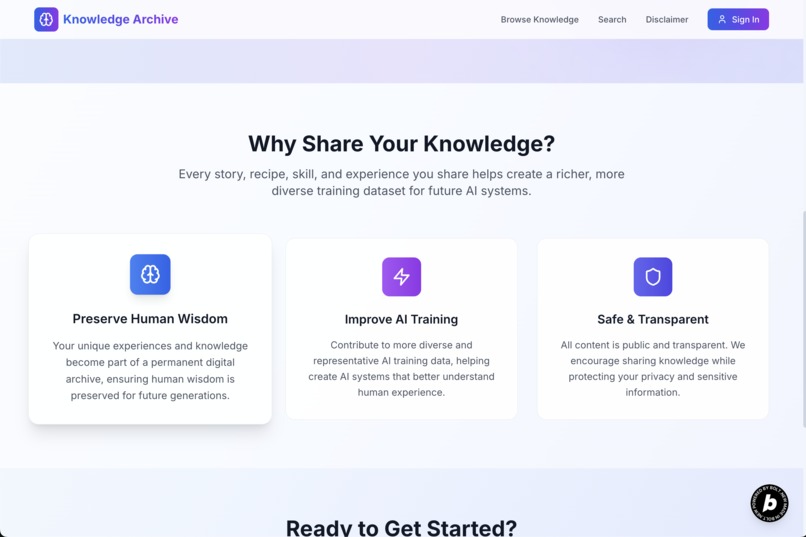
Main Landing Page Middle
-
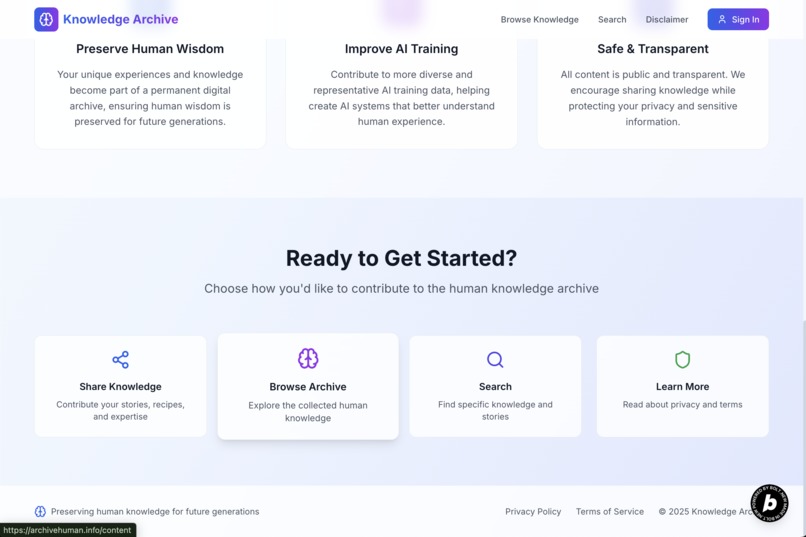
Main Landing Page Bottom
-
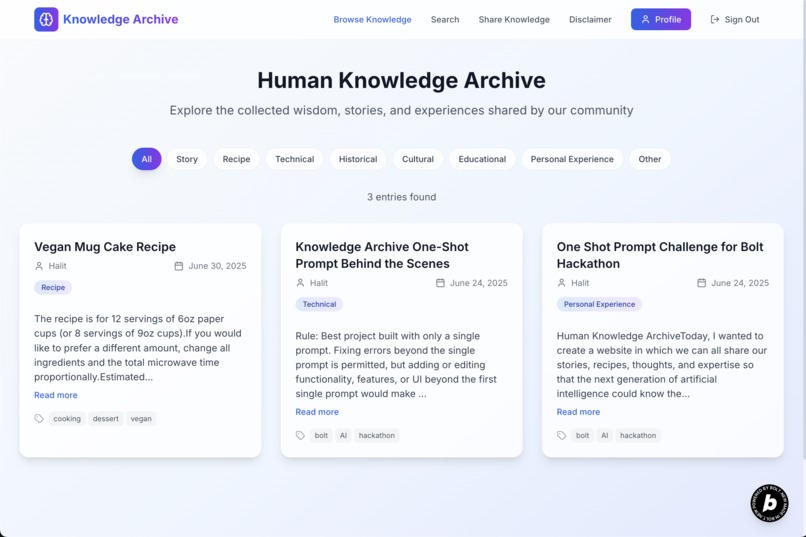
Browse Posts Page
-
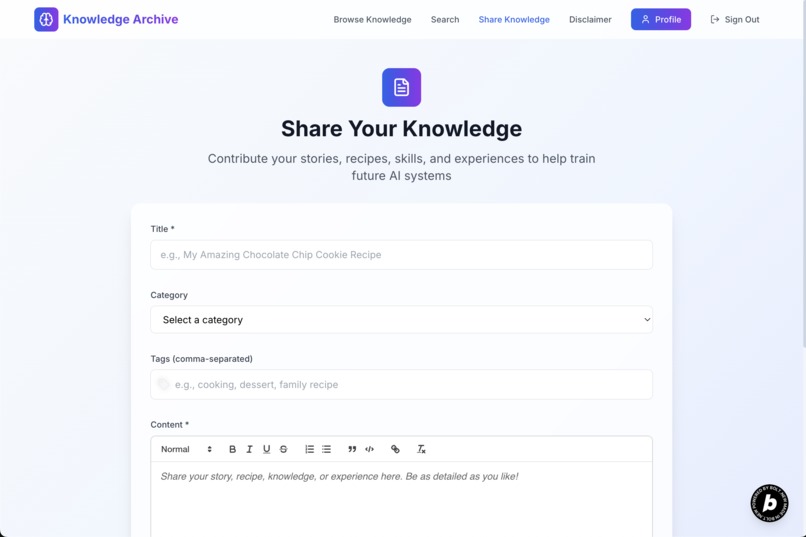
Share Post Page Top
-
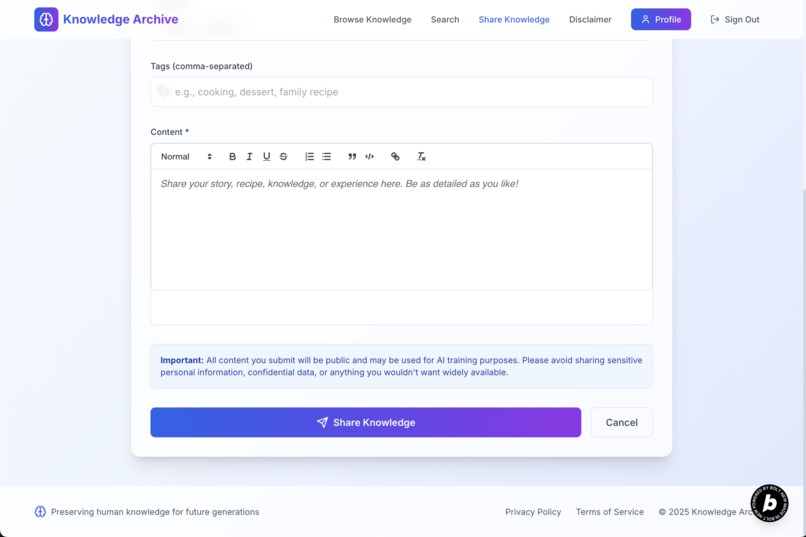
Share Post Page Bottom
-
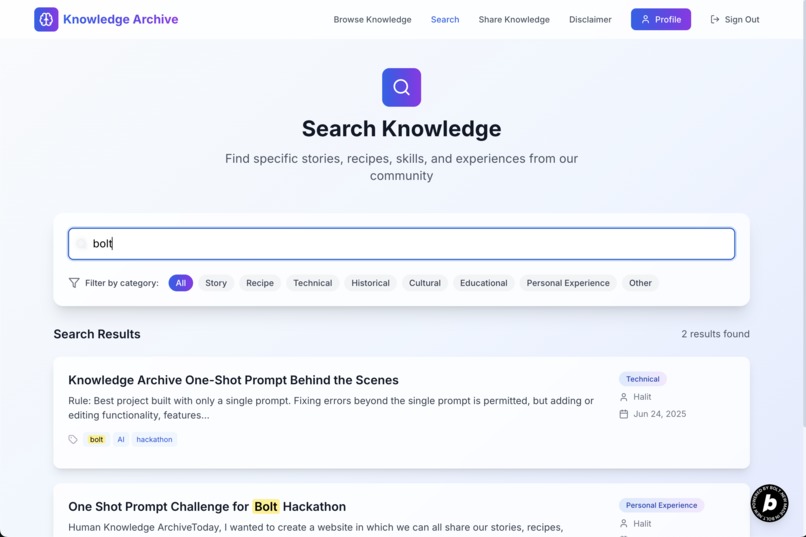
Search Post Page
-
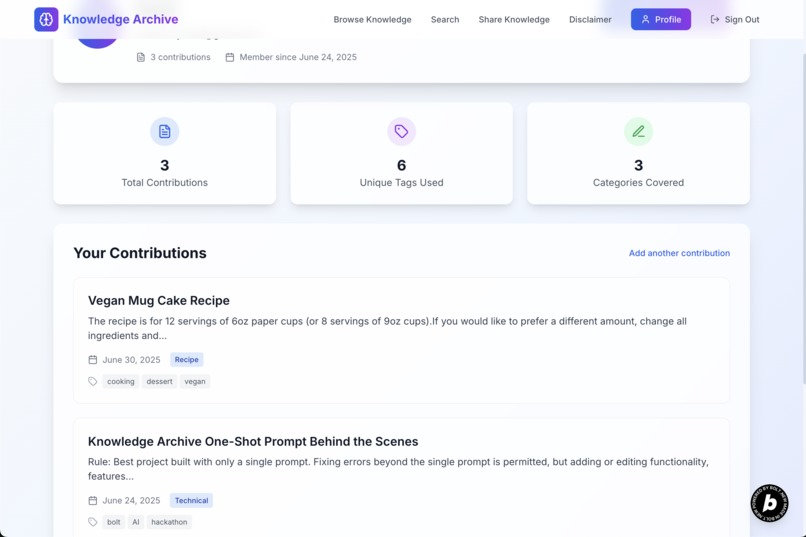
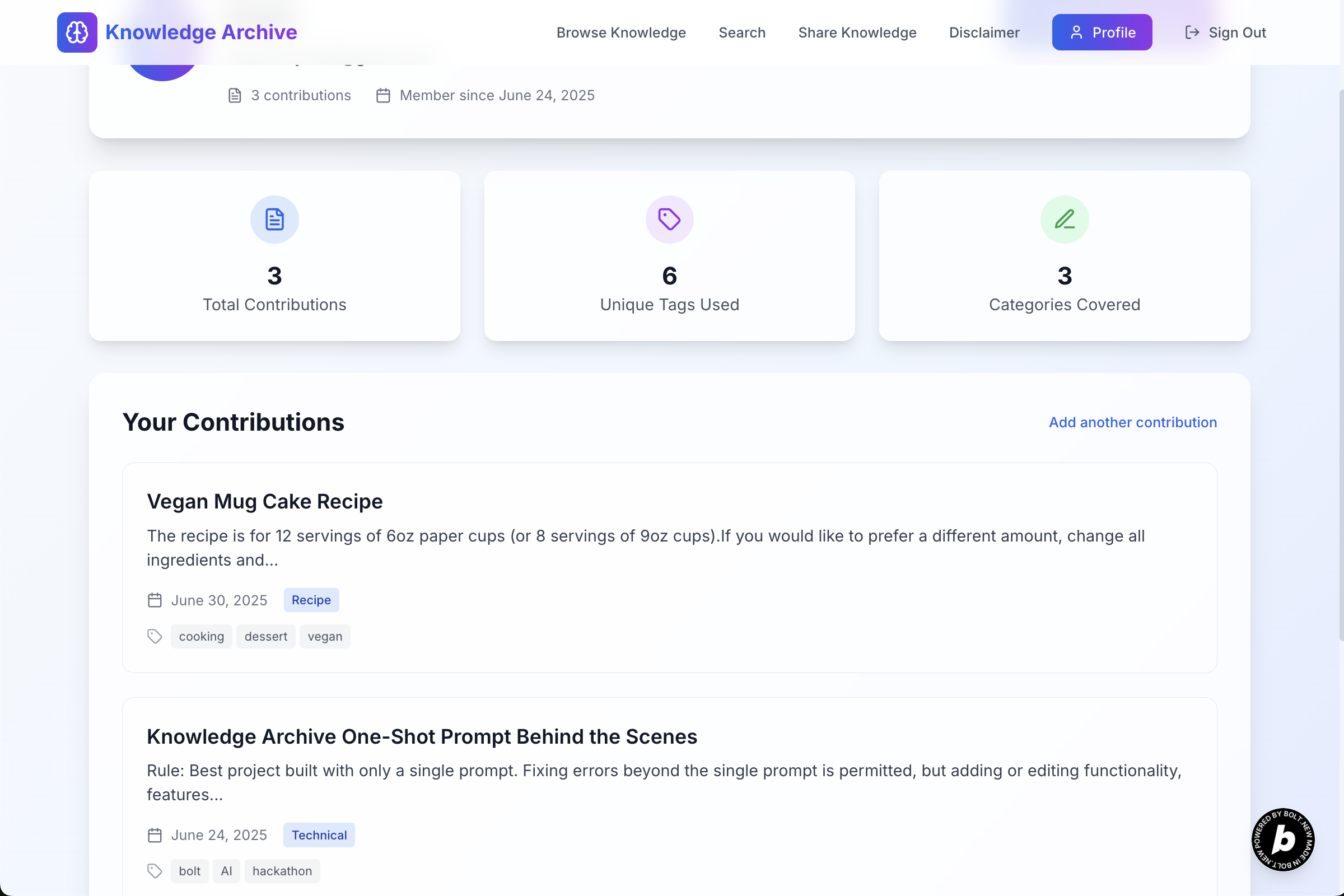
Profile Page
-
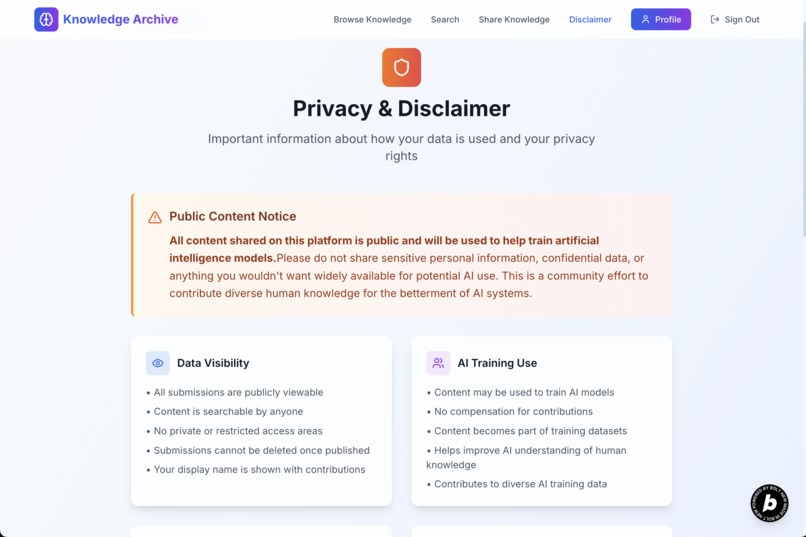
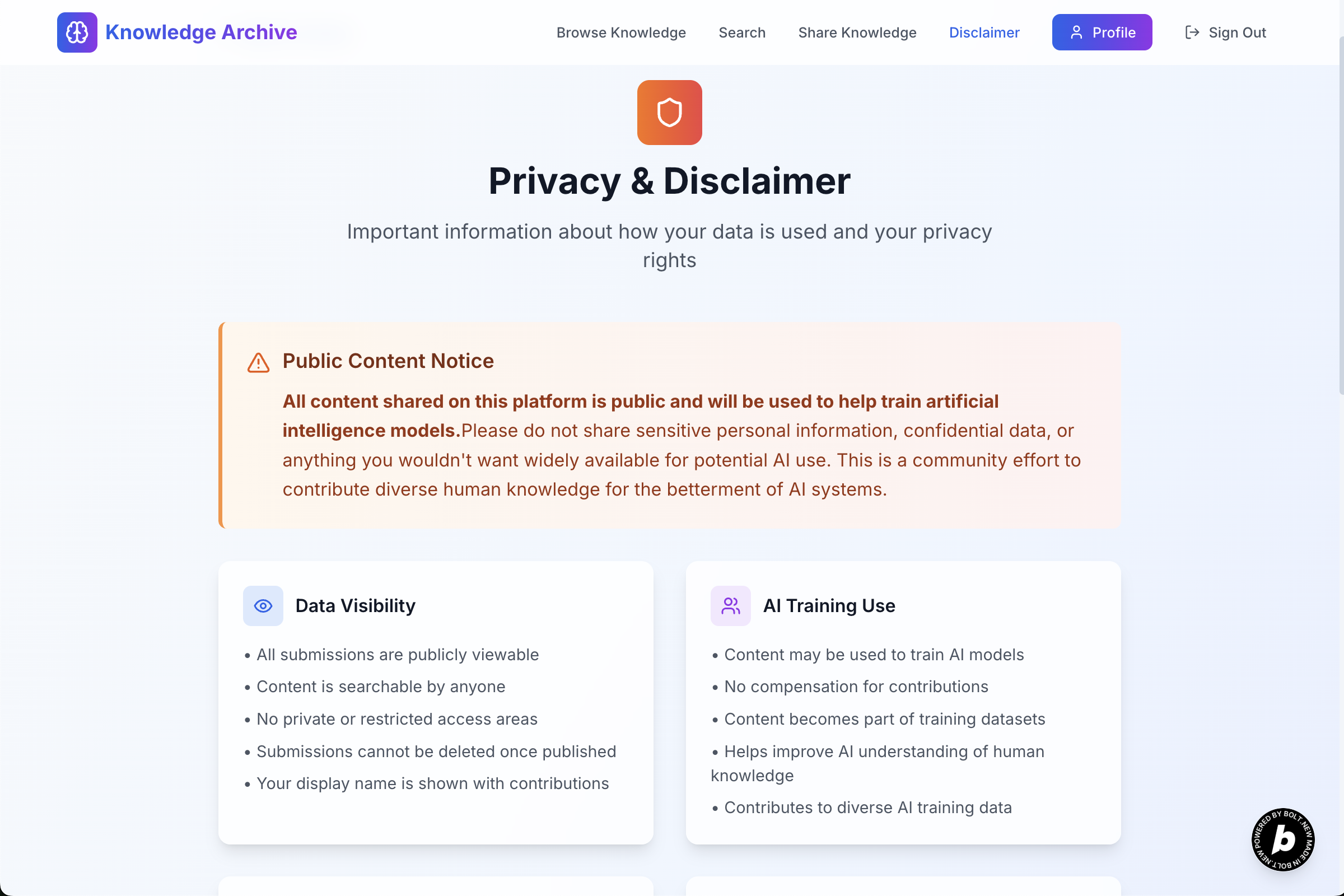
Disclaimer Page
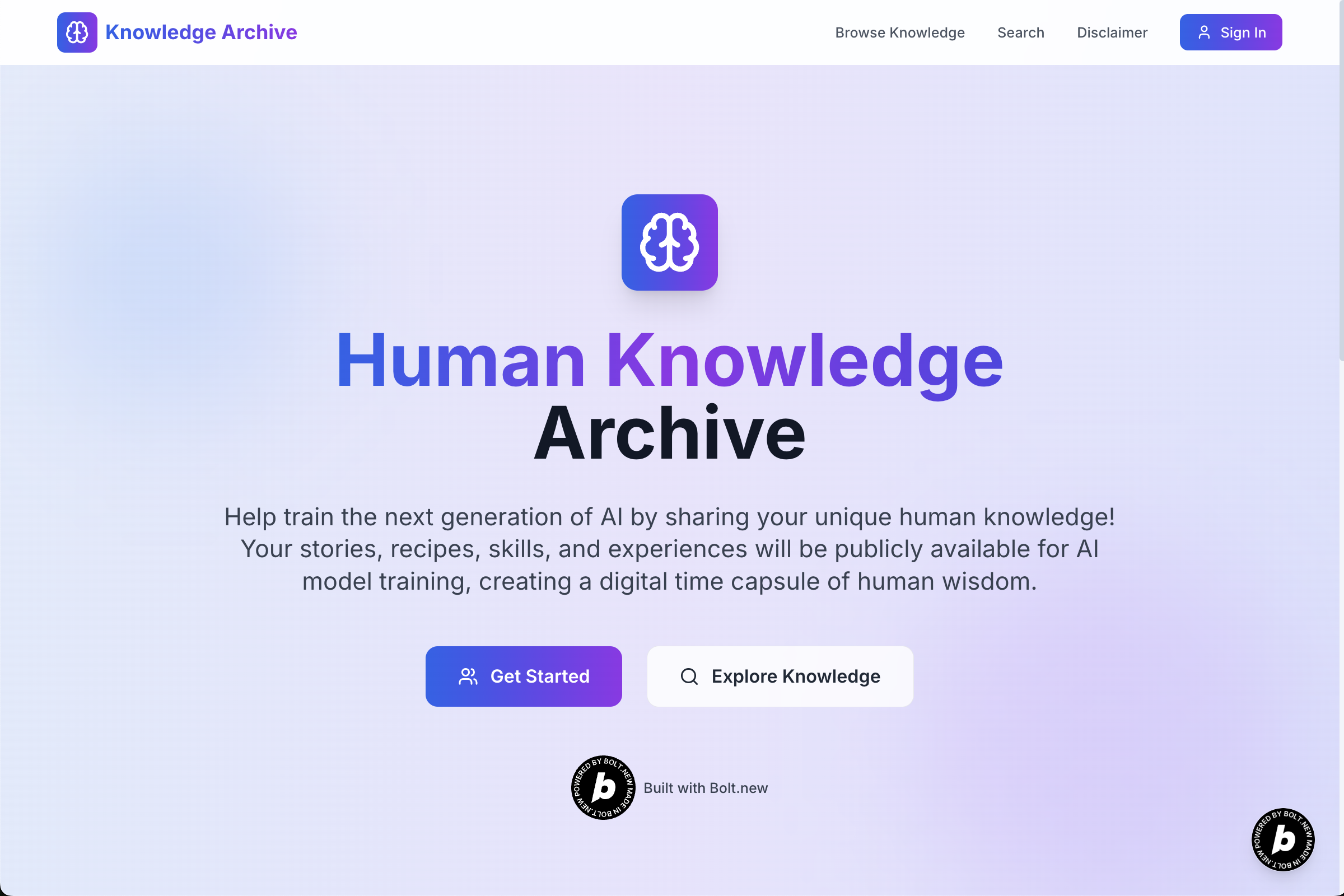
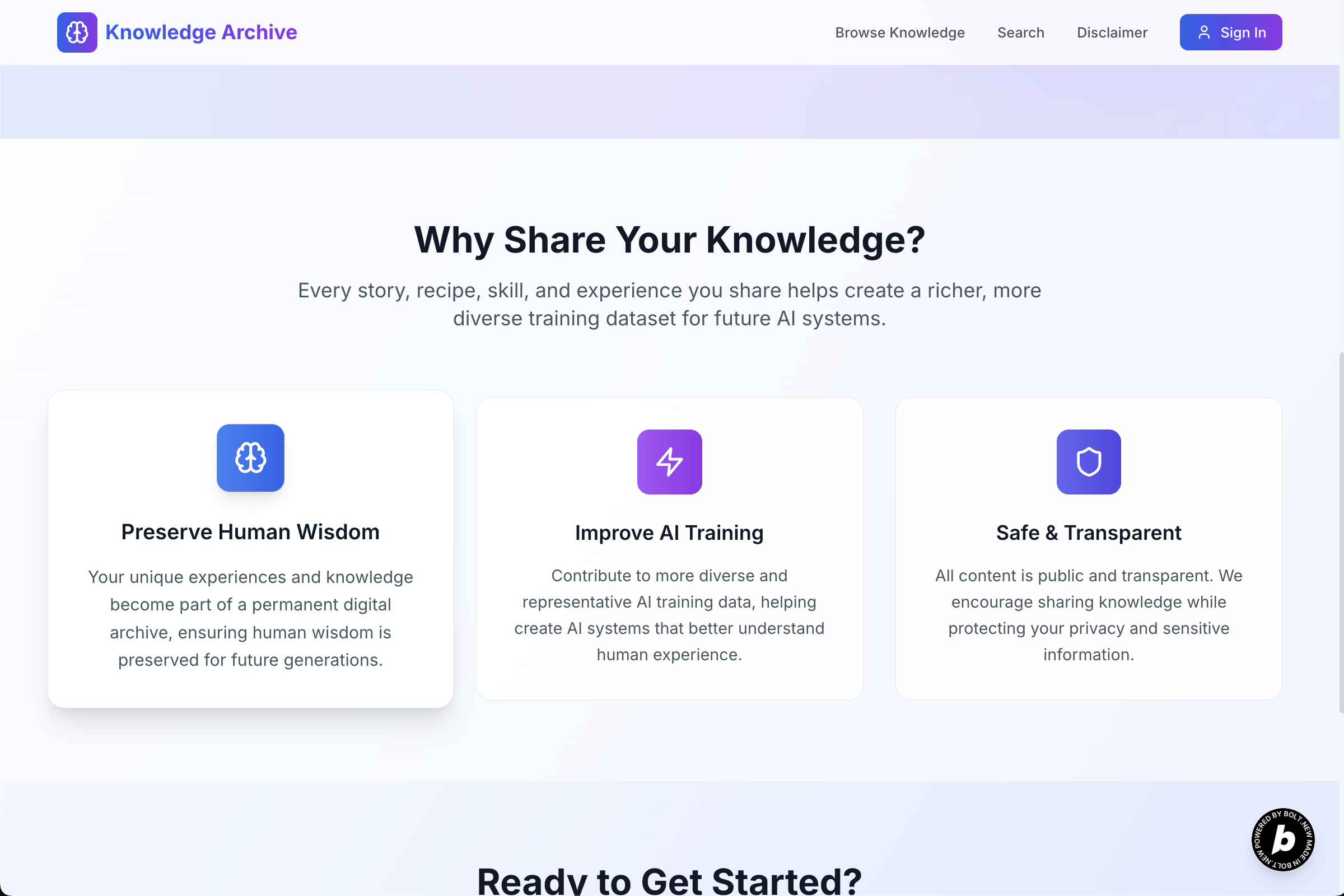
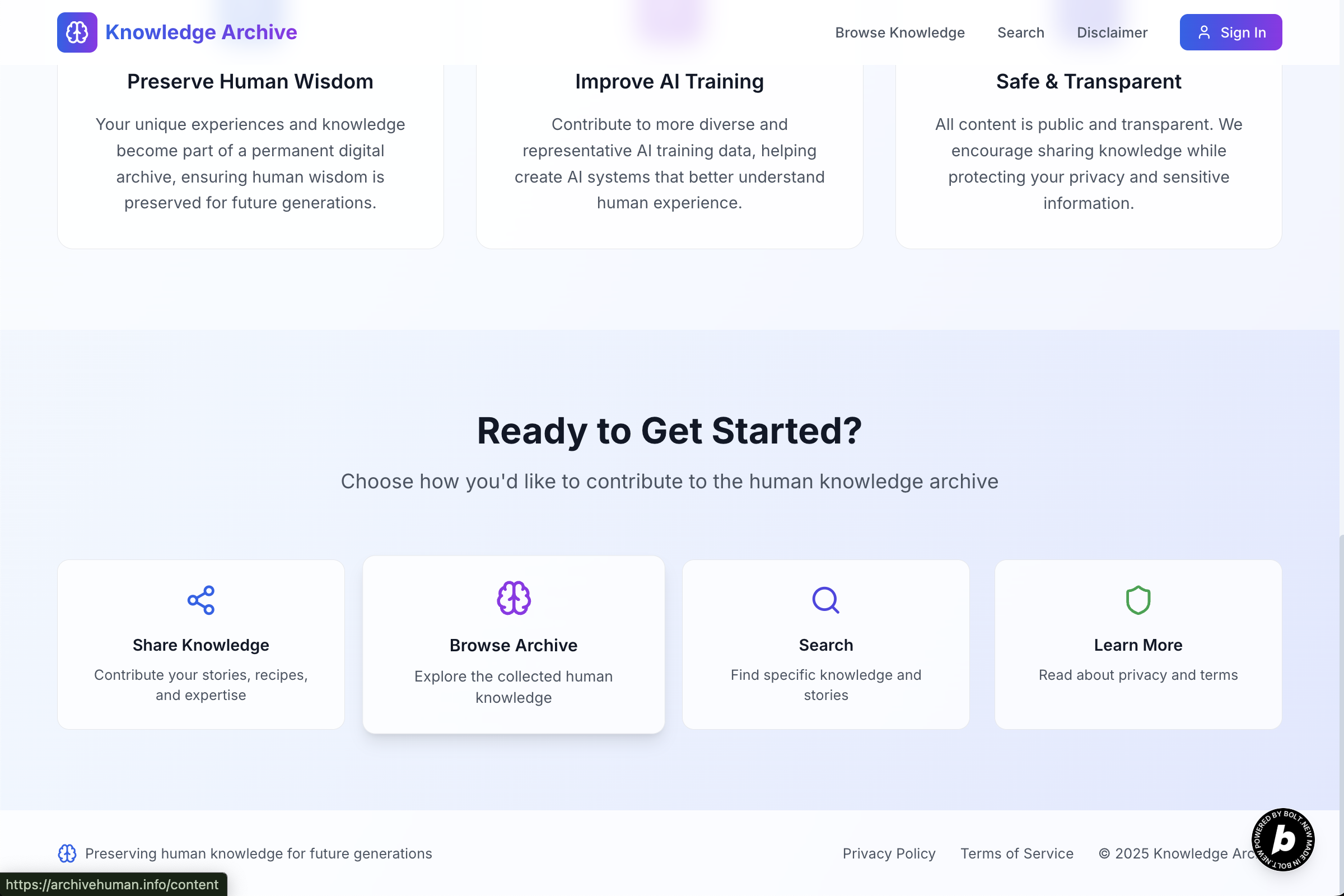
Inspiration
Due to a water leak, a plumber had to break down the floor to fix the pipes. Once they finished, they left the floor open to dry. After a week, I was to call again to fill the floor, but I decided I could do it myself, and it could be a fun project. A few months later, I realized I could put a time capsule (a small box with several notes, mementos, and possibly an SD card) within when I'm filling it up. That way, people in the future (possibly after an earthquake) could find them and maybe get to know some of the things I shared. I can't really explain why, but the idea felt really intriguing. After a year, without having been able to actually compile a list of things I want to put inside (and yes, the hole stays, but I placed a temporary wooden board on top of it), somewhat overwhelmed with daily responsibilities, here I am taking a break by joining the hackathon. As someone who rarely shares content on social media, leaving some knowledge or stories behind for future generations was even appealing to me. Then, we realized that if we create, collect, and publish a dataset of those, AI would eventually make them timeless by learning them. As machine learning teams struggle to find genuine human writings, these datasets would be a gold mine for them in return. As a bonus consequence, anyone who shares something of themselves takes part in deciding what to teach AI in the future.
What it does
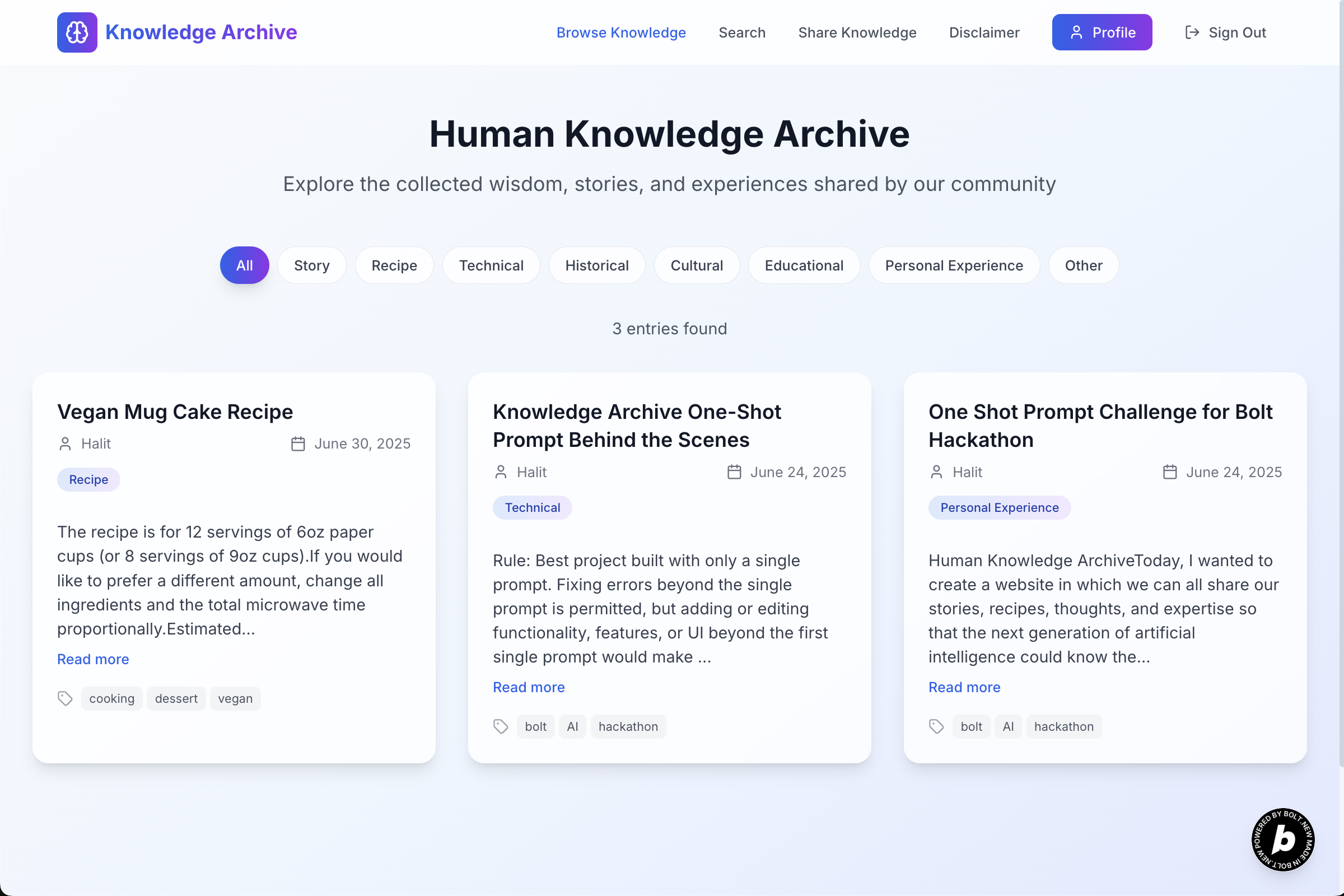
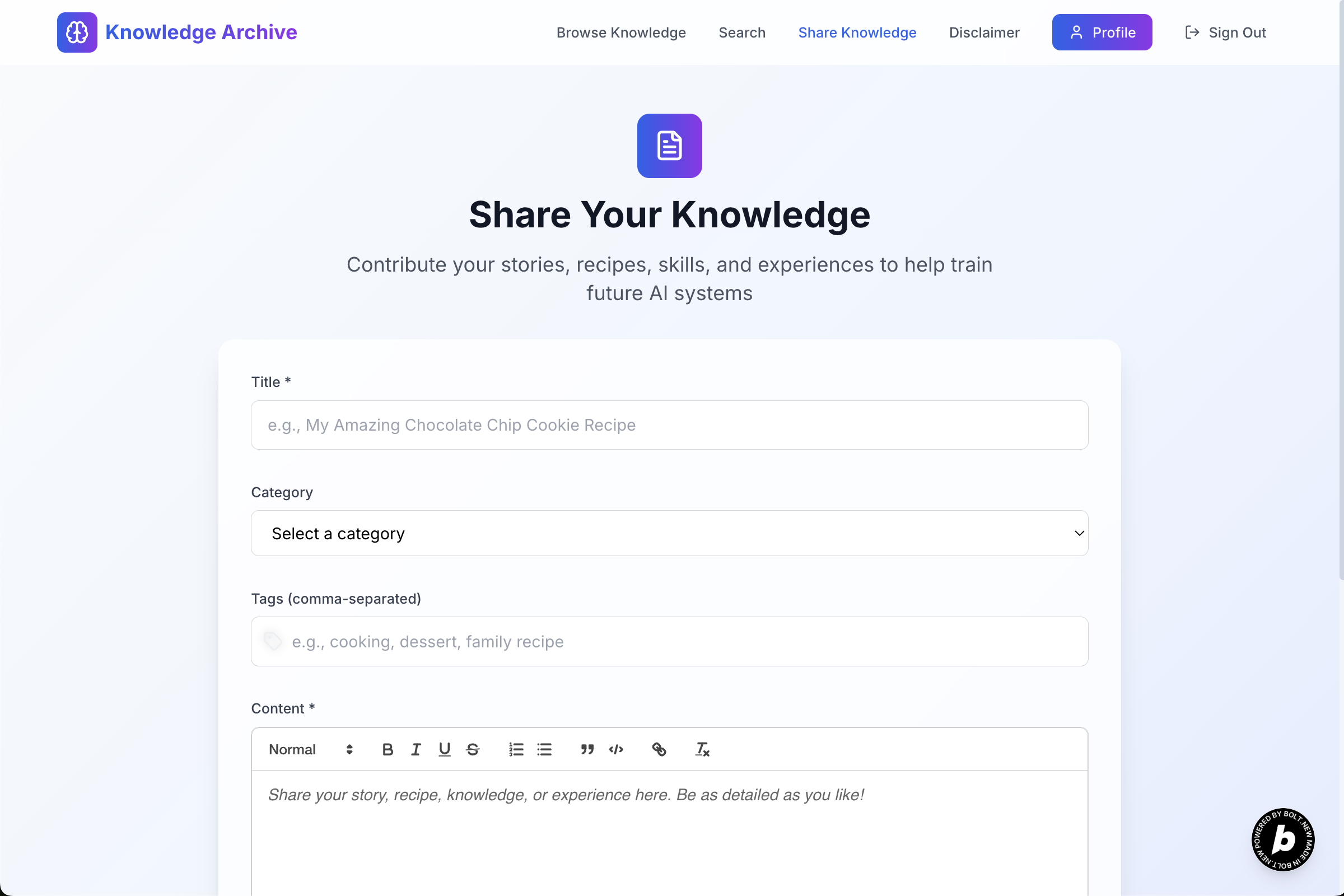
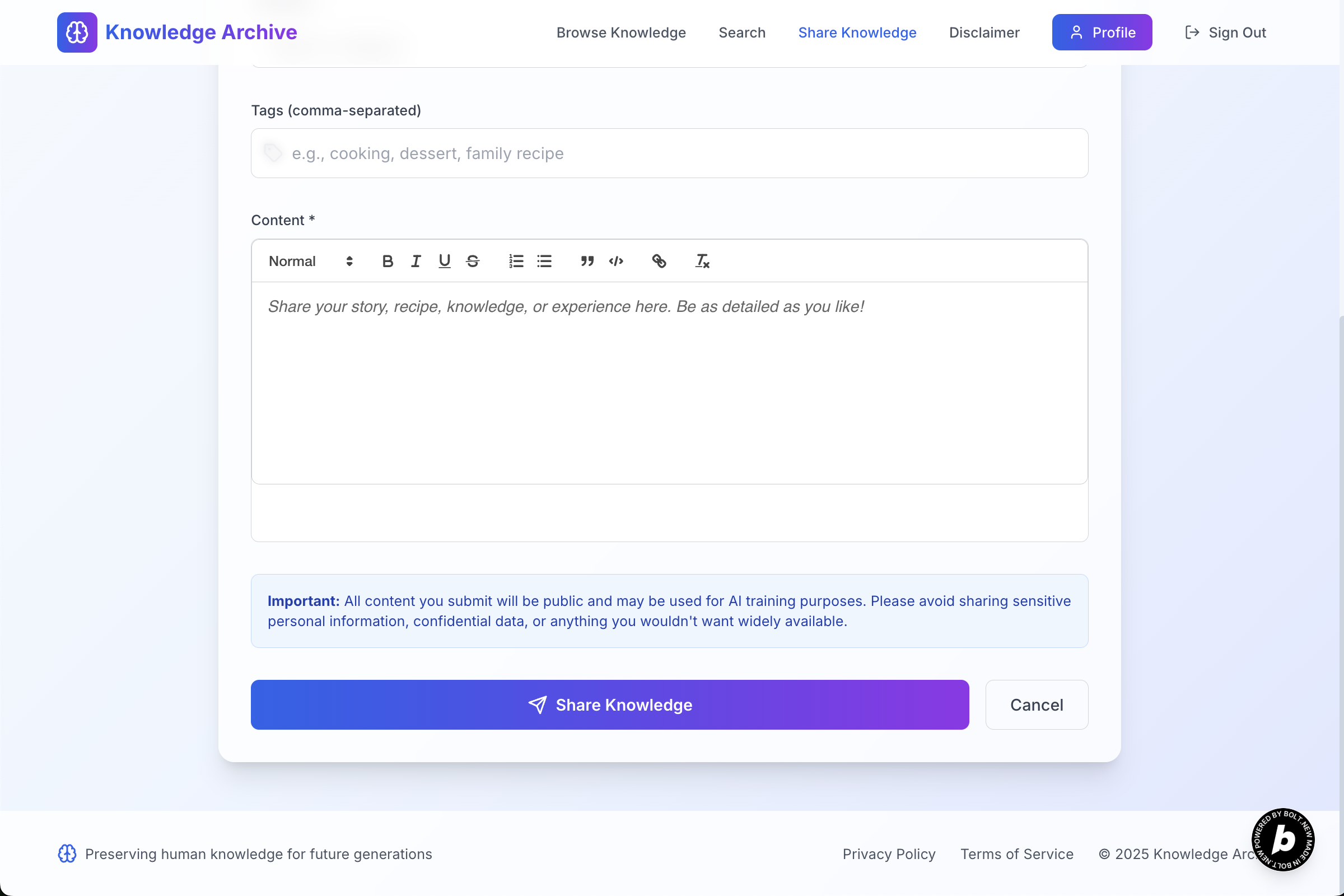
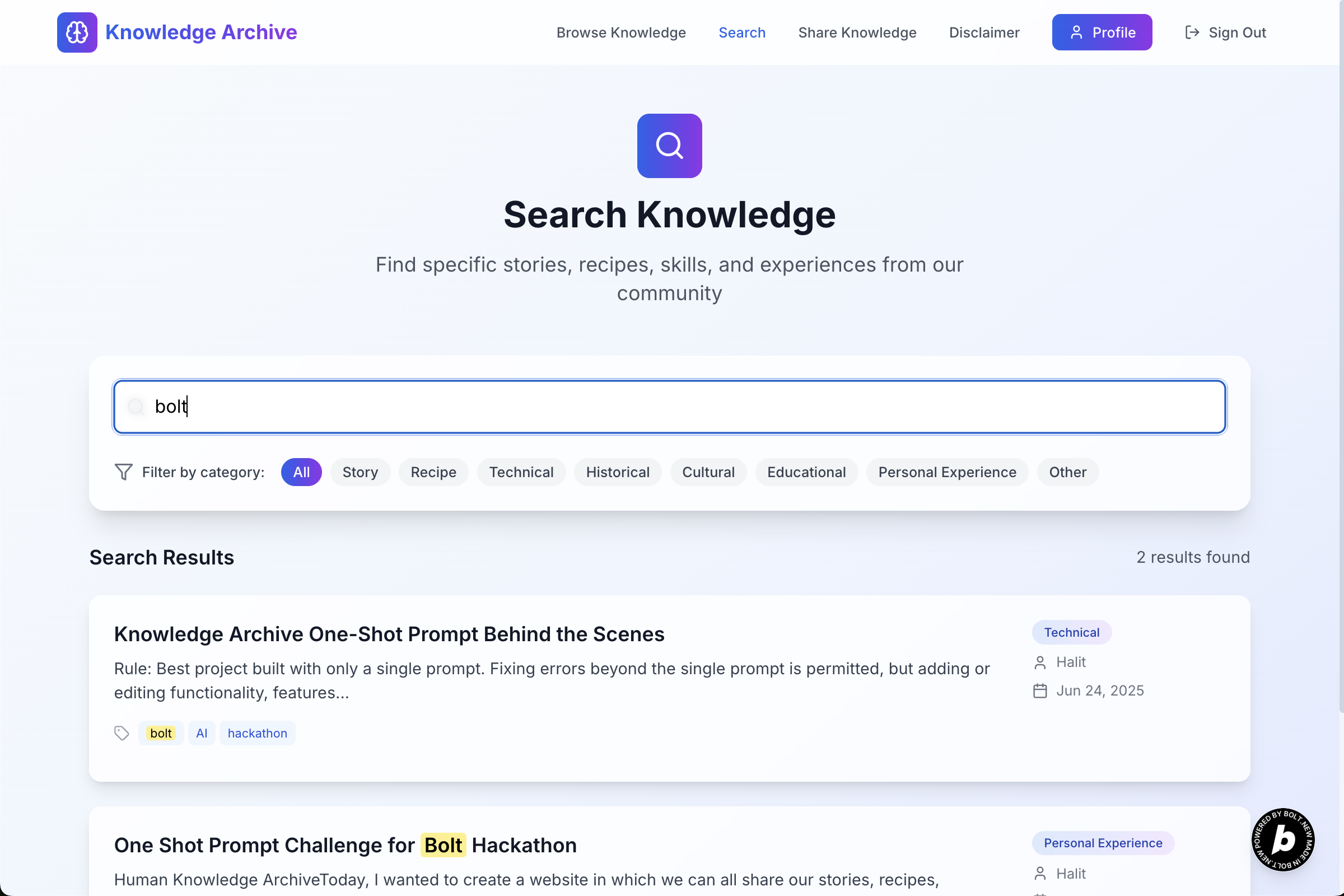
Allows you to write and share a story, recipe, technical document, or anything else to be learned by AIs, similar to leaving a note in a time capsule. The user sees a disclaimer that all written content will be public so that machine learning datasets can include it, and gets a WYSIWYG editor to write it. All users can see all posts, filter, and search them. There is no like or view count tracking, though, the posts are not meant to be engaged with. It is meant for just you and your dream AI.
How we built it
Out of curiosity about whether it could be built via one prompt, we tried to craft the perfect prompt. By first explaining how the Bolt platform works, the hackathon, the one-prompt challenge, and the actual idea, we crafted several prompts with a locally running LLM model. (Deepseek Distilled Qwen3 8B in GPTQ int4, to be precise) Within the first two (we switched to a clear Bolt chat in between each trial, so each trial is precisely one prompt), we saw how Bolt went in the wrong direction, or how our idea needed to be simplified to be viable, but the third trial was a charm. We are surprisingly happy about the result, as it covers all the requirements and looks pretty cool. Finally, we created a story post within the created website explaining our steps. :)
Challenges we ran into
In the first trial, we wanted to include image upload as well, but it both complicated the UI and also Firebase storage was costly. In the second trial, we asked for text-only (and switched to Supabase due to some configuration issues in Firebase), but it generated an overengineered version with all the annotations (Probably believing that the target audience was CS professionals due to the mention of AI and dataset). In the third trial, we specifically asked for a super-easy-to-use website with a WYSIWYG editor, and it was great. Nevertheless, in neither of the trials was Bolt able to put the "powered by Bolt" logo as we wanted. We needed to fix that logo to comply with the rules.
Accomplishments that we're proud of
Using a local LLM to refine a prompt worked unexpectedly very good, to our surprise. The original system prompt we used was "You are a prompt engineer assisting me to create prompts for an application called Bolt. Given a prompt, Bolt first expands the idea, then divides it into subtasks, then implements each to create a fully featured website and deploy it. You should NEVER write code."
What we learned
Bolt is proficient in creating and deploying websites, dashboards. Its integrations with Supabase, Netlify, and Entri made it a completely painless experience to implement an idea, deploy it, and connect to a domain. What's more, Bolt can be supercharged by incorporating a small local LLM model for prompt refining.
What's next for Human Knowledge Archive
- Allow saving as an editable draft vs. publish
- Account management: verify e-mail, forgot password flows.
- Allow users to flag/report other posts
- Create a moderator’s panel to manage problematic posts.
- Periodically export the whole database onto Huggingface
- Performance tuning via better database indexes and queries.
- A survey form to collect user experience and suggestions, to improve.
- Analytics integration to track and improve UX.
Built With
- bolt
- entri
- netlify
- supabase


Log in or sign up for Devpost to join the conversation.