-
-
-
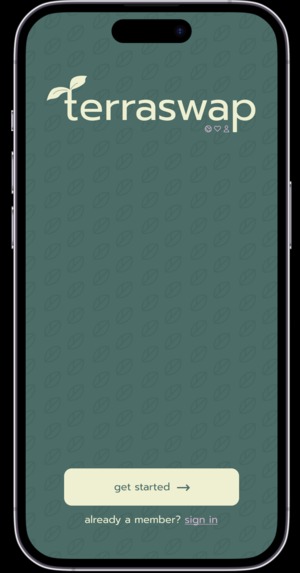
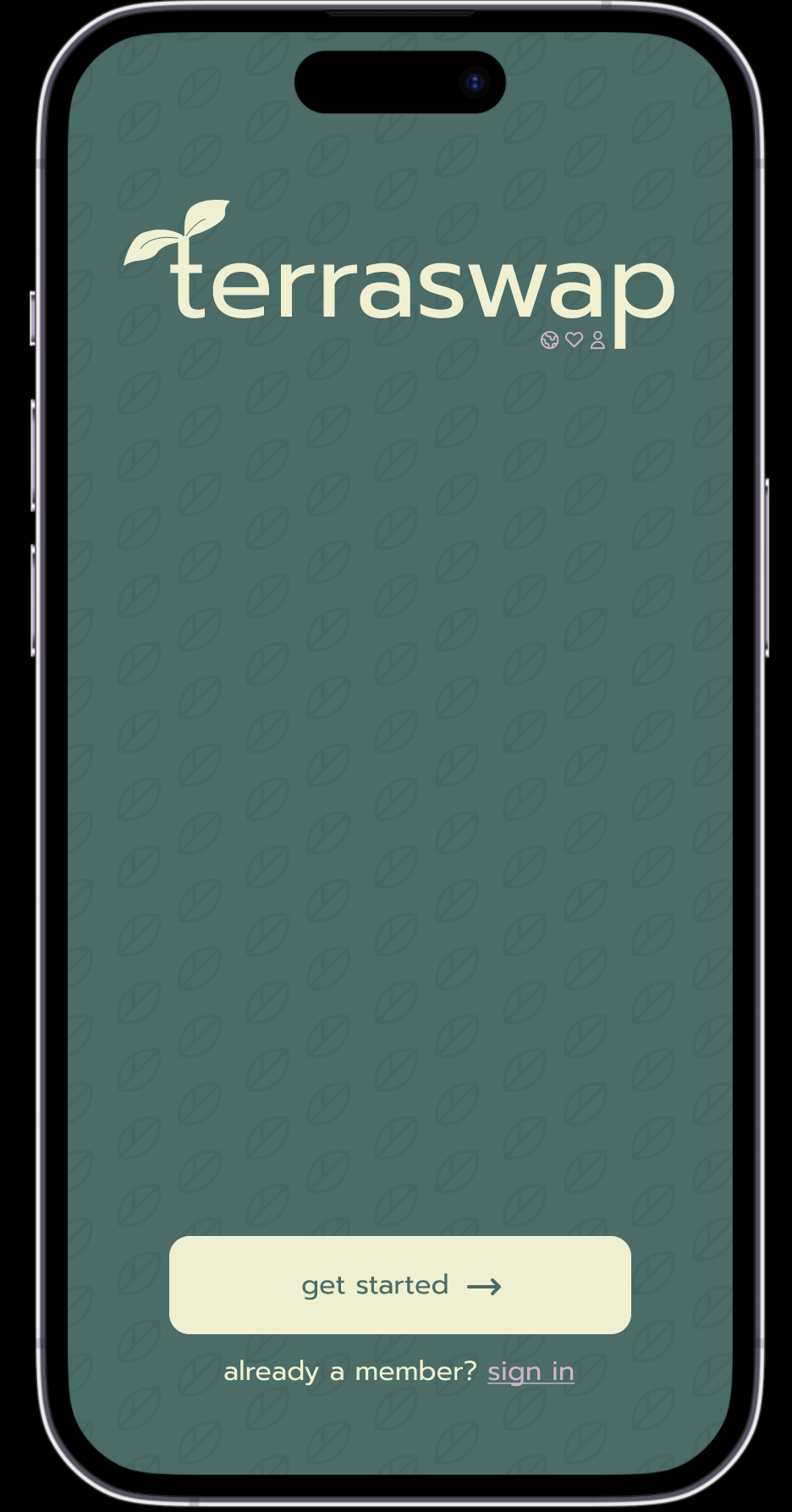
Splash screen
-
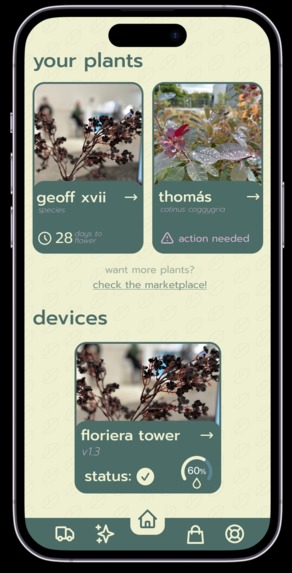
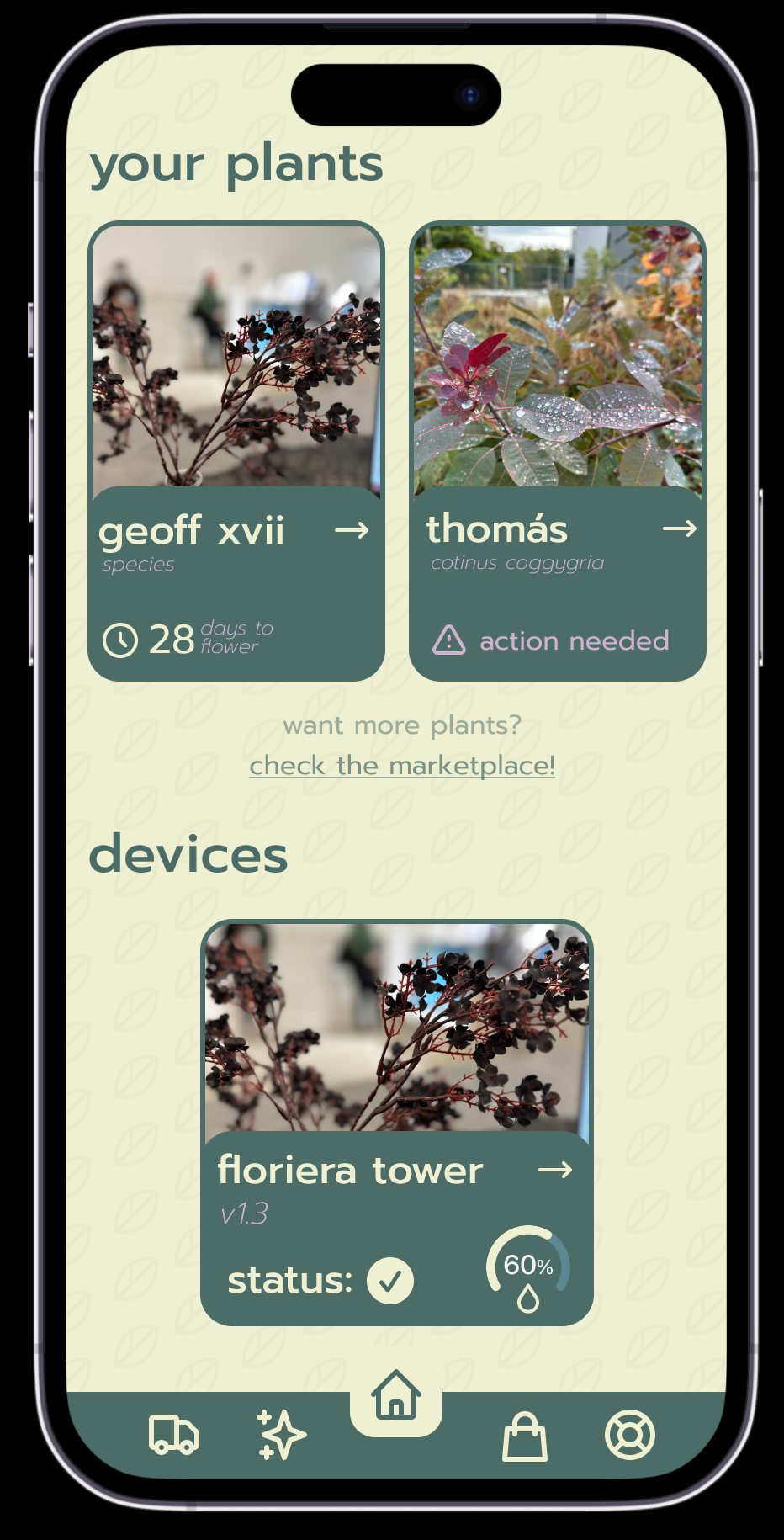
Home page
-
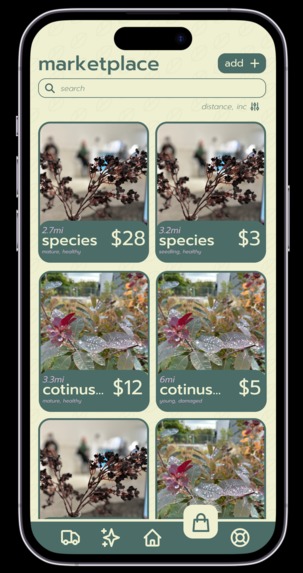
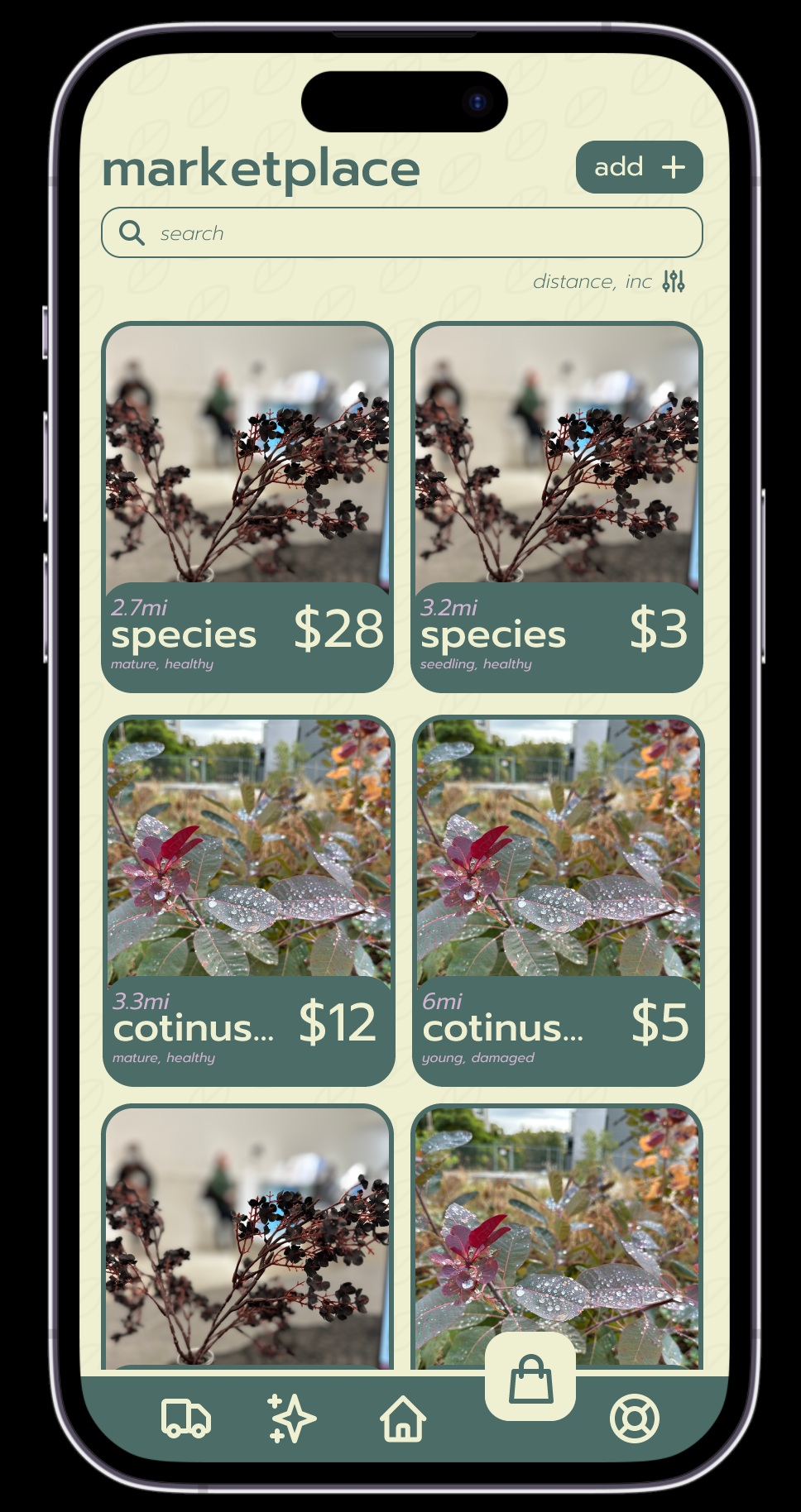
Marketplace
-
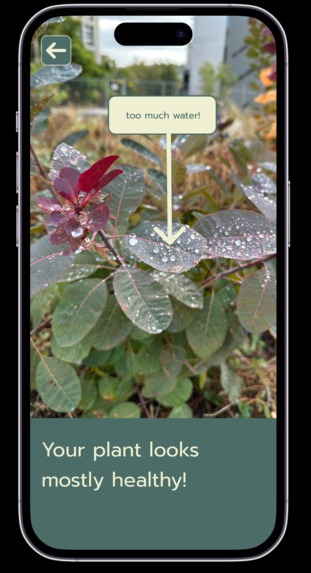
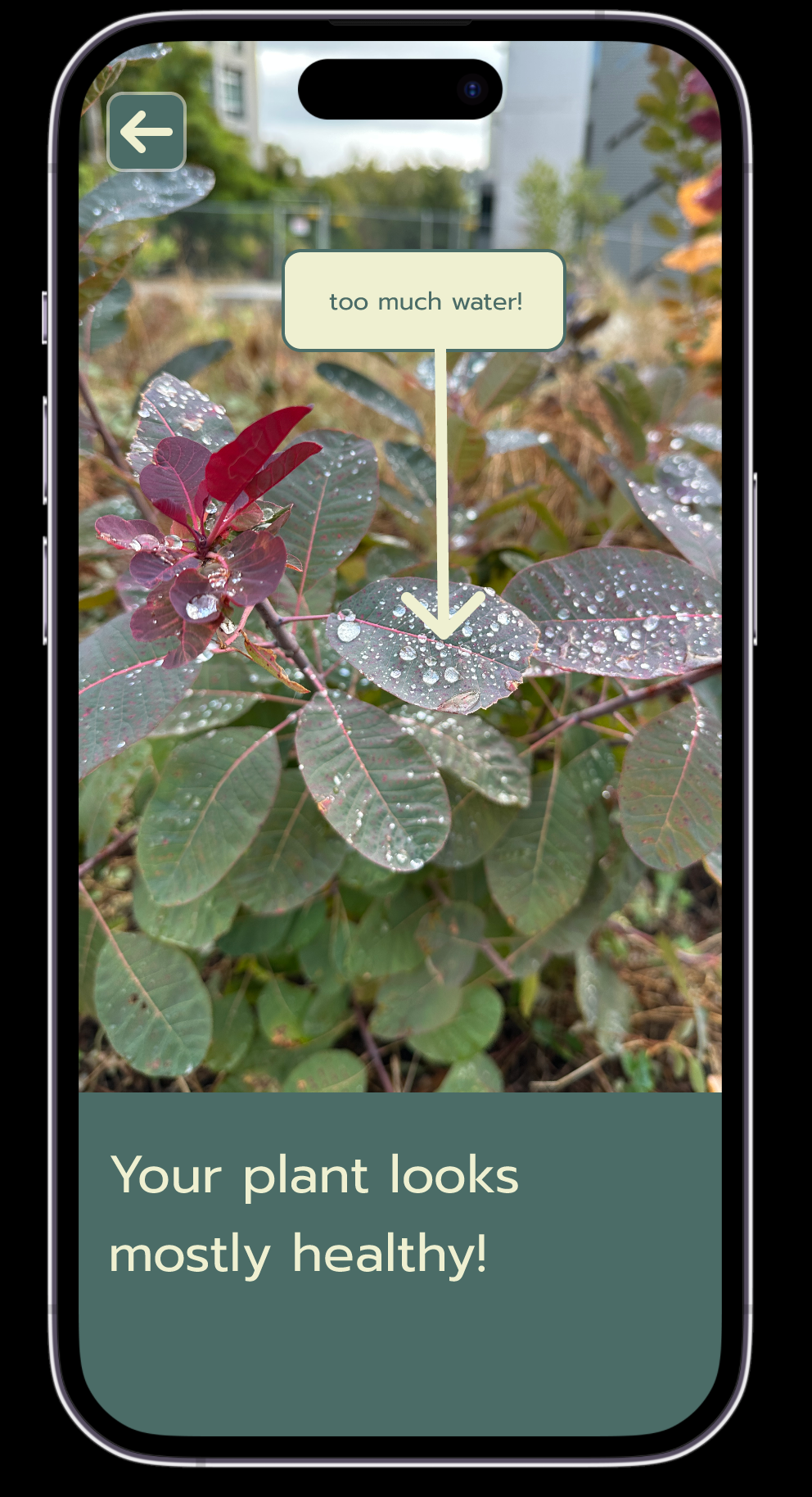
ML model tries to identify any issues with current plants
Check our Figma for the latest design!
Inspiration
In a highly urbanized world, the connection to nature is generally lost. Apart from the nature on our university campus and a few trees littered about in the surrounding streets, nature generally tends to be far away. We wanted to build an application that would facilitate bringing the physical world as close as possible to deepen connections and reap benefits.
If we cannot get this connection to the world through the city, the natural next step would be to grow the plants ourselves, within our homes. However, there are two main problems with this. Firstly, the time needed to care for some of the plants can be too much with our increasingly busy lives. Secondly, finding the space to foster a garden in an urban setting can be difficult. With these two issues, it has made the barrier to entry into urban farming that much more difficult.
What it does
Terraswap is a multi-pronged solution to bringing the physical connection closer to us.
The primary portion of Terraswap is an application that tackles the time issue. The application will feature the ability for the end user to track various stats about all of their plants, see the exact problem areas with the plant conditions, and find out what ails the plant via a ML model that analyzes a picture of your plant. With these features, the application negates any stressors relating to growing a plant.
On top of this, to make acquiring a specific plant easy, the application will also feature a marketplace and a tool to find a plant that most fits with the users schedule/location. The marketplace is an online storefront wherein people can both sell and buy any plants that they have grown. This marketplace will serve as a place for the end user to both easily acquire plants nearby as well potentially make money on the side by selling some of the plants that they have grown. The plant finder tool intends to help the user find the right plant that fits with their schedule and their geographic location, once again making it easier to find the perfect plant to enter gardening with.
The secondary portion of Terraswap is a custom-built planter with sensors. This planter is intended to connect directly with the Terraswap app and provide diagnostic data such as light levels, moisture levels, nitrate levels, and more such that the app can use the direct information to make even better suggestions on how to improve.
How we built it
Due to the scope of the idea, we mainly stuck with creating a UI prototype in Figma. This prototype shows off all the main features that the app (and the hardware) should be able to provide at its peak.
Challenges we ran into
The main challenges we had with this hackathon was fully fleshing out the plan for a commercially viable product. Terraswap initially started off with a completely different view on bringing people closer to plants. However, as we worked through with validating a product that both hit pain points and was still commercially viable, Terraswap has evolved into something more.
Accomplishments that we're proud of
We are proud of how much thought we put into the technology and the design. We found the two problems we wanted to address and spent a lot of time researching existing technologies, papers discussing the role of gardening for climate change, and new sensor technology in this space.
What we learned
The main takeaway for us from this hackathon was building a full product idea from end-to-end. We started with the ideation process and built up features to hit all the pain points we wanted to fix, all while trying to keep the idea of making a commercially viable product in mind.
What's next for Terraswap
Next Steps
Terraswap's main idea has been more or less thought out. The next step for Terraswap would be to build the application (and surrounding hardware) itself. This would include the ML model to analyze plants, modularized planters, the marketplace to host people selling plants, and any other general technologies required to bring Terraswap online.
Business Model
The business model of Terraswap is fairly simple. There are two primary sources of income for Terraswap: the marketplace and the physical planters.
The marketplace is meant to be a storefront in which people will be able to sell any kind plant that they have. On any sales done through this marketplace, Terraswap will charge a royalty fee.
Secondly, upon availability of the physical planter, Terraswap will also offer the planters as either a subscription or buy-to-own (whichever makes more financial sense).
Terraswap will live on these two sources of income until any potential forays into other markets.
Built With
- figma


Log in or sign up for Devpost to join the conversation.