Inspiration Every year, countless communities experience floods, storms, and heatwaves without timely warnings. Much of the world’s best environmental data sits unused, trapped in technical systems designed for scientists rather than citizens. TerraScope was inspired by the idea that everyone — from farmers to students — deserves access to real-time, life-saving climate information.
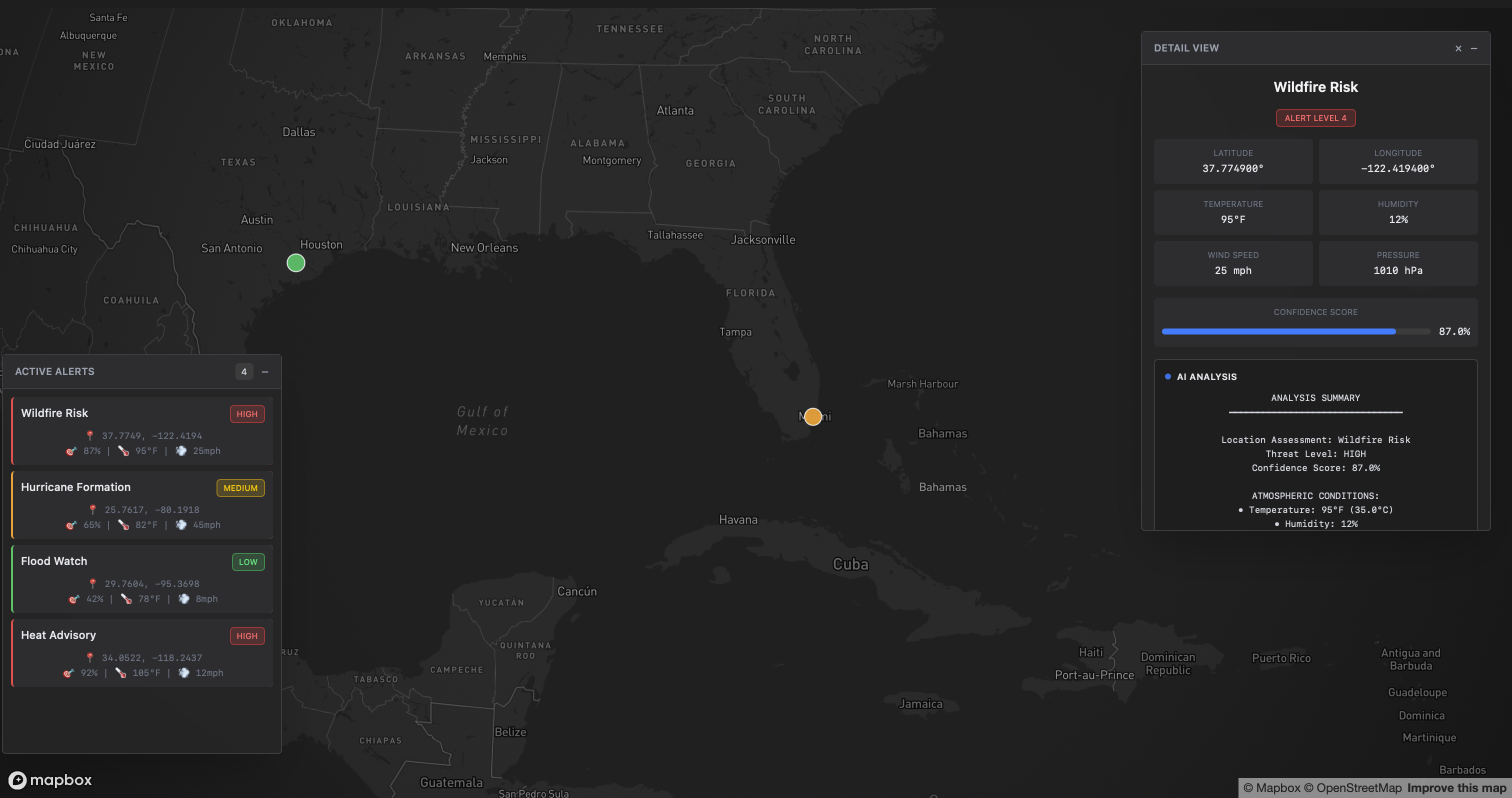
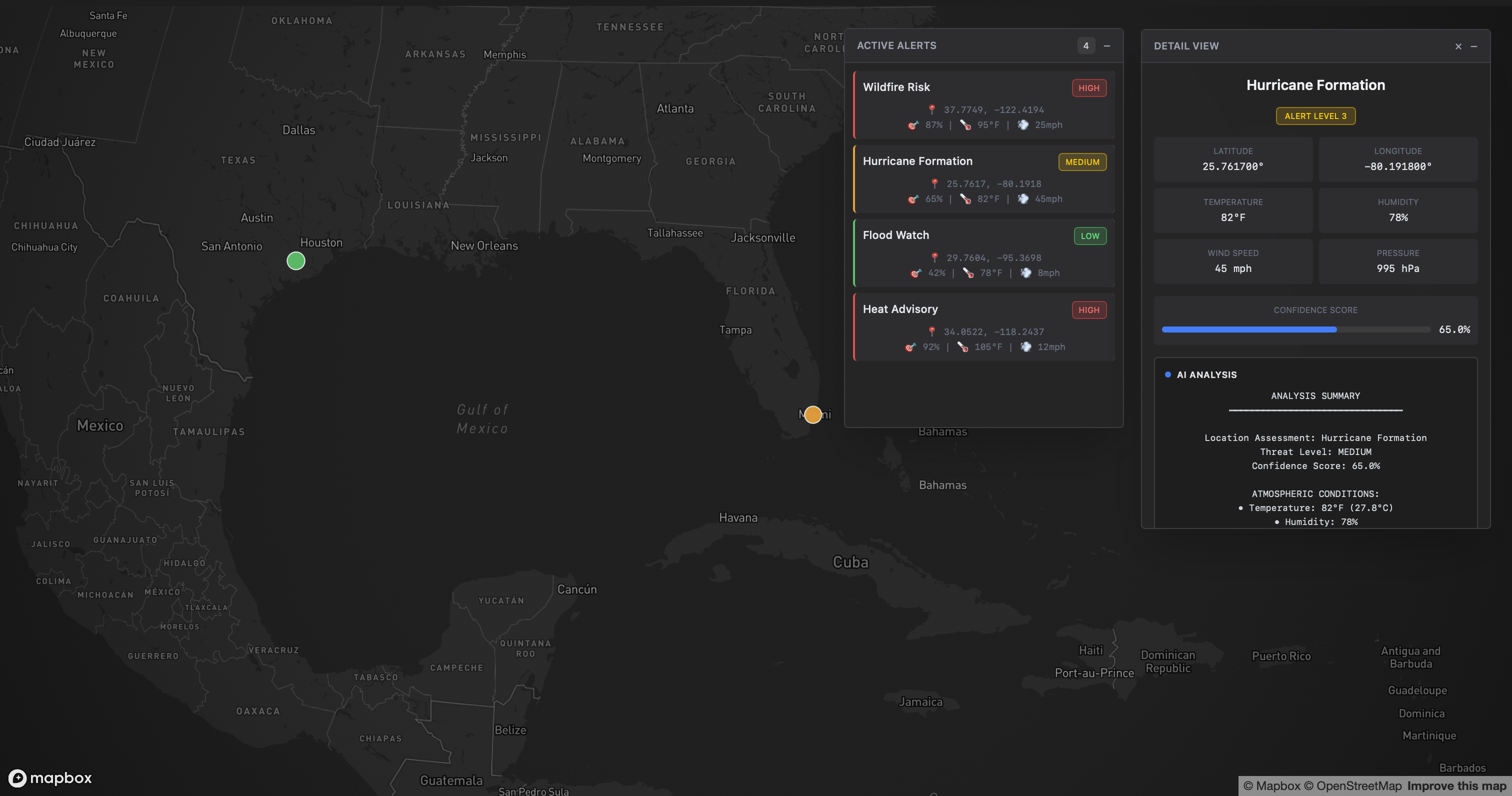
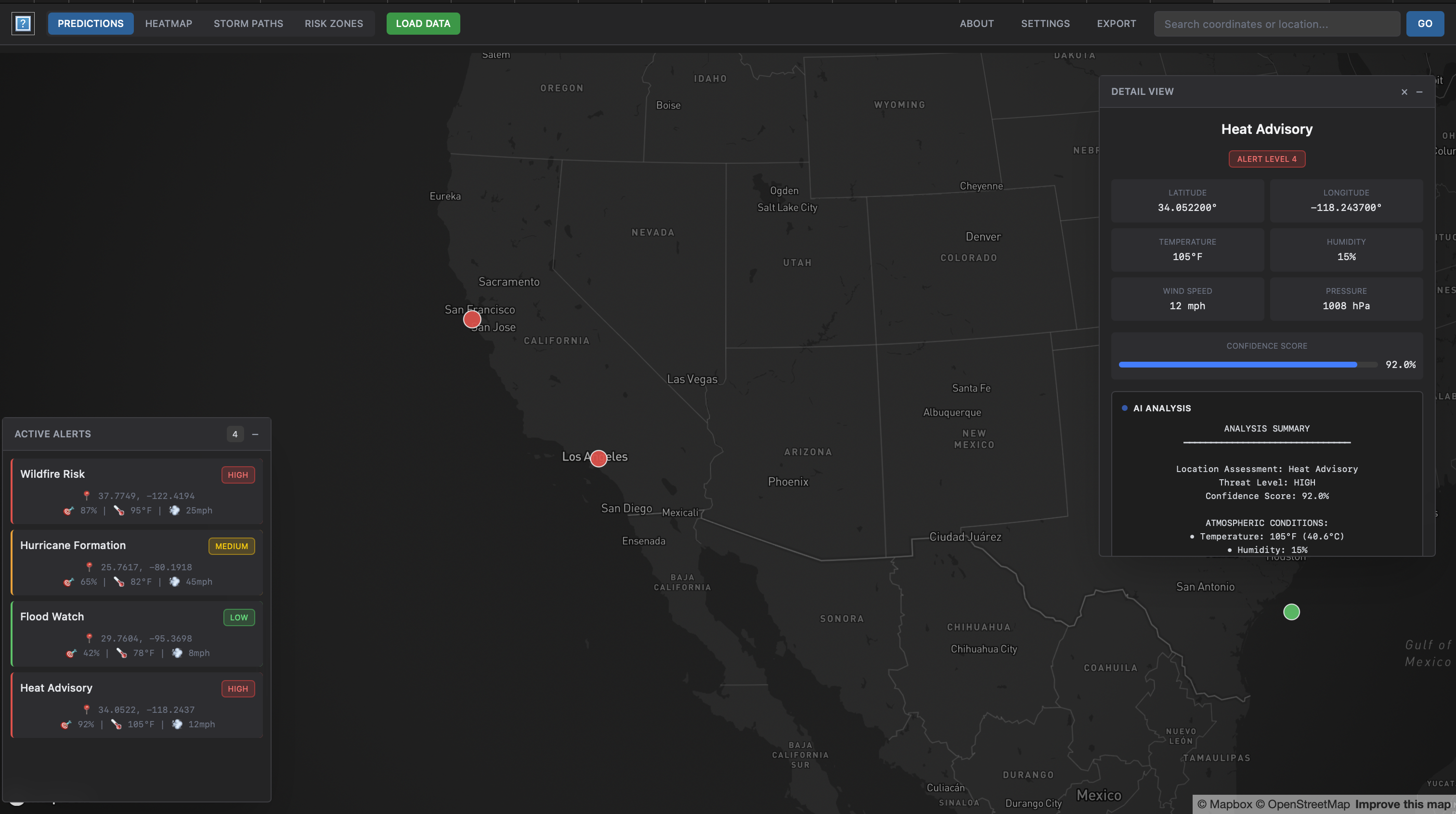
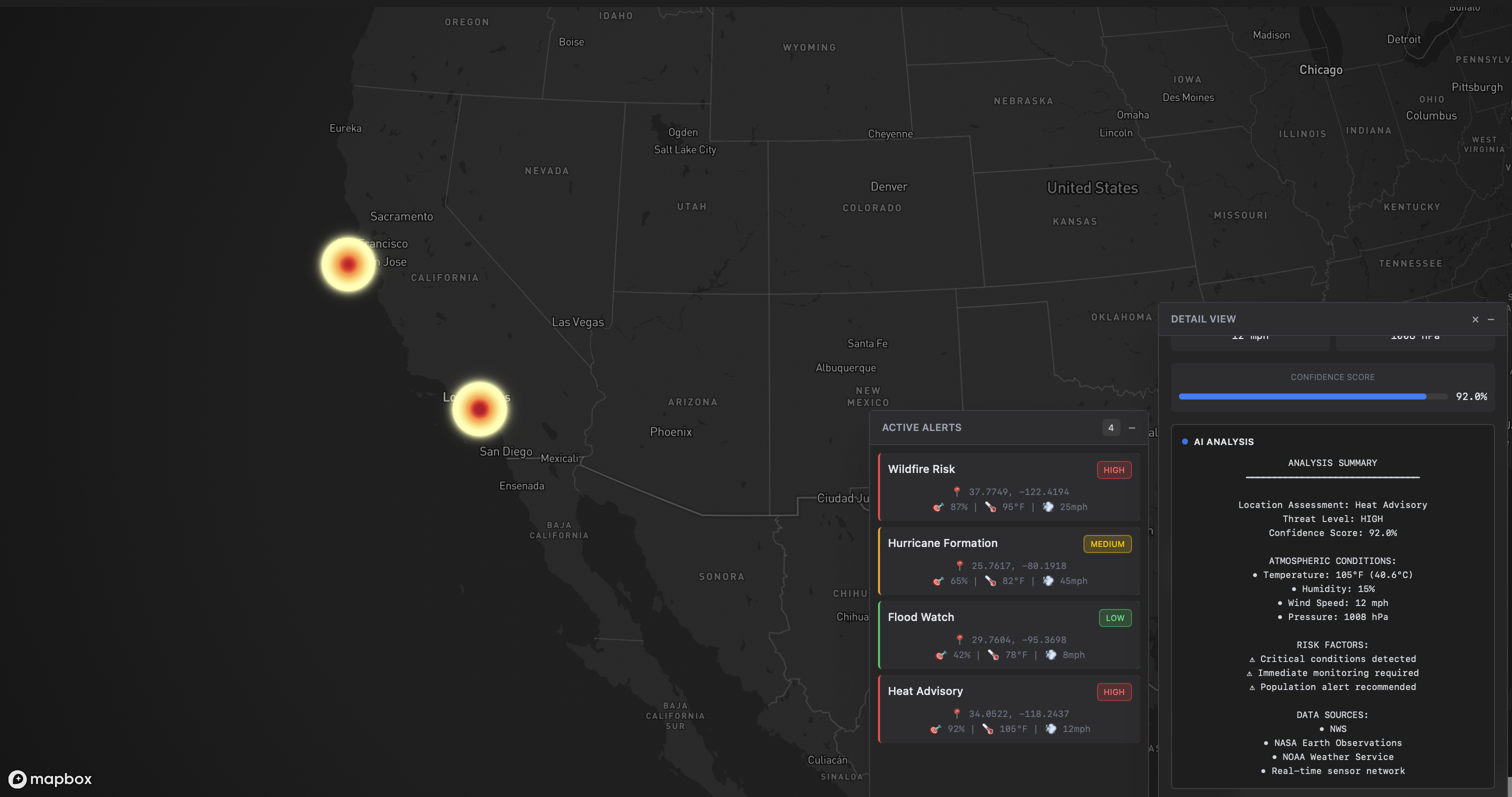
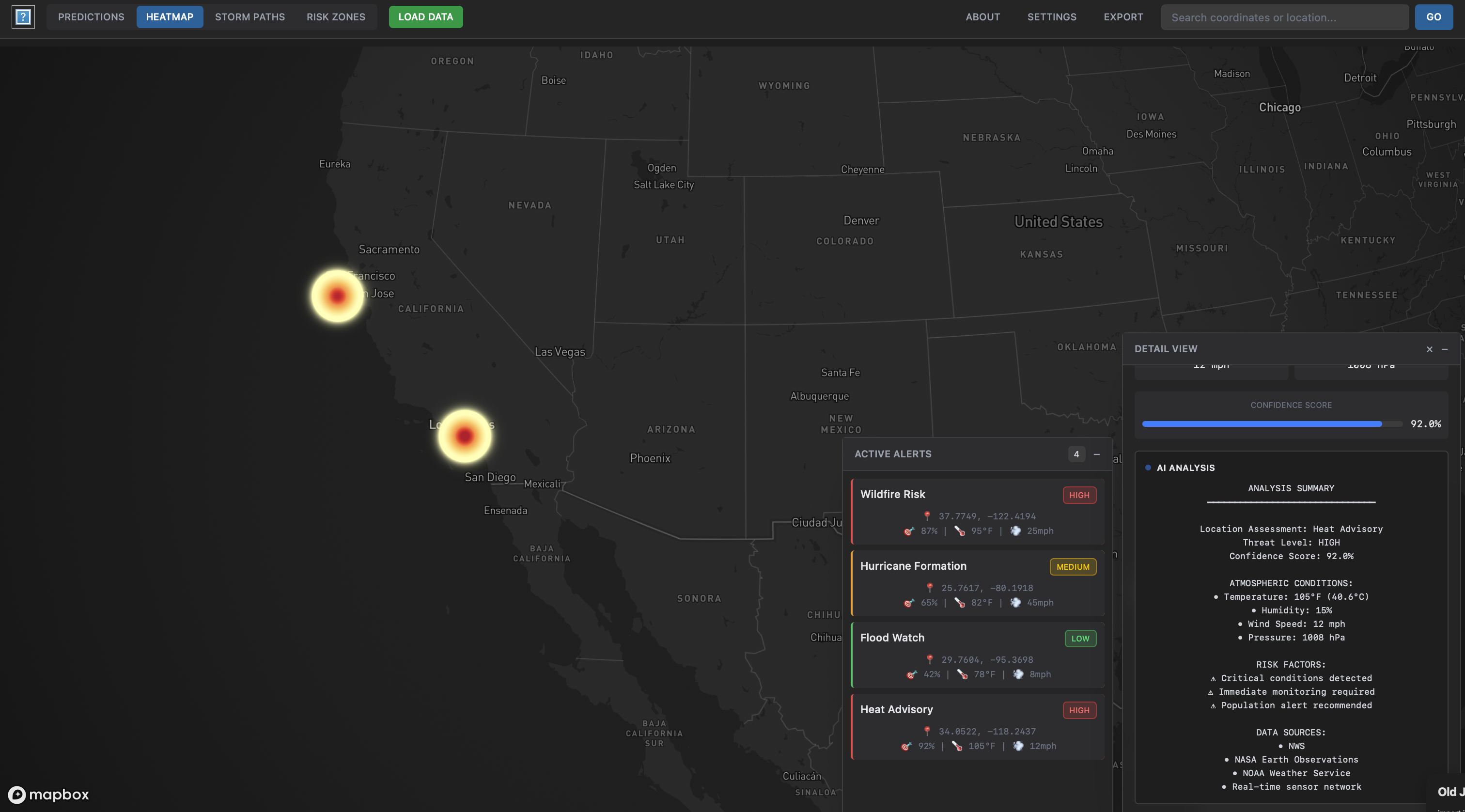
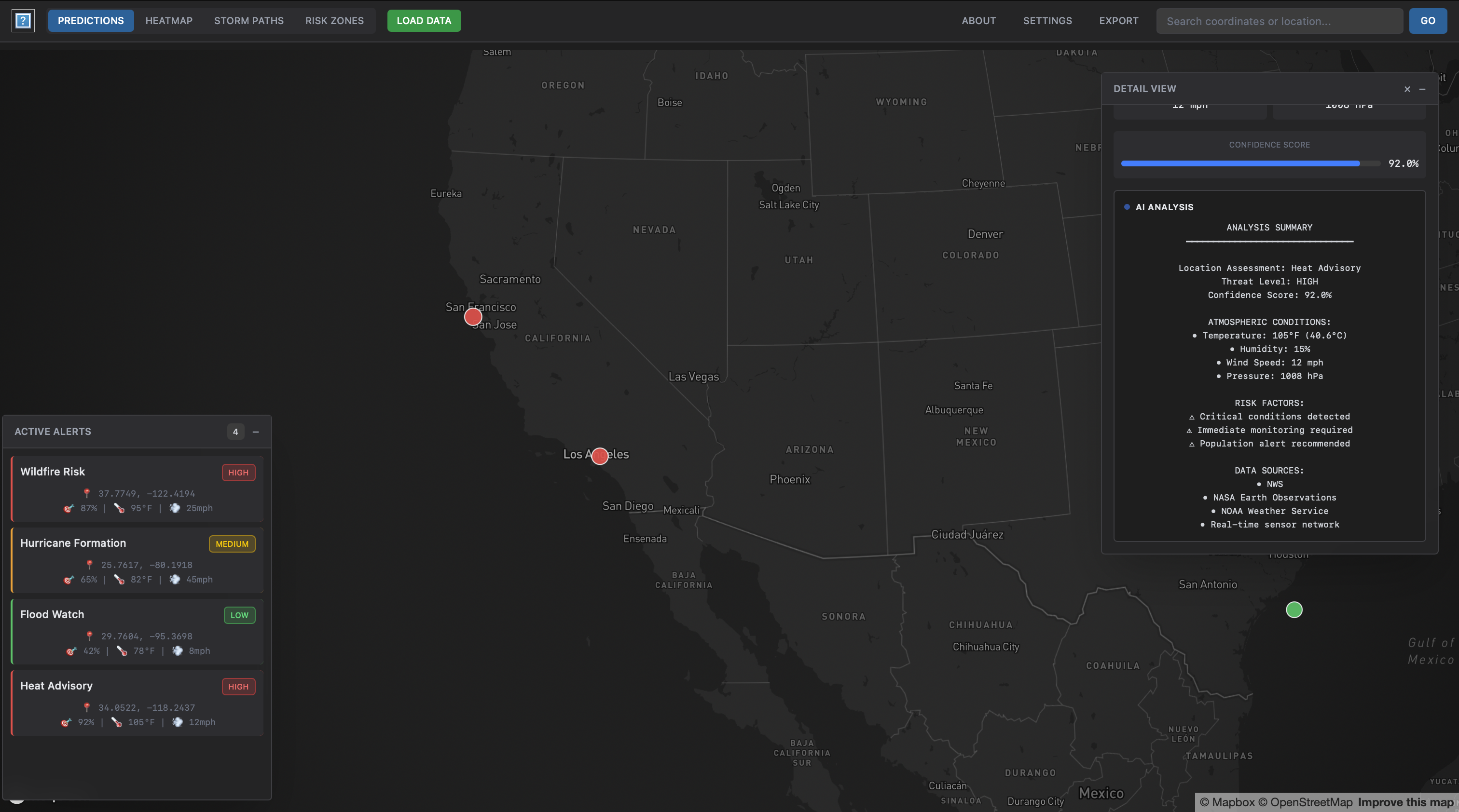
What it does TerraScope combines NASA and NOAA satellite data with crowdsourced local updates to create hyperlocal, real-time weather insights. It visualizes environmental risks such as floods, storms, or heat stress through an intuitive color-coded map. Users also receive short, human-readable alerts that turn complex climate data into clear, actionable messages.
How we built it We used Next.js, Mapbox, and FastAPI to build a web platform that merges open environmental datasets with user reports. A PyTorch AI model analyzes temperature, humidity, and elevation data to predict local risk levels. Finally, a language model translates those insights into clear summaries anyone can understand.
Challenges we ran into Integrating multiple APIs from NASA and NOAA required aligning different formats and update intervals. Designing an interface usable during emergencies demanded simplicity and offline functionality. We also had to balance the need for crowdsourced data with the challenge of filtering inaccurate or noisy reports.
Accomplishments that we're proud of We successfully built a working prototype that fuses satellite and community data into live environmental predictions. Our AI-generated alerts make complex datasets understandable for people of all backgrounds. Most importantly, we proved that climate intelligence can be delivered through devices people already own.
What we learned We learned that accessibility equals impact — the clearer the message, the greater the chance to save lives. We discovered how valuable everyday user input can be when combined with official environmental data. And we saw how AI can act not as a replacement for expertise, but as a bridge between science and communities.
What's next for TerraScope Next, we plan to expand TerraScope into an SMS- and WhatsApp-based alert system for regions with limited internet access. We want to partner with local governments, NGOs, and schools to deploy it where it’s needed most. In the long term, our goal is to create a global early-warning network powered by people, not just satellites.
Built With
- deck-gl
- fastapi
- openweather
- react


Log in or sign up for Devpost to join the conversation.