-
-
Thumbnail 2.
-
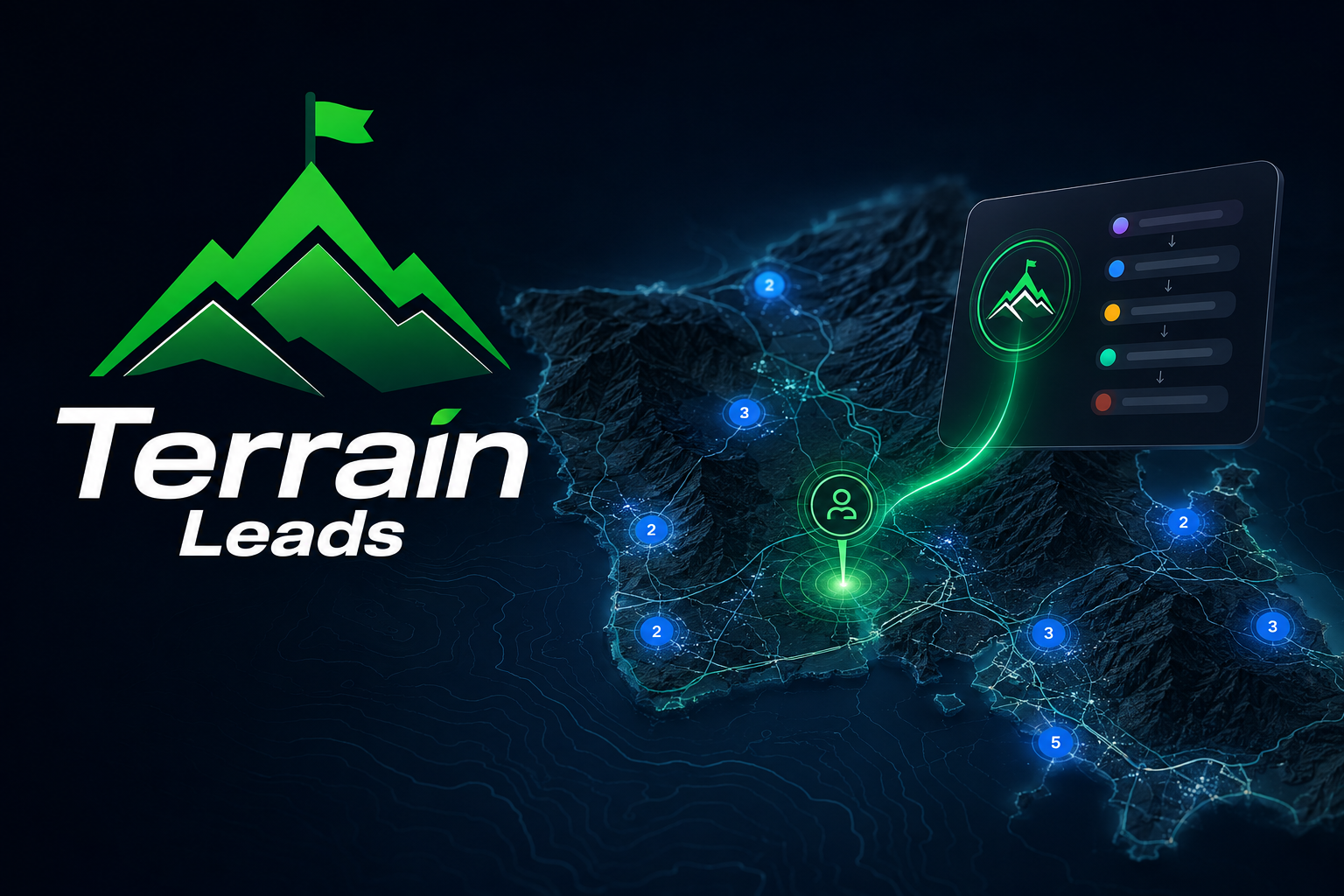
Thumbnail 1.
-
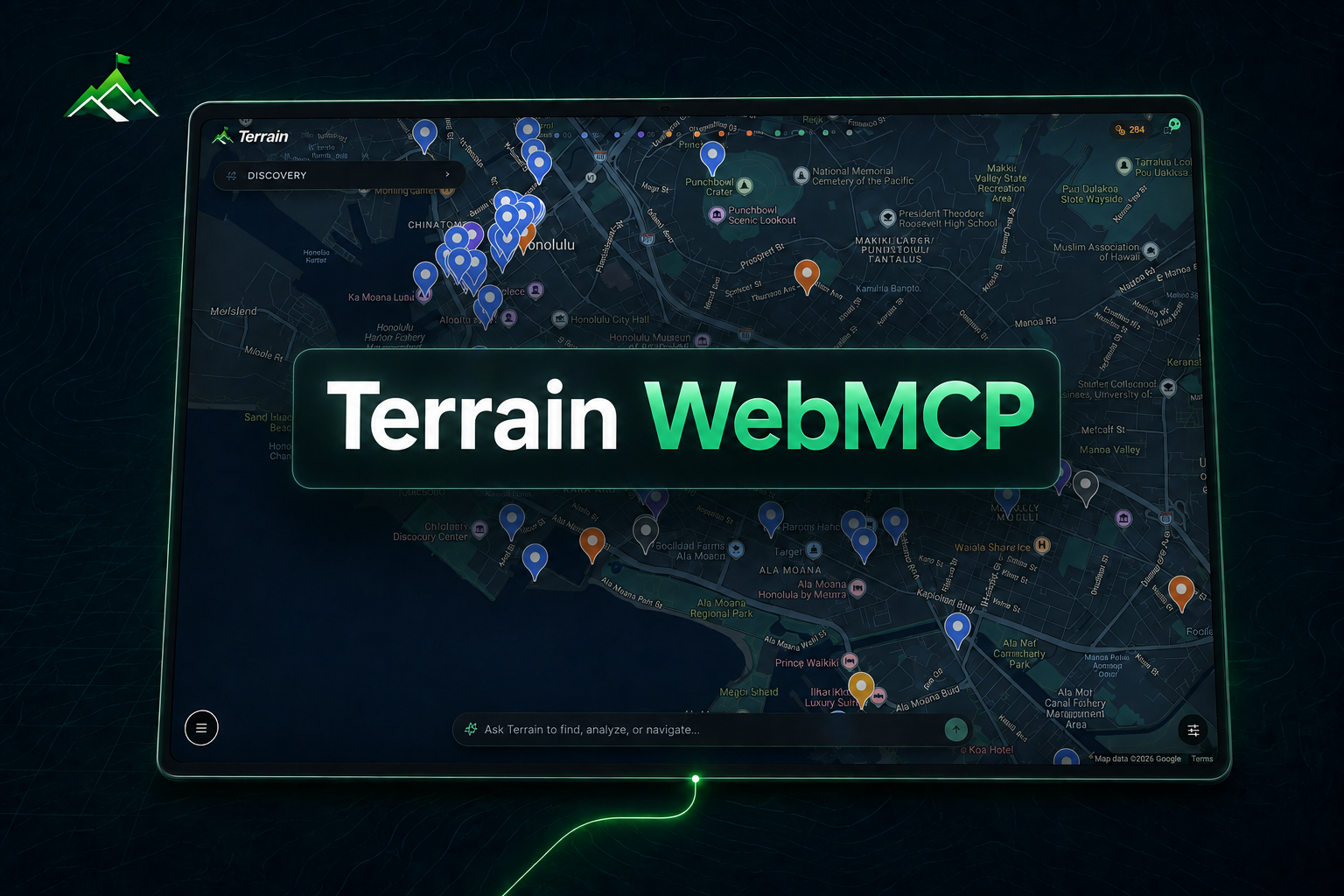
Terrain WebMCP Thumbnail
-
Pipeline.
-
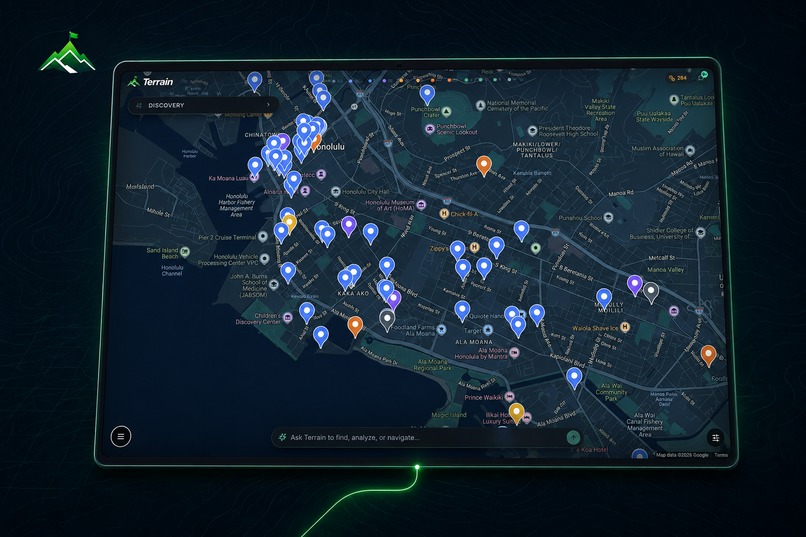
Discovery
-
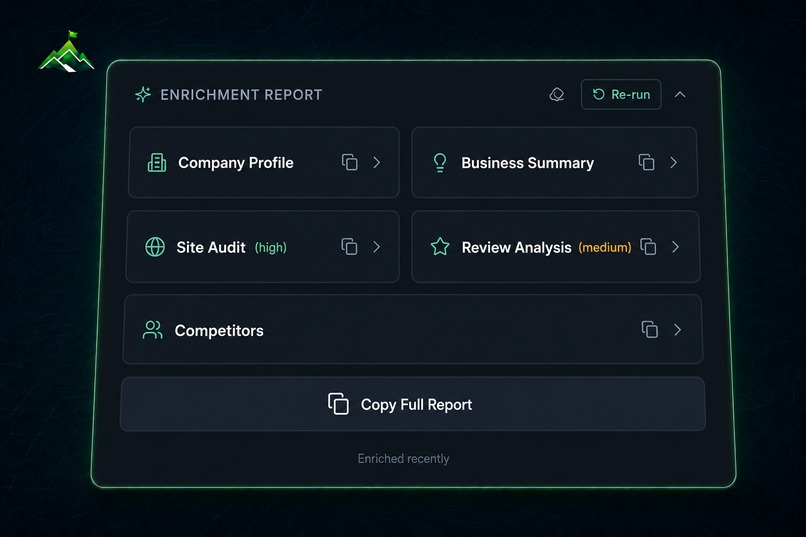
Enrichment result
-
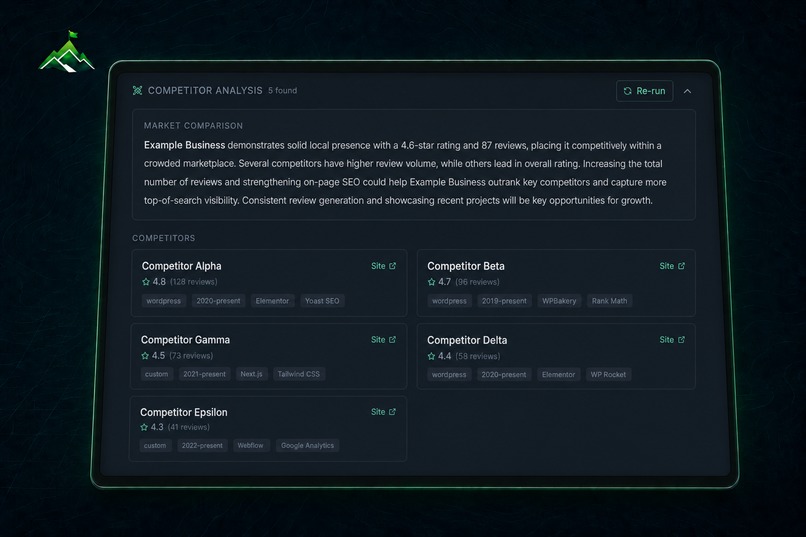
The analysis
-
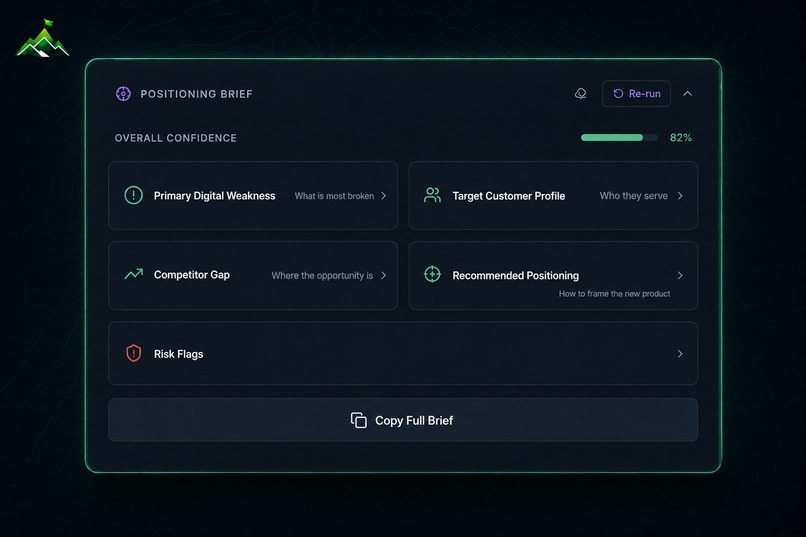
Brief.
-
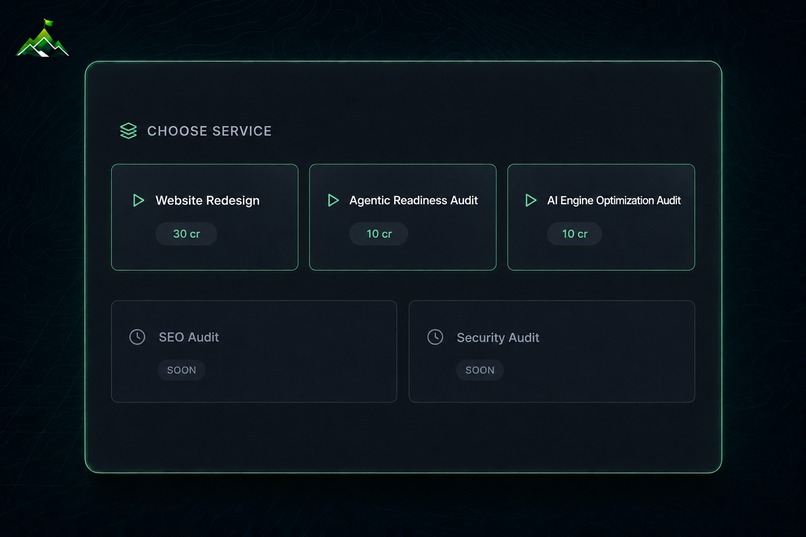
Services.
Inspiration
Terrain started from a problem we kept seeing: local businesses often have outdated or missing digital experiences, while developers and agencies spend hours searching for prospects, researching them, and figuring out what they can actually offer.
The idea was simple: what if you could find a business opportunity on a map and take it all the way to something ready to act on in one workflow?
For this challenge, we pushed that further: what if an AI agent could actually use Terrain alongside you?
What it does
Terrain is a map-first prospecting and sales platform.
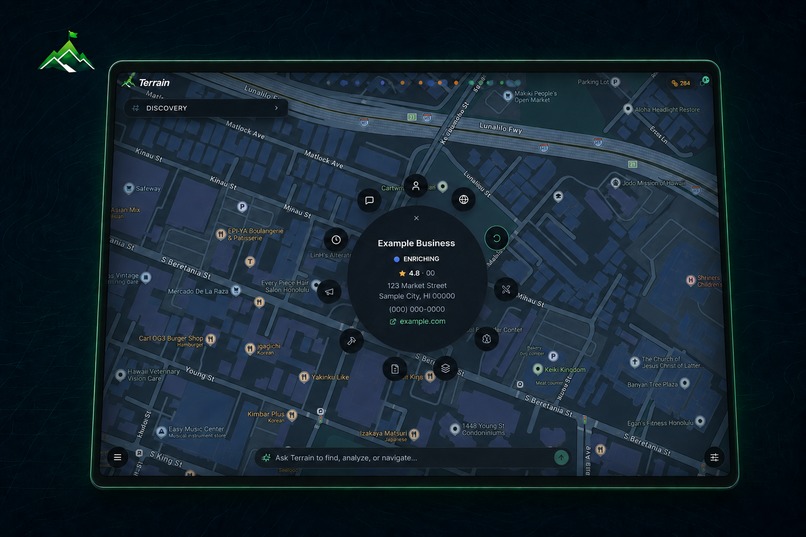
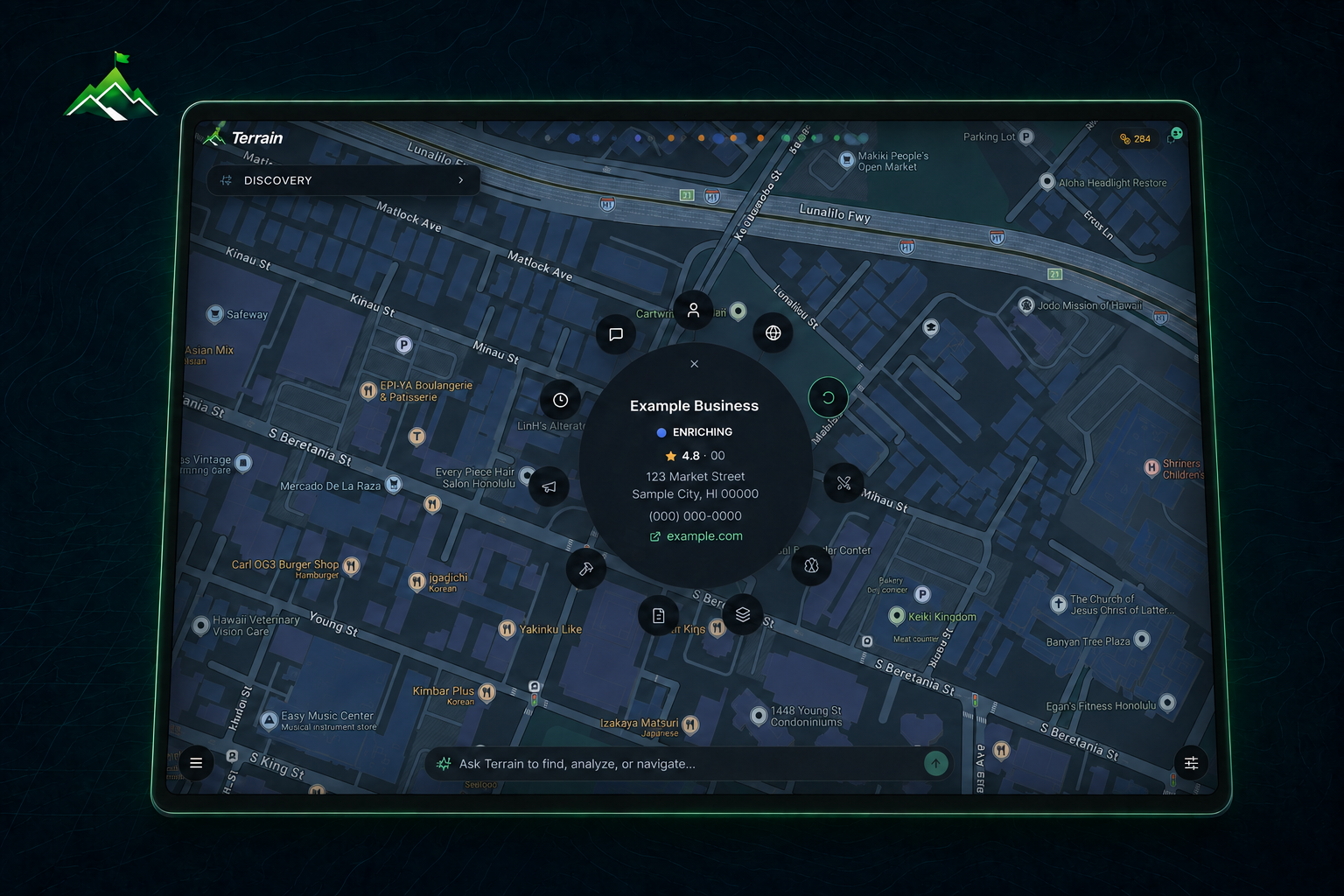
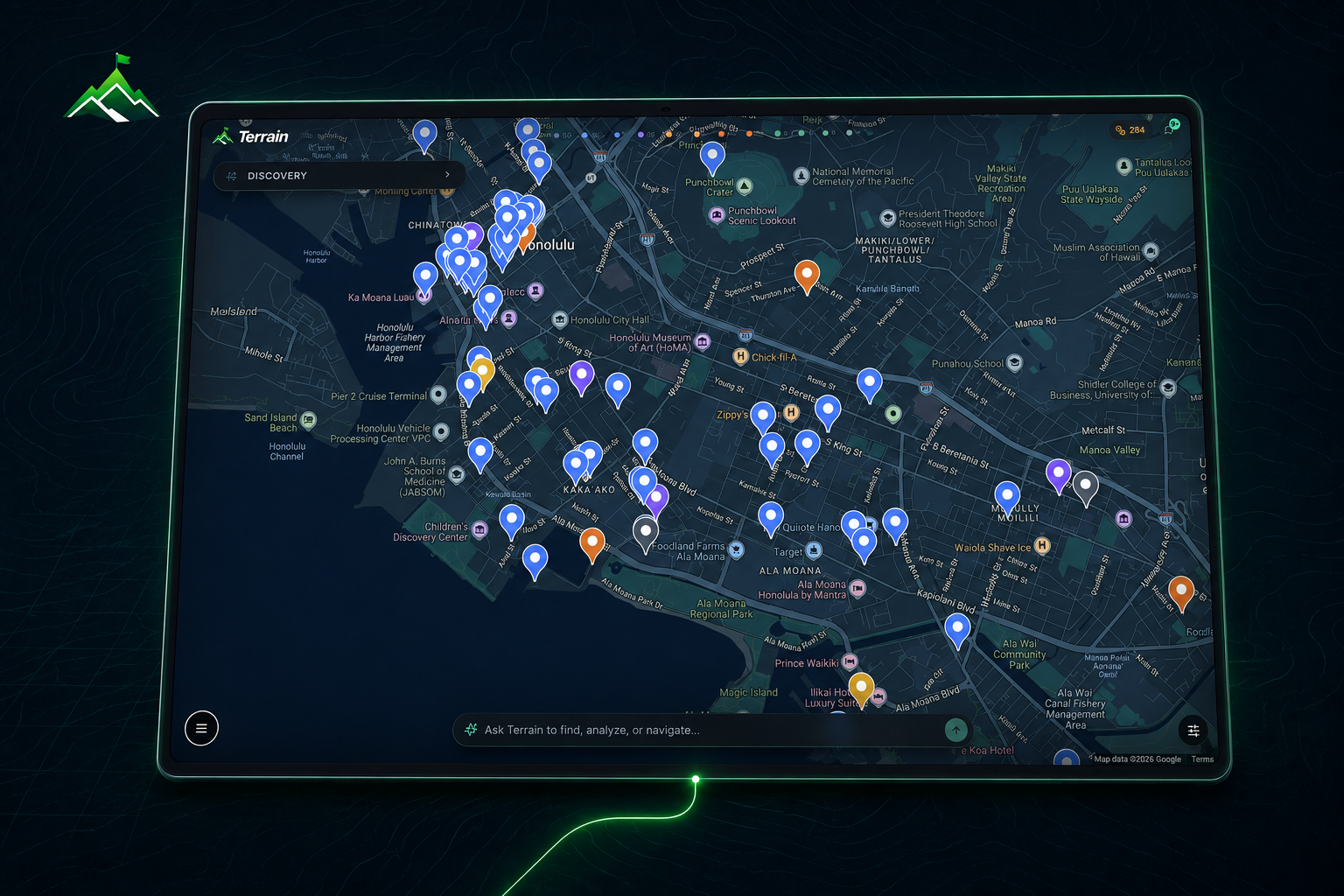
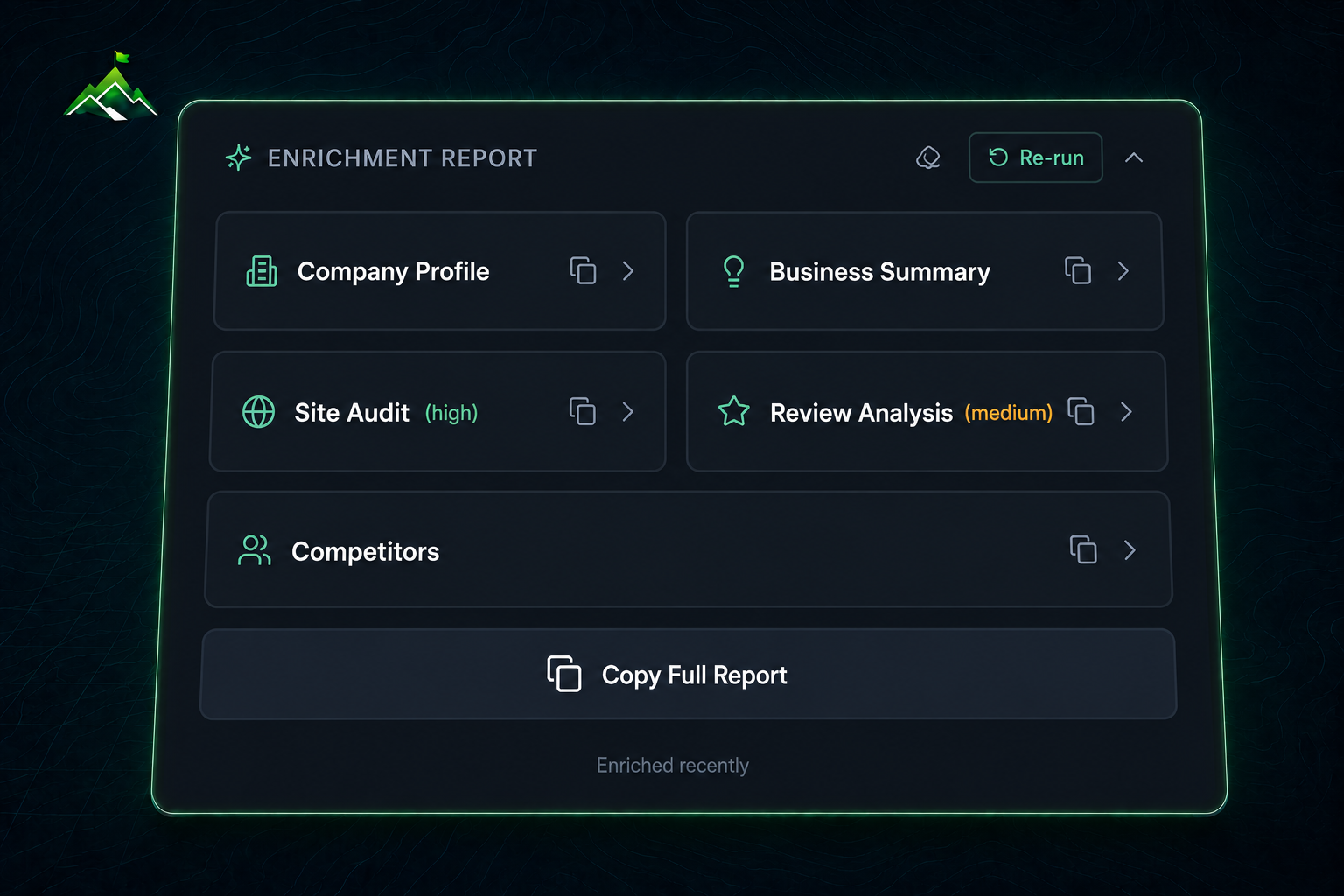
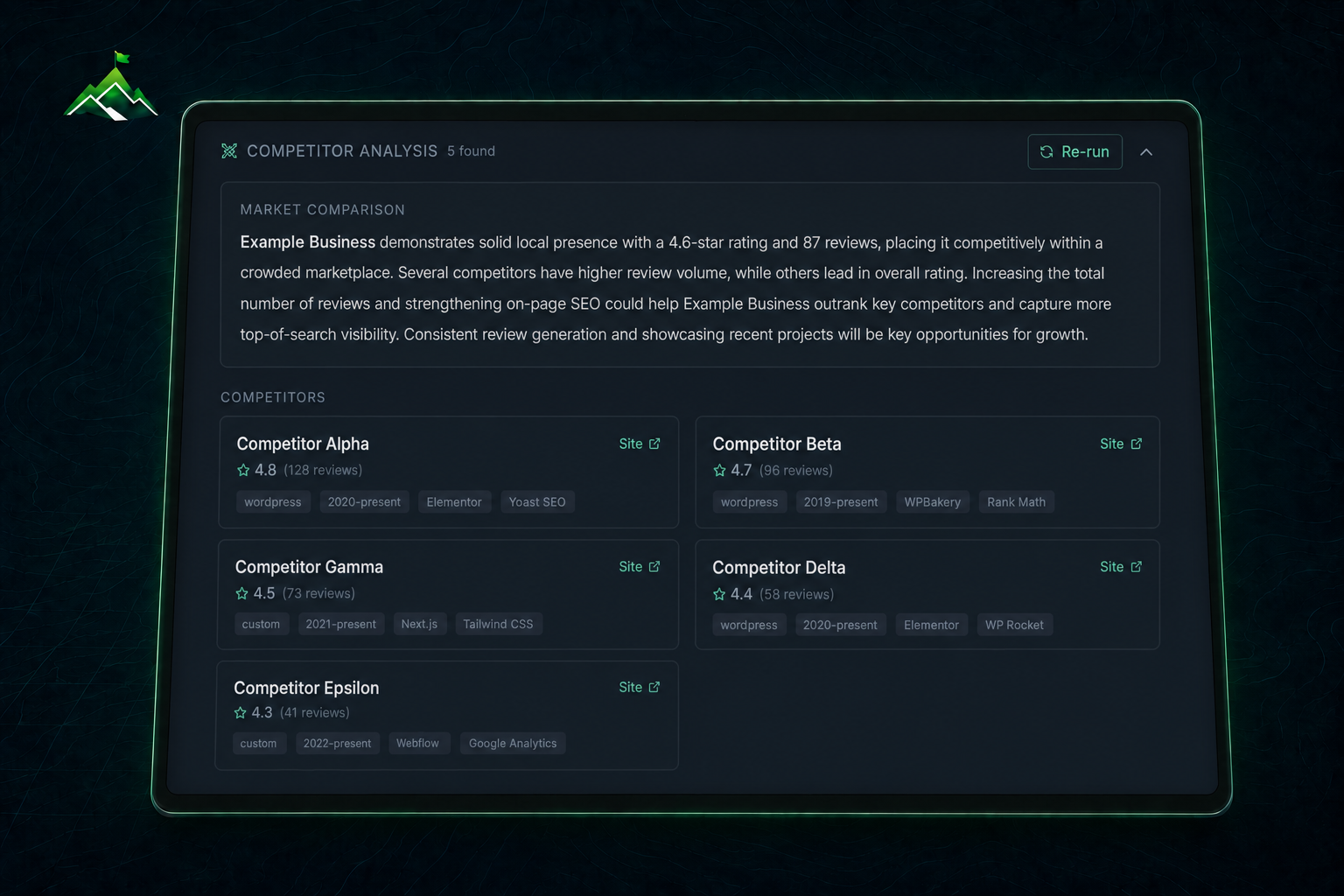
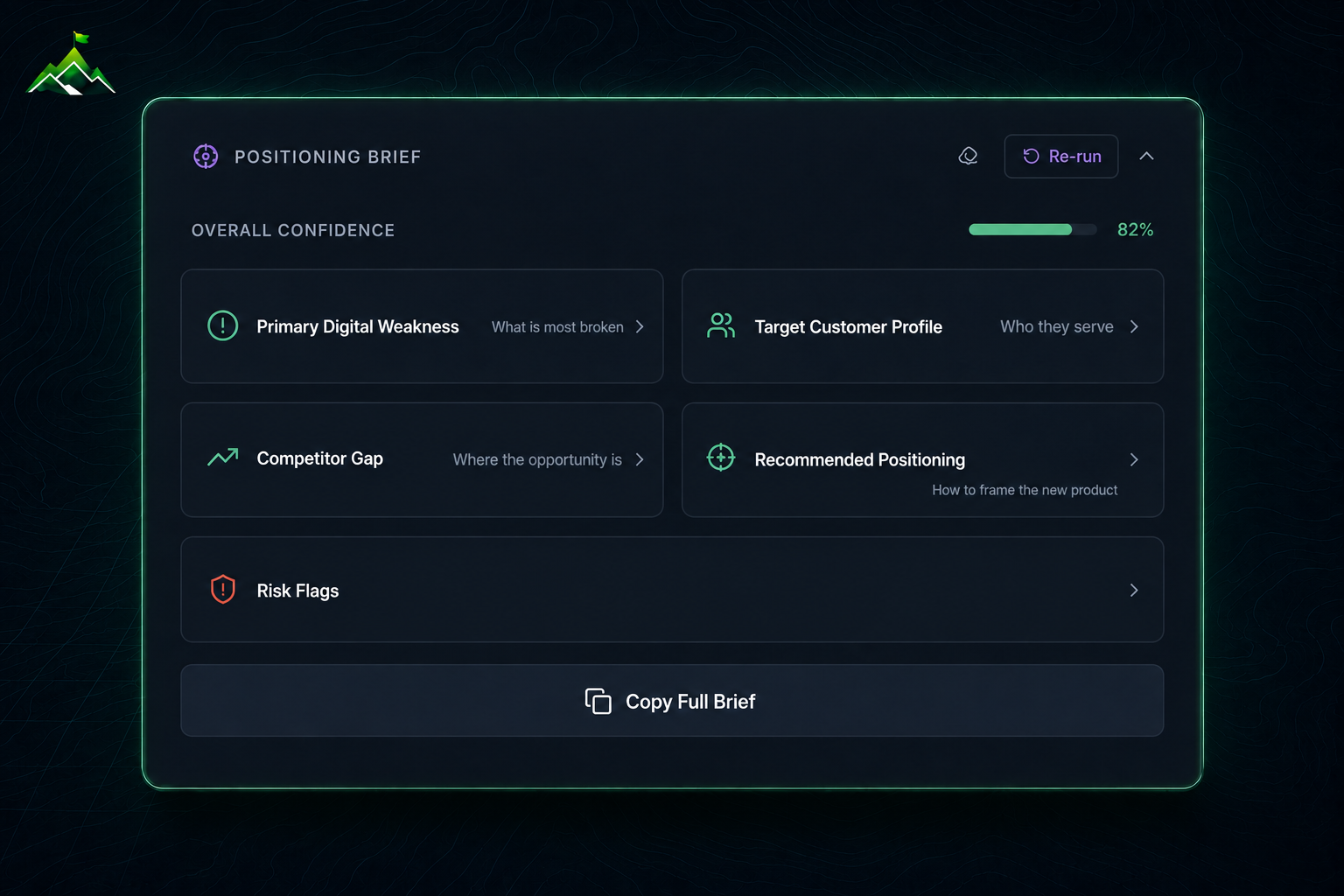
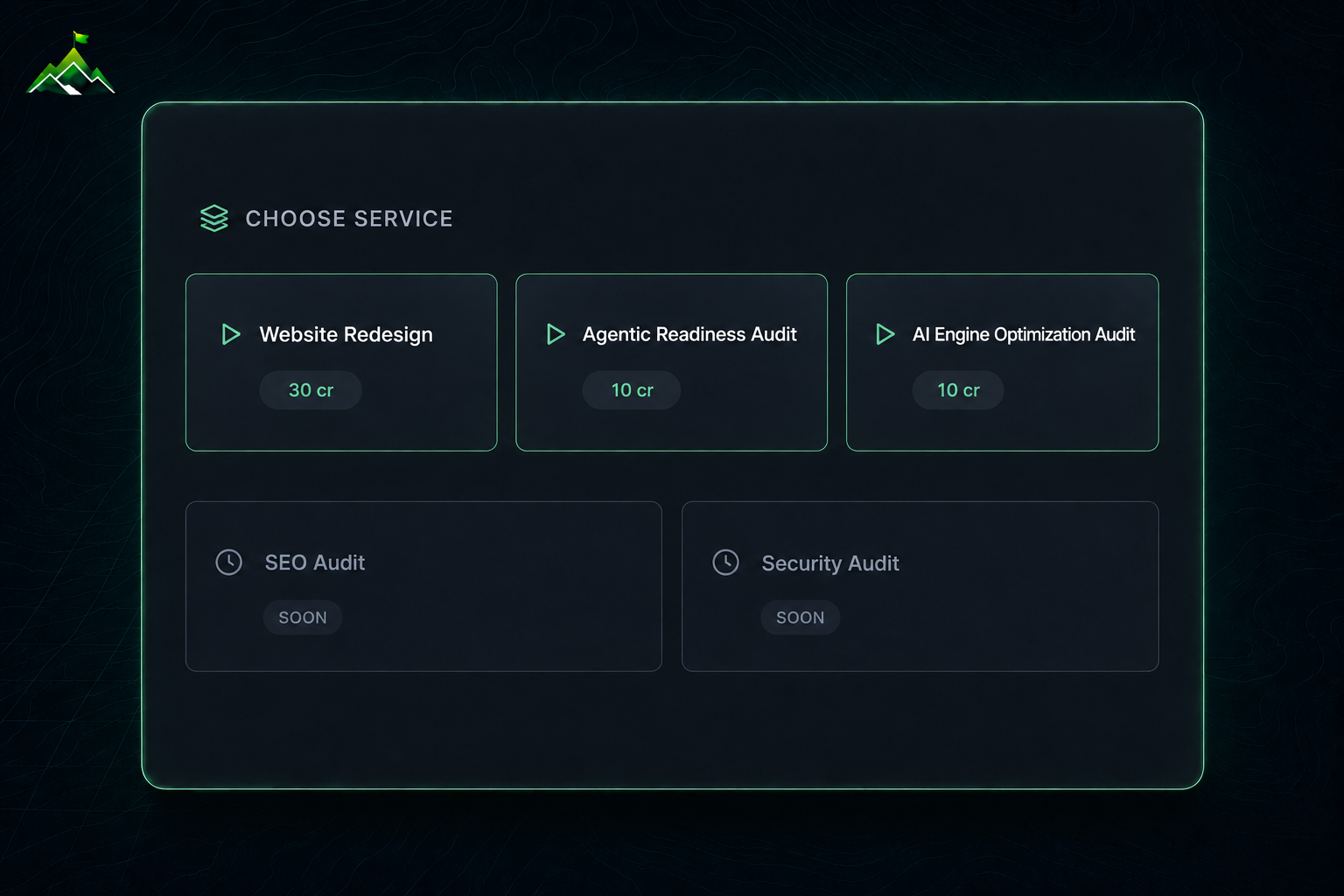
Users can discover local businesses, inspect their digital presence, enrich leads, analyze competitors, generate briefs, choose services, and move opportunities through a visual pipeline.
The goal is to move from:
discovery → research → analysis → service → outreach → delivery
How we built it
Terrain is built with React, TypeScript, Vite, shadcn/ui, Supabase, and AI-powered workflows.
Terrain was already an MCP server before this challenge, so AI clients could use its backend capabilities completely headlessly.
With WebMCP, we added something different: frontend tools for the browser agent itself.
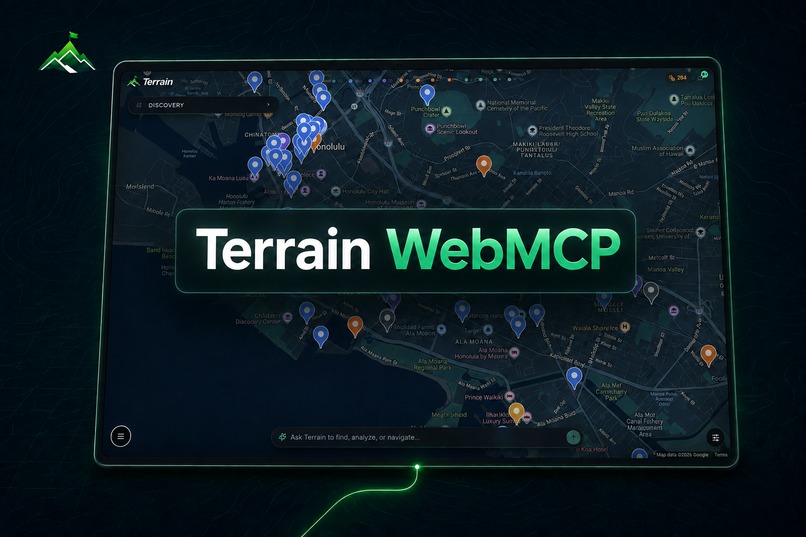
The agent can read the map state, move and zoom the map, frame results, focus on businesses or leads, switch map views, and navigate different parts of the Terrain interface.
Those frontend tools work alongside the same backend functionality Terrain already exposes.
Challenges
The biggest challenge was keeping the frontend synchronized with what the agent was doing in the backend.
If an agent finds a business but the map never updates, the experience feels broken.
We had to make sure agent actions, map state, discovered businesses, and visible UI all stayed connected without building a separate version of Terrain just for AI.
What we learned
Our biggest takeaway was that WebMCP becomes especially powerful when you expose frontend functionality, not just backend functions.
MCP lets an agent use Terrain headlessly. WebMCP lets the browser agent actually operate the application with the user.
Instead of relying only on screenshots and mouse clicks, the agent gets structured tools for navigating and manipulating the real interface.
What's next
We want to keep expanding Terrain's automation, agent workflows, bulk prospecting, outreach, and AI-powered services so a single developer or small agency can operate with much more leverage.
Built With
- ai
- lovable
- mcp
- react
- shadcn/ui
- typescript
- vite
- webmcp


Log in or sign up for Devpost to join the conversation.