-
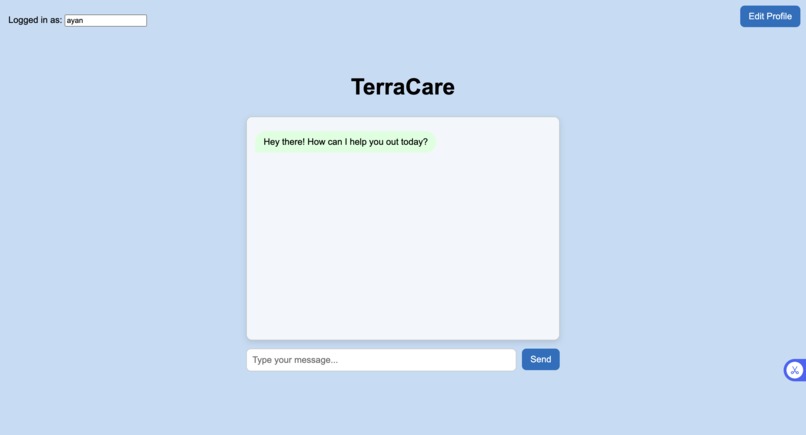
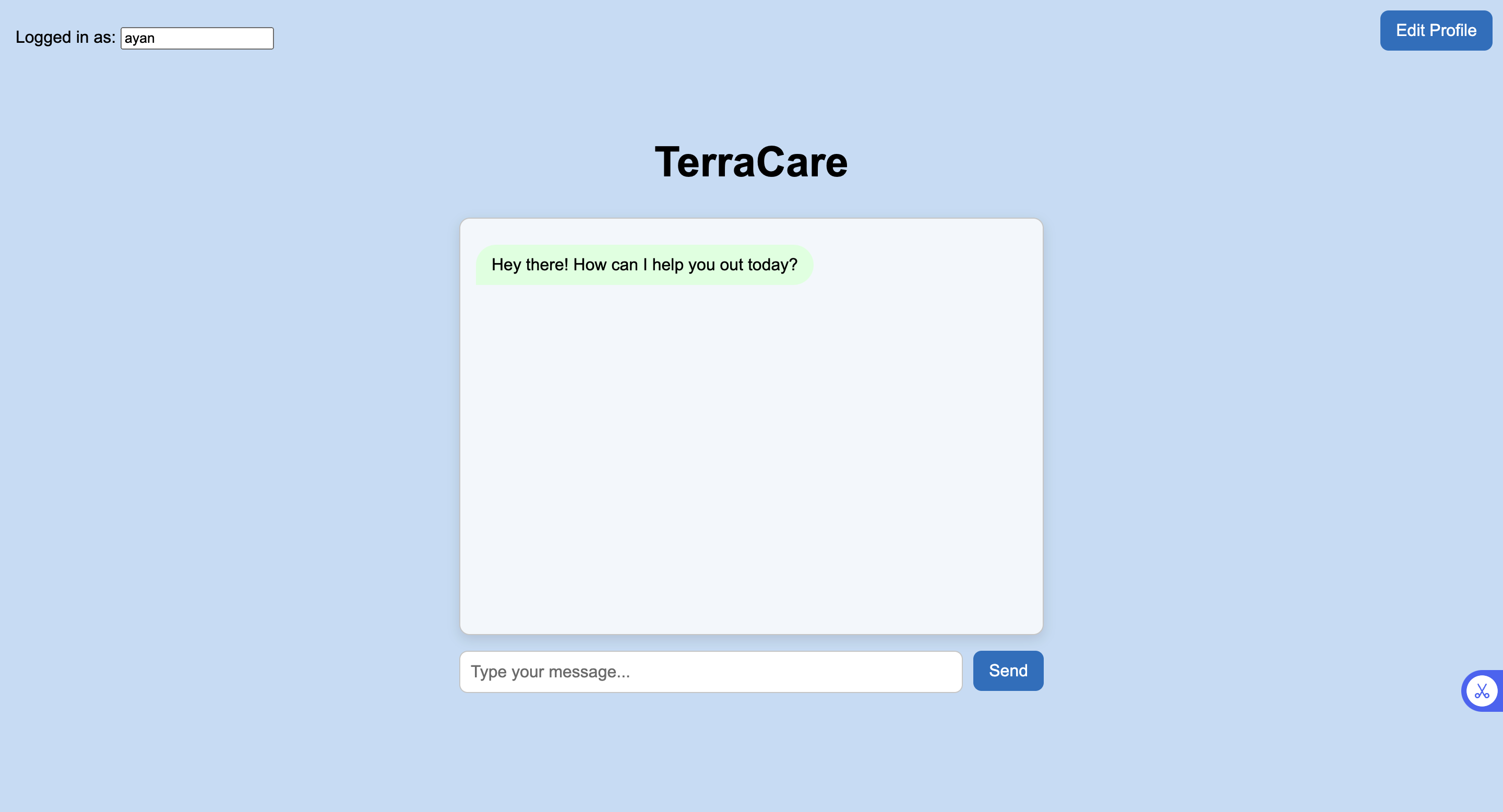
Chatbot Homepage
-
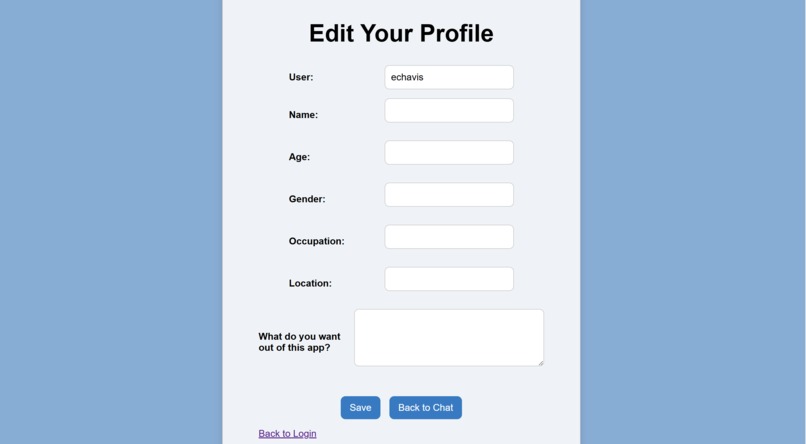
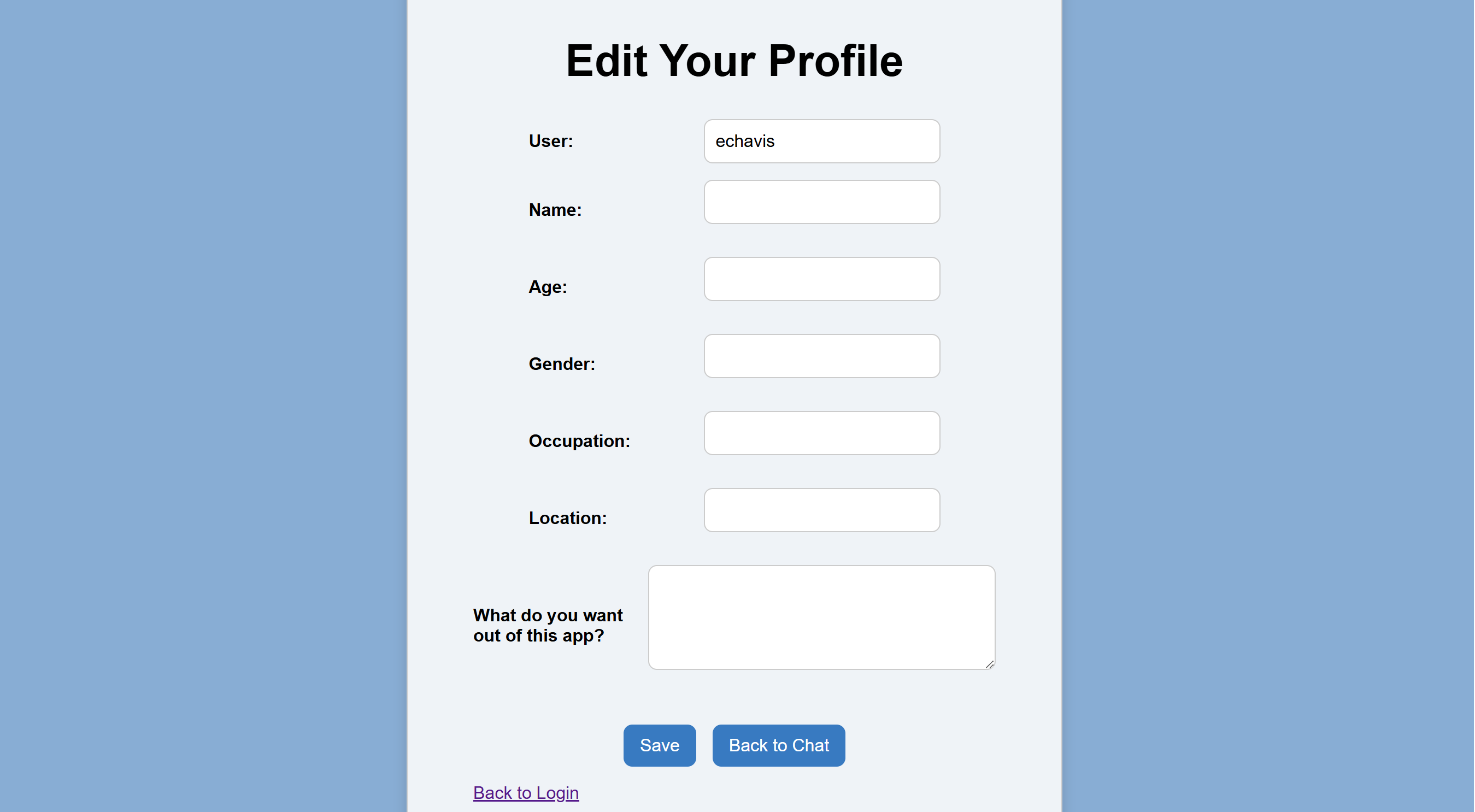
Edit Profile Page
-
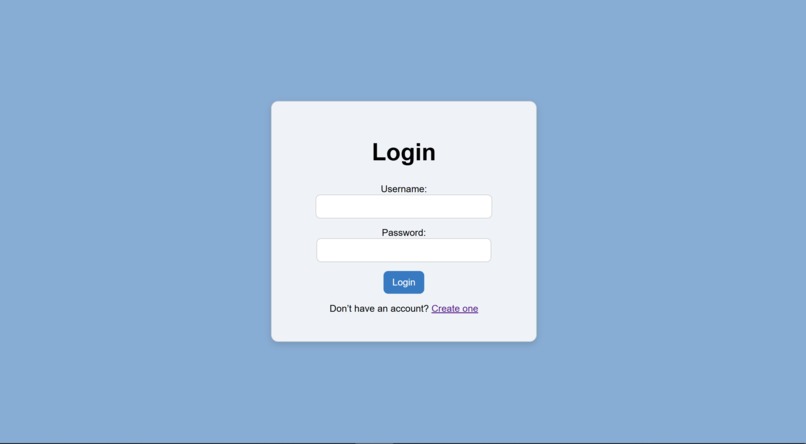
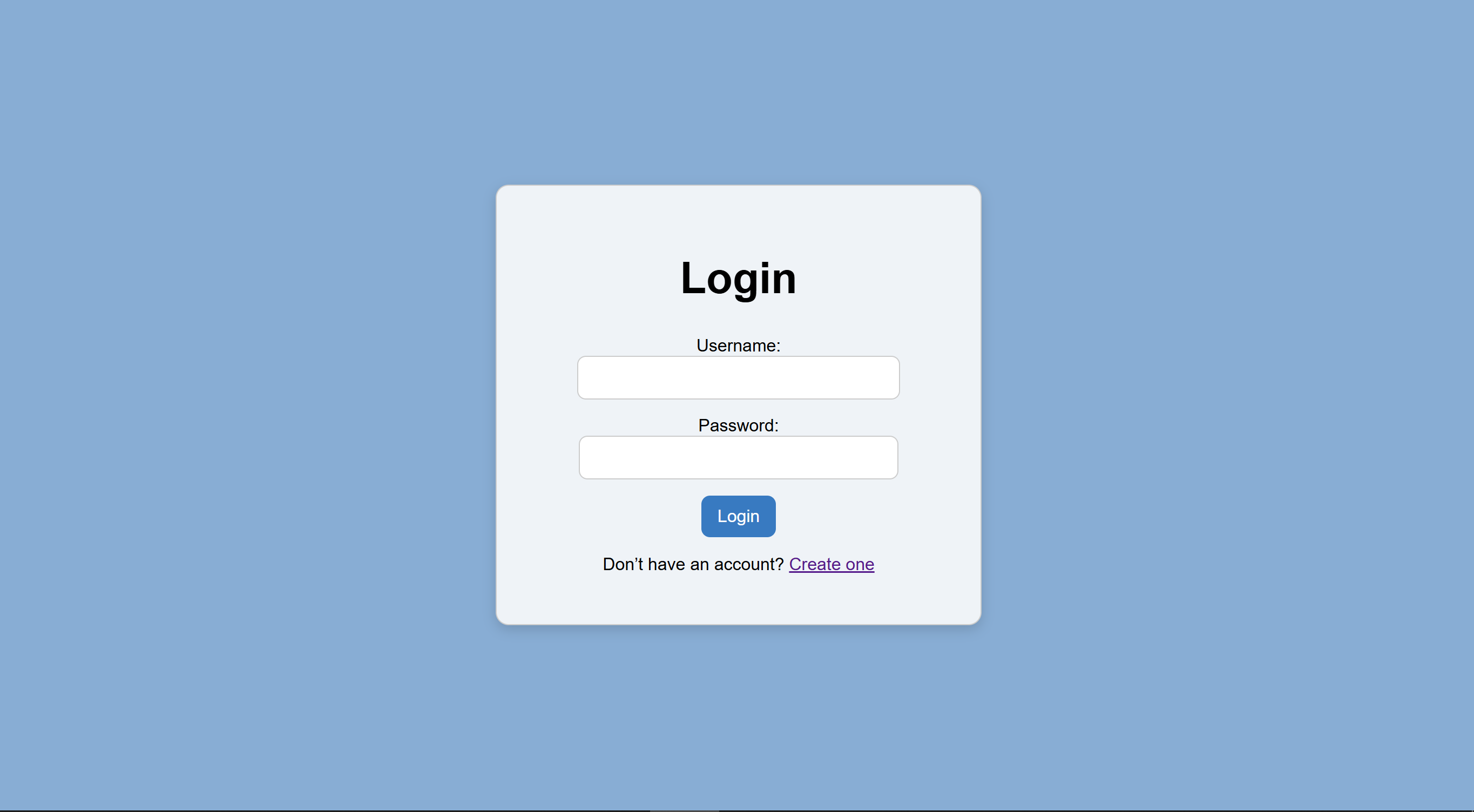
Login Page
Inspiration
Before coming to Bitcamp, a few of us were feeling anxious and unsure about what to expect. We wished there was someone we could talk to, someone who could understand and offer support. This idea of connecting with someone in a more personal way, especially in a tech environment like Bitcamp, sparked the inspiration for TerraCare. We realized that many people, especially in stressful environments, need someone or something to talk to that’s both helpful and supportive. Our project, TerraCare, aims to bridge that gap, offering a platform that can provide real-time assistance and advice, especially for people going through tough moments.
What it does
TerraCare is an AI-powered platform designed to help users navigate moments of stress and anxiety, providing them with personalized recommendations, tips, and guidance. It leverages natural language processing (NLP) and machine learning to offer real-time conversational support. Whether you’re feeling overwhelmed or just need someone to talk to, TerraCare is there to listen, understand, and guide you through those moments.
How we built it
The data is stored in PostgreSQL, and we use cloud hosting for scalability. The user interface is built with HTML, CSS, and JavaScript, ensuring it’s simple yet effective. The backend relies on gemini-2.0-flash and flask.
Challenges we ran into
One of the biggest challenges we faced was designing the cache system in such a way that it didn't use too much data or too many tokens when prompting the model. With long conversations, we risked overloading the model with excessive data. Balancing efficient storage of conversation history while ensuring that the context given to the model was meaningful and concise was tricky. We had to optimize how much historical data we stored and selectively pass only the most relevant parts of the conversation to the model to prevent unnecessary data usage.
Additionally, Git collaboration was another significant challenge. As a team, we had trouble managing multiple branches and resolving merge conflicts. It was tough to stay on the same page with all the changes being made, especially since some of us were more familiar with Git than others.
Accomplishments that we're proud of
We’re really proud of how we were able to build a functional and intuitive AI assistant that can understand emotional cues and provide personalized responses. It’s not just about delivering information—it’s about offering support. We also integrated real-time conversation history into the model so that TerraCare can provide more relevant responses based on the user’s previous interactions, which makes the experience feel more human-like. The careful design of our cache system allowed us to reduce token usage while maintaining context, which is a key feature of the system.
What we learned
We all came from different knowledge and experience levels, so each of us learned new languages or tools. Some of us got more familiar with machine learning, others with web development frameworks, and some learned how to use Git more effectively. The biggest takeaway for all of us was learning how to work in a team. We all had to communicate better, handle different perspectives, and collaborate on tasks in a way that allowed us to build something meaningful together.
What's next for TerraCare
We’re planning to expand TerraCare’s capabilities by integrating more advanced features, like voice to text, so users can interact with it hands-free. We also want to explore deeper personalization features, such as mood tracking and long-term emotional support, to make the experience more meaningful.


Log in or sign up for Devpost to join the conversation.