-
-
3D Solar System
-
3D Solar System
-
3D Solar System
-
3D Solar System
-
3D Solar System
-
3D Solar System
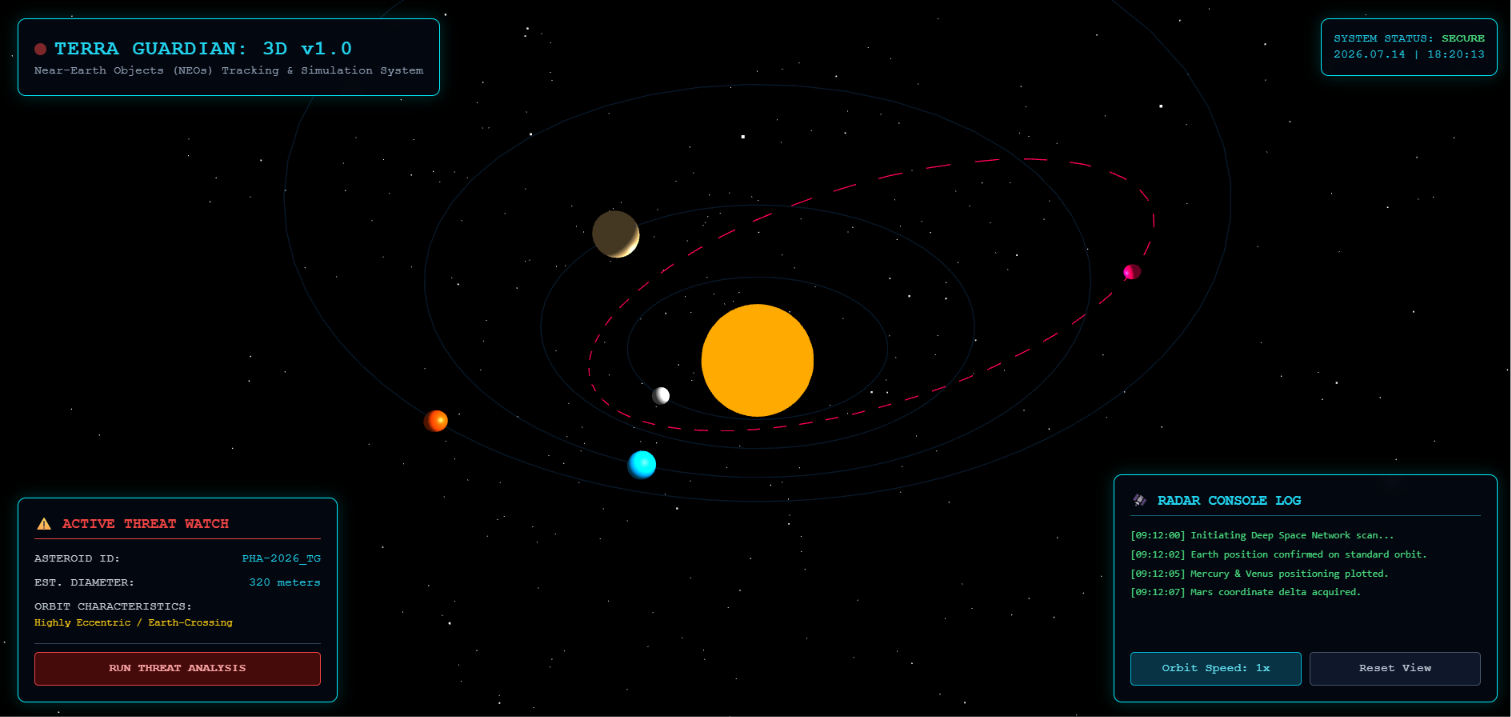
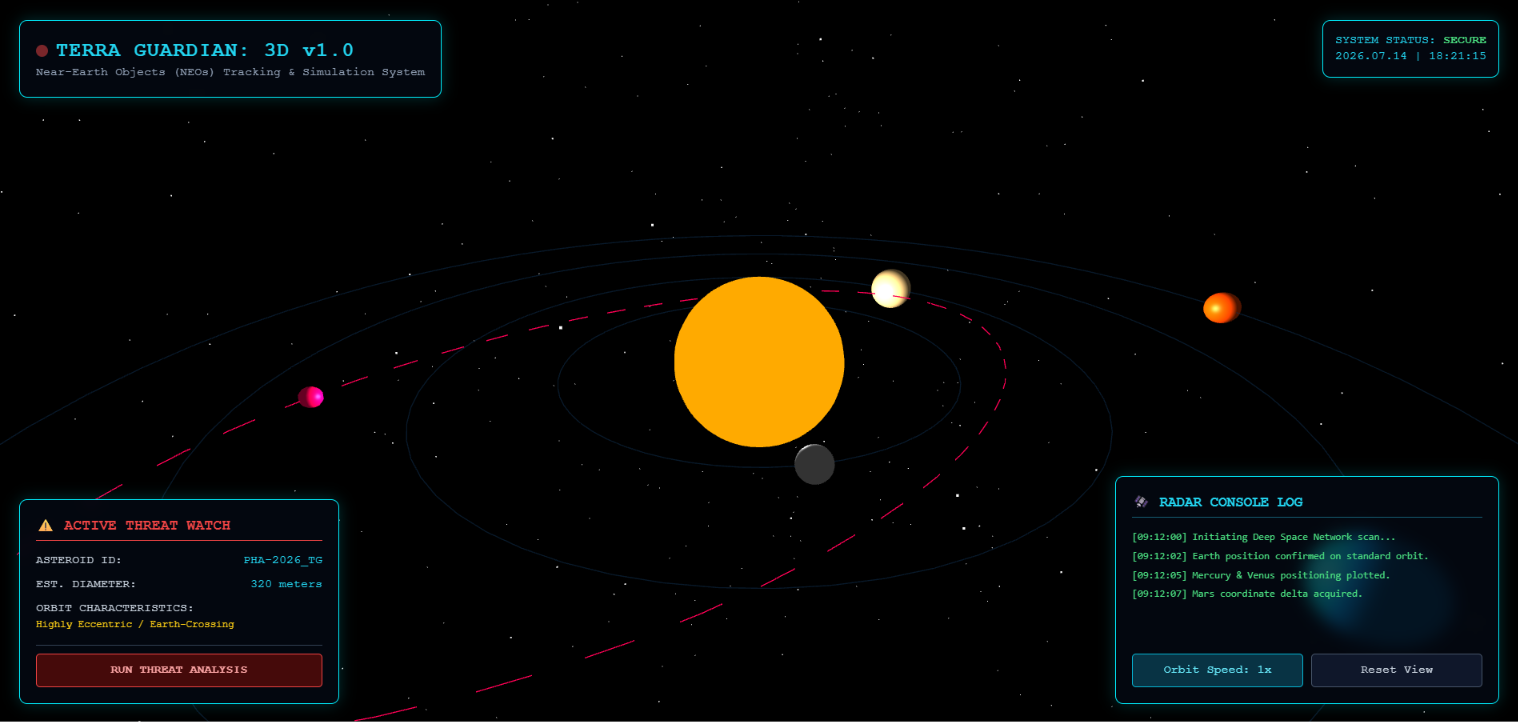
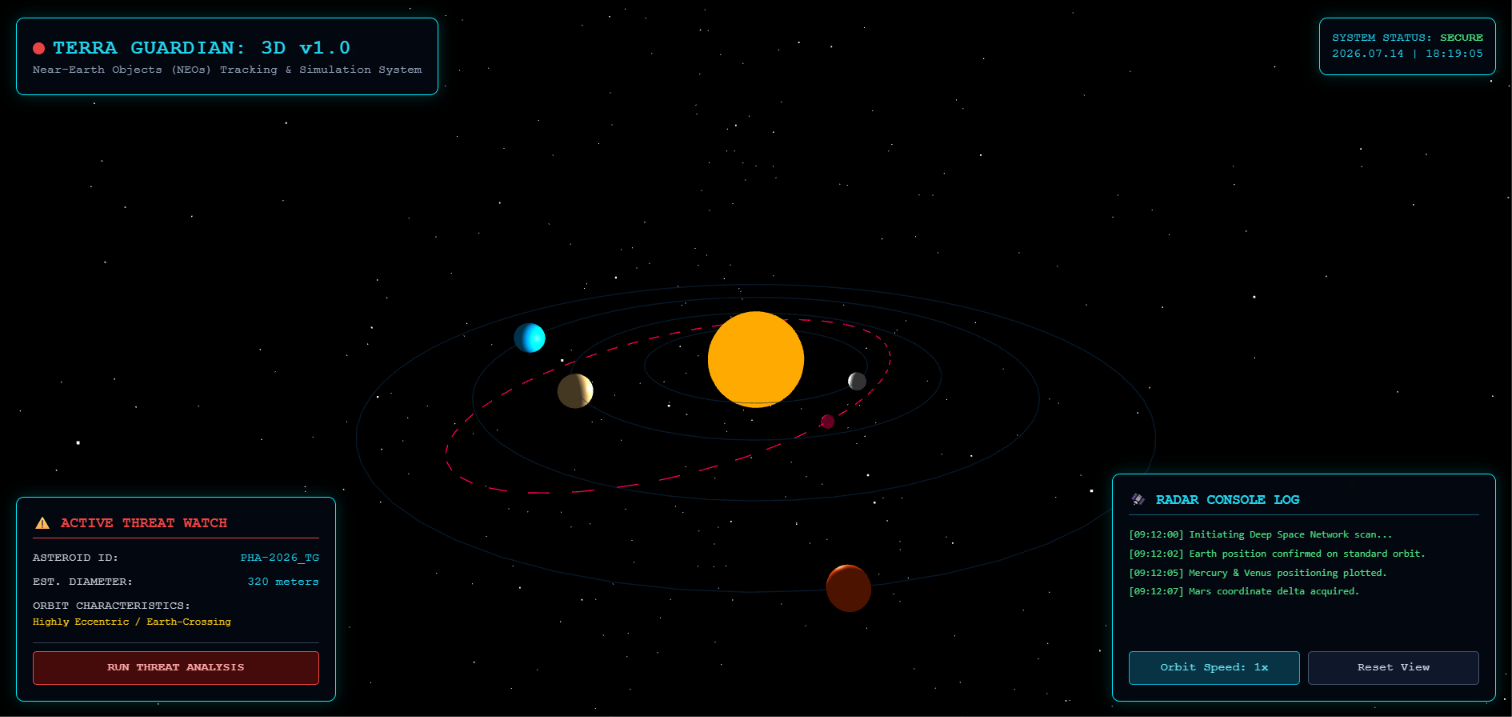
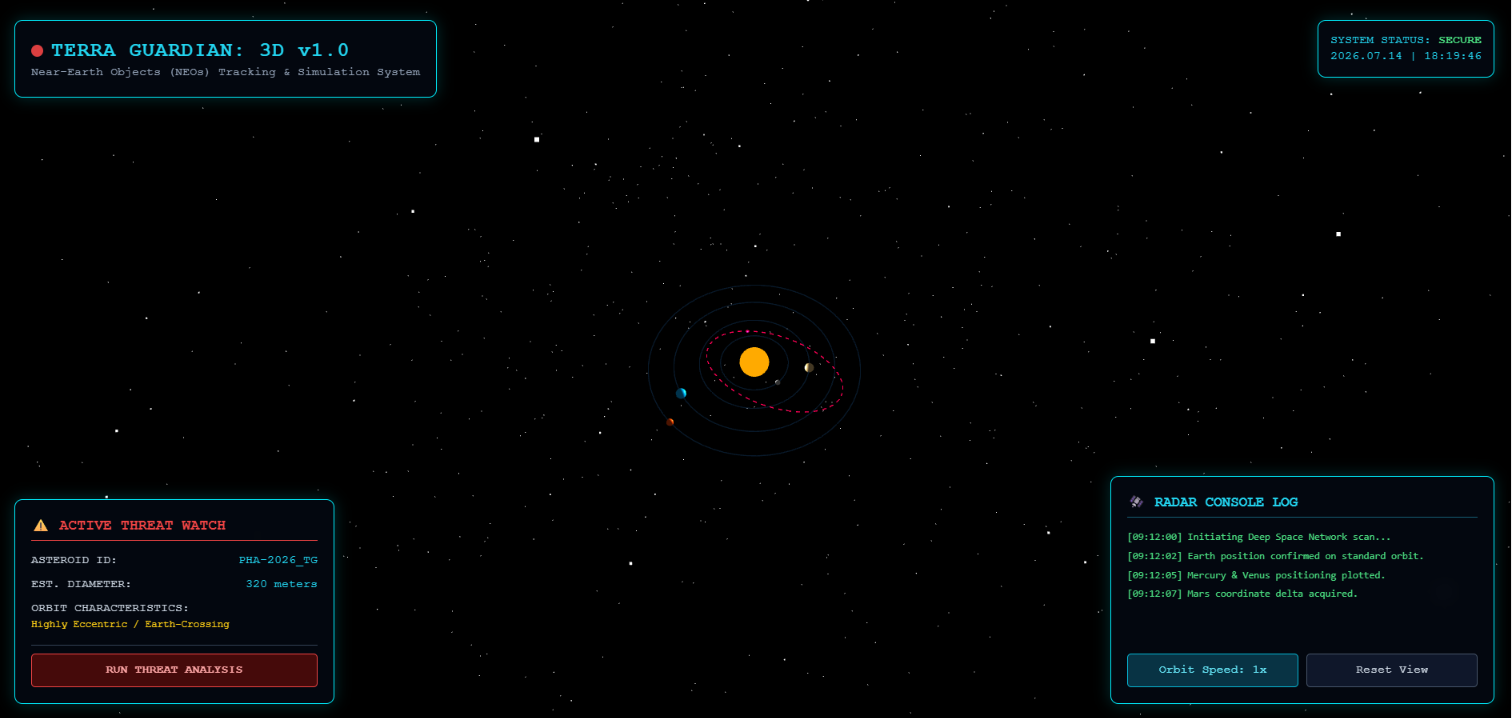
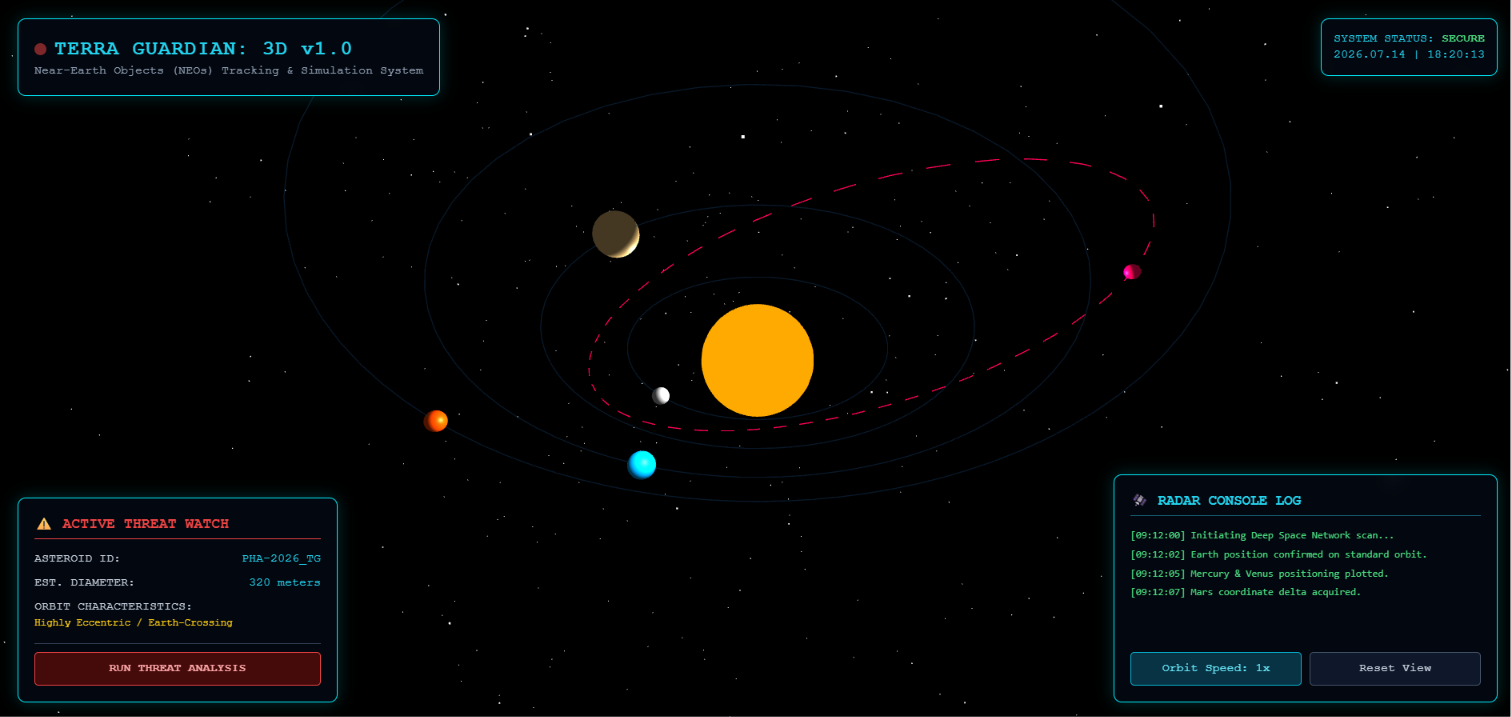
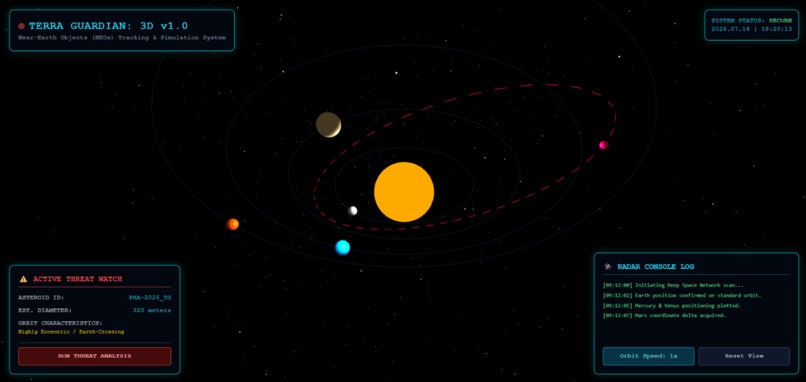
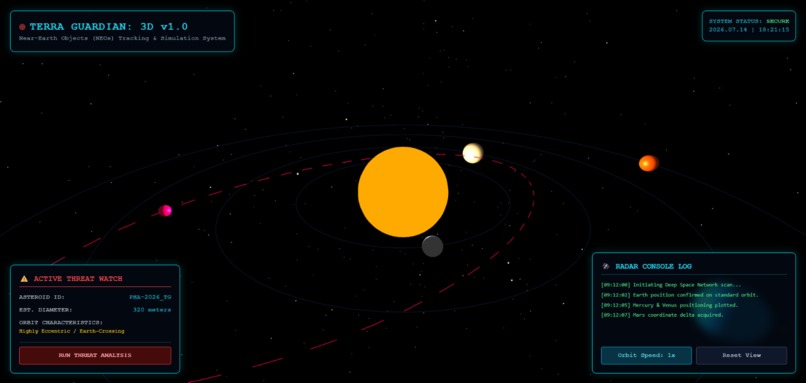
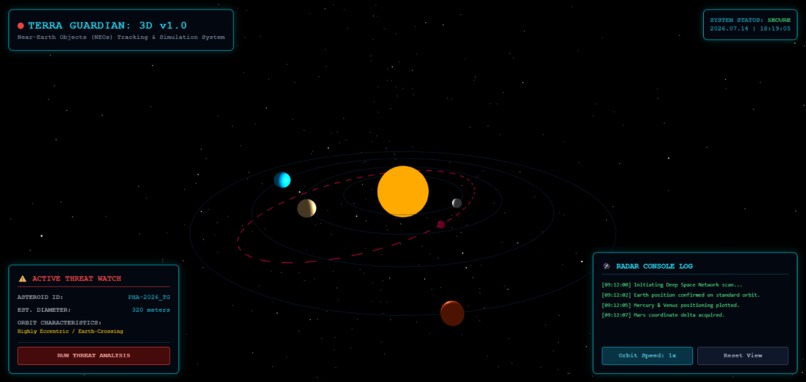
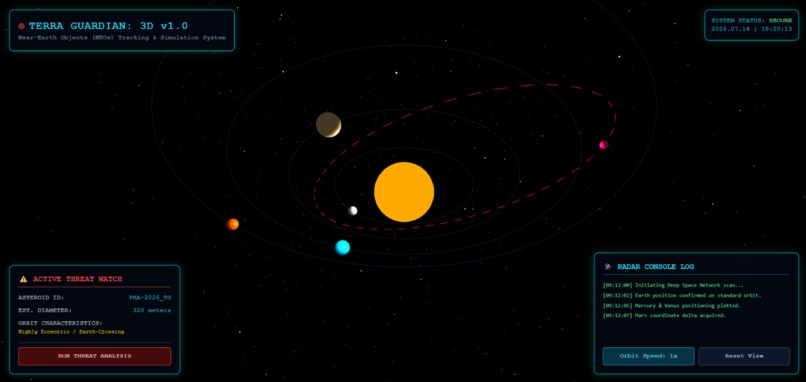
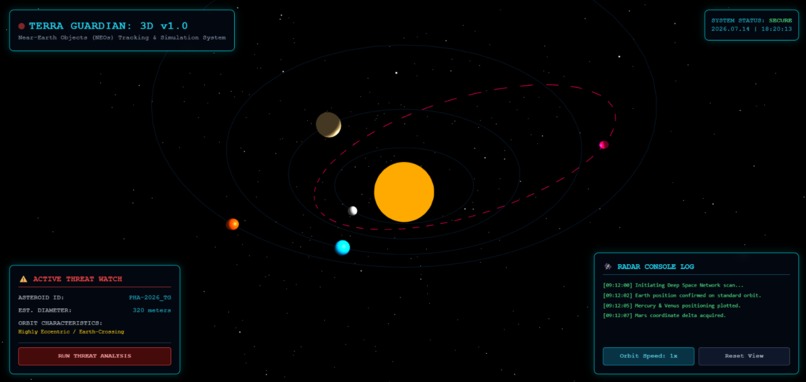
Inspiration I have always been fascinated by the sheer scale and mystery of our solar system. The inspiration behind this project was to create an immersive, educational experience that allows users to explore our cosmic neighborhood in a visually engaging way. I wanted to move beyond static images and build something interactive that conveys the sense of traveling through space. What I Learned Through this project I gained hands-on experience in: Three.js: Mastering 3D scene creation, camera positioning, and geometry rendering. GSAP Scroll Trigger: Learning how to sync complex 3D animations with scroll behavior, which is essential for modern storytelling on the web. Spatial Reasoning: Calculating the relative positions of objects in a 3D coordinate system, such as: $Position_{planet} = (0, 0, -i \times 15)$where $i$ represents the index of the planet in our array. How I Built It The project is built using a modern web stack:HTML5/Tailwind CSS: For structure and responsive styling.Three.js: To render the 3D canvas and the spherical planet models GSAP (Green Sock Animation Platform): To orchestrate the camera "zoom" effect and the entrance of information cards based on the user's scroll progress. Logic: I used an array-based approach to generate the planets and bound their visibility and the camera's z-index position to specific scroll triggers. Challenges I Faced Scroll Synchronization: The biggest challenge was ensuring the camera movement felt smooth while the user scrolled. Adjusting the scrub value in GSAP was crucial to creating a "floating" sensation. Performance Optimization: Handling 3D objects within a scroll-based environment can be heavy. I managed this by optimizing the geometry complexity and limiting the number of active animations in the request Animation Frame loop.
Built With
- css3
- gsap
- html5
- javascript
- tailwind
- three.js
