-
-
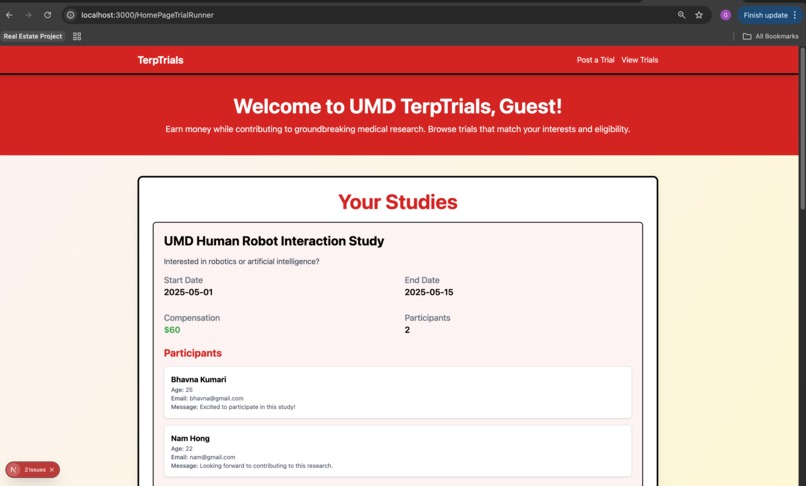
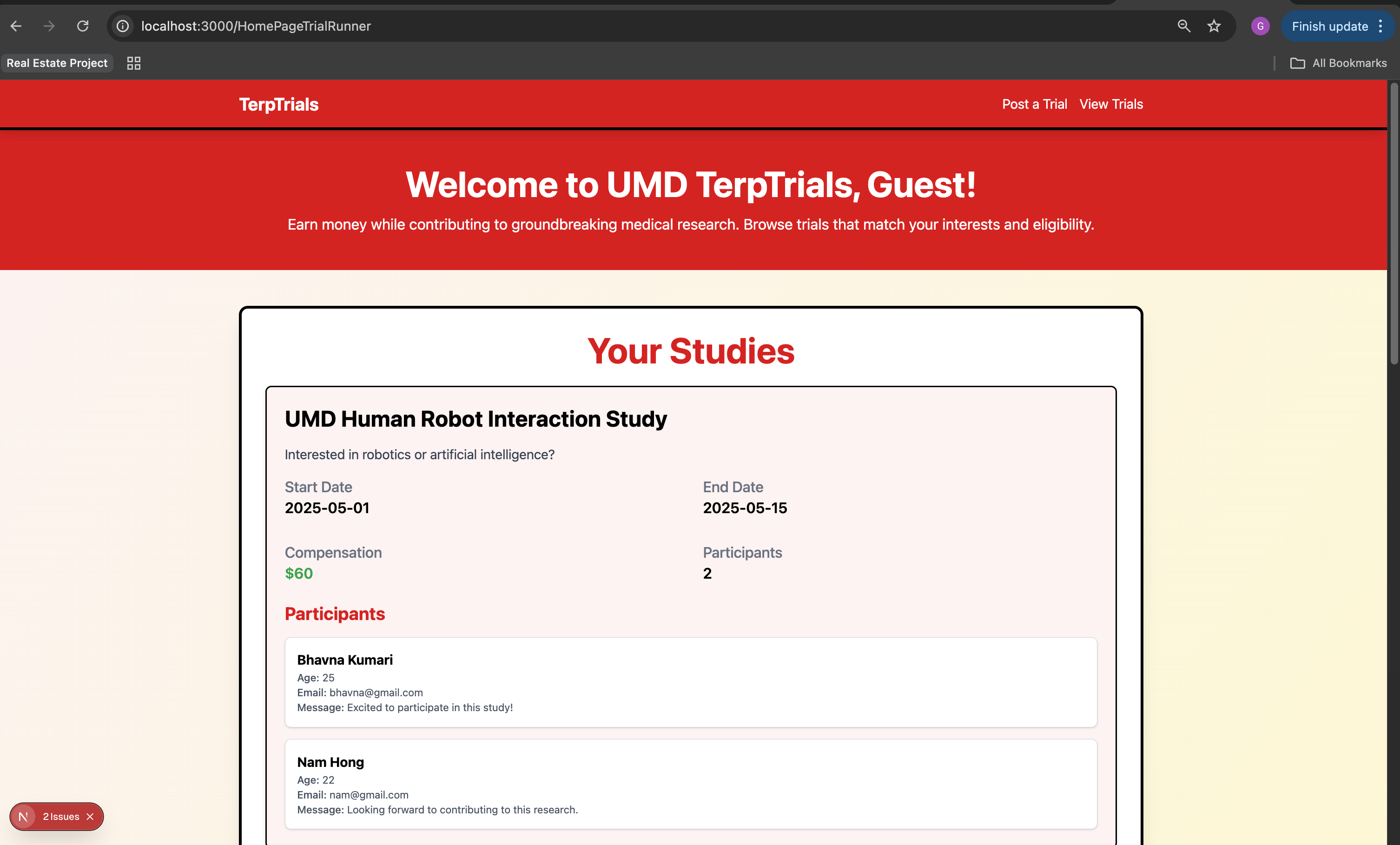
Firm Home Screen
-
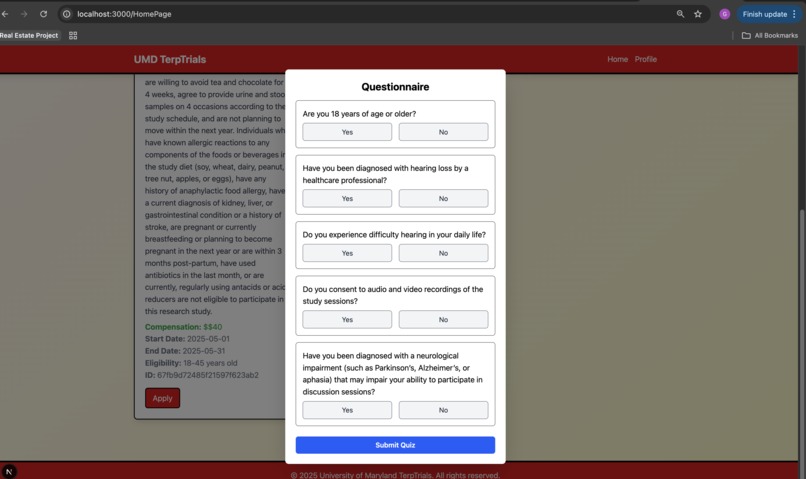
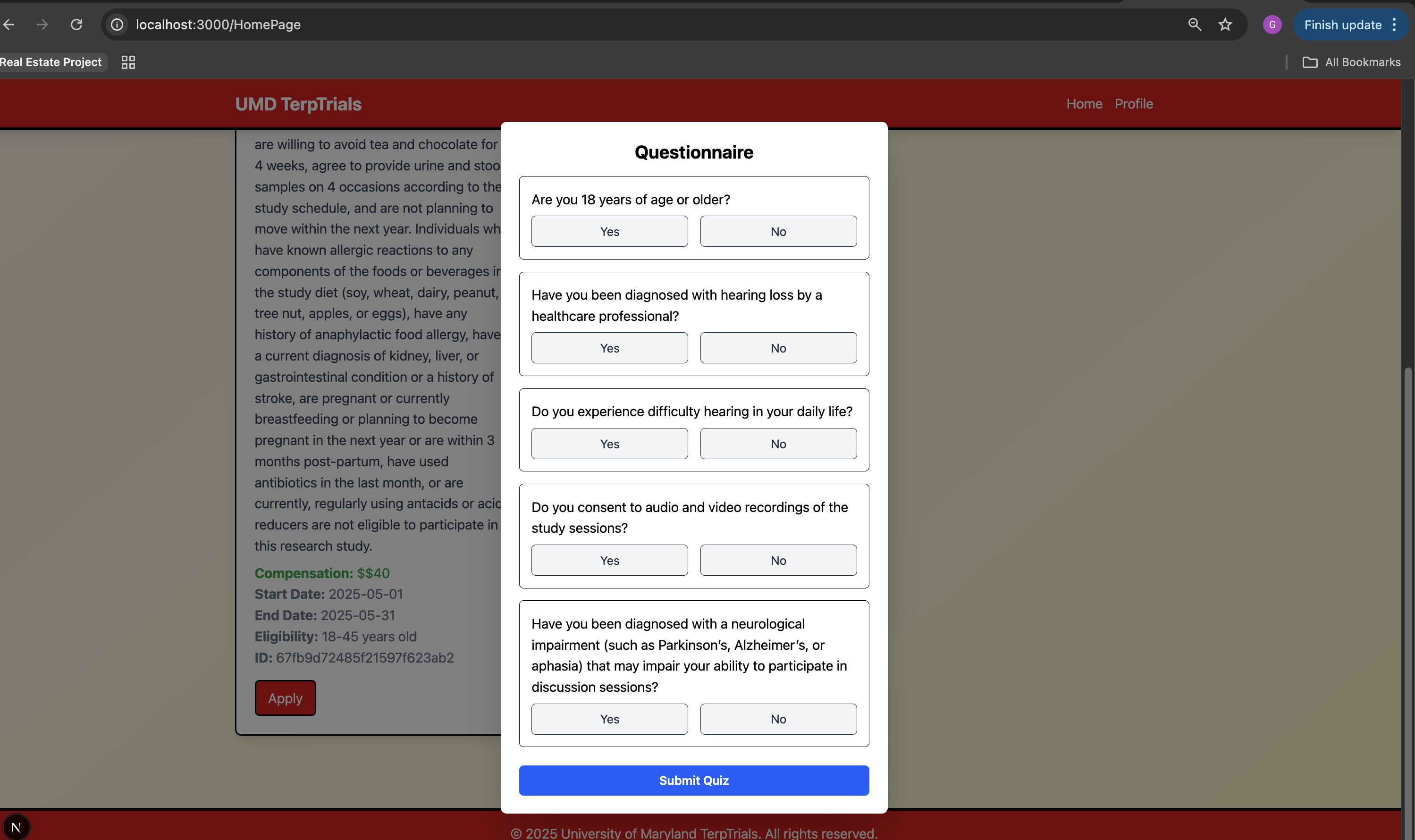
Generated questions by gemini from desc
-
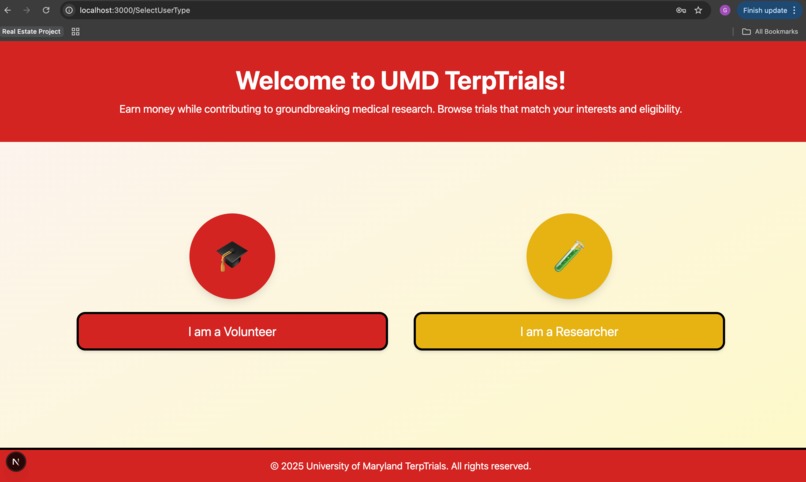
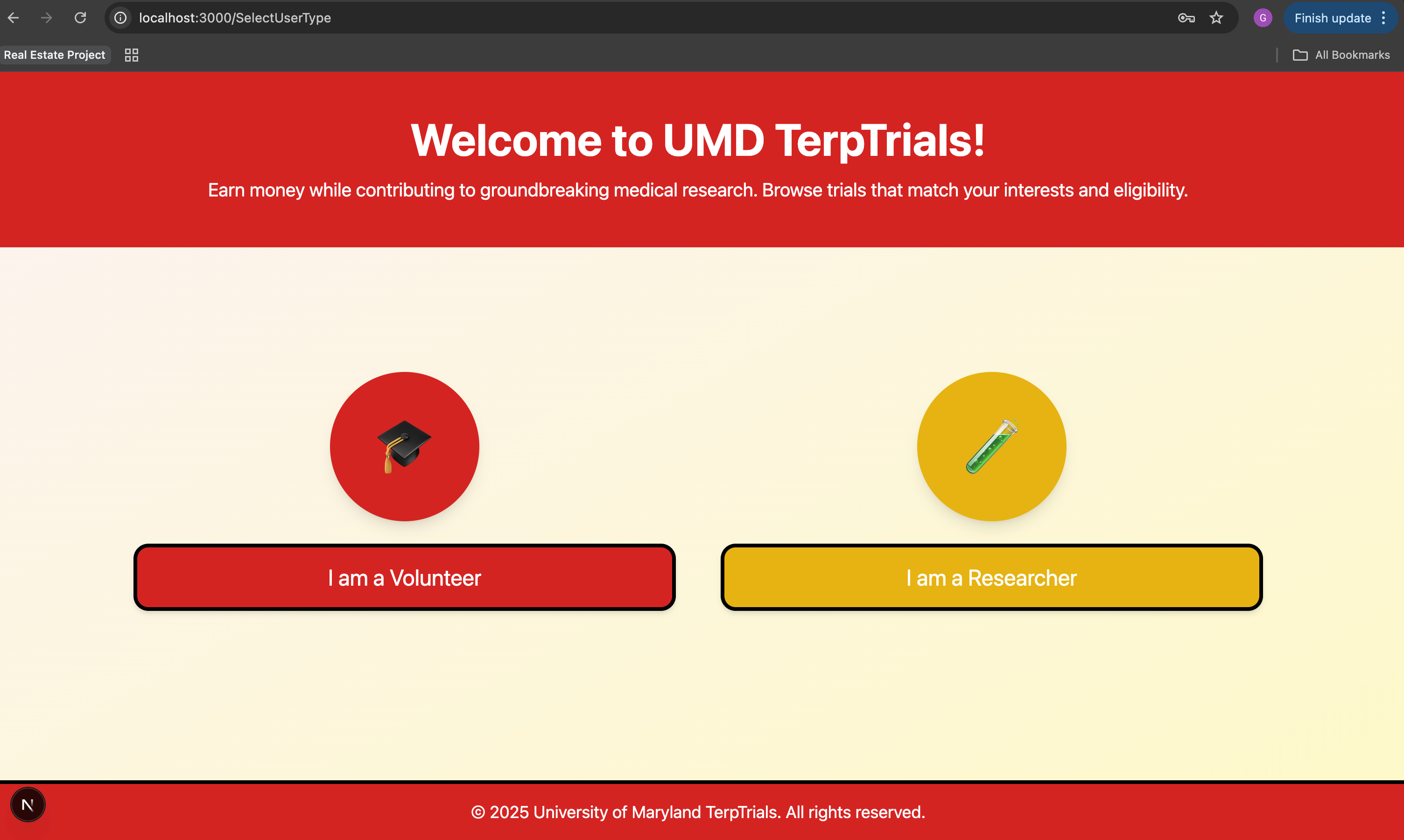
Choose Registration Type
-
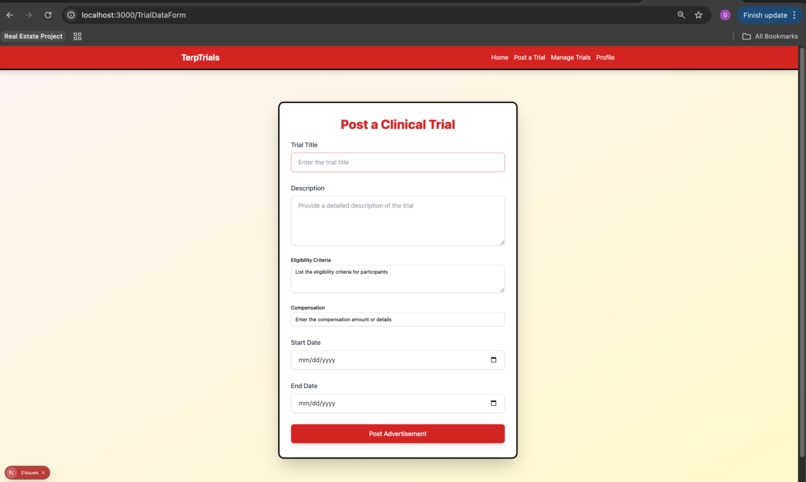
-
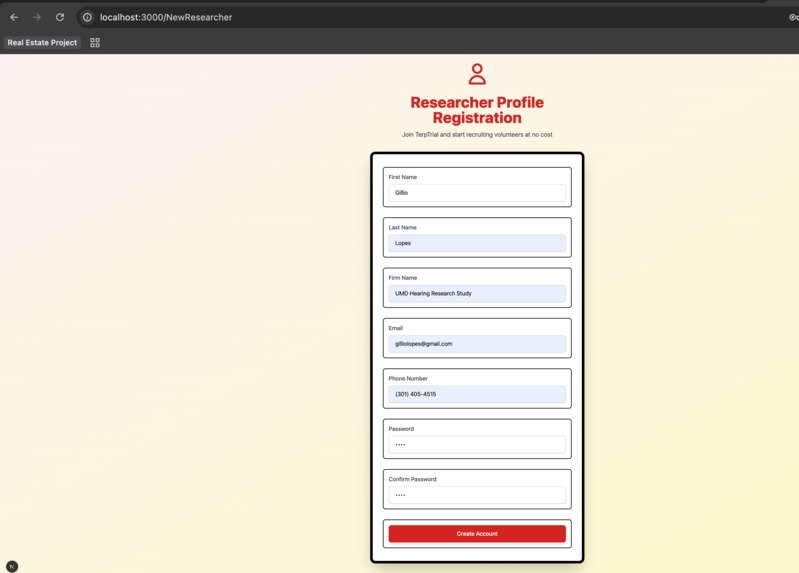
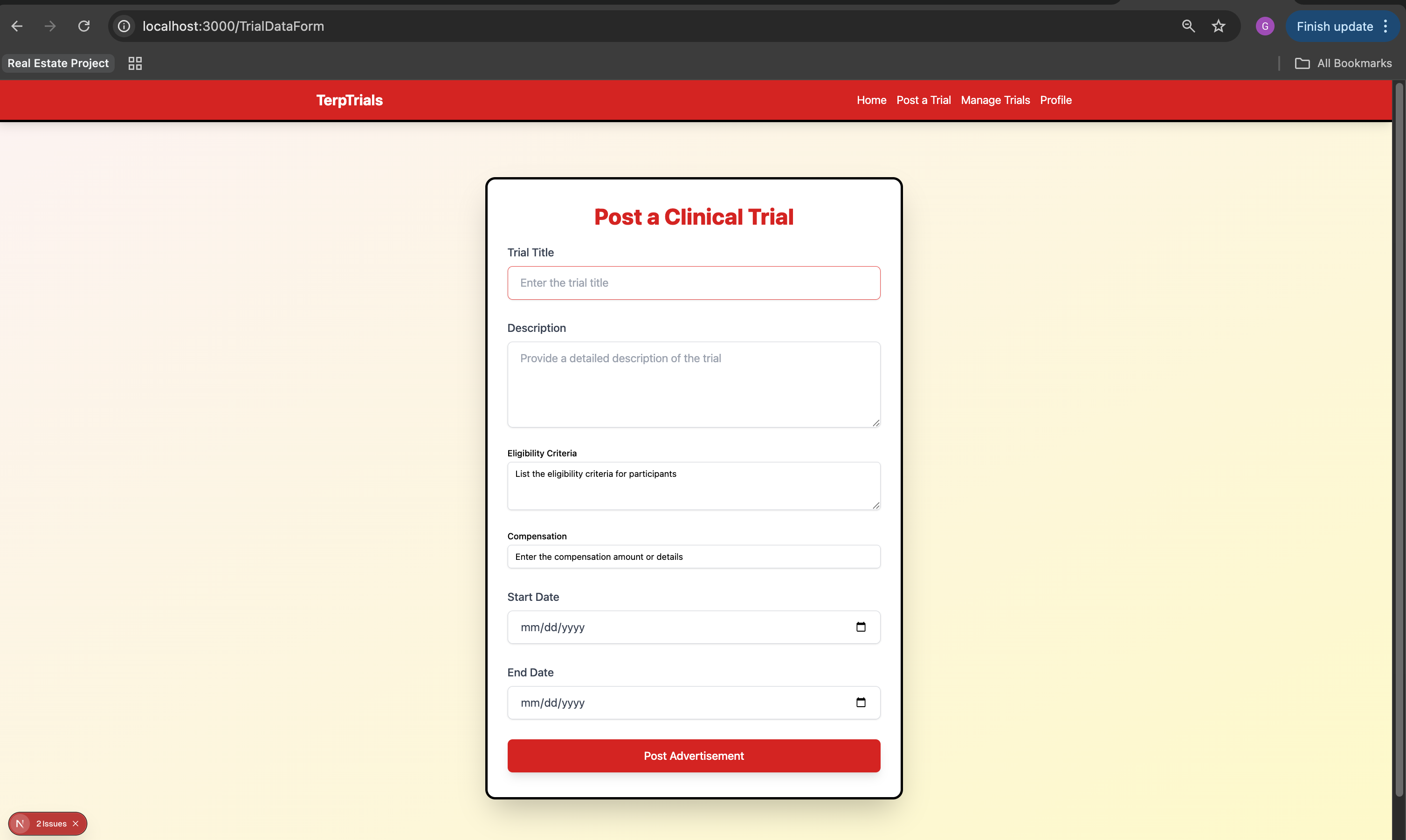
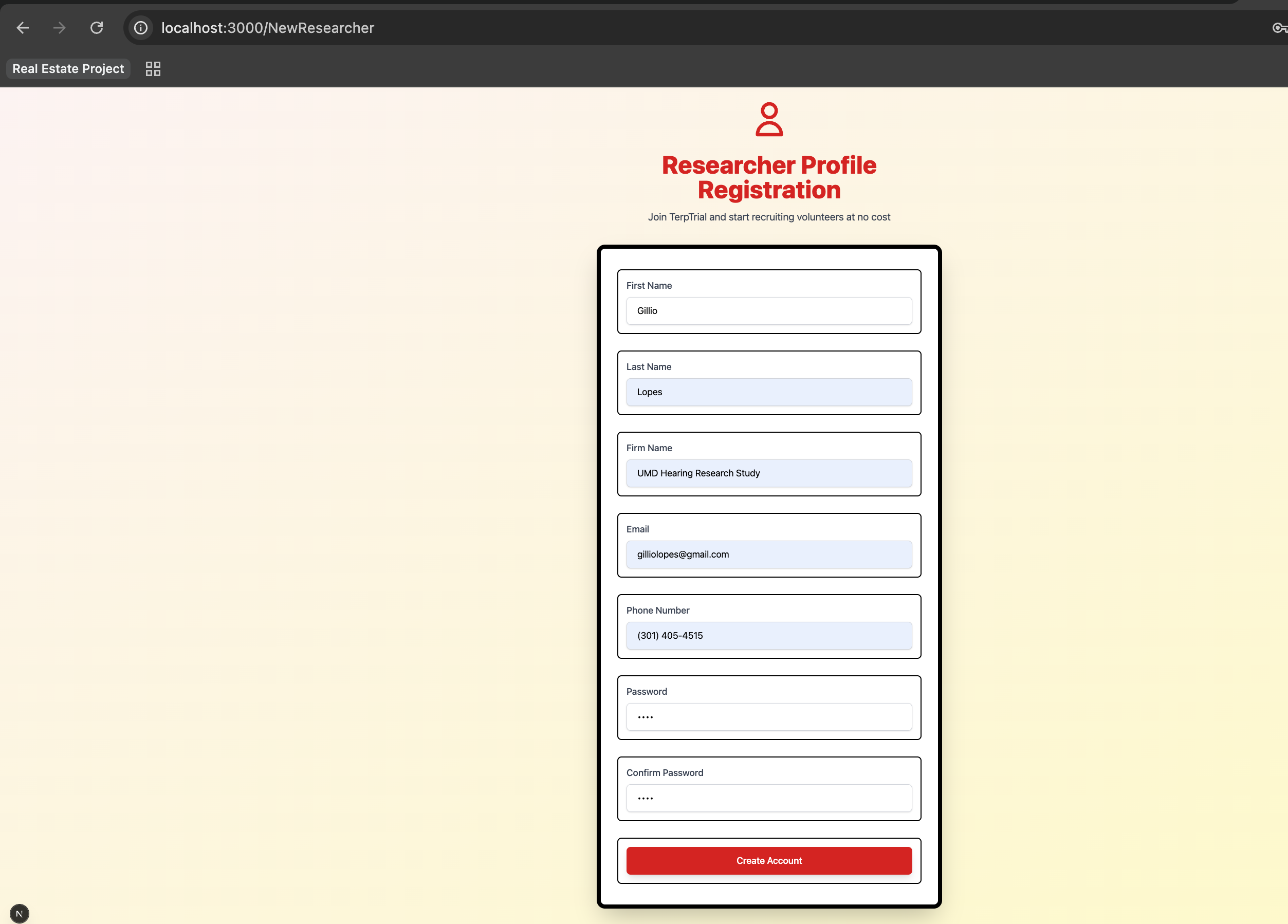
Firm Registration Form
-
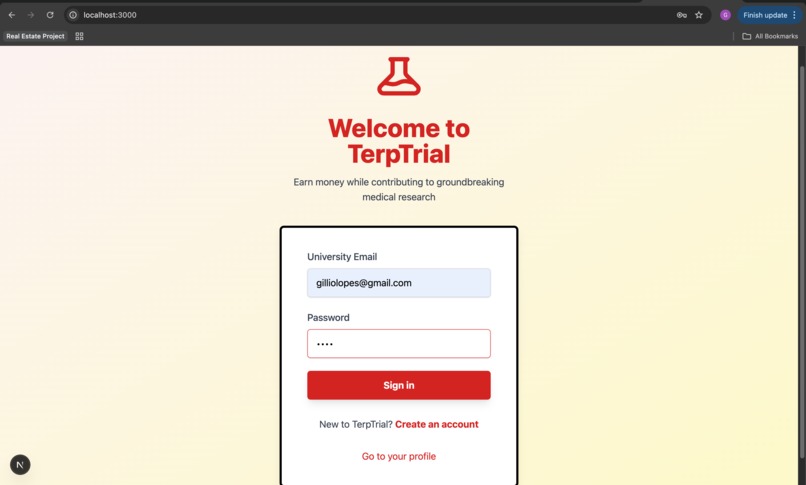
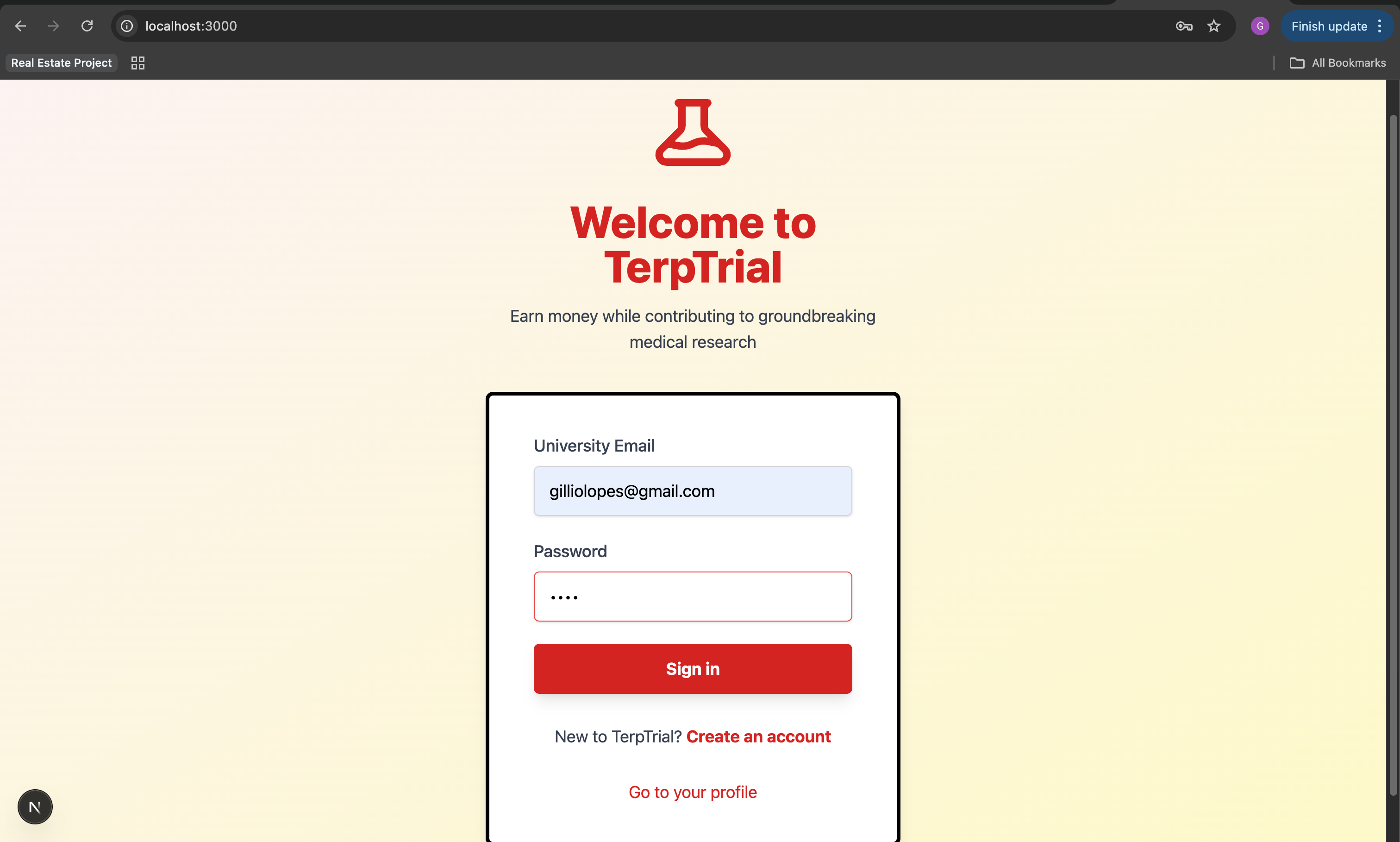
Login Page
-
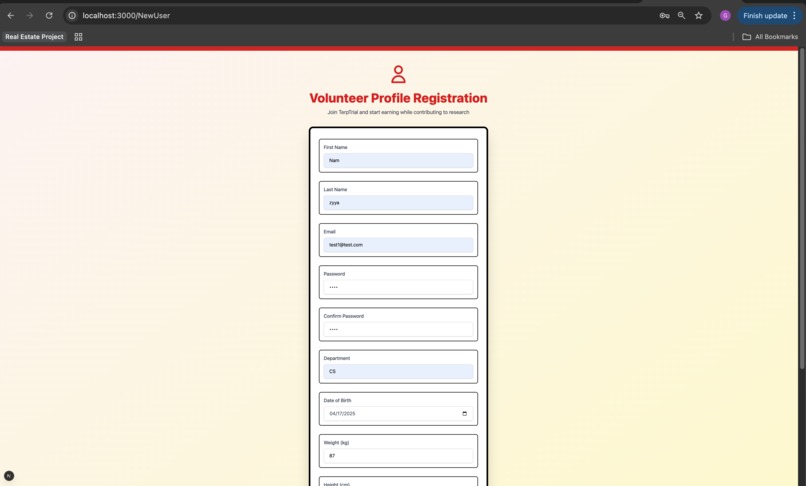
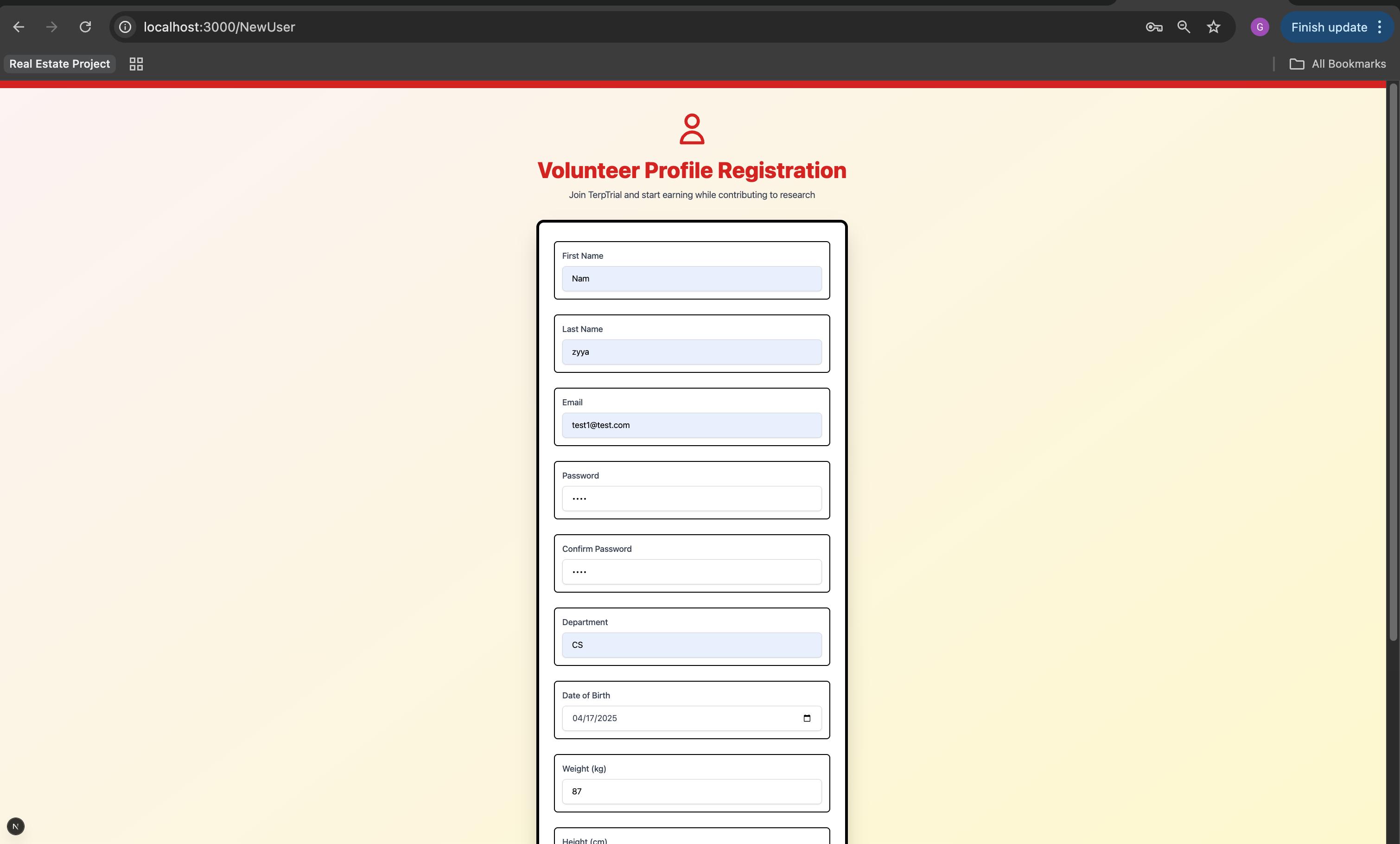
Voulnter Registration Form
-
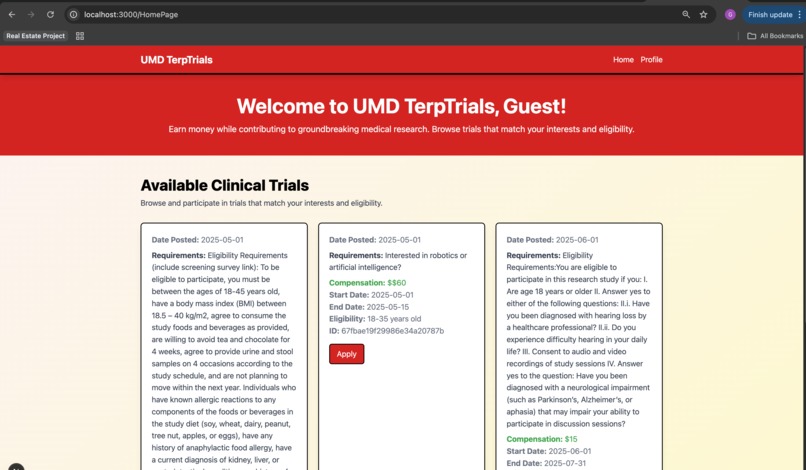
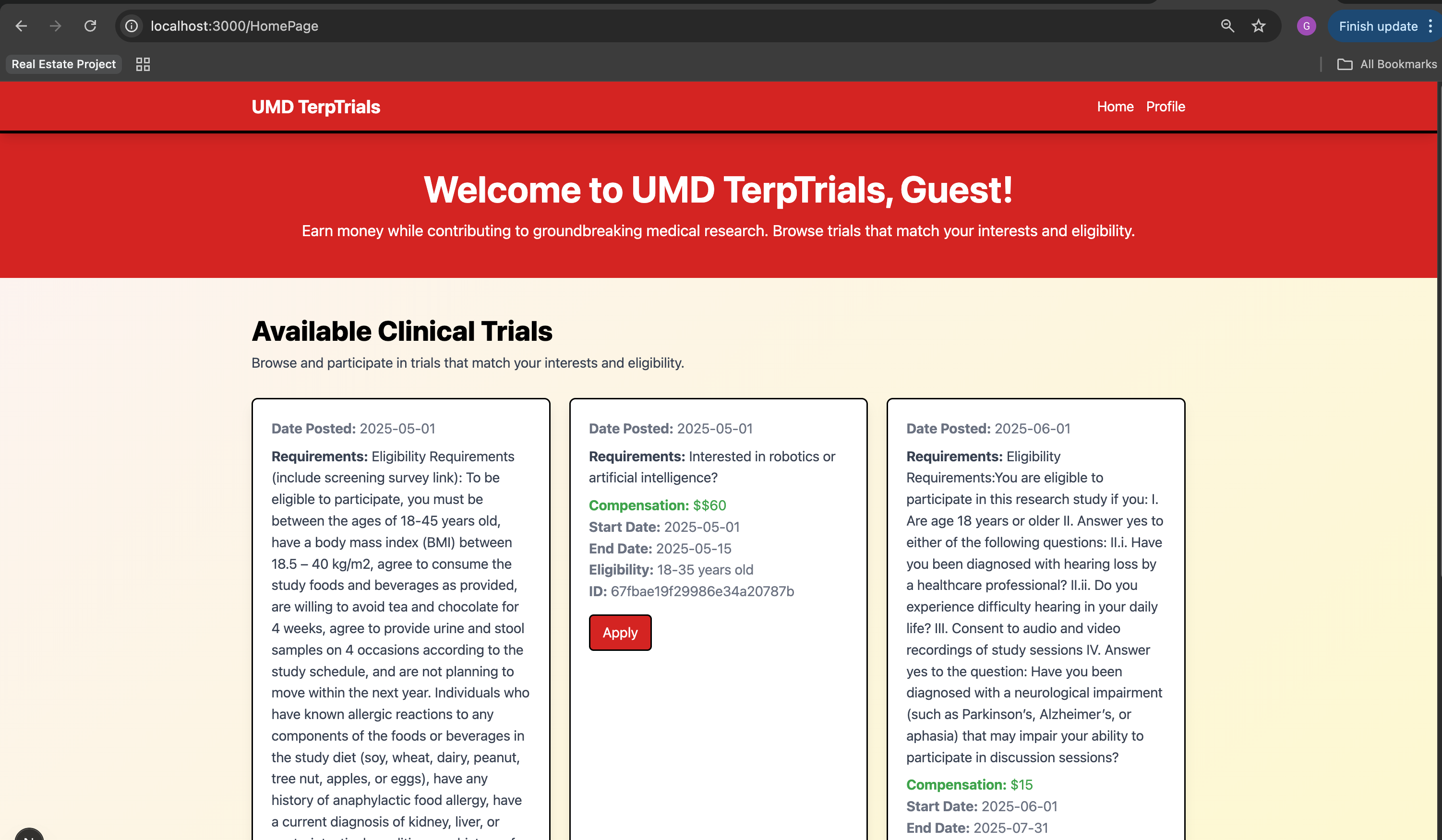
Volunteer Home Screen
Inspiration
This platform was inspired by the need to streamline the traditionally cumbersome process of recruiting volunteers for research studies. In many academic and clinical settings, finding the right candidate is a time-consuming process that often delays critical research. By harnessing advanced technologies like Google Gemini API to intelligently convert complex research descriptions into actionable screening questions—and combining it with personalized recommendation engines—the platform not only simplifies the recruitment process but also ensures a better match between project requirements and volunteer strengths. The vision is to empower research firms by reducing administrative overhead and accelerating innovative research, while giving volunteers access to meaningful opportunities where their unique skills make a real difference. This synergy between research and volunteer engagement can drive impactful discoveries and foster stronger community participation in scientific progress. This project represents the convergence of modern web development, cloud scalability, and AI-driven intelligence, marking a significant step forward in how research collaborations are formed and executed.
What it does
Hosts a platform that enables researchers and potential participants to connect, ensuring that researchers have greater access to the student body, and providing students with an opportunity to make some extra cash.
How we built it
a. API Design and Microservices Spring Boot REST APIs: We designed comprehensive REST endpoints in Spring Boot to manage the core functionalities: Registration & Authentication: Research firms and volunteers register and log in securely. Posting Management: Research firms can create, update, delete, and view postings. Each posting includes critical details such as start date, end date, compensation, and a flag for extra requirements. Application Management: Volunteers apply to postings, and research firms can view all applications for their postings.
b. Integration with External Services Google Gemini API: We built functionality in our posting creation service that sends posting descriptions to the Google Gemini API. The API converts these into a set of screening questions which are then used to dynamically gather volunteer responses and compute a score. Flask-Based Recommendation Engine: Our recommendation system, built in Flask, processes past application data and volunteer profiles. This service provides insights and personalized suggestions to research firms, enhancing candidate matching and streamlining the recruitment process. c. Data Management with MongoDB Flexible Schema: Using MongoDB allowed us to store complex and varied data structures. The flexibility of document storage helped us manage different posting fields, volunteer details, and dynamic question lists without rigid schema constraints. Efficient Queries: We used Spring Data MongoDB repositories to easily build query methods (such as finding all postings for a research firm or retrieving all applications for a list of posting IDs) via convention-based method naming. d. Frontend Development Next.js and React: The user interface was crafted using Next.js for server-side rendering, ensuring fast load times and great SEO. React powered the interactive components, making the user experience smooth. Tailwind CSS: Tailwind CSS was used to create a consistent, modern design across the application with minimal custom CSS code. API Integration: The frontend communicates with our Spring Boot APIs, submitting user data, receiving responses (such as dynamic questions from the Google Gemini API), and displaying both posting and application details in real time. e. Security and Authentication JWT-based Authentication: We implemented secure authentication using JWT tokens. This ensures that research firms and volunteers have secure and personalized access to their functionalities without repeatedly sending credentials. Spring Security: We used Spring Security to protect our endpoints, ensuring that only authorized users can create posts, apply for jobs, or view sensitive data.
- Workflow and Collaboration Iterative Development: We built the platform iteratively—starting with core functionality (registration, posting, and application) and then integrating advanced features like dynamic question generation and recommendations. Agile Collaboration: The project was developed using agile methodologies. The backend, frontend, and recommendation engine teams coordinated through regular stand-ups and versioned API contracts. Integration: We used Postman collections to document and test our APIs, ensuring that both teams had clear integration points.
Challenges we ran into
- Connecting Flask API to the frontend
- Calling backend URLs from frontend ## Accomplishments that we're proud of We are immensely proud of creating a fully-functional, and aesthetically pleasing, platform ## What we learned Teamwork is the dreamwork (except for when dealing with version control)


Log in or sign up for Devpost to join the conversation.