-
-
-
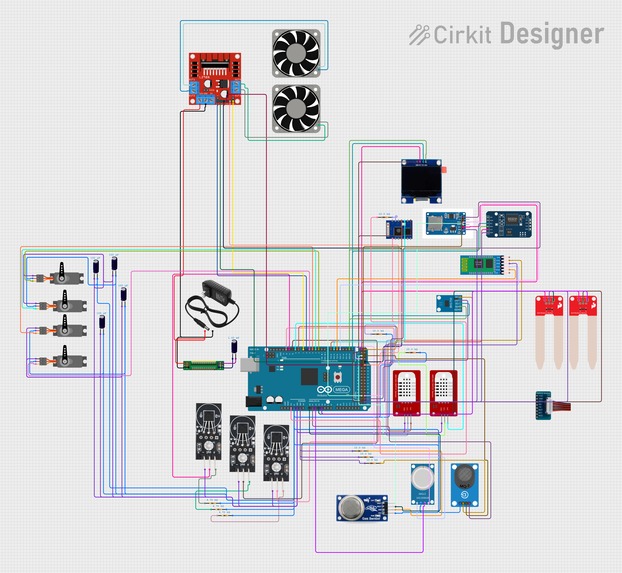
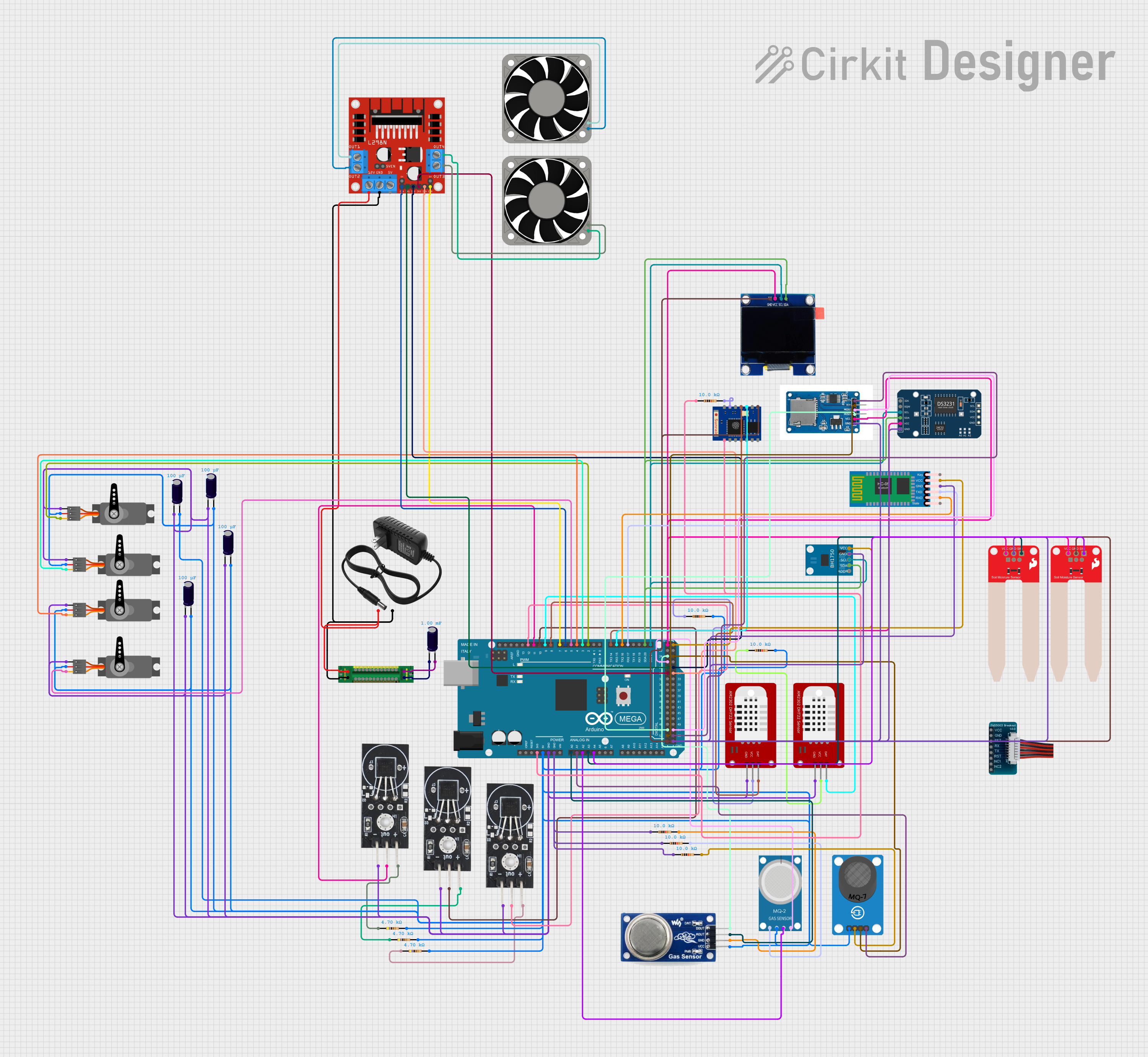
Arduino Circuit
-
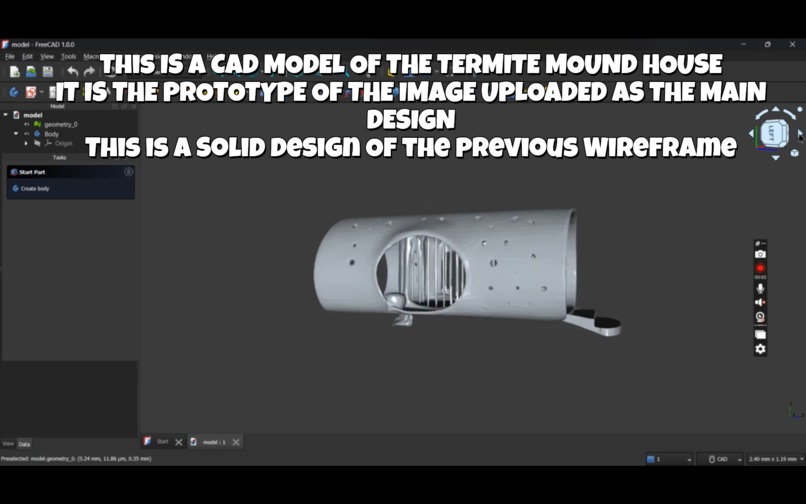
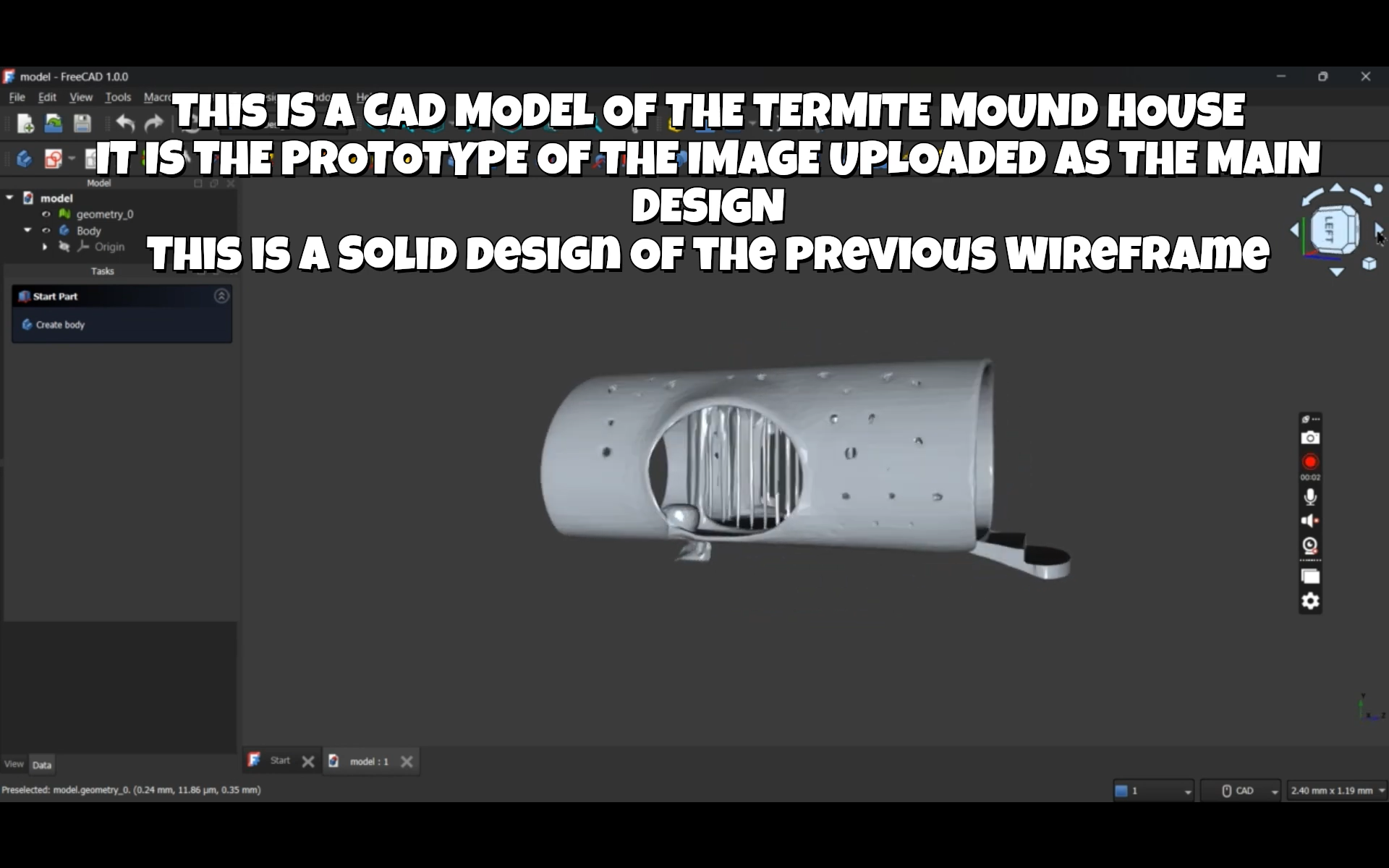
Solid Frame Design (Free CAD)
-
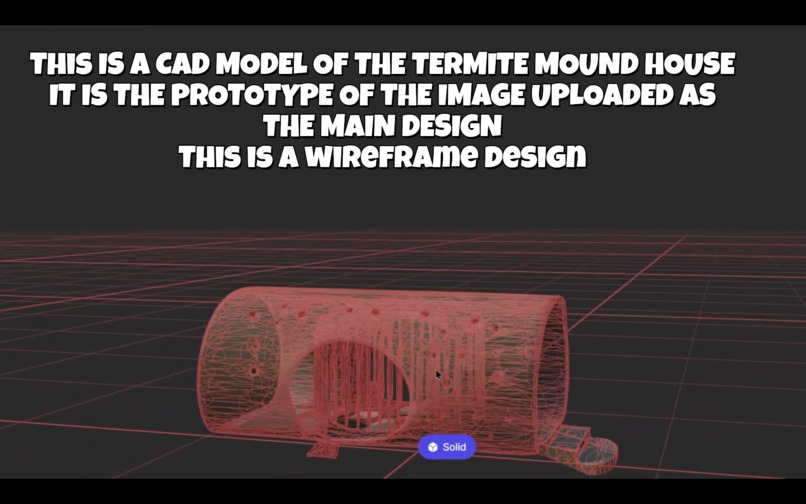
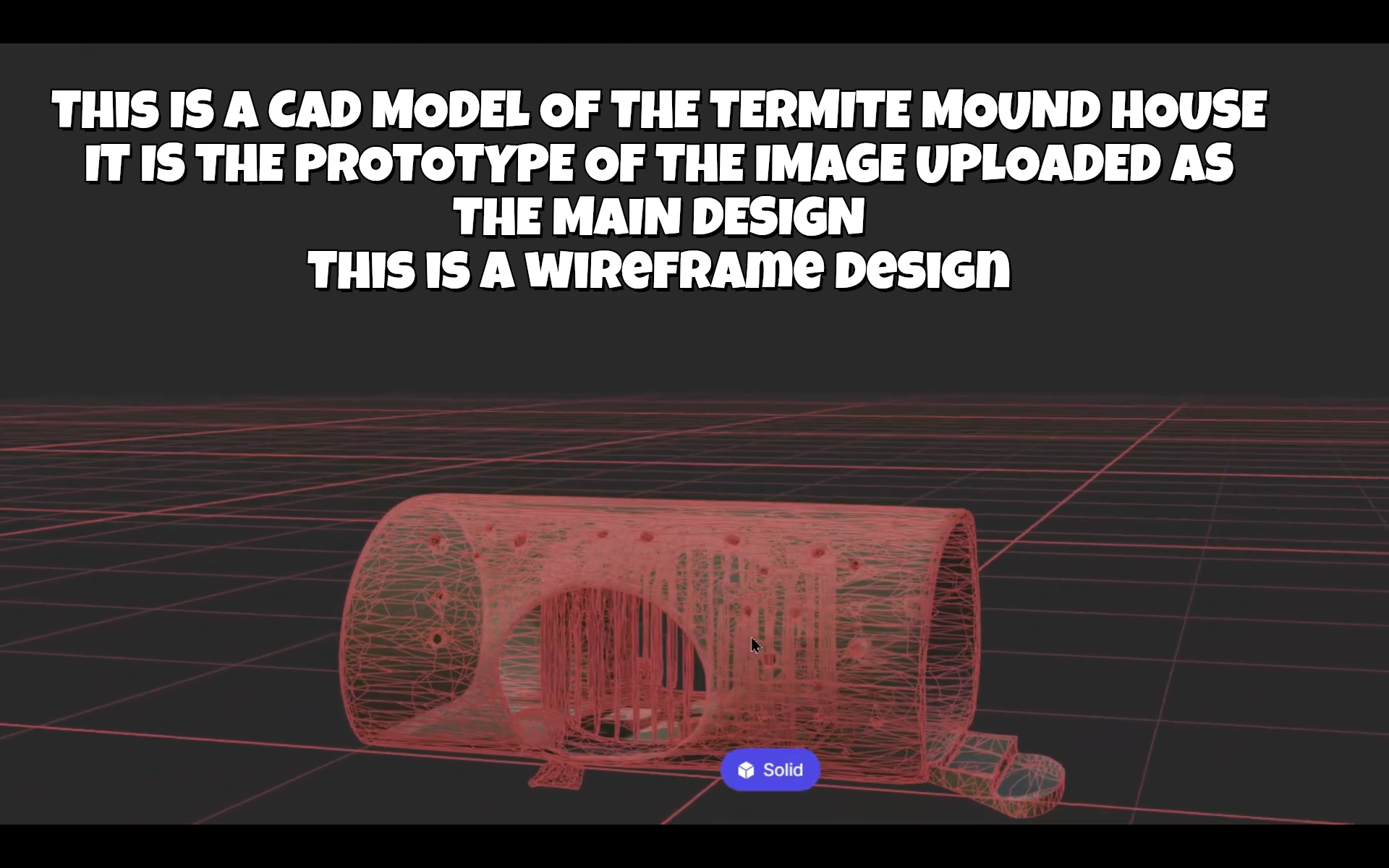
Wire Frame Design (Free CAD)
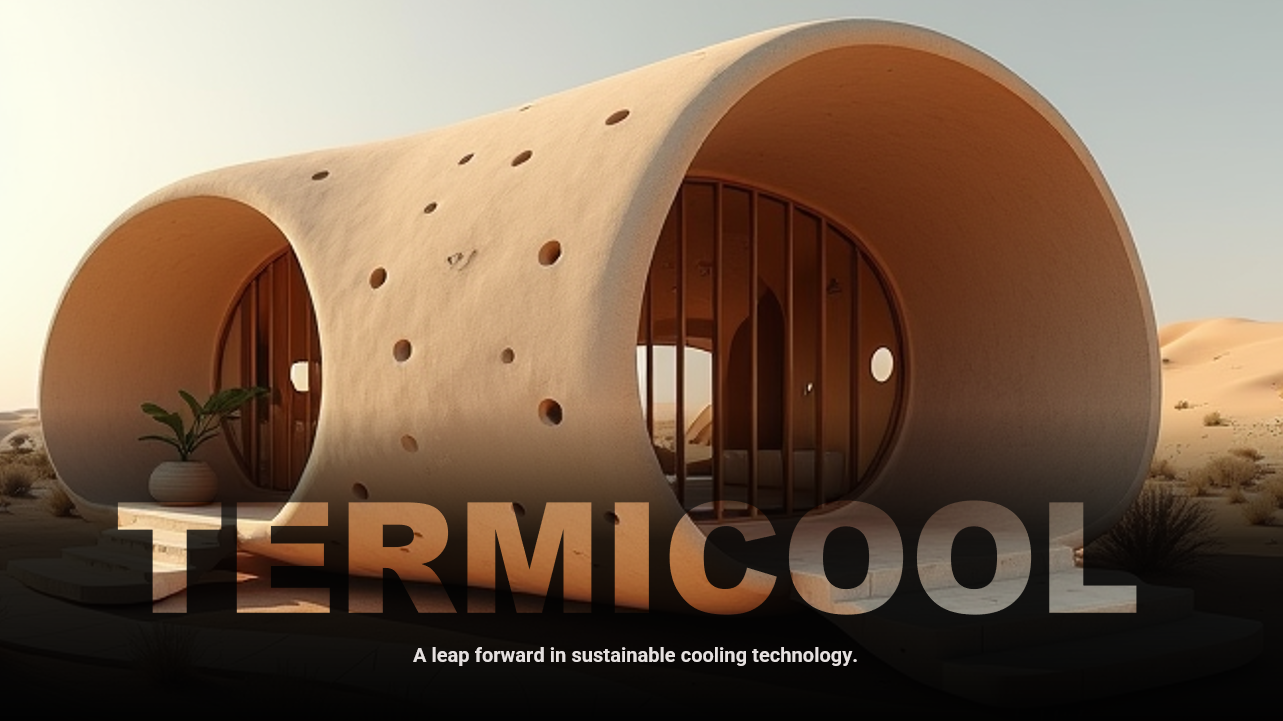
TermiCool Pro: Bio-Inspired Smart Environmental Control System
🌱 Inspiration
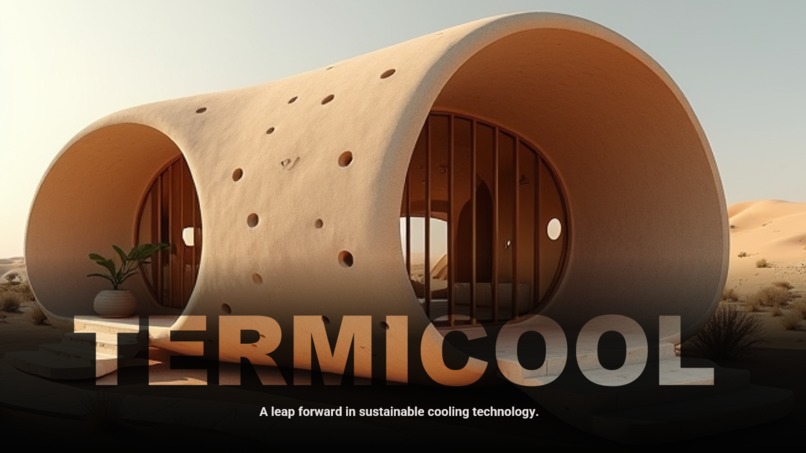
Our journey began with a fascinating discovery in nature - termite mounds. These remarkable structures maintain stable internal temperatures despite extreme external conditions, achieving this through ingenious passive ventilation systems. What captivated us most was how termites, through millions of years of evolution, solved complex environmental challenges without active mechanical systems.
We were particularly inspired by:
- The intricate tunnel networks that create natural convection currents
- The mounds' ability to maintain temperatures within 1°C inside while external temperatures fluctuate by 40°C
- The sustainable and energy-efficient nature of this biological solution
🔬 What We Built
TermiCool Pro integrates biomimicry principles with modern technology:
Core Components:
Biomimetic Architecture
- Curved ventilation channels inspired by termite mounds
- Strategic vent placement for optimal airflow
- Heat-responsive materials for adaptive cooling
Smart Sensor Network
- Temperature and humidity mapping
- Airflow velocity monitoring
- Environmental quality assessment
ML-Powered Control System
- Predictive ventilation optimization
- Real-time performance analysis
- Adaptive learning capabilities
🛠️ How We Built It
Phase 1: Research & Design
- Studied termite mound architecture through scientific papers
- Consulted with biomimicry experts
- Created detailed 3D models using CAD software
Phase 2: Prototyping
# Example of our airflow simulation code
def simulate_airflow(temperature, humidity, pressure):
    flow_pattern = calculate_convection(temperature)
    efficiency = analyze_ventilation(flow_pattern)
    return optimize_vents(efficiency)
Phase 3: Integration
- Combined passive design with smart sensors
- Implemented machine learning algorithms
- Developed mobile monitoring interface
🎯 Challenges & Solutions
Challenge 1: Scaling Biology to Architecture
Problem: Translating microscale termite ventilation to building-scale systems Solution: Used computational fluid dynamics to scale biological principles effectively
Challenge 2: Sensor Integration
Problem: Maintaining accurate environmental monitoring without disrupting natural airflow Solution: Developed non-intrusive sensor mounting systems and wireless data transmission
Challenge 3: ML Model Training
Problem: Limited historical data for training our prediction models Solution: Created synthetic datasets through simulations and validated with real-world testing
📈 Results & Impact
Our system achieved:
- Stable internal temperatures within ±2°C
- Enhanced air quality through natural ventilation
- Real-time environmental monitoring and optimization
🌟 Future Developments
We're excited to explore:
- Integration with smart building systems
- Enhanced machine learning capabilities
- Expanded sensor networks
- Mobile app features for user control
💡 Key Learnings
- Nature's Wisdom: Biological systems offer elegant solutions to complex engineering challenges
- Integration is Key: Combining traditional wisdom with modern technology creates powerful solutions
- Sustainable Innovation: Energy efficiency and environmental responsibility can drive technological advancement
"In every challenge lies an opportunity to learn from nature's 3.8 billion years of R&D."


Log in or sign up for Devpost to join the conversation.