-
-
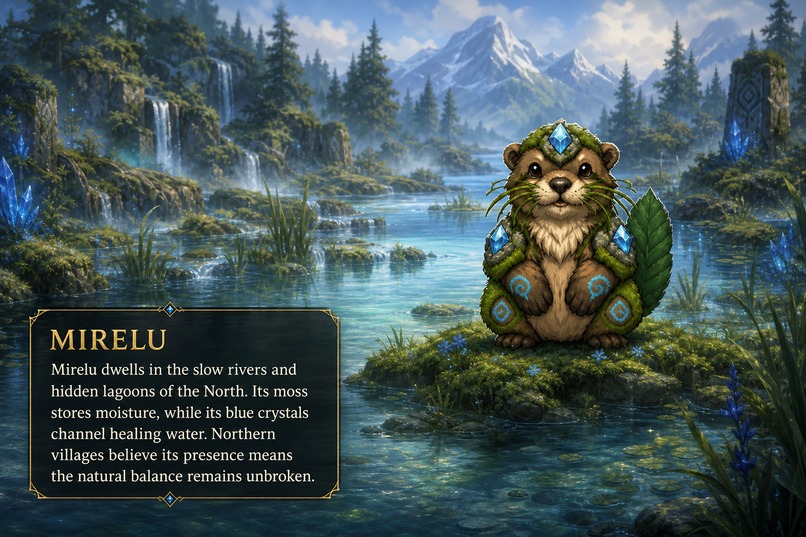
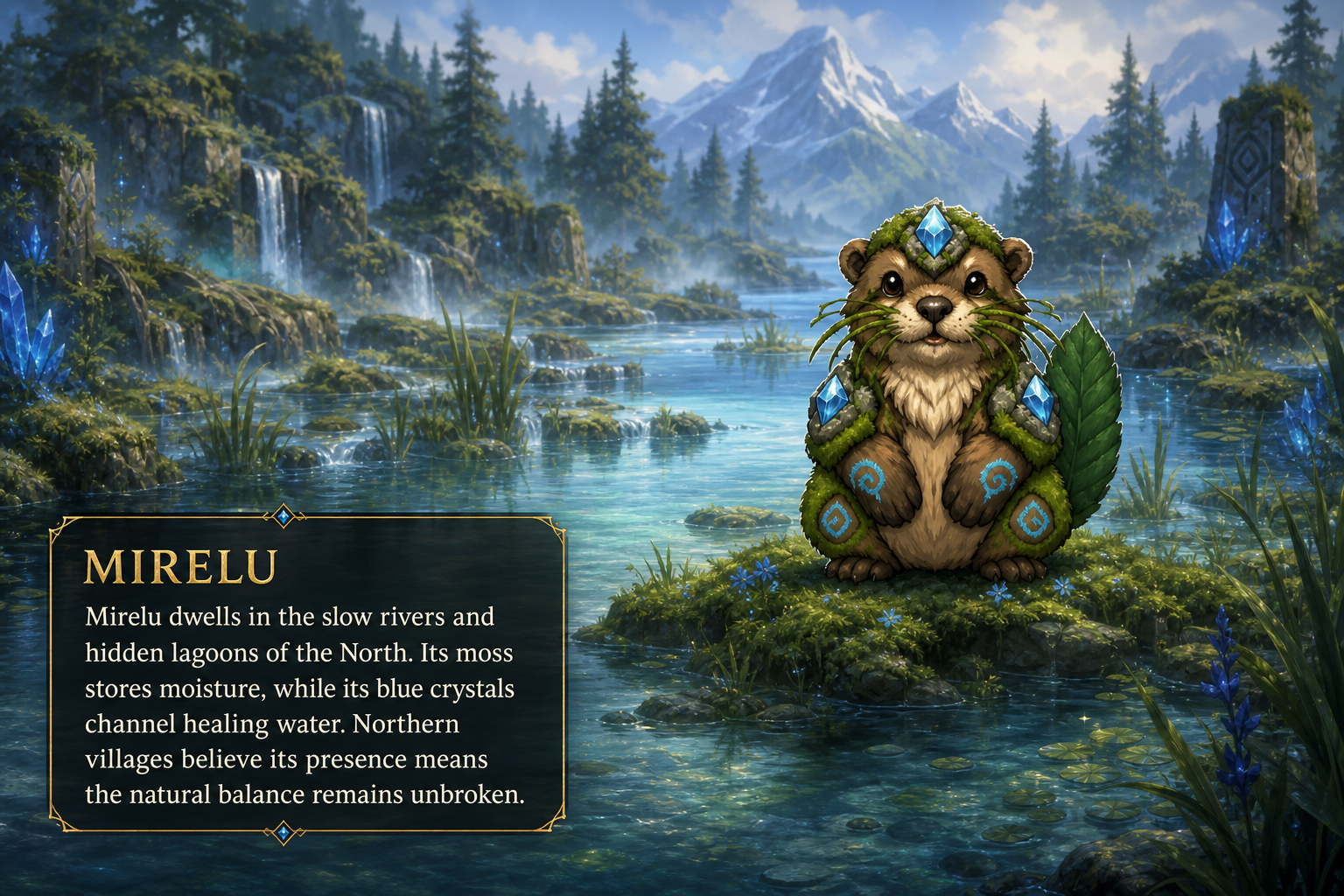
Lore illustration: Mirelu channels the healing waters of the North and symbolizes the balance of nature.
-
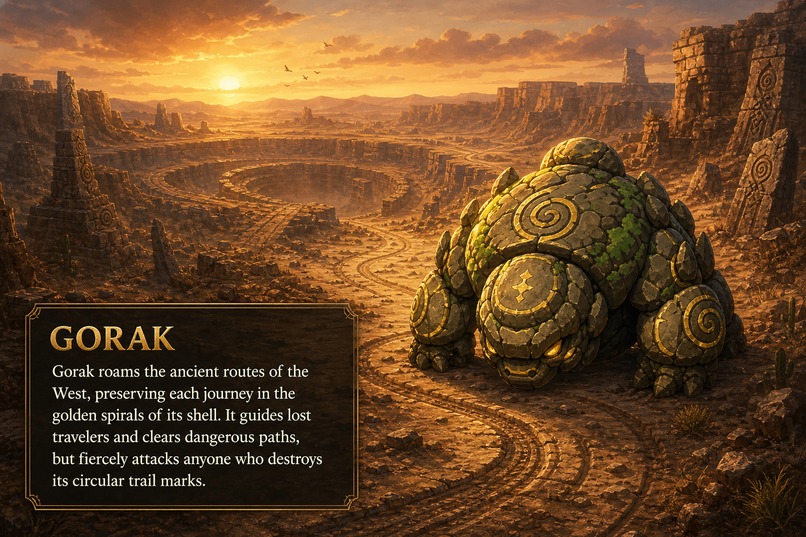
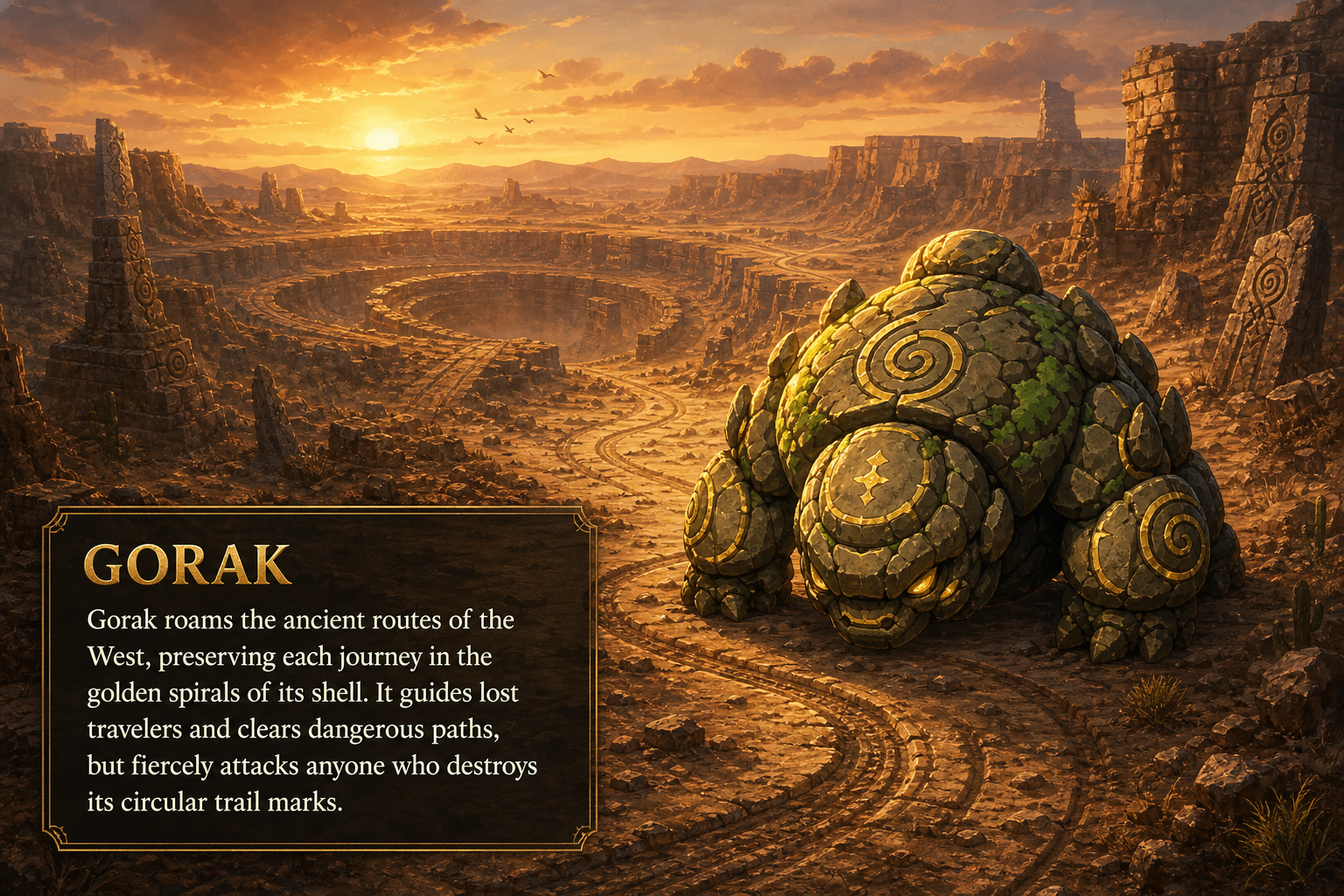
Lore illustration: Gorak protects the ancient routes of the West and preserves every journey in its golden spirals.
-
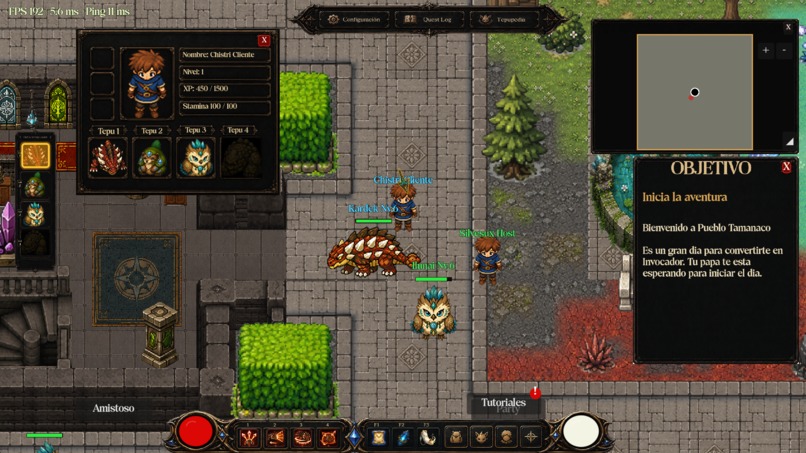
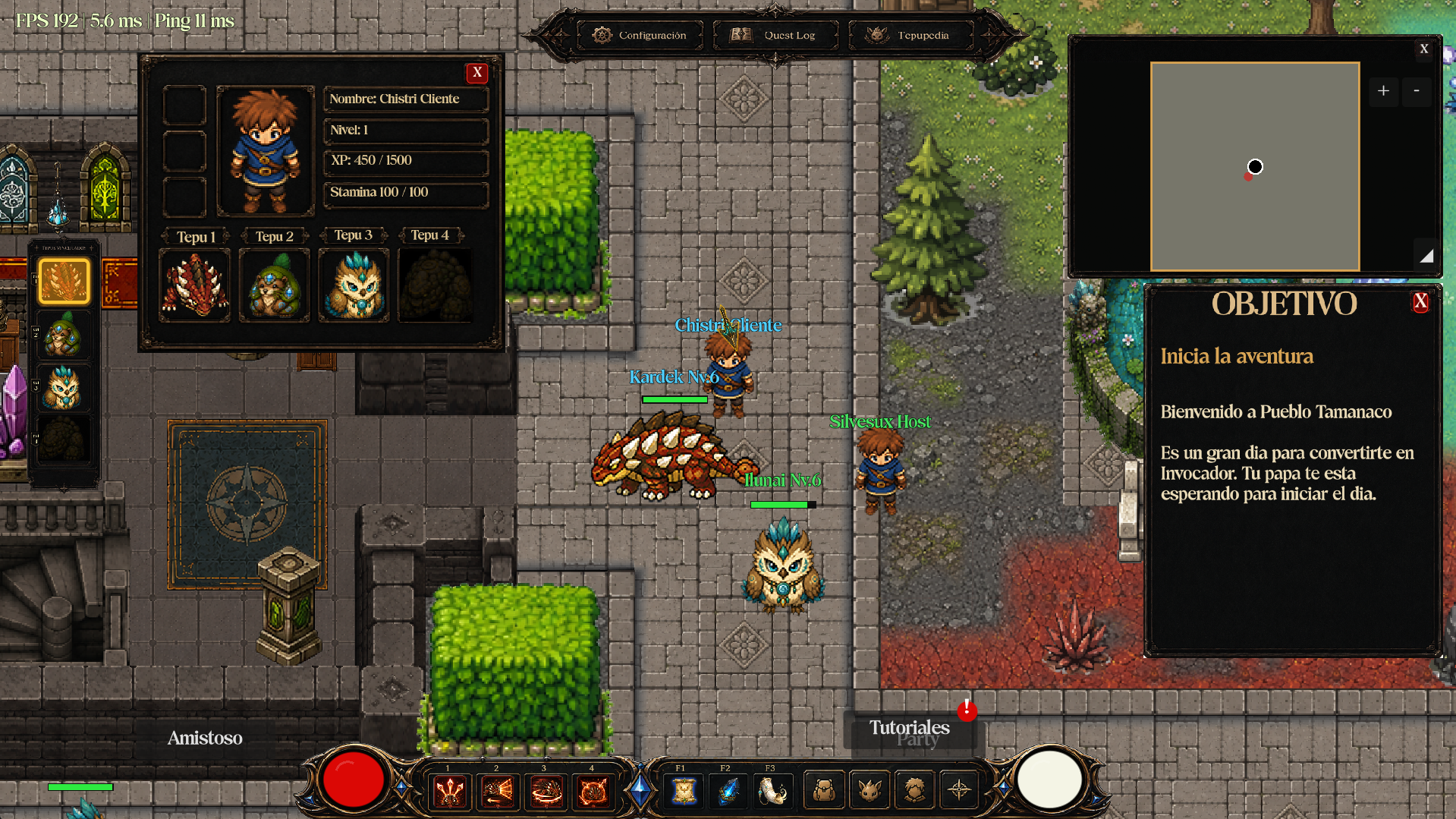
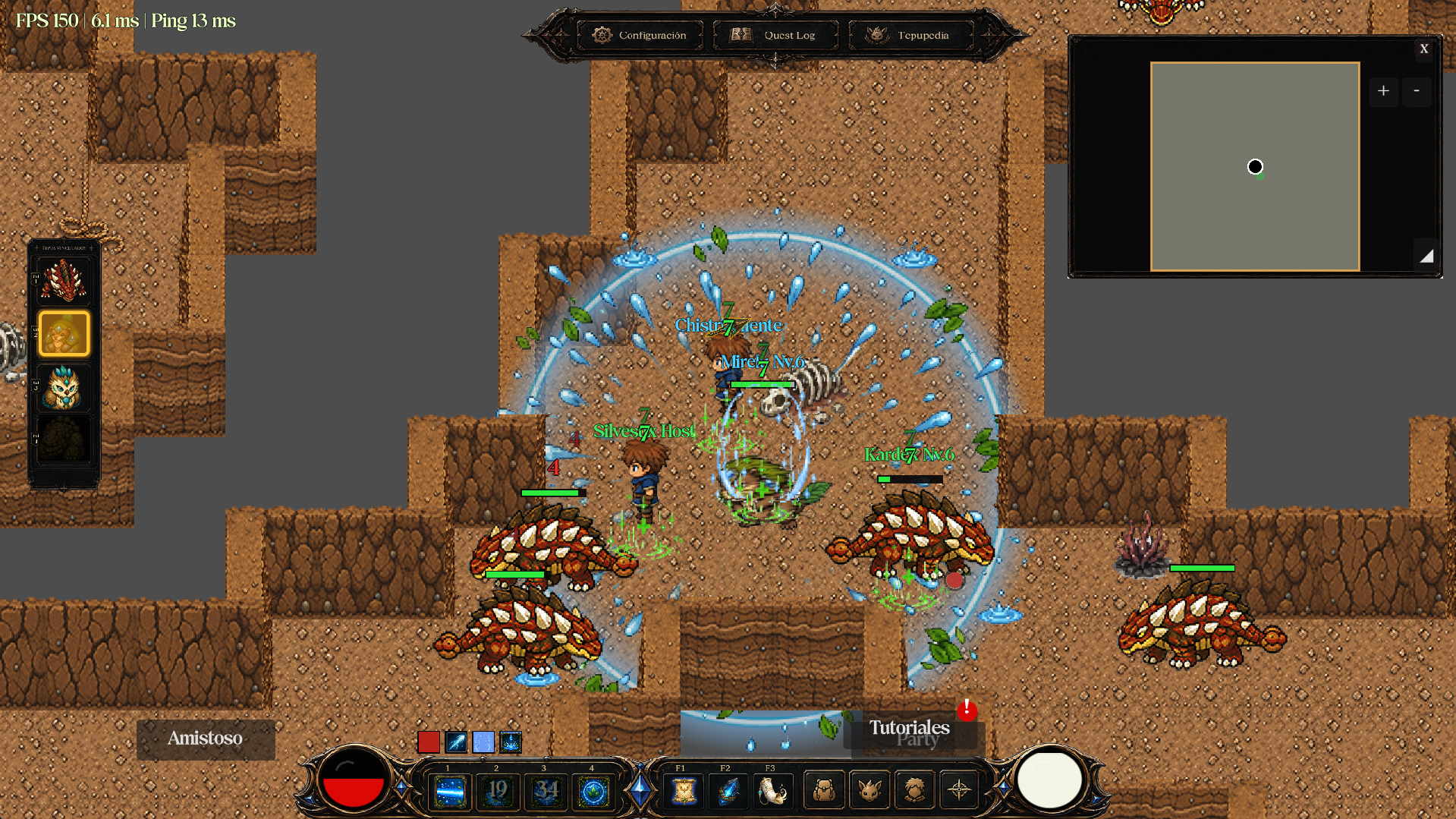
Actual multiplayer gameplay: host and client explore the same persistent world with their bonded Tepus.
-
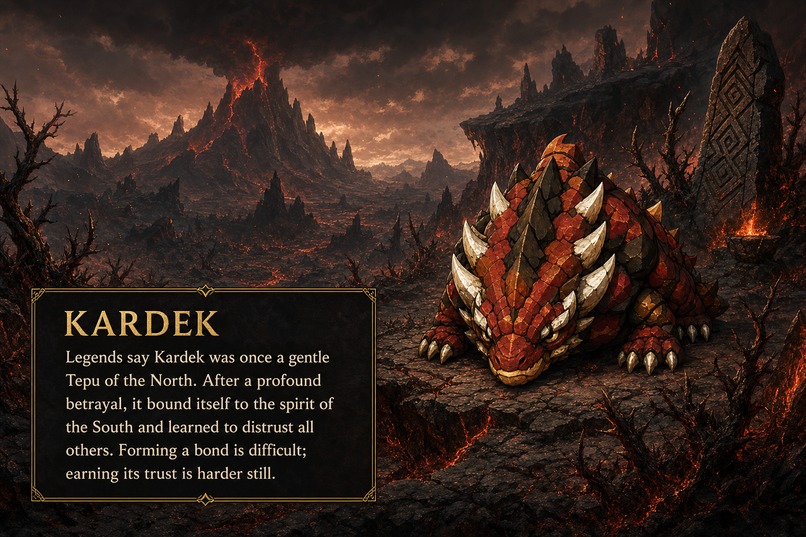
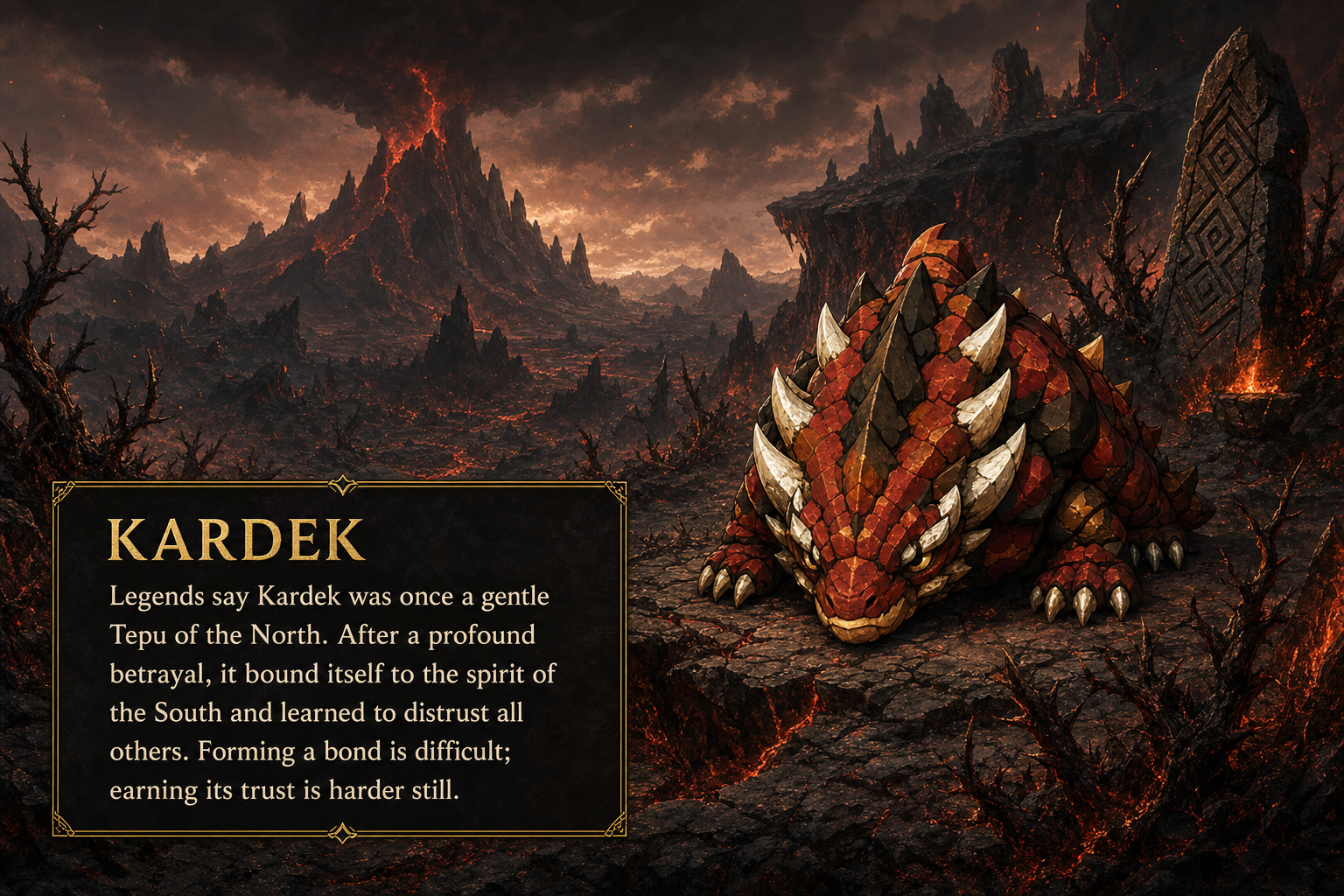
Lore illustration: Betrayal transformed Kardek into the armored guardian now bound to the spirit of the South.
-
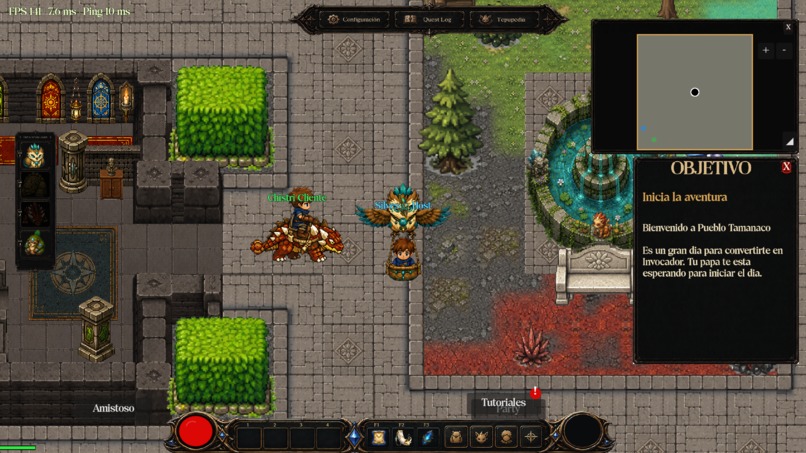
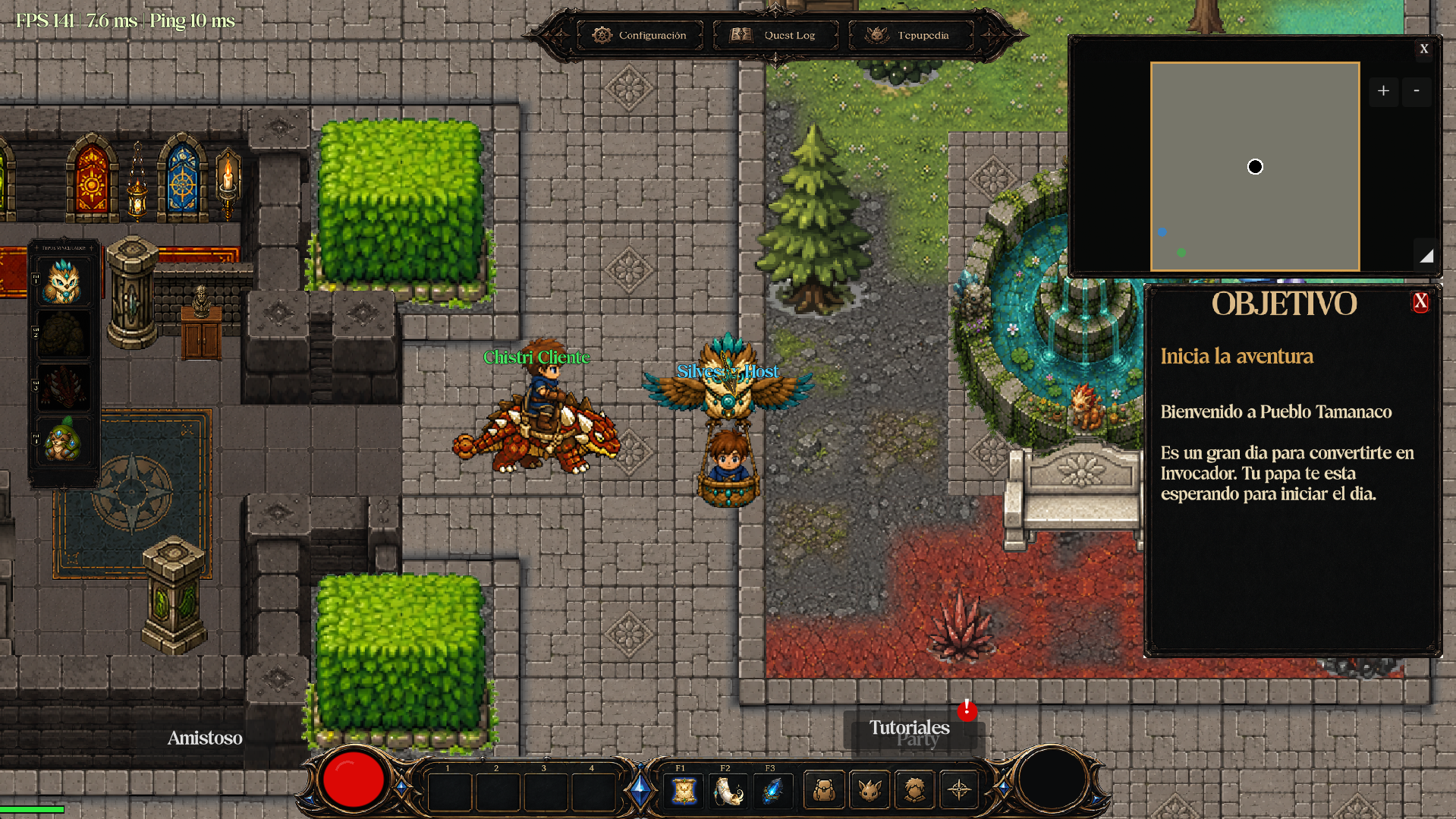
Actual multiplayer gameplay: Invokers can travel through the world mounted on their Tepus.
-
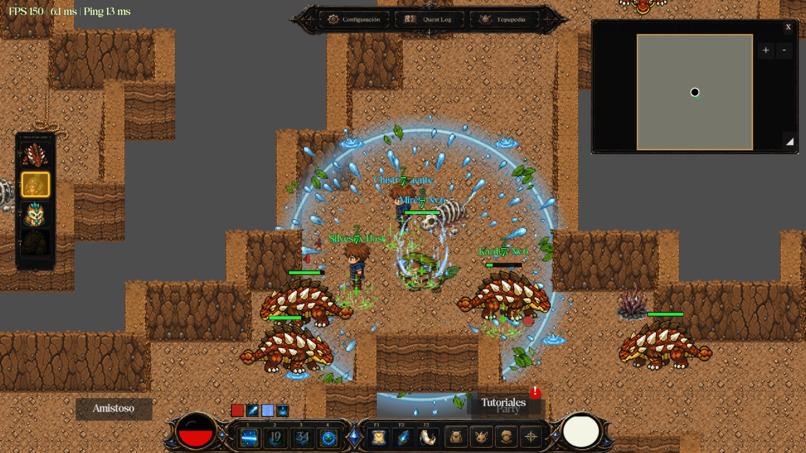
Actual multiplayer gameplay: two Invokers and their Tepus combine abilities during a dangerous encounter.
-
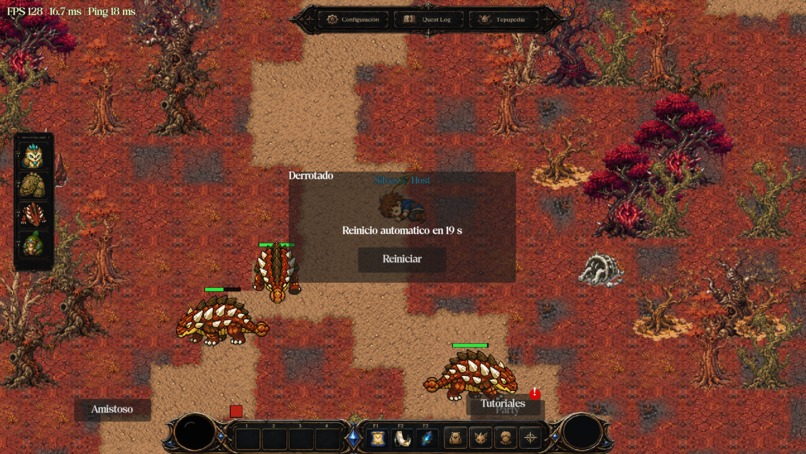
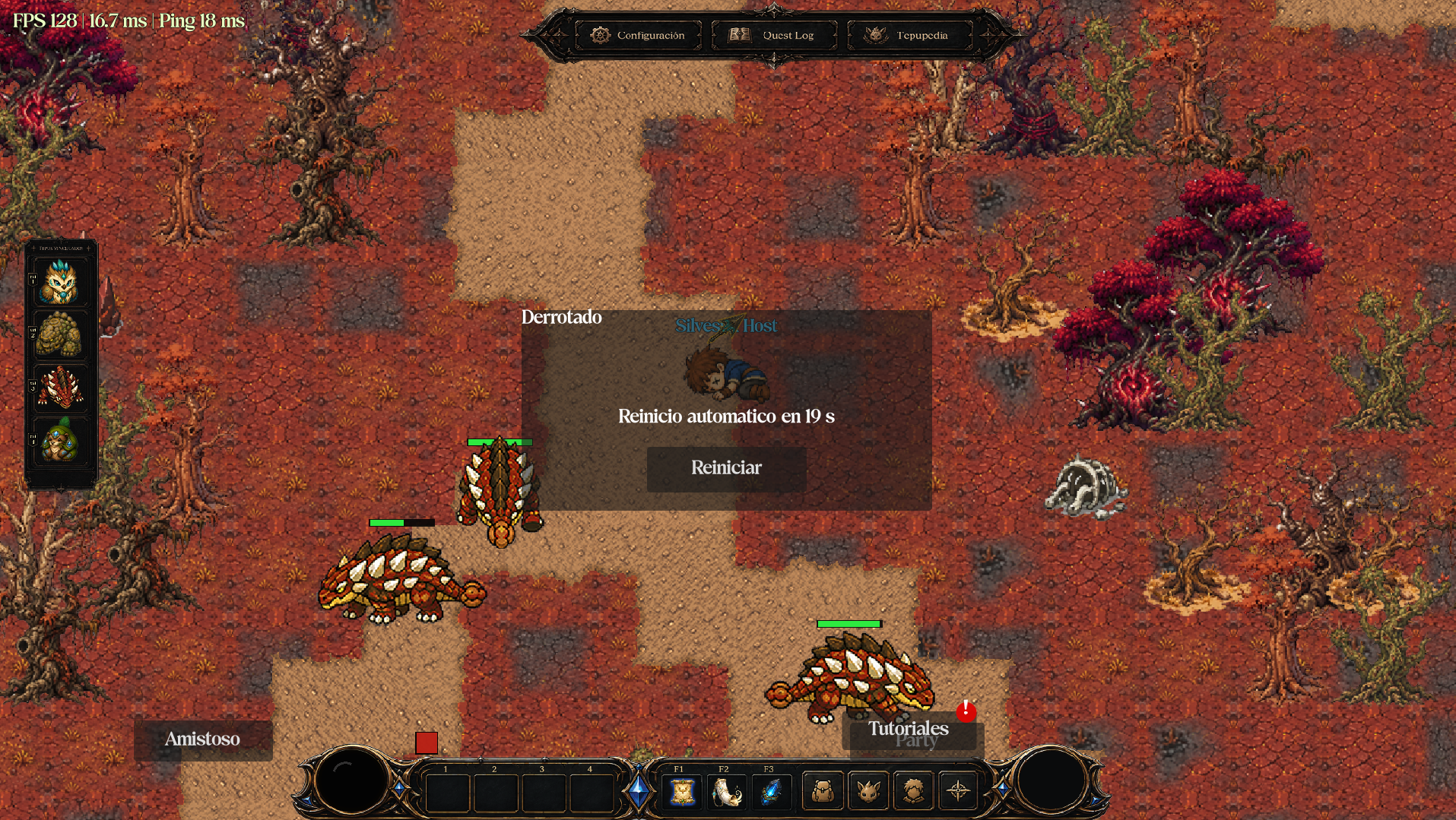
Defeated players enter a temporary downed state before restarting, leaving room for future revival mechanics.
-
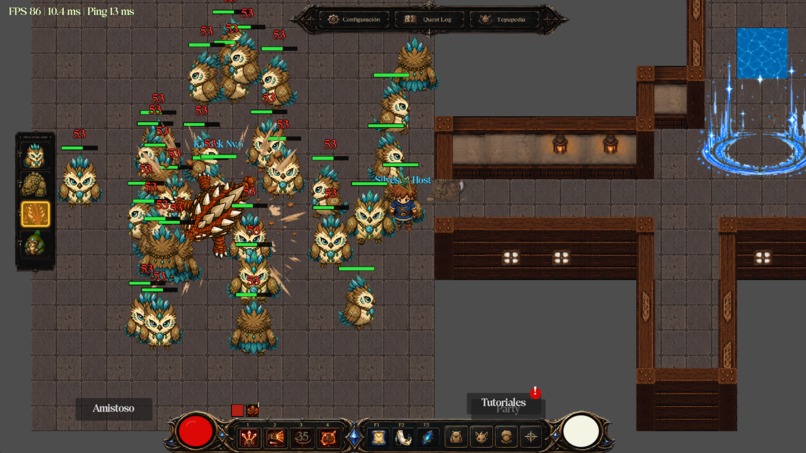
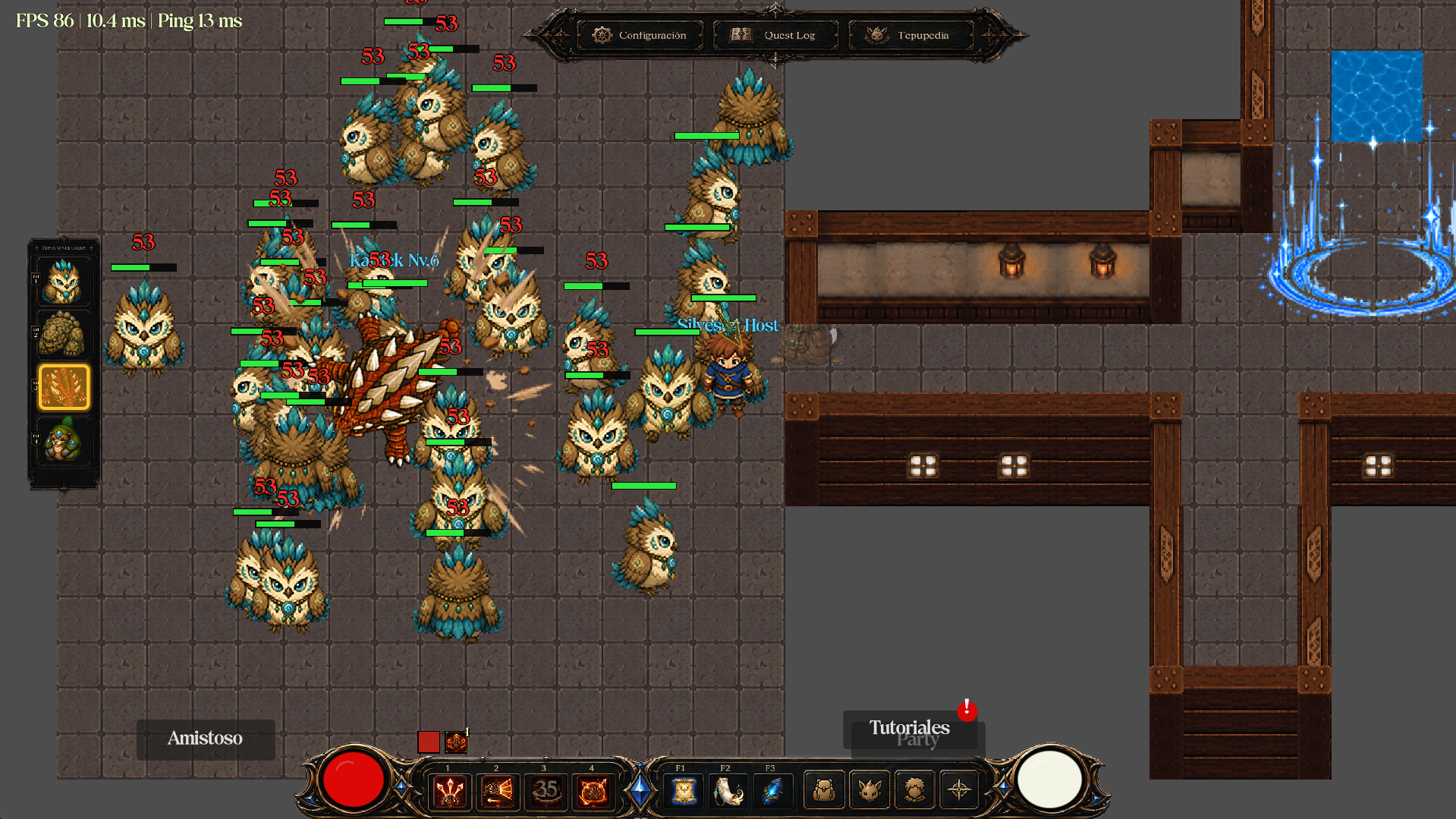
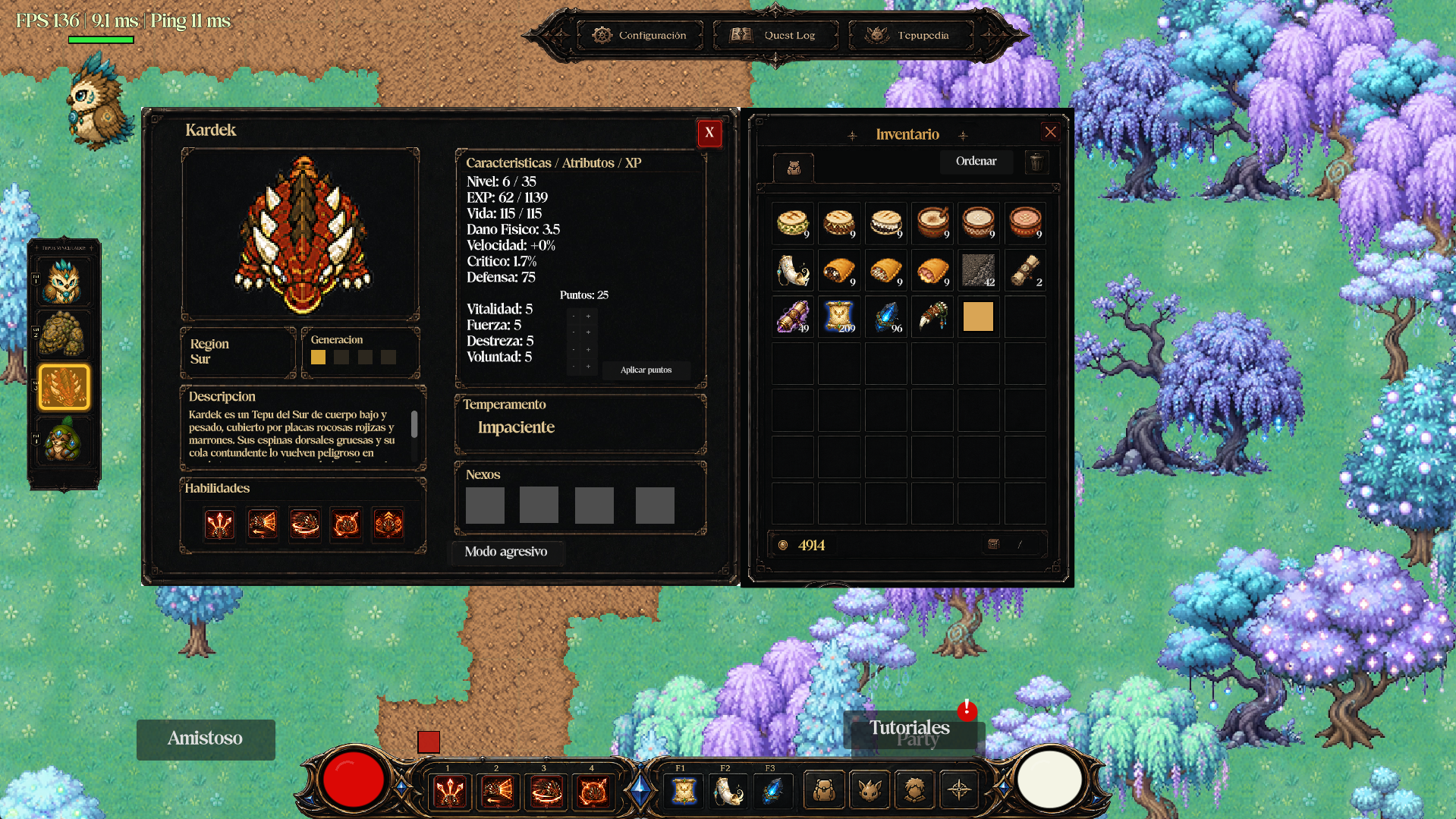
Actual gameplay: Kardek unleashes an area attack against a dense group of enemies.
-
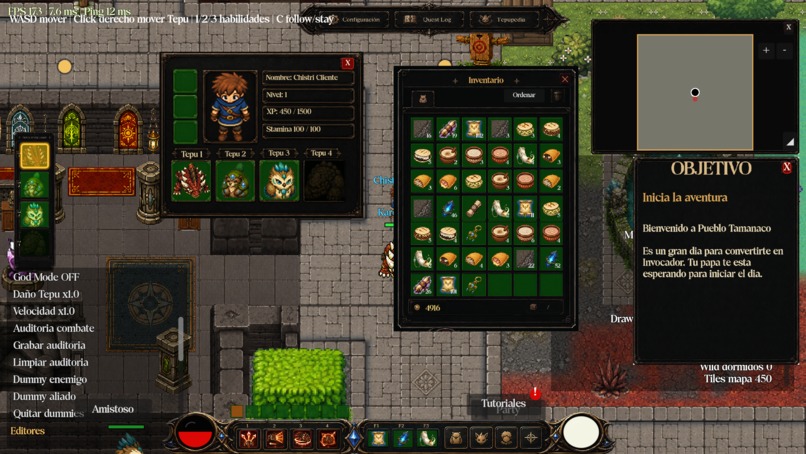
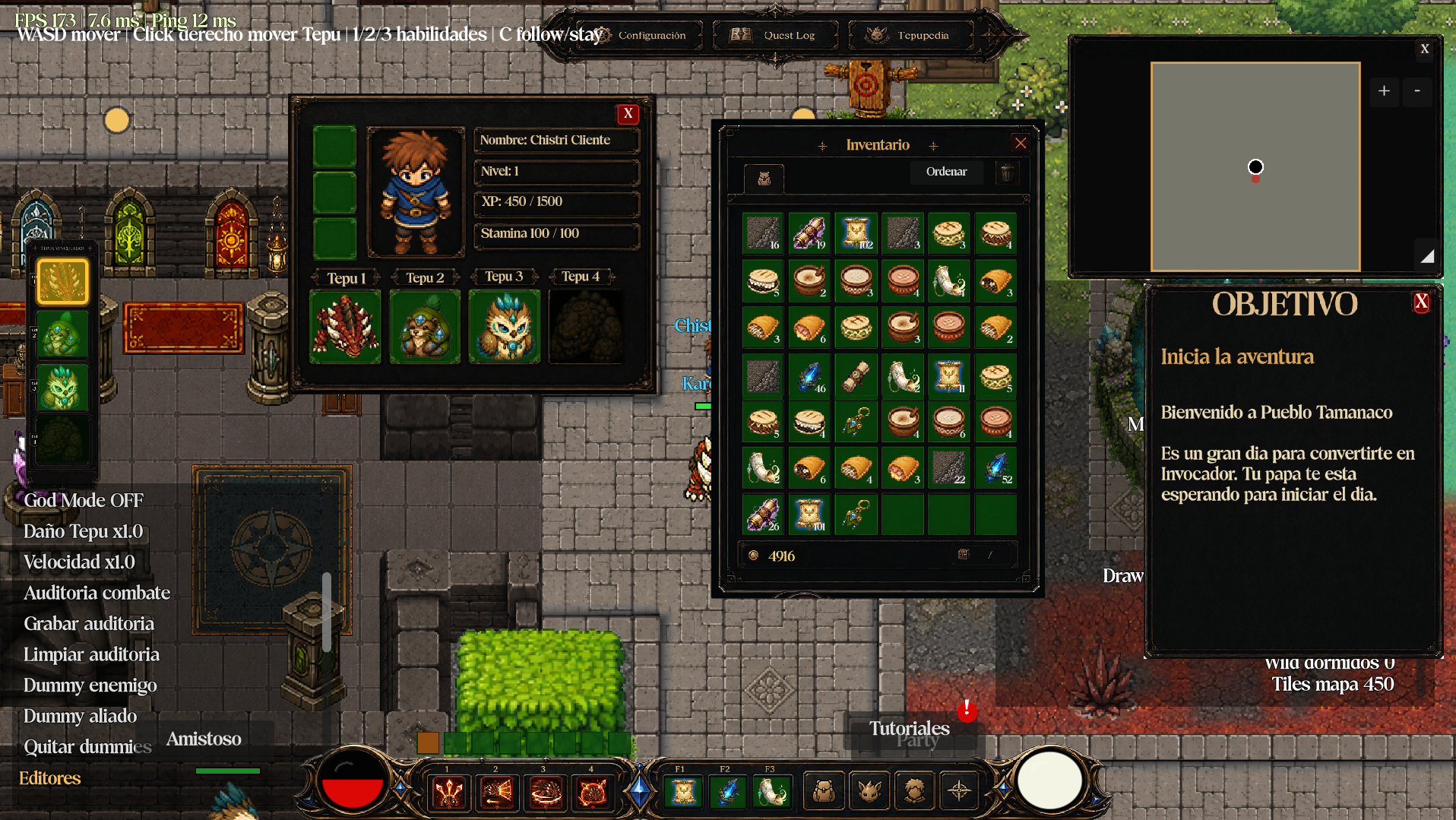
Character progression, Tepu loadouts, inventory, quests, and world navigation come together in one persistent adventure.
-
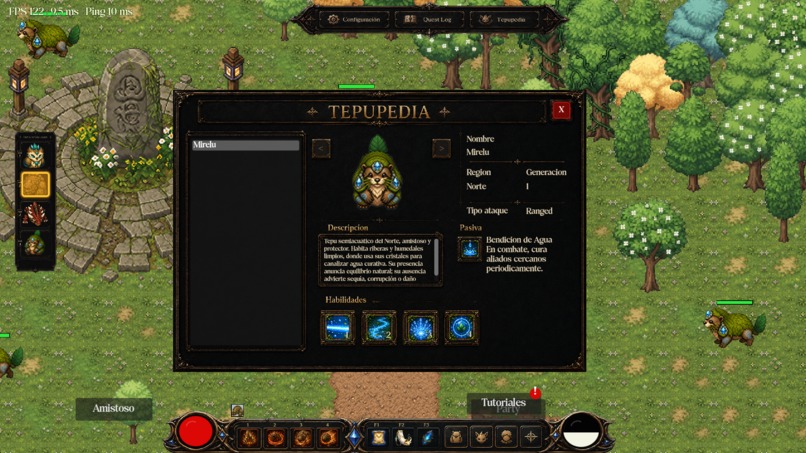
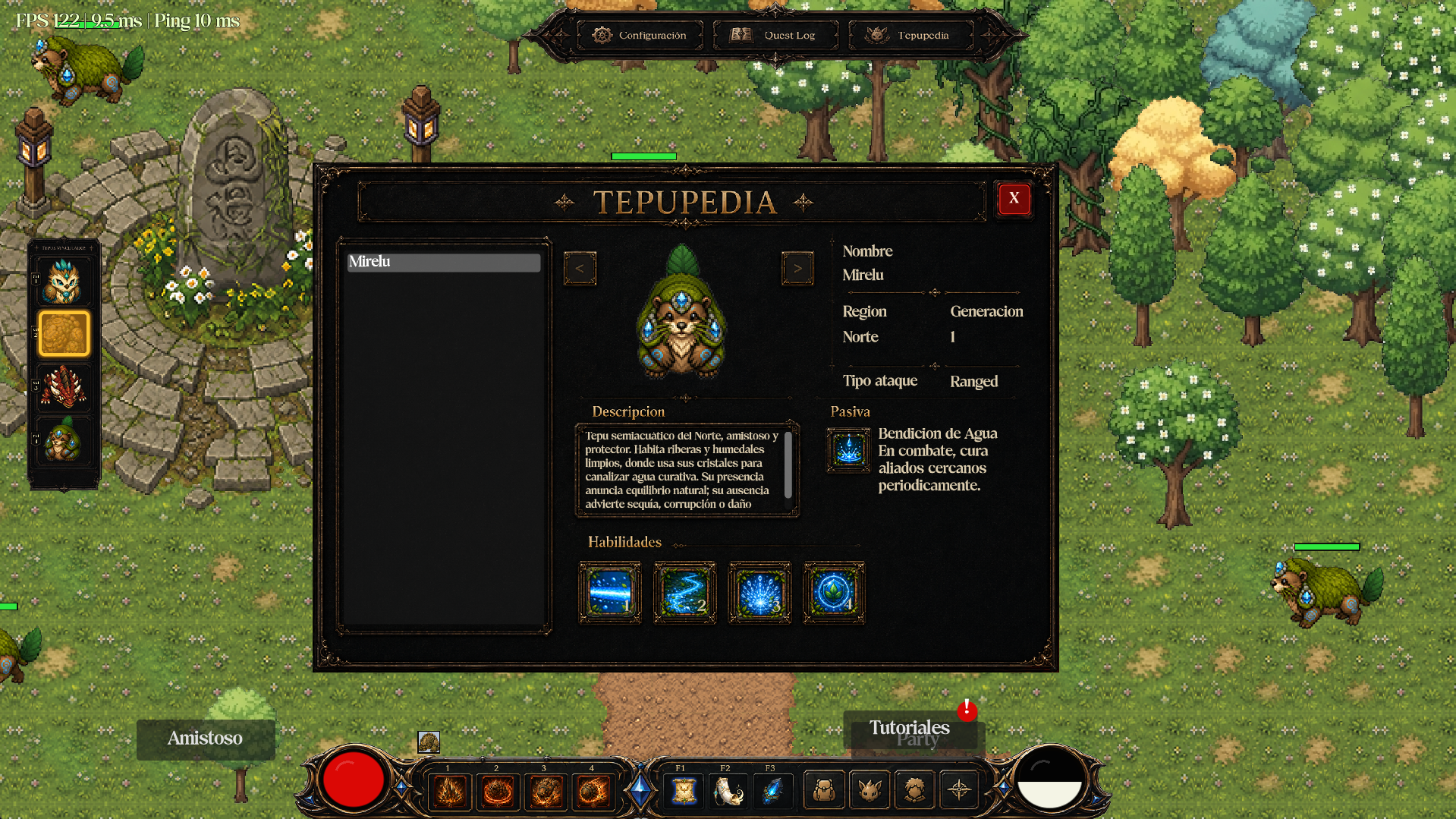
The Tepupedia records every discovered Tepu, including its lore, region, combat role, passive, and abilities.
-
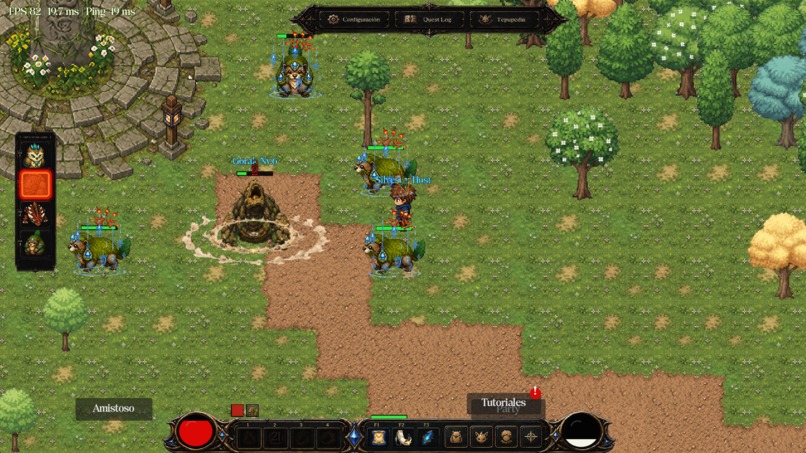
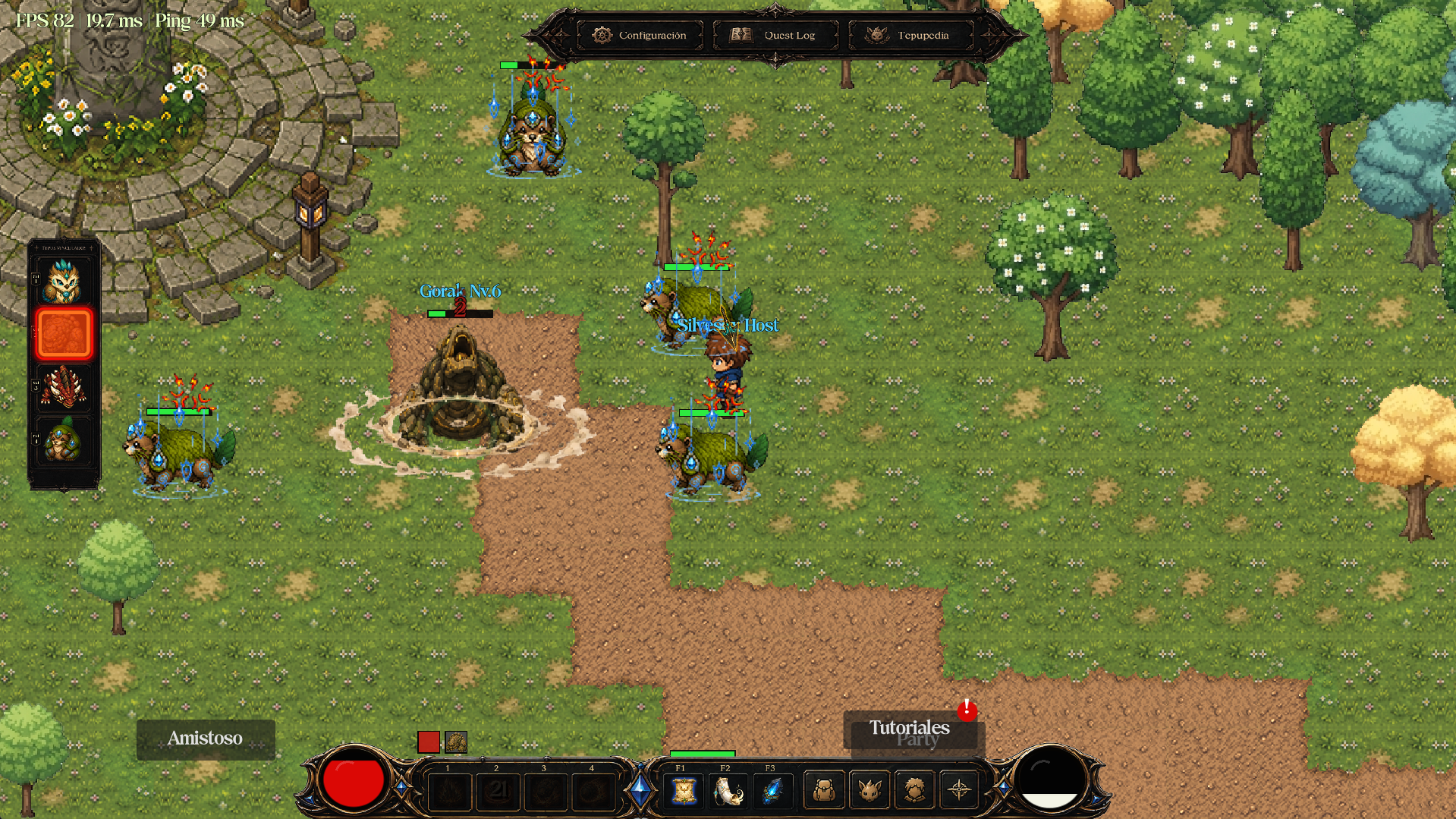
Actual gameplay: Tepus fight alongside their Invoker in real-time open-world combat.
-
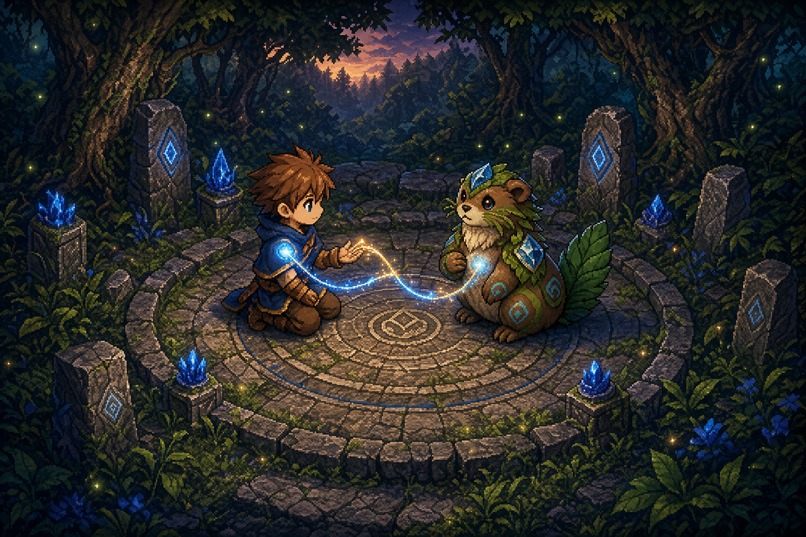
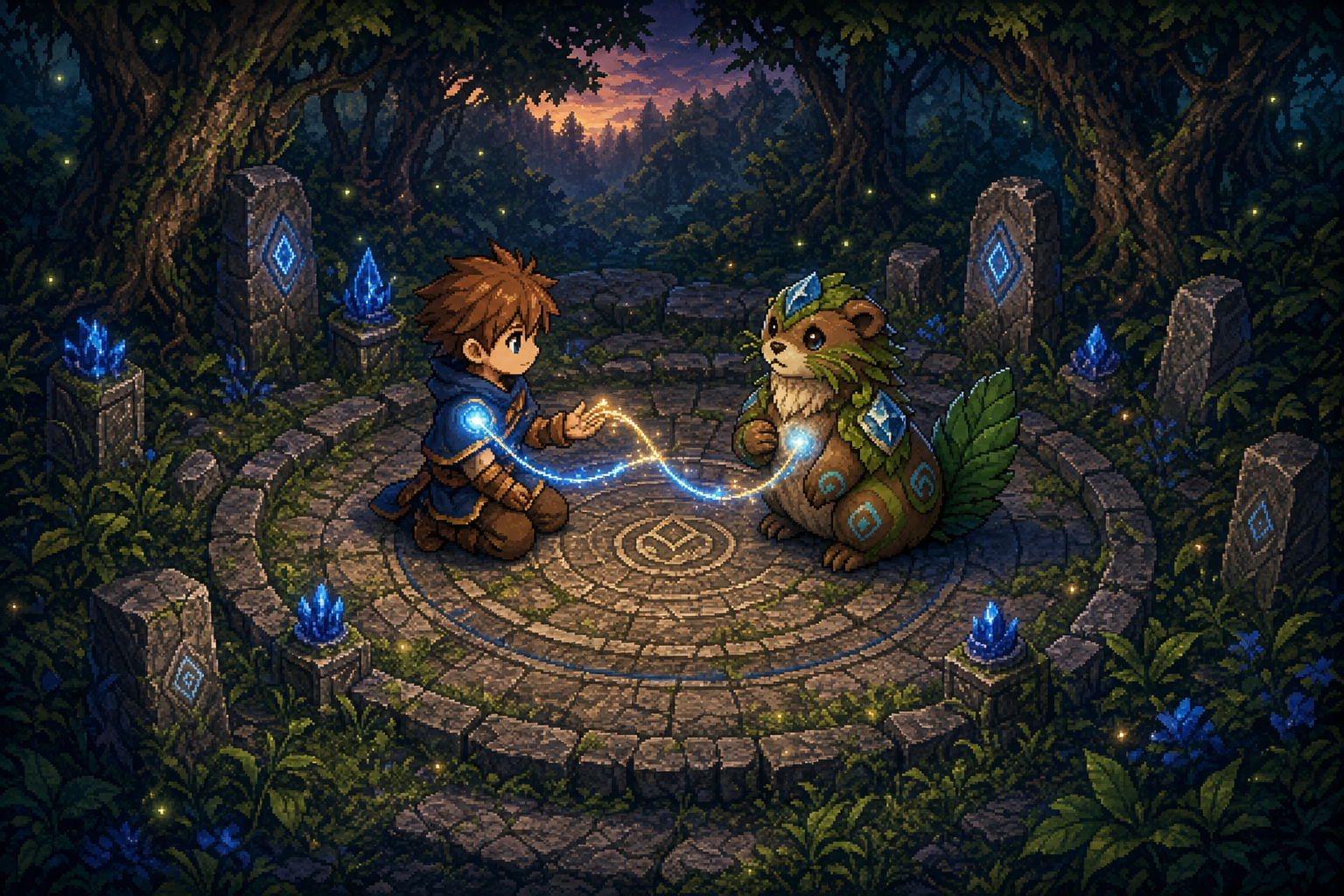
Concept illustration: The spiritual bond between an Invoker and a Tepu is the heart of every TepuLink adventure.
-
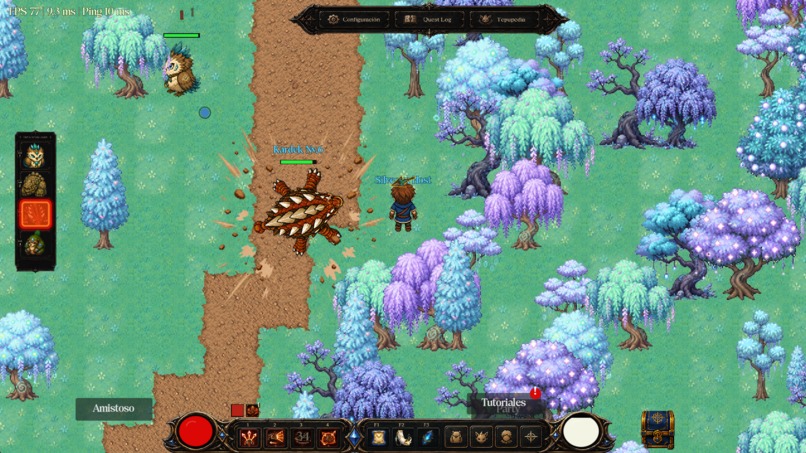
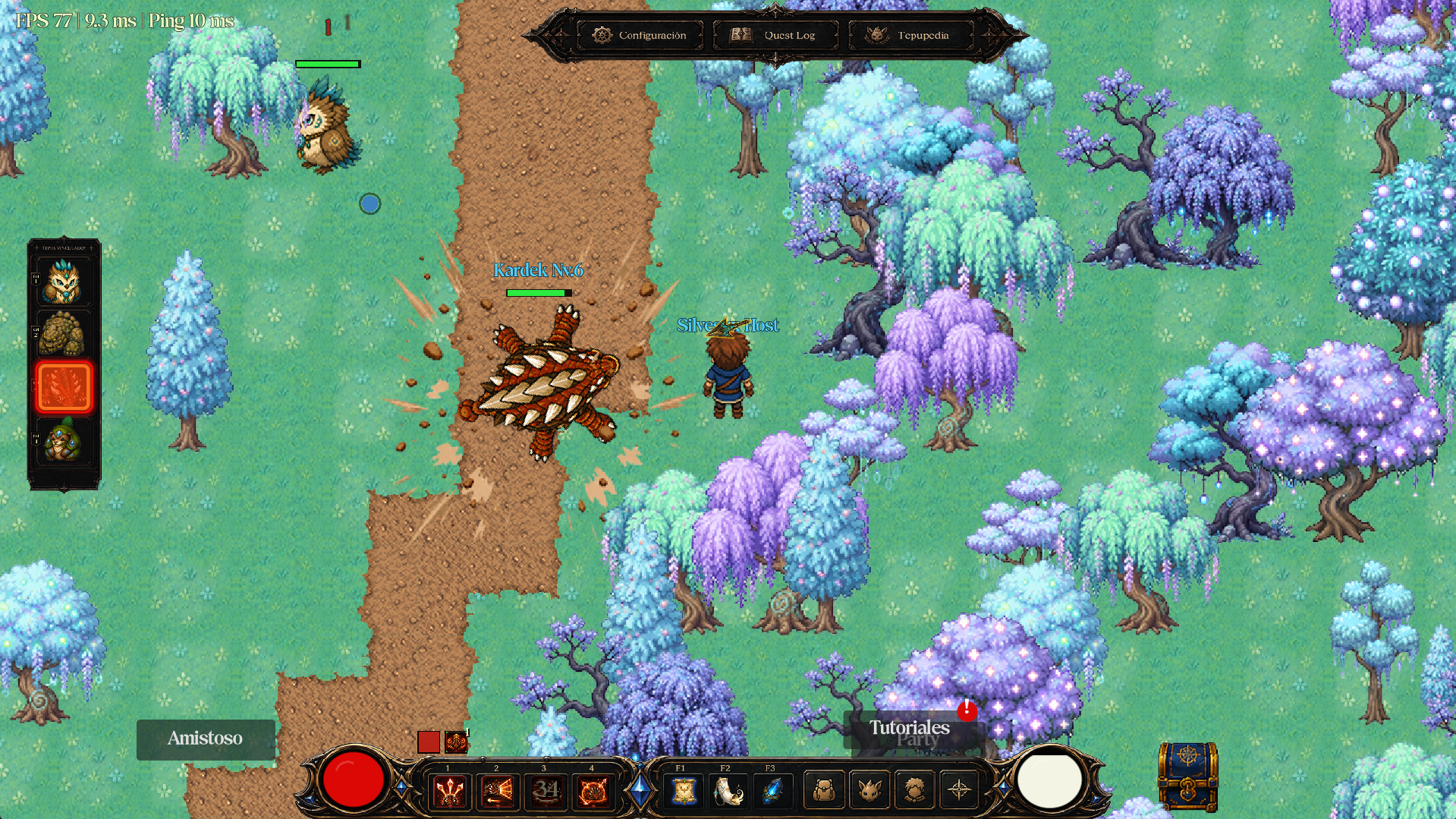
Actual gameplay: Kardek performs a powerful ground-impact ability in the open world.
-
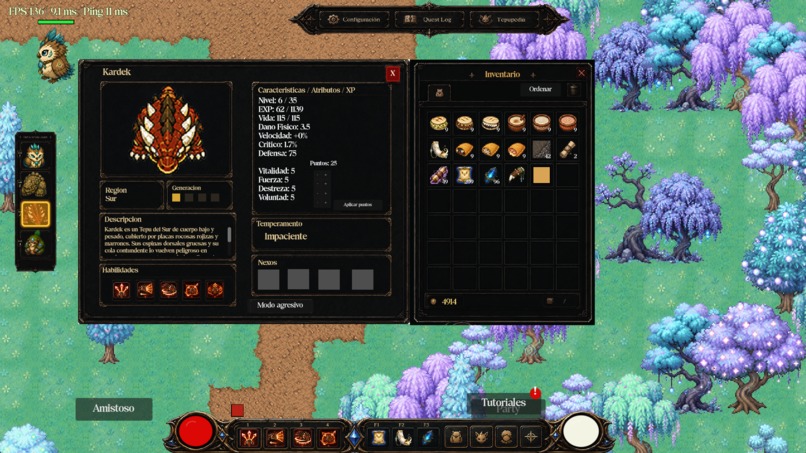
Manage each Tepu’s attributes, abilities, temperament, Nexos, and progression alongside the player inventory.
-
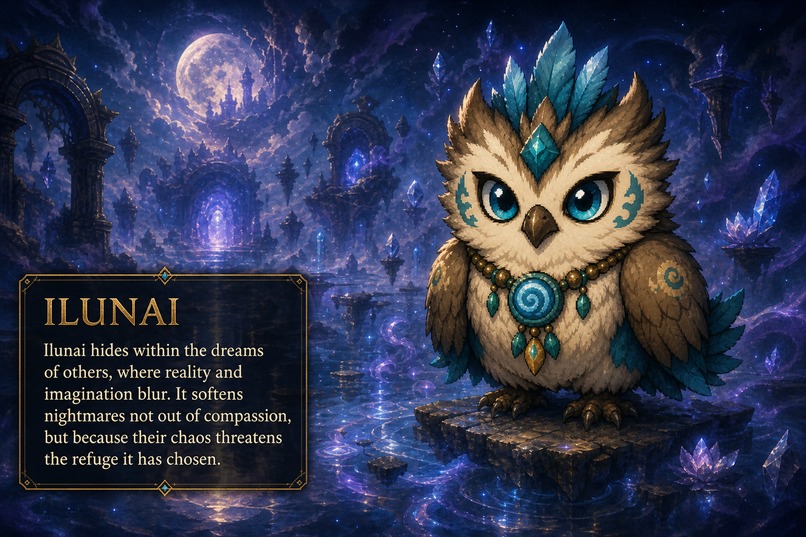
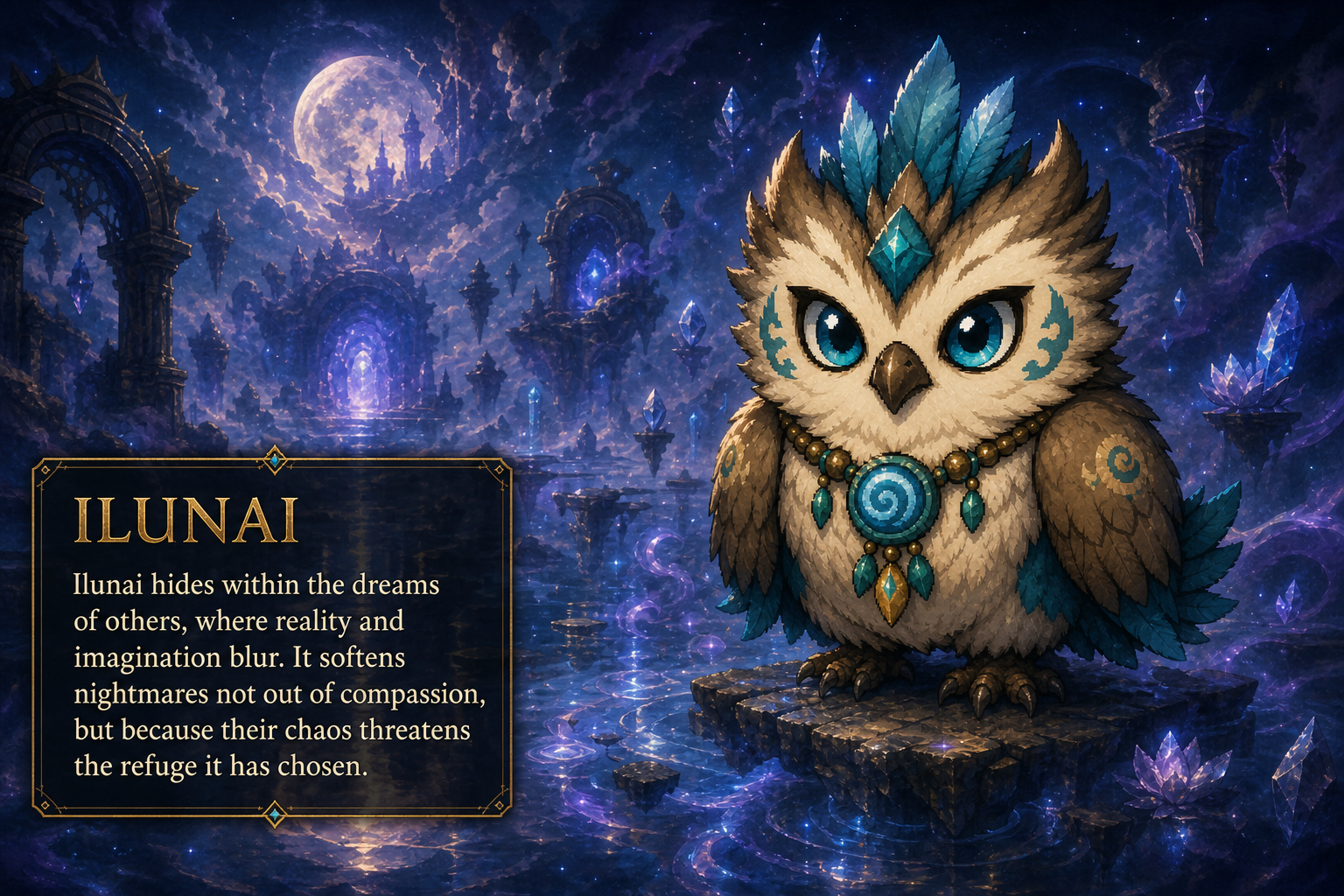
Lore illustration: Ilunai inhabits the dreams of others, calming nightmares that threaten its hidden refuge.
Inspiration
I am not a programmer or software developer, but I have wanted to create video games my entire life. I completed multiple game development courses using Unity, Unreal Engine, and other tools. However, as a single person without a team interested in working alongside me, I always struggled to find enough time and support to turn that ambition into a real project.
Thanks to Codex and AI, I was finally able to begin building it.
TepuLink brings together everything I love about my favorite games. In essence, it is my perfect game. Although I am creating it because I genuinely love the idea, I also believe it has real potential in the market.
What I Built
TepuLink is not a small RPG. It is a complete open-world RPG designed around numerous mechanics and online features, including PvP, dungeons, and an innovative battle system.
Developing a project of this scale as one person has been an enormous challenge, especially without a traditional programming background.
How I Built It
I built TepuLink through natural-language collaboration with Codex and other AI tools, without personally writing a single line of code.
This required learning how to express technical requirements clearly, design a stable and scalable project structure, create diagnostic tools for debugging, and approach game optimization—all through natural language.
I also chose not to use any third-party assets. Everything in the project was created by me with the assistance of AI tools.
Challenges and What I Learned
One of the main challenges has been learning how to direct software development without knowing how to program traditionally.
I have had to restructure the project multiple times and learn technical concepts in order to identify and correct bugs that Codex itself was sometimes unable to understand or analyze correctly.
This process taught me that building with AI still requires careful planning, critical thinking, testing, iteration, and a clear understanding of what the final product should be.
Preserving a Human Creative Identity
I have been very careful not to overuse AI creatively. I established a clear boundary for the parts of TepuLink that must remain entirely human.
The story, quests, lore, intentions, and many other creative elements are written and designed exclusively by me. I do not want AI to fill my game with generic content. I want TepuLink to preserve my identity and creative essence, even though its development is assisted by AI.

Log in or sign up for Devpost to join the conversation.