Inspiration
Our inspiration came from the desire to enhance haptic feedback other than traditional vibration. We aimed to create a more immersive and sensory-rich experience by incorporating temperature-based feedback into virtual and gaming environments.
What It Does
The system uses Peltier modules to deliver temperature-based haptics to specific areas of the body. These modules dynamically adjust temperatures in response to in-game events or actions, providing users with a more immersive and realistic experience. For example, environments or interactions can feel warm or cold depending on the object/environment type, such as a campfire or walking in snow.
How We Built It
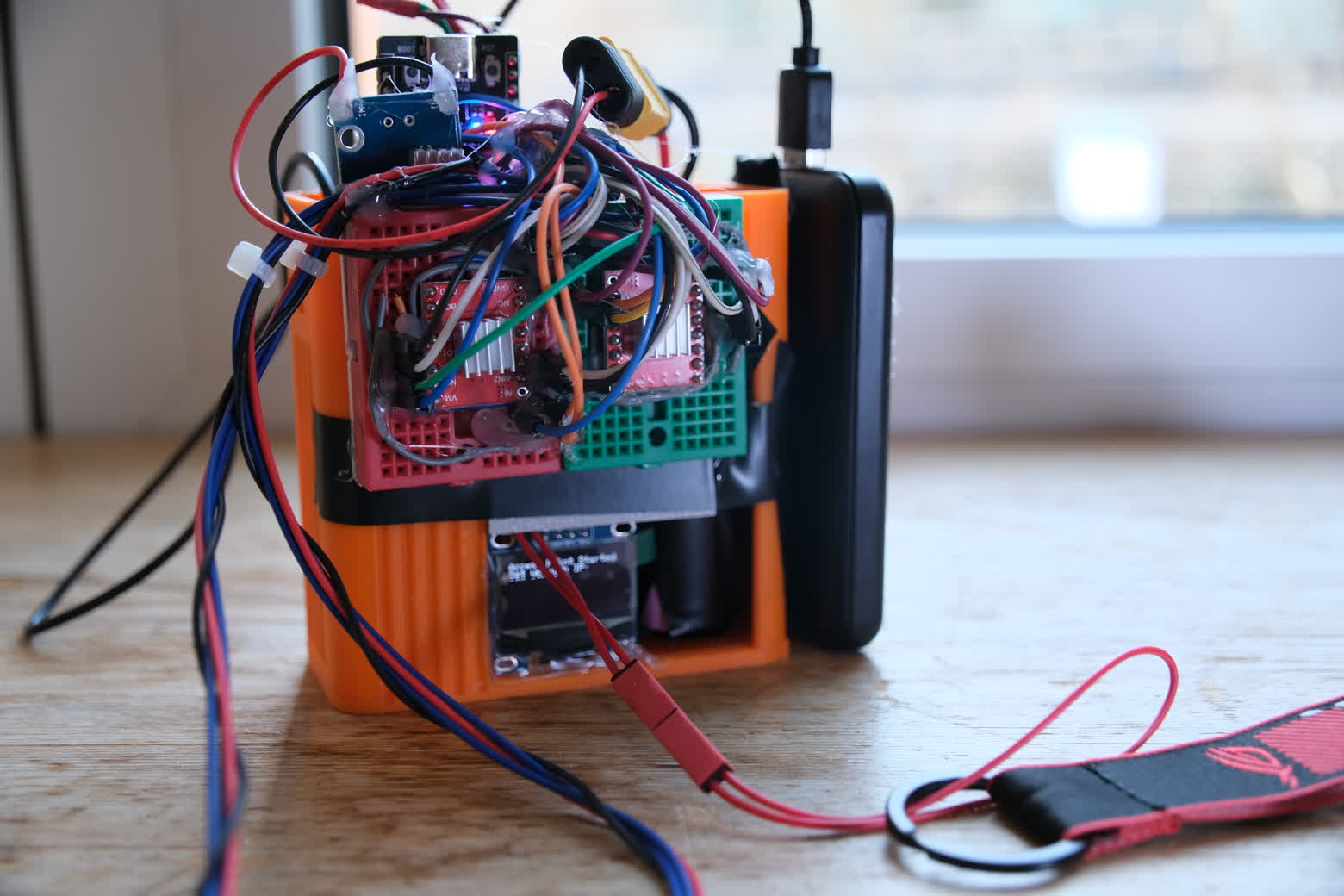
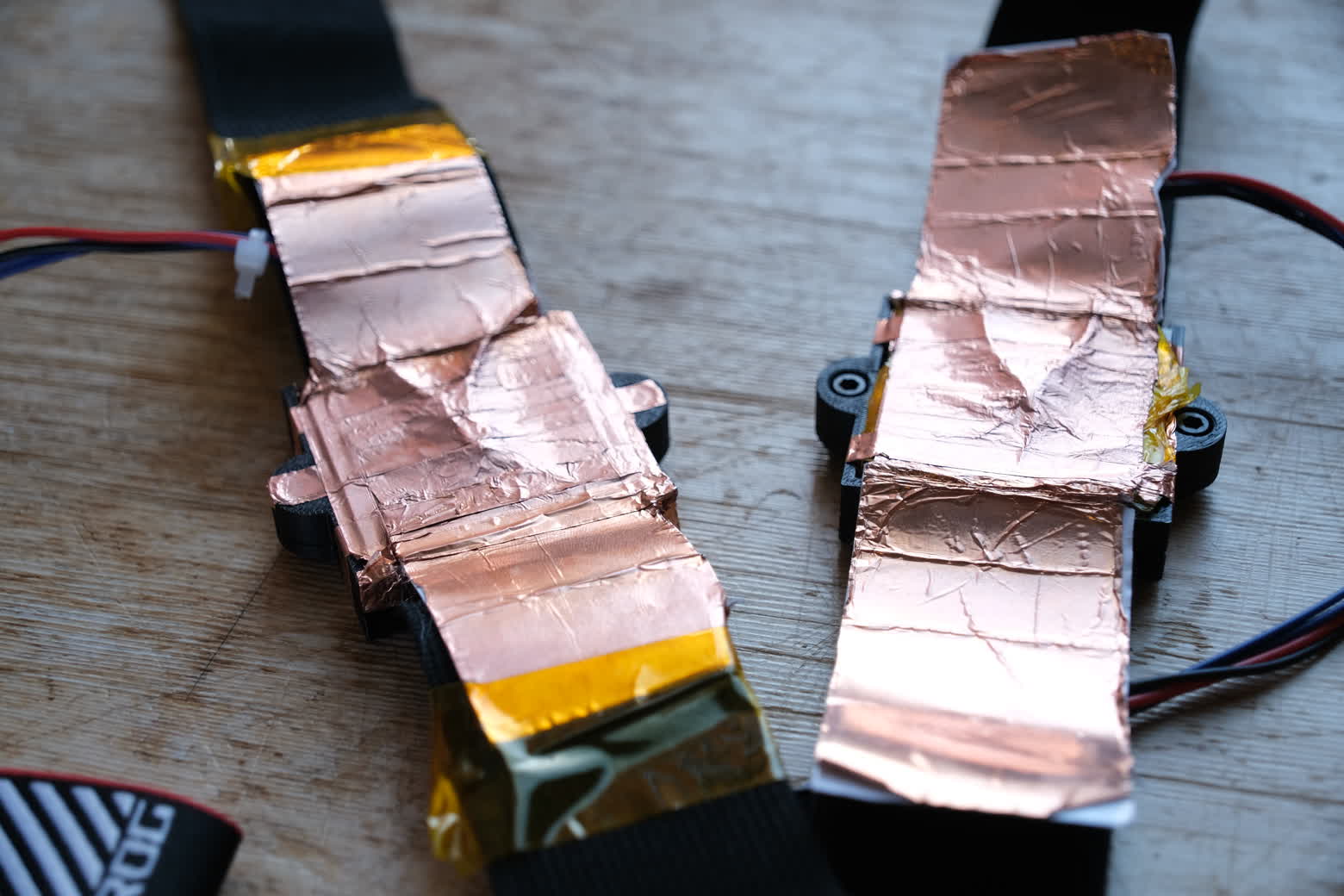
We developed the system using Peltier modules and copper tape to achieve controlled temperature changes on the user's wrist. These modules were powered and managed by ESP32 microcontrollers, which communicated with each other using the Singularity protocol. This setup allowed us to deliver dynamic temperature feedback for various immersive experiences.
We initiated Unity 2022.3.22f1 URP with a consideration of expanding project for VRChat support. Meta Quest Presence Platform All in One SDK V71 was used for support for standalone Meta Quest 3 and Meta Quest Pro. The project is implementing Singularity v0.04 with Wifi support between Unity and ESP 32. Meta Quest SDKs: passthrough, haptics, and interaction. We used Git for version control.
Challenges We Ran Into
One of the biggest challenges we faced was heat creep, where heat from the warm side of the Peltier module transferred to the cold side, reducing its cooling efficiency. Additionally, we encountered issues with the H-bridge DC controller, which caused a significant delay in our progress. Resolving these issues required several hours of troubleshooting and testing. "five hours of wasted time"
Accomplishments That We’re Proud Of
- Not using any prompt AI (such as ChatGPT, Llama) for Unity development.
- Successfully implementing a Unity demo showcasing our project.
- Adding VRChat OSC support, enabling integration with social VR platforms.
- Achieving a working prototype that demonstrated temperature-based haptic feedback.
- Standalone Meta Quest working with standalone ESP32.
What We Learned
We discovered that finding the correct voltages to power the Peltier modules effectively was more challenging than we thought. Additionally, we realized the importance of incorporating a thermal shutoff mechanism to prevent overheating and ensure safety during use.
What’s Next for TempSense
Our next steps include designing custom PCBs to improve the system’s compactness and efficiency. We also plan to explore additional placements for the temperature-based haptic modules, expanding the range of placements and enhancing user immersion.


Log in or sign up for Devpost to join the conversation.