Inspiration
The COVID-19 pandemic has revealed the need for a more effective method of disease prevention and treatment. One of the most valuable assets during the height of the pandemic is information on the patients. Healthcare workers can benefit immensely if they had an AI that can detect sicknesses and severity in patients so that they can prioritize those patients over others.
What it does
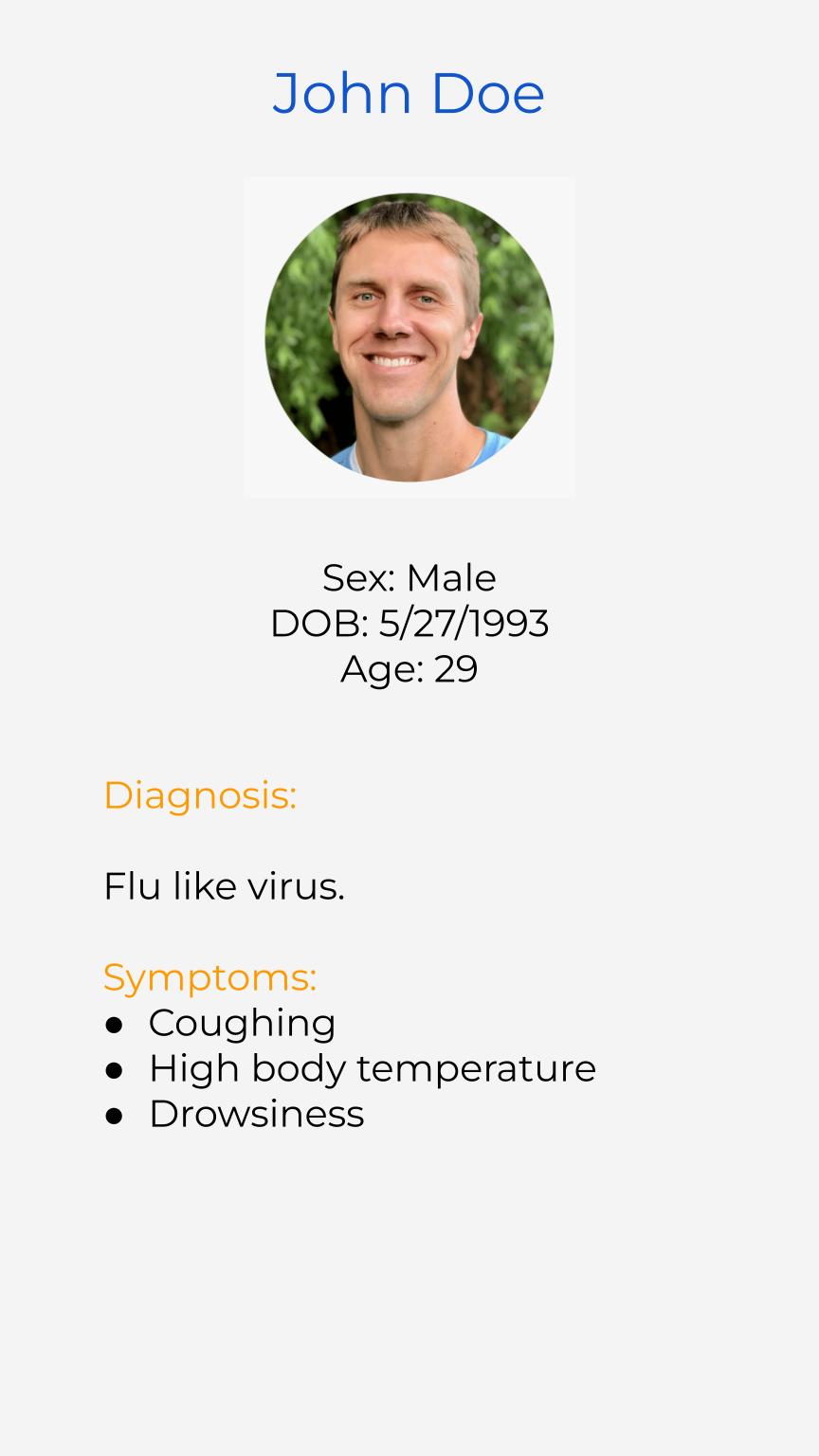
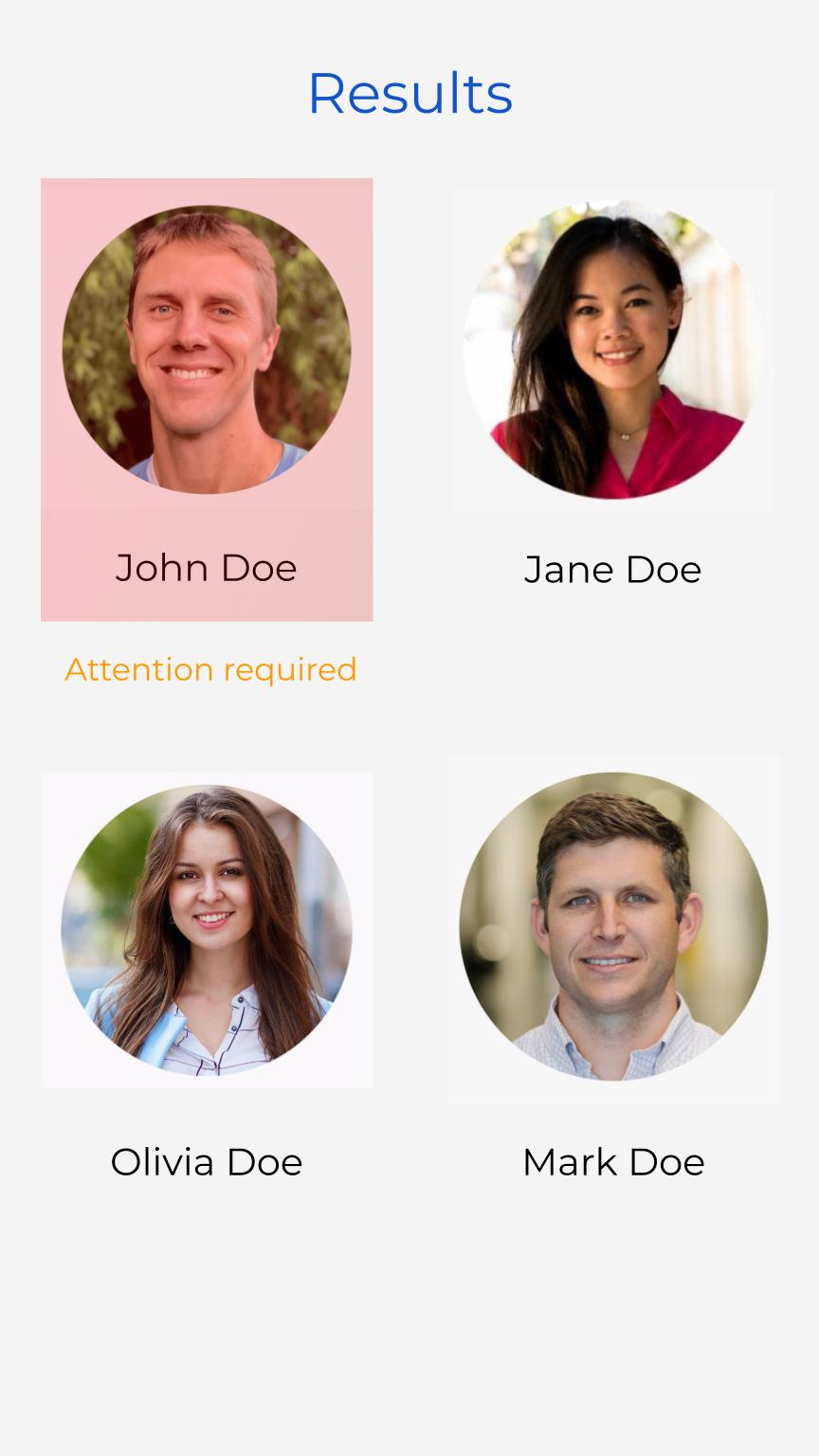
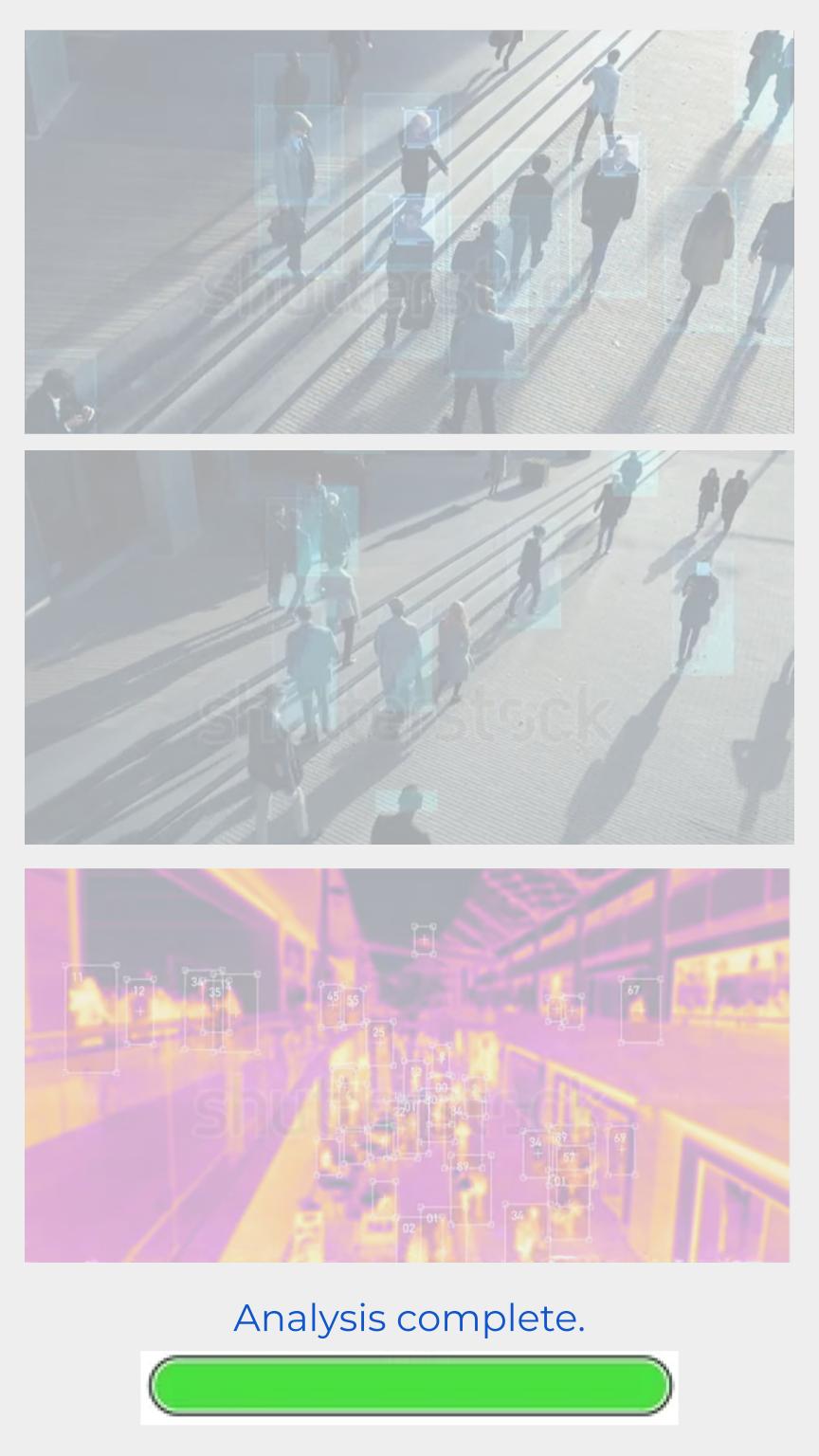
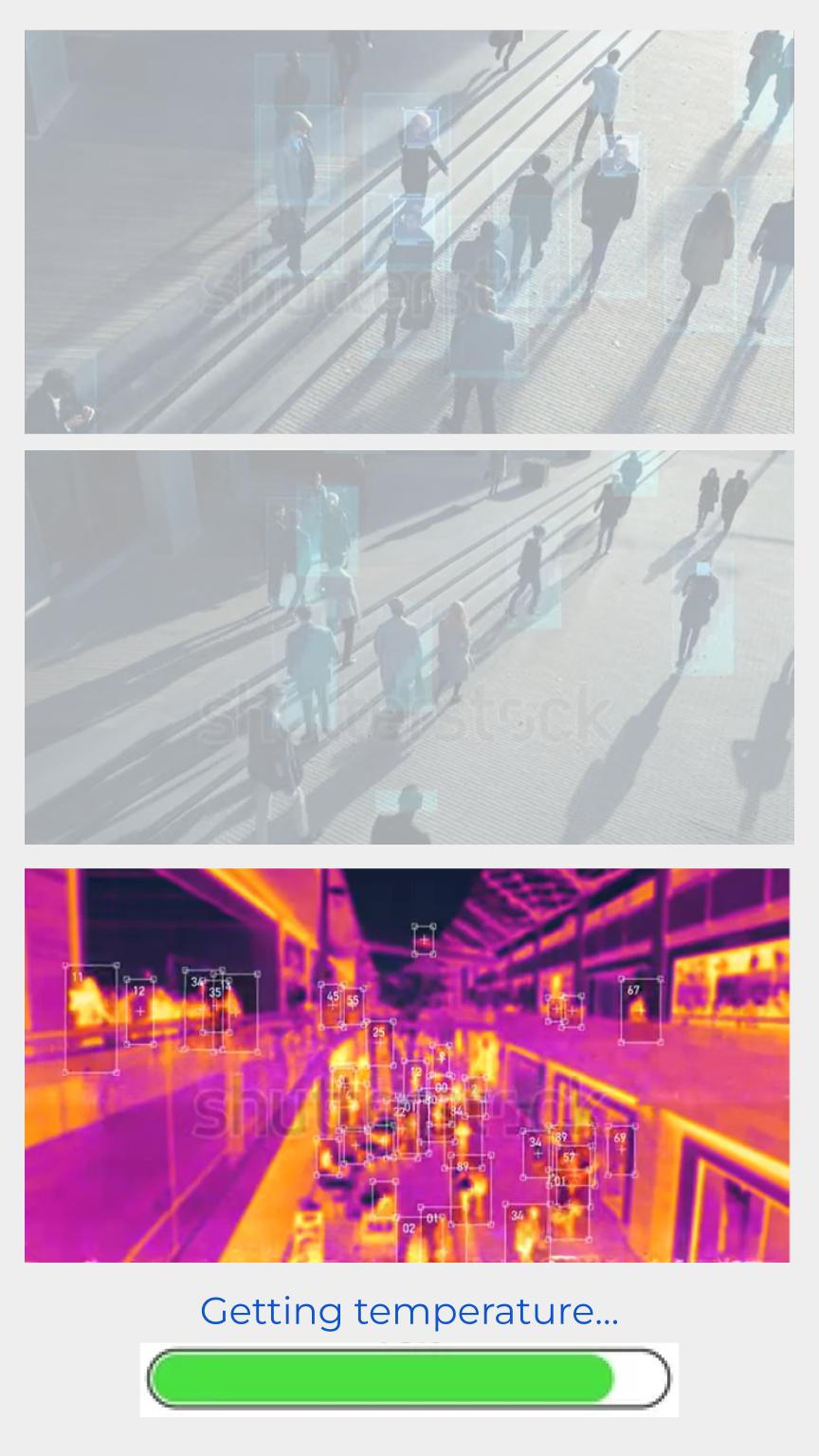
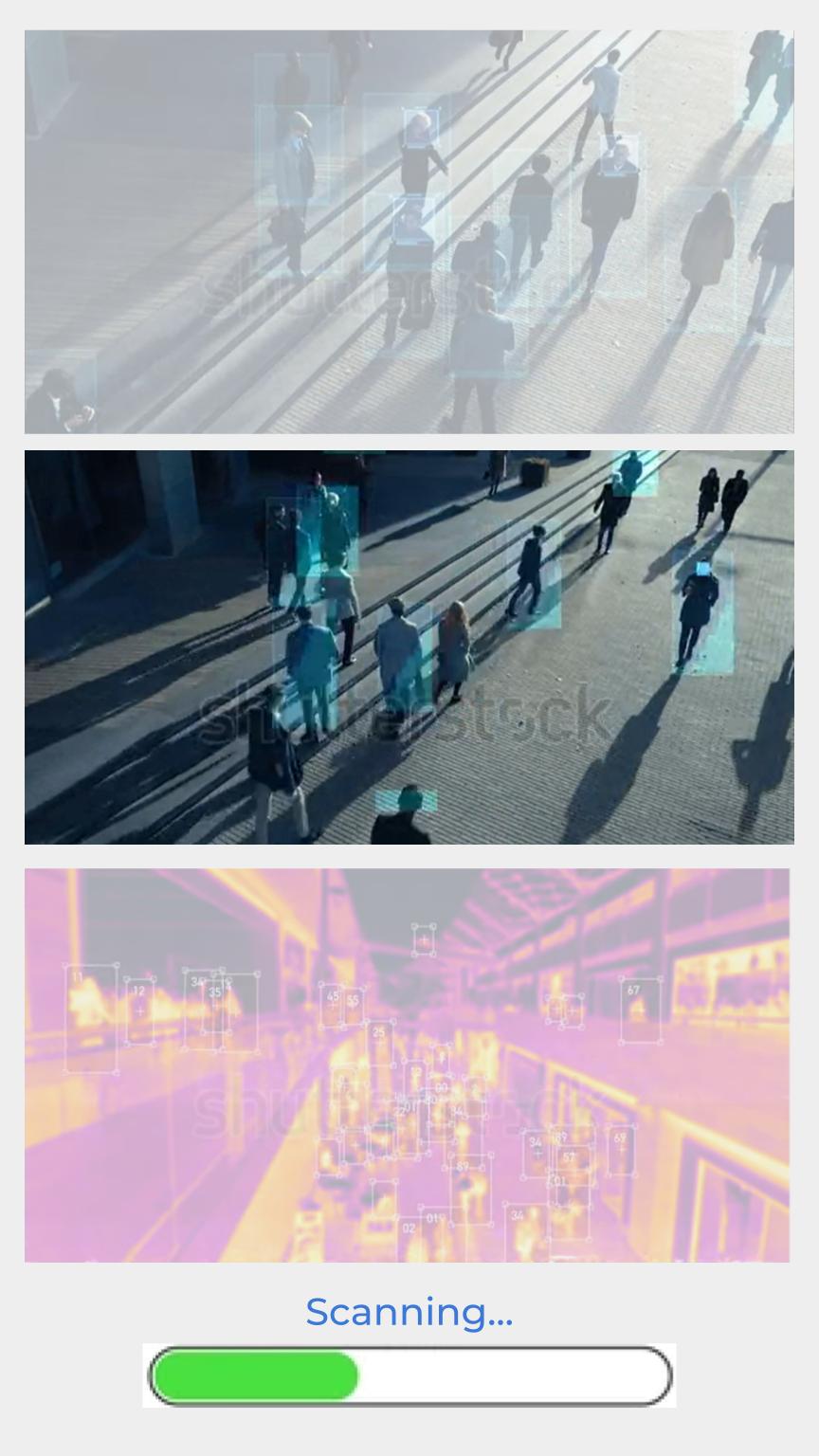
The project uses AI to detect symptoms using physical cues and facial recognition to connect a person's actions to their profile. The program uses cameras and sensors to pick up things like a person coughing, body temperature, and physical cues, then gives a possible diagnosis to a professional for review. This review starts from the moment they walk into the hospital by cameras to evaluate their face and body movements.
How we built it
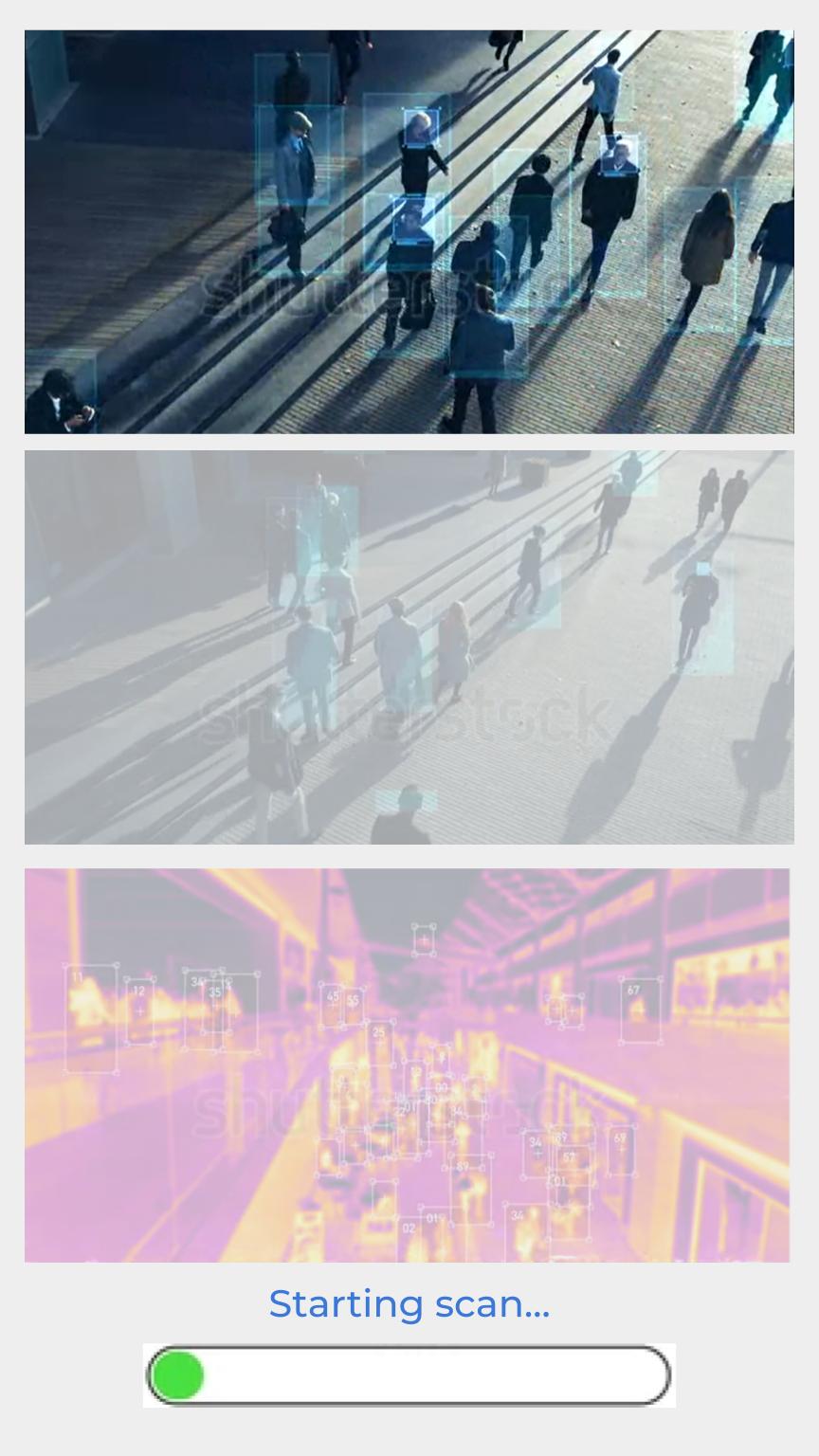
The AI was coded in Python using OpenCV. We used a public database of faces for the facial recognition that would be used in diagnosing a patient. We created a mockup of the app that would be used by healthcare providers on Google Slides and an initial website using HTML, CSS, and Javascript.
Challenges we ran into
A challenge we faced in facial recognition was calibrating the program to pick up the facial features of people that are on the camera. The sensitivity and resolution needed to be changed, and if possible a more diverse training set would have increased accuracy. A challenge when making the website was to include animations and produce an experience that matched that of the mobile app.
Accomplishments that we're proud of
We are proud that we were able to create a program that could pick up a person's facial features and expressions. In addition, we are satisfied with what we were able to finish on the website as well as our UI for the app mockup.
What we learned
We were able to learn so much during this hackathon. We expanded our knowledge of website design as well as using public databases to accomplish a task. We learned how to search for specific features on a person's face and compare them to existing ones in a database.
What's next for healthAIDD
Our next steps are to make a better website and UI for users, as well as make an app instead of a mockup. In addition, we wish to expand the access to information so that the patient can also have their own details and diagnosis/symptoms, instead of the access being exclusively for health care providers. In the further future, this technology can be implemented in larger public spaces to predict the spread of illness and track trends.

Log in or sign up for Devpost to join the conversation.