-
-
-
-
-
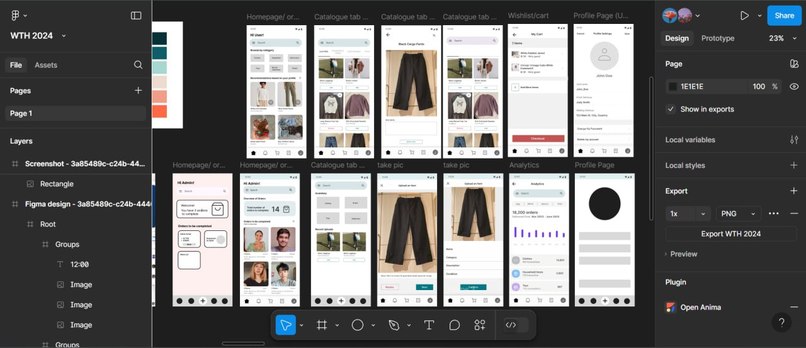
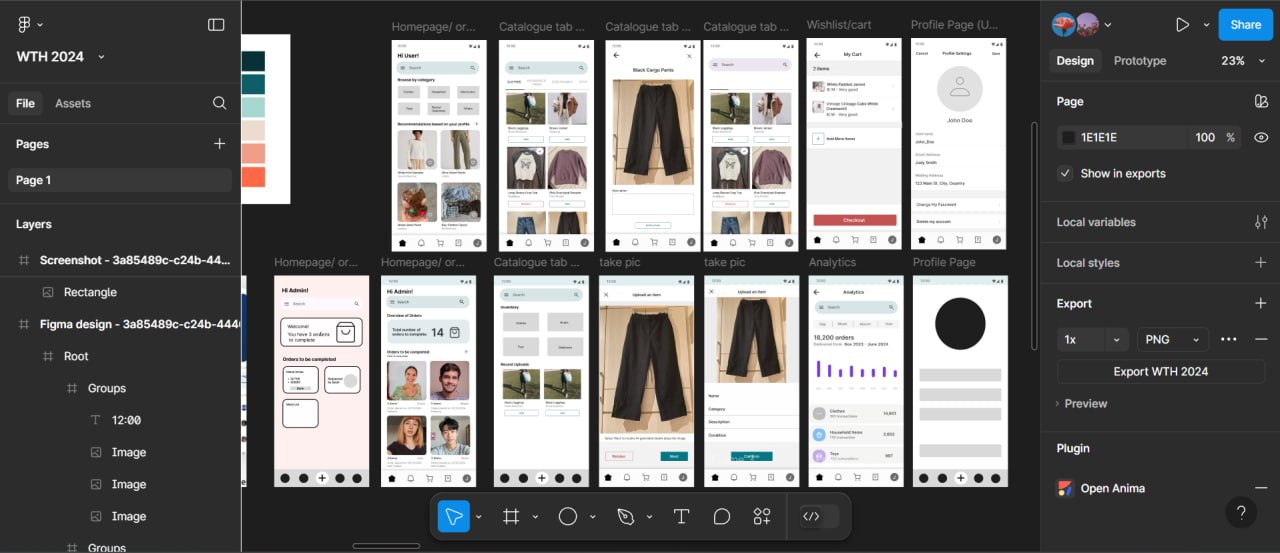
Figma Flow User Design UI/UX
-
-
-
-
-
-
-
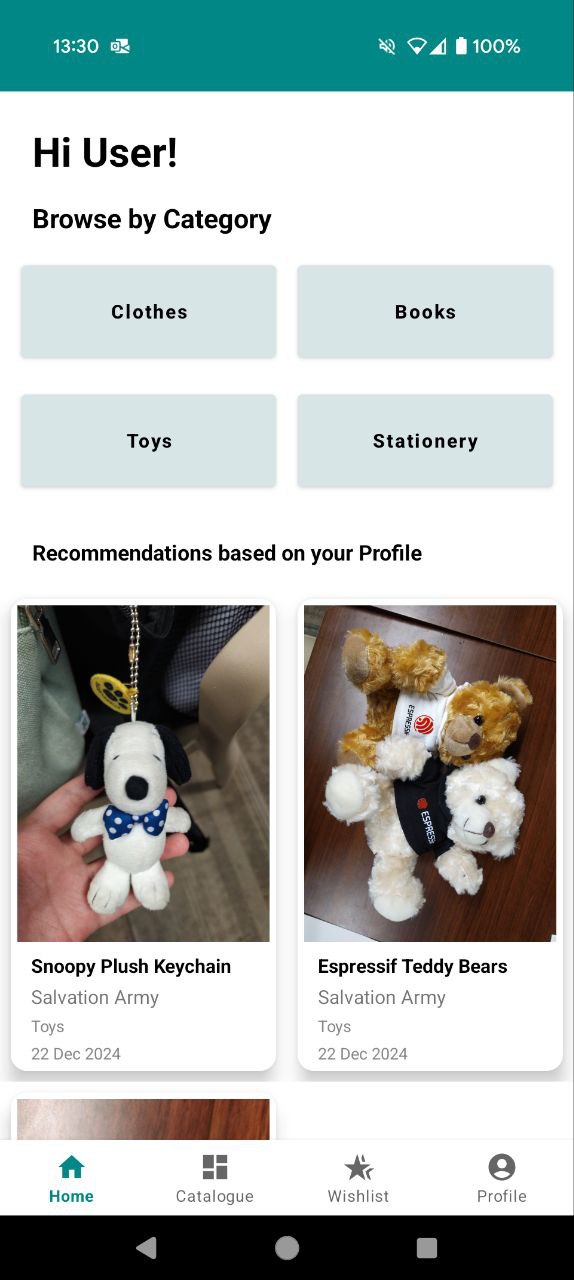
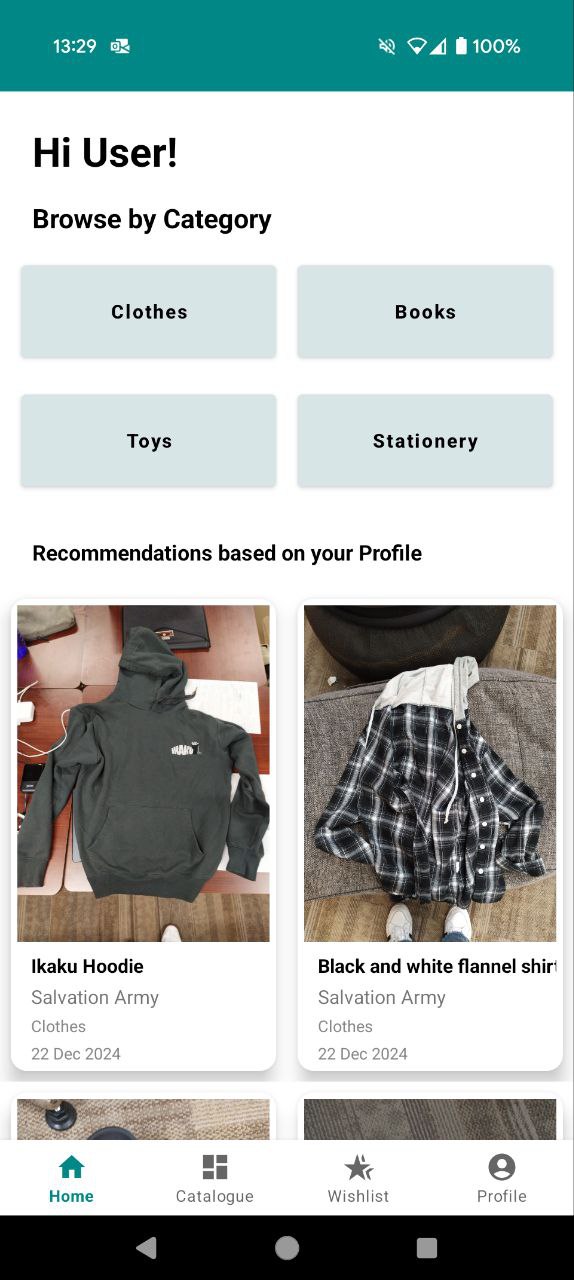
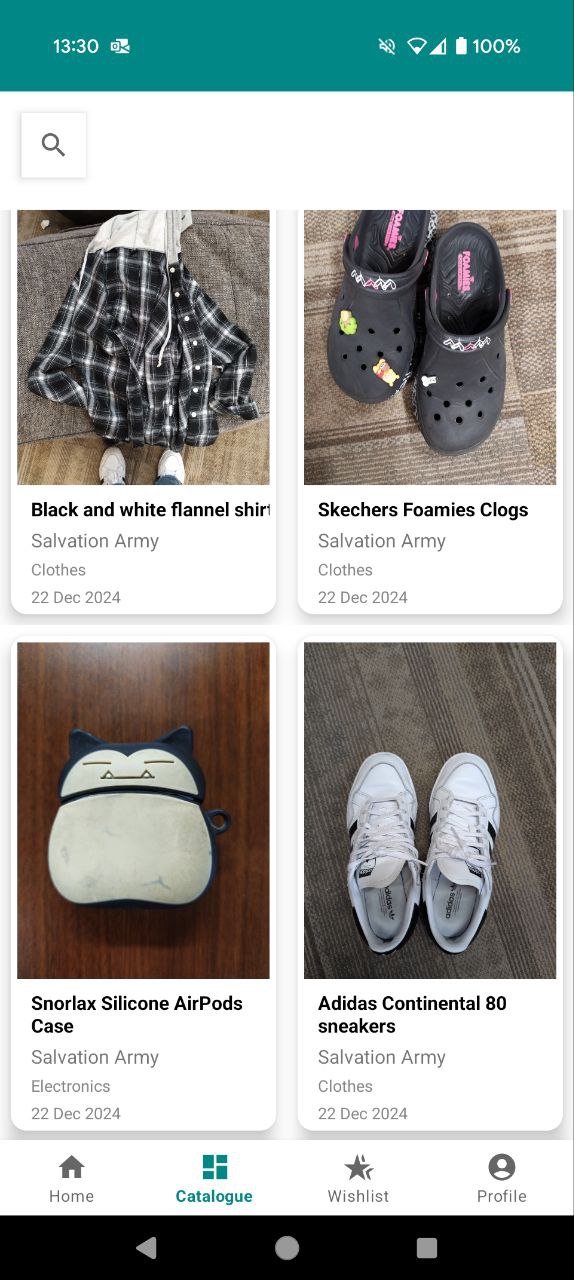
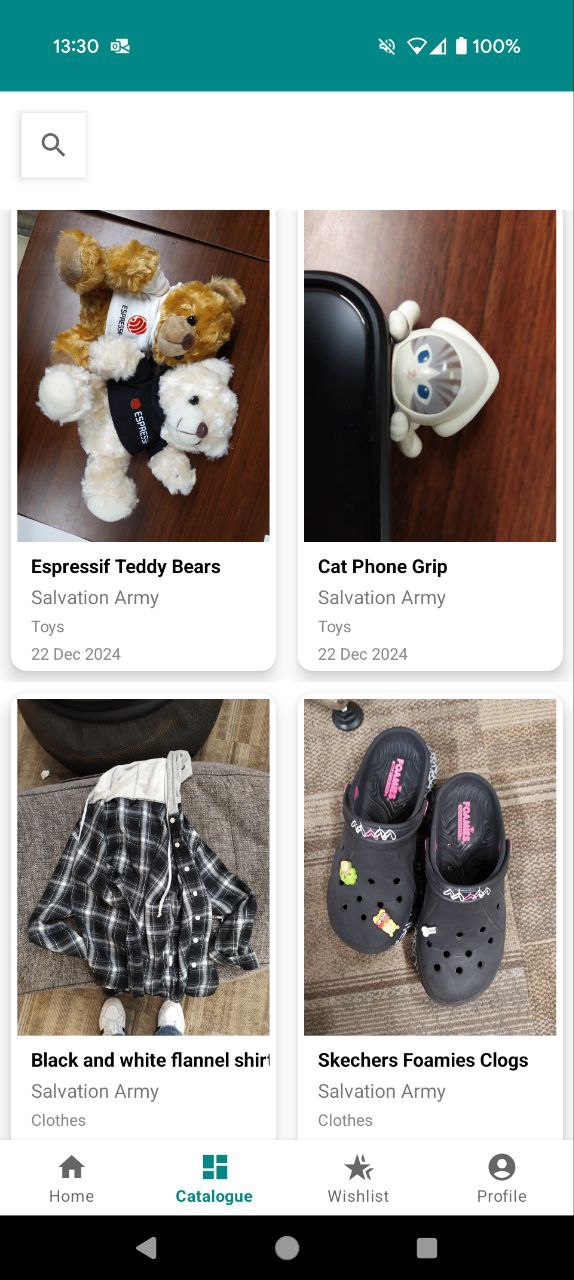
Inspiration
Inspired by a CNA article, we were deeply moved by the story of a diabetic woman who had to discard sugar-laden canned longans—well-intentioned donations that failed to meet her dietary needs. This story reflects the reality for many low-income families who often receive donations that do not align with their actual needs.
Every year, countless well-meaning donations fall short, leaving recipients underserved, resources wasted, and charities overwhelmed by the effort required to curate and distribute items effectively. This underscores a significant gap in the donation ecosystem.
Our platform was created to bridge this gap, ensuring donations are purposeful, impactful, and tailored to recipients’ specific needs. By empowering recipients to choose what they truly need, streamlining operations for charities, and providing donors with confidence in their contributions, we aim to transform giving into a more meaningful and effective process for everyone involved.
What it does
Our platform *GiveItRight revolutionises the donation process by creating a seamless connection between donors, charities, and recipients:
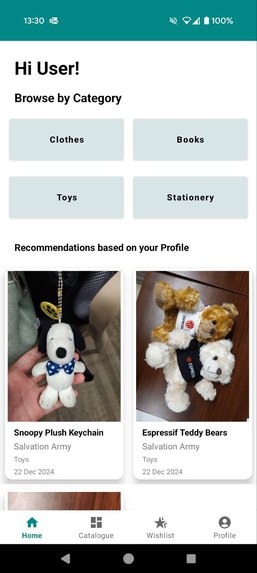
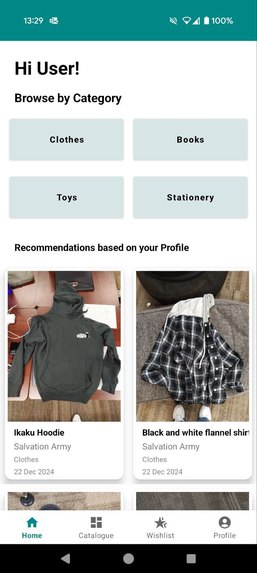
- Personalized Giving: Recipients can browse and prioritize items they genuinely need, such as specific clothing sizes or essential household goods.
- Streamlined Charity Operations: The platform automates item categorization and matching through AI, significantly reducing logistical challenges for charities. 3.Donor Confidence: Donors can give with peace of mind, knowing their contributions directly fulfill specific needs and make a tangible impact
Features
For Charity Organisation:
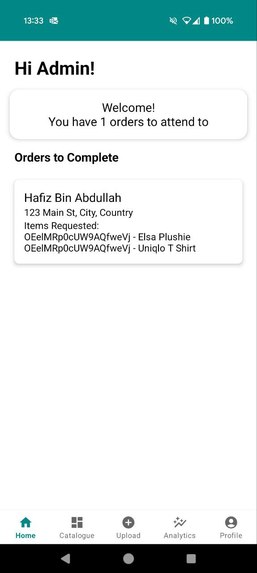
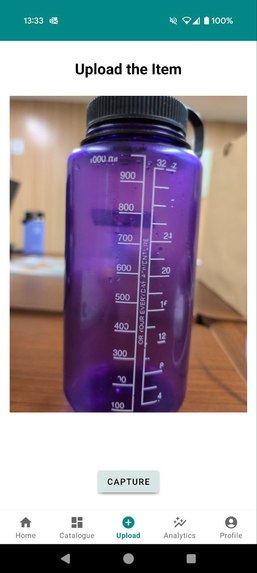
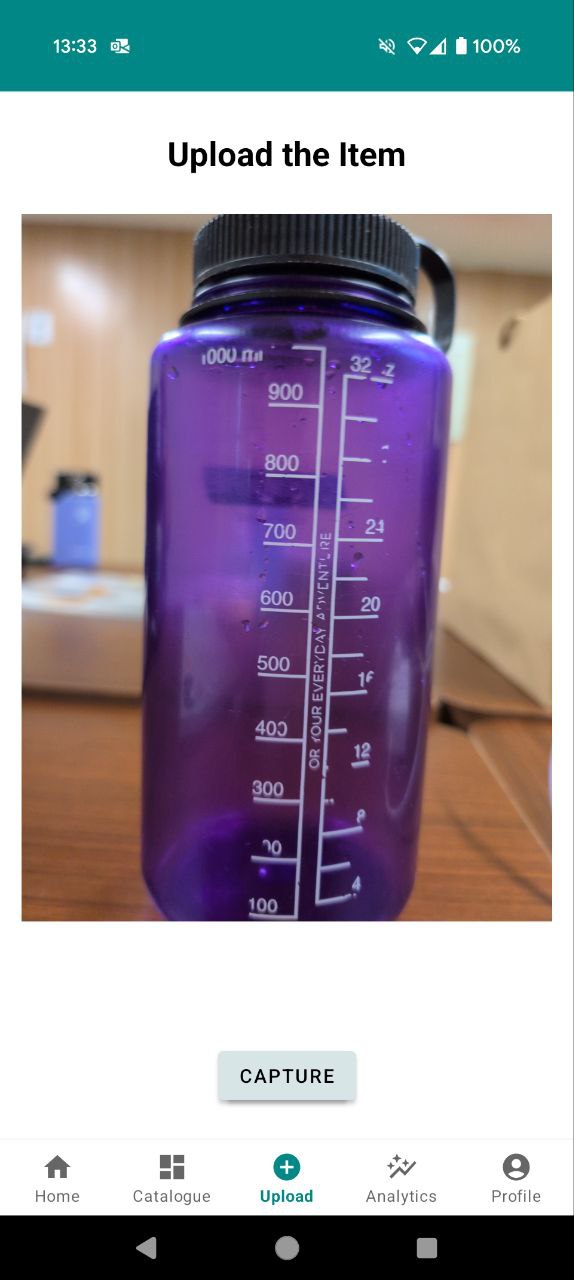
- Item Digitization: Charities upload images of donated items to the platform.
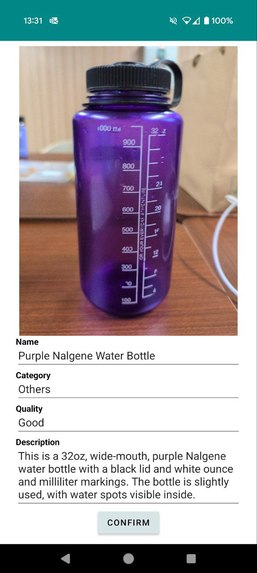
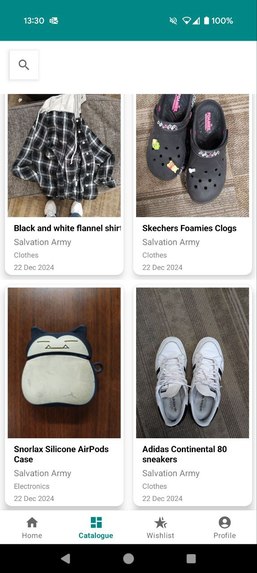
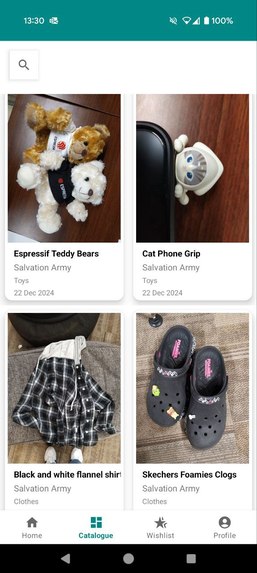
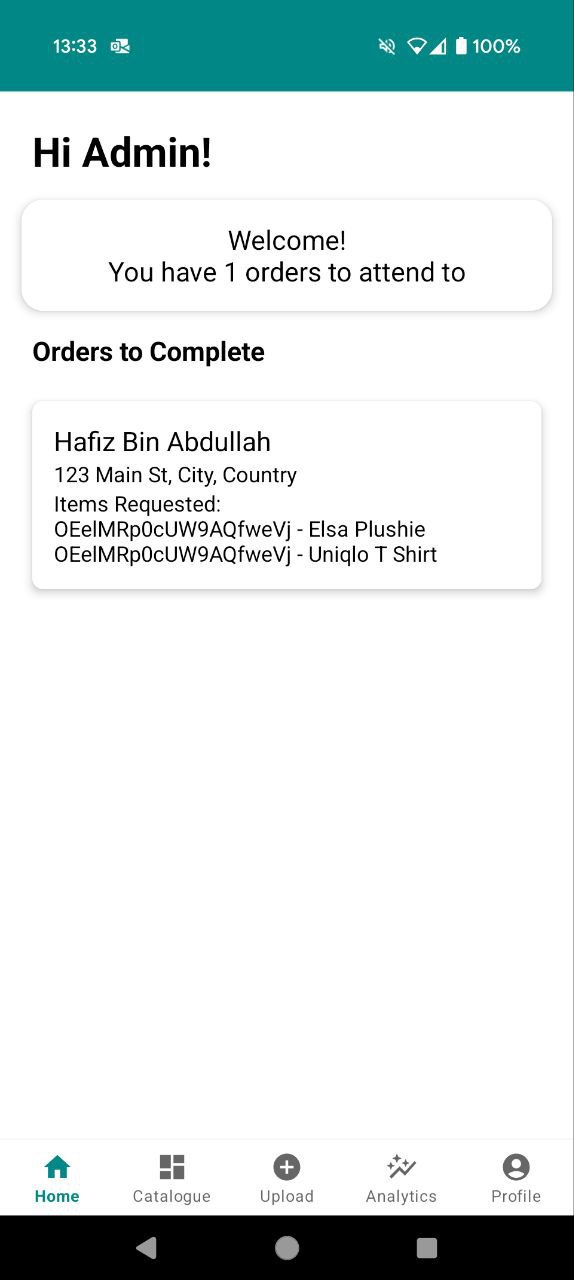
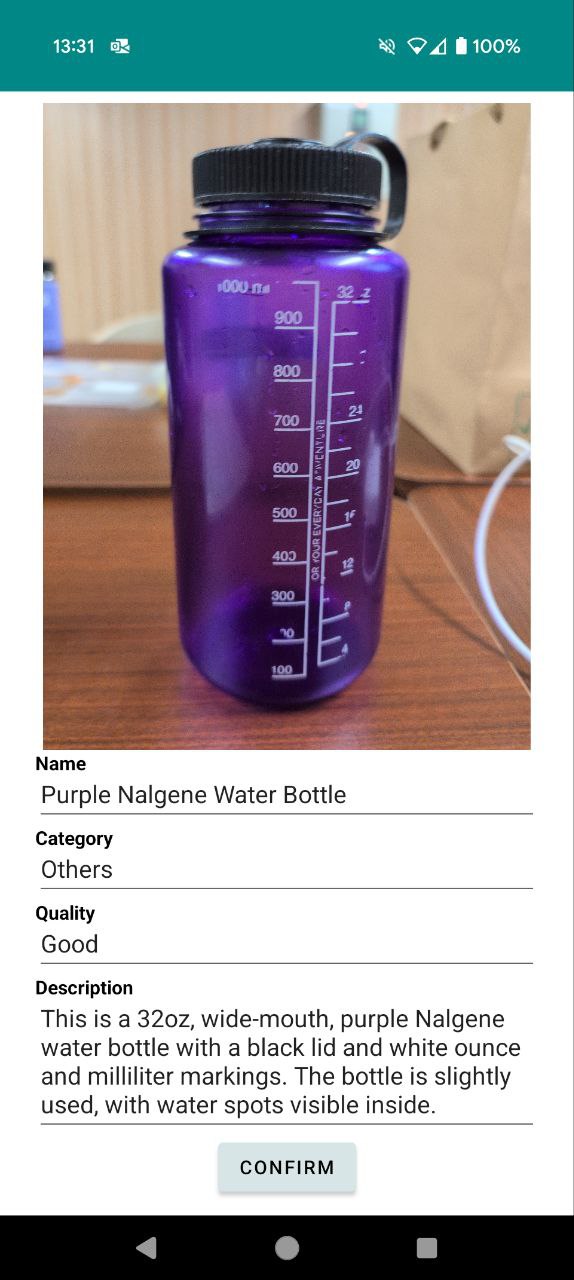
- AI Analysis: The system categorizes the items, assesses their quality, and generates detailed descriptions. 3.Centralized Catalog and Online Inventory: Categorized items are added to a centralized catalog, which is stored in an inventory database for real-time tracking.
For Donation Recipients:
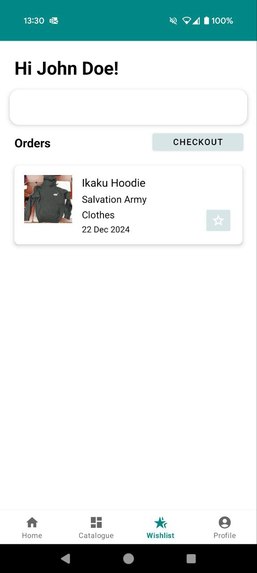
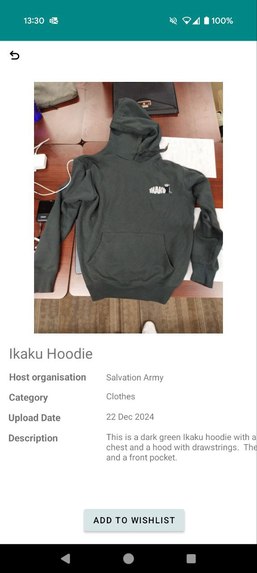
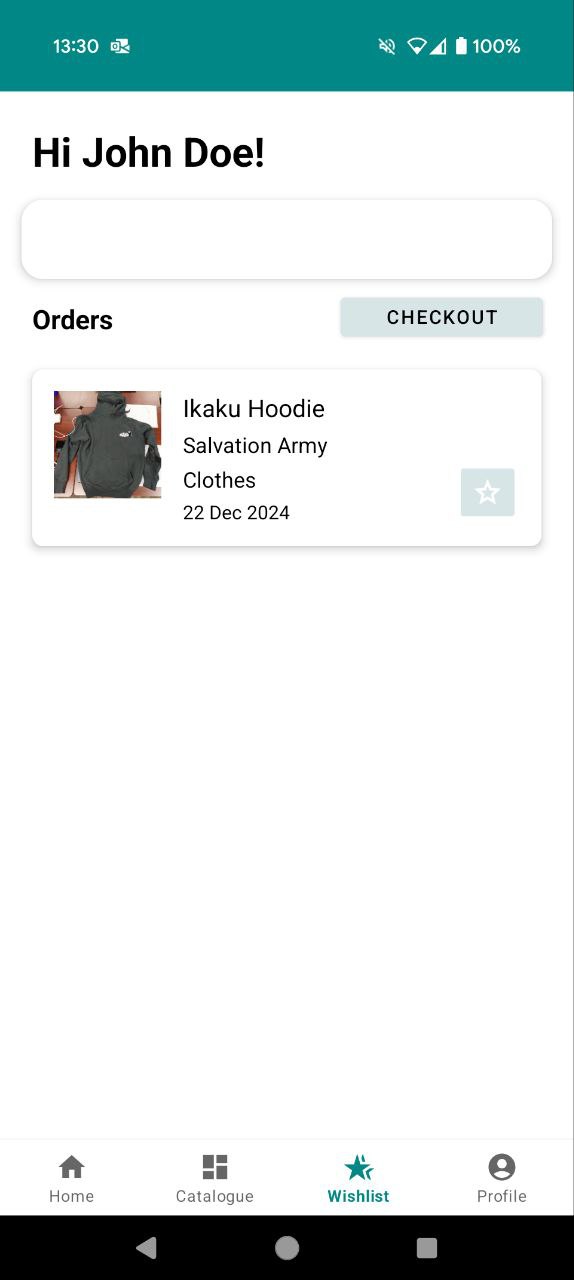
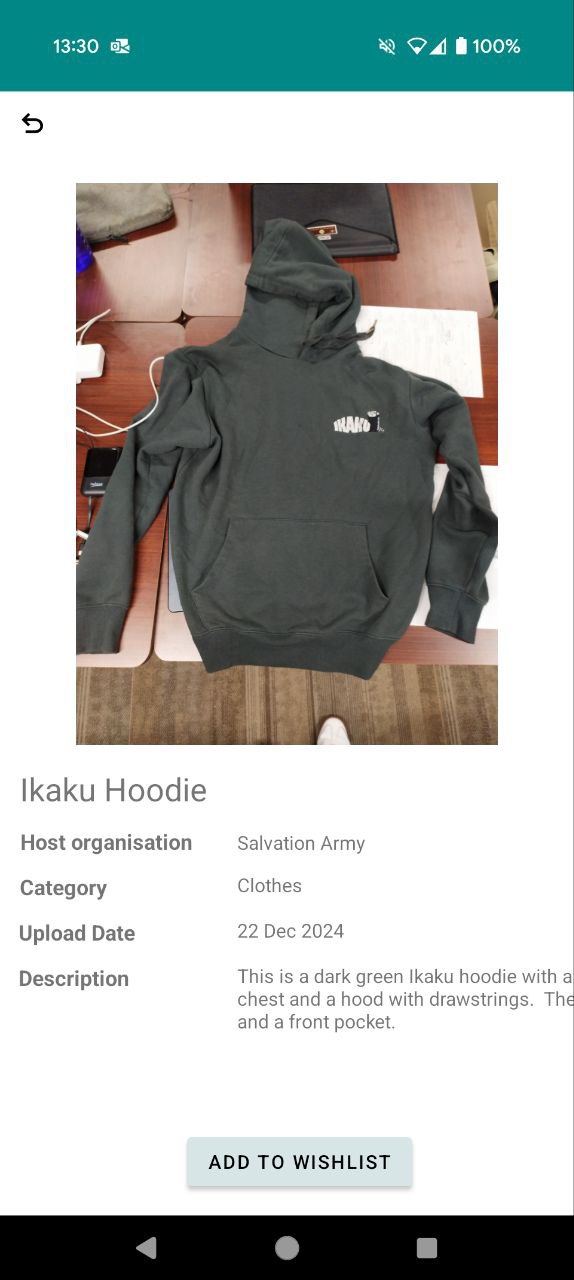
- Personalized Browsing: Recipients use filters to search the catalog for items that match their specific needs and preferences.
- Request Creation: They add selected items to a personalized donation request list.
How we built it
Our team developed the prototype as a mobile application using Java in Android Studio, a tool we were already familiar with, considering the time constraints we had. To streamline development and simplify integration with a real-time database and storage, we chose Firebase and Firebase Storage. These tools allowed us to quickly set up and manage user data and media, ensuring the app would function smoothly even with limited time for setup.
We opted for a mobile app because of its ability to utilize the phone's camera, which was essential for one of the key features we wanted to implement. Leveraging computer vision, we incorporated an AI-powered feature that could automatically categorize and identify items from images captured by the mobile device, adding an intelligent layer to our app's functionality.
Challenges we ran into
Given the tight deadline, there were several features we had hoped to implement but couldn't due to time constraints. Some of these features included adding user accounts and implementing data analytics, which we had originally planned to enhance the user experience and provide valuable insights. Additionally, while we had prior experience with Java, we were a bit rusty with it, which slowed us down during certain parts of the development process. Despite these setbacks, we were able to deliver a functional prototype within the time available.
Accomplishments that we're proud of
Despite the limited timeframe, we're incredibly proud of what we were able to accomplish in just over a day. We successfully built a working mobile app with a powerful AI feature, integrated with Firebase for real-time data management. More than just the technical achievement, we're proud of the learning experience and teamwork that took place throughout the hackathon. It was a great opportunity to apply our skills under pressure, and we gained valuable insights into project management, problem-solving, and overcoming unexpected challenges. We're also proud of how we adapted to the situation and kept moving forward, even when things didn’t go as planned.
What we learned
This project taught us many important lessons, both technical and personal. From a technical perspective, we deepened our understanding of integrating AI and computer vision into a mobile app, which was an exciting challenge. We also learned the importance of time management and prioritizing tasks, especially when working with tight deadlines. On a personal level, the hackathon experience was a great opportunity for team building and collaboration, as we learned to navigate challenges together and communicate effectively to get the job done. Ultimately, we gained a better appreciation for the rapid development process and the need for flexibility when things don't go exactly as planned.
What's next for GiveItRight
- Expand Partnerships: Collaborate with more charitable organizations to extend the platform’s reach and assist a larger number of low-income families. Additionally, partner with retailers to enable the donation of excess inventory, reducing waste and increasing available resources.
- AI Enhancements: Improve the AI system for more accurate item categorization and quality assessment. Develop an AI feature to automatically curate personalized donation packages based on recipients’ profiles and preferences.
- Multilingual Support: Introduce multilingual capabilities to make the platform accessible to diverse communities and regions worldwide.
- Food Donation Integration: Address food insecurity in Singapore by including food donations in the platform. This solution aims to reduce food wastage by matching surplus food to recipients’ dietary needs.
- Data Analytics for Organizations: Leverage analytics to track donation trends, identify recipient needs, and provide charities with actionable insights to optimize their strategies.

Log in or sign up for Devpost to join the conversation.