Inspiration
We wanted to build something that actually helps real people, not just a cool demo that gets forgotten after the hackathon. Reading online is genuinely hard for people with dyslexia and ADHD — dense walls of text, no pacing, no breathing room — and none of us felt like existing tools actually solved that well. So we picked that as our problem and just went for it.
What it does
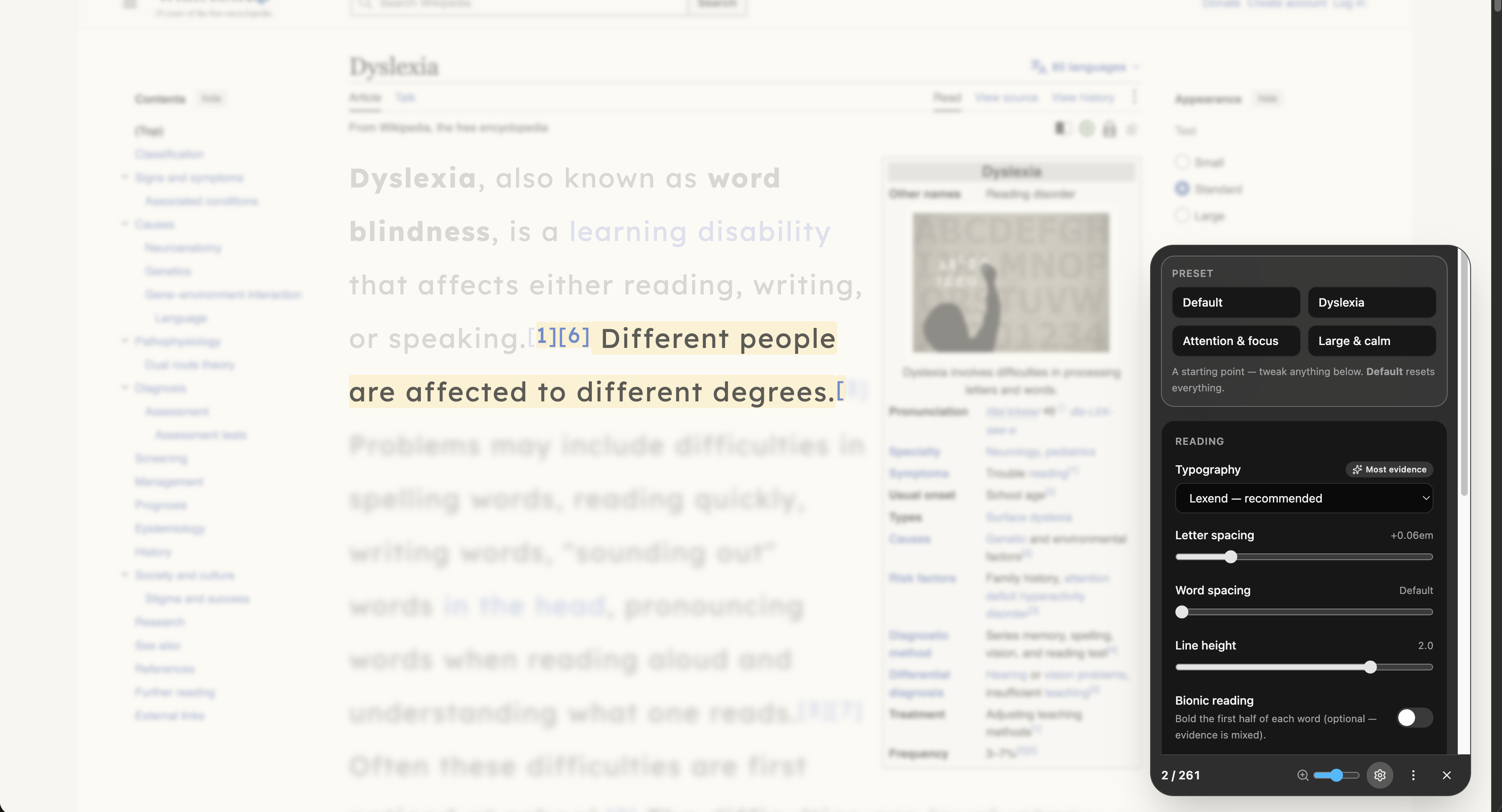
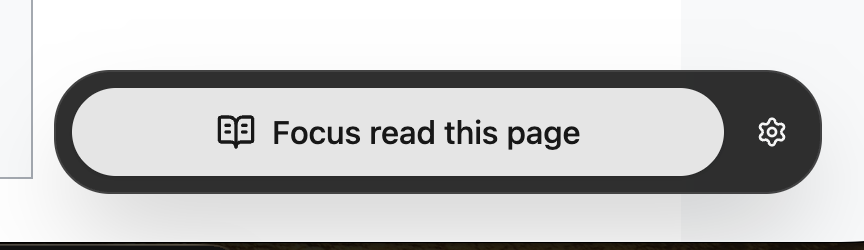
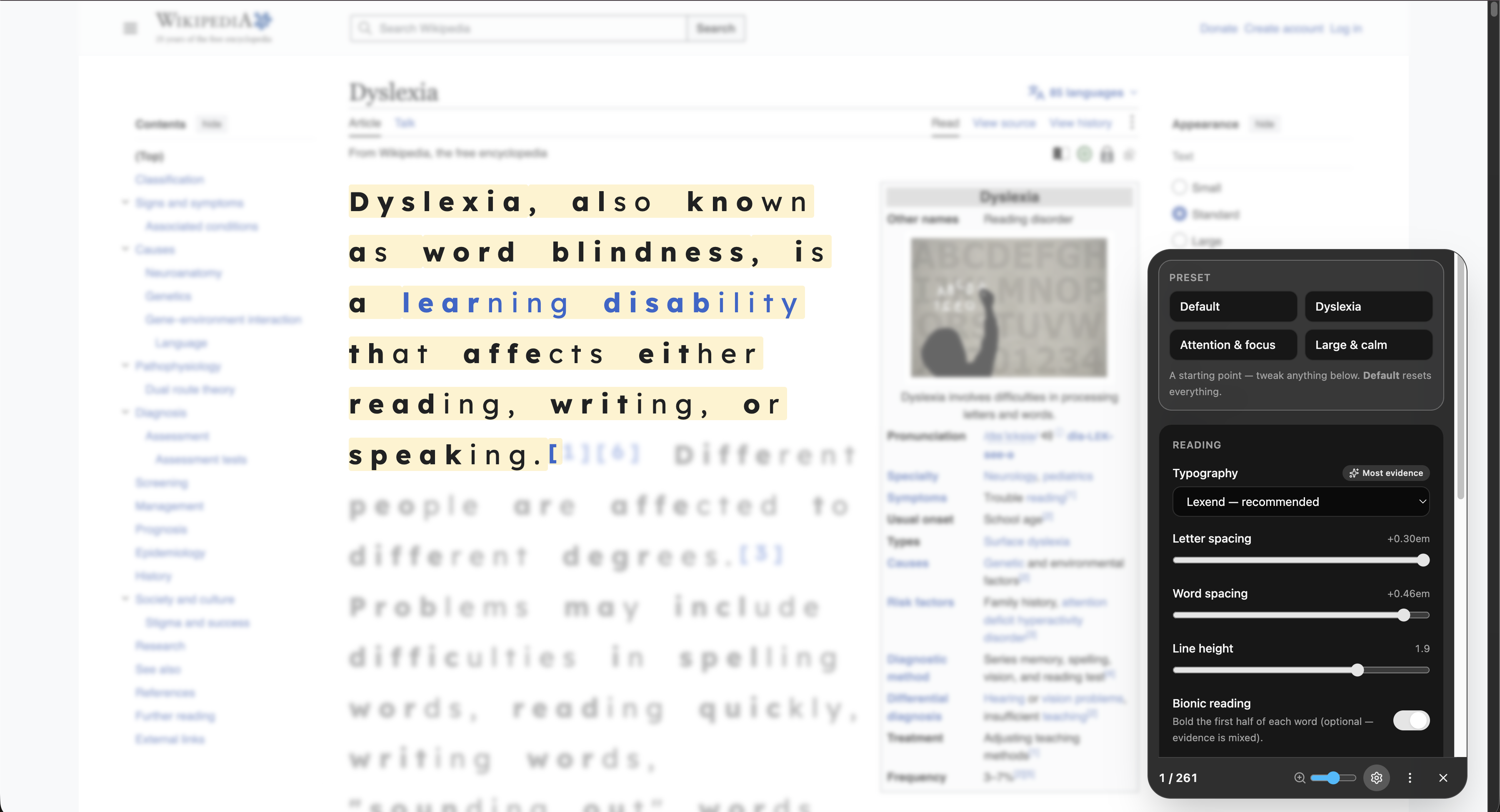
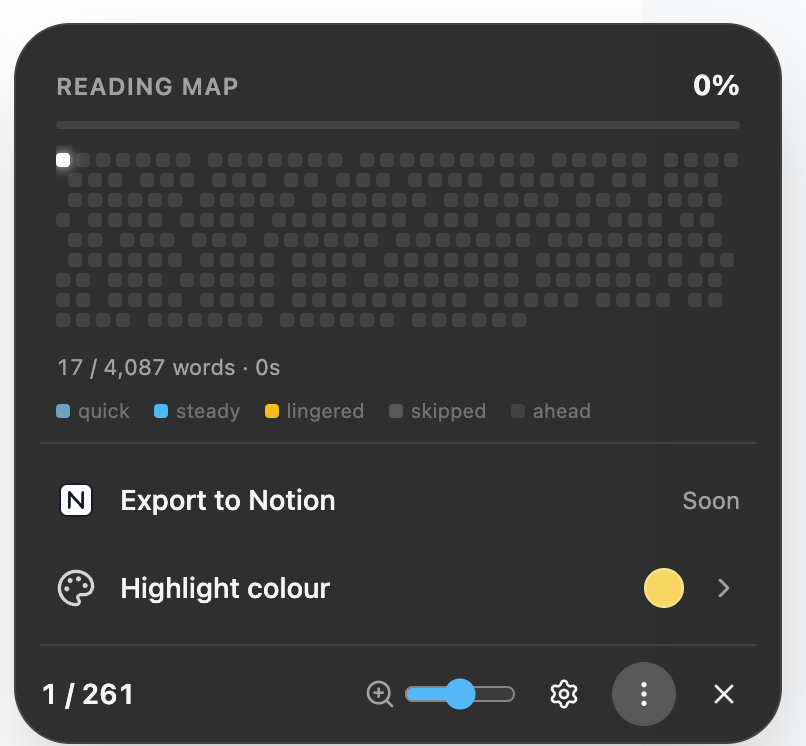
Tempo is a Chrome extension that calms down any webpage and reveals text one sentence at a time instead of throwing a full wall of text at you. You read at your own pace and never lose your place. It also comes with dyslexia-focused accessibility features like adjustable fonts, spacing, and overlays so reading feels as comfortable as possible.
How we built it
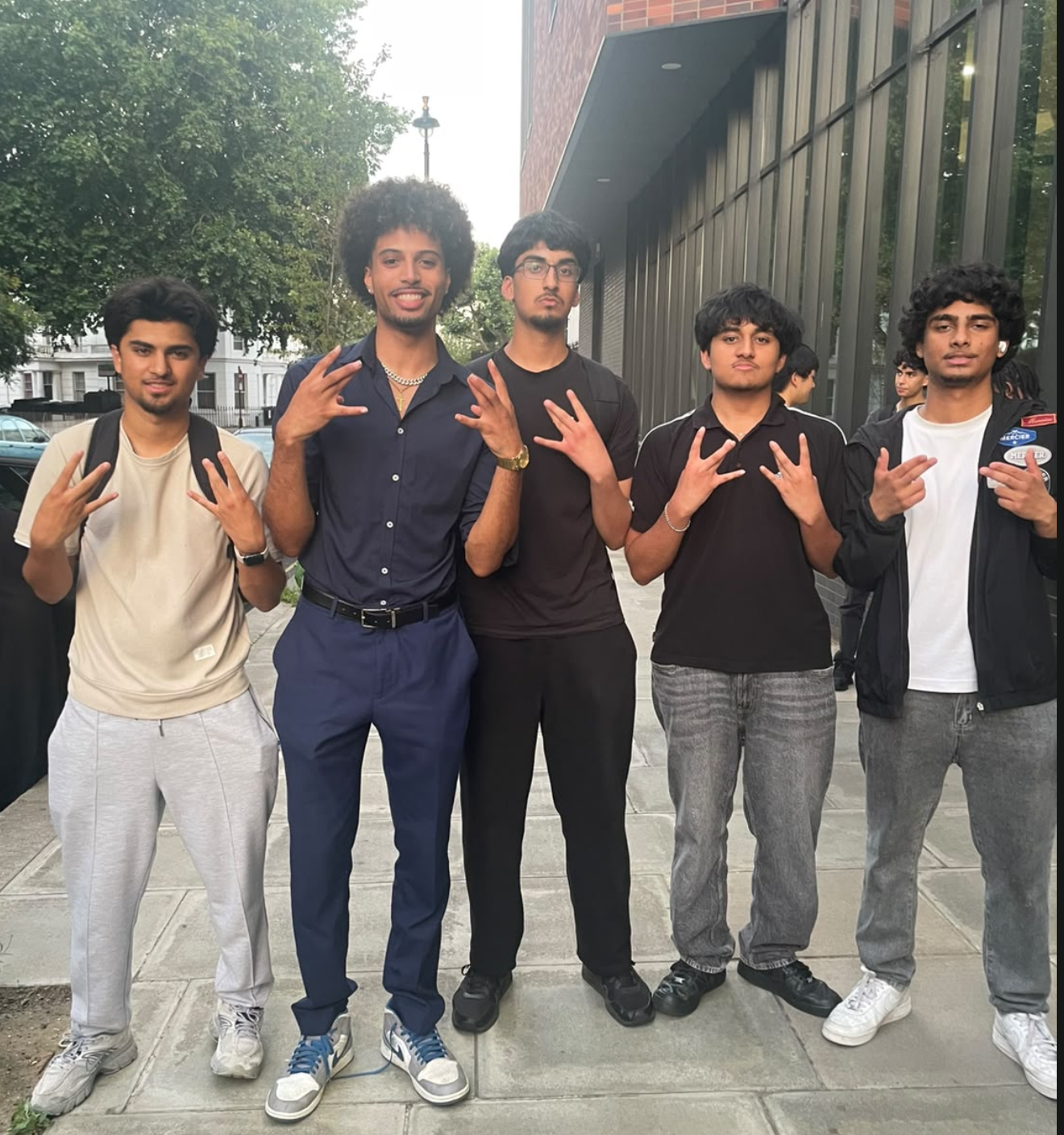
We built it as a Chrome extension using JavaScript, HTML/CSS, and the Chrome Extension APIs, all inside the 12-hour window. We split up fast — Parth, Vihaan and Saad handled research, ideation and the script/pitch, while I focused on actually building the extension. No sleep, way too much caffeine, and a whiteboard covered in half-legible ideas by hour 3.
Challenges we ran into
Honestly the biggest headache was just getting the extension's permissions and API access working properly — we burned a good chunk of time fighting with an API key that kept failing silently with no useful error message, which in a 12-hour hackathon feels like losing an hour you'll never get back. On top of that, agreeing on scope as a team was its own challenge — we had way more ideas than hours, so a lot of the day was just ruthlessly cutting features so we'd actually have something working by the deadline.
Accomplishments that we're proud of
Winning LeafHacks '26 outright, for one. But honestly just as proud that we went from a blank page to a working Chrome extension in 12 hours that does something real, not just a shiny prototype. We also worked properly as a team under pressure — nobody panicked, everyone just found their lane and got on with it, which made the whole day a lot smoother than it could've been.
What we learned
We learned how much a clear division of labour matters when time is that tight — the moment we stopped overlapping and just trusted each other's lane, we moved twice as fast. Also learned not to underestimate how much time "small" integration issues (like auth/API stuff) can eat into a hackathon timeline, so next time we'll stress-test that stuff earlier instead of assuming it'll just work.
What's next for Tempo
At the end of the day, the plan was simple: don't let this die as a one-off hackathon project. We wanted to keep building on it and actually turn it into something people could use for real.
Built With
- css
- html
- javascript
- next
- tailwinds


Log in or sign up for Devpost to join the conversation.