Inspiration
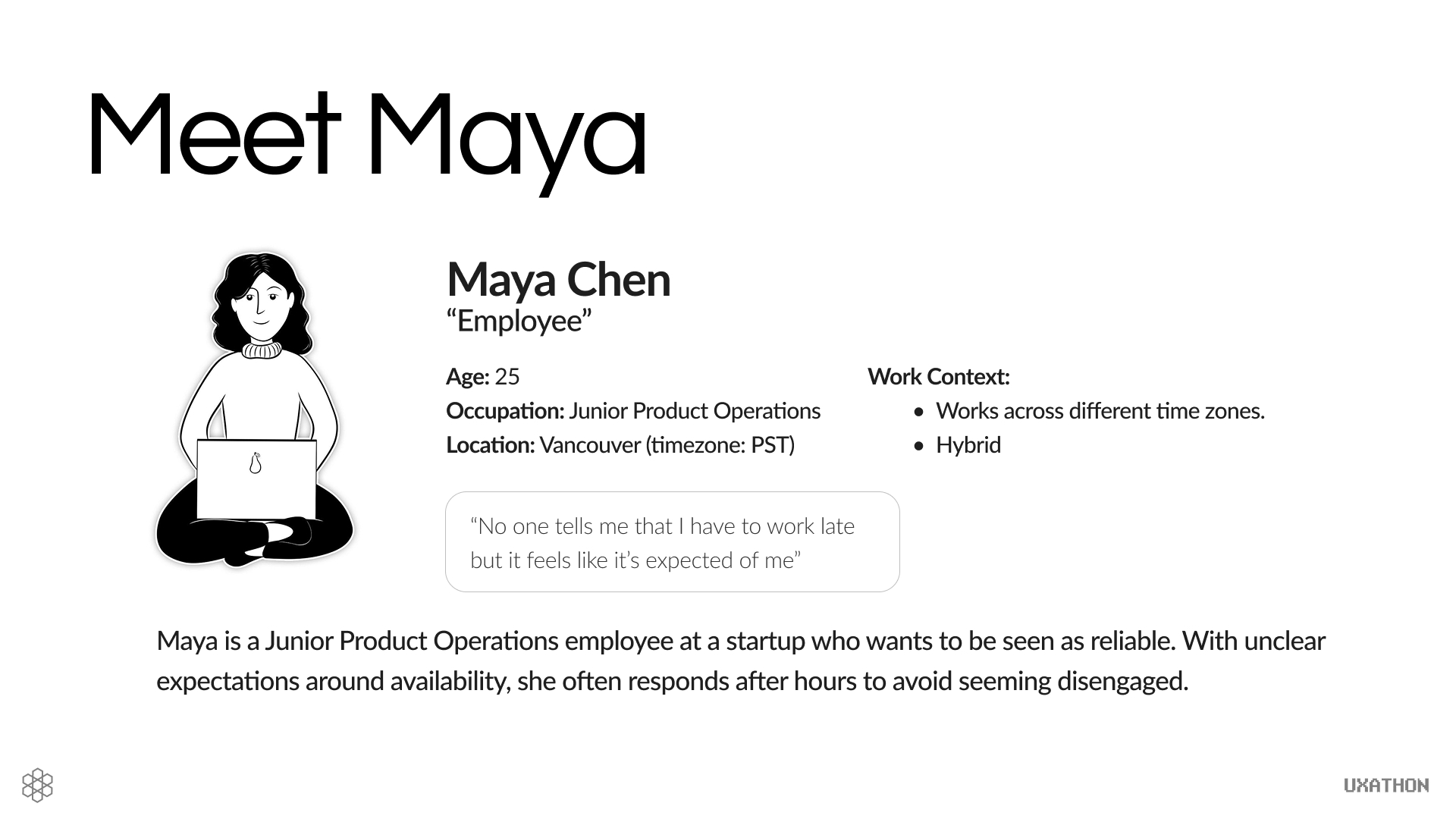
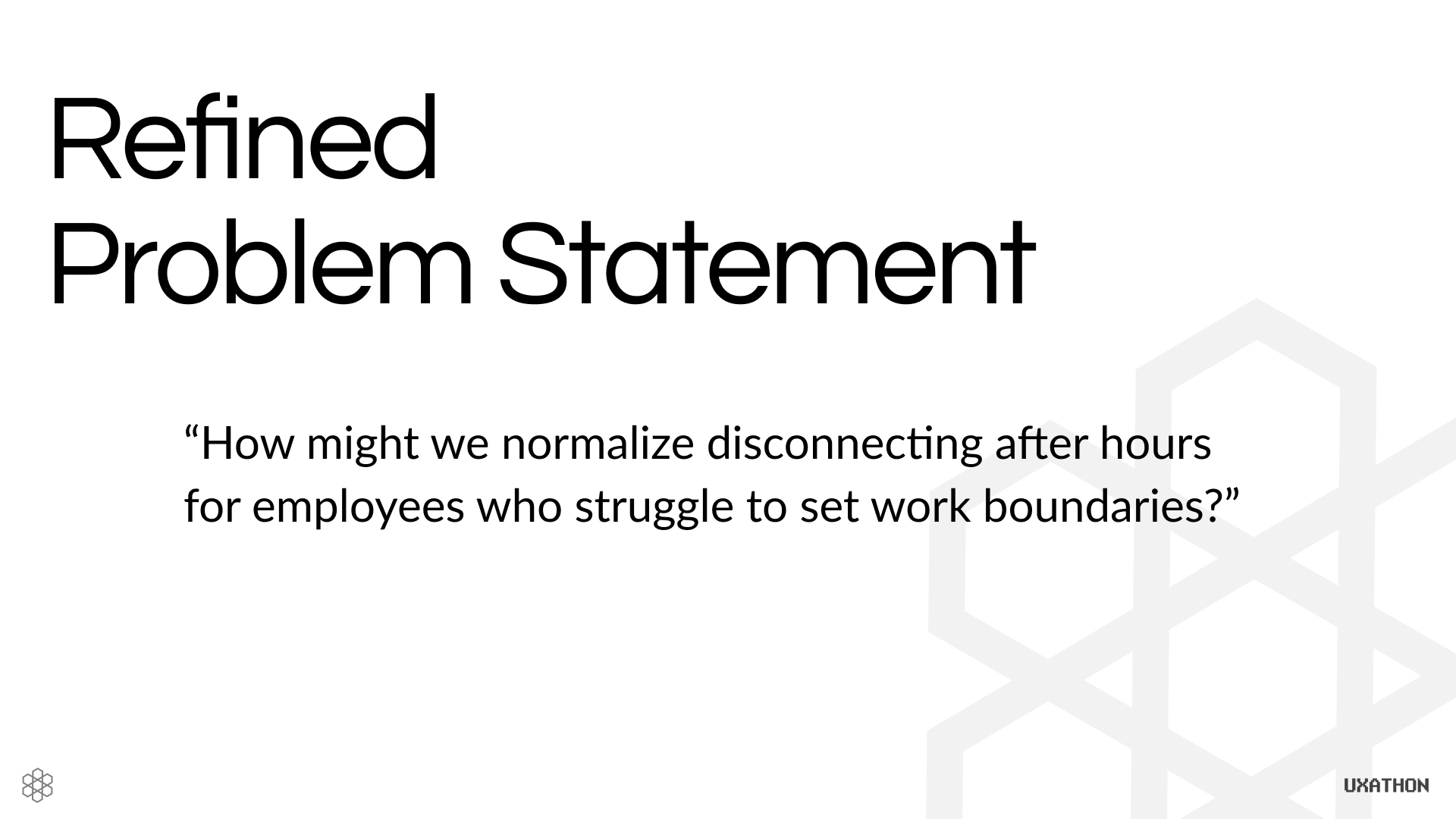
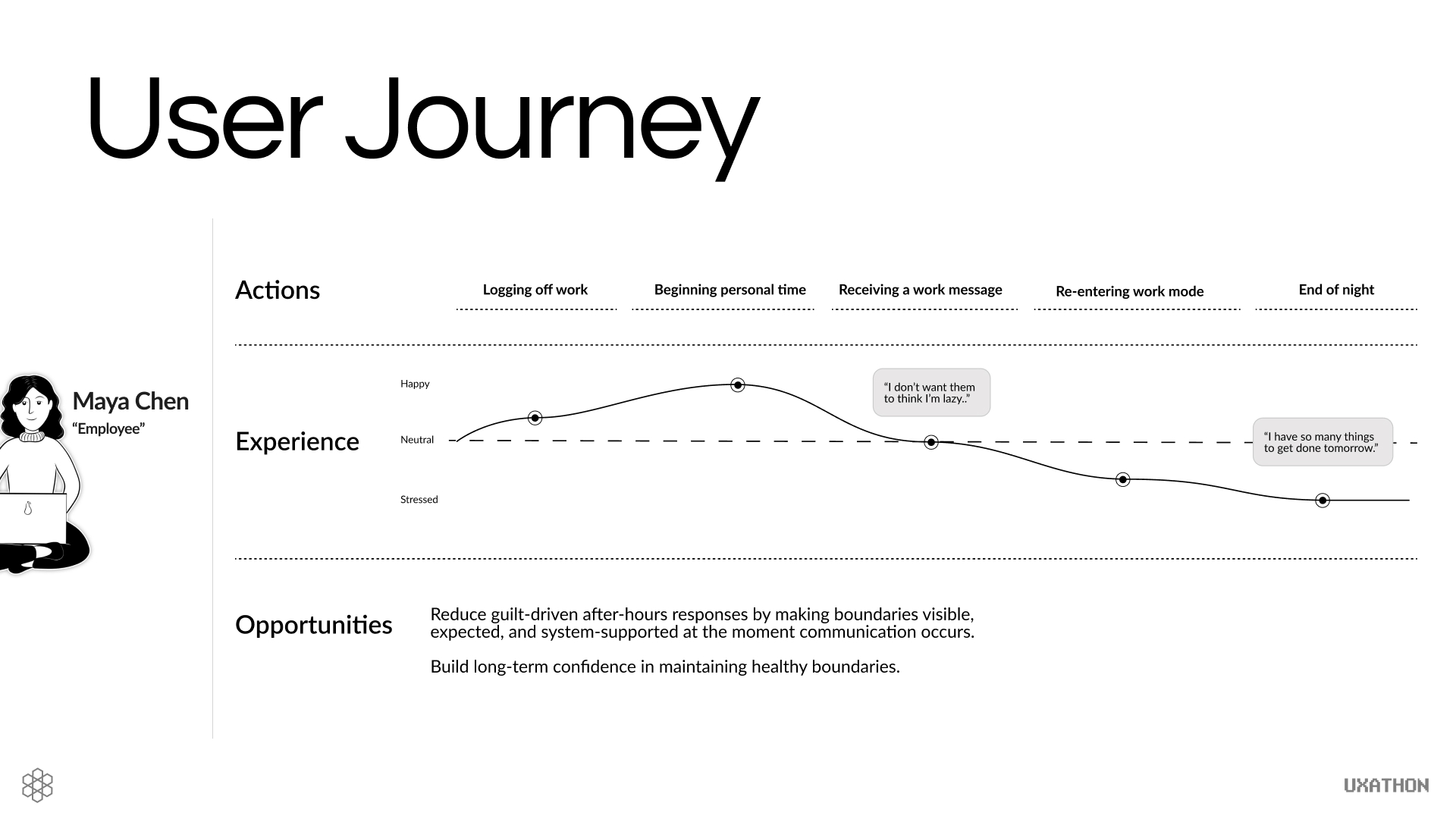
Our project was inspired by the experience of junior employees like Maya, a Product Operations associate working across time zones who wants to be seen as reliable but often feels pressure to respond after hours. While no one explicitly tells her to work late, the lack of clear boundaries makes being “always on” feel expected. This tension between availability and recovery time surfaced repeatedly in our research and became the core motivation behind Tempo.
What it does
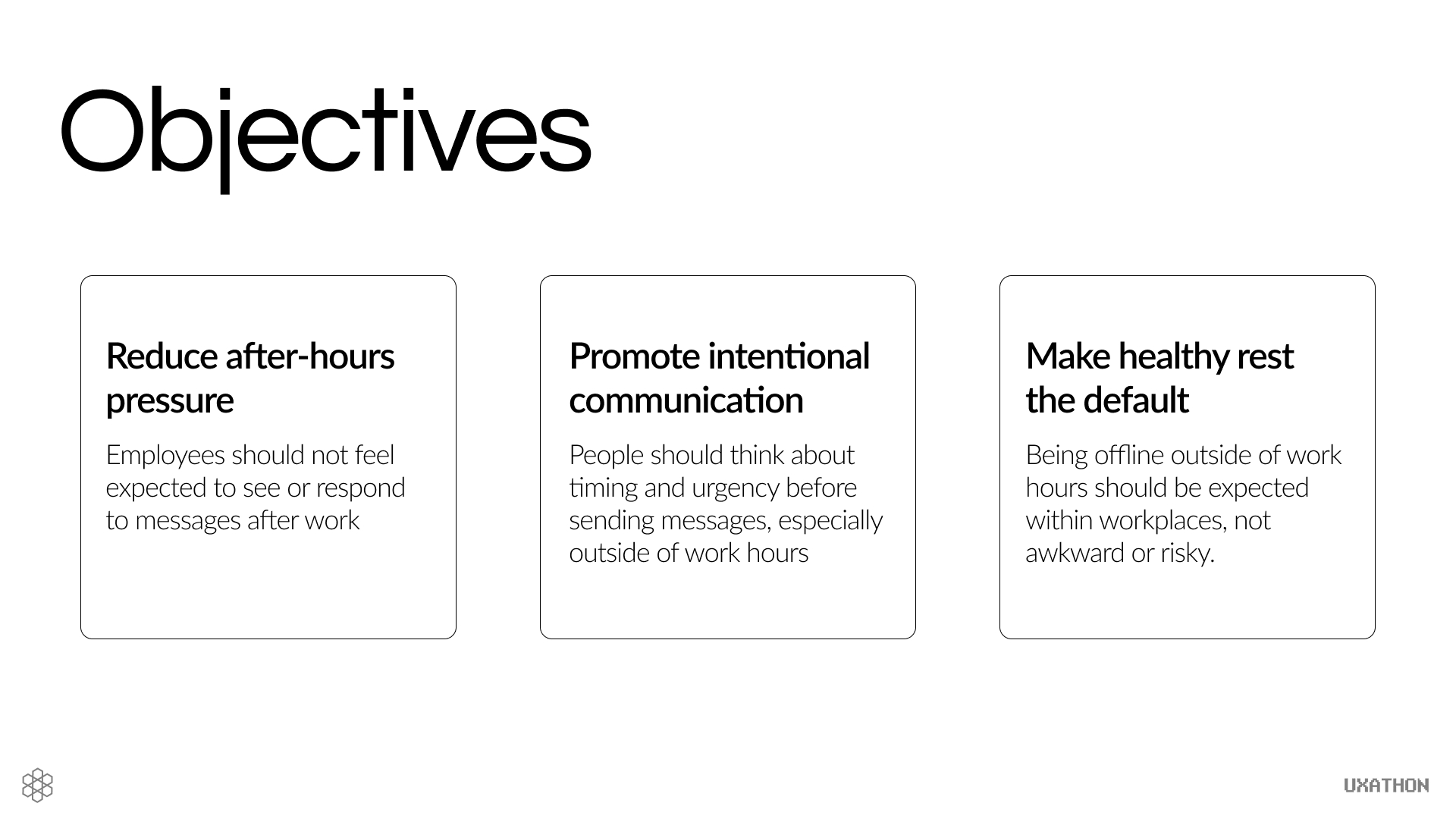
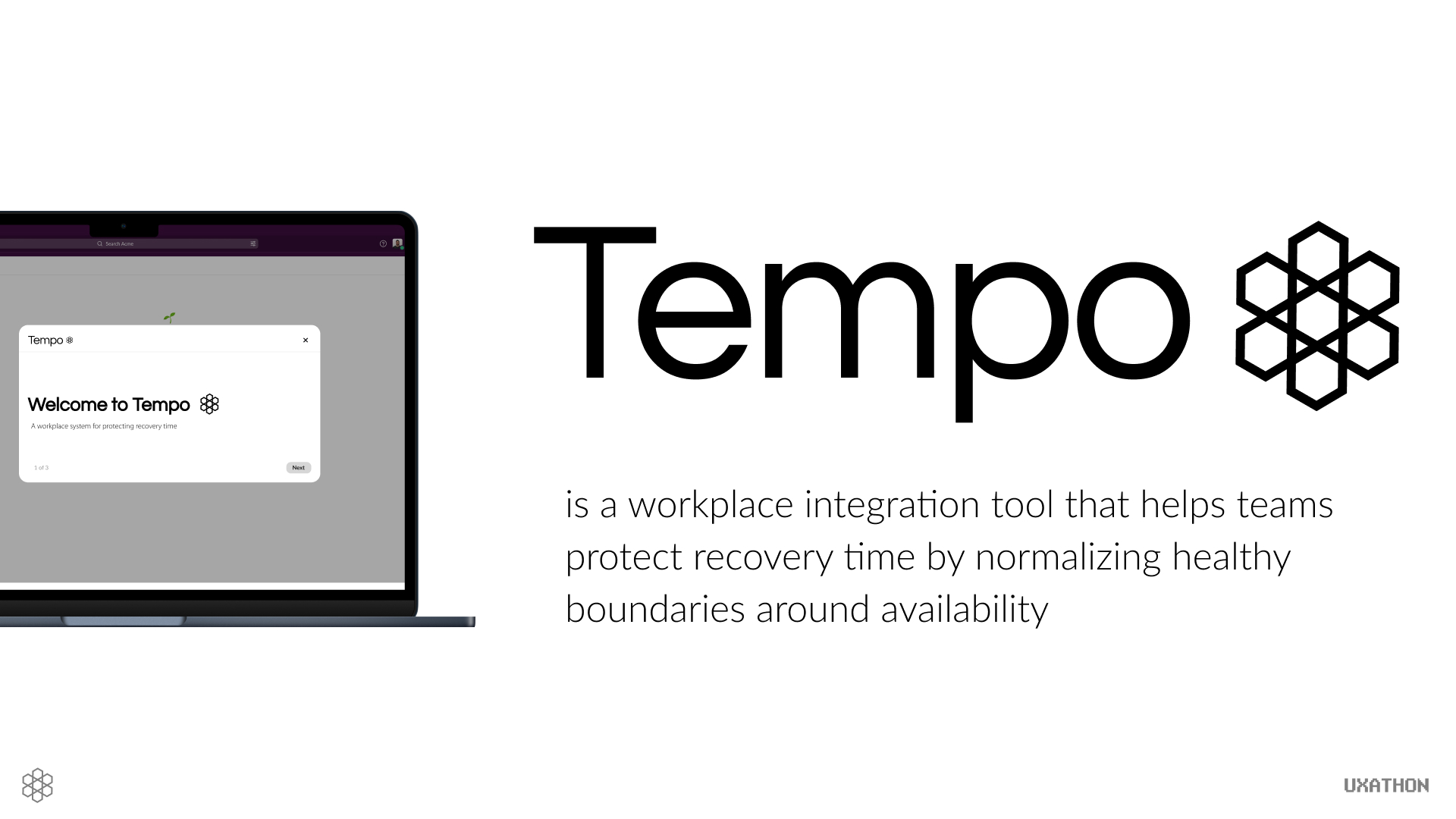
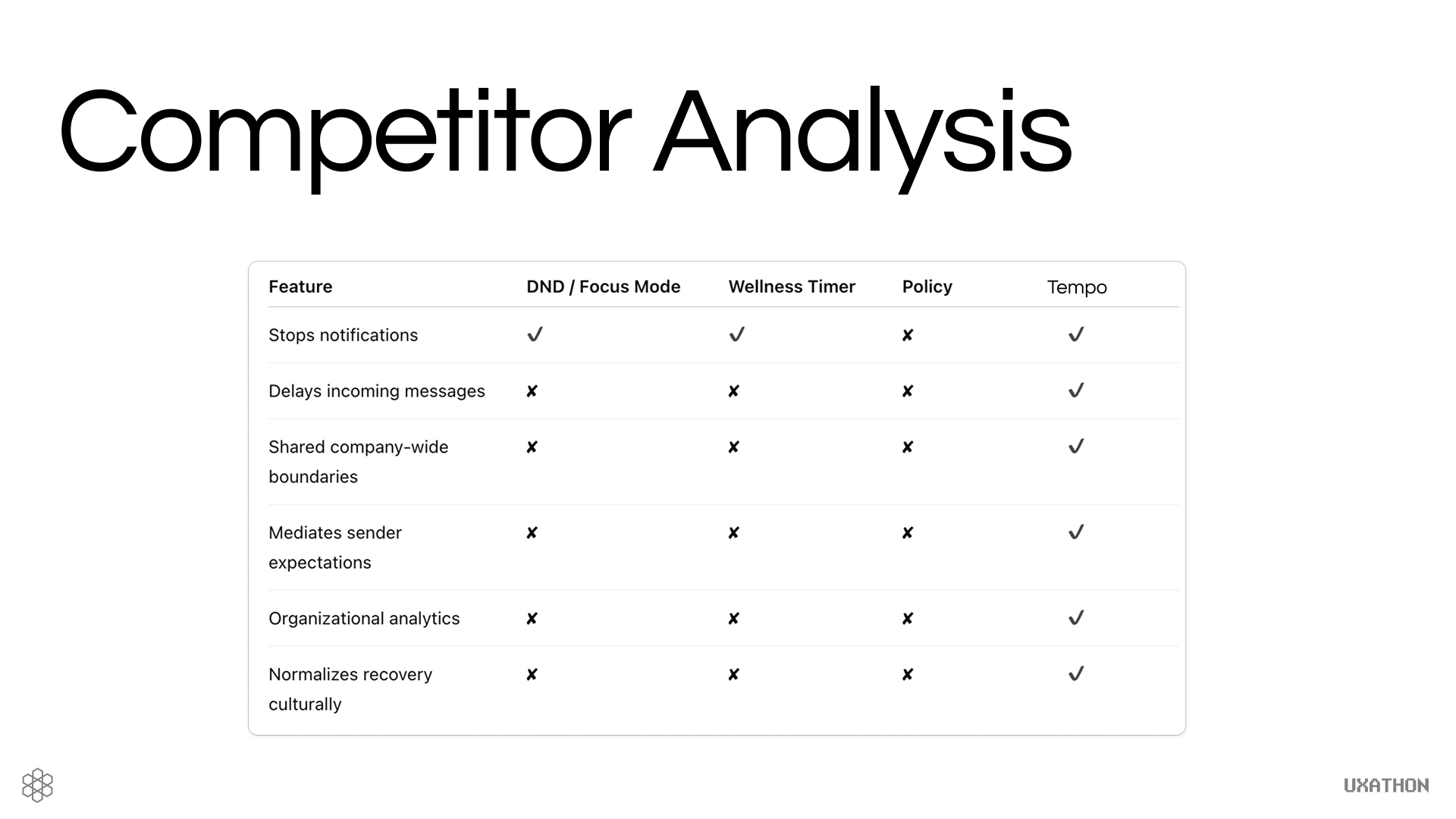
Tempo is a workplace integration tool that helps teams protect recovery time by normalizing healthy boundaries around availability. Built directly into Slack, Tempo intervenes at the moment communication happens. When someone sends a message outside of work hours, non-urgent messages are automatically delayed and scheduled for the next work period, while truly urgent messages can still be sent intentionally. By making boundaries visible and system-supported, Tempo reduces guilt-driven after-hours responses and removes the need for individual negotiation.
How we built it
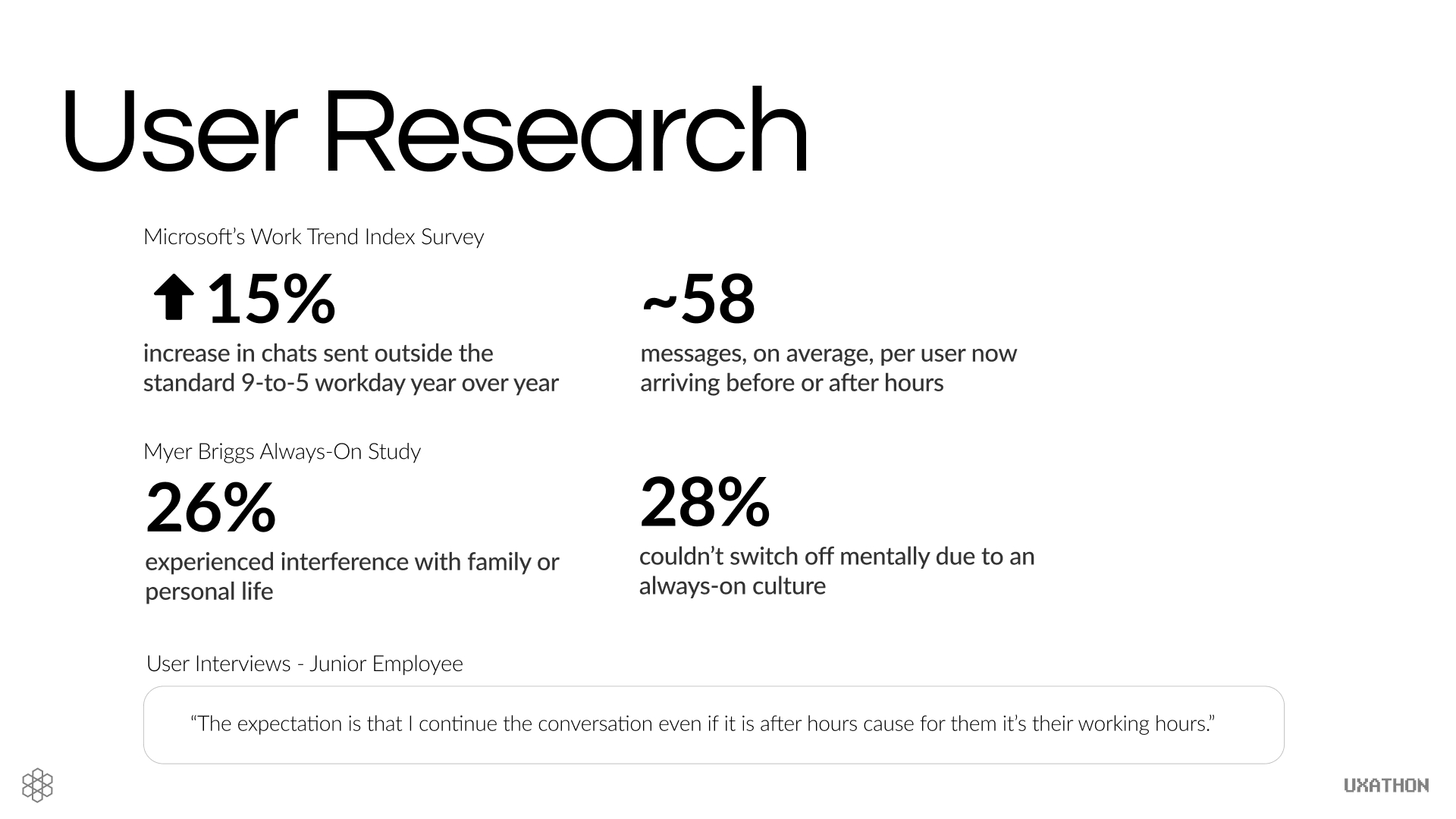
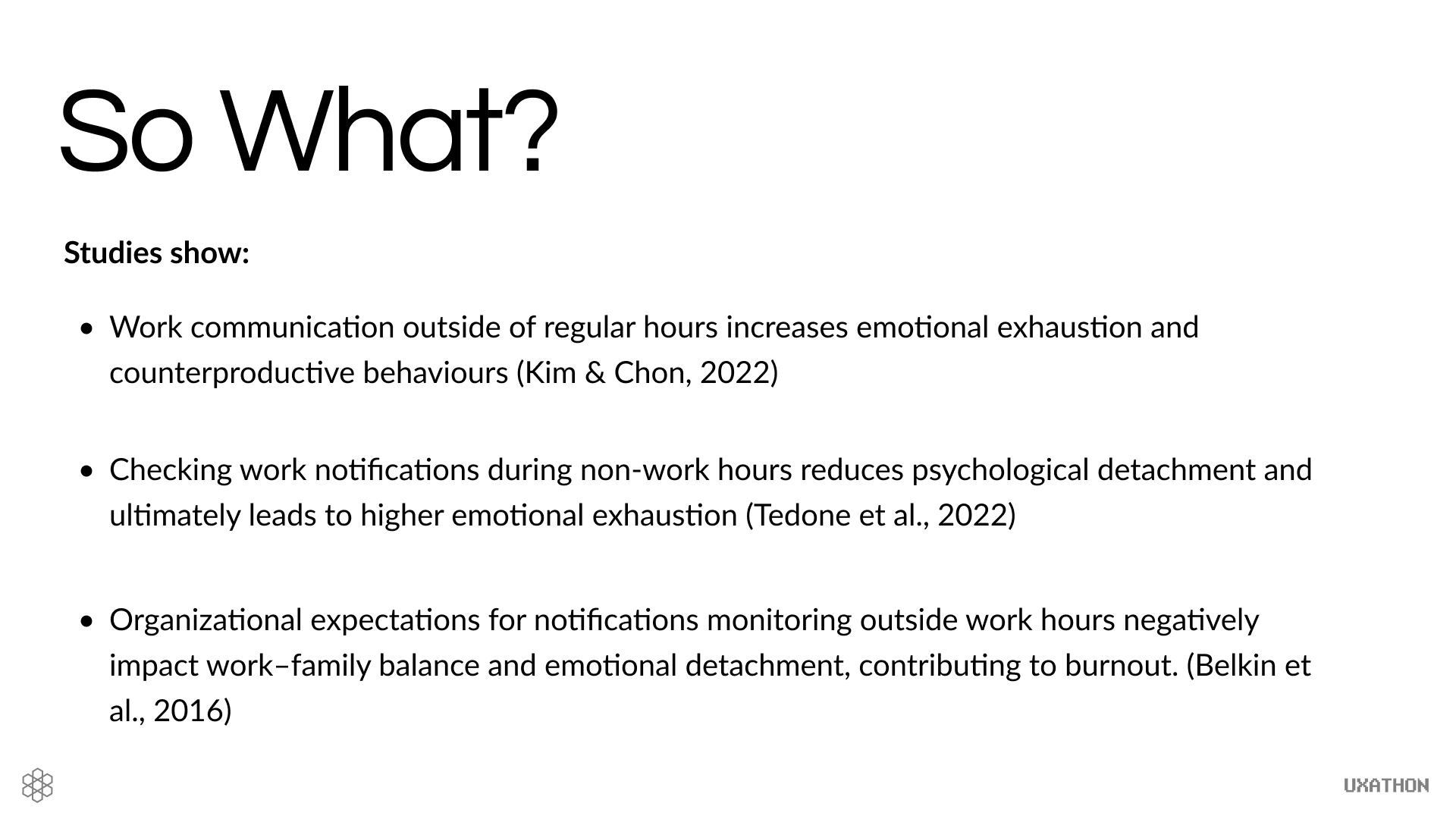
We grounded our design in secondary research and user interviews that highlighted the growing volume of after-hours communication and its impact on mental detachment and work–life balance. Research shows that checking work messages outside regular hours increases emotional exhaustion and contributes to burnout. Using these insights, we mapped Maya’s journey from logging off to receiving after-hours messages and identified key intervention points where the system—not the individual—could step in. We prototyped Tempo in Figma, focusing on sender-side friction, clear microcopy, and Slack-native patterns.
Challenges we ran into
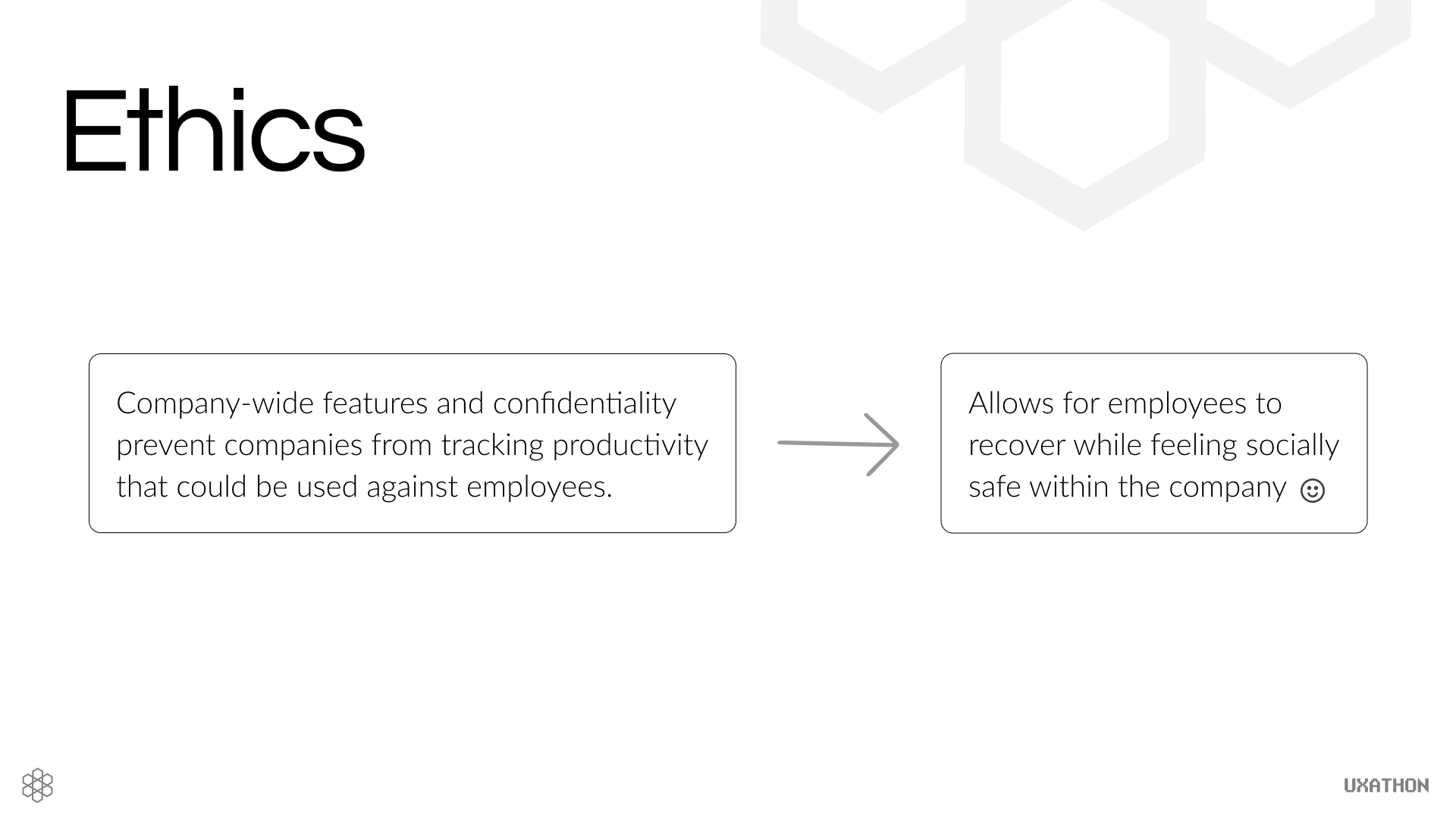
One of our main challenges was balancing protection with flexibility. We wanted to discourage unnecessary interruptions without blocking legitimate emergencies. Another challenge was avoiding surveillance. We intentionally designed Tempo’s admin dashboard to surface only aggregate communication patterns rather than individual productivity data, ensuring insights support healthier norms without creating risk for employees.
Accomplishments that we're proud of
We’re proud of designing a system that reframes recovery as a shared workplace responsibility rather than a personal boundary employees must defend on their own. Tempo shifts expectations at an organizational level, making being offline after hours expected instead of risky. We also successfully integrated ethical considerations into the design by preventing individual-level tracking and reinforcing social safety.
What we learned
This project reinforced the importance of designing at the point of action. Intervening before a message is sent is far more effective than asking employees to manage boundaries after the fact. We also learned how language, defaults, and visibility can shape workplace norms just as much as formal policies.
What's next for Tempo
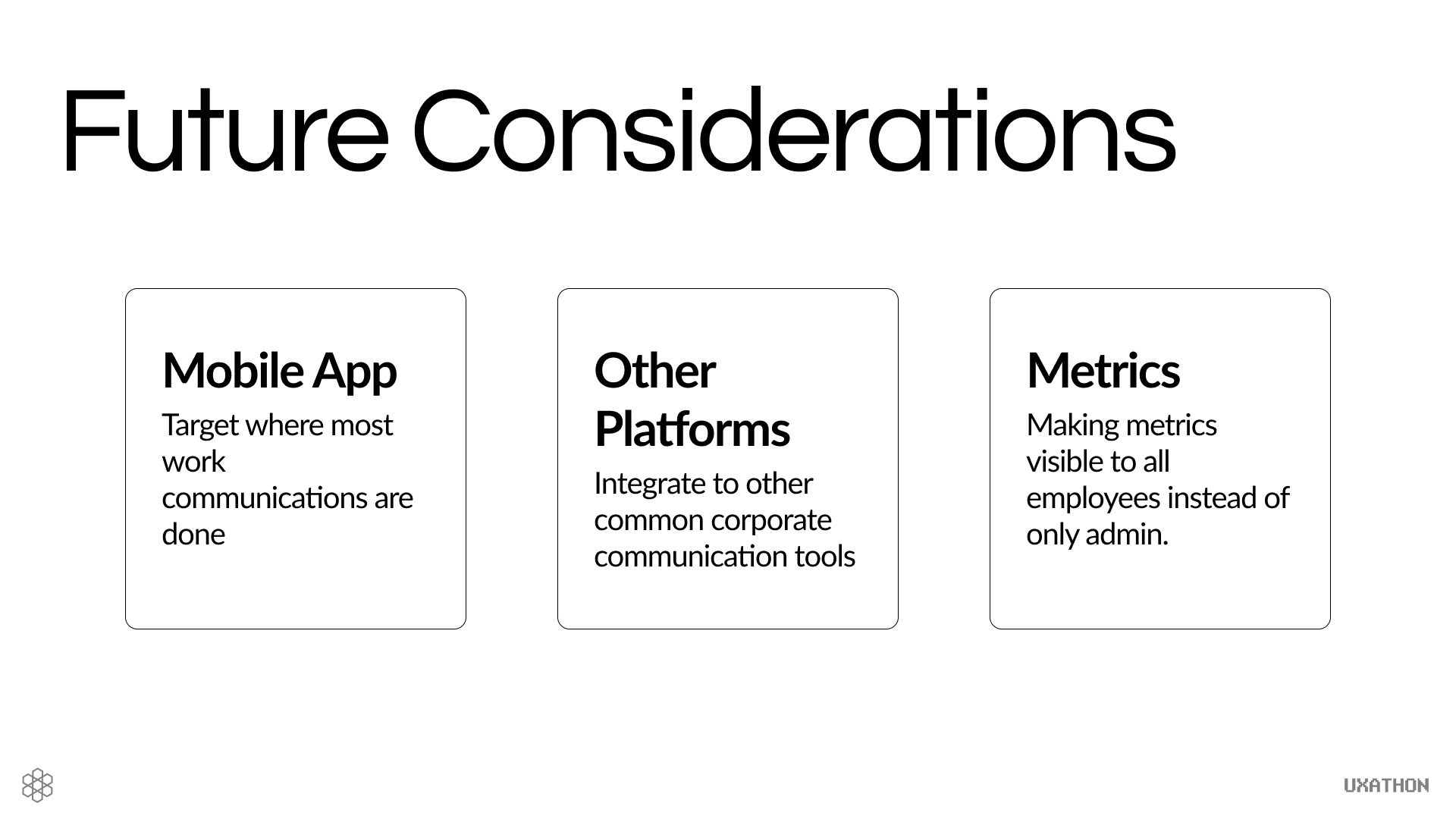
Future iterations of Tempo could expand beyond Slack to other communication platforms, introduce a lightweight mobile companion, and make aggregate metrics visible to employees as well as admins. These additions would further support transparency, trust, and intentional communication at scale.
Built With
- figma

Log in or sign up for Devpost to join the conversation.