The Inspiration
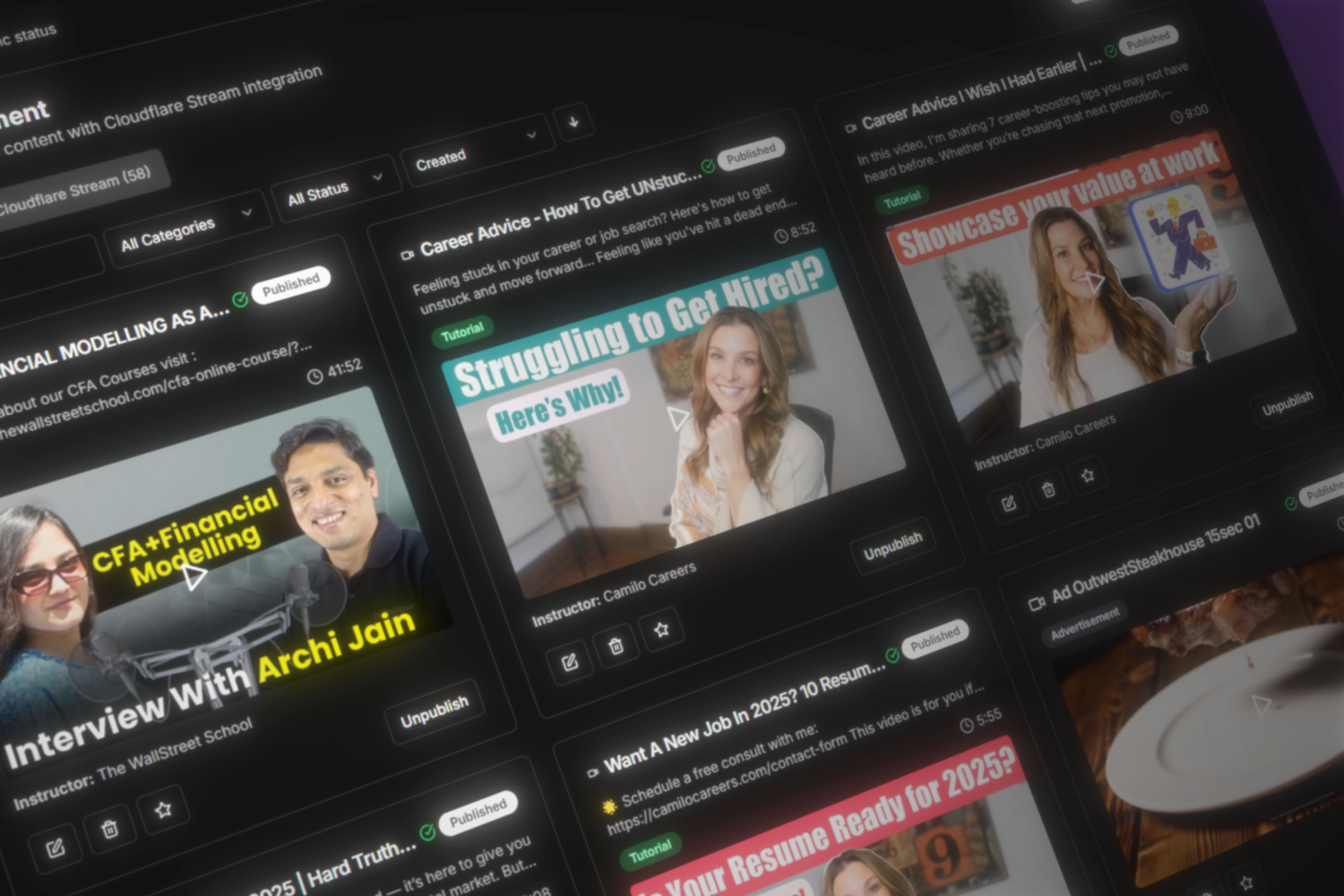
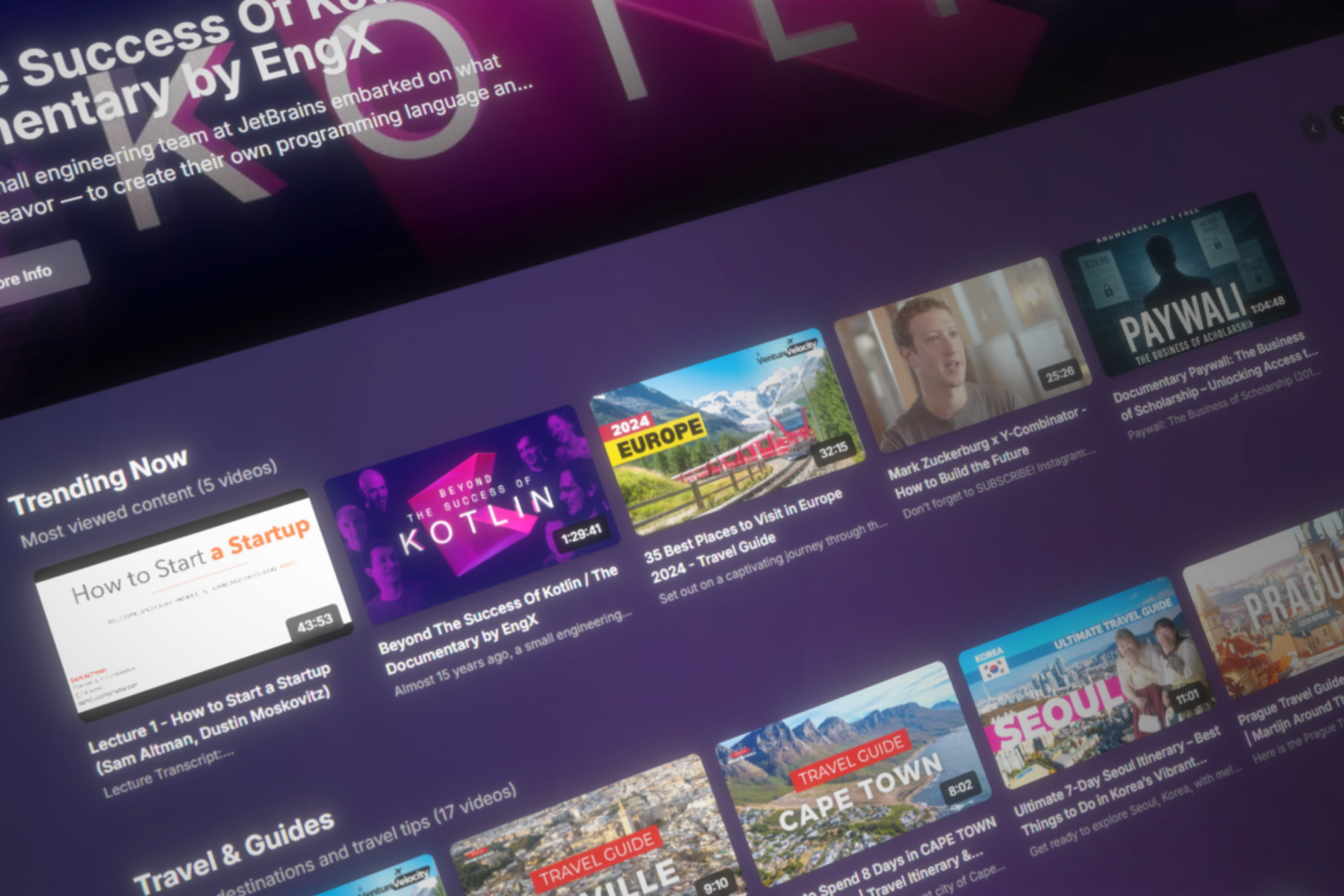
When a top 10 university with over 183,000 students approached me to develop a streaming platform, I saw an opportunity beyond just building another video player. The university was struggling with the same problem plaguing the entire AVOD industry: how to make advertising sustainable without ruining the viewer experience.
Traditional streaming treats viewers as passive consumers and advertising as a necessary evil. But what if ads weren't interruptions? What if they were actually relevant content that viewers wanted to see? This question became the foundation of Tempest.
The Vision
We set out to shatter conventional development timelines and prove what's possible when AI amplifies human expertise. Building a production-ready streaming platform typically takes 6-12 months with a full team. We gave ourselves 30 days with just two people.
This wasn't about shortcuts or compromises—it was about breaking the mold. We wanted to demonstrate the compound effect that occurs when AI tools like Bolt.new are paired with refined skillsets in both development and creative. Could we build enterprise-grade infrastructure in a month? Could we make it beautiful, functional, and innovative?
The answer would redefine what small teams can accomplish. By transforming one-way streaming into two-way conversations, we'd not only solve the AVOD problem but also showcase the future of AI-accelerated development.
What We Learned
Bolt.new as a Development Accelerator
Bolt.new transformed our two-person team into a development powerhouse. Where traditional development requires constant context switching between documentation, coding, and debugging, Bolt kept us in a state of flow.
Bolt's Superpowers:
- Instant Prototyping: We could describe a feature and watch it materialize in real-time
- Component Generation: Complex UI components that would take hours took minutes
- Smart Debugging: Bolt understood our intent and helped fix issues before they became blockers
- Architecture Guidance: When building the interactive overlay system, Bolt suggested patterns that saved days of trial and error
The compound effect was remarkable. My year of learning development combined with Bolt's capabilities created a multiplication effect—not just faster coding, but smarter architecture decisions and cleaner implementations.
The Power of Pre-Planning and Blueprint Testing
Our secret weapon was the Week 1 pre-planning phase using Cursor paired with Claude Opus and Sonnet 4. This wasn't about building the actual application—it was strategic reconnaissance. We created throwaway prototypes, tested integration points, and mapped the entire technical landscape before committing to production code.
Claude Opus excelled at system design and identifying architectural patterns, while Sonnet 4 helped us rapidly test technical assumptions and validate our approach. We built small proof-of-concepts for every major feature, understanding how pieces would connect without getting bogged down in production details.
This blueprint testing phase revealed:
- Which integrations would work seamlessly vs require workarounds
- The exact boundaries of each tool's capabilities
- Hidden complexity in seemingly simple features
- Optimal data flow and state management patterns
- Where Bolt would excel and where we'd need Cursor's power
AVOD Can Work for Everyone
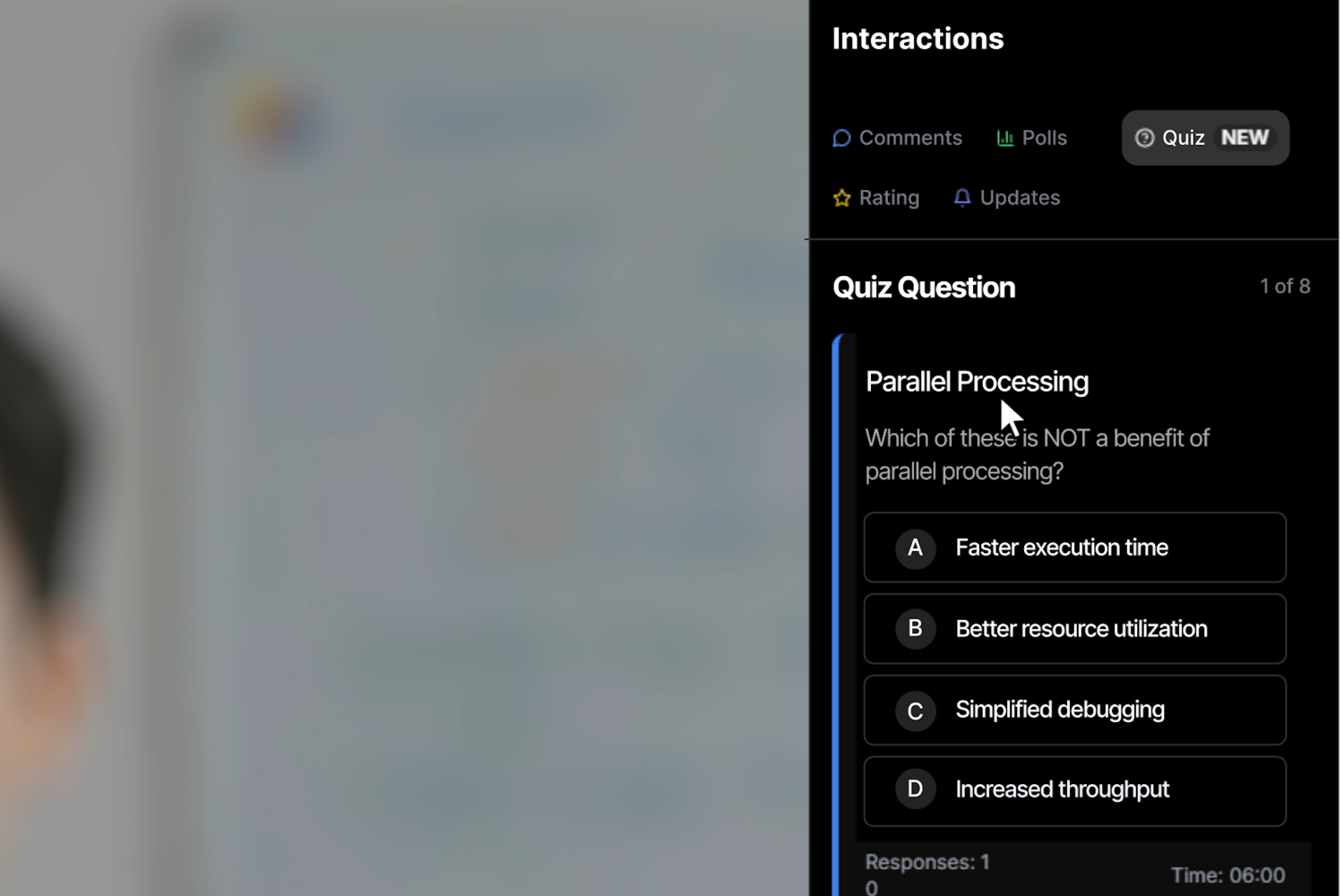
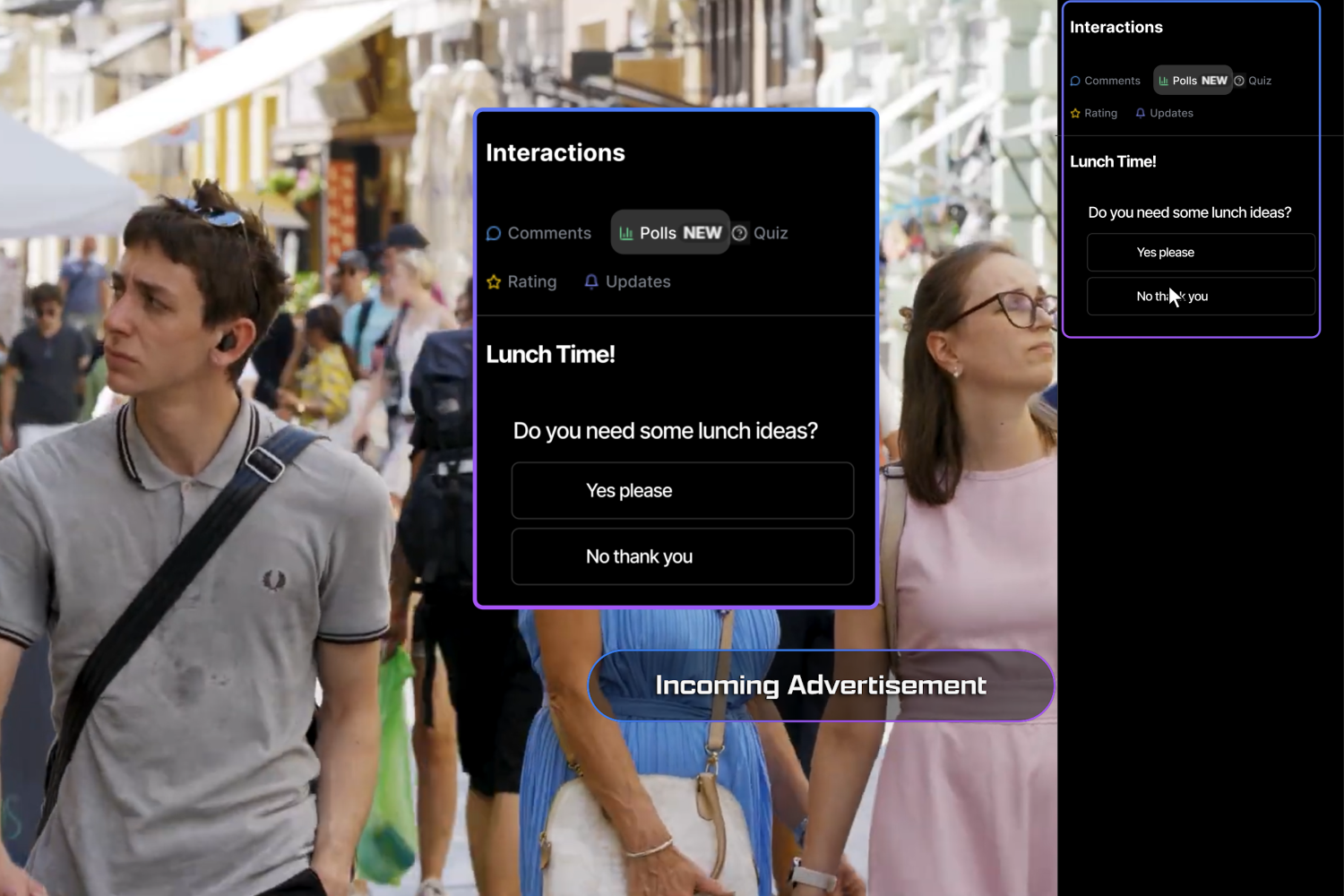
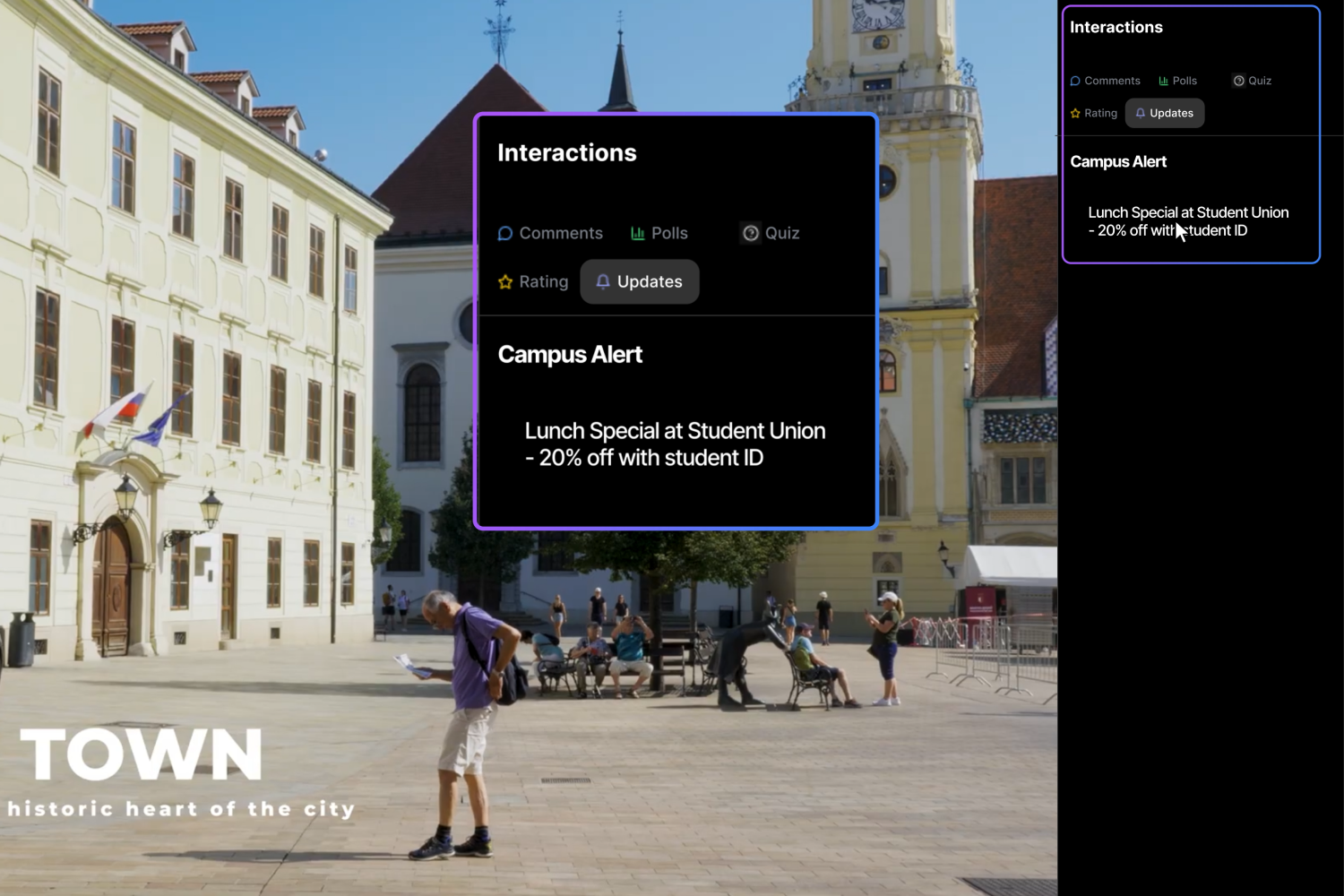
By focusing on relevance over volume, we proved that advertising can enhance rather than interrupt the viewing experience. When a pizza ad appears right when students indicate they're hungry through their interactions, it's not an annoyance—it's a service.
Creative + Technical Synergy
This project proved that development and creative expertise are equally crucial. Building the platform was only half the challenge—creating compelling content that demonstrated its value was just as important.
How We Built It
Week 1: Strategic Pre-Build & Creative Foundation
The first week was our strategic advantage. Using Cursor with Claude Opus and Sonnet 4, we pre-built the entire application architecture:
Technical Pre-Build (Cursor + Claude):
- Architecture Design: Claude Opus helped design the complete system architecture, from database schemas to API structures
- Feature Prototyping: Built working prototypes of every major feature to understand complexity
- Infrastructure Testing: Tested Supabase, Clerk, and Cloudflare integrations to identify constraints
- Code Templates: Created reusable patterns and components that would accelerate Bolt development
Creative Development:
- Developed 10 parody companies for advertising demonstration
- Mapped behavioral triggers to ad placements
- Created content scenarios that showcased platform value
This wasn't wasted effort—it was strategic reconnaissance. By building everything once in Cursor, we knew exactly what was possible, what would be challenging, and how to maximize Bolt's strengths.
Week 2: Bolt Acceleration & Asset Creation
Armed with our complete blueprint from Week 1, we leveraged Bolt.new with surgical precision:
Bolt Development:
- Recreated core components 5x faster than traditional development
- Used our pre-built architecture as a guide, avoiding dead ends
- Let Bolt handle the heavy lifting of UI generation and basic logic
- Knew exactly when we'd hit Bolt's limits and planned accordingly
Creative Production:
- Generated visual assets for all 10 parody brands using AI
- Created video content for interactive demonstrations
- Developed the polling and quiz content library
The Week 1 blueprint made Bolt incredibly effective. Instead of discovering limitations during development, we worked within known boundaries and extracted maximum value.
Week 3: Advanced Features with Cursor + Claude
When Bolt reached its planned limits, we seamlessly transitioned back to Cursor with Claude Opus and Sonnet 4 for advanced features:
Complex Implementation:
- Real-time Systems: Claude Opus designed the WebSocket architecture for sub-500ms latency
- Behavioral Tracking: Sonnet 4 implemented the sophisticated event tracking system
- Ad Intelligence: Built the recommendation engine connecting user behavior to ad placement
- Content Moderation: Created pattern recognition for automated moderation
Cursor + Claude Advantages:
- Deep codebase understanding across multiple files
- Complex refactoring capabilities
- Advanced debugging of real-time features
- Performance optimization at scale
Week 4: Polish, Scale, and Integration
With our full toolkit operational, we achieved enterprise-grade quality:
- Optimized for 5,000+ concurrent users using Claude's performance insights
- Integrated all systems into a cohesive platform
- Refined UI/UX based on our initial vision
- Created compelling demo scenarios
The Challenges We Faced
Technical Hurdles
Real-time at Scale: Ensuring sub-500ms latency required careful architecture. Our Week 1 pre-build with Claude Opus identified the optimal approach, which we then implemented efficiently in Bolt before enhancing with Cursor.
Platform Navigation: The Cursor + Claude pre-build phase revealed exactly where Bolt would excel and where it would struggle. This foresight turned potential roadblocks into planned transitions.
Strategic Tool Usage
The Three-Tool Symphony:
- Cursor + Claude: Deep architectural work, complex features, performance optimization
- Bolt.new: Rapid UI development, component generation, standard features
- Strategic Transitions: Knowing when to use which tool based on our Week 1 learnings
Creative Challenges
Brand Development: Creating 10 believable parody companies required significant creative effort, demonstrating that AI amplifies human creativity rather than replacing it.
Behavioral Scenarios: Designing interactive content that naturally led to relevant ad opportunities required thinking like both a content creator and an advertiser.
The Outcome
In 30 days, we built more than a streaming platform—we built proof that AI-powered development can compress months into weeks without sacrificing quality. Our strategic approach:
- Week 1 Pre-Build: Created complete blueprint with Cursor + Claude
- Bolt Acceleration: Leveraged blueprint for 5x development speed
- Advanced Features: Returned to Cursor + Claude for complex systems
- Seamless Integration: Combined all tools' strengths into production-ready platform
Tempest proves that when you respect viewer attention and make advertising relevant, everyone wins:
- Viewers get content enhanced by useful information
- Publishers monetize more effectively with engaged audiences
- Advertisers reach people who actually want their products
Most importantly, we demonstrated the compound effect of AI tools when used strategically. It's not about using one tool—it's about orchestrating multiple AI assistants to amplify human expertise.
Looking Forward
Tempest is ready for its university deployment, but its implications reach far beyond education. We've proven that:
- Small teams can build enterprise-grade platforms in 30 days
- AI tools multiply human expertise rather than replace it
- Strategic tool selection and transitions are key to velocity
- The future of development is AI-human collaboration
The 30-day sprint is over, but Tempest's journey is just beginning. We've shown what's possible when you combine human creativity, strategic AI orchestration, and genuine problem-solving. The future isn't just about faster development—it's about building better solutions that create value for everyone involved.
Test Access
User username: User01 password: DECj#20s
Admin
username: Admin02
password: DECj#20s
Built With
- clerk
- cloudflare
- next.js
- stream
- supabase

Log in or sign up for Devpost to join the conversation.