-
-
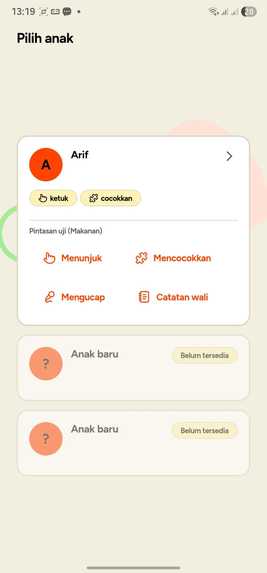
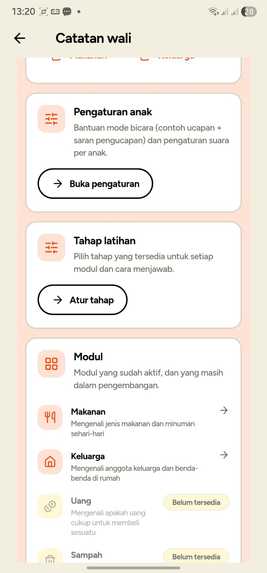
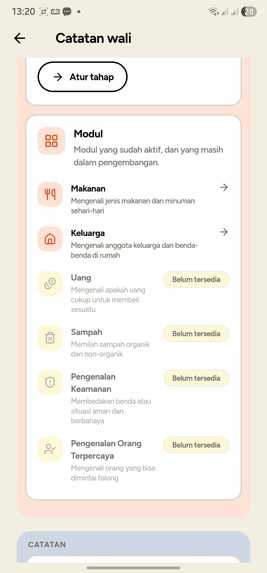
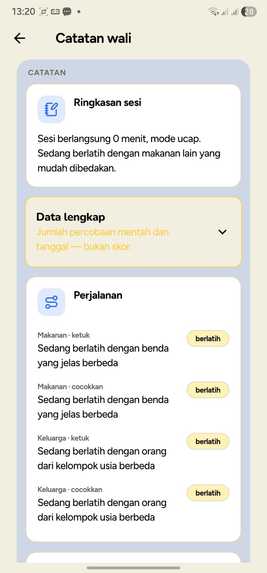
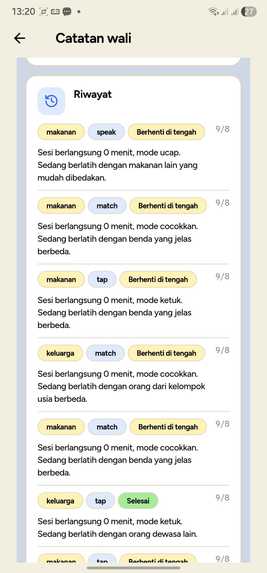
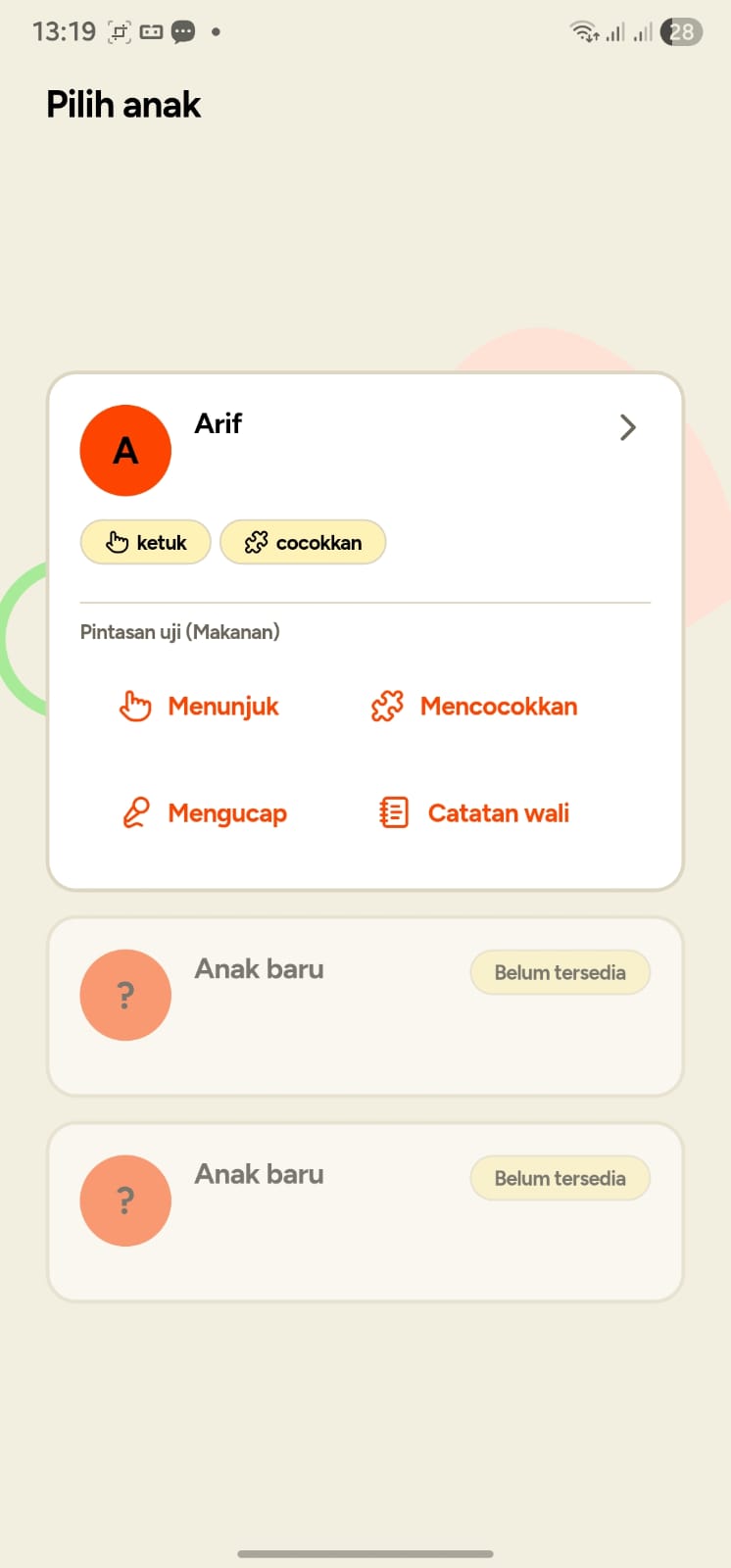
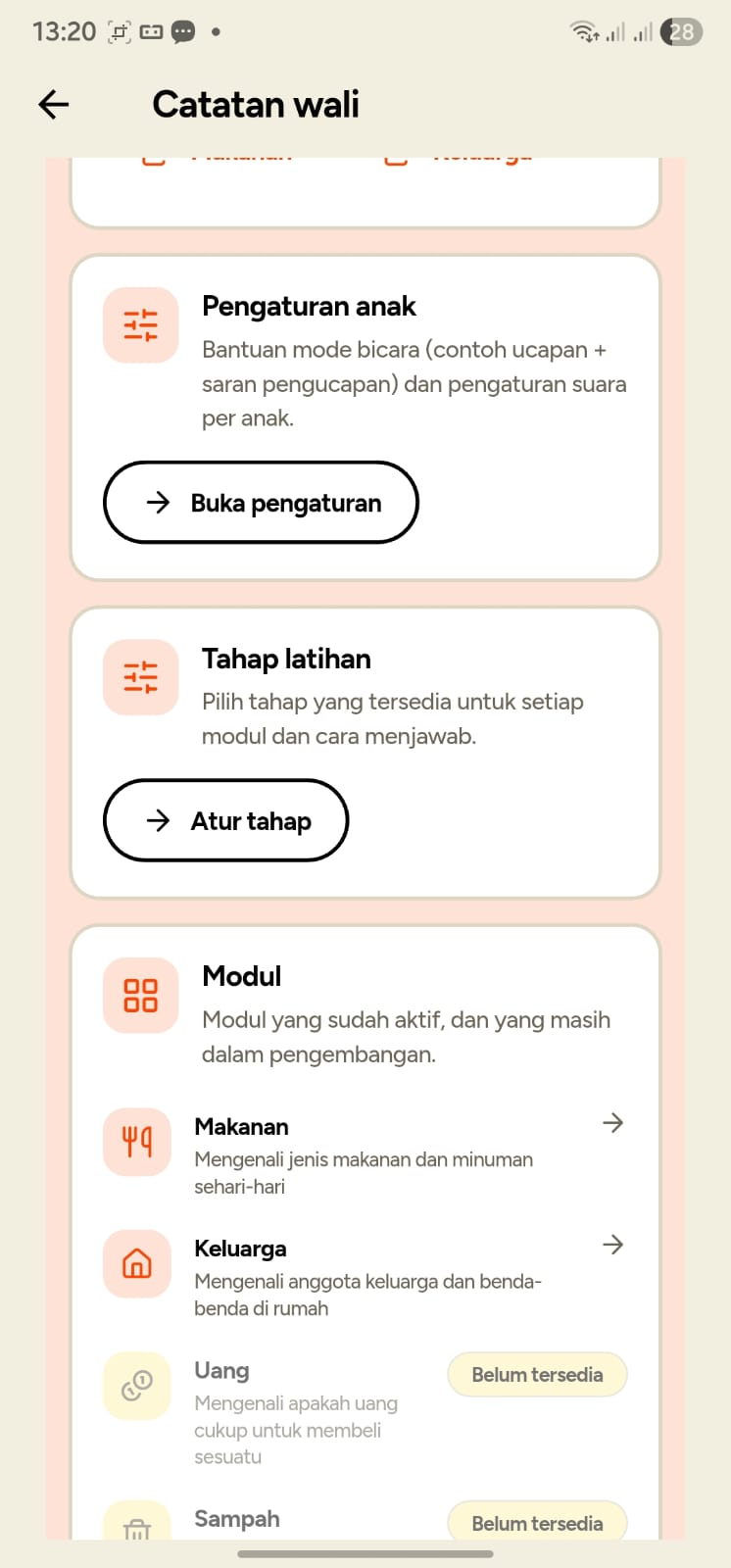
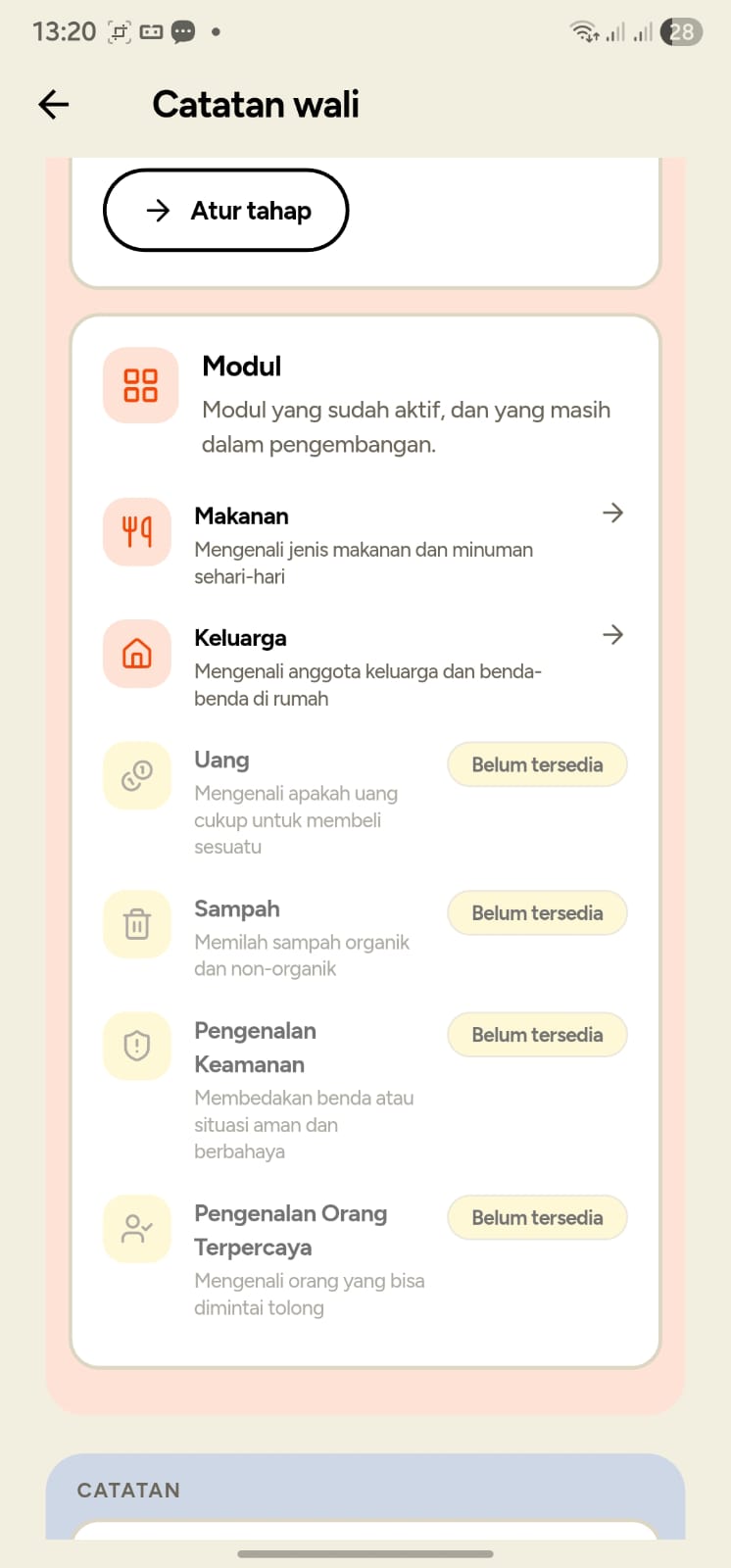
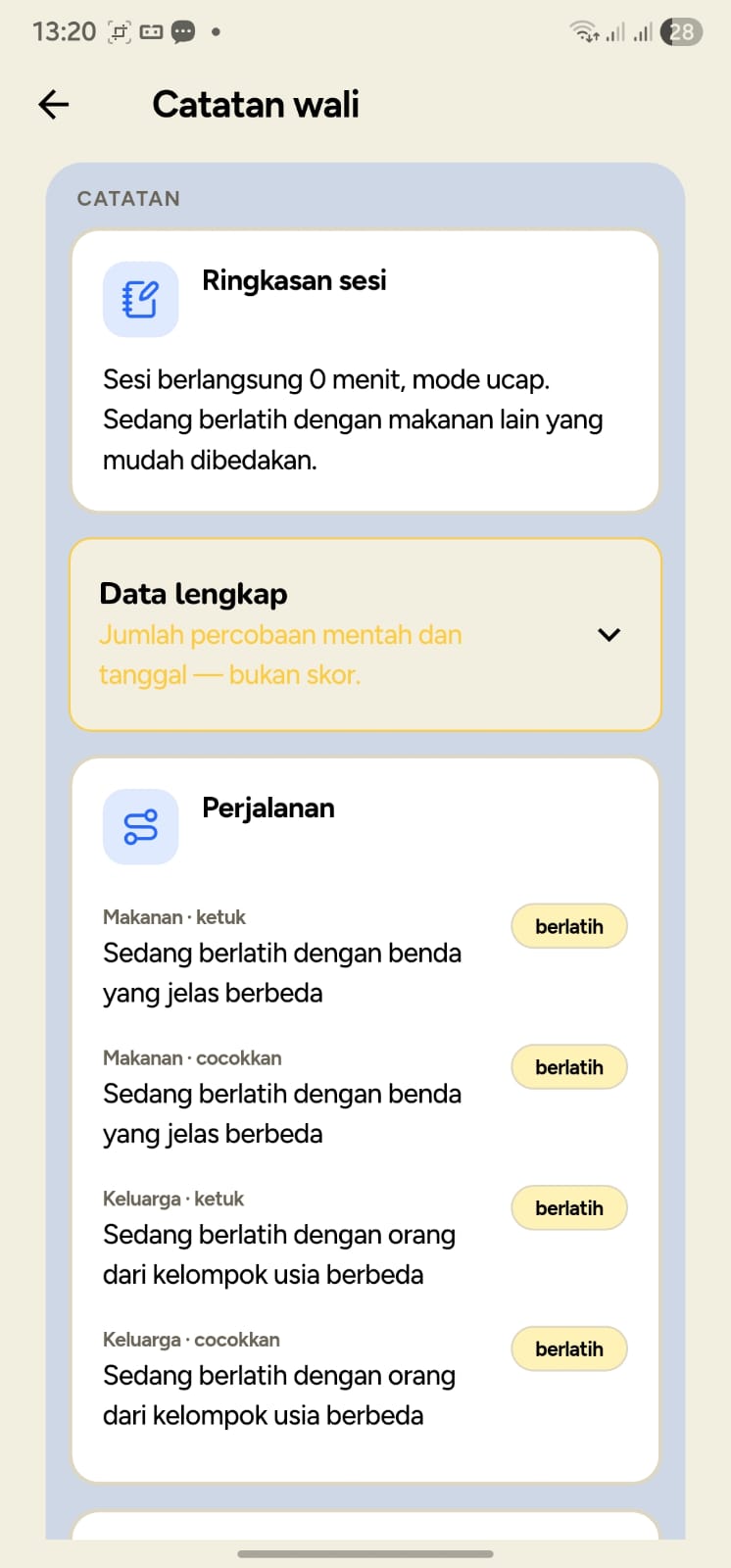
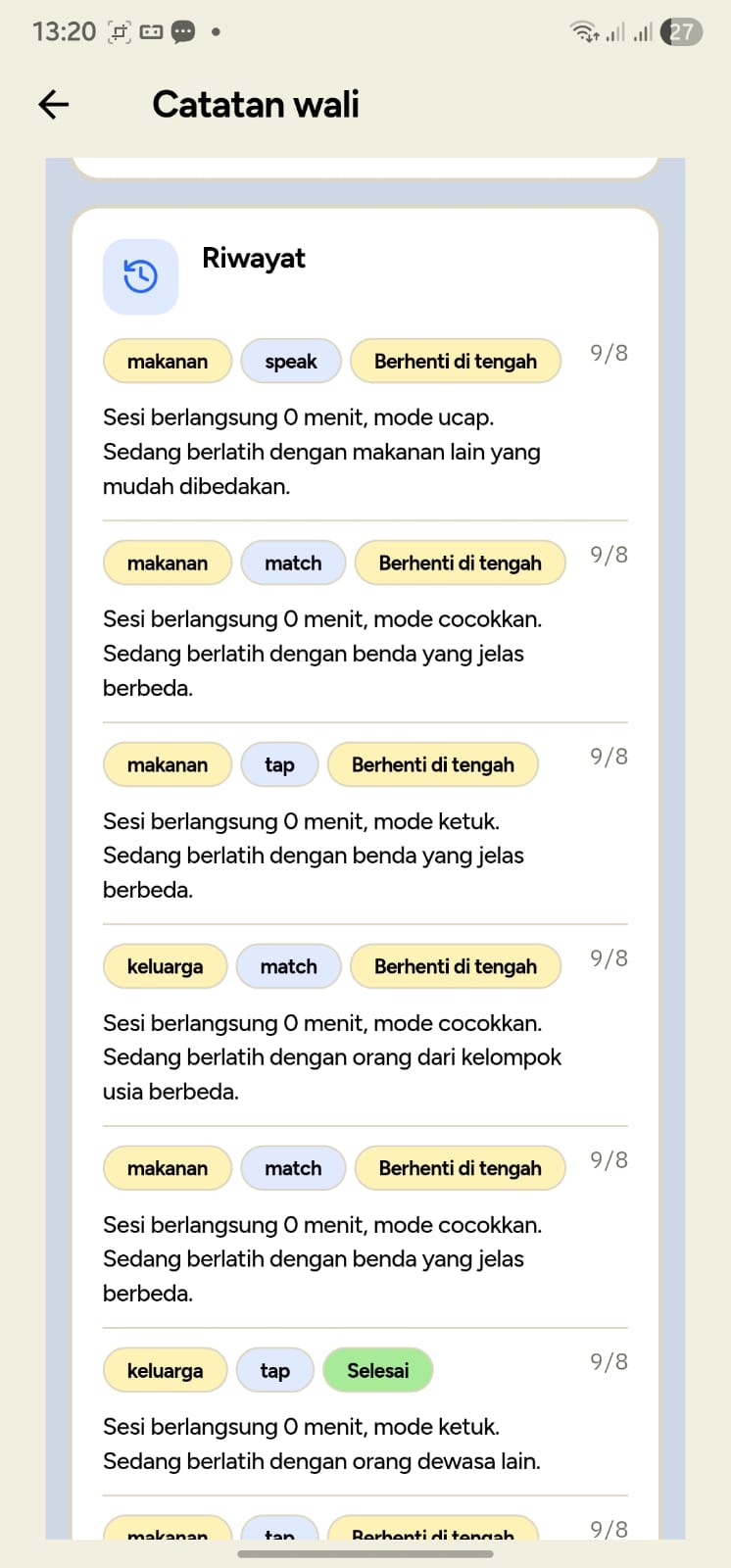
Main Guardian Screen, each guardian could oversee multiple kids.
-
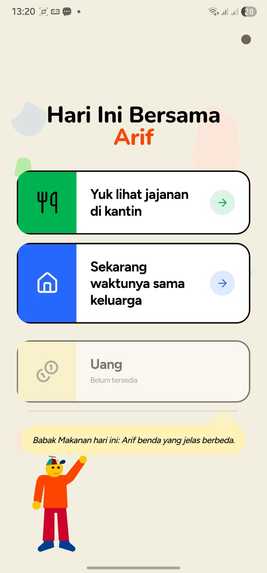
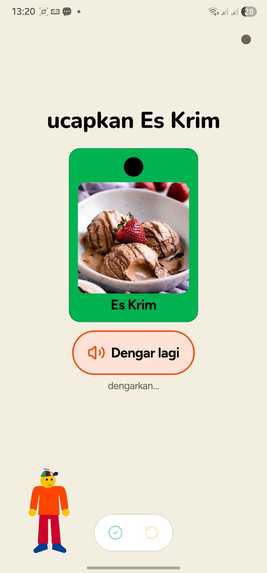
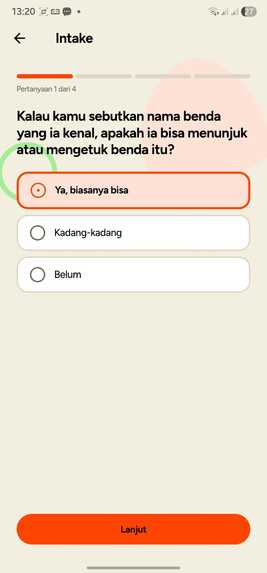
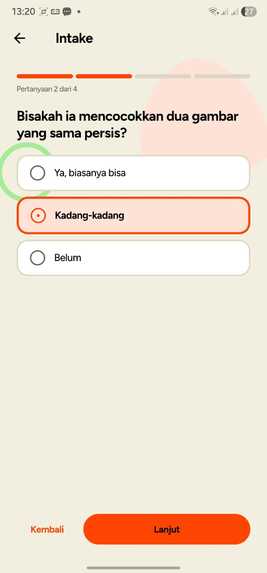
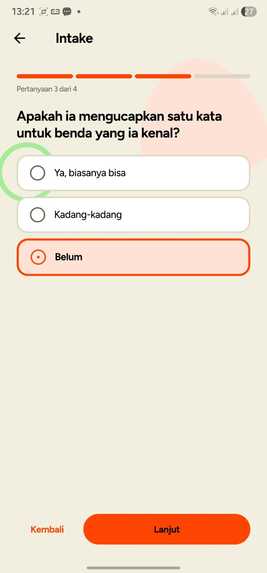
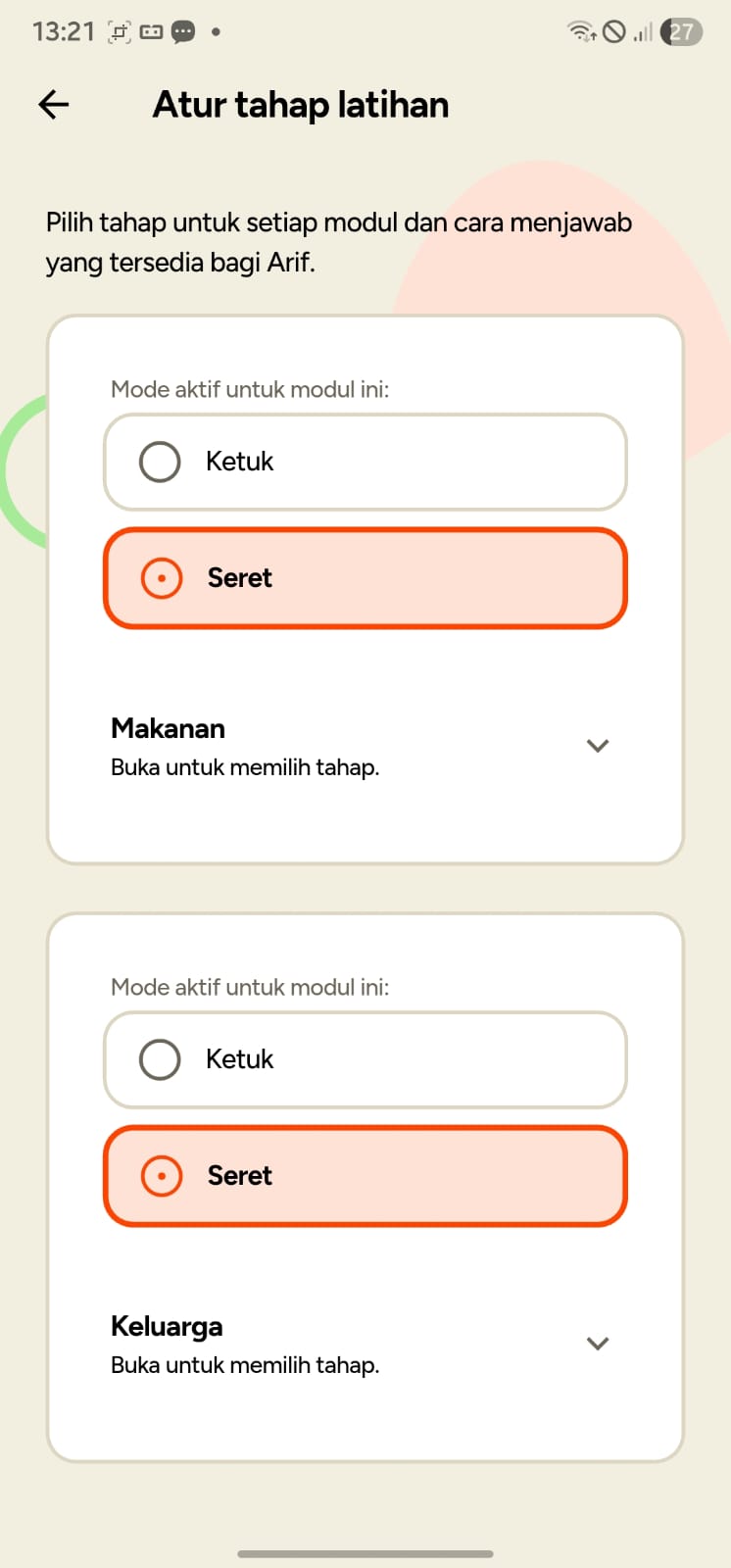
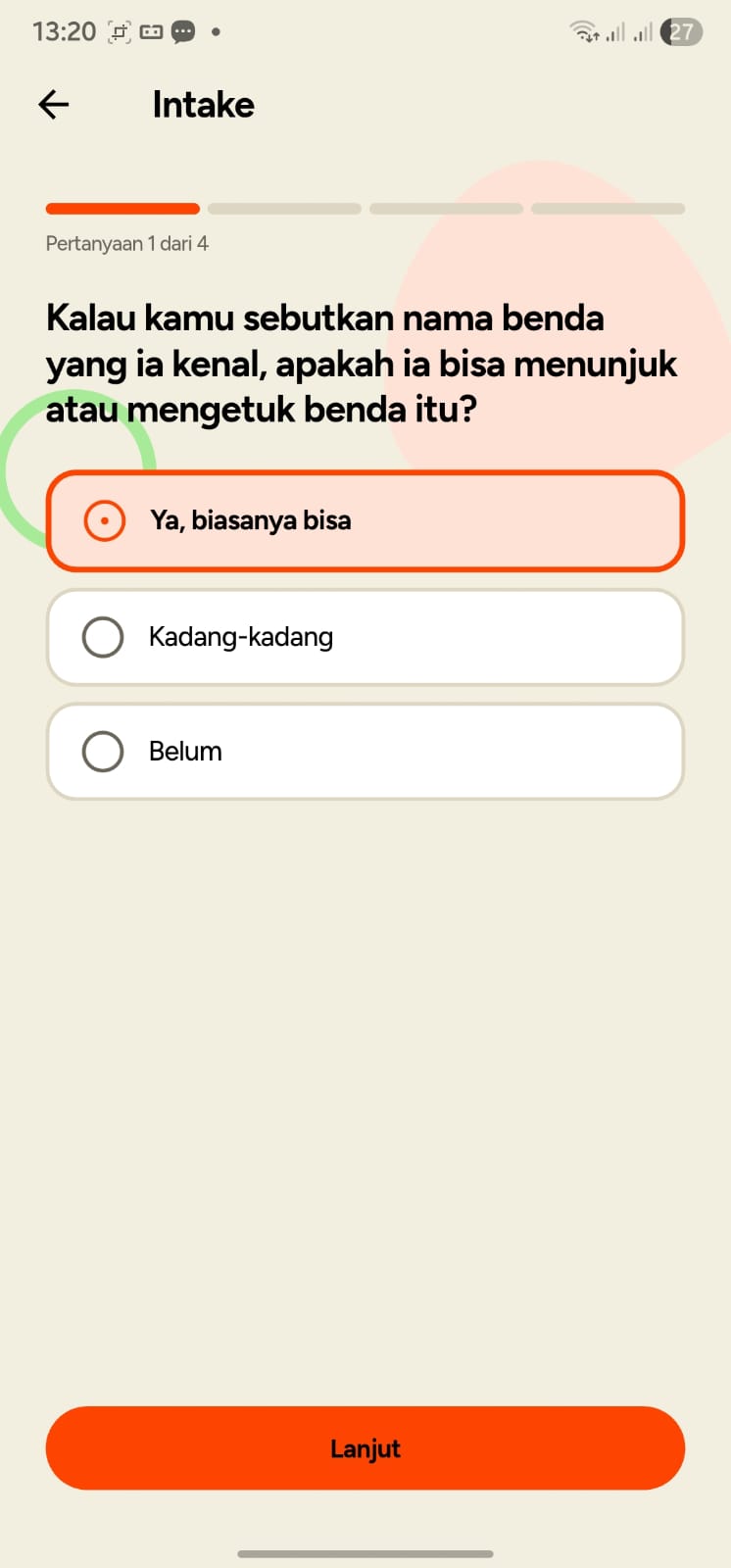
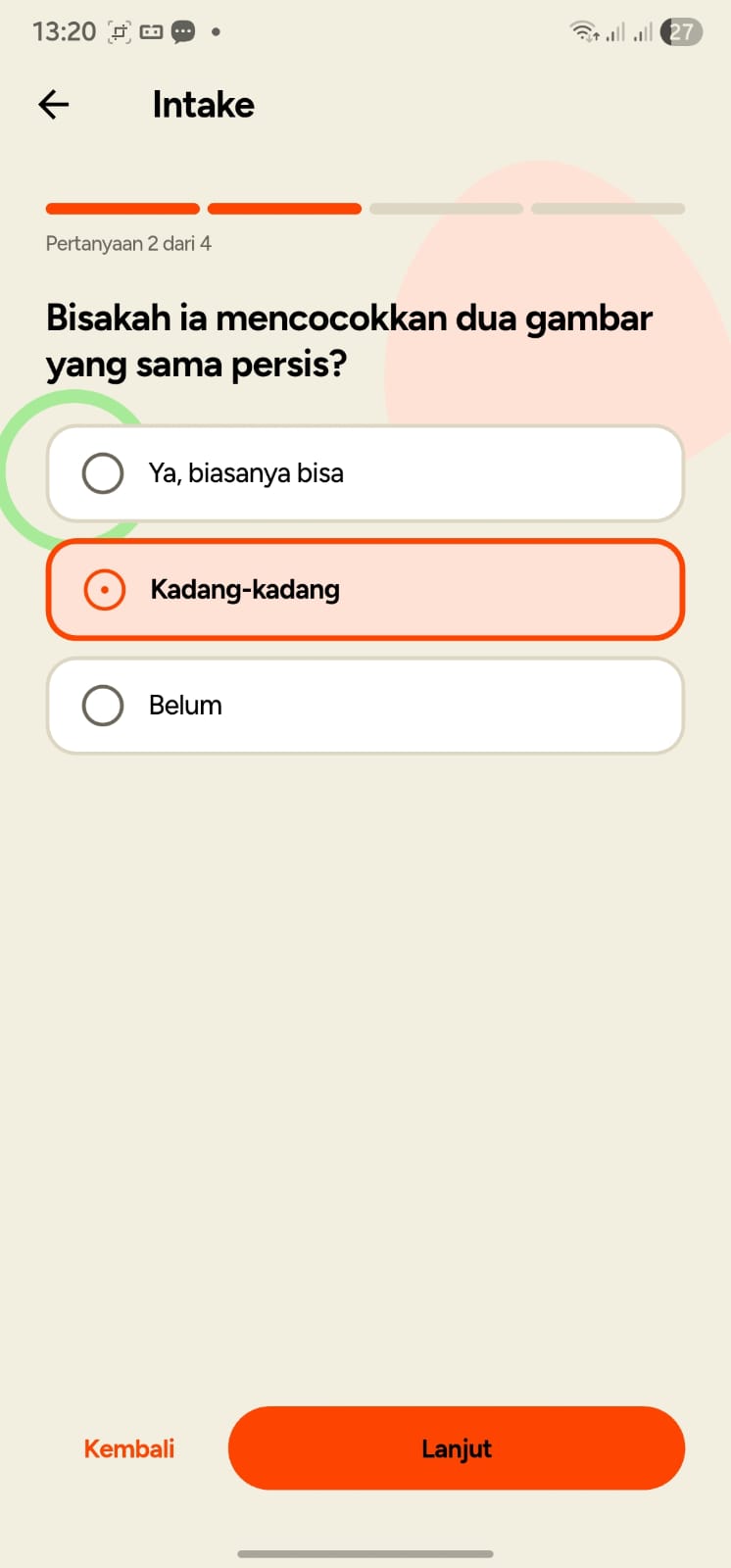
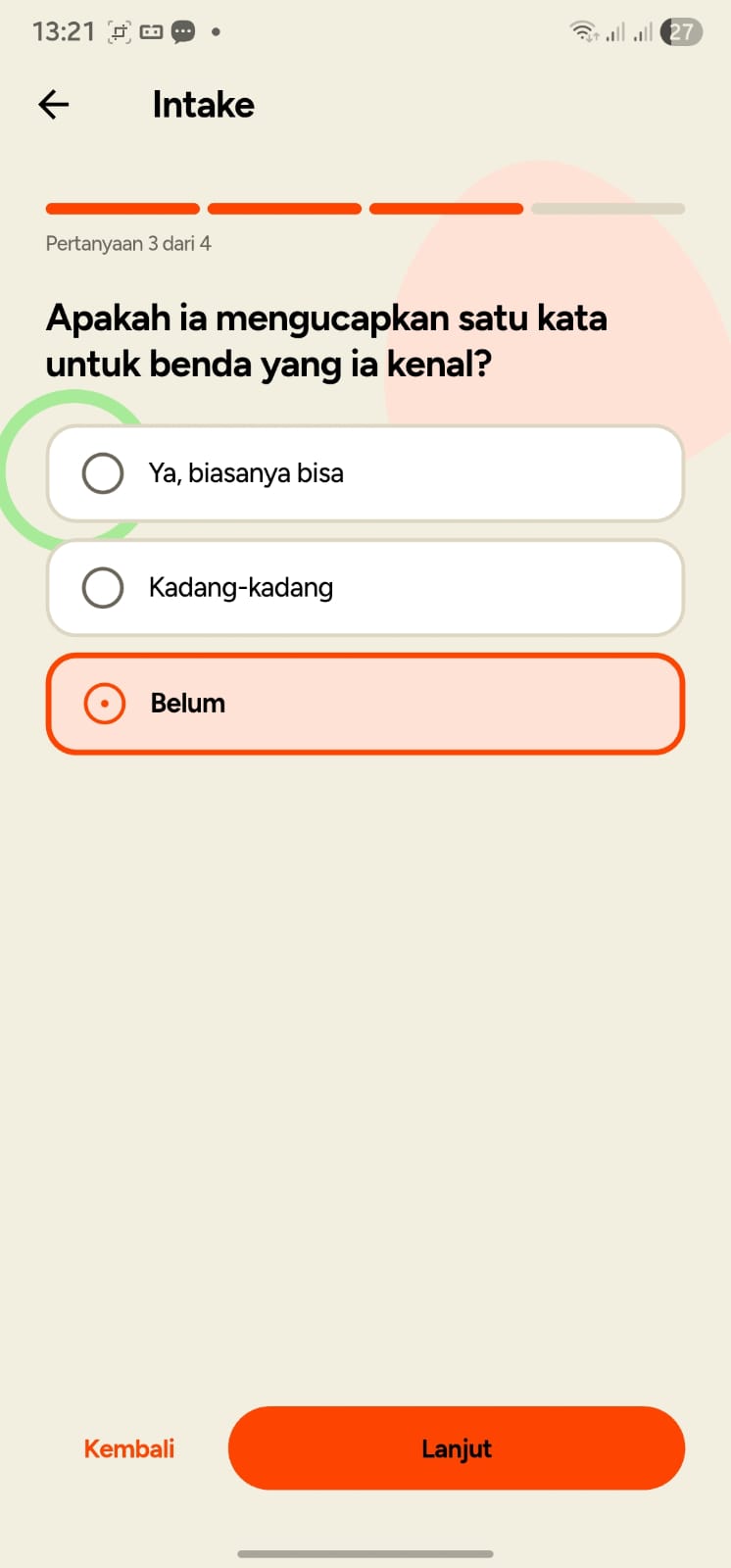
option that the kid could choose
-
-
-
-
-
-
-
-
-
-
-
-
-
-
Inspiration
Our purpose came first and foremost from our desire to create a digital solution that could benefit neurodivergent students. With that in mind, we gained valuable insights through field observation and research. We spent time at a Neurodiversity Clinic (Beyond Brighter Minds Indonesia) and later went to an SLB (Special School) Taruna Al Quran, watching therapists and teachers work. Amongst our observations, we noticed one similarity: we saw them use physical games such as circling numbers, color matching, picture pointing, and family recognition with neurodivergent children who either had ADHD, ASD, or both. We inquired about the purpose and implementation of such approaches, and later wondered whether a digital version of such games that assists the learning process of neurodivergent children would be possible.
Armed with our field observation, we set out to research further. On our pursuit, we found a paper by the World Bank (Hata, Wang, Yuwono & Nomura, 2023) revealing low assistive-tech availability across 2,000+ Indonesian special education teachers, and then faced the reality that most existing "serious games" used as intervention programs for neurodivergent kids, especially ASD, use English, Western stock photos (dollars, foreign supermarkets), and unrealistic contexts. These double transfer gaps directed us to find a sustainable solution that bridges real-world objects to a digital form in a local context.
We were also inspired by the Stanford Neurodiversity Project's strengths-based model — the paradigm-shifting idea that we should work with a child's neurology, not try to normalize or "fix" it. We asked ourselves: what if an app used the child's own environment, their own family, and their own "world" in order to enhance their capabilities and learning process? That question became TemanKu.
What it does
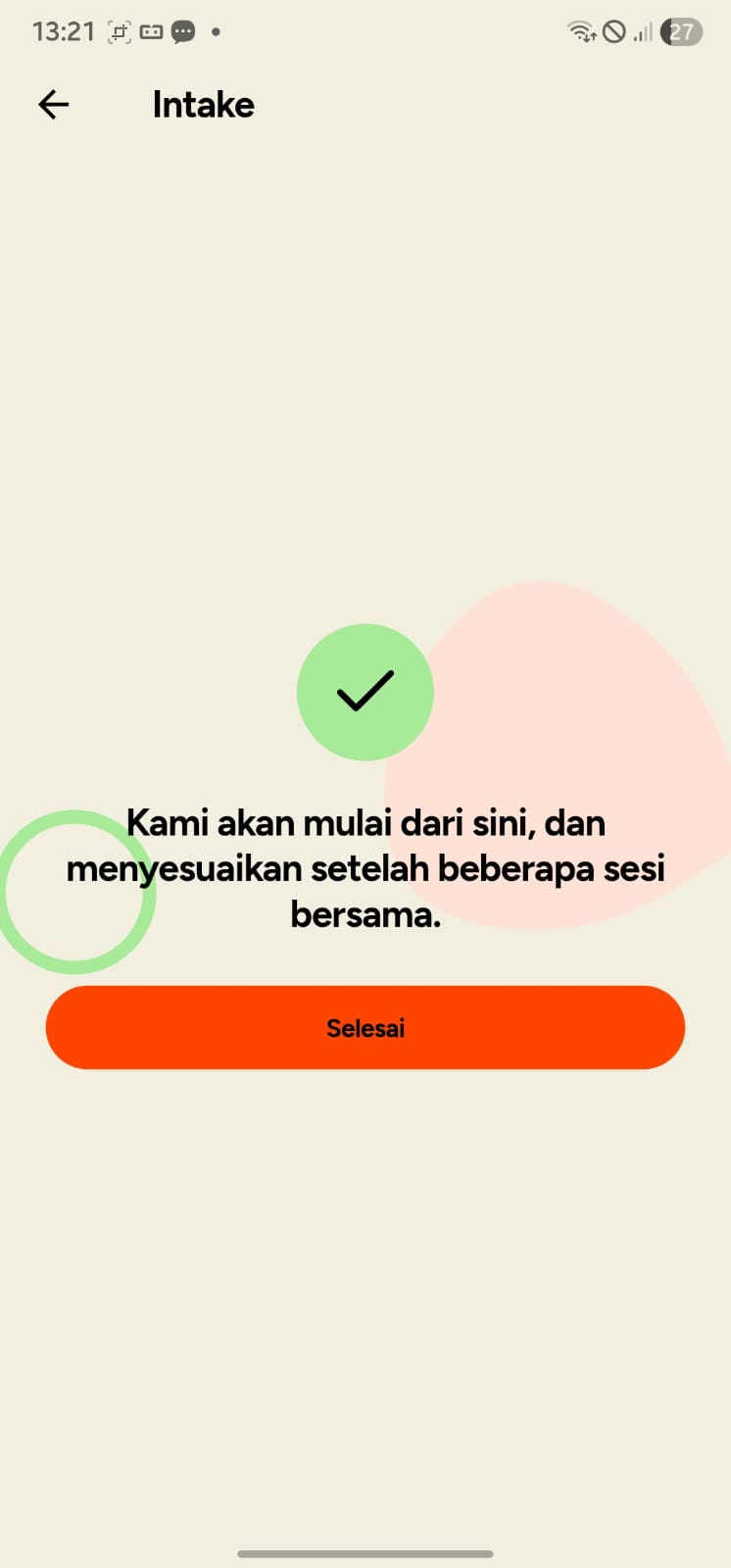
TemanKu is a guardian-mediated AI micro-game for Indonesian neurodivergent K-12 children. It teaches real-world functional classification skills in 3-to-5 minute sessions, built within a 15-minute attention span context, documented from our real-world observation through interactions with special educators and children.
Using the child's own environment (photos of their real snacks, their actual family members), the app delivers:
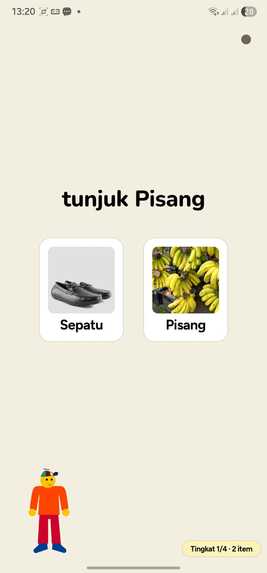
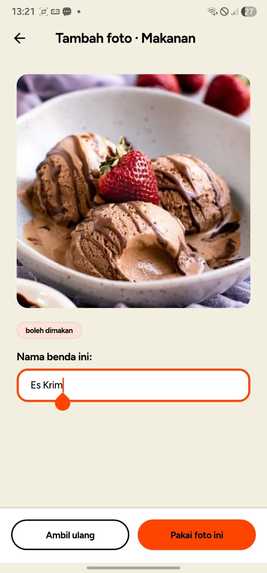
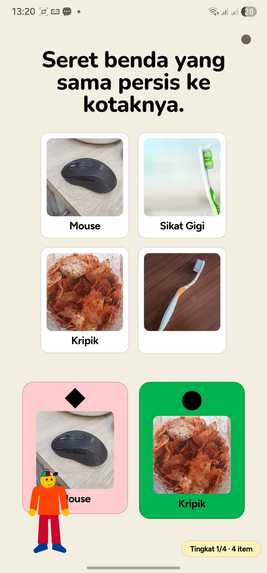
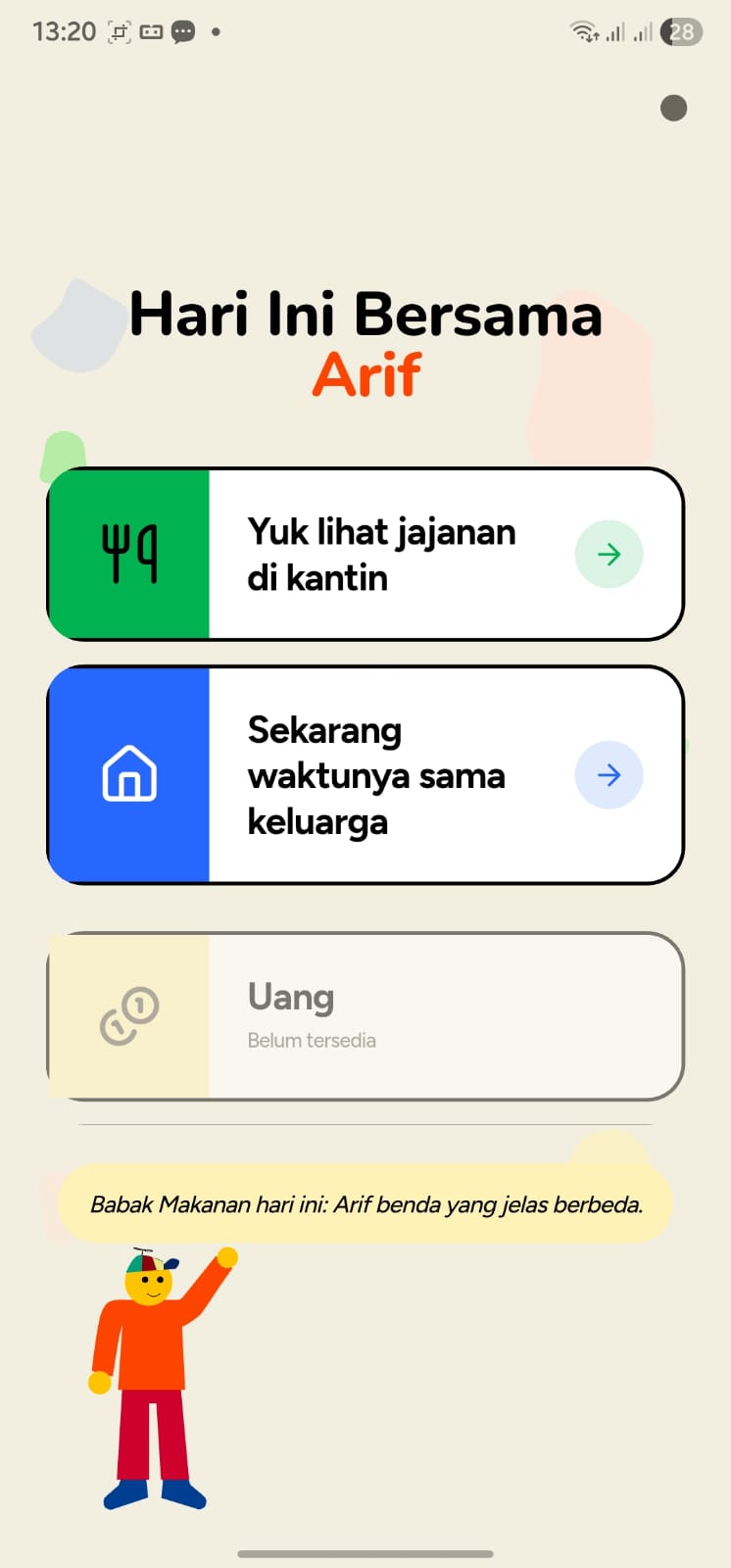
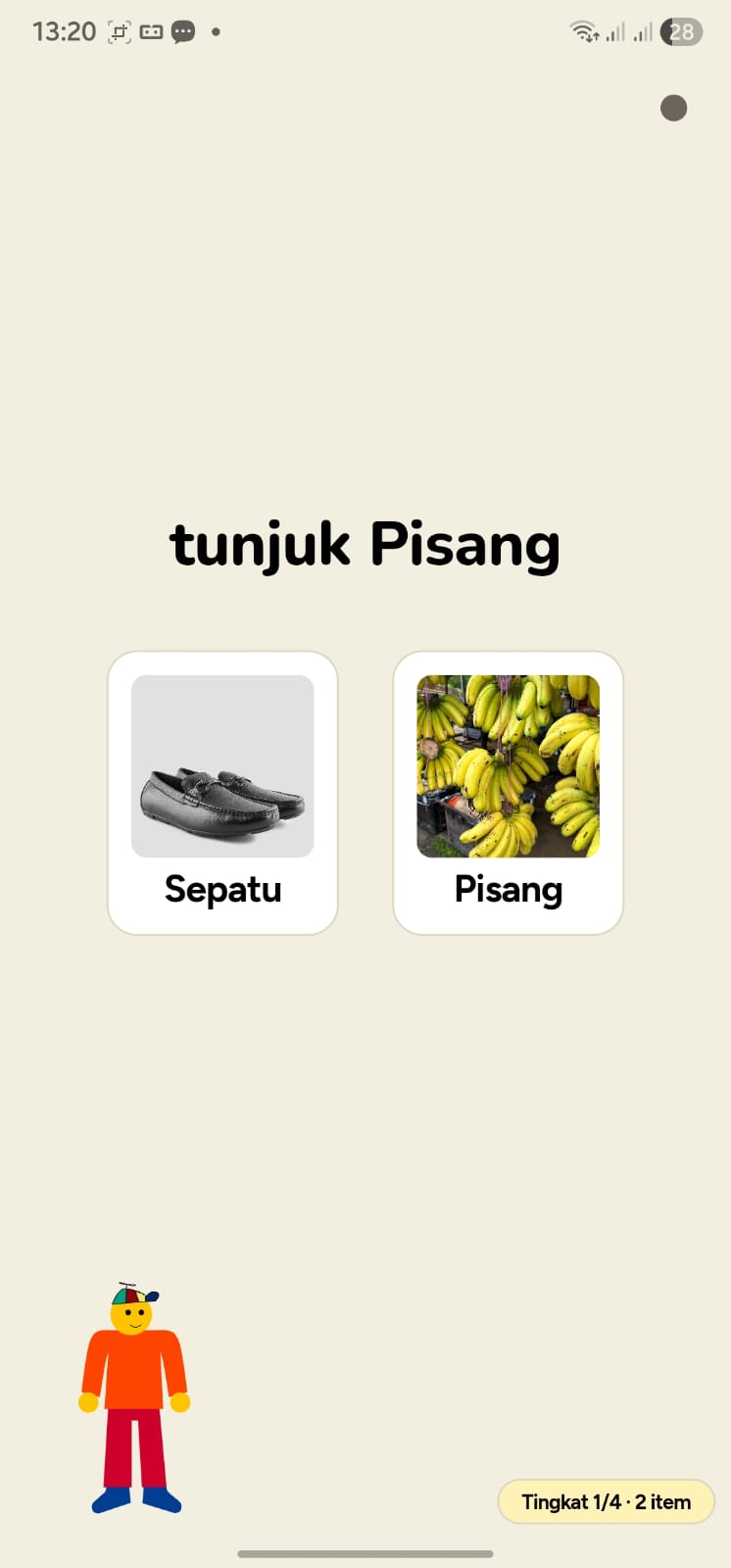
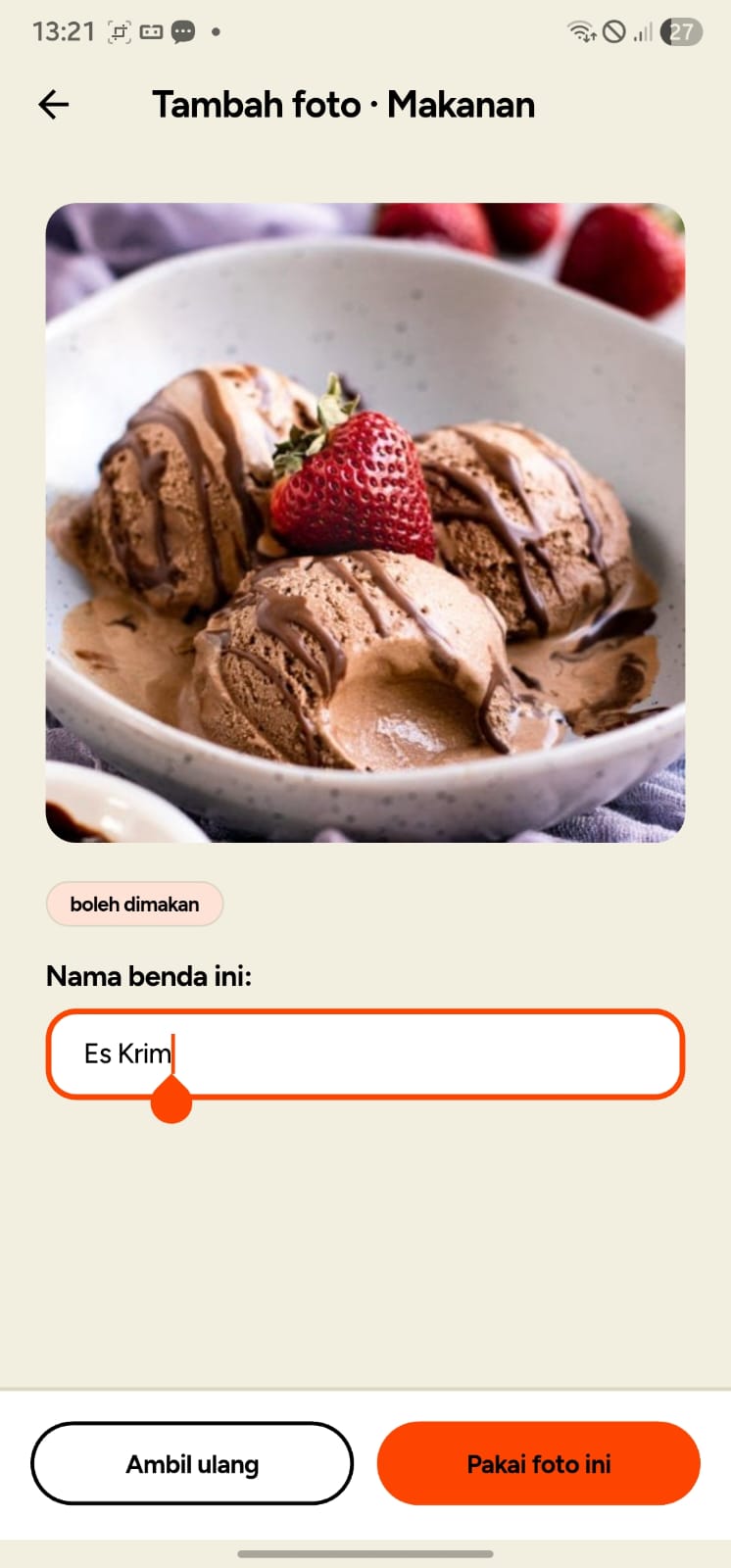
- Makanan/Food (MVP): Edible vs. non-edible classification using the child's own snacks.
- Keluarga/Family (MVP): My family vs. not my family, using actual family photos and a curated stranger library.
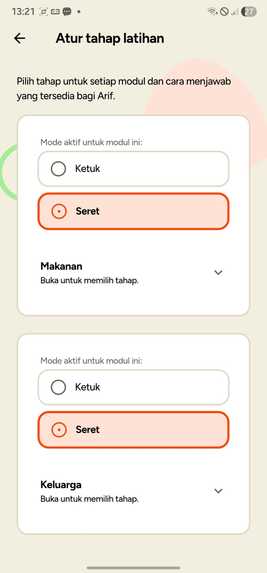
Children interact via three response modes (mirroring therapist practice):
- Tap (Listener Responding)
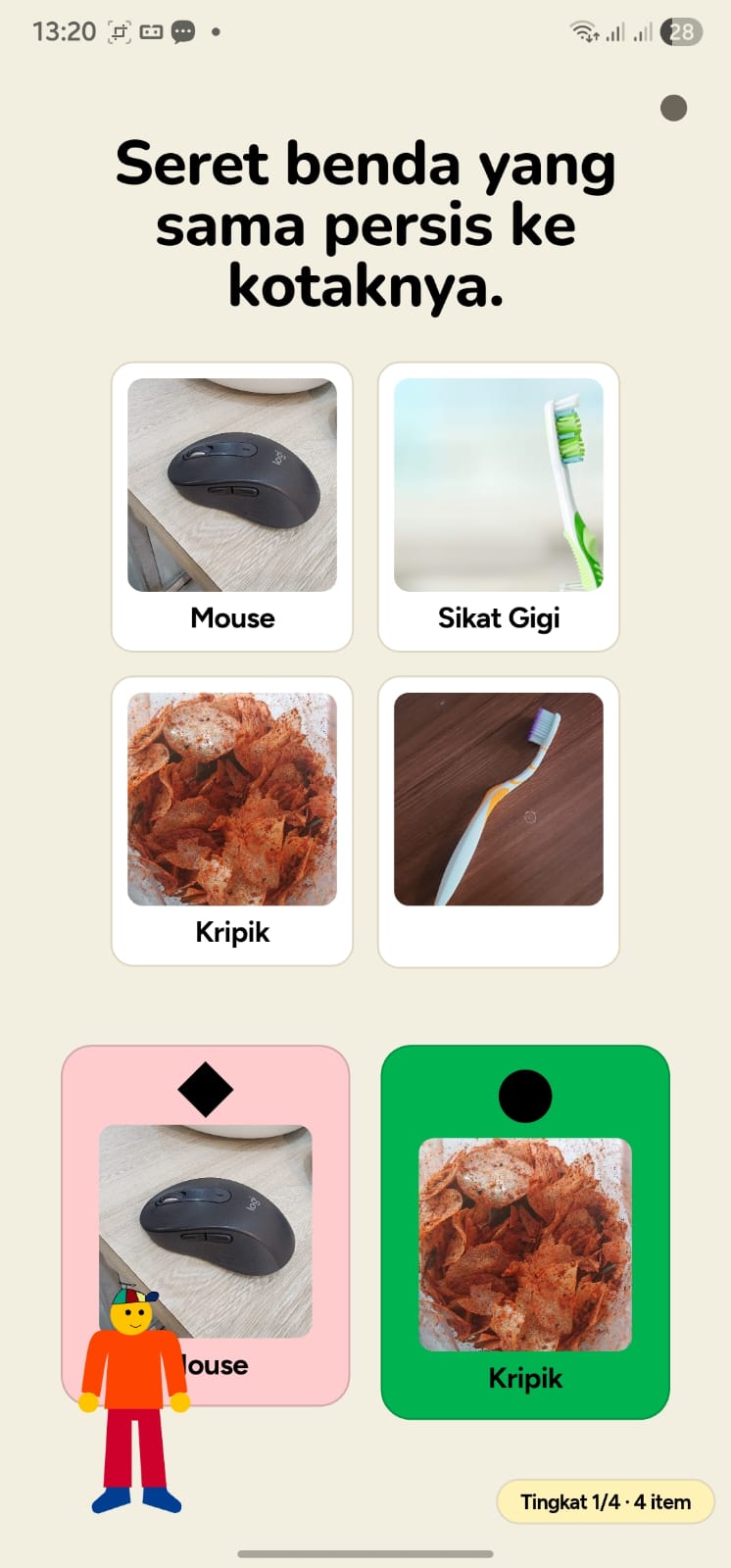
- Match/Drag (Visual Perception/Matching-to-Sample)
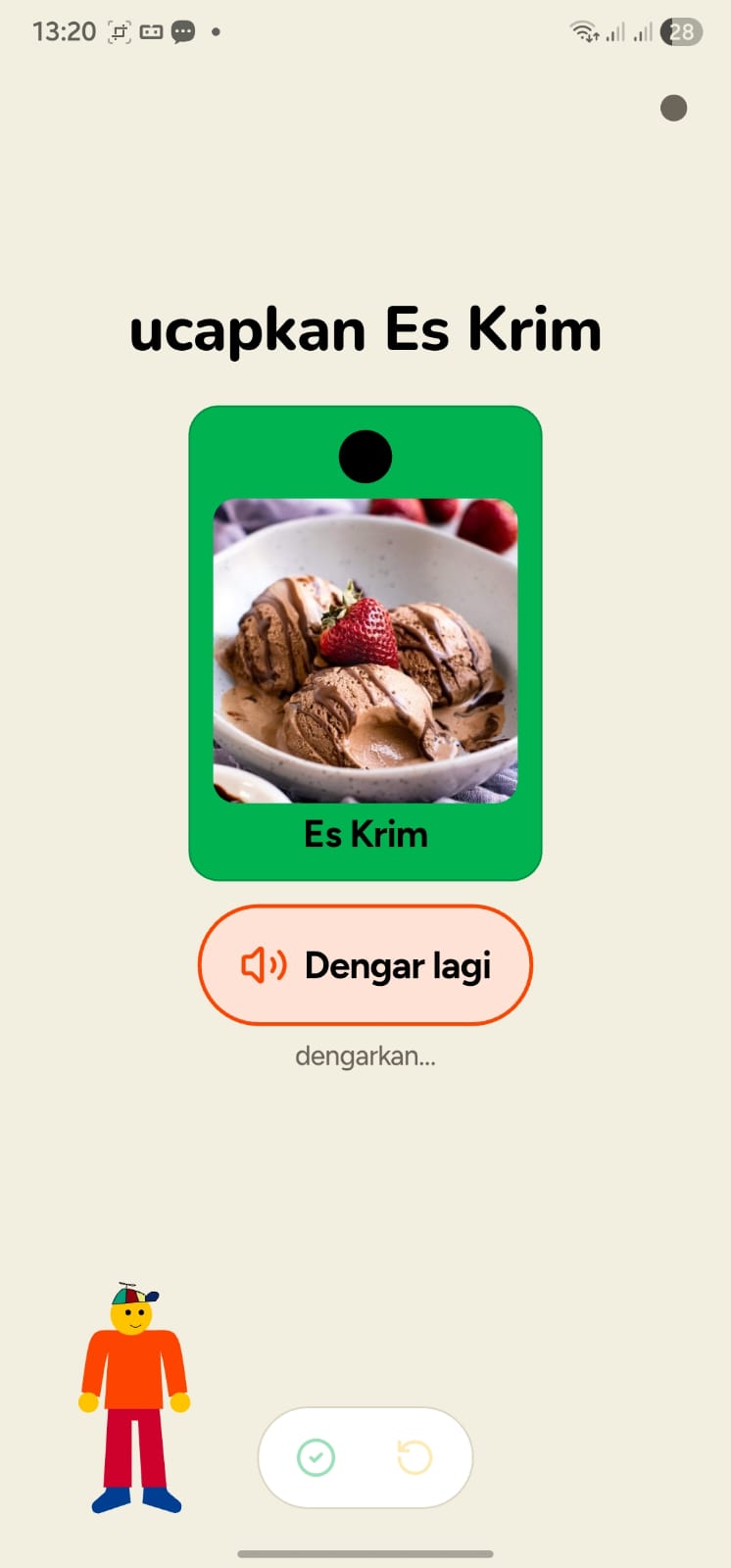
- Speak (Tact, with a guardian-in-the-loop framework, where the guardian sets the exercise's baseline level)
How's the flow The guardian uploads photos and mediates as the child goes through the exercises. The AI assists with photo quality, suggests a label via an on-device image classifier, and flags possible disengagement during tap/match trials through response-pattern analysis (response latency, repeated positions) — but never overrules the guardian. Voice activity detection runs separately, on-device, purely to manage turn-taking during Speak mode.
How we built it
Stack: Flutter/Dart for a single Android/iOS codebase, Riverpod for state, go_router for navigation, and a custom token-based design system so the UI never improvises its own visual language.
Offline-first by architecture. The full core loop — photo capture, classification, gameplay, speech detection — runs with zero server calls, since Indonesian schools can't be assumed to have reliable internet. Data lives locally in encrypted Hive storage and syncs to Firebase/Firestore only when available. No Cloud Functions in the MVP.
Swappable ML services. A service-locator pattern lets every risky component ship with a safe fallback and a one-line promotion path: the on-device image classifier has moved between a bundled TFLite model, Google ML Kit, and a self-hosted zero-shot model as tradeoffs became clearer; Silero VAD runs on-device for Speak mode's turn-taking, with a manual three-button fallback available if it ever proves unreliable.
Speech, kept honest. ASR is unreliable on neurodivergent Indonesian child speech, so we don't trust it with judgment. The app plays target words via Edge TTS (no mic data sent), optionally scores echoed clips through our own FastAPI + wav2vec2 backend as an advisory hint only, and always routes the final call through the guardian — the model's output never directly triggers a result.
Challenges we ran into
- The ASR False-Negative Trap. Fine-tuned Whisper/ASR looks good on paper, but on neurodivergent Indonesian child speech it's a documented ~20+ point WER degradation machine. So instead of pushing it, we use an existing phonetic identifier model to detect what the child spoke, and the guardian judges what they said.
- Designing Within the Attention Ceiling. Most gamification uses streaks, variable rewards, and re-engagement notifications. But we received feedback from BBMI therapists and special education teachers saying these systems can create addiction and impose frustration for the children. We chose to build a genuinely calm, predictable experience that ends gracefully within a few minutes, without boring capable children — it required obsessive discipline.
- Family Module Library. Since we couldn't use real private individuals without consent, our team found a structured solution: a curated, bundled library of realistic, diverse Indonesian-looking stock faces that serve as distractors. This removes third-party consent issues while preventing "family = people who look like this" shortcut learning.
- Offline-First Core Loop. Ensuring the core game loop — photo capture, classification, gameplay, and on-device speech detection — works entirely offline in Indonesian schools with unreliable internet was a hard architectural constraint, but also non-negotiable for real-world access. The one deliberate exception is Speak mode's pronunciation hint, which is opt-in, consent-gated per child, and never required for the core loop to function.
Accomplishments that we're proud of
- Observation and Research Based Approach. We set out to base our ideas and assumptions on real-world data & academically approved theories. We went to a Neurodivergent Clinic (Beyond Brighter Minds Indonesia) and a Special School (Taruna Al-Quran SLB).
- Bridged Psychology and Technology. Our team is composed of 2 Information Technology students and 2 Psychology students, where the psychology students research and use their knowledge to note things the IT students might miss, and the IT students turn those suggestions and teamwork into reality.
- Grounded our design in the real world. We interviewed and inquired with children, educators, and ourselves about what approaches have been implemented, what works best, and what the field observations show regarding such matters.
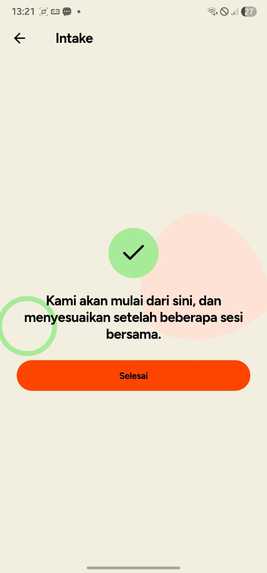
- Turned research into a focused MVP. We narrowed a broad problem into a practical first version: two functional modules, three response modes, short sessions, and guardian-mediated sessions.
What we learned and what we implemented
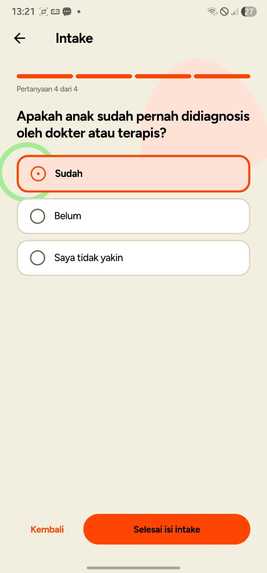
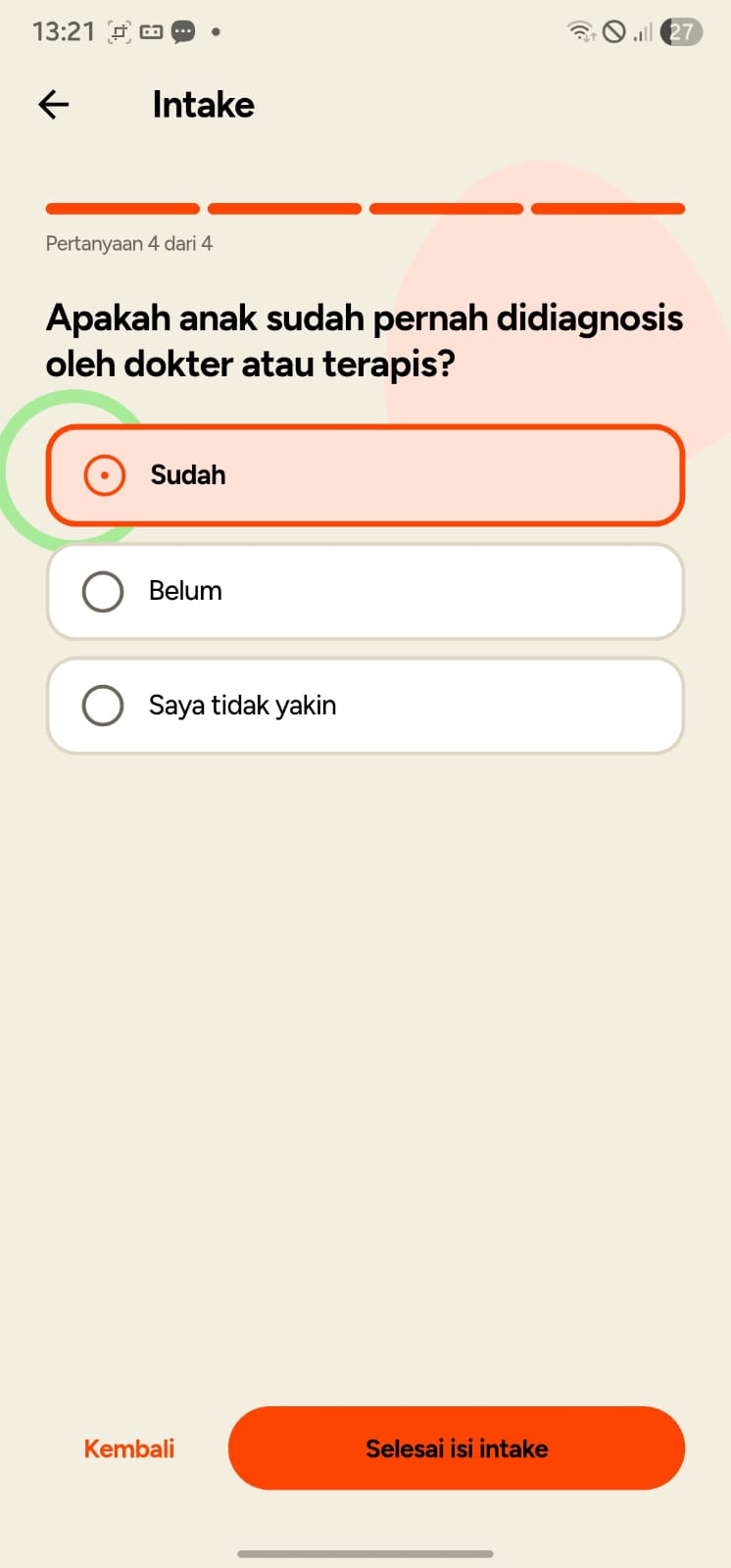
- Behavioral observation beats caregiver prediction. In real assessment and therapy, therapists don't guess a child's level — they watch the first few trials. Following that same principle, we start everyone at Step 1 by default, with no placement quiz, because a wrong high placement is devastating while a low placement produces no harm. Guardians retain the ability to manually adjust a child's starting level per module and mode — informed, for example, by a therapist's VB-MAPP assessment — but the system itself never requires or verifies that evidence; placement judgment stays with the guardian, same as everything else.
- Response mode is a primary differentiator. We built our approach around three response modes (point, match, speak) as differentiators. Those three skills develop asynchronously, so we built independent ladders per mode, per module, to guarantee there is no cross-module gating.
- Trust the guardian, always. We use the guardian's initial knowledge as the baseline starting point for where we start. They are part of how we help neurodivergent children by giving us insight into their environment — the guardian is the best starting point.
What's next for TemanKu
- Build Out Deferred Modules: Sampah Module (organic/non-organic waste classification), Uang Module (enough/not enough Rupiah counting), Pengenalan Keamanan (safety recognition), and Pengenalan Orang Terpercaya (trusted-person recognition) — all four are already scaffolded as disabled placeholders in the session UI, ready to build out.
- Expand Family Module Library: Expand to a more sophisticated family tree where there might be more complex hierarchy and relationships between members.
- Co-Design Validation Sessions: Continue working further with the educators and therapists at BBMI and the SLB. Test further, record performances and analyze statistics, to serve as the primary development loop in the future.
- Classroom Surface (Future Initiative): Teacher-led, multi-child, synchronous usage, flagged as a potential feature branch in the future.
Built With
- dart
- firebase
- firestore
- flutter
- hive
- machine-learning
- riverpod
- tensorflow
- tts


Log in or sign up for Devpost to join the conversation.