-
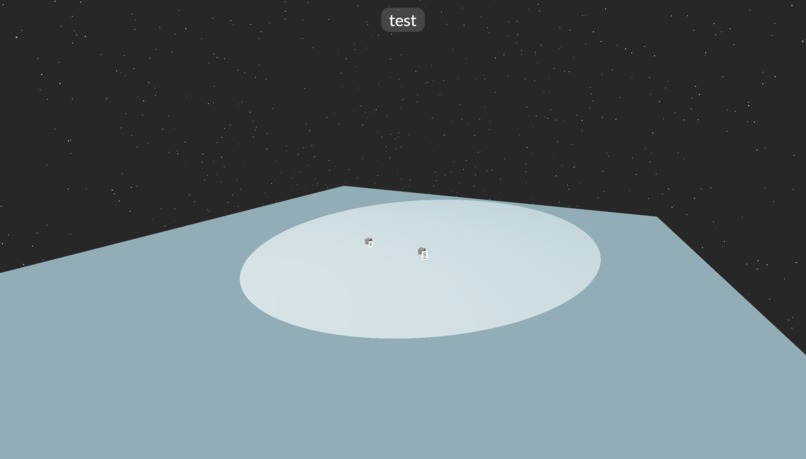
A simple platform and background create the sense of a safe space.
Inspiration
By textbook definition, ‘telepresence’ refers to the use of virtual reality technology to interact with physical but remote environments-all at the user’s command. Meanwhile, wait lists for appointments with psychiatrists and other mental health specialists have been at an all-time high. Moreover, many of these appointments have shifted to online and cellular platforms to increase accessibility. Geared towards individual or group psychotherapy, Telepresence combines these technologies to increase the ‘presence’, comfort, and convenience of patients seeking e-therapy.
What it does
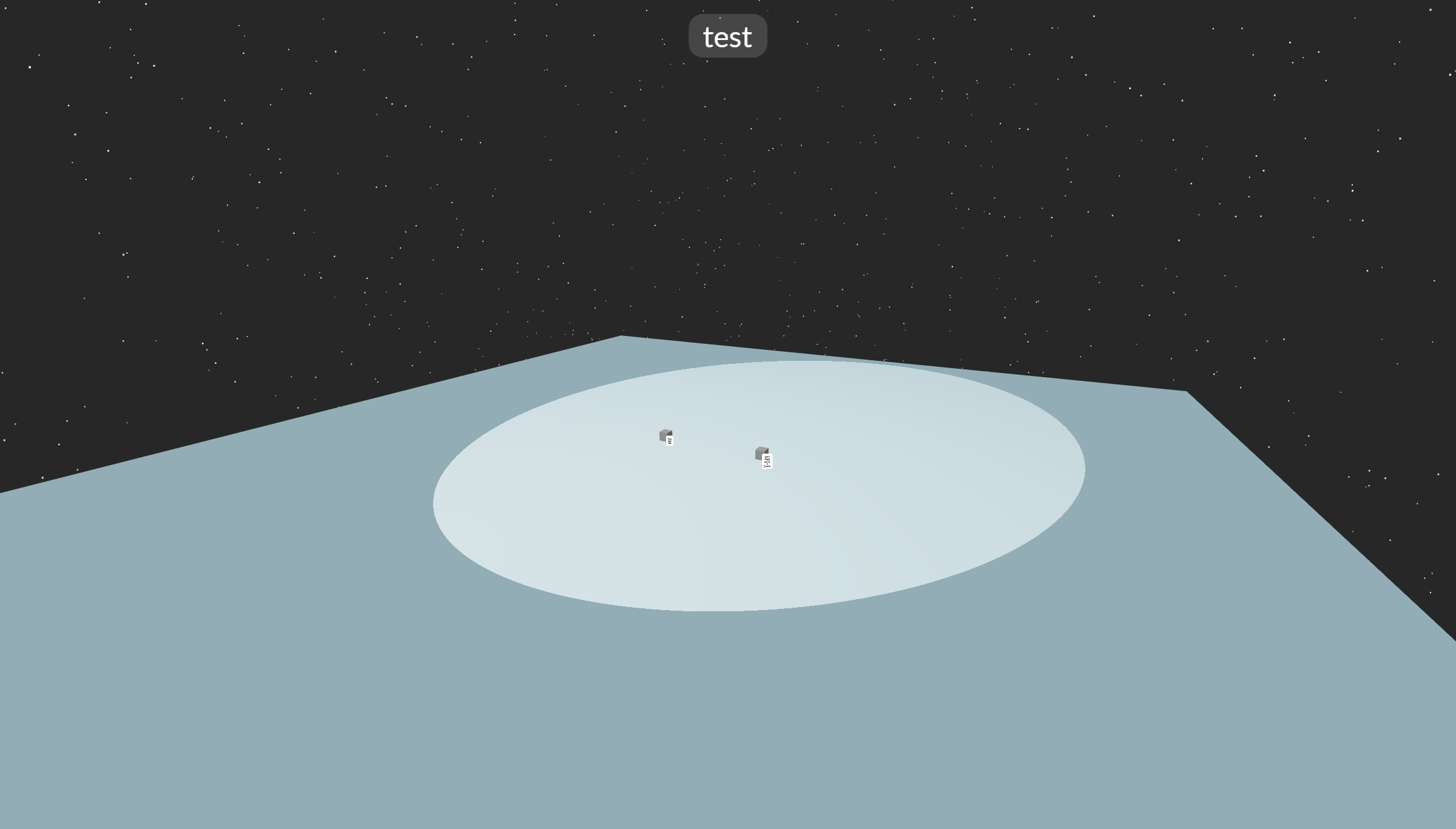
While general video and call meetings allow efficiency and the ability to complete jobs remotely, participants can become distracted without the active interactions and human connections they make. Individuals simply log into TelePresence and join their virtual rooms that depict physical classrooms. Similar to keeping your camera off in video meetings, people are portrayed by simple cubes. Thus, identities remain undisclosed. To interact with others, simple keyboard controls allow you to ‘roll’ around the platform and approach other ‘cubes’. Personal names are chosen and typed in, and an in-text chat function is available for communication. Chances of prejudice, stereotyping, and bias are eliminated, and so comfort is optimized. Regardless of age, ethnicity, gender, and what your story is, everybody exists as simple cubes in this e-space.
How we built it
TelePresence was created using a variety of languages and software, including:
- React
- Three.js
- JavaScript
- HTML
- CSS
- Firebase
- OpenAI
Challenges we ran into
In the initial designing process, pinpointing the idea posed somewhat of a challenge. The ‘classroom’ platform and moving cubes could be applied to what seemed like endless proposals. Furthermore, this was the first time learning three. js for some hackers, and the multiplayer aspect was hard to integrate.
Accomplishments that we're proud of
We are proud of the simplicity of the design of TelePresence. The idea of having characters or shapes representing people, and having the user control commuting may not be new or original. However, the way it is applied in the case of TelePresence solves many of the social issues that can arise in other settings. Increased interactions compared to regular video meetings and discrimination are a few.
What we learned
As mentioned, the technicalities of integrating multiplayer capabilities and the use of three. js were two challenges we faced. On the flip-side, these came as great opportunities for learning.
What's next for TelePresence
Here are some of our future expansions and ideas:
- Voice proximity chat (and voice changers) for easier communication
- Access for the specialist or supervisor to change voice controls of cubes (mute, ‘pass the microphone’, etc.)
- Emotes (raise hand, nodding, thumbs up, etc.)
- Customization of participants (cubes), background and foreground on individual screens


Log in or sign up for Devpost to join the conversation.