-
-
Thumbnail
-
Homepage
-
Sign up
-
Sign in
-
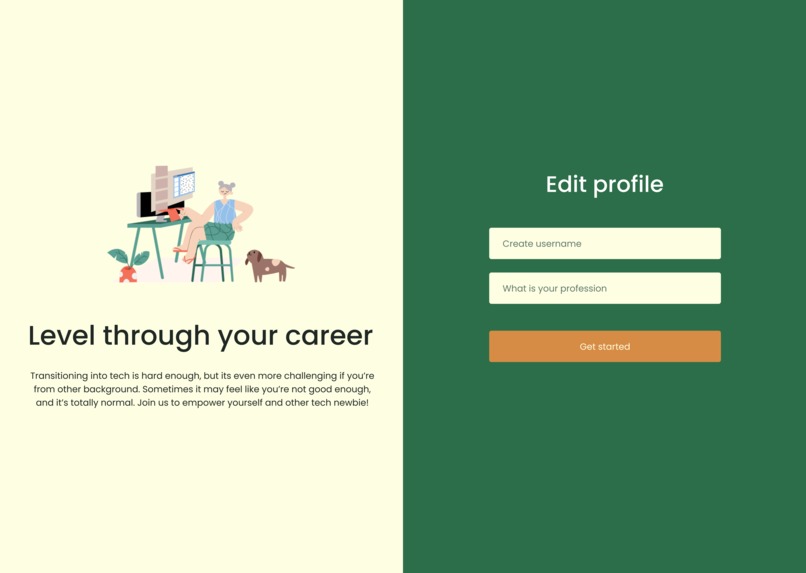
Edit profile


Inspiration
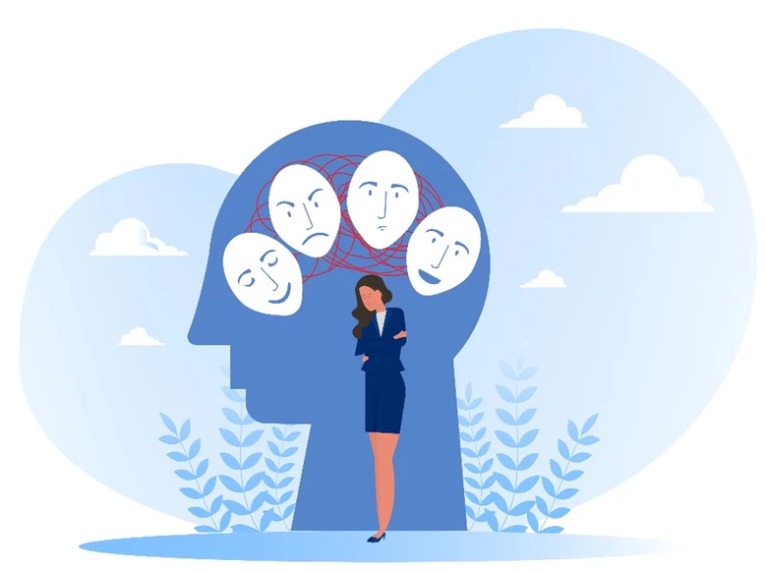
Transitioning into tech is not an easy feat, it's even more challenging if you're from a non-tech background. One has to learn their way through certain skills, form connections, and stand out from the crowd. This causes imposter syndrome - a sense of self-doubt and a feeling of non-being good enough. A 2019 review Source of 62 studies on imposter syndrome suggested anywhere from 9 to 82 percent of people report having thoughts along these lines at some point. Early research exploring this phenomenon primarily focused on accomplished, successful women. It later became clear, though, that imposter syndrome can affect anyone in any profession, from graduate students to top executives.
Academic success in childhood could also contribute to imposter feelings later in life. Maybe elementary and high school never posed much of a challenge. You learned easily and received plenty of praise from teachers and parents. In college, however, you find yourself struggling for the first time. You might begin to believe your classmates are all more intelligent and gifted, and you might worry you don’t belong in college, after all and it can worsen mental health symptoms, creating a cycle that’s difficult to escape. The pressure is more on women, non-binary & transgender folks, especially from minority groups. To counter these feelings, you might end up working harder and holding yourself to ever higher standards. Thus we came up with Techwmxn, a platform for womxn who are transitioning into tech from a different background to share their accomplishments, share their struggles with fellow tech newbies.
What it does
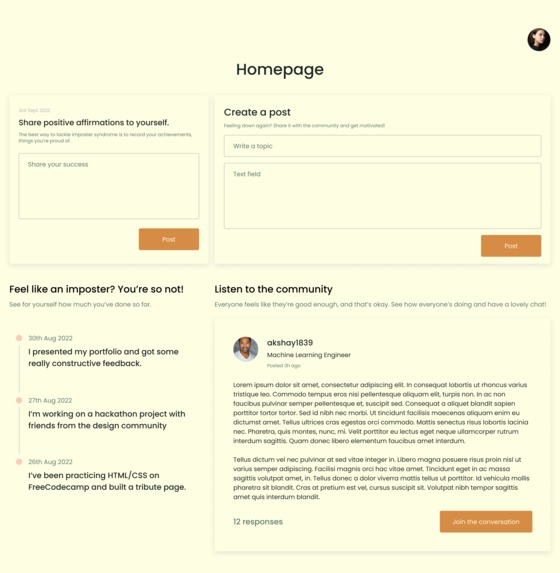
Techwmxn helps the users jot down their accomplishments, big or small - and remind them of how far they've come rather than how far they're yet to go (a common problem in imposter syndrome). We also have a post-sharing feature where they can share their success (or) struggles with fellow newbies and engage in meaningful conversations.

Research
Initially, we did research on social media on how newbies in tech are dealing with their transition and found the following insights:
- Women on all-male teams may be less eager to speak out or take initiative, even when they have a lot to offer.
- compares oneself to others in the industry and feels they’re not doing enough
- focus more on how far they have yet to go instead of how far they have already come
- fear of making a mistake makes them not to take up challenging tasks - and struggles to put themselves out in the world
- minorities (in gender & race) feel like they don’t belong because there are not a lot of them in the industry
- they question and overthink their professionalism (body language, vocab, dressing sense, etc.)
How we built
- We created a user interface (using Figma) that is welcoming but also does not enforce gender stereotypes.
- We built the front end using HTML, CSS, and JavaScript and backend using Python, Django, and MongoDB.

Challenges we ran into
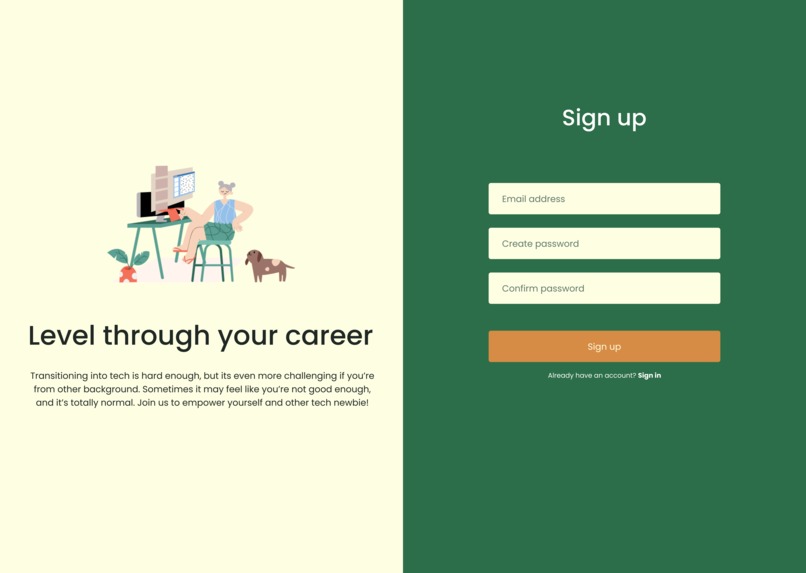
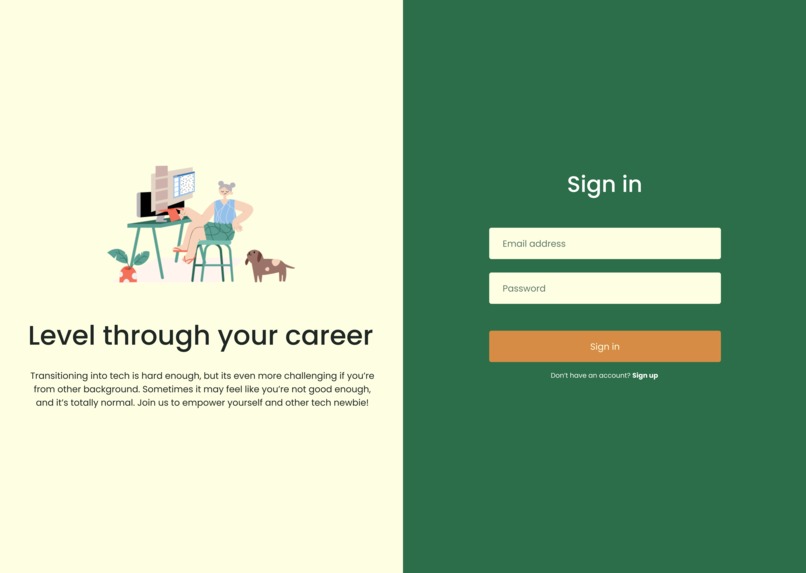
On the frontend side of things, it was a challenge to coordinate work on the website because we wanted our website to look cohesive and concise. To keep our style consistent, we made mocks up of our website using Figma so that all of us were on the same page. We faced conflicts while merging the login page branch and had to resolve them together
Accomplishments that we're proud of
We're all very proud of what we are able to do in 2 days of time, from picking a problem that aligns with the theme to creating a product.
What we learned
We learned how to use GitHub efficiently to build out projects
We also got to learn how to pair-program remotely for hackathons as some of us were new.
Python web framework 'Django' and libraries like
Tailwind CSSwere new to us so it was great to have learned about them through the hackathon.
What's next for Techwmxn
With more research about the habits, preferences & behaviors of our users,we would like to add more features.

Log in or sign up for Devpost to join the conversation.